
Reviewed · KILIMANJARO CLIMBS
Tanzania Safari and Kilimanjaro Climb Multi-Day Experience
Two worlds in one trip, wild safaris and Kilimanjaro. What makes this plan compelling is the way it pairs game drives in top parks with a multi-day mountain challenge, all run with a dedicated team so you are not juggling details. I love the built-in rhythm of Serengeti wildlife days followed by Ngorongoro and Tarangire, which gives you more chances to spot the animals people travel for.
I also love the comfort side of the equation, especially the stay at Heart of Africa Lodge, with spacious rooms, a garden, and a pool to recover between long days. After drives and trekking, having real downtime matters, and the focus on good meals helps you keep energy up without turning every day into a logistics puzzle.
One consideration is simple: Kilimanjaro is demanding. The trek spans several days, and you should plan on long effort days plus the moderate physical fitness requirement, with weather and altitude effects that can make each day feel harder than you expect.
In This Review
- Key highlights you should know
- Why this Tanzania safari + Kilimanjaro combo works
- How your days unfold: Arusha to Serengeti wildlife time
- Ngorongoro Crater and the Olduvai Gorge option
- Tarangire for elephants, baobabs, and a slower pace
- Transition to Kilimanjaro: planning your trekking week
- Summit challenge realities, and how guides affect your outcome
- Heart of Africa Lodge: a real recovery stop between big days
- Price and value: what $5,700 per person is really buying
- Who this tour fits best
- Should you book this Tanzania safari and Kilimanjaro climb?
- FAQ
- What is the total length of the experience?
- Where do you start and where do you end?
- Which places are included in the safari portion?
- How many days are set aside for Kilimanjaro trekking?
- Is pickup offered?
- Is this a private tour?
- What does the package cover?
- What fitness level do I need?
- What is the cancellation policy?
Key highlights you should know
- Private, dedicated guiding that keeps the safari and climb coordinated
- Big Five chances across three parks: Serengeti, Ngorongoro Crater, and Tarangire
- Ngorongoro Crater and flamingos, with an optional Olduvai Gorge stop
- Comfort at Heart of Africa Lodge with garden time and a pool
- Kilimanjaro support included, including climbing gear and park fees
- Flexible admin support, with pickup offered and mobile ticketing
Why this Tanzania safari + Kilimanjaro combo works
A Tanzania safari and a Kilimanjaro climb can feel like two separate vacations, which is exactly why the pairing makes sense when it is handled well. You get the low-stress thrill of wildlife spotting on day after day safari drives, then you shift gears to altitude walking with the same overall team guiding the flow. It is not just about ticking off sights, it is about pacing, so you do not burn out before the summit push.
I like that the plan focuses on variety instead of repeating the same kind of outing. Serengeti delivers classic predator and prey action, Ngorongoro gives you an intense crater setting with flamingos and Big Five odds, and Tarangire adds elephant herds and baobab trees. That blend keeps the wildlife watching feeling fresh even when you are tired from travel and early starts.
This is also a practical type of trip if you hate admin. You are told that meals, park fees, and climbing gear are handled, so you can spend your brainpower on what matters, like hydration, rest, and staying calm when the mountain day feels long.
More Safaris in Moshi
- Great Migration Safari In Tanzania
★ 5.0 · 71 reviews - 6 Days Tanzania Classic Safari
★ 5.0 · 52 reviews - 4 Days Tanzania Private Safari | Serengeti , Ngorongoro & Tarangire Safari
★ 5.0 · 16 reviews
How your days unfold: Arusha to Serengeti wildlife time
Your trip starts with an arrival into Kilimanjaro International Airport, then a transfer to Arusha for an overnight stay. That first night is more than a formality. It gives you a reset before the long drive into safari country, and it reduces the chance you arrive feeling rushed or dehydrated.
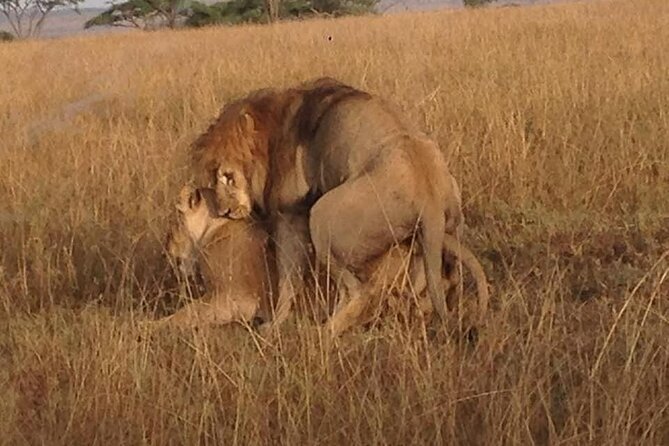
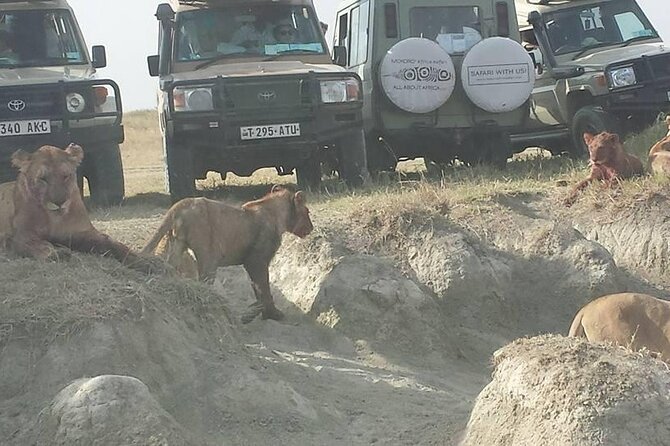
From there, the plan takes you to Serengeti National Park for an afternoon game drive. Even that half day can set the tone, because Serengeti has a way of rewarding patience. You are not just hunting for one animal, you are looking for the full cast: giraffes, cheetahs, elephants, and the big cats that make people say the same phrase over and over.
The next day is built for a full wildlife day, and that is where Serengeti shines for first-timers and repeat visitors alike. The focus is on Big Five possibilities, along with the smaller moments, like watching how herds move and how predators wait. With a dedicated guide, you are more likely to understand what you are seeing, because you get context for why animals are where they are.
One small drawback to plan around is travel time. The drive into Serengeti is listed as about 6 to 7 hours, which means you should expect a long seating day and plan to keep water and snacks handy, even if meals are included. Your body feels the difference between a vacation day and a vehicle day, so the best move is to pack for comfort, not just for weather.
Ngorongoro Crater and the Olduvai Gorge option
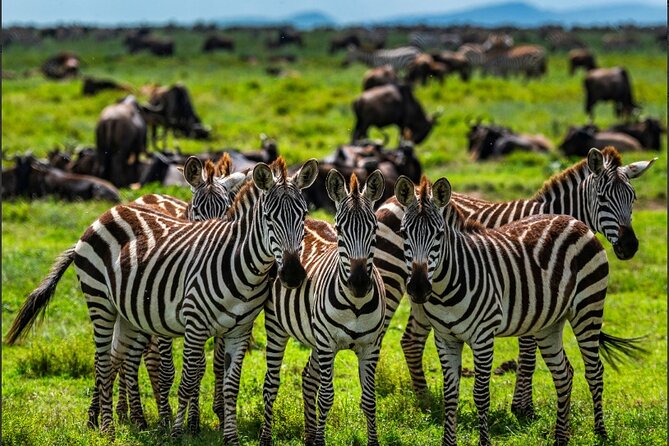
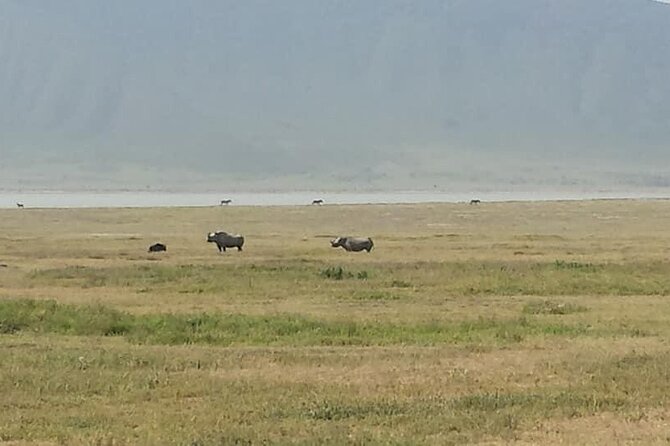
Ngorongoro Crater is the kind of stop that changes how you picture Tanzania. Instead of wide open plains only, you get a bowl-like setting where wildlife can feel close and visible from multiple angles. The plan places you there for a full day, with Big Five chances and also flamingos, wildebeests, and zebras.
This is also a day that helps you understand the Big Five in a more grounded way. In many safaris, you might catch a sighting and then spend the rest of the day chasing the next one. Here, the crater experience tends to encourage longer looking, because you are watching how different species share the same space.
There is also an optional Olduvai Gorge stop. That is a useful add-on if you like the human story side of travel, because Olduvai Gorge is known as the Cradle of Mankind. If your focus is strictly on animals, you can treat this option as a choose-your-own-adventure moment, based on your energy level and interest.
Practical note: crater days can be physically tiring, even without heavy hiking. You will likely do a lot of time in the vehicle and time watching from viewpoints, so bring layers. Mornings can feel cooler, and the day can warm up quickly.
Tarangire for elephants, baobabs, and a slower pace
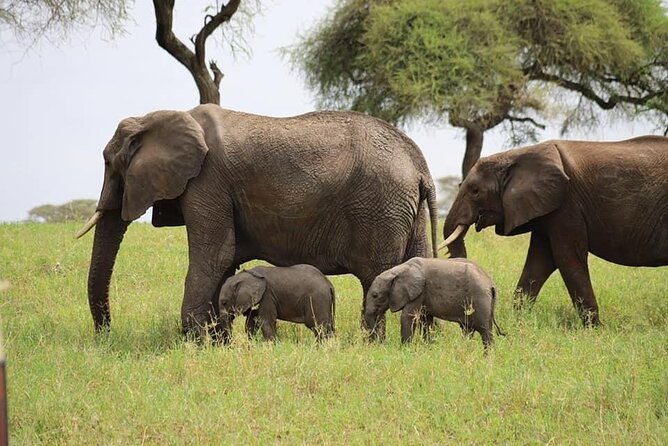
After Serengeti and Ngorongoro, Tarangire brings a different safari mood. The park is known for large elephant herds and dramatic baobab trees, which makes it a great “change of scenery” day even if you love the big cats.
What you gain here is balance. Serengeti can be all about action and tracking, and Ngorongoro can feel intense with the crater atmosphere. Tarangire often feels more spacious and unhurried, especially when you are watching elephants move through the landscape and studying how the herds use the water and feeding areas.
The plan gives you a full day in Tarangire (listed as 8 hours), which is the right amount of time to stop focusing on one animal and start noticing patterns. For example, elephants can cluster in a way that tells you where attention is moving, and birds can cue you into activity even when you are not seeing the big mammals immediately.
Then you return to Arusha for an overnight stay at Heart of Africa Lodge. This is smart, because it gives you recovery time before the Kilimanjaro portion. Travel fatigue is real, and if you skip the reset, the climb can feel harder than it needs to.
More Kilimanjaro climbs:
- 7 Days Kilimanjaro via Machame route affordable price
★ 5.0 · 110 reviews - Kilimanjaro Airport taxi to/from Moshi town/Arusha town
★ 5.0 · 60 reviews - 6 Days Climbing Mount Kilimanjaro Machame Route
★ 5.0 · 40 reviews - 8 Days Kilimanjaro Hike via Lemosho Route
★ 5.0 · 39 reviews
Transition to Kilimanjaro: planning your trekking week
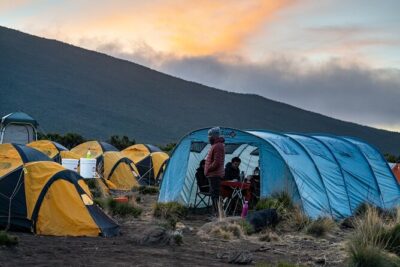
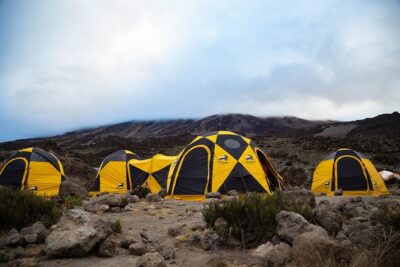
Kilimanjaro is the main event here, and your plan starts with a day for climbing preparation and mountain time. The schedule is set across multiple consecutive days, with one day described as a start to climbing or scenic mountain views before departure. That flexibility can be helpful, depending on how your first mountain day feels and how the route timing works for your group.
Then you move into several days of trekking up to the mountain. Your plan lists six more trekking days, followed by a final trek day, for a total of about seven days involved in the mountain ascent portion. Each trekking day is scheduled in the 5 to 7 hour range, with one day noted as 7 hours and another as 5 hours, so it is not the same grind every day.
That matters. A climb that is paced realistically helps you avoid the common mistake of going out too fast. Even if you are fit, altitude changes the game, so your goal is steady effort and consistent recovery, not hero timing.
You should also plan mentally for what happens when you go from wildlife days to mountain days. Safari days can be spent waiting and scanning, and trekking days are about keeping a rhythm with your breathing, your legs, and your hydration. If you are the type of person who likes structure, this plan’s multi-day consistency should feel reassuring.
Summit challenge realities, and how guides affect your outcome
The plan is described as designed for a rewarding and safe climb, using expert guides and routes chosen for that goal. While no one can control altitude weather or every body reaction, experienced guidance does help you respond to what the mountain is doing that day.
Here is where I think the “dedicated guide” part matters most for you. A good guide can help you pace, remind you to drink, and adjust expectations when the trail feels longer than the map. They can also keep the group moving as a unit, which helps emotionally because you do not feel like you are constantly reinventing the climb strategy.
Also, the package is described as all-inclusive for climbing gear and includes park fees. That is not a small detail. Having gear handled usually means less stress about what to bring, and it reduces the odds of showing up with the wrong items. Even so, you should still double-check your personal items list before you travel, because your comfort gear is always yours.
Altitude is another reason to take the moderate physical fitness requirement seriously. “Moderate” does not mean easy. It usually means you can walk for long stretches without being wiped out, and you are comfortable with the idea of doing it again tomorrow.
Heart of Africa Lodge: a real recovery stop between big days
After the mountain climb, the plan brings you back to Heart of Africa Lodge for rest. That is a smart ending, because you are not immediately forced into long travel days right after intense effort. There is a relaxing morning at the lodge before you transfer to Kilimanjaro International Airport for your departure.
Heart of Africa Lodge is described as having spacious rooms, a beautiful garden, a pool, and delicious meals. For a combined safari and climb trip, a pool can be more than a nice perk. When your body feels heavy from hiking, a recovery routine matters, and being able to step outside into a garden setting or cool off can change how you feel the next morning.
This lodge also fits the overall style of the trip, which is comfort with practical support. You are not living in a constant hurry. You have a base where the staff can help you reset between high-energy phases.
If you are traveling with family, this kind of recovery time can be the difference between a trip that feels fun and a trip that feels like nonstop effort. The reviews highlight that kind of care and organization, which lines up with the way the plan is paced.
Price and value: what $5,700 per person is really buying
At $5,700 per person for about 15 days, this is not a budget safari. But it is also not just a wildlife tour. You are paying for a multi-day Kilimanjaro climb plus the safari component, with support and logistical handling spelled out in the offer.
Here is how I think about value with a trip like this. You should be looking at three cost buckets:
1) The safari parks and driving days, including entrance fees and guided game viewing time
2) The mountain component, including climbing gear and guide support over multiple trekking days
3) The lodging and meals, plus the airport and in-country transfers
When a trip bundles meals and park fees into the package, it helps you avoid surprise expenses that can pop up when you book everything separately. It also tends to reduce the number of vendors you must coordinate, which is a big deal when your schedule has safari days and trekking days in the same calendar.
A possible hidden cost to consider is personal spending on tips, extra drinks, and any optional add-ons. The core plan says meals, park fees, and climbing gear are handled, but you should still expect to budget some extras. That is true for basically every safari and climb.
The bottom line is this: if your priority is not messing around with logistics and you want a guided, all-in plan that covers both parks and altitude challenge, the price can make sense. If you want maximum control and you are comfortable coordinating guides, permits, and lodging yourself, a lower-cost DIY approach might appeal. But if you want the trip to feel controlled, the package style is built for you.
Who this tour fits best
This is a strong fit if you want a single operator managing both halves of the trip, safari plus Kilimanjaro. The tour is private, meaning only your group participates, which usually gives you more flexibility and a calmer experience than a large shared group.
It also suits people who like a comfort stop. Heart of Africa Lodge, with a pool and garden, matters when you are spending long days in vehicles and on trails.
Fitness-wise, the tour calls for moderate physical fitness. If you can handle sustained walking and you are ready for long days, you will probably feel more confident. If you have health concerns, altitude sensitivity, or you are unsure about trekking readiness, you should talk with a clinician before booking a Kilimanjaro climb.
Should you book this Tanzania safari and Kilimanjaro climb?
I would book this plan if you want a guided, private, and organized trip that covers Serengeti, Ngorongoro Crater, Tarangire, and a multi-day Kilimanjaro climb without making you micromanage fees and gear. The pacing makes sense, the lodge recovery time helps, and the focus on included essentials is the kind of structure that keeps first-timers calm.
I would think twice if you are looking for a light and casual experience. This trip includes a serious trekking week, plus long travel days between parks. If you are unsure about your ability to handle altitude and long effort days, do the honest fitness check first, and consider whether you want a simpler itinerary.
FAQ
What is the total length of the experience?
The experience is listed as 15 days (approx.).
Where do you start and where do you end?
You arrive at Kilimanjaro International Airport, transfer to Arusha for an overnight stay, and later transfer back to Kilimanjaro International Airport for departure.
Which places are included in the safari portion?
You visit Serengeti National Park, Ngorongoro Crater, and Tarangire National Park. Olduvai Gorge is optional.
How many days are set aside for Kilimanjaro trekking?
The plan includes multiple trekking days on Mount Kilimanjaro across Days 7 through 13, for a total of about seven mountain days.
Is pickup offered?
Yes, pickup is offered.
Is this a private tour?
Yes. It is a private tour or activity, and only your group participates.
What does the package cover?
The offer states it is all-inclusive, handling meals, park fees, and climbing gear. It also includes stays such as Heart of Africa Lodge.
What fitness level do I need?
The tour says you should have a moderate physical fitness level.
What is the cancellation policy?
Free cancellation is available. You can cancel up to 24 hours in advance of the experience start time for a full refund. If you cancel less than 24 hours before, the amount paid is not refunded.
More Safaris from Kilimanjaro
- 6 Days Big Five Tanzania Safari
★ 5.0 · 15 reviews - 7 Day Grand Tanzania Safari
★ 5.0 · 13 reviews - 6 Days 5 Nights lodge safari Tarangire, Manyara, Serengeti & Ngorongoro Crater
★ 4.5 · 10 reviews - 4 Days Tanzania Luxury Safari Serengeti and Ngorongoro Crater
★ 5.0 · 9 reviews
Just posted around Kilimanjaro
- 5 days Serengeti Wildebeest Migration Safari★ 5.0 · 3 reviews
- Mount Kilimanjaro 6 days – Machame route★ 4.0 · 5 reviews
- Lemosho Route★ 5.0 · 21 reviews
- 6 Days Machame Route Kilimanjaro Trekking★ 5.0 · 13 reviews
- Mount Kilimanjaro 7 Days – Machame Route★ 5.0 · 5 reviews
- Amazing 4 Days Safari 3 Nights: Tarangire, Ngorongoro, Serengeti★ 5.0 · 6 reviews
- 9 Days – Best of Tanzania Safari★ 5.0 · 4 reviews
- 7 Days Cultural and Wildlife Safari★ 5.0 · 5 reviews
Kilimanjaro Climbs, compared.
8-Day Small-group Lemosho Kilimanjaro Summit Trekking
Read our review →
5 Days Best of Tanzania Luxury Safari Northern Circuit
Read our review →
Climbing Kilimanjaro through 7 days Machame Route
Read our review →
Browse the lists this tour appears in