Reviewed · KILIMANJARO CLIMBS
Climbing Kilimanjaro through 7 days Machame Route
Kilimanjaro feels closer with the right team. This 7-day Machame trek runs with Wilderness first responder-certified guides and daily health checks, plus full catering and camping gear so you can focus on the climb. One consideration: Machame is the busiest “Whiskey Route,” and it tends to be longer and steeper, so you need a steady, patient pace.
You start at Machame Gate around 1,800m, move through rainforest on day one, then climb up to Shira Camp where the Lemosho route joins. From there the itinerary works around the mountain, linking Shira to the Lava Tower area, then down toward Barranco and up toward Barafu.
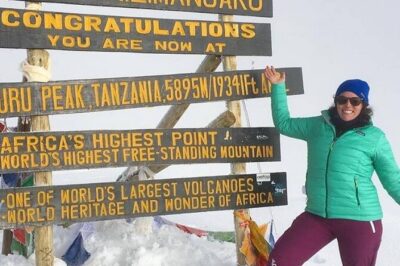
After Barafu, the summit push begins, and you come down on the Mweka trail instead of retracing the ascent. There’s also emergency oxygen available with the group, which is the kind of practical safety net you’re grateful for when altitude changes fast.
In This Review
- Key highlights to know before you go
- Why the 7-Day Machame Route is a strong choice in real life
- Moshi start point and the kind of logistics that matter
- Machame Gate to Shira Camp: rainforest walking and a first taste of height
- Shira toward Lava Tower and Barranco: the mountain starts asking more of you
- Great Barranco Wall to Barafu Camp: where motivation gets real
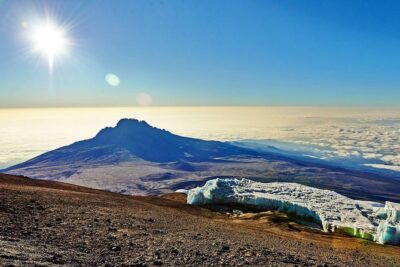
- Barafu to the summit: the practical “how” behind a summit attempt
- Coming down on the Mweka trail: a smart way to recover
- Meals, tents, and daily health checks that reduce stress
- Crew support on the mountain, from camp calm to summit focus
- Price and value: what $2,425 actually buys you
- Who should book this Machame 7-day trek?
- Fitness, pacing, and packing advice for the Whiskey Route feel
- Should you book this 7-day Machame Route with ZAFS Tours?
- FAQ
- Where does the Machame 7-day trek start and end?
- Is pickup included?
- How long is the trek?
- Is this a private tour?
- What’s included in the price?
- Is emergency oxygen included?
- Are pre and post hike accommodations included in Moshi?
- What kind of fitness level do you need?
- Can I cancel for a full refund?
Key highlights to know before you go
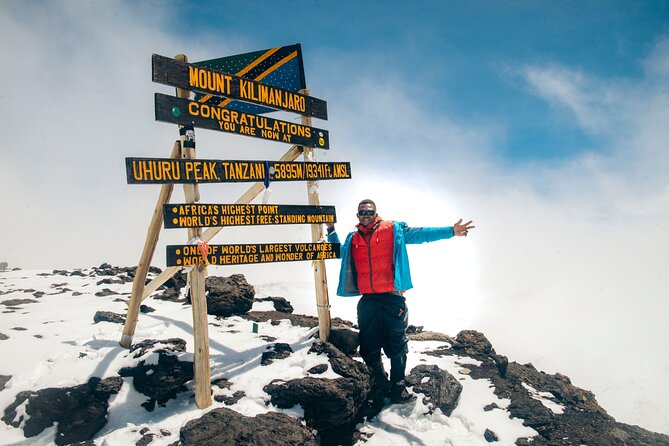
- Wilderness first responder-certified guides with daily health checks
- Fully included camping setup, including dining tent, private tents, tables, chairs, mattresses, and cooking utensils
- Machame’s walk high, sleep low style for better acclimatization over a longer route
- Emergency oxygen cylinder carried on the trek
- Supportive crew energy, with guides like Musa, Mushi, Alex, and Gabriel referenced in past climbs for calm, helpful guidance
- A different descent via the Mweka trail, which can feel easier than stepping back the same way
Why the 7-Day Machame Route is a strong choice in real life
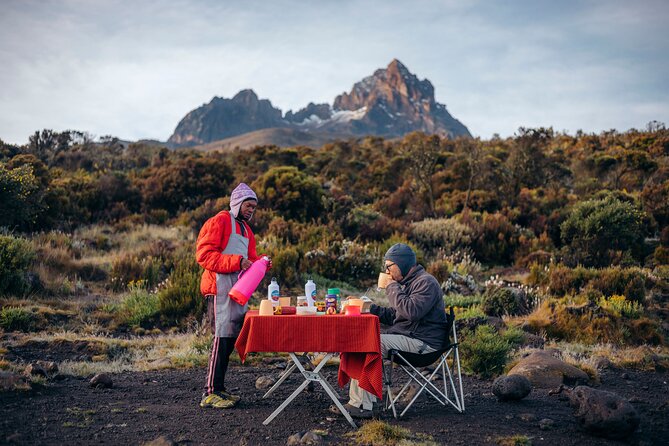
The Machame route is often called the Whiskey Route, mainly because it runs longer and can feel steeper than the more famous Marangu option. The good news is that it is not presented as technically hard climbing. The real challenge is the altitude, and this 7-day plan gives you time to adjust, which is the biggest factor in whether you feel strong when it counts.
I like that this itinerary is built around the idea of gradual acclimatization, not heroic speed. You keep moving upward through the day, but your sleeping routine helps your body catch up. That is exactly what “walk high, sleep low” is about, and it’s one reason Machame 7 days is described as having a great success rate.
Also, Machame is one of the busier routes on the mountain. That can be reassuring, because you are not out there alone. It can also mean more foot traffic at camps and paths. If you are the type who hates crowds, you’ll want to go in with a mindset of patience, not perfection.
More Kilimanjaro climbs:
- Kilimanjaro climb by Lemosho Route (7-day)
★ 5.0 · 651 reviews - Kilimanjaro climb, Machame Route (7-day)
★ 5.0 · 262 reviews - Kilimanjaro Climbing Lemosho Route 8 Days.
★ 5.0 · 186 reviews
Moshi start point and the kind of logistics that matter
Your trek starts in Moshi, and the meeting point is the Moshi Leopard Hotel on Market Street. Pickup is offered, which helps if you are arriving by taxi or transfer and don’t want to hunt for the group at the last minute.
You’ll also be dealing with the practical stuff that makes high-altitude travel less stressful: the operator includes private transportation, all fees and taxes, and a mobile ticket. Even when you plan well, it’s nice when the “get you to the start” piece is handled.
One more logistics note: pre and post hike accommodation in Moshi is available on request, but it is not listed as included. If you arrive early or need a buffer day for flights, I’d plan extra time and arrange those nights ahead so you aren’t rushing your schedule right before the climb.
Machame Gate to Shira Camp: rainforest walking and a first taste of height
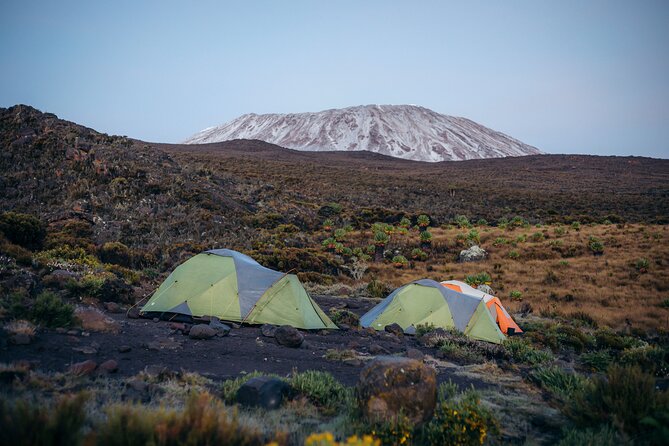
Day one begins at Machame Gate at about 1,800m. That first climb through rainforest is more than just scenery, it’s your first adjustment test. Your body is already working a bit harder, and the humidity means you can sweat without feeling like you’re doing much.
What makes this segment feel manageable is the pace culture. On Kilimanjaro, the best “technique” is patience, slow steps, and steady breathing. A good guiding team makes that easier. This operator highlights guides with long mountain experience and daily health checks, which matters early, when you are learning how your body responds.
As you continue upward, you’ll reach Shira Camp, where the Lemosho route joins from the west. This is a natural point where you may notice more hikers around you. If you feel nervous in the first days, seeing familiar trail traffic can actually help, because the experience starts to feel real instead of theoretical.
What to watch for: rainforest days can trick you into pushing too hard. You might feel “warm” instead of “winded,” but altitude still ramps up. You’ll do best if you treat day one like a warmup, not a race.
Shira toward Lava Tower and Barranco: the mountain starts asking more of you
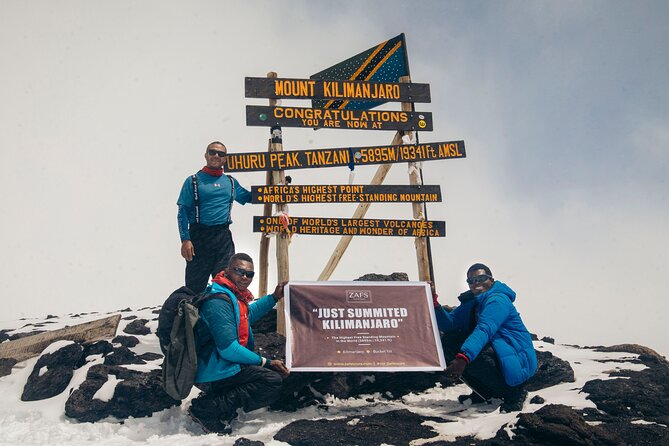
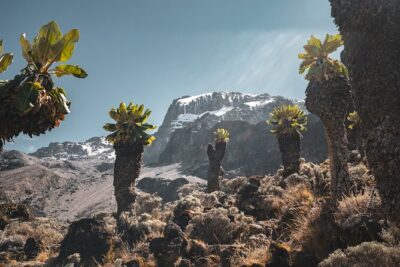
From Shira, the route traverses along the southern side of Kilimanjaro and moves toward Barranco via the Lava Tower area. This is where the scenery and the feel of the hike can change, and it’s also where a lot of people start to notice the difference between “I can walk” and “I can walk comfortably at altitude.”
Lava Tower is a named waypoint, and it usually signals a transition in how exposed the trail feels. Whether the weather is calm or breezy, you tend to feel altitude more when vegetation thins and the air shifts. This is also a spot where you’ll benefit from consistent pacing and regular encouragement, especially if your head is doing the usual altitude math like Why am I huffing on a straight section?
Then comes Barranco. The Barranco section is often where hikers say, The day got serious, and I learned I had to rely on the plan. Barranco is not just a place on the map. It is a reminder that Kilimanjaro is a stamina game, not a strength game.
A few more Moshi trips to compare
- Safari Serengeti And Ngorongoro
★ 5.0 · 288 reviews - Climbing Kilimanjaro – Machame Route
★ 5.0 · 170 reviews - Kilimanjaro climb, Lemosho Route (8-day)
★ 5.0 · 148 reviews - Kilimanjaro climb, Lemosho Route (6-day)
★ 5.0 · 129 reviews
Great Barranco Wall to Barafu Camp: where motivation gets real
After Barranco, you climb the Great Barranco Wall on your way to Barafu Camp. Walls sound dramatic, and this one is. But the point is not to treat it like a rock-climbing problem. It’s an endurance climb where rhythm matters more than speed.
This is exactly the kind of moment where guide support makes a visible difference. In past climbs with this operator, guides such as Musa and Mushi have been described as helpful and cooperative, paying attention to what climbers were dealing with. That kind of responsiveness matters on a day when your legs feel fine but your breathing feels off.
You’ll reach Barafu Camp, which is the pre-summit staging area. The vibe here often shifts from daytime hiking energy to sleep-and-prepare energy. That change is a big deal: you’re not just climbing anymore, you’re operating on a different schedule. A well-run team keeps you focused on the essentials and avoids unnecessary stress.
Barafu to the summit: the practical “how” behind a summit attempt
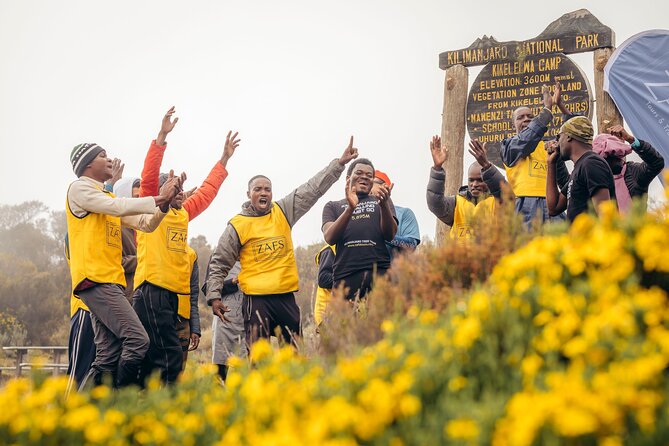
The summit attempt happens after Barafu Camp. While exact timing can vary by route conditions and group pace, the structure is usually the same: you rest, you eat, you take warm layers seriously, and then you climb when the mountain is at its coldest and your stamina must be consistent.
This operator emphasizes a few things that help you succeed: guiding staff with deep on-mountain experience, medical-focused guidance, and emergency oxygen cylinders with the group. That combination is reassuring because it supports both the emotional side (you’re not guessing) and the physical side (there’s a plan for altitude issues).
In my view, the best summit support isn’t fancy. It’s the basics done well: consistent pacing, timely questions about how you are feeling, and food that actually helps you keep going. This trek includes breakfast, lunch, dinner daily, and coffee or tea. Those meals are part of the acclimatization system, not just camp comfort.
What to expect on summit night: cold hands, tight breathing, and lots of checking in. You’ll likely hear calm, repetitive encouragement in the style of pole pole pace. It sounds simple, but simple is what works at 5,000m plus.
Coming down on the Mweka trail: a smart way to recover
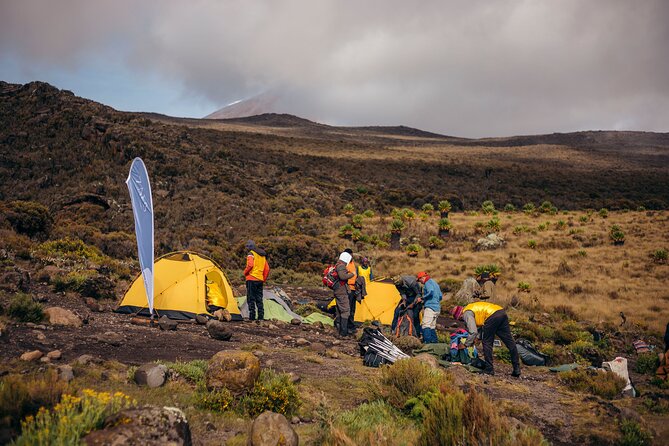
After reaching the summit, you descend by the Mweka trail instead of retracing the ascent route. This is not just a detail, it’s a comfort factor. Repeating the same path can be harder on the knees and can feel mentally repetitive after a long summit push.
Mweka is also where the trek transitions from “survival mode” to “finish strong.” You’ve already spent days adjusting to altitude, so the descent becomes about regaining stability and energy. Still, don’t treat it like a casual walk. Your legs will be tired, and staying hydrated matters.
One benefit of this route design is that it keeps the experience structured until the end. You started at Moshi, you return to the same meeting point area, and the trek ends with a clear finish line instead of an open-ended scramble.
Meals, tents, and daily health checks that reduce stress
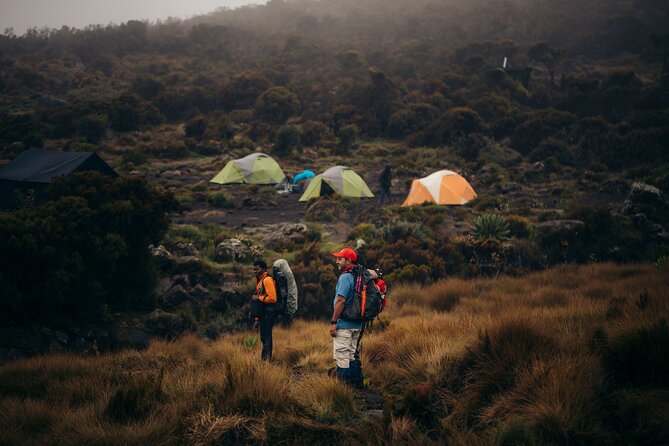
Camping Kilimanjaro can be tough in the abstract, but it gets easier when the logistics are handled. This trip includes camping equipment like private tents for you, a dining tent, crew tents, tables, chairs, mattresses, plus cutlery and utensils. That means you are not spending your precious energy figuring out how to improvise camp comfort.
The food plan is also properly built for a high-altitude schedule. Breakfast is prepared freshly on the mountain each day. Lunch is provided with healthy options during the trekking days. Dinner is cooked daily by an expert chef, not a last-minute scramble. Coffee and/or tea are included too, and after a cold morning, small comforts can feel like big wins.
What I value most is the operator’s stated health approach: daily health checks and special guidance by the guides to help climbers reach the top safely. That doesn’t remove the risk from the mountain, but it does mean you aren’t just walking forward and hoping.
In past climbs, people also credited medical advice as a factor that helped them trek better. That aligns with the idea that good guidance is partly about responding to symptoms early, before exhaustion turns into bigger problems.
Crew support on the mountain, from camp calm to summit focus
Kilimanjaro is a group sport, even when you want it to feel personal. You depend on porters for the heavy carry, a chef for your fuel, and guides for pacing and safety decisions. This trek is run with a full crew: mountain crew with experienced guides, chef, waiter, and porters.
A repeated theme from past experiences with this operator is that staff coordination keeps things calm and organized. People have described teams that don’t rush you and guides who stay cooperative and attentive to your challenges. That’s important because a rushed group can turn minor altitude discomfort into a crisis.
Guide names that have been part of successful climbs include Alex, Gabriel, Farooq, and also support mentions for Bonnie and Marcel. There were also references to Frank and Danis as part of the team mix. I’m not assuming every climb has the exact same lineup, but it tells you something about how the operator builds trust: they staff strong, consistent people who know the rhythm of the mountain.
On a practical level, the best teams teach you how to behave on the mountain: how to manage your pace, when to focus on hydration, and how to treat the cold as a solvable problem with layers.
Price and value: what $2,425 actually buys you
At $2,425 per person for a 7-day Machame route, you are paying for far more than a guide walking beside you. This package includes private transportation, all fees and taxes, camping equipment, and daily meals with a chef. It also includes coffee and/or tea, plus the presence of an emergency oxygen cylinder.
For value, think in categories:
- Safety and planning: qualified guides, wilderness first responder certification, daily health checks, emergency oxygen
- Comfort and recovery: private tents, dining setup, mattresses, hot meals, coffee or tea
- Mountain operations: crew, chef, waiter, porters, plus the administrative parts like fees and taxes
What is not included is also clear: pre and post hike accommodation in Moshi is available on request, but not included by default. If you need extra nights because of flight timing, your true trip budget will rise.
Also note group discounts are listed. If you can travel with others, ask about how that discount is applied. More people sharing the overall logistics can make a big difference.
Who should book this Machame 7-day trek?
This route suits hikers with moderate physical fitness who want a strong shot at summiting without treating the mountain like a technical climb. Machame’s longer profile can be a plus if you benefit from the extra acclimatization days. If you tend to do better with gradual exposure to altitude, this plan makes sense.
It might be less ideal if you hate crowds and don’t handle a busy trail well. Machame is described as the busiest route on the mountain. You will share camps and paths with other climbers.
It also helps if you like a structured, supported experience. The daily health checks, included meals, and organized camping gear remove a lot of stress. If you want to focus on pacing and breath control instead of camp logistics, you’ll likely appreciate this setup.
Fitness, pacing, and packing advice for the Whiskey Route feel
Because Machame can feel longer and steeper, your goal is not to be fast. It’s to be consistent. The operator’s approach favors acclimatization, so your best strategy is a pace that lets you keep breathing without spiraling into panic.
Practical pacing tips that usually work on this kind of schedule:
- Start slower than you think you need to
- Sip water regularly, not only when you feel thirsty
- Let the cold guide your clothing choices, so you don’t get stuck shivering during breaks
- Treat every “walk” as training, because the altitude stacks up day by day
Packing details are not provided in the tour information you shared, so I won’t invent a checklist. But I will say this: your layering plan matters as much as your shoe choice. Cold plus exertion equals misery if you are underdressed.
If you have questions about what the operator expects you to bring, ask early. A good outfitter will align your gear with the realities of rainforest start, exposed higher sections, and a very cold summit attempt.
Should you book this 7-day Machame Route with ZAFS Tours?
I’d book this trek if you want:
- a 7-day Machame plan designed around acclimatization
- strong emphasis on health checks and safety support, including emergency oxygen
- a fully catered camping setup so you’re not juggling camp logistics
- a crew that has a track record of keeping the experience organized and supportive, including guides named in successful climbs
I would think twice if:
- you strongly dislike busier routes and shared paths
- you know your body struggles with longer trekking days and steeper sections, even when the plan is gradual
If you’re a “slow and steady” hiker who wants your energy spent on the climb, this kind of structured Machame route is a very sensible choice.
FAQ
Where does the Machame 7-day trek start and end?
The trek starts at Moshi Leopard Hotel, Market Street, Tanzania, and it ends back at the same meeting point.
Is pickup included?
Pickup is offered.
How long is the trek?
The duration is listed as 7 days (approx.).
Is this a private tour?
Yes. It is listed as a private tour/activity, and only your group will participate.
What’s included in the price?
Included are mountain crew (guides, chef, waiter, porters), camping equipment (private tents, dining tent, mattresses, and dining items), private transportation, all fees and taxes, and daily meals (breakfast, lunch, dinner), plus coffee and/or tea.
Is emergency oxygen included?
Yes, the trek includes an emergency oxygen cylinder.
Are pre and post hike accommodations included in Moshi?
No. They are available on request, but not included.
What kind of fitness level do you need?
Travelers should have a moderate physical fitness level.
Can I cancel for a full refund?
Free cancellation is offered, and you can cancel up to 24 hours in advance for a full refund. If you cancel less than 24 hours before the start time, the amount paid is not refunded.
Just posted around Moshi
- machame route★ 5.0 · 16 reviews
- Kilimanjaro Climbing Umbwe Route★ 5.0 · 3 reviews
- Wildlife Extravaganza: Manyara, Tarangire & Ngorongoro in 3 Days★ 5.0 · 3 reviews
- Mt Kilimanjaro 6 days Marangu route hike★ 5.0 · 3 reviews
- 3 Days Private E-Bike Tour in West Kilimanjaro★ 5.0 · 3 reviews
- West Kilimanjaro cycling Adventures★ 4.5 · 8 reviews
- Private Cycle to Kilimanjaro Bike Park Safari★ 5.0 · 6 reviews
- Kilimanjaro Climb • Marangu Route ~ 9 Day★ 5.0 · 4 reviews
Kilimanjaro Climbs, compared.
8-Day Small-group Lemosho Kilimanjaro Summit Trekking
Read our review →
5 Days Best of Tanzania Luxury Safari Northern Circuit
Read our review →