Reviewed · KILIMANJARO CLIMBS
Kilimanjaro climb, Machame Route (7-day)
Kilimanjaro is louder than you expect. This 7-day Machame Route climb from Moshi turns that big idea into a step-by-step plan, with airport transfers, camp logistics, and guides who focus hard on safety. You’ll start at Machame Gate and work your way toward Uhuru Peak, using acclimatization days that make the altitude feel less like a jump scare.
What I really like is the way this trip takes care of the parts you do not want to manage. Meals with dietary options are included, and the camp team handles tents, pads, dining setup, and all the cooking so your energy stays on hiking. I also like the safety layers: certified Wilderness First Responder guides, plus medical check-ups, oxygen tanks, and oximeters.
One consideration: you still need to bring your own hiking gear, including the sleeping bag, since personal equipment is not included (though hiring is available). If you do not want to deal with gear at all, you’ll want to plan that early.
In This Review
- Quick Takes on the Machame Climb with Altezza Travel
- Kilimanjaro on a Price That Makes Sense for the Logistics
- Moshi Arrival Comfort: JRO Pickup and Aishi Machame Hotel Downtime
- Day 2 to Shira Camp: Rainforest Steps and Your First Altitude Test
- Lava Tower to Barranco Wall: The Route’s Tough Love Day
- Karanga to Barafu and Summit Night to Millennium Camp
- Descent to Mweka Gate: The Relief Day That Still Requires Attention
- Food, Water, Gear, and the Teamwork You Depend On
- What to Pack and How to Hike the Machame Route Without Burning Out
- Should You Book This Machame 7-Day Climb with Altezza?
- FAQ
- What is the meeting time and where do I meet the tour?
- How many days is the trip, and how many summit days are there?
- Is the price inclusive of park fees?
- What meals are included, and can you handle dietary restrictions?
- What safety and medical support is included during the climb?
- Is free cancellation available?
Quick Takes on the Machame Climb with Altezza Travel
- Wilderness First Responder guides and medical check-ups, plus oxygen tanks and oximeters in camp support
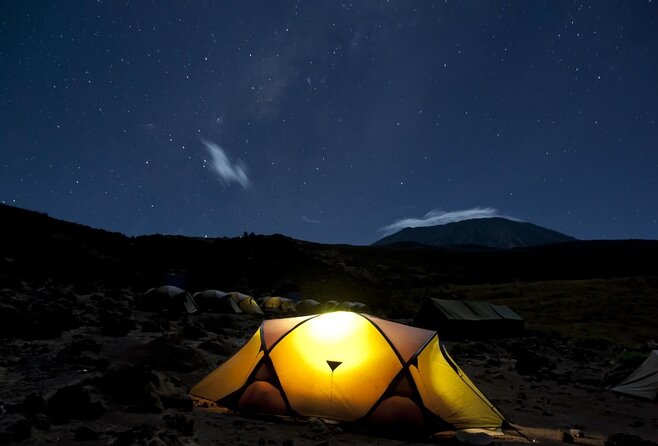
- Fully handled camp setup with tents, sleeping pads, and dining gear, so you hike and rest, not build a campground
- Dietary needs are built in, with options like vegetarian, vegan, lactose-free, gluten-free, and halal
- Practical acclimatization stops at Shira, Lava Tower, Barranco, Karanga, Kosovo, and Barafu
- Night summit structure that includes a personal guide monitoring you from Barafu to Uhuru Peak
- Descent safety focus, including a clear reminder that most accidents happen on the way down
Kilimanjaro on a Price That Makes Sense for the Logistics
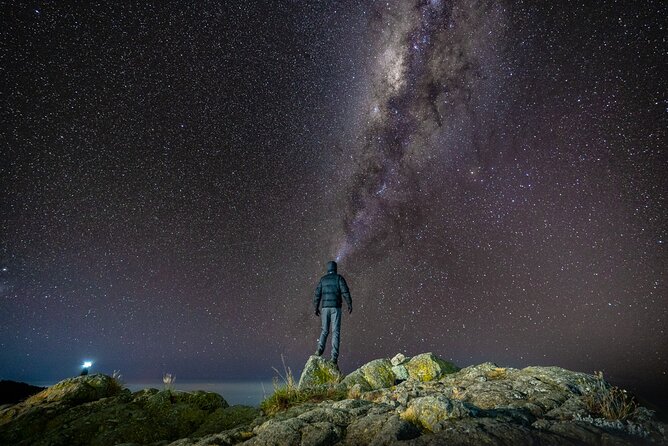
This climb costs $3,377 per person, and the value is not just the view. It’s the machine behind the mountain. You are paying for a full support team: guides, cooks, camp staff, and porters, plus the camps, tents, sleeping pads, group dining setup, and park fees.
You are also getting safety and medical tools included, not promised. The inclusion list mentions oxygen tanks and oximeters, medical kits, and medical check-ups. On Kilimanjaro, that matters because altitude problems do not send emails. They show up when you are tired, cold, and focused on one step at a time.
Duration matters too. The trek days are built into a longer 9-day flow from Moshi, with hotel nights and airport transfers. That means you get a real reset after the summit push, rather than flying out immediately with sore legs and a head full of altitude.
Who this suits best: you’re looking for a structured Machame climb with serious support, and you want your time on the mountain to feel calmer and more controlled.
More Kilimanjaro climbs:
- Kilimanjaro climb by Lemosho Route (7-day)
★ 5.0 · 651 reviews - Kilimanjaro Climbing Lemosho Route 8 Days.
★ 5.0 · 186 reviews - Climbing Kilimanjaro – Machame Route
★ 5.0 · 170 reviews
Moshi Arrival Comfort: JRO Pickup and Aishi Machame Hotel Downtime
Day 1 is about getting you from Kilimanjaro International Airport (JRO) to Moshi without turning it into a scavenger hunt. You meet an Altezza Travel representative and get a transfer under the trip rate, then check into Aishi Machame Hotel.
This matters more than people think. A comfortable hotel room with hot water, internet access, and a swimming pool lets you eat well and sleep before altitude starts to steal your appetite. There’s also a briefing in the evening so you understand what comes next and can ask questions before you’re in hiking mode.
Two nights in the hotel are included (except for solo climbs), and you’ll also get another hotel night after the trek. Check-out is at 11:00 AM, with the option to extend for an extra fee if your flight needs it.
If you’re traveling in a group, the private tour format means it’s your group only, not a mixed grab bag. That usually helps the pacing and coordination feel smoother.
Day 2 to Shira Camp: Rainforest Steps and Your First Altitude Test
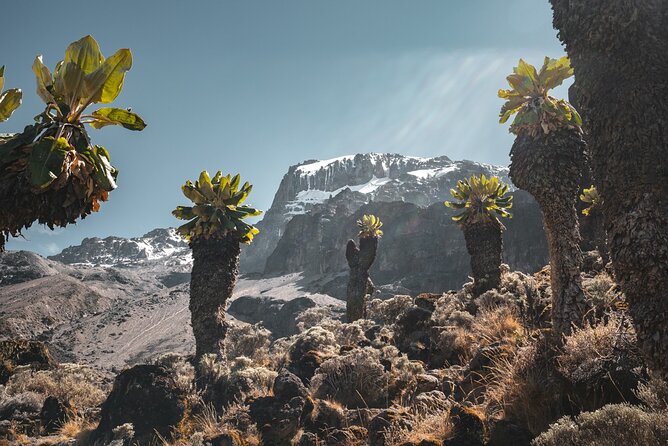
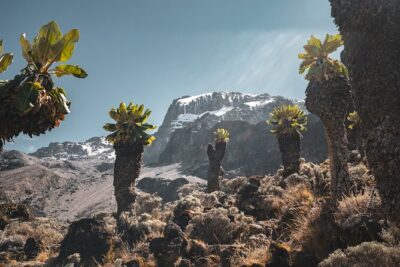
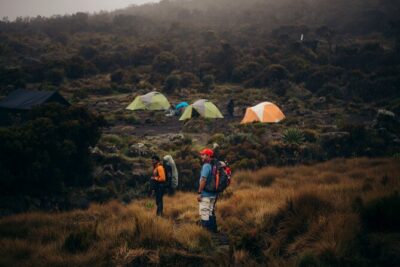
Day 2 starts at Machame Gate (1,800 m). You trek up to Machame Camp (3,010 m), with rainforest travel early in the day. The guidance is clear: bring raincoats and spare clothes, because tropical showers are likely.
This first trekking day is about adjusting, not proving fitness. At this altitude range, even a strong hiker can feel awkward, short of breath, or slow. Your best move is to keep your effort steady and your expectations modest. This is where the Machame Route earns its reputation as a serious climb, but also a route that gives you chances to adapt.
Day 3 takes you from the rainforest breakout area up to Shira Camp (3,845 m). The physical work may not feel extreme, but altitude can still change how you breathe and think. When the plan includes an acclimatization hike toward Lava Tower Camp with about a 300-meter gain, that’s the route doing what it should: teaching your body to handle elevation without rushing to the top.
You’ll rest at camp with lunch and downtime, then hike again as part of the acclimatization rhythm. That pattern, more than any single view, often determines how you feel later on summit night.
Lava Tower to Barranco Wall: The Route’s Tough Love Day
Day 4 is a key step toward higher elevations. You leave Shira Camp (3,845 m) and work up to Lava Tower (4,630 m). This segment includes lots of up-and-down, and you end up camping above 4,600 m. You might feel discomfort, and the plan openly acknowledges it.
Here’s the practical part I appreciate: you’re told you need to spend at least 1–2 hours around Lava Tower for acclimatization, and that lunch is served there. Translation: you’re not just walking through it. You’re giving your body time to adjust while your legs are working anyway.
Then you descend to Barranco Camp (3,960 m). Barranco is famous for the Barranco Wall, which you’ll tackle the next day. Even if you’ve never climbed before, the wall is described as featuring a simple hiking trail. Simple does not mean easy, but it does mean you’re not dealing with technical climbing gear.
Day 5 starts early so you can avoid crowds. You hike up the gorge wall, around an hour, then get a rest and photos with the Kibo volcano in view. After that, you continue to Karanga Camp, a route with repeated ascents and descents.
Then you get another acclimatization hike in the direction of Barafu Camp, and you return to Karanga. These extra loops feel like busywork, but they’re there for a reason: altitude tolerance improves when your body gets repeated practice at higher elevations.
A few more Moshi trips to compare
- Safari Serengeti And Ngorongoro
★ 5.0 · 288 reviews - Climbing Kilimanjaro through 7 days Machame Route
★ 5.0 · 151 reviews - Kilimanjaro climb, Lemosho Route (8-day)
★ 5.0 · 148 reviews - Kilimanjaro climb, Lemosho Route (6-day)
★ 5.0 · 129 reviews
Karanga to Barafu and Summit Night to Millennium Camp
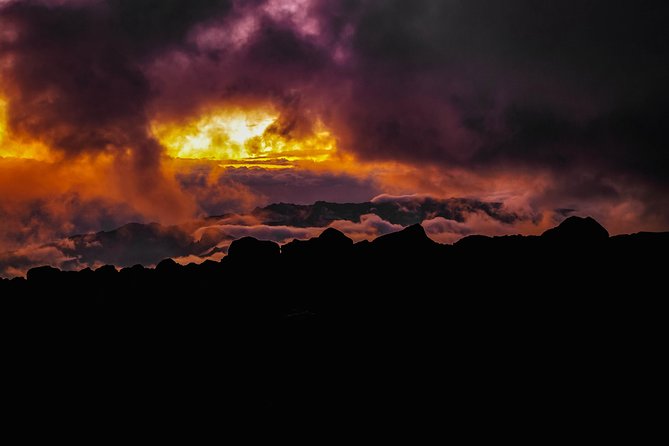
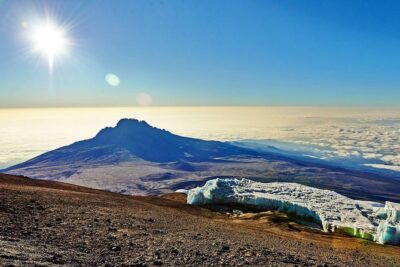
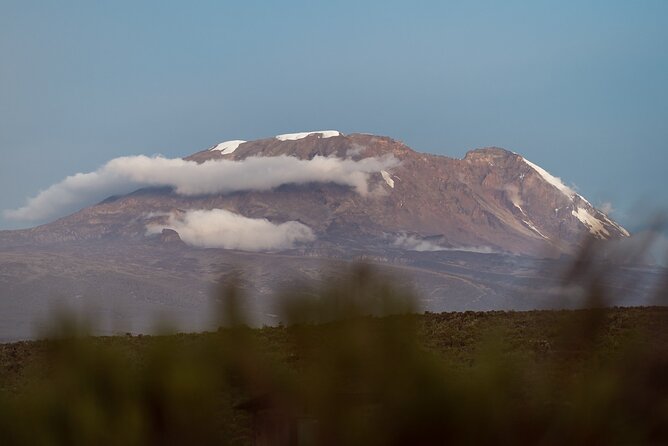
Day 6 climbs to Barafu Summit Camp (4,640 m). From there, it’s the starting point for the night attempt at Uhuru Peak (5,895 m).
The plan says the team sets up the camp in advance, including tents and sleeping bags, so you can relax. I like that detail because tiredness hits hard at this stage. If you’re focused on pitching gear, you have less energy for recovery.
The day includes an acclimatization hike toward Kosovo Summit Camp (4,800 m) and back to Barafu. You then get a hot dinner and a real chance to rest before the summit push.
Day 7 is the night ascent. You depart Barafu Camp at night and head for Uhuru Peak. It’s described as technically simple, but high altitude is the real boss here.
A standout safety detail: the climb is organized so each pair of climbers gets a personal guide for the entire ascent to monitor physical and mental conditions. That is the kind of structure you want when you’re tired and you might be tempted to push too hard.
After you reach the summit, there’s an option to descend to the nearest glacier, if you want. Then you return to Barafu Camp for rest before continuing down to Millennium Camp (3,820 m).
I also appreciate the blunt warning in the plan: 90% of accidents occur during the descent, including broken arms and legs. That’s not meant to scare you. It’s a reminder to treat the downhill like part of the climb, because it is.
Descent to Mweka Gate: The Relief Day That Still Requires Attention
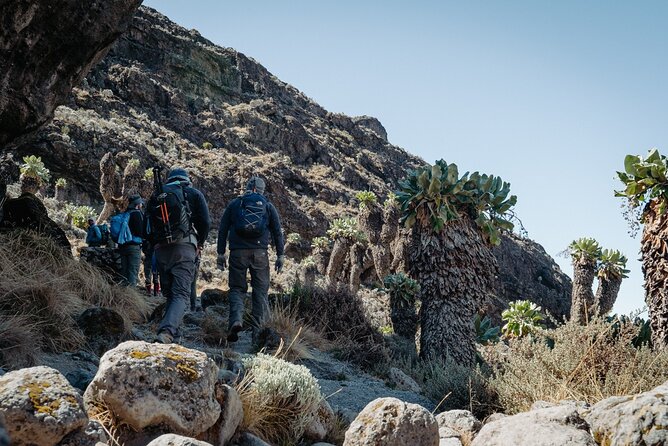
Day 8 is about finishing strong and getting altitude off your body. You wake up at Millennium Camp where the camp sits in a tropical rainforest, then head to the exit at Mweka Gate (1,640 m).
The hike is listed as 12 km, about 4–5 hours. After that descent, the group gathers to celebrate, you sign opinions in a guestbook-style moment, and you receive commemorative certificates in the office. Then you transfer back to the hotel.
This day is often emotional for hikers. You’ve climbed into thin air and then you drop back into the kind of breathing you were used to at sea level. Still, you need to watch your feet. Long descents can punish knees and ankles even if you feel like a superhero on top.
Food, Water, Gear, and the Teamwork You Depend On
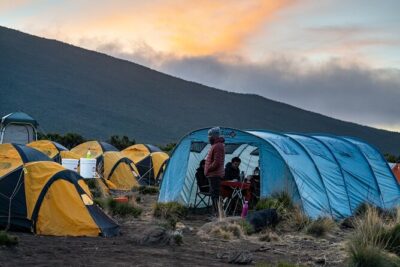
On Kilimanjaro, meals are not a bonus. They are oxygen for your brain. This trip includes 6 lunches, 8 breakfasts, and 6 dinners, plus drinks on Kilimanjaro like tea, coffee, juices, and soda.
The camp kitchen support is a big reason this type of trip feels smoother. When cooks and camp staff handle everything, you are not thinking about where to find a stove, how to boil water, or what to eat when altitude makes your stomach weird.
Dietary needs are explicitly addressed with plans for vegetarian, vegan, lactose-free, gluten-free, halal, and other options. That means you can focus on eating enough rather than negotiating what is available.
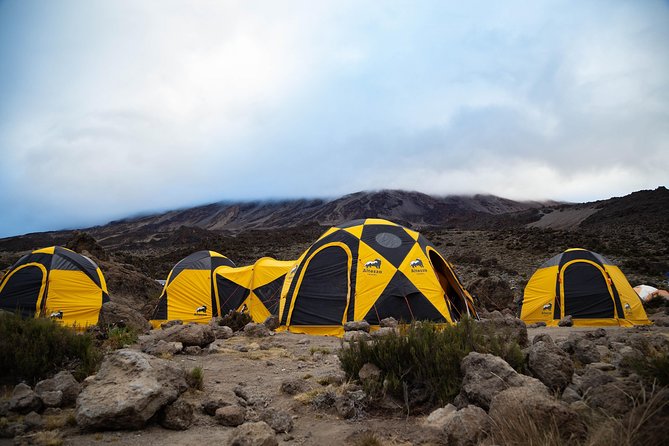
You also get group equipment: tents (including North Face VE-25 tents), two hikers per tent, sleeping pads, dining gear like crockery and cutlery, and table and chairs. Tents and sleeping pads are included, but your personal gear is still on you, which is why planning your sleeping bag and footwear matters.
Safety is not left as a vague promise. You get medical check-ups, a medical kit, oxygen tanks, and oximeters. Guides are described as certified Wilderness First Responders, which is the kind of credential that signals training for emergencies and practical first aid.
And yes, guide names pop up often in accounts from this operator, including people like Victor, Rashid, Nolasco, and camp roles like Joseph. You might also meet leaders such as Stacy, and guides including Justin, John, Francis, or Ernest. Names change with dates and staffing, but the consistent theme is organized leadership and a crew that takes the mountain seriously.
What to Pack and How to Hike the Machame Route Without Burning Out
The trip data points to a few clear packing needs, and I strongly agree with them. Day 2 goes through rainforest with tropical showers, so bring rain gear and spare clothes. Your camp altitude is cold at times, and you’ll feel it more when you stop moving.
Here’s how I’d plan your mindset:
- Start slower than you think you should. Altitude punishes ego early.
- Use acclimatization days well. On this route you’ll climb, return, and climb again for Lava Tower, Barranco area, Kosovo, and Barafu. Those extra steps are not for bragging rights.
- Protect your feet on the descent. The plan’s warning about accidents during descent is one of the best pieces of guidance you can carry all week.
- Leave early for Barranco Wall. That tip is practical. It helps you avoid crowds and gives you more control over timing and breathing.
Fitness: the plan asks for moderate physical fitness. That usually means you can handle long hikes with elevation changes. If you’ve never hiked above 2,000 m before, you should still train your legs and practice hiking with a pack.
One more thing that’s easy to overlook: hotel meals may include breakfast only. Lunch or dinner on travel days is not automatically included at the hotel, though meals while on the mountain are included.
Should You Book This Machame 7-Day Climb with Altezza?
Book it if you want a well-run climb where the support team handles the camp work, the meals are handled with dietary options, and safety is treated like a real system, not marketing. The inclusion of Wilderness First Responder certified guides, oxygen tanks and oximeters, and medical check-ups is a strong combination for anyone who wants peace of mind on summit night.
You might think twice if you strongly prefer total hands-off packing. Personal equipment is not included, and you’ll need to show up prepared with your hiking outfit, boots, and sleeping bag. If you’re not ready to handle that, hiring gear is an option, but it still takes planning.
Also, this is a serious altitude itinerary. Even with good acclimatization pacing, night summit efforts and long days require grit. If that sounds exciting rather than scary, you’ll probably love the structure.
FAQ
What is the meeting time and where do I meet the tour?
The start time is 9:00 AM. You are picked up at JRO (Kilimanjaro International Airport) on arrival for transfer to the hotel, and the trip includes airport drop-off at the end.
How many days is the trip, and how many summit days are there?
The experience runs about 9 days total, with a 7-day Kilimanjaro climb portion on the Machame Route. You trek from Machame Gate up to the summit area on summit night, then finish with the descent and gate exit.
Is the price inclusive of park fees?
Yes. Kilimanjaro National Park fees are included in the trip cost.
What meals are included, and can you handle dietary restrictions?
You’ll have breakfast, lunch, and dinner during the climb (breakfast 8 times, lunch 6 times, dinner 6 times). The trip also notes meal plans for vegetarian, vegan, lactose-free, gluten-free, halal, and other dietary needs. Drinks on Kilimanjaro are included too.
What safety and medical support is included during the climb?
You get certified Wilderness First Responder guides, plus medical check-ups, medical kits, oxygen tanks, and oximeters. The support crew includes porters, camp masters, and cooks.
Is free cancellation available?
Yes, there is free cancellation. You can cancel up to 24 hours in advance for a full refund. If you cancel less than 24 hours before the experience start time, the amount paid is not refunded.
Just posted around Moshi
- machame route★ 5.0 · 16 reviews
- Kilimanjaro Climbing Umbwe Route★ 5.0 · 3 reviews
- Wildlife Extravaganza: Manyara, Tarangire & Ngorongoro in 3 Days★ 5.0 · 3 reviews
- Mt Kilimanjaro 6 days Marangu route hike★ 5.0 · 3 reviews
- 3 Days Private E-Bike Tour in West Kilimanjaro★ 5.0 · 3 reviews
- West Kilimanjaro cycling Adventures★ 4.5 · 8 reviews
- Kilimanjaro Climb • Marangu Route ~ 9 Day★ 5.0 · 4 reviews
- Private Cycle to Kilimanjaro Bike Park Safari★ 5.0 · 6 reviews
Kilimanjaro Climbs, compared.
8-Day Small-group Lemosho Kilimanjaro Summit Trekking
Read our review →
5 Days Best of Tanzania Luxury Safari Northern Circuit
Read our review →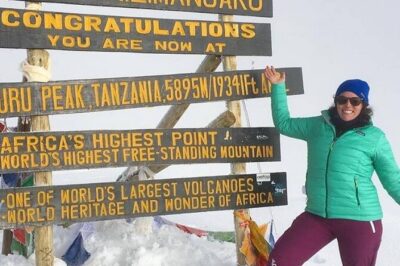
Climbing Kilimanjaro through 7 days Machame Route
Read our review →