Reviewed · KILIMANJARO CLIMBS
Kilimanjaro climb, Lemosho Route (8-day)
Kilimanjaro gets tough fast, and this helps you cope. I love the Lemosho route for its gradual altitude build and big scenery shifts, and I also love that Altezza runs the logistics with professional guides and a mountain crew that sets up camp and keeps the group moving at a smart pace.
What makes this trip feel different is the handholding you get without slowing you down, from the first hotel briefing through summit night. One thing to consider: you will sleep in tents at altitude for multiple nights, and while most essentials are handled, you still need your personal hiking gear and any tips.
In This Review
- Key highlights worth packing your expectations around
- Moshi check-in, pool time, and the briefings that set you up
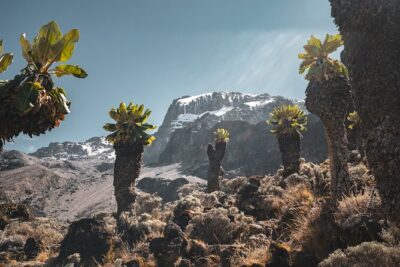
- Londorossi Gate to Mti Mkubwa Camp: rainforest walking and camp support
- Shira Plateau days up to 3,900 m: views, altitude rhythm, and Meru sightings
- Lava Tower to Barranco Camp: when the route starts testing you
- Barranco Wall, Karanga Camp, and the long day pattern
- Barafu Summit Camp and summit night to Uhuru Peak: personal support where it counts
- Millennium Camp to Mweka Gate: rainforest relief and the finish line feeling
- Price and value at $3,975: what you’re really paying for
- Support on the mountain: guides, porters, kitchen work, and the calm you feel
- Who should choose this Lemosho climb, and who should rethink it
- Should you book this Altezza 8-day Lemosho Kilimanjaro climb?
- FAQ
- How many days is this Kilimanjaro trip, and how long is the actual climb?
- Are airport transfers included, and where do you meet?
- Where do you sleep during the climb, and is camping gear included?
- What medical and safety support is provided at altitude?
- What meals and drinks are included, and can you handle dietary restrictions?
- Is mountaineering insurance included?
- Can I cancel for a full refund?
Key highlights worth packing your expectations around
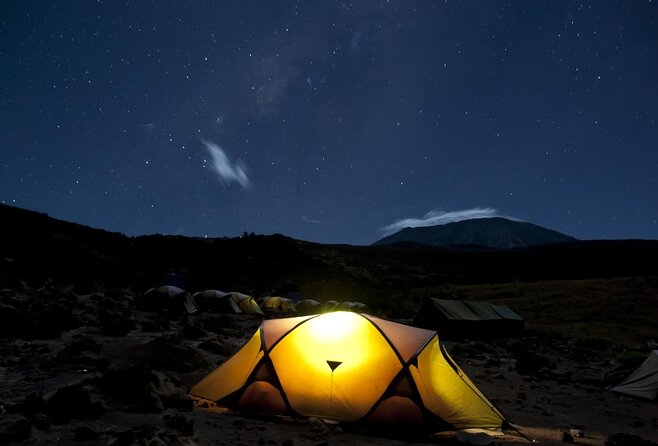
- North Face VE-25 tents used on Kilimanjaro, with a normal two hikers per tent setup
- Oxygen tanks and oximeters, plus medical kits and medical check-ups
- Certified Wilderness First Responder guides guiding your pace and safety
- Lemosho start via Londorossi Gate at 2,200 m, feeding a gradual acclimatization plan
- Summit ascent with personal guidance, with each pair assigned a personal guide for Uhuru Peak
- Three meals a day plus drinks on the mountain, with multiple dietary options available
Moshi check-in, pool time, and the briefings that set you up
Your trip starts in Moshi, after you land at Kilimanjaro International Airport (JRO). Altezza meets you at the airport and handles the transfer to the hotel, where check-in begins at 2:00 PM. The hotel setup is meant to be practical, not fancy performance art: hot water, internet, and a swimming pool for a little decompression before the climb.
The first evening is a real planning moment. You get a briefing with managers focused on readiness, not just rules. That matters because Kilimanjaro rewards calm routines. If you’re the type who likes to understand the plan, you’ll likely appreciate how they lay out what comes next.
One small timing note to keep in mind: you’re doing logistics on Day 1, then heading to the park on Day 2. If you can, travel in with a little buffer so you’re not running on fumes before the first long trek.
More Kilimanjaro climbs:
- Kilimanjaro climb by Lemosho Route (7-day)
★ 5.0 · 651 reviews - Kilimanjaro climb, Machame Route (7-day)
★ 5.0 · 262 reviews - Kilimanjaro Climbing Lemosho Route 8 Days.
★ 5.0 · 186 reviews
Londorossi Gate to Mti Mkubwa Camp: rainforest walking and camp support
Day 2 is your “start moving” day, and it’s also your first taste of Kilimanjaro’s environments. You leave the hotel by vehicle for roughly 3 to 4 hours to the western entrance, Londorossi Gate, at 2,200 m. After permit and rescue service registration, the group starts trekking toward Mti Mkubwa Camp at 2,780 m.
This is a rainforest day, so rain is not a surprise, it’s a plan. The route notes raincoats are especially necessary here. That’s good advice because soaked clothes can mess with your energy and mood, even if the trek is manageable.
The biggest value of a supported trip shows up immediately: your mountain crew sets up tents and handles cooking for lunch when you arrive. You’re not spending your evening wrestling gear or wondering what happens next. For many people, that alone lowers mental stress on Day 2, which helps you settle into acclimatization mode.
Shira Plateau days up to 3,900 m: views, altitude rhythm, and Meru sightings
Days 3 and 4 are about breathing, pacing, and getting your brain used to higher air. You start Day 3 with breakfast and an upward trek until around 3,500 m, where views open toward Shira Plateau and Kibo Volcano. Then the plan continues to Shira 1 Camp at 3,505 m, and the Shira 1 to Shira 1? No, you continue onward to Shira 1 Camp and then up to Shira 1’s next step.
The core idea is gradual gain. The Mti Mkubwa Camp to Shira 1 Camp passage is described as relatively easy, taking about 5 to 6 hours. The win is that it creates time for acclimatization rather than forcing you into a sprint. Once you reach camp at Shira 1 (3,505 m), lunch gets handled and you rest, with the option to walk around nearby.
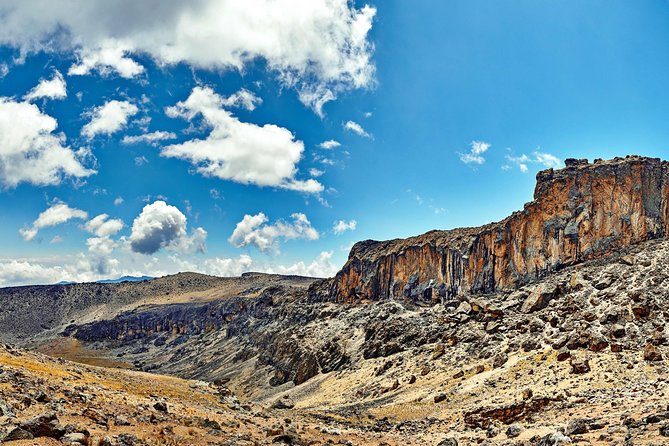
Day 4 keeps that pattern. You trek from Shira 1 (3,505 m) to Shira 2 Camp (3,900 m) and then do an acclimatization hike toward Lava Tower Camp, with a 300 m gain. That means you get altitude practice without jumping too far, too fast. You also get one of those “weather permitting” moments: Shira 2 Camp is described as the best place on the trip to see Mount Meru, the fifth-highest summit of Africa.
My practical tip: on days like these, move slower than you think you need to. You can save energy for the harder segments, and your body will thank you later.
Lava Tower to Barranco Camp: when the route starts testing you
Day 5 is where you feel the work. You leave Shira 2 Camp at 3,900 m and head toward Lava Tower at 4,630 m. This section includes lots of ascents and descents, and it ends at a camp above 4,600 m. The route also warns it might feel difficult and uncomfortable, which is honest.
A smart part of the plan is the time at Lava Tower. You spend at least 1 to 2 hours for acclimatization, and lunch is served here. That’s not “extra”; it’s the kind of pause that can prevent a chain reaction later. Then you descend to Barranco Camp at 3,960 m.
Barranco Camp is where the scenery and the reputation meet. You’ll get views of the famous Barranco Wall, a steep feature you’ll climb the next day. And even if that sounds intimidating, the guidance says the trail is simple. The main trick is still altitude, not technical climbing.
A few more Moshi trips to compare
- Safari Serengeti And Ngorongoro
★ 5.0 · 288 reviews - Climbing Kilimanjaro – Machame Route
★ 5.0 · 170 reviews - Climbing Kilimanjaro through 7 days Machame Route
★ 5.0 · 151 reviews - Kilimanjaro climb, Lemosho Route (6-day)
★ 5.0 · 129 reviews
Barranco Wall, Karanga Camp, and the long day pattern
Day 6 starts early, and for good reason. You’re advised to leave Barranco Camp as early as possible to avoid crowds from other groups. Then you hike up the gorge wall, which takes around an hour and isn’t described as difficult.
After the wall, you get time for photos in front of Kibo Volcano. That’s one of those moments that makes the pain feel worth it, even if it’s only for a minute or two.
Then the day stretches out. You hike to Karanga Camp, with numerous ascents and descents. The group pace is handled by expert guides, and the plan is built around an optimal tempo. After reaching Karanga, you get warm lunch, then do an acclimatization hike toward Barafu Camp with a 200 m gain, followed by a descent back to the camp.
One honest takeaway: Day 6 is long. The listed duration is 14 hours, so treat it like a full-day push rather than a “just a little hiking.” If you’re prone to rushing, this is the day to stop doing that.
Barafu Summit Camp and summit night to Uhuru Peak: personal support where it counts
Day 7 is the setup day for night summiting. You trek to Barafu Summit Camp at 4,640 m, which becomes your staging point for Uhuru Peak at 5,895 m. The crew sets up camp in advance with tents and sleeping bags, so you can rest and focus on fueling. It’s the kind of comfort that matters because the next hours will be cold and slow.
After regaining strength, you do an acclimatization hike toward Kosovo Summit Camp at 4,800 m and then return to Barafu Camp. Dinner is hot, and the day is mostly about resting.
Then comes Day 8, the summit push. You depart Barafu Camp at night and start the ascent to Uhuru Peak. Technically, the climb is described as relatively simple, but the real challenge is high altitude. What you get here is unusually structured support: each pair of climbers gets a personal guide for the entire ascent to monitor physical and mental conditions.
That personal attention can be a big deal if you get anxious at altitude or if your body starts throwing warning signs. You’re not just “one of the group,” you have direct monitoring during the hardest part.
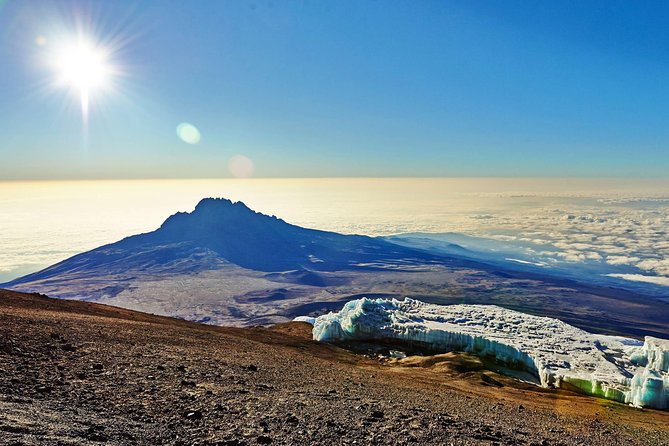
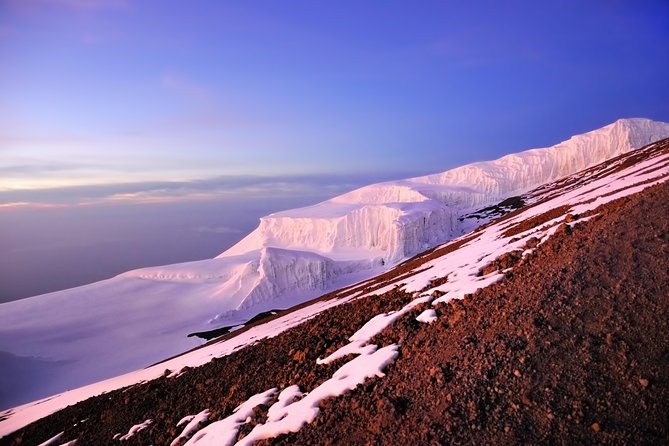
After reaching Uhuru Peak, the last point on the Lemosho route, you can descend to the nearest glacier if you want. Then you return to Barafu Camp and rest for about two hours. After that, you start descending to Millennium Camp at 3,820 m.
Millennium Camp to Mweka Gate: rainforest relief and the finish line feeling
Day 9 is a relief day in the best way. You wake up at Millennium Camp, which is situated in tropical rainforest. That drop in altitude is real comfort, even if your legs still feel like they belong to someone else.
After a warm breakfast, you hike to Mweka Gate at 1,650 m, and the listed route distance is about 12 km with 4 to 5 hours on the trail. When you reach the exit, the whole group gathers to congratulate each other and share opinions in a guestbook. Then you get commemorative certificates in the office and a transfer back to the hotel.
Day 10 is simpler: rest at the hotel and then airport transfer. Check-out is at 11:00 AM. If you have a later flight, the option exists to extend your hotel stay for an extra fee.
Price and value at $3,975: what you’re really paying for
At $3,975 per person, this is not a budget hike. The value question is really: what are they taking off your plate, and what risk controls are included?
Here’s what’s explicitly included:
- Round trip JRO airport transfers and all ground transportation
- Two nights in Aishi Machame Hotel (with two guests per room, except solo climbs)
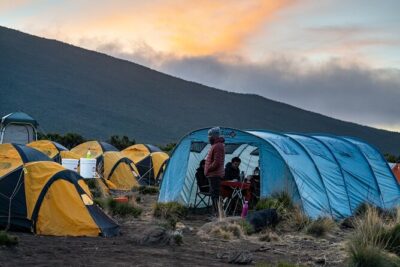
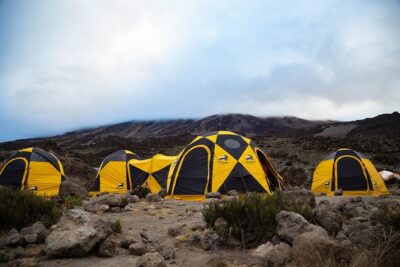
- North Face VE-25 tents on Kilimanjaro, plus branded group equipment like dining tent, sleeping pads, tables, chairs, and dishware
- Three meals a day with choices, plus drinks on the mountain (tea, coffee, juices, soda, and more)
- Multiple dietary plans, including vegetarian, vegan, lactose-free, gluten-free, halal, and others
- All fees collected by Kilimanjaro National Park
- Safety and medical support: oxygen tanks and oximeters, medical check-ups, medical kits
- Team structure: professional climbing crew including guides, porters, camp masters, cooks
- Summit support structure: personal guides for the ascent to Uhuru Peak
What’s not included:
- Costs of getting to Tanzania
- Personal gear like boots and a sleeping bag
- Hotel lunch and dinner (priced separately)
- Mountaineering insurance (highly recommended)
- Tips for the mountain crew
- Single accommodation at the hotel and in a tent is extra charge
So here’s my take on value: you’re paying for full trip mechanics plus safety tooling. That matters on Kilimanjaro where the cost of being underprepared is high, and where fatigue can turn small problems into big ones. If you want a smoother experience with fewer logistics headaches, this price buys that.
If you’re trying to minimize costs, the big lever is usually bringing more of your own gear and being ready to tip based on your judgment. The included medical and oxygen equipment also suggests they are treating safety as part of the package, not an optional add-on.
Support on the mountain: guides, porters, kitchen work, and the calm you feel
Kilimanjaro is physically demanding, but a well-run team makes it mentally easier. Altezza’s setup includes professional guides led by a certified framework (Wilderness First Responder trained), and a full climbing crew with porters, camp masters, and cooks.
The practical difference is this: your job becomes walking, fueling, and listening to the plan. Someone else is managing tents, camp routines, and meal timing. That also means you’re less likely to lose energy to chaos.
Past climbers specifically praised the team’s care and competence, and they even called out the guide names they worked with, including Imran, Kelvin, Donovan, Michael, Rayson, Ally, and Andrea. Another name that comes up strongly is Richard Chande, noted as head guide and also serving as the group doctor. Those details are a good signal of what the company invests in, not just who handles logistics.
One more small but meaningful point: the food isn’t treated like fuel only. People have talked about the creativity of meals at altitude, including pizza made on the mountain. Even if you don’t care about pizza, the message is that the crew works hard to keep meals satisfying so you eat enough.
Who should choose this Lemosho climb, and who should rethink it
This itinerary is best for people with moderate fitness who want a structured climb with time to acclimatize. If you’re doing Kilimanjaro for the first time, the pacing and the supported setup can reduce the guesswork. The summit night structure also helps, because you get personal guide attention during the ascent to Uhuru Peak.
You should rethink if you know you struggle with long days, cold starts, or sleeping in tents for multiple nights. Day 6 is listed at 14 hours, and summit night is demanding even when it’s technically simple. Also, if you need single accommodations, budget for that extra charge.
On the gear side, plan early. Personal gear is not included, and the wrong clothing can turn rainforest days into miserable days. Bring what you already trust, and don’t underpack for the cold at altitude.
Should you book this Altezza 8-day Lemosho Kilimanjaro climb?
I’d book it if you want a well-supported, team-run Kilimanjaro with real medical equipment included, plus a clear acclimatization plan that doesn’t treat altitude like a dare. The summit push with personal guides for Uhuru Peak is exactly the kind of support that can help during the hardest hours.
I would not book it if your top priority is being as cheap as possible or if you strongly dislike tent nights and long hiking days. Also, double-check you’re ready for insurance requirements and tipping, since those are on you.
One last nudge: this experience has a very strong overall track record, with a 5.0 rating and 100% recommendation shown for 148 ratings. That doesn’t remove risk on Kilimanjaro, but it does suggest a consistent approach and service level.
FAQ
How many days is this Kilimanjaro trip, and how long is the actual climb?
The itinerary runs 10 days including hotel and transfers. The Lemosho trek is described as an 8-day climbing route, with summit night at Day 8 and your main descent finishing on Day 9.
Are airport transfers included, and where do you meet?
Yes. Altezza provides pickup and drop-off at Kilimanjaro International Airport (JRO). The meeting start time is listed as 9:00 AM.
Where do you sleep during the climb, and is camping gear included?
You have two nights in Aishi Machame Hotel. On the mountain you sleep in North Face VE-25 tents, and the trip includes branded group equipment such as sleeping pads, plus dining and camp items. Two hikers usually share a tent unless you request a solo option for an extra charge.
What medical and safety support is provided at altitude?
The trip includes certified Wilderness First Responder guides, medical check-ups, medical kits, oxygen tanks, and oximeters. On the summit ascent to Uhuru Peak, each pair of climbers is assigned a personal guide for the full climb.
What meals and drinks are included, and can you handle dietary restrictions?
You get three tasty, energy-rich meals a day, with choices for each meal. Drinks on Kilimanjaro are included, such as tea, coffee, juices, and soda. Dietary plans listed include vegetarian, vegan, lactose-free, gluten-free, halal, and more.
Is mountaineering insurance included?
No. Mountaineering insurance covering trekking up to 6000 m is not included and is described as highly recommended.
Can I cancel for a full refund?
Yes, free cancellation is available. You can cancel up to 24 hours in advance for a full refund, but cancellations made less than 24 hours before the start time are not refunded.
Just posted around Moshi
- machame route★ 5.0 · 16 reviews
- Kilimanjaro Climbing Umbwe Route★ 5.0 · 3 reviews
- Wildlife Extravaganza: Manyara, Tarangire & Ngorongoro in 3 Days★ 5.0 · 3 reviews
- Mt Kilimanjaro 6 days Marangu route hike★ 5.0 · 3 reviews
- 3 Days Private E-Bike Tour in West Kilimanjaro★ 5.0 · 3 reviews
- West Kilimanjaro cycling Adventures★ 4.5 · 8 reviews
- Kilimanjaro Climb • Marangu Route ~ 9 Day★ 5.0 · 4 reviews
- Private Cycle to Kilimanjaro Bike Park Safari★ 5.0 · 6 reviews
Kilimanjaro Climbs, compared.
8-Day Small-group Lemosho Kilimanjaro Summit Trekking
Read our review →
5 Days Best of Tanzania Luxury Safari Northern Circuit
Read our review →
Climbing Kilimanjaro through 7 days Machame Route
Read our review →