Reviewed · KILIMANJARO CLIMBS
machame route
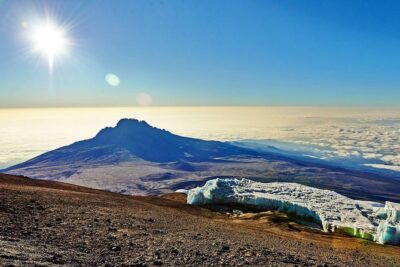
Steep trails, big payoff on Kilimanjaro. This Machame route climb from Moshi is a 6 day camping trek designed to take you up one side and down another, with expert Tanzanian guides who explain what you are seeing along the way.
You also get the practical extras that matter on a long mountain trip, like daily breakfast, lunch, and dinner, plus a small group limit of 10 hikers.
I especially like the built in rhythm of full meals every day and the fact that camping is included. I also like that the guides are local Tanzanians, so the walk comes with real context on geography, history, anthropology, and the flora and fauna you pass.
The main drawback is simple: this climb is tough. The Machame route is steeper, with longer walking days than slower options, so you will want strong fitness and a calm, steady hiking style.
In This Review
- Key things I’d zero in on first
- Machame Route Kilimanjaro, what makes it feel different
- The 6 day rhythm: what your days feel like on the mountain
- Day 1: Start near Kilimanjaro Airport, then begin the trek plan
- Days 2 to 3: The steeper Machame walking, plus learning from your guides
- Days 4 to 5: Acclimatization through the trek high, sleep low rhythm
- Summit night and the final push: managing effort and timing
- Final segment: the crater rim goal at Stella Point, then you finish on the Mweka side
- Camps, meals, and the unglamorous parts you actually need
- Guides and the small group size, the human difference
- Fitness reality check for Machame’s steeper profile
- Languages, pacing, and how you will communicate on the mountain
- Value at $2,255.39 per person, what you are really buying
- Getting started in Moshi and where the trip begins
- What kind of hiker should book this Machame climb?
- Should you book Habari Adventure for the Machame route?
- FAQ
- How long is the Machame route tour?
- Is camping included on this Kilimanjaro trek?
- What meals are included each day?
- How big is the group?
- What languages are available for the tour?
- Where does the trip start?
- Is pickup offered?
- What is the cancellation policy?
Key things I’d zero in on first
- Small group limit (max 10): you are not lost in a big crowd when the air gets thin.
- Full board meals daily: breakfast, lunch, and dinner are included, so you are not worrying about food logistics.
- Trek high, sleep low strategy: the route design supports acclimatization, which helps your odds.
- Steeper, tougher profile than gentler routes: you will hike longer and manage slower gains.
- Crater rim goal via east facing Mweka route: the plan aims for Stella Point before you finish.
- Local guide storytelling: geography, history, anthropology, and wildlife are part of the trek, not an afterthought.
Machame Route Kilimanjaro, what makes it feel different
The Machame route is the popular one, and it is also the rugged one. You climb up through the mountain’s southwest and south east sides, then descend a different way, so the overall feeling is more varied than a straight line up and down.
It is sometimes nicknamed the Whisky Route. The name is not official magic, but the vibe fits: you are usually working harder than on smoother routes, and the days can feel longer because the trail profile is steeper. If you like a challenge and you can keep a steady pace, this is a good match.
Another thing to love here is the acclimatization logic. Machame is described as “trek high and sleep low,” which means your hiking day gains altitude, but your sleeping strategy helps you adapt instead of simply climbing higher every night. That rhythm is exactly what you want on Kilimanjaro, where your body needs time to adjust.
More Kilimanjaro climbs:
- Kilimanjaro climb by Lemosho Route (7-day)
★ 5.0 · 651 reviews - Kilimanjaro climb, Machame Route (7-day)
★ 5.0 · 262 reviews - Kilimanjaro Climbing Lemosho Route 8 Days.
★ 5.0 · 186 reviews
The 6 day rhythm: what your days feel like on the mountain
This trip is listed as about 6 days, and it is often described as being done in 6 or 7 days depending on how the climb progresses. Either way, the backbone stays the same: camping is included and you get breakfast, lunch, and dinner daily.
Here is the practical way to think about your days.
Day 1: Start near Kilimanjaro Airport, then begin the trek plan
You start in the Kilimanjaro area, with the trip tied to Kilimanjaro Airport and Kilimanjaro National Park. Since pickup is offered, you should expect someone to help you get moving rather than having to arrange transport on your own.
On day one, the main goal is getting your pacing right and settling into the camping routine. Even if you feel fine at the start, Kilimanjaro is a long game, so you want to conserve energy and listen closely to your guide’s instructions.
Days 2 to 3: The steeper Machame walking, plus learning from your guides
This is where Machame differs from slower ascent styles. The route is steeper and you walk longer distances, which means your legs do more work for the altitude you gain.
The guides are Tanzanian and are part of what makes this more than a physical test. You will be listening for explanations about local geography and the types of plants and animals you see as you climb. It can make the hike feel like a journey with meaning, not just a line on a map.
A realistic drawback during these days is that steeper sections can make you feel like you are “not going anywhere,” even when you are moving. The trick is to keep your effort steady, not sprint your way through.
A few more Moshi trips to compare
- Safari Serengeti And Ngorongoro
★ 5.0 · 288 reviews - Climbing Kilimanjaro – Machame Route
★ 5.0 · 170 reviews - Climbing Kilimanjaro through 7 days Machame Route
★ 5.0 · 151 reviews - Kilimanjaro climb, Lemosho Route (8-day)
★ 5.0 · 148 reviews
Days 4 to 5: Acclimatization through the trek high, sleep low rhythm
Machame’s plan is designed to support acclimatization. In plain terms, it is not only about reaching the top, it is about letting your body handle the altitude. That is why the route is described as favorable for acclimatization.
If you are prone to going too hard early, this part of the climb is where your guide’s leadership matters. A consistent hiking pace, good hydration habits, and smart rest time can make a noticeable difference in how you feel.
This is also the part where you appreciate having experienced guides and a supportive team around you. Several hikers who praised this company specifically mentioned guides being present, attentive, and focused on keeping them comfortable and confident.
Summit night and the final push: managing effort and timing
Your big summit push happens during the late hours, and it is one of those moments where you feel the altitude in your breathing. The good news in the feedback is that guides are credited with making summit night feel manageable.
One climber credited their guide with getting them to the summit at almost sunrise, specifically five minutes before sunrise. That kind of timing matters because it means you are likely hiking with a plan, not guessing in the dark.
Final segment: the crater rim goal at Stella Point, then you finish on the Mweka side
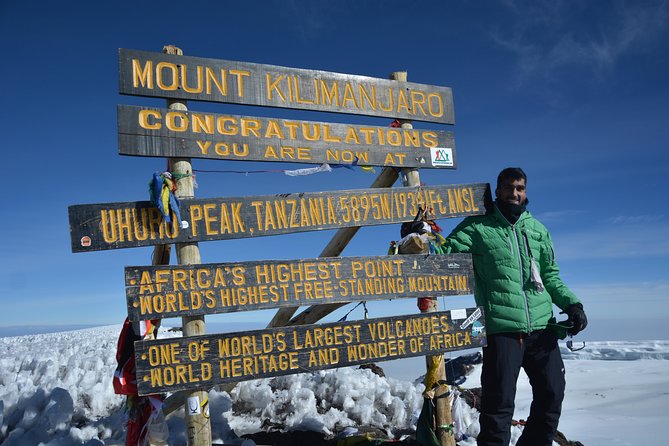
The itinerary description is clear on the last phase: you ascend to the summit/crater rim via the east facing Mweka route, with Stella Point listed as the crater rim target.
Think of this as your “closing checkpoint.” Reaching Stella Point is the point where the work pays off visually and emotionally, and it is a strong motivator to keep moving when the climb is slow.
Camps, meals, and the unglamorous parts you actually need
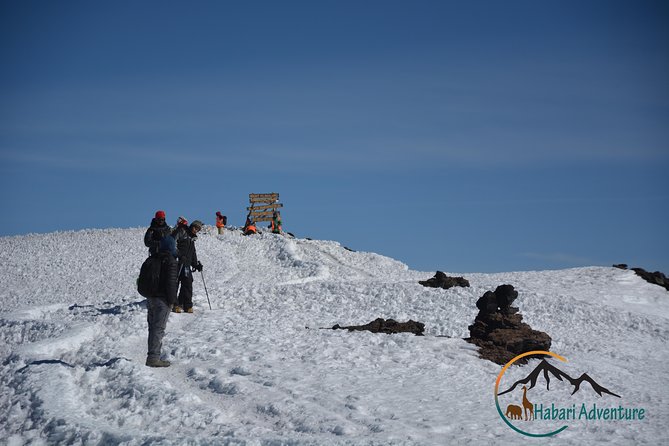
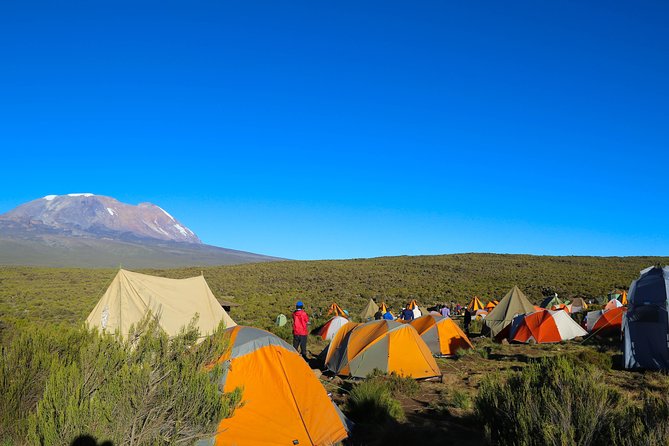
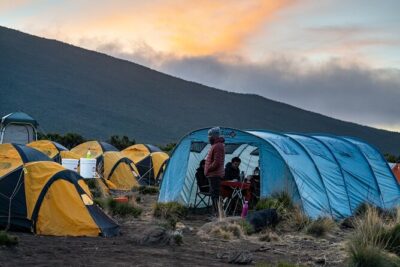
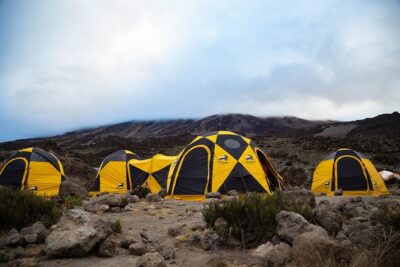
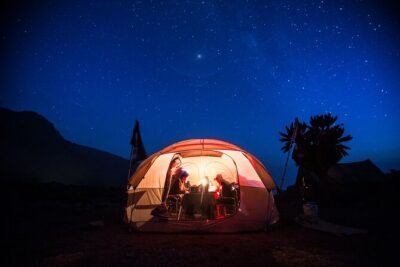
Camping is included, which is a big value point. On Kilimanjaro, camping means you can focus on the hike instead of figuring out where to sleep and how meals will work day to day.
The trip also includes daily meals: breakfast, lunch, and dinner. In the feedback, food shows up as a standout. Hikers praised it as delicious and varied, and they also noted that meals came in generous quantities.
From a traveler’s perspective, that matters more than it sounds. When you are climbing for hours, energy and hydration are not optional. If food logistics are handled well, your energy levels tend to stay more stable, and the whole experience feels safer and less stressful.
There is still a reality check: you are on a steep mountain hike, so you should assume your body will be tired, even with great meals. Your job is to show up ready to hike and to follow your guide’s pacing advice.
Guides and the small group size, the human difference
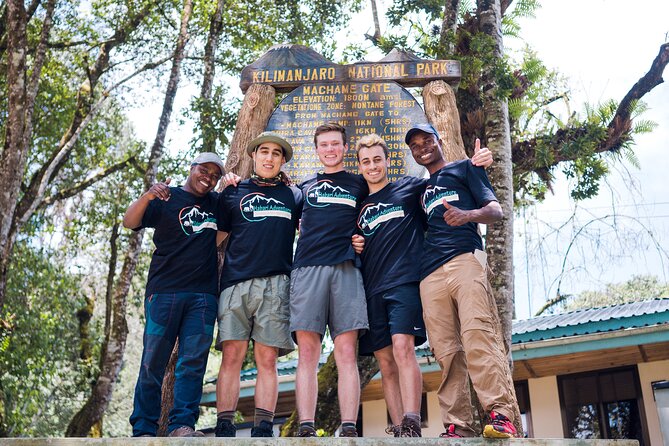
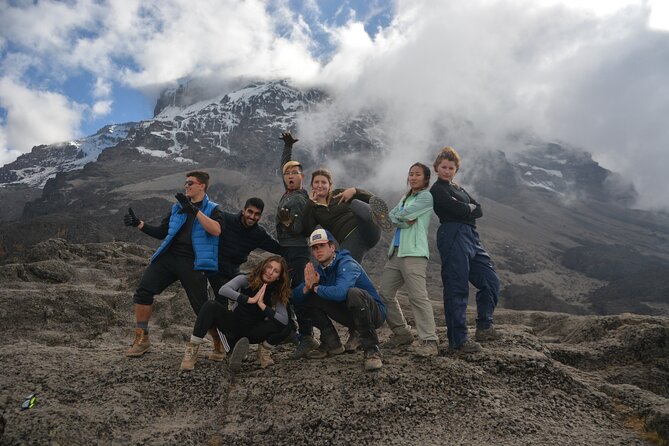
This is a small group trek, with a maximum of 10 travelers. That limit changes the tone of the experience. You are more likely to be guided with personal attention, and the group tends to move with fewer bottlenecks.
The other big win is the guide team. Names that keep coming up in the feedback include Stan, Leon, Pio, Justo, and Evan. People also specifically credited porters as essential, including porters who carried extra weight and took care of cooking and cleaning.
A few patterns show up in the praise:
- Guides are described as friendly and supportive, not just instructional.
- Guides focus on safety, while still keeping the day enjoyable.
- The best guides adapt to your pace, including adjusting the plan to help acclimatization.
One climber described their guide Stan as molding the journey to the group, noticing strengths and adjusting along the way. That kind of flexibility is a quiet but powerful advantage on a climb where everyone’s body reacts differently to altitude.
Fitness reality check for Machame’s steeper profile
Machame is tougher than gentler routes because it is steeper and you walk longer distances. The trip itself flags that you should have strong physical fitness.
So, how do you judge fit for this itinerary without overthinking it?
- If you already hike regularly and you know you can maintain a steady pace for long days, Machame will feel like a serious challenge, not a shock.
- If you tend to start fast and burn out, you will need discipline. This route rewards controlled effort.
Also remember the acclimatization strategy. The plan is meant to help you handle altitude with the trek high, sleep low approach, which can improve outcomes. But the route design does not replace effort, hydration, and pacing.
Languages, pacing, and how you will communicate on the mountain
This company offers tours for English, German, French, and Spanish speakers. That matters because on Kilimanjaro, instructions need to land clearly when you are tired, short of breath, and focused on each step.
Even if you do not speak Swahili, you should still expect a smooth communication setup with your guide team. The goal is simple: you need to understand timing, safety guidance, and what to expect each day.
Value at $2,255.39 per person, what you are really buying
At $2,255.39 per person, this is not a bargain climb. But it also is not just a trail map and a promise.
Here’s what you are paying for, based on what is included and what hikers highlight:
- Highly experienced Tanzanian guides
- Camping included
- Daily breakfast, lunch, and dinner
- Small group size (maximum of 10)
- Pickup offered
- A trek plan that is described as favorable for acclimatization
In other words, the value is in reducing your headache load. You are buying a setup where food, sleep logistics, and guidance are handled. On Kilimanjaro, those are not small things.
One more value angle is the guide and porter attention on summit night and throughout the climb. Several hikers credited the team as the reason they succeeded, and they praised reliability and support. If you want the odds to be as strong as possible, it makes sense to pay for a team that is serious about guidance and safety.
Getting started in Moshi and where the trip begins
The tour location is Moshi, Tanzania, and the start points are listed as Kilimanjaro Airport and Kilimanjaro National Park Tanzania. Pickup is offered, and confirmation happens at booking.
For you, the practical takeaway is to plan your travel so you arrive with enough buffer on the Moshi side. Kilimanjaro climbs are not the place to gamble on tight flight connections. If you are cutting it close, you are trading money for stress, and stress is what you do not need on day two.
What kind of hiker should book this Machame climb?
This tour is best for hikers who want the Machame experience specifically, not a gentler route. It suits people who:
- Are comfortable with a steeper, longer walking profile
- Have strong physical fitness and can follow pacing instructions
- Want a small group setting with attentive Tanzanian guides
- Care about food quality and a well-run camping trek
- Prefer a guide team that adds context, not just navigation
It may not be the best fit if you want the easiest possible ascent, because Machame is described as tougher than gradual options. If you are looking for a calmer profile with shorter or easier walking days, you might need to compare against different route styles.
Should you book Habari Adventure for the Machame route?
If you want a classic Machame climb with a team that hikers credit for support, food, and reliable guidance, I think this is an easy company to put on your shortlist. The small group size, the included camping, and the daily meals are the kind of practical setup that makes the mountain experience smoother.
Before booking, be honest about your fitness. The steepness and longer walking distances are not marketing fluff. If you are prepared, you get a route that is described as favorable for acclimatization, with a final goal at Stella Point via the east facing Mweka route.
If your top priority is an all-out challenge with good logistics and strong local guidance, I’d say book it. If you want the most gradual route possible, consider alternatives and pick the match to your body, not just the most famous name.
FAQ
How long is the Machame route tour?
The tour is listed as 6 days (approx.). It is also described as commonly done in 6 or 7 days via the southern circuit, with the final ascent to the crater rim at Stella Point.
Is camping included on this Kilimanjaro trek?
Yes. Camping is included.
What meals are included each day?
You get daily breakfast, lunch, and dinner.
How big is the group?
This is a small group tour with a maximum of 10 travelers.
What languages are available for the tour?
The tour offers guides for English, German, French, and Spanish speakers.
Where does the trip start?
The start points listed are Kilimanjaro Airport and Kilimanjaro National Park Tanzania.
Is pickup offered?
Yes, pickup is offered.
What is the cancellation policy?
Free cancellation is offered. You can cancel up to 24 hours in advance for a full refund. If it is canceled due to poor weather, you are offered a different date or a full refund.
Just posted around Moshi
- Kilimanjaro Climbing Umbwe Route★ 5.0 · 3 reviews
- Wildlife Extravaganza: Manyara, Tarangire & Ngorongoro in 3 Days★ 5.0 · 3 reviews
- Mt Kilimanjaro 6 days Marangu route hike★ 5.0 · 3 reviews
- 3 Days Private E-Bike Tour in West Kilimanjaro★ 5.0 · 3 reviews
- West Kilimanjaro cycling Adventures★ 4.5 · 8 reviews
- Kilimanjaro Climb • Marangu Route ~ 9 Day★ 5.0 · 4 reviews
- Private Cycle to Kilimanjaro Bike Park Safari★ 5.0 · 6 reviews
- From Arusha: 11 days The Classics Northern Tanzania safari★ 5.0 · 11 reviews
Kilimanjaro Climbs, compared.
8-Day Small-group Lemosho Kilimanjaro Summit Trekking
Read our review →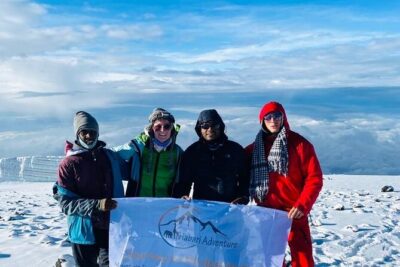
5 Days Best of Tanzania Luxury Safari Northern Circuit
Read our review →
Climbing Kilimanjaro through 7 days Machame Route
Read our review →