Reviewed · KILIMANJARO CLIMBS
Kilimanjaro Climb • Marangu Route ~ 9 Day
If you can handle the cold start, the sunrise is yours. This 9-day Kilimanjaro climb on the Marangu Route runs hut-to-hut, with a big focus on safety-first altitude support and guides who know how to pace for a realistic summit chance.
I like the way Tusker Trail sets you up before you ever touch the mountain. You start with a family-owned hotel in Moshi, then you get detailed orientation and a gear check with your guides so you feel ready, not rushed. I also appreciate the mountain food setup, including meals served in common dining areas at the huts.
One thing to consider: you share the mountain huts with other climbers, and equipment rental is not included. If you want total quiet or total privacy, this route is not built for that.
In This Review
- Key things that make this climb work
- Tusker Trail and what safety-first actually means
- Moshi pre-game: your first taste of Tanzania (and the climb mindset)
- Day 3 into Mandara Hut: lush forest, monkeys in the branches
- Day 4 to Horombo Hut: the view opens, and Mawenzi calls
- Day 5 acclimatization day at Horombo: small hike, big payoff
- Day 6 toward Kibo Hut: Alpine desert and the Kibo Saddle
- Summit night, Uhuru Peak: the cold climb and the payoff
- Day 8 descent to Moshi: rain forest again, then the shower
- Price and what you are really paying for
- Group size, timing, and how it affects your day
- Social impact: community ties beyond the mountain
- Who this Kilimanjaro Marangu climb is best for
- Should you book this Tusker Trail Marangu Route?
- FAQ
- What route does this Kilimanjaro climb use?
- How many days is the trip?
- Where does the climb start?
- What are the summit details?
- Is pickup included?
- Are meals included?
- Is gear or equipment rental included?
- What is the group size limit?
- Is cancellation free?
Key things that make this climb work
- A proven, safety-first guiding approach built around altitude medical training
- Hut life on the Marangu Route, with running water and toilets at the huts
- Real acclimatization rhythm, including two nights at Horombo before the summit push
- A summit plan that starts at midnight, with hot tea and snacks to wake you up
- Food and fuel handled well, with mountain chefs trained at the Culinary Institute of America
- Small group size, capped at 16 travelers, which makes the experience feel more human
Tusker Trail and what safety-first actually means
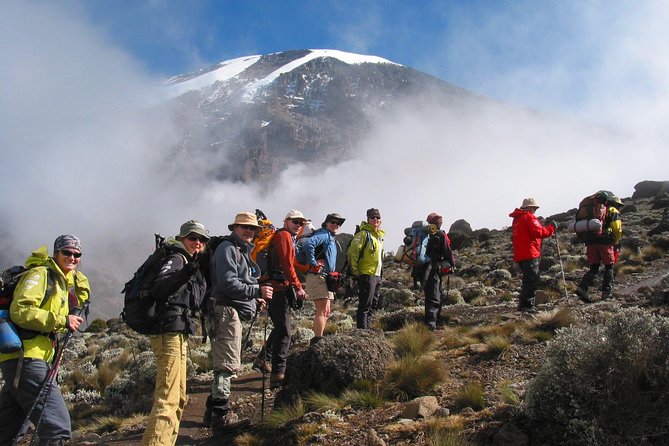
Kilimanjaro is not just a big hike. It is a long test of breathing, pacing, and decision-making at altitude. What I like about Tusker Trail is that they talk about safety as a system, not a slogan. Their guides are trained in altitude medical care, and that shows in the way the trip is structured around acclimatization and steady effort.
The company also leans on long experience. Tusker Trail has been operating since 1977, and the founder Eddie Frank has guided thousands of travelers. They even note a very high claimed summit success rate, 99%, which is the kind of statistic you should take seriously in context. Not because numbers guarantee anything on a mountain, but because it usually reflects repeatable planning and guide skill.
And the feel of the team matters. In past trips, people highlighted how warmly professional the staff is, from first contact in the US to the lead guide team in Moshi and on the mountain, including names like Julian, Urio, and Pastorey. That matters because when you are cold, tired, and climbing at odd hours, you want calm competence, not chaos.
More Kilimanjaro climbs:
- Kilimanjaro climb by Lemosho Route (7-day)
★ 5.0 · 651 reviews - Kilimanjaro climb, Machame Route (7-day)
★ 5.0 · 262 reviews - Kilimanjaro Climbing Lemosho Route 8 Days.
★ 5.0 · 186 reviews
Moshi pre-game: your first taste of Tanzania (and the climb mindset)
Your journey starts in Moshi, Tanzania. After arrival, you check into a family-owned hotel. This is more than a comfy start. A good pre-climb night is where you get your body and mind into the right gear. You then spend two nights in Moshi prepping and getting to know your guides.
In practical terms, those Moshi days set you up for the long slog ahead. You get climb orientation and a gear check. If you have ever watched someone scramble at the last minute for gloves, dry layers, or a headlamp, you know why this matters. A gear check also helps your guide confirm you can handle temperature swings and long, exposed time above the tree line.
Moshi is also where you can manage yourself. You can eat, hydrate, and rest in a normal rhythm before the schedule gets intense.
Day 3 into Mandara Hut: lush forest, monkeys in the branches
On the first real walking day up from the Marangu park gate, expect about 4 to 5 hours through lush montane forest to Mandara Hut. This is the part of Kilimanjaro that feels most like a hike you could do any weekend, except you are climbing steadily into thinner air.
You also get a welcome dose of wildlife theater. Keep your eyes up for black and white Colobus monkeys in the trees. This matters because it breaks the monotony. Long altitude days can blur together, but the forest offers sensory variety and quick rewards.
Mandara Hut is a group-hut setup where meals are prepared by the cooks and served in a common dining area. One of the real advantages of this route is that the huts are functional. The huts have running water and toilets, so you are not stuck improvising daily hygiene in a rough way. You also share the huts with other climbers, which can add noise, but it also gives you a built-in social layer when you want to talk through nerves or compare summit plans.
A modest drawback: 4 to 5 hours of forest climbing can still be tiring. Even though this day is more comfortable than later altitude zones, it is still a warm-up. Your goal is to go steady, not prove a fitness point.
Day 4 to Horombo Hut: the view opens, and Mawenzi calls
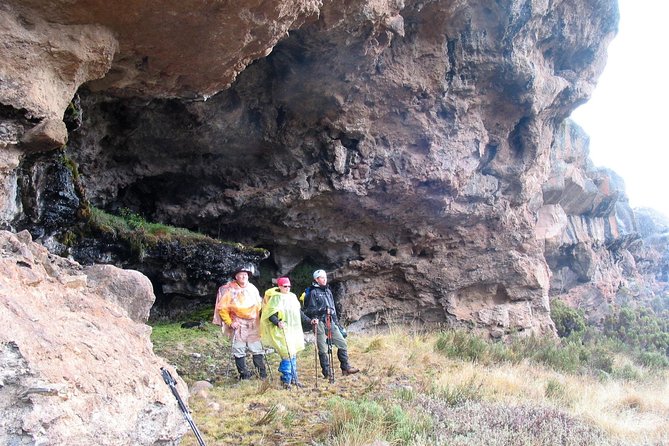
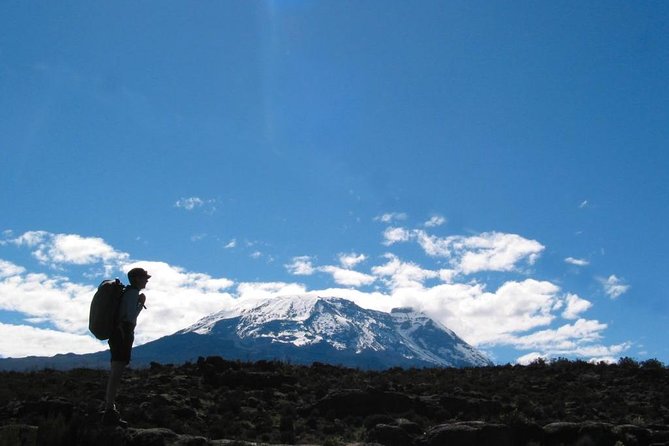
Next you leave the rain forest behind and head into heath and moorland. The big change is that you start seeing more of the mountain at once. You get your first clear views of Mawenzi and Kibo Peaks in the distance as the mountainside opens up.
This stretch runs about 8 hours to reach Horombo Hut mid-afternoon. The timing matters. Arriving earlier gives you time to settle, warm up, and adjust your routine. You can relax, enjoy scenery, and eat dinner that the chefs prepare.
Horombo Hut becomes your base for acclimatization. The payoff here is psychological. Once you have a solid first hut stop behind you, the days ahead feel less like a series of unknowns and more like a plan.
A few more Moshi trips to compare
- Safari Serengeti And Ngorongoro
★ 5.0 · 288 reviews - Climbing Kilimanjaro – Machame Route
★ 5.0 · 170 reviews - Climbing Kilimanjaro through 7 days Machame Route
★ 5.0 · 151 reviews - Kilimanjaro climb, Lemosho Route (8-day)
★ 5.0 · 148 reviews
Day 5 acclimatization day at Horombo: small hike, big payoff
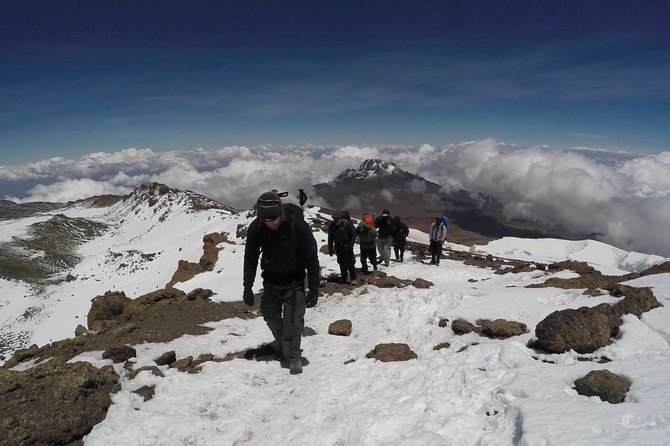
You spend 2 nights at Horombo to acclimatize, then take an extra day for a short acclimatization hike. This day is key because acclimatization is where people win or lose on Kilimanjaro.
The idea is simple: walk high enough to trigger adaptation, then return to a lower sleeping elevation. You hike, return to Horombo for lunch, then enjoy a relaxing afternoon before dinner. This is not a race day. It is the day that helps your body get used to altitude before the push toward Kibo.
A practical note: you should treat your pace on this day like you are setting the tone for the summit night. If you sprint to beat the group, you might feel fine at first. But altitude punishes inconsistency.
Day 6 toward Kibo Hut: Alpine desert and the Kibo Saddle
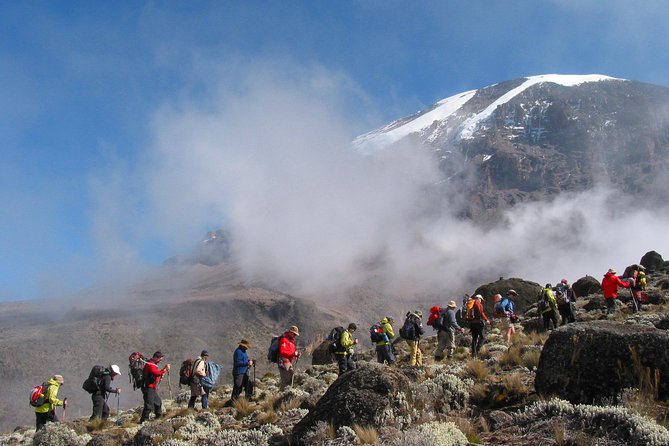
After breakfast, you continue through Alpine desert habitat, moving into a harsher, more exposed world. The route takes you across the barren Kibo Saddle, between Mawenzi and Kibo Peaks, and then up toward Kibo Hut on the slopes of Kibo Peak.
After about 7 hours, you arrive at Kibo around mid-afternoon. On a clear day, you can see Gilman’s Point on the crater rim, a key landmark on the route to the summit. That kind of sightline helps. It gives your brain a reference point for what is coming.
Then the day shifts from walking to preparing. You relax, eat dinner, and get ready for the summit climb starting around midnight.
This is where the Marangu route shows its rhythm. You are not just pushing higher and higher each day. You are stepping up, sleeping strategically, and using time at each zone to make the next segment safer.
Summit night, Uhuru Peak: the cold climb and the payoff
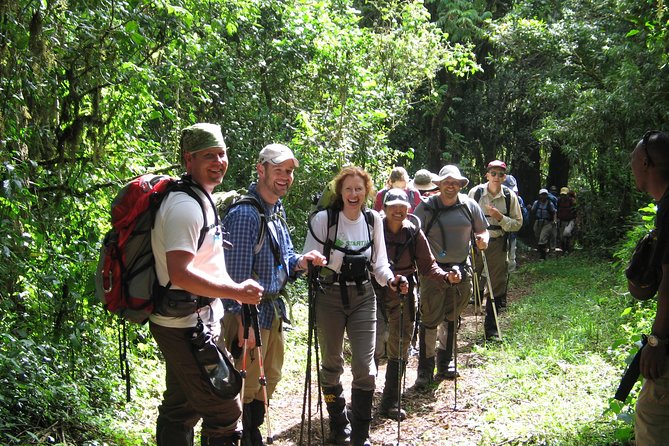
Summit day starts with a wake-up call just before midnight. Your guide brings hot tea and snacks, which is exactly what you want. Cold altitude can shut down your appetite and your motivation. Small comforts matter when you are focused on survival and progress.
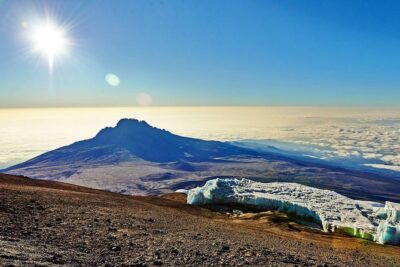
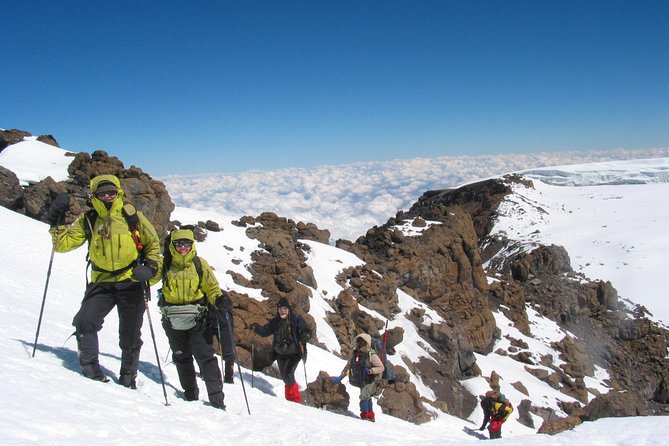
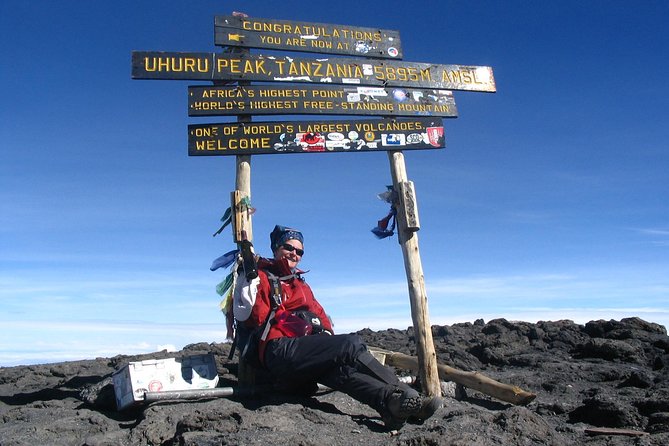
Today is the hardest day and it is the day with the most dramatic visuals. You wind over rocky outcrops through scree until you reach the rim of the crater at Gillman’s Point. The hardest part is over once you reach the crater rim, and then you focus on the final push to Uhuru Peak.
You celebrate at the top, then head back down to Horombo for the night. The summit plan is built into the schedule: roughly 4.2 miles to Uhuru from the broader high camp region, with a total hike time listed at about 5 hours for the day.
Here’s the practical advice I’d give you: on summit night, your job is not to feel heroic. Your job is to keep your breathing steady and your steps controlled. If you let ego drive pace, scree will chew your rhythm. If you follow the slow grind, the sunrise views of Mawenzi, Kibo Saddle, and the plains below become the reward you hoped for.
Day 8 descent to Moshi: rain forest again, then the shower
After breakfast, you begin the descent past Mandara Hut and back down toward the national park gate. Then Tusker vehicles meet you at the gate and drive you back to Moshi, about a 90 minute ride.
The hike time listed is about 4 hours, which can feel short after days of long climbs. But it also brings a different kind of challenge. Downhill can still be hard on knees and feet, especially on rocky footing.
This descent includes a return through rain forest near Mandara, which gives you greenery and a more comfortable feel compared with the alpine zones. Then you get a well-deserved shower in Moshi, plus a final climb celebration.
For many people, the return is when the whole trip finally sinks in. You are tired, but you can breathe in normal air again. If you want a clear memory, Day 8 is when you get it.
Price and what you are really paying for
The price listed is $5,699 per person for this Marangu Route climb, about 9 days. That is a lot of money, but on Kilimanjaro you are not paying for views only. You are paying for guide time, altitude support training, logistics, hut operations, food planning, and the park admissions that come with the climb.
Here’s what is clearly included:
- Breakfast and lunch and dinner across the trip, with dinner included on 7 days
- Mountain meals handled by cooks and served in common dining areas
- Admission tickets included for the climb days in the park
- Pickup is offered
- A mobile ticket is used
- Your group is capped at 16 travelers
What is not included:
- Equipment and gear rental
This means you should budget extra if you still need basics like boots, warm layers, and a headlamp. Even if you borrow gear, check it carefully. A well-fitted boot can be the difference between finishing the climb and spending the summit day nursing blisters.
Also, because you use huts, you are paying into a route style that includes practical infrastructure like running water and toilets. That comfort is part of the cost, and it is part of the experience.
Group size, timing, and how it affects your day
With a maximum of 16 travelers, this is not a huge cattle-call. A smaller group can mean less waiting and less crowding at key moments, like hut arrivals and summit-night departure.
Timing is also a big deal on Kilimanjaro. You start with daytime hiking through multiple altitude zones, then you hit the summit push around midnight. That means your body needs to follow the guide’s rhythm, even if it feels unnatural. Tusker’s setup includes the hot tea and snacks wake-up, which is a small thing with big results for comfort.
A possible drawback you should own up front: if shared huts are not your style, Marangu’s hut model will feel a bit crowded. The plan also includes sharing spaces and common dining areas with other climbers, which adds conversation, but also noise.
Social impact: community ties beyond the mountain
Tusker Trail positions itself as socially responsible. They mention paying the crew the highest pay for their staff, providing pensions and medical benefits for crew and families. They also partner with the local Lions club supporting community development, including a school for deaf children.
You are not going to climb faster because of this. But if you care where your tourism dollars go, it is worth noting. I look at this as a signal of how an operator thinks about long-term relationships with the place.
Who this Kilimanjaro Marangu climb is best for
This tour makes sense if you want:
- A structured 9-day plan with acclimatization built in, including two nights at Horombo
- A hut-based experience with toilets and running water
- A strong emphasis on safety and medically trained altitude guiding
- A team that handles meals in a professional way, including chefs trained at the Culinary Institute of America
It is also a good fit if you like meeting people at shared dining areas, and you want the built-in routine that comes with a set hut itinerary.
If you hate shared dorm-style sleeping or you need total privacy and quiet, you might prefer a different style of Kilimanjaro expedition. Marangu’s hut structure is part of its charm and part of its tradeoff.
Should you book this Tusker Trail Marangu Route?
I’d book this if you want a classic hut-to-hut Kilimanjaro experience with a team that takes altitude safety seriously and runs the trip with experienced, trained leaders. The combination of hut infrastructure, a real acclimatization day, and summit-night support details like hot tea and snacks makes it feel like a system designed to help you perform well at altitude.
I would hesitate if you do not want to share huts with other climbers, or if you still need to line up gear. Since equipment rental is not included, do your homework early so you arrive with gear that fits and keeps you warm.
If your goal is a well-managed shot at Uhuru Peak, with practical comfort where it counts, this Marangu climb is a solid choice.
FAQ
What route does this Kilimanjaro climb use?
It uses the Marangu Route and is based in Moshi, Tanzania.
How many days is the trip?
It runs for 9 days (approx.).
Where does the climb start?
You drive to the Marangu park gate to begin the hike.
What are the summit details?
The summit is 19,340 ft / 5,895 m at Uhuru Peak.
Is pickup included?
Yes, pickup is offered.
Are meals included?
Yes. Breakfast is included on 8 days, lunch is included on 8 days, and dinner is included on 7 days.
Is gear or equipment rental included?
No. Equipment / gear rental is not included.
What is the group size limit?
The maximum group size is 16 travelers.
Is cancellation free?
You can cancel for a full refund up to 24 hours in advance of the experience start time.
Just posted around Moshi
- machame route★ 5.0 · 16 reviews
- Kilimanjaro Climbing Umbwe Route★ 5.0 · 3 reviews
- Wildlife Extravaganza: Manyara, Tarangire & Ngorongoro in 3 Days★ 5.0 · 3 reviews
- Mt Kilimanjaro 6 days Marangu route hike★ 5.0 · 3 reviews
- 3 Days Private E-Bike Tour in West Kilimanjaro★ 5.0 · 3 reviews
- West Kilimanjaro cycling Adventures★ 4.5 · 8 reviews
- Private Cycle to Kilimanjaro Bike Park Safari★ 5.0 · 6 reviews
- Kilimanjaro Climb & Safari – Lemosho Route – 13 Day★ 5.0 · 10 reviews
Kilimanjaro Climbs, compared.
8-Day Small-group Lemosho Kilimanjaro Summit Trekking
Read our review →
5 Days Best of Tanzania Luxury Safari Northern Circuit
Read our review →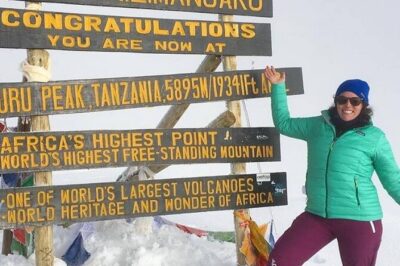
Climbing Kilimanjaro through 7 days Machame Route
Read our review →