Reviewed · KILIMANJARO CLIMBS
Kilimanjaro Climbing Umbwe Route
Starting at 4:00 am sets your expectations fast. What makes this Kilimanjaro experience interesting is the Umbwe route itself, with early days through forest and ridge and a summit night plan that aims for sunrise on the crater rim. I like that you travel with local guides trained in safety and first aid, and that the schedule builds in acclimatization with Barranco and Karanga before the push. One drawback to consider is that Umbwe is not the gentlest option, and the day 5 midnight wake up plus steep scree and sometimes strong winds at higher camps demands solid fitness and grit.
This trip is also good value for people who want a guided, full package feel. You get breakfasts, lunches, and dinners across the trek, plus park admission tickets are included in the trek days described, while pickup is offered and you receive a mobile ticket. If you are budgeting, just note what is not covered: your flight and your visa.
In This Review
- Key Highlights You’ll Care About
- Umbwe Route From Moshi: Why This 6-Day Plan Feels Like the Real Thing
- Your Guides Are the Product: Local Expertise Plus Safety Training
- Day 1 at Umbwe Gate (1,800 m): Forest Climbing and First-Dream Energy
- Day 2 to Barranco Valley Camp: Ridge Views and a Camp With a View
- Day 3 to Karanga Valley: Barranco Wall, Big Glaciers, and Real Acclimatization
- Day 4 to Barafu Camp: Alpine Desert Mood and Wind Reality
- Day 5 Summit Night: Midnight Start, Stella Point Sunrise, Uhuru Peak
- Day 6 Descent Through Mweka Forest: Certificates, Warm Shower, and Closing the Loop
- Price and Logistics: Is $2,750 a Good Deal?
- What Makes This Company Feel Professional on the Mountain
- Fitness Reality Check: Acclimatization Days vs. Tough Sections
- Weather Matters, and the Plan Builds Around That
- Should You Book This Umbwe Route With Habari Adventure?
- FAQ
- Where does the experience start, and what time?
- How long is the Kilimanjaro Umbwe route trek?
- What group size should I expect?
- Is pickup included?
- What is included in the price besides the guide?
- What is not included?
- Does the experience run only in good weather?
Key Highlights You’ll Care About
- Umbwe route scenery shift, from forestry track and rain forest to rockier ridge and alpine desert camps
- Acclimatization built into the plan, with the Barranco wall day and the key rest window before the summit push
- Local, trained guides, with safety and first aid included in their preparation
- Small group limit (max 8), which helps keep the pace tight and the experience personal
- Summit timing aimed for sunrise, with early tea and a target of Stella Point, then Uhuru Peak
- Logistics that reduce stress, including pickup offered, mobile ticket, and certificates plus return drive to Moshi
Umbwe Route From Moshi: Why This 6-Day Plan Feels Like the Real Thing
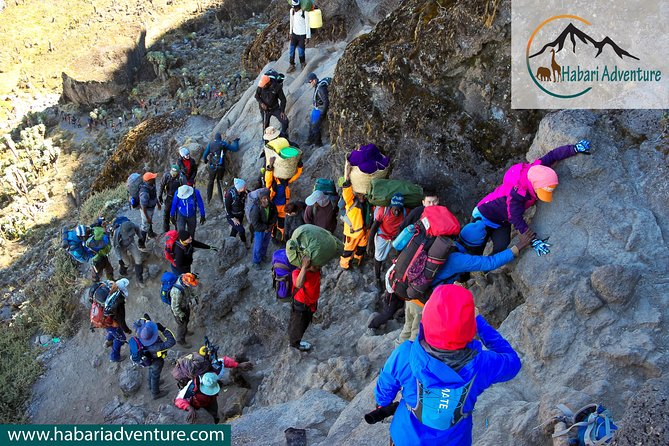
Kilimanjaro is big. The Umbwe route makes you feel that scale in a very direct way. Early hiking leans into a forestry track that climbs steadily, with natural rain forest and huge trees around you, then transitions toward rockier terrain and thinner forest as you gain altitude.
What I like about this approach is that it gives you variety, not just altitude. You’ll move from lush greenery and shade into ridge walking with open views, then into a higher, harsher world as you near alpine desert conditions. That change matters because it mirrors what your body experiences on a summit climb, not just what the photos look like.
The tradeoff is that Umbwe can feel steep and demanding. If you want a slow, gradual climb for comfort, this route may test you more than you expect, especially on the summit night and on steep sections like the Barranco wall.
More Kilimanjaro climbs:
- Kilimanjaro climb by Lemosho Route (7-day)
★ 5.0 · 651 reviews - Kilimanjaro climb, Machame Route (7-day)
★ 5.0 · 262 reviews - Kilimanjaro Climbing Lemosho Route 8 Days.
★ 5.0 · 186 reviews
Your Guides Are the Product: Local Expertise Plus Safety Training
On Kilimanjaro, the guide is your lifeline, not a background detail. This experience runs with local Tanzanian guides, and the emphasis is on practical knowledge plus safety. Their training includes first aid and safety, which is exactly what you want when weather turns, energy drops, or altitude starts playing tricks.
I also like that the guide focus is not only on walking. You’re getting local expertise across geography, history, anthropology, astronomy, and even local flora and fauna. That turns the trek into more than a physical challenge. It helps you understand what you’re seeing, and it makes the ridge time feel purposeful, not just exhausting.
One extra plus: Habari Adventure’s leadership shows up in pre-trip communication. In past experiences shared about this company, the CEO named Stan handled email advice well before arrival, and the director Stanley was also singled out for professionalism and calm, careful support from start to finish. Even if your guide on the mountain is not the same person answering emails, that kind of leadership culture usually means steadier operations.
Day 1 at Umbwe Gate (1,800 m): Forest Climbing and First-Dream Energy
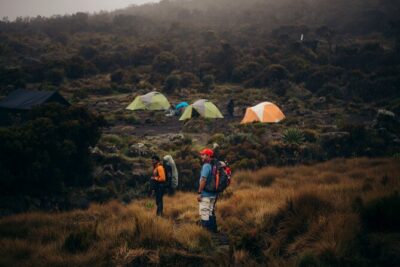
You start in Moshi after breakfast and drive to the Umbwe gate at 1,800 m. After registration formalities, the hike begins through a forestry track, winding up through natural rain forest. Expect that first day to feel alive, with shade, big trees, and that early sense that you are actually inside the mountain’s ecosystem.
The route soon narrows and steepens to climb a ridge between the Lonzo and Umbwe Rivers. The description of the area matters because it hints at what you’ll feel later: firm footing, steady uphill, and a lot of tree cover early on. Your first camp is placed between huge trees and thick undergrowth, which means you likely won’t get big open views yet, but you will get that immersive forest mood.
Practical note: Day 1 is long enough to feel like an actual start, listed around 6 hours. It’s not just a warm-up march, so come ready to work from the first day.
Day 2 to Barranco Valley Camp: Ridge Views and a Camp With a View
Day 2 starts in montane forest and then gradually changes character. Shortly after leaving camp, the forest thins, and you move into rockier terrain with sparser undergrowth and moss-covered trees. This transition is one of the more important signals of acclimatization on this route: your environment is changing as your body does.
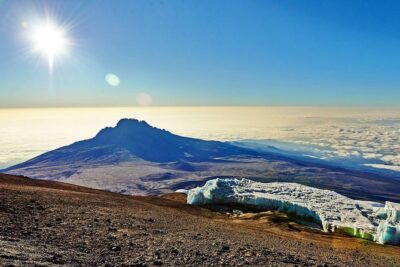
The path continues along a spectacular ridge. As you gain higher altitude, you get glimpses of Kilimanjaro rising ahead, outlined against a blue sky. That kind of visual progress is motivating, because it gives you a real reference point instead of only watching your feet.
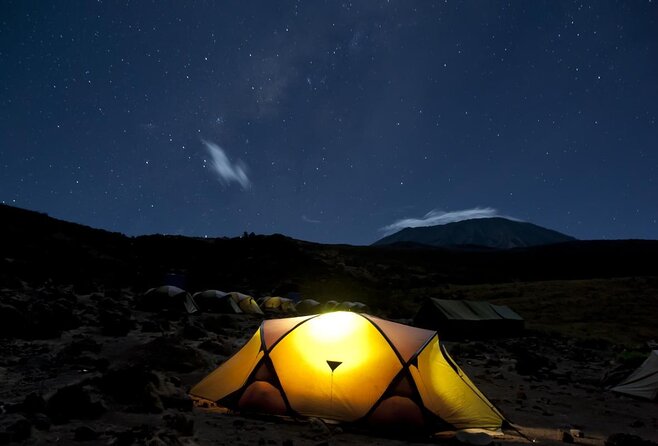
Approaching the Barranco Valley, the path flattens. Your camp sits in the valley below the Breach and the great Barranco wall, which sets up a memorable sunset while dinner is prepared. That sunset detail matters because it’s one of those moments that keeps morale from turning into numb endurance.
This day is listed around 5 hours, which is good pacing. You get progression without stacking on the kind of fatigue that would make Day 3 harder than it needs to be.
A few more Moshi trips to compare
- Safari Serengeti And Ngorongoro
★ 5.0 · 288 reviews - Climbing Kilimanjaro – Machame Route
★ 5.0 · 170 reviews - Climbing Kilimanjaro through 7 days Machame Route
★ 5.0 · 151 reviews - Kilimanjaro climb, Lemosho Route (8-day)
★ 5.0 · 148 reviews
Day 3 to Karanga Valley: Barranco Wall, Big Glaciers, and Real Acclimatization
Day 3 is where Umbwe starts turning from pretty trekking into serious hiking. After breakfast, you climb a steep ridge to the great Barranco wall. You then climb the wall itself, described as imposing but actually easier than it looks, which is reassuring. Still, you should expect a hands-and-feet type of feeling depending on conditions, even if the effort is less scary than the sight.
At the top, you can appreciate how beautiful Kilimanjaro looks from that angle, with Kibo glaciers soaring overhead. That is the moment many people picture when they think of the summit zone, but it arrives early enough to keep you engaged, not just waiting for the final day.
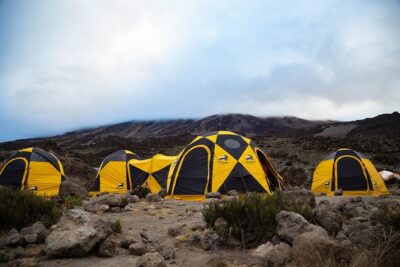
Then you descend into the lush Karanga Valley camp site. From camp, you can look east and see the jugged peaks of Mawenzi. After a hot lunch in camp, your afternoon is at leisure for resting or exploring.
That leisure block is not wasted time. It is key acclimatization on this route, because you are trying to let your body absorb altitude before the summit push. On a mountain like this, “rest” is not passive, it is strategy.
Day 3 is listed around 4 hours, so you still have strength for the afternoon. This is one of the better-designed days for pacing and recovery.
Day 4 to Barafu Camp: Alpine Desert Mood and Wind Reality
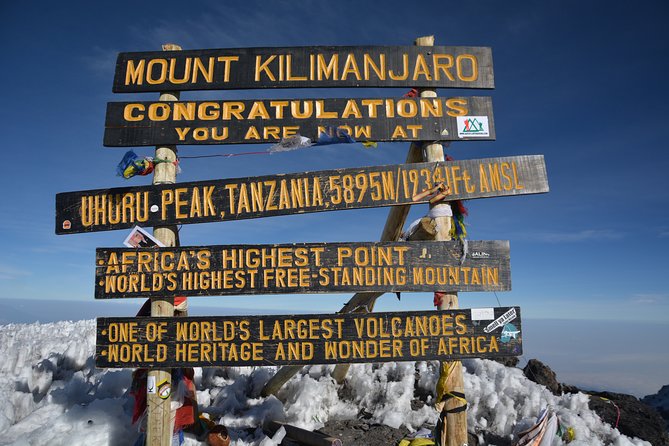
You head for Barafu Camp on Day 4, listed as another half-day ascending with lunch taken in camp. The advantage of lunch at camp is simple: you can relax with less rushing, instead of hiking longer while tired. After that, you get time to settle before the summit night schedule.
Barafu is described as desolate alpine desert, and sometimes strong winds rip over this camp. That phrase is your warning. Higher on Kilimanjaro, conditions can shift fast, and wind becomes part of the challenge, not just an inconvenience.
In the evening, you get spending views of Mawenzi peak. Then you eat relatively early and head to rest for the night. Since Day 5 begins around midnight, Day 4’s job is basically to get you ready, not to push your athletic limits.
Day 4 is listed around 4 hours, so again, you get movement without burning yourself out before the summit.
Day 5 Summit Night: Midnight Start, Stella Point Sunrise, Uhuru Peak
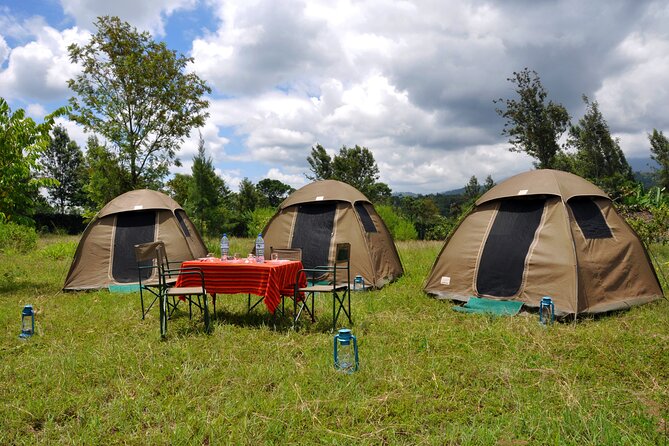
Day 5 is the big one. You wake up around midnight, with light tea and cookies ready for you. Then you climb scree for 4 to 5 hours, gaining incredible height over a short distance. Scree can be slow and energy-draining, so the “short distance” part is less about comfort and more about intensity.
The plan aims to have you on the crater rim at Stella Point (5,756 m) during sunrise. Watching sunrise from that altitude is a huge payoff if your body keeps cooperating. After a cup of tea, you keep moving to Uhuru Peak (5,895 m), take photos for a few minutes, and then start descending.
You descend back to Barafu Camp for rest and lunch, then walk down to Mweka Camp for dinner and overnight. Day 5 is listed around 15 hours, so even with breaks and staging, it is a marathon day. The descent is also part of the story: you are not done just because you reach the top.
If you are the kind of hiker who gets anxious about long days, this one rewards patience. If you already know how you handle effort and discomfort, this schedule will feel like a clear, structured route to a specific target.
Day 6 Descent Through Mweka Forest: Certificates, Warm Shower, and Closing the Loop
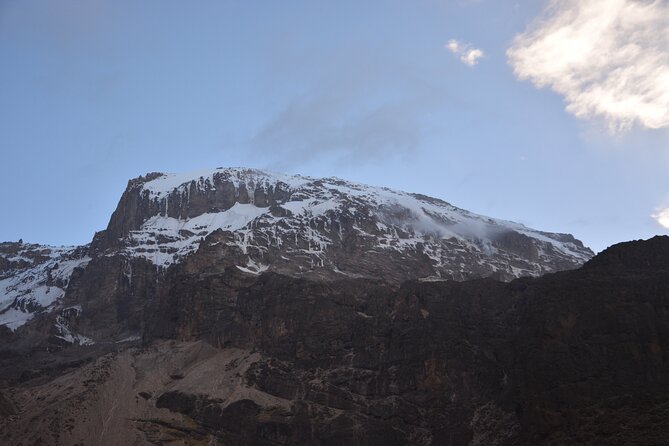
Your final day is a downhill walk. You hike down the Mweka montane forest to Mweka Gate for about 3 hours, where you complete park formalities and receive certificates. That certificate moment matters because it gives closure you can hold onto, not just a vague memory of survival.
Then a car is ready to drive you back to the hotel in Moshi for a warm shower. The plan ends with time to celebrate, which is exactly what you want after days of cold, limited energy, and focused effort.
Day 6 is also emotionally important. Descending is often physically easier, but psychologically it can feel odd, like you’re stepping out of the intense tunnel of the mountain.
Price and Logistics: Is $2,750 a Good Deal?
At $2,750 per person, this is a mid-to-higher end Kilimanjaro option, and you should judge it by what you get. Here’s what is clearly supported in the package information: meals are included, admission ticket coverage is referenced in the daily trekking notes, pickup is offered, and you get a mobile ticket.
Your guide component also adds real value. Local guides trained in safety and first aid are not just a luxury. On Kilimanjaro, that is the difference between confident problem-solving and panic. And because the group size maximum is 8 travelers, you’re not stuck with a big, slow herd that forces everybody to compromise pacing.
What you do not get is the flight and visa. That’s typical, but it’s still a budget item you need to plan for early. If you are trying to keep the total cost low, those two things can be the deciding factor.
If you want the simplest, most organized path up the mountain with someone handling the mountain-day flow and meals, this price can make sense. If you are trying to DIY everything beyond the trek itself, this package will feel expensive.
What Makes This Company Feel Professional on the Mountain
Kilimanjaro is a test. The best operators remove stress so you can focus on your body and your pace. With Habari Adventure, the tone from the provided feedback is consistent: professionalism, calm, and careful attention, from arrival communication through the summit and back down.
There are specific names tied to leadership support, including Stan (CEO) and Stanley (director), and they were praised for responsive guidance and a flexible, attentive approach. The practical result for you is that you are less likely to feel lost when questions pop up, especially when coordinating the timing around your travel.
Another detail I like is the way the experience has a structured rhythm: tea and cookies at the summit start, lunch at camp on key days, and a clear descent plan that ends with certificates and a return drive. That structure matters on a day when everything is moving at mountain tempo.
And one more bonus detail from feedback: the Umbwe route can feel quietly personal, sometimes with a small feel to the trekking group and a memorable sense of silence on the trail. That kind of atmosphere is not guaranteed, but it is part of why Umbwe attracts people who want the mountain to feel real, not crowded.
Fitness Reality Check: Acclimatization Days vs. Tough Sections
This is labeled as requiring strong physical fitness. That aligns with what the route describes: steep climbs early, a ridge-focused approach, scree on summit night, and strong wind possibilities at Barafu.
The schedule does give you help. You have an acclimatization-friendly Day 3 with the Barranco wall and then leisure time in camp. You also have a rest-ready Day 4, with early dinner and time to recover before the midnight start.
Still, you should approach this as a serious trek, not a casual hike. If you have doubts about steepness, long days, or cold wind exposure, it’s worth addressing them before you commit, because the route description is honest about the intensity.
Weather Matters, and the Plan Builds Around That
This experience requires good weather. If it is canceled due to poor weather, you are offered a different date or a full refund. That is important on Kilimanjaro, because conditions near the summit can be unsafe when visibility drops or winds spike.
Since Day 4 can include strong winds and Day 5 is a night-to-sunrise effort, good weather is not just a nice-to-have. It directly affects whether you can execute the summit timing smoothly.
Should You Book This Umbwe Route With Habari Adventure?
Book it if you want a guided Kilimanjaro climb with local, safety-trained guides, a route that moves from forest to ridge to alpine desert, and a plan that targets sunrise on the crater rim. At $2,750, it also makes sense if meals, park-admission coverage in the trek days described, and small-group attention are part of your value equation.
Consider another approach if you are not comfortable with a demanding route profile. Umbwe includes steep sections and a very long summit day, and the schedule starts early, around 4:00 am for the overall start and around midnight for the summit push.
If you thrive on clear structure, solid guiding, and the kind of challenge that feels like a true mountain story, this is a strong fit. If what you want most is gentle pacing and you worry about steepness, you may want to compare routes before you decide.
FAQ
Where does the experience start, and what time?
It starts at Kilimanjaro Airport, with a start time of 4:00 am.
How long is the Kilimanjaro Umbwe route trek?
The duration is listed as 6 days (approx.).
What group size should I expect?
The maximum group size is 8 travelers.
Is pickup included?
Pickup is offered.
What is included in the price besides the guide?
Breakfast is included for 6 days, lunch for 6 days, and dinner for 5 days. Admission tickets are included in the trek days described.
What is not included?
Flights and visa are not included.
Does the experience run only in good weather?
Yes, it requires good weather. If canceled due to poor weather, you will be offered a different date or a full refund.
Just posted around Moshi
- machame route★ 5.0 · 16 reviews
- Wildlife Extravaganza: Manyara, Tarangire & Ngorongoro in 3 Days★ 5.0 · 3 reviews
- Mt Kilimanjaro 6 days Marangu route hike★ 5.0 · 3 reviews
- 3 Days Private E-Bike Tour in West Kilimanjaro★ 5.0 · 3 reviews
- West Kilimanjaro cycling Adventures★ 4.5 · 8 reviews
- Kilimanjaro Climb • Marangu Route ~ 9 Day★ 5.0 · 4 reviews
- Private Cycle to Kilimanjaro Bike Park Safari★ 5.0 · 6 reviews
- Kilimanjaro Climb & Safari – Lemosho Route – 13 Day★ 5.0 · 10 reviews
Kilimanjaro Climbs, compared.
8-Day Small-group Lemosho Kilimanjaro Summit Trekking
Read our review →
5 Days Best of Tanzania Luxury Safari Northern Circuit
Read our review →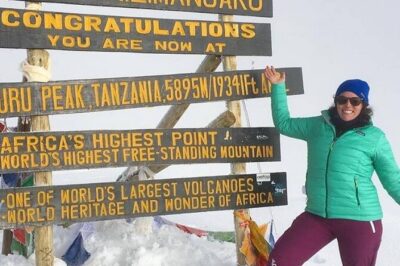
Climbing Kilimanjaro through 7 days Machame Route
Read our review →