Reviewed · KILIMANJARO CLIMBS
Kilimanjaro climb by Lemosho Route (7-day)
Stepping into Kilimanjaro feels like a time machine. What makes this climb interesting is the way it mixes big-time scenery with real support, including Certified Wilderness First Response leadership and a camp setup that takes weight off your shoulders. I especially like the practical, all-in rhythm of the days, plus North Face VE-25 tents and meals so you can focus on breathing and footing, not logistics. One consideration: the total trip is long, and the summit push nights and descents demand solid altitude stamina, not just good will.
I also like that this route is built around pacing and acclimatization. The Lemosho approach starts on the quieter western side and feeds you gradual altitude steps before things get steeper. In the guide department, names like Kombe, Elia, and Joshua show up in praised teams, and that matters because consistent guidance can make or break how you feel on summit night.
Finally, if you want a simple walk-up, you might be surprised by how serious Kilimanjaro is. You’ll need moderate fitness, and you should still plan for personal gear, insurance, and the Tanzanian visa even though the climb logistics are handled.
In This Review
- Key highlights you’ll feel on the ground
- Why the Lemosho Route is a good match for altitude (and for your nerves)
- Moshi arrival, Aishi Machame hotel, and the first briefing that sets you up
- Day 2: Londorossi Gate to Shira 1, a gentle first high camp
- Day 3: Shira 2 and the Lava Tower acclimatization hike
- Day 4: Lava Tower to Barranco Camp, where the route turns more serious
- Day 5: Barranco Wall, then Karanga Camp and another altitude check
- Day 6: Barafu Summit Camp at 4,640 m, tents set up, and Kosovo altitude work
- Day 7: Summit night for Uhuru Peak (5,895 m), plus the descent reality check
- Day 8: Mweka Gate exit through rainforest, plus certificates and the guestbook moment
- Day 9: One last hotel reset and transfer to the airport
- The support system: guides, porters, food, and Wilderness First Response care
- Food, tents, drinks, oxygen, and what you get beyond the slogan
- Price and logistics: what $3,476 really covers, and what you still budget for
- Who should book this Lemosho climb, and who should think twice
- Should you book the Altezza Travel Kilimanjaro Lemosho Route?
- FAQ
- How many days is the Kilimanjaro climb?
- Does the tour include airport pickup and drop-off?
- Where do you start the hike on the mountain?
- Are meals included during the climb?
- What equipment is provided for sleeping?
- Are special diets available?
- Can I cancel for a full refund?
Key highlights you’ll feel on the ground
- Lemosho’s slow build: camp-to-camp climbs that give your body time to adjust
- Uhuru Peak team on summit night: each pair gets a personal guide to monitor conditions
- Meals and drinks handled for you: energy-rich food plus tea, coffee, juices, and sodas on the mountain
- Tents and sleeping pads are provided: North Face VE-25 setup plus camp furniture and dining gear
- Medical and altitude tools included: Wilderness First Response certified guides, medical kits, oximeters, and oxygen tanks
- Airport transfers included: JRO pickup and drop-off without extra arranging
Why the Lemosho Route is a good match for altitude (and for your nerves)
The Lemosho Route is often picked for a reason: it gives you room to breathe before it asks you to dig deep. You start lower, move upward in staged steps, and build acclimatization into the week through rest camps and short hikes. For many people, that structure turns Kilimanjaro from a scary idea into a doable plan.
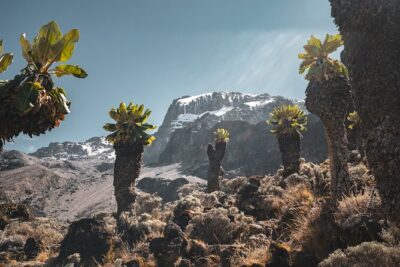
I also like that the route naturally mixes different “moods” of the mountain. You move through classic tropical-to-alpine changes, and the higher zones can feel like an Arctic desert in how stark and cold they get. That matters because altitude is not one single experience, it changes, and your body needs time to adapt.
More Kilimanjaro climbs:
- Kilimanjaro climb, Machame Route (7-day)
★ 5.0 · 262 reviews - Kilimanjaro Climbing Lemosho Route 8 Days.
★ 5.0 · 186 reviews - Climbing Kilimanjaro – Machame Route
★ 5.0 · 170 reviews
Moshi arrival, Aishi Machame hotel, and the first briefing that sets you up
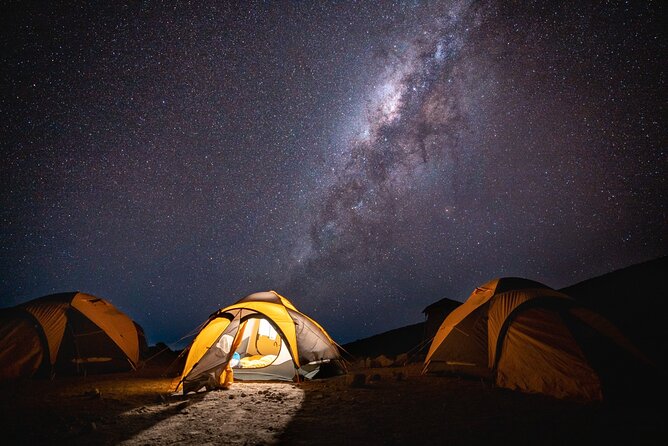
Your trip starts in Moshi, with a transfer after landing at Kilimanjaro International Airport (JRO). Check-in at the hotel starts at 2:00 PM, and the hotel is set up to make the day before the climb feel normal: hot water, internet access, and even a swimming pool for decompressing.
That first evening briefing is more important than it sounds. You’ll meet managers, go over what’s next, and get ready for the permit process and the vehicle ride into the national park the next day. If you’re the type who likes clarity, this is where you’ll get it.
Also, you’re not starting from scratch. You’ll be meeting a tour representative at JRO and then having the ground transportation handled, which reduces the “Where do I go?” stress that can steal energy right before a climb.
Day 2: Londorossi Gate to Shira 1, a gentle first high camp
On day two, you head to the western entrance of Kilimanjaro National Park: Londorossi Gate at about 2,200 m. After the permit and registration formalities and a short group process, you move by off-road vehicle toward your drop-off point around 3,500 m.
From there, the trek to Shira 1 (about 3,505 m) is described as not too physically challenging, with a small altitude gain. I like that your first full day on the mountain aims for control, not heroics. You’re learning how to pace, how to manage breathing, and how to listen to your own energy.
You also get a real first taste of the Shira Plateau views, which is one of those “okay, I’m actually here” moments.
Day 3: Shira 2 and the Lava Tower acclimatization hike
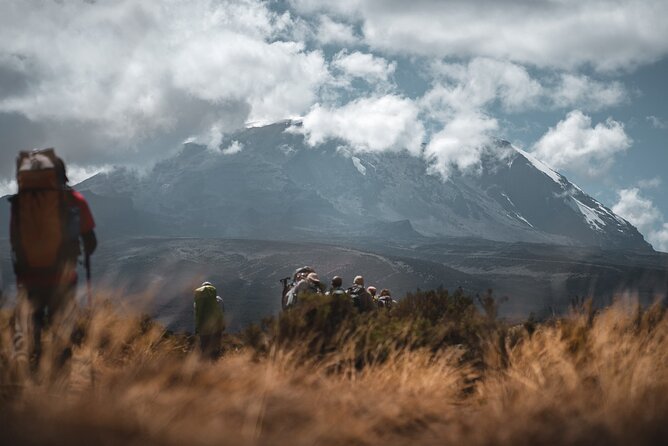
Day three begins at Shira 1 (about 3,505 m) and moves to Shira 2 (about 3,900 m). This is still framed as not difficult, and you get time to enjoy Africa views and unique flora along the way, assuming weather cooperates.
One of the most tempting promises here is the chance to see Mount Meru when conditions allow. It’s not guaranteed, but the fact it’s specifically called out tells you there are viewpoints on this route worth paying attention to.
Then the day keeps acclimatization in play: after lunch and rest at Shira 2, you do a two-hour acclimatization hike toward the Lava Tower Camp area, with about a 200-meter gain in altitude. This kind of “go up a bit, learn, then come down” pattern is one of Kilimanjaro’s best tools for reducing altitude surprises later.
A few more Moshi trips to compare
- Safari Serengeti And Ngorongoro
★ 5.0 · 288 reviews - Climbing Kilimanjaro through 7 days Machame Route
★ 5.0 · 151 reviews - Kilimanjaro climb, Lemosho Route (8-day)
★ 5.0 · 148 reviews - Kilimanjaro climb, Lemosho Route (6-day)
★ 5.0 · 129 reviews
Day 4: Lava Tower to Barranco Camp, where the route turns more serious
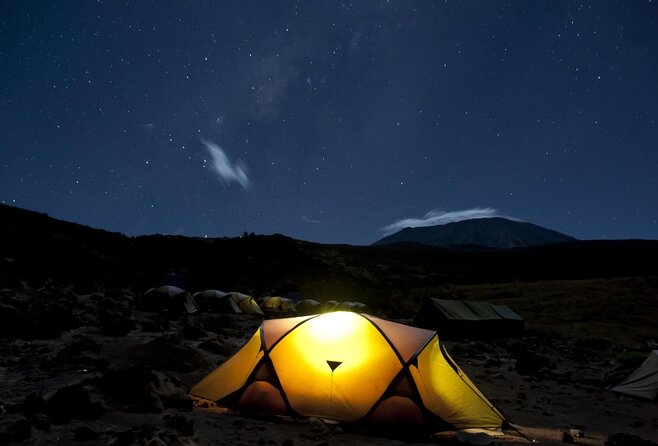
Day four hits the key point: Lava Tower around 4,630 m. The description is clear that this section includes a lot of ascents and descents and ends at a camp above 4,600 m. That means you should expect the legs to work even if the pace stays controlled.
Why lunch is placed here matters. You’re told you should spend at least one to two hours here to acclimatize successfully, which turns this stretch from “just hiking” into actual altitude management. After that, you descend to Barranco Camp (about 3,960 m).
At Barranco, you’ll see Barranco Wall, famous for its steep look. The good part: the route still includes a simple trail setup for the next day, so you’re looking at a challenge you can prepare for rather than guessing what’s coming.
Day 5: Barranco Wall, then Karanga Camp and another altitude check
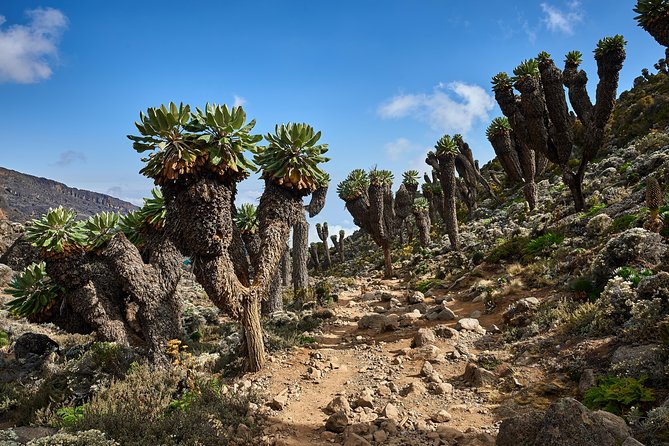
If you want a big emotional moment before summit day, day five usually gives it. You wake early, hike up Barranco Wall (around an hour), and reach a point where you can take photos with the Kibo volcano in view.
After that, the trek to Karanga Camp is described as more difficult, with many ascents and descents. The guides adjust pace for the group, which is important on days like this because pushing too hard early can backfire later.
Then you do another acclimatization hike in the direction of Barafu Camp. The goal is not speed. The goal is building your body’s altitude habits. For many people, this is where the climb starts to feel like a real expedition rather than a hike.
Day 6: Barafu Summit Camp at 4,640 m, tents set up, and Kosovo altitude work
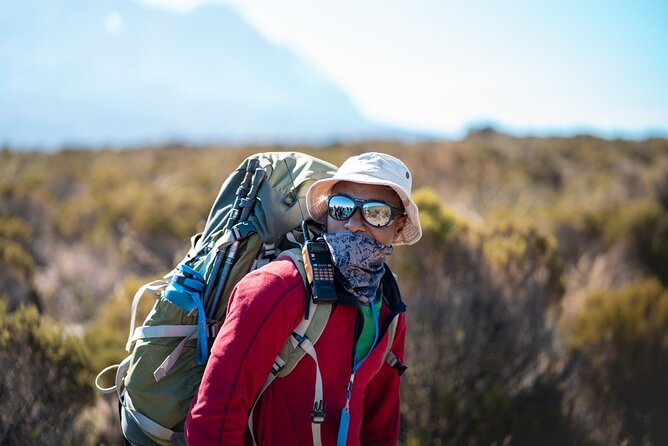
Day six is one of the most pivotal days because it sets you up for the night summit. You trek to Barafu Summit Camp (about 4,640 m), which acts as the starting point for Uhuru Peak overnight.
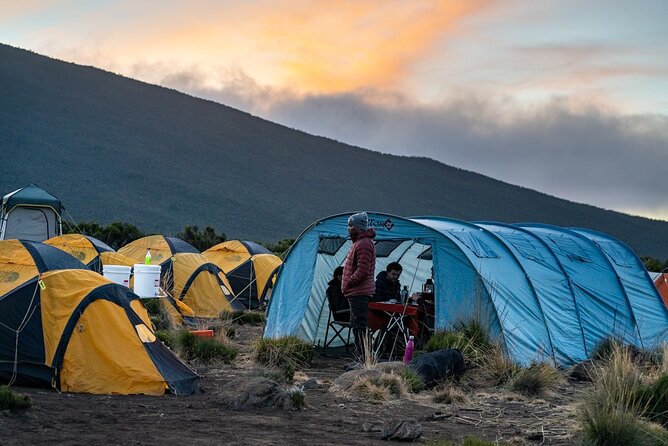
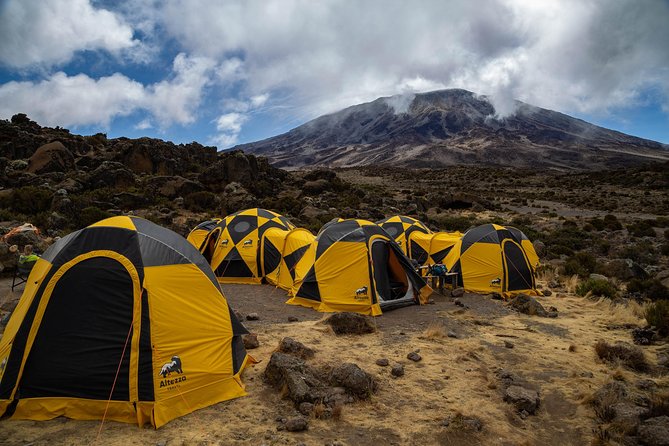
Here’s what I really like about this operator’s approach: they set up camp for you ahead of time, including tents and sleeping bags, so you can rest instead of arriving to chaos. After a night-summit requires sleep that’s hard to access, anything that reduces friction helps.
Then there’s an acclimatization hike toward Kosovo Summit Camp (about 4,800 m) before returning to Barafu. After that, you get a hot dinner, and the rest of the day is framed as sleep and conserve energy.
The day is listed as long, around 14 hours, so treat it like a work day for your body, not a day for sightseeing.
Day 7: Summit night for Uhuru Peak (5,895 m), plus the descent reality check
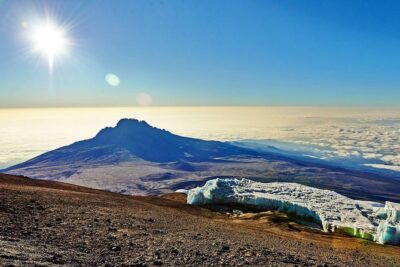
Day seven is the nighttime summit day, starting from Barafu Camp. Technically, the climb is described as relatively simple, but the challenge is the high altitude. That matches Kilimanjaro’s reality: the trail might not look complicated, but your body feels like it has less air than your brain expects.
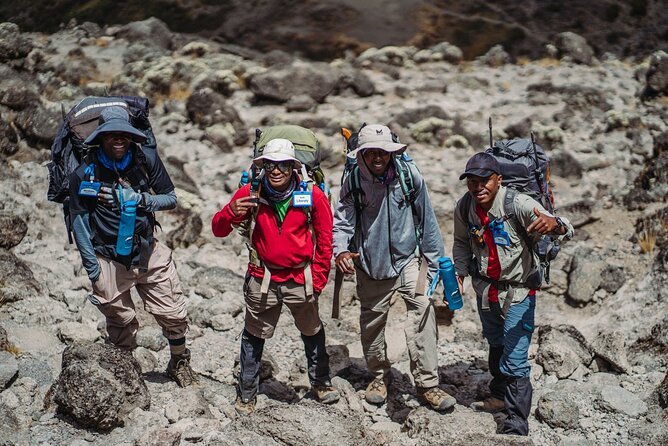
A detail worth emphasizing is the support system on summit night. The plan says each pair of climbers gets a personal guide for the entire ascent to monitor physical and mental conditions. That kind of human attention can help you manage fear, slow down when you need to, and keep an eye on symptoms early.
After Uhuru Peak (about 5,895 m), you descend, with an optional stop toward the nearest glacier if you want. Then you return to Barafu and rest before continuing down to Millennium Camp (about 3,820 m).
One practical caution is stated plainly: a large share of accidents happen during descent, including broken arms and legs. That warning is not there to scare you. It’s there because downhill footing on tired legs plus thin oxygen is a dangerous mix. Your job is to move carefully, especially the last part of the descent.
Day 8: Mweka Gate exit through rainforest, plus certificates and the guestbook moment
By day eight, you’re coming out of the summit zone and into a very different feel. The camp is described as situated in tropical rainforest, so when you wake up and breathe again, it’s a noticeable change.
After breakfast, you go to the exit point: Mweka Gate (about 1,640 m). When you finish the descent, the whole group gathers to congratulate you. Then there’s a guestbook-style chance to share your opinions, followed by commemorative certificates and an office process before transferring back to the hotel.
I like how this makes the end feel official, not just “we walked out and that was it.” It also gives your group a moment to land emotionally, which you often need after a night push and a hard descent.
Day 9: One last hotel reset and transfer to the airport
Day nine is recovery and logistics. You rest in the hotel and transfer to the airport. The hotel check-out time is listed as 11:00 AM, and if you have an evening flight, you can extend your stay for an extra fee.
This is the day to do simple things: eat a real meal you choose, drink water without measuring every sip, and sleep like you mean it. If your summit day went well, this is where you actually absorb that it happened.
The support system: guides, porters, food, and Wilderness First Response care
The biggest reason to pay for a guided Kilimanjaro climb is not the view. It’s safety and consistency, day after day, especially when altitude changes how you think and move.
This trip builds that support into the plan. You’ll have professional climbing crew, including porters, camp masters, and cooks. You also get medical check-ups, medical kits, and access to oximeters and oxygen tanks.
The most reassuring line is the guide credential: guides are certified in Wilderness First Response. That doesn’t mean you’ll never get sick or uncomfortable. It means the team is trained to respond quickly and sensibly when things go wrong.
From the praised guide teams in the provided feedback, you’ll also see strong emphasis on attention to detail, plus guides and staff who make it clear you are not just a number. Names like Kombe, Donovan, and Bosco George show up alongside the kind of comments that point to good pacing and good communication.
Food, tents, drinks, oxygen, and what you get beyond the slogan
Meals are a big part of the value here. The plan provides three energy-rich meals per day, with choices for meals, plus drinks on the mountain (tea, coffee, juices, and soda). You can also request meal plans like vegetarian, vegan, lactose-free, gluten-free, halal, and other options.
That matters because on Kilimanjaro, nutrition is not optional. If you’re cold, tired, and short on calories, your decisions get worse. Warm food and planned hydration help you keep your pace steady.
On the camp side, the trip includes North Face VE-25 tents and sleeping pads, with 2 hikers per tent. Dining setup and camp gear are also provided, which means fewer things to carry and fewer things to manage when you’re already exhausted.
Altitude equipment is also included: unlimited oxygen tanks and oximeters are part of the package. I still think it’s important to see this as “support,” not “insurance against altitude.” The real protection is pacing, acclimatization, and listening to your body, with the equipment there when needed.
Price and logistics: what $3,476 really covers, and what you still budget for
At $3,476 per person, this is not a budget climb. But for Kilimanjaro, it sits in the category where you’re paying for full expedition support: guides, crew, tents, meals, national park fees, and airport transfers.
To evaluate value, look at what’s already included:
- JRO pickup and drop-off, plus ground transportation
- Two nights in the hotel (Aishi Machame, 2 guests per room except solo climbs)
- Tents and sleeping pads (North Face VE-25) and camp setup
- Park fees
- Meals and drinks while on the mountain, plus multiple dietary options
- Medical check-ups, kits, and altitude tools like oximeters and oxygen tanks
- Certified Wilderness First Response guides
- Group gear like dining tent and basic camp furnishing
What you still must handle:
- Your flights and getting to Tanzania
- Visa (obtainable at JRO, amounts depend on passport)
- Personal gear like hiking clothes, footwear, and a sleeping bag
- Mountaineering insurance (trekking up to 6,000 m is recommended)
- Tips for crew (optional, based on satisfaction)
- Any extra hotel needs like a late check-out, if your flight timing requires it
So my practical take is this: if you want a guided, well-staffed climb with minimal logistical friction, this price can make sense. If you’re trying to do everything as cheaply as possible, you might choose a leaner operator and accept more planning work yourself.
Who should book this Lemosho climb, and who should think twice
You’ll likely love this if you want:
- A 7-day on-mountain experience with a structured acclimatization rhythm
- A team that handles the heavy lifting, including camps, food, and medical tools
- Certified Wilderness First Response guidance and a clear summit-night plan for Uhuru Peak
- Dietary flexibility, including vegan, halal, and gluten-free options
You should think twice if:
- You’re not comfortable with long days, including summit night and a high-altitude descent
- You dislike paying for full-service expedition support and prefer to self-manage more
- You’re missing the “moderate physical fitness” baseline the trip calls for
Should you book the Altezza Travel Kilimanjaro Lemosho Route?
I think this is a strong choice if your priority is a well-run expedition with real safety planning and less day-to-day hassle. The combination of Wilderness First Response certified guides, provided camp gear, oxygen and monitoring tools, and a summit-night support structure is exactly what you want when altitude gets intense.
Book it if you want the route and pace to be handled, so you can focus on your body and your steps. Skip it if you’re looking for a cheap adventure, or if you are not ready for the altitude reality that summit day requires.
FAQ
How many days is the Kilimanjaro climb?
The trek is listed as seven days of hiking, with about nine days total including transfers and hotel time.
Does the tour include airport pickup and drop-off?
Yes. Pickup and drop-off at Kilimanjaro International Airport (JRO) are included.
Where do you start the hike on the mountain?
You travel to Kilimanjaro National Park’s western entrance at Londorossi Gate, around 2,200 m, and then you ride to a drop-off point around 3,500 m.
Are meals included during the climb?
Yes. You get three energy-rich meals a day on the mountain, plus drinks such as tea, coffee, juices, and soda.
What equipment is provided for sleeping?
The package includes North Face VE-25 tents and sleeping pads, with tents set for 2 hikers per tent (solo climbs differ).
Are special diets available?
Yes. Vegetarian, vegan, lactose-free, gluten-free, halal, and other meal plans are available.
Can I cancel for a full refund?
Yes. You can cancel up to 24 hours in advance for a full refund. If you cancel less than 24 hours before the start time, you will not be refunded.
Just posted around Moshi
- machame route★ 5.0 · 16 reviews
- Kilimanjaro Climbing Umbwe Route★ 5.0 · 3 reviews
- Wildlife Extravaganza: Manyara, Tarangire & Ngorongoro in 3 Days★ 5.0 · 3 reviews
- Mt Kilimanjaro 6 days Marangu route hike★ 5.0 · 3 reviews
- 3 Days Private E-Bike Tour in West Kilimanjaro★ 5.0 · 3 reviews
- West Kilimanjaro cycling Adventures★ 4.5 · 8 reviews
- Kilimanjaro Climb • Marangu Route ~ 9 Day★ 5.0 · 4 reviews
- Private Cycle to Kilimanjaro Bike Park Safari★ 5.0 · 6 reviews
Kilimanjaro Climbs, compared.
8-Day Small-group Lemosho Kilimanjaro Summit Trekking
Read our review →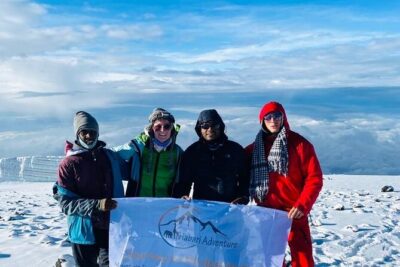
5 Days Best of Tanzania Luxury Safari Northern Circuit
Read our review →
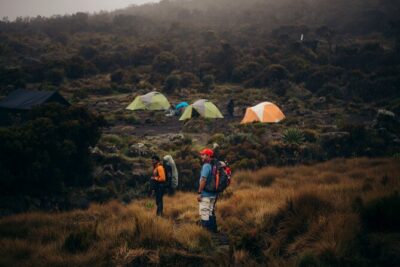
Climbing Kilimanjaro through 7 days Machame Route
Read our review →