Reviewed · KILIMANJARO CLIMBS
Lemosho Route
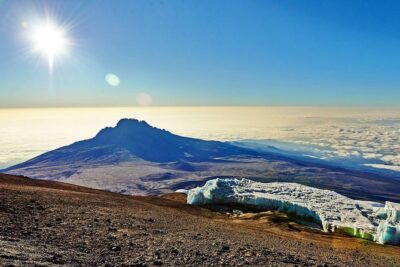
Kilimanjaro rewards patience on the Lemosho Route. This trek strings together rainforest walks, open Shira Plateau moorland, and big Kibo views from the western side before you make a hard, slow push for Uhuru Peak.
What I like most is the way the plan supports your body. The days are built around acclimatization work, including an afternoon walk on the Shira 2 day and a mid-afternoon option near 4200m on the Karanga day. I also like how this operator staffs the climb with a steady, professional crew, and names like Jackson (planning support), Wency Machiba, Omary, and Said show up again and again in past client stories.
One consideration: it is still a tough altitude trek. Even with a smart route, you have steep days and a summit night where you get woken around 23:30 and start climbing at 24:00, plus you should be ready for a very early airport transfer. If cold, rough footing, and early starts are not your thing, you’ll feel it.
In This Review
- Key things I’d circle on the Lemosho Route plan
- Entering Kilimanjaro through Lemosho Glades, not a jump-off
- From Kilimanjaro Airport to Moshi, then a gear check that prevents headaches
- Day 2 to Big Tree Camp: slow forest altitude and a simple first win
- Day 3 on the Shira Plateau to Shira 1: grassy moorland with Kibo in the distance
- Day 4 to Shira 2: northern ice fields and an acclimatization walk
- Day 5 to Barranco Camp: Lava Tower at 4640m and a steep, dramatic descent
- Day 6 to Karanga Camp: Barranco Wall work and glacier country
- Day 7 to Barafu Camp at 4640m: the scree day that tests your altitude brain
- Summit night from Barafu at 24:00, Stella Point at the crater rim, Uhuru Peak above
- Day 9 down to Mweka Gate: rain forest steps, certificates, and tipping your crew
- Price and value: what $2,310 gets you on the mountain
- Who should do this Lemosho trek, and who should think twice
- Should you book Lemosho with Maua Adventures?
Key things I’d circle on the Lemosho Route plan
- A longer western approach starting at Lemosho Glades, so the climb feels less like a jump to altitude
- Shira Plateau viewpoints where you can catch Kibo views from different angles, including the Northern Ice fields from the western side
- Lava Tower lunch stop at about 4640m, plus a steep descent into the Great Barranco Valley
- Barranco Wall and Karanga Valley payoff for big scenery, even if those sections are tiring
- Summit-night structure that reduces chaos (hot tea and biscuits, kit staged, and a step-by-step ascent)
Entering Kilimanjaro through Lemosho Glades, not a jump-off
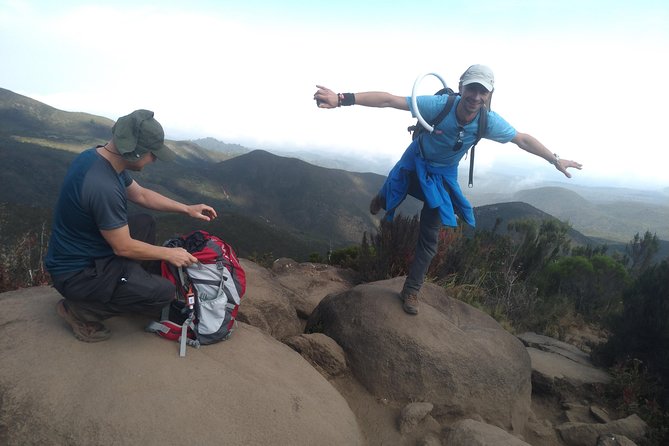
The Lemosho Route is popular because it gives you a real lead-in. Instead of rushing straight toward the higher zones, you start on Kilimanjaro’s western side through forest and gradual lift. That matters, because the mountain is not just about willpower. It is also about how steadily you pace.
Day 2 is a good example of that philosophy. You leave Moshi and drive to Lemosho gate on the west side, then climb slowly through Lemosho Glades. The forest trekking pace is almost deceptive, because your legs feel better than they will later on. Still, you’re already moving upward, and that steady ramp helps you start the acclimatization process early.
You also get that nice psychological benefit of not staring at the highest points from day one. Early on, the goal is simple: keep moving, breathe, and let altitude creep in.
More Kilimanjaro climbs:
- 7 Days Kilimanjaro via Machame route affordable price
★ 5.0 · 110 reviews - Kilimanjaro Airport taxi to/from Moshi town/Arusha town
★ 5.0 · 60 reviews - 6 Days Climbing Mount Kilimanjaro Machame Route
★ 5.0 · 40 reviews
From Kilimanjaro Airport to Moshi, then a gear check that prevents headaches
Your trip begins with a pickup from Kilimanjaro International Airport and a transfer to Moshi. The itinerary has an early start point for the day of travel, with the listed start time at 2:00 am, so plan for an alarm and a quick transition from airport mode to mountain mode.
That first day includes meeting your guide and doing an equipment check. This is more than formality. Missing mountain essentials can ruin comfort fast, especially with Kilimanjaro’s cold later on. The good news is that if something is missing, you can rent gear on day one. You still need to bring your basics, but this reduces the risk of showing up underpacked.
You sleep in Moshi at Lindrin Lodge with bed and breakfast. I like this setup because you’re not trying to do everything on the same day you arrive. You can sleep, eat, and talk through the plan while your body is still on normal time.
Day 2 to Big Tree Camp: slow forest altitude and a simple first win
Day 2 covers about 7km (around 4.3 miles) and takes roughly 4 hours. You’ll be moving from around 2385m to Big Tree Camp at 2780m. That is a workable step, and it’s one of the reasons this route tends to feel more controlled.
The forest section can be damp and shaded, and you’ll likely spend a lot of the day thinking about pace rather than effort. That’s the right mindset. If you go too hard early, you pay later. If you keep it steady, you give your lungs a chance to adapt.
At Big Tree Camp, you settle in for dinner and sleep. Meals are included here, with breakfast, lunch, and dinner listed for trekking days. Having full meals makes it easier to maintain energy, which matters even on the easier start days.
Day 3 on the Shira Plateau to Shira 1: grassy moorland with Kibo in the distance
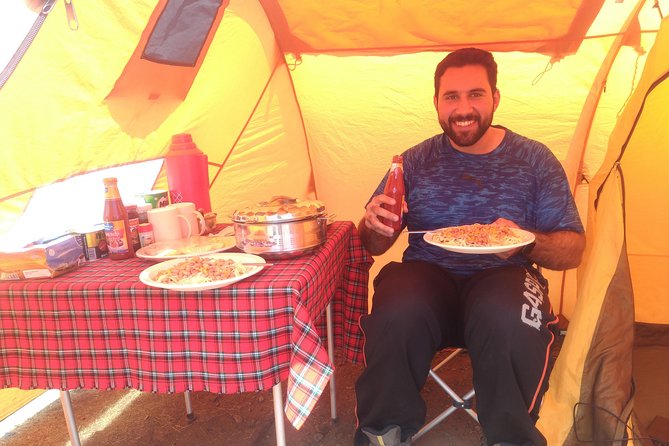
Day 3 pushes you from Big Tree Camp (2780m) to Shira 1 Camp (3500m). You’re walking about 8.5km (5.3 miles), around 7 hours. The terrain shifts into grassy moorland and heather with volcanic rock around you.
This is where you start to see why people love Lemosho. The view windows are bigger, and weather can give you strange, beautiful scenes. The itinerary calls out that Kibo Peak is often visible floating on clouds from this area. Even when the views are partly blocked, the open feel is a mental reset from the forest.
The drawback is that parts of the route can be steep. With altitude already creeping up, steep effort feels harder than it would back home. Your job is not to race the trail. Your job is to stay rhythmic.
A few more Kilimanjaro trips to compare
- Great Migration Safari In Tanzania
★ 5.0 · 71 reviews - 6 Days Tanzania Classic Safari
★ 5.0 · 52 reviews - 8 Days Kilimanjaro Hike via Lemosho Route
★ 5.0 · 39 reviews - 7-Day Machame Route Kilimajaro
★ 5.0 · 28 reviews
Day 4 to Shira 2: northern ice fields and an acclimatization walk
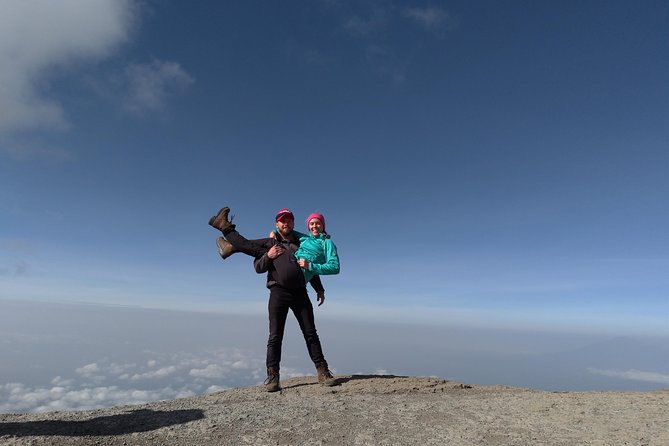
Day 4 goes from Shira 1 (3500m) to Shira 2 (3900m), about 8km (5 miles) and roughly 5 hours. You gain altitude, but the day is designed with that “climb, then calibrate” approach.
One standout here is the chance to view the Northern Ice fields from the western side of the mountain. You’re not just looking for a single summit moment. You’re collecting different perspectives of Kilimanjaro’s ice and ridgelines as you move.
The afternoon includes an acclimatization walk, then you head back for dinner and sleep at Shira 2. That extra walking loop is a smart move. It helps your body respond to altitude without taking on a full extra day of descent and re-ascent.
If you get tempted to cut it short because you feel fine, think again. This is the day you can build better readiness for the steeper sections ahead.
Day 5 to Barranco Camp: Lava Tower at 4640m and a steep, dramatic descent
Day 5 is one of the signature days. You trek from Shira 2 (3900m) to Barranco Camp (3960m), listed as 10km (6.2 miles) and about 7 hours. Even though the camp altitude is only slightly higher, the route does real work.
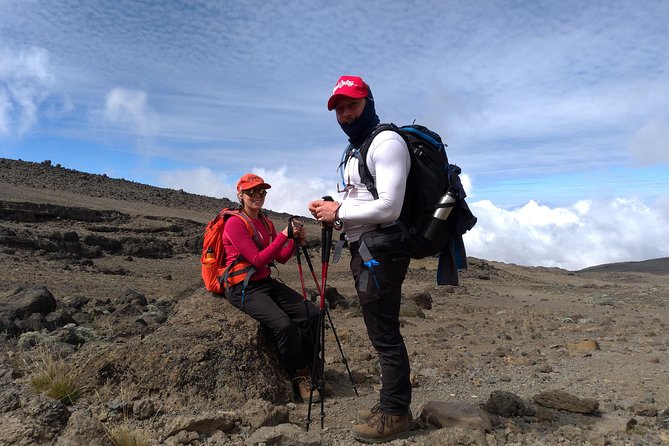
You start with an ascent and panoramic views, then you move into upland desert conditions on lava ridges beneath the Western Breach glaciers. The highlight is the Lava Tower high point at around 4640m, where the itinerary suggests lunch. It is a great strategy to schedule your break at a landmark because it gives you a clear “halfway and regroup” feeling.
In the afternoon, you do a steep descent into the base of the Great Barranco Valley. This valley is known for its cliffs and views down toward the plains, and you’ll feel it the moment you arrive. The air can be colder and the footing can be uneven, so take your time on the way down.
This is where I’d especially focus on trekking poles, slow steps, and keeping your breathing calm. Going too fast on a descent can exhaust you quickly, and you’ll still have more climbs later.
Day 6 to Karanga Camp: Barranco Wall work and glacier country
Day 6 takes you from Barranco Camp (3960m) to Karanga Camp (3963m), about 5.5km (3.4 miles) and roughly 5 hours. Short distance, long effort. That’s the story here.
You begin by descending into the Great Barranco, a big ravine. Then you exit steeply, up the Great Barranco Wall. It’s described as a climb over rock, not technical, but long and tiring.
You’ll also pass under the Heim and Kersten glaciers, based on the itinerary. That’s a wild moment because you’re surrounded by big terrain features, but you’re still working your legs through a steady climb.
The day ends with a steep climb from Karanga valley up to the camp at 3963m. There is also an optional mid-afternoon acclimatization trek up to around 4200m if you feel strong, then you descend back for the night.
If you’re trying to pick the right “push” moments, this is a good place. Do the optional walk only if you are comfortable controlling effort. You should leave the hill feeling challenged, not wrecked. That balance matters for summit day.
Day 7 to Barafu Camp at 4640m: the scree day that tests your altitude brain
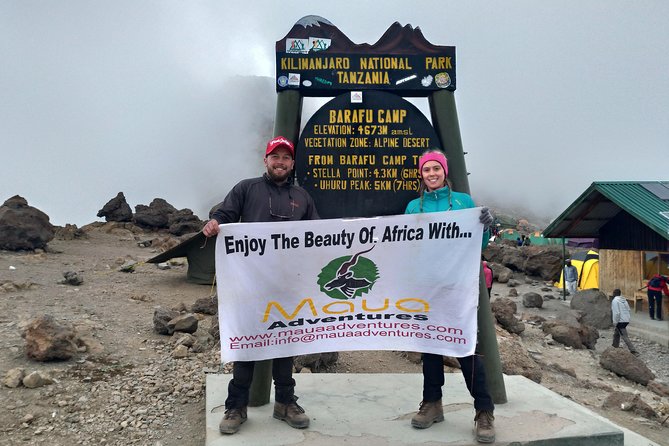
Day 7 goes from Karanga Camp (3963m) to Barafu Camp (4640m). It’s only about 3km (1.9 miles) and around 3 hours on paper, but the itinerary makes it clear that it is steep and tough because of altitude. You walk across desolate scree slopes with no vegetation.
This is the day that feels like it has its own rules. The air can feel thin and cold. Your pace might slow. Your brain might want to negotiate, like: I can rest more, I can breathe less, I can go faster. The fix is simple, one step at a time, steady momentum, no big surges.
When you arrive, you eat and rest in the afternoon. The plan calls for an early dinner and then trying to sleep, since you’ll wake around 11pm to 12am for summit timing.
Hydration and warmth are emphasized. I agree with that. If you treat the warm-up seriously today, summit night is much less miserable.
Summit night from Barafu at 24:00, Stella Point at the crater rim, Uhuru Peak above
Summit night is where the Lemosho Route experience becomes unforgettable and also brutally practical.
You’re woken around 23:30 with hot tea and biscuits. Most people don’t sleep great before summit, and this timing helps. Your kit should be staged and ready for a sharp departure at 24:00. That means headlamp, warm layers, insulated water reserves, and snacks should be organized so you are not scrambling.
The climb to the summit is described as steep and slow. The “trick” is to keep momentum moving forward, one step at a time. The itinerary gives an estimate of about 6 to 8 hours to reach the top of the crater rim where you’ll see the sign for Stella Point (around 5739m).
Then you continue to Uhuru Peak at 5895m. On a day like this, small efficiency wins matter: keep sipping, keep moving, don’t get baited into going too fast early.
You should also expect cold and wind. You’re at extreme altitude by the time you reach the crater rim and summit area. When people talk about feeling alive up there, it’s usually because the climb forces you into total focus, and you stop thinking about anything except your next step.
After the summit, the itinerary routes you down toward Mweka Camp at 3100m, which helps you keep the descent moving without dragging summit fatigue into a full day of nothing but walking.
Day 9 down to Mweka Gate: rain forest steps, certificates, and tipping your crew
On the final day, you trek from Mweka Camp (around 3100m) down to Mweka Gate at 1640m. The distance is about 9km (5.5 miles), and it is listed as 3 to 4 hours, through lower rainforest slopes.
This is the emotional release stage. Your body still works hard, but the trail feels more forgiving than the scree and altitude zones. You’ll see greenery again, and that shift is a mental reward after days of rock, ice, and wind.
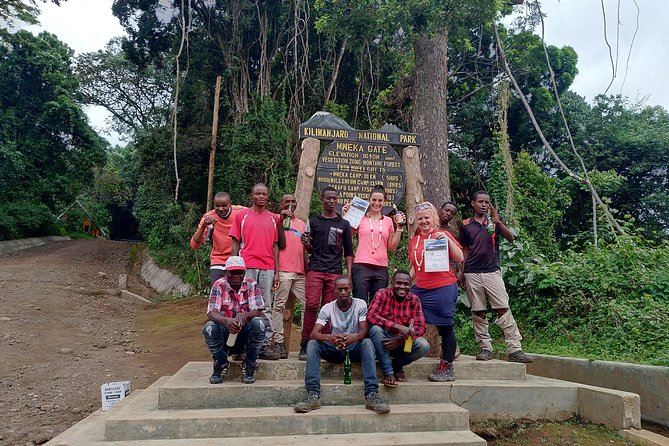
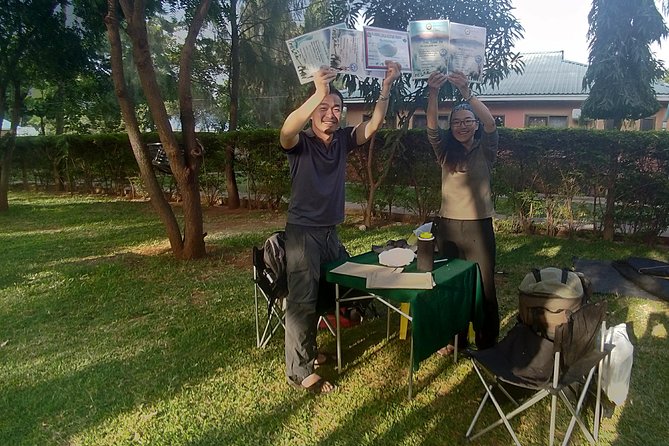
If you successfully reach Stella Point or Uhuru Peak, you’re presented with official certificates. The plan specifies a green certificate for Stella Point and a gold certificate for Uhuru Peak.
Then comes the human part. It is customary to tip your trekking crew before you’re transported back to your hotel in Moshi. I like this because it acknowledges the people who made the climb run smoothly, from guides to cooks to porters.
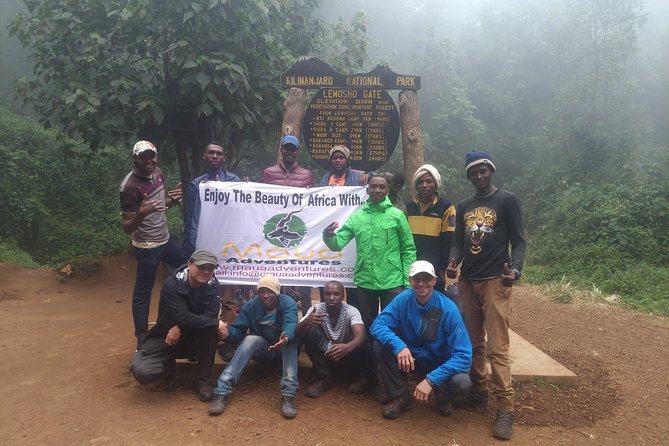
In the stories tied to Maua Adventures, the crew names keep coming up, and people describe feeling safe and well looked after. That kind of service is not abstract. It is how your schedule runs, how meals arrive, how problems get handled before they become big problems.
Price and value: what $2,310 gets you on the mountain
At $2,310 per person, this isn’t a casual purchase. So the question for you is: what are you really paying for?
First, you’re paying for a route design. Lemosho is longer on purpose, with multiple acclimatization touchpoints and time spent in zones that help your body adjust. That can improve your odds compared to shortcut itineraries, and it also makes the experience less like a forced march.
Second, you’re paying for on-the-ground operations that keep the trip calm. The itinerary includes pickup from the airport and transfers to the trailhead, plus the plan notes a mobile ticket. Those may sound like logistics bullets, but on a trek, logistics are comfort. Comfort affects performance.
Third, you’re paying for meals on the trek days that are listed, with breakfast, lunch, and dinner included across multiple stops. Food is not a small thing when you’re climbing high. If you’re properly fueled, you make better decisions on pace, hydration, and warmth.
Finally, you’re paying for experienced people. The operator, Maua Adventures, shows up in many top-rated stories with named guides and crew members like Wency Machiba, Omary, Said, Kurwa-shef, Ramadhani, Regan, Subaru, and Frank. Even if your group has different exact individuals, the pattern points to professional staffing and a focus on safety.
If you’re comparing prices, don’t just look at the number. Compare what the itinerary provides in terms of route length, meals, guide support, and how the summit night is managed. In this plan, summit night is scheduled tightly, with hot tea and biscuits and a staged departure time.
Who should do this Lemosho trek, and who should think twice
This trek fits people with moderate physical fitness who are willing to walk daily and accept slow altitude climbing. The itinerary spells out that it’s for travelers with moderate fitness, and the duration is roughly 8 days.
You’ll enjoy it most if you like structure and you want a route that invests in acclimatization. I also think it suits travelers who appreciate small group dynamics, since the maximum group size is listed as 15 travelers.
Think twice if you hate early starts, cold nights, or steep, rocky days. Day 6 includes a long climb on rock up the Barranco Wall, and Day 7 is a steep scree day. Summit night is also not negotiable in effort, since departure is planned around midnight.
Also, remember the plan says the experience requires good weather. Weather can affect trekking conditions on Kilimanjaro, and if the climb can’t run, you may be offered another date or a full refund.
Should you book Lemosho with Maua Adventures?
If you’re aiming for a classic Kilimanjaro route that treats acclimatization seriously, I’d feel comfortable recommending Lemosho with Maua Adventures. The itinerary is thoughtfully paced, with Shira Plateau acclimatization, major landmark days like Lava Tower, and a summit night plan that is specific about timing and kit readiness.
I would book this if you want your Kilimanjaro climb to feel organized, not chaotic, and you value a crew that people repeatedly describe as caring and professional. Names like Jackson, Omary, Said, and Wency Machiba appear in client stories, and that kind of consistency is comforting when you’re dealing with altitude and cold.
I would hesitate if you’re looking for something easy or you know you struggle with steep rocky effort. This is doable for many people, but it is not a stroll.
If you want, tell me your travel month and your hiking background, and I’ll help you sanity-check whether Lemosho’s pacing matches your comfort level.
Just posted around Kilimanjaro
- 5 days Serengeti Wildebeest Migration Safari★ 5.0 · 3 reviews
- Mount Kilimanjaro 6 days – Machame route★ 4.0 · 5 reviews
- 6 Days Machame Route Kilimanjaro Trekking★ 5.0 · 13 reviews
- Mount Kilimanjaro 7 Days – Machame Route★ 5.0 · 5 reviews
- Amazing 4 Days Safari 3 Nights: Tarangire, Ngorongoro, Serengeti★ 5.0 · 6 reviews
- 9 Days – Best of Tanzania Safari★ 5.0 · 4 reviews
- Tanzania Safari and Kilimanjaro Climb Multi-Day Experience★ 5.0 · 3 reviews
- 7 Days Cultural and Wildlife Safari★ 5.0 · 5 reviews
Kilimanjaro Climbs, compared.
8-Day Small-group Lemosho Kilimanjaro Summit Trekking
Read our review →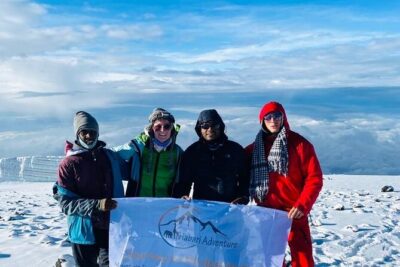
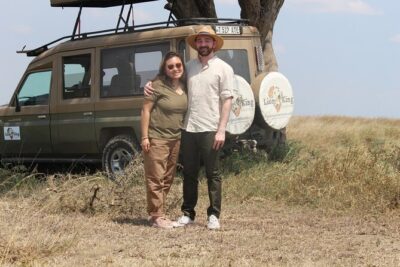
5 Days Best of Tanzania Luxury Safari Northern Circuit
Read our review →
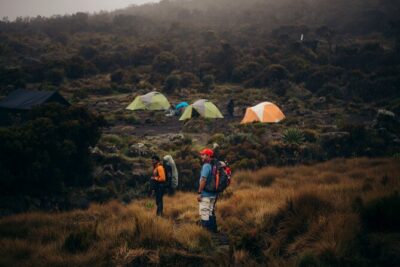
Climbing Kilimanjaro through 7 days Machame Route
Read our review →