Reviewed · KILIMANJARO CLIMBS
Mount Kilimanjaro 6 days – Machame route
Kilimanjaro is a big plan, and the Machame route is the one with the character. I like how this 6-day climb builds acclimatization step by step, not just brute force, while still giving you a real hiking feel each day. I also like that logistics are handled for you, from camp setup to the meals, with emergency oxygen included for backup. One possible drawback is the reality of long days and cold, wet ground, so you’ll want proper basics like gaiters and trekking poles, not wishful thinking.
You’ll start near Moshi, drive to the park gate, and spend six days moving through rain forest, rocky ridges, high plateaus, and glacial terrain. The route runs about 62 km, gate to gate, and it’s rated as one of the better Kilimanjaro options, especially if you want a strong chance at doing it well within a short schedule. On the people side, the operator’s teams often include familiar crew names like Emmanuel (lead guide), plus Isaya, Jumanne, Ngwasuma, Yahya, a chef, and porters, so it’s smart to ask who your team will be.
Price is $2,220 per person, and value comes down to what’s included and how well the climb is paced. The included package covers a lot that you would otherwise pay for in pieces, but you still need to bring your own trekking gear and plan for a few items not included, like a portable toilet (highly recommended) and water purifying tablets.
In This Review
- Key things I’d focus on before you book
- Why the Machame route works on a 6-day Kilimanjaro plan
- Price and value: what $2,220 covers, and what it doesn’t
- Getting to the mountain: Moshi, the gate, and a smooth start
- Day 1: Machame to Machame Camp through rain forest and muddy footing
- Day 2: Shira area climbing, river gorges, and a steady rhythm
- Day 3: Lava Tower and Shark’s Tooth to Barranco Camp, a real acclimatization day
- Day 4: Barafu Camp, South Circuit effort, and summit-night preparation
- Day 5: Midnight to Stella Point, then the summit push to Uhuru Peak
- Day 6: Mweka Trail descent, certificates at the gate, and back to Moshi
- Gear and body basics I would not skip
- How the guides, porters, and cooks shape your experience
- Who this Machame trek is best for
- Should you book this 6-day Machame climb?
- FAQ
- How long is the Machame route trek, and what should I expect day to day?
- What is the starting and ending point for the trek?
- What fitness level do I need?
- Is emergency oxygen included?
- Are meals and camping gear included?
- What about transfers and hotels around the climb?
- What should I bring for the muddy and wet conditions?
- Can I cancel for a full refund?
Key things I’d focus on before you book
- Machame pacing with acclimatization that helps your body handle altitude, especially on Day 3 and Day 4.
- A sunrise-driven summit experience with a key stop at Stella Point, then the final push to Uhuru Peak.
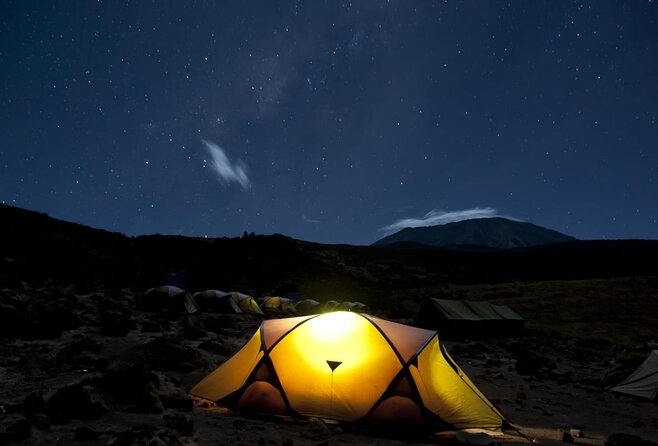
- Camp support that reduces stress, including camping equipment, camp chairs/tables, and daily washing water.
- Emergency oxygen included, plus trained guides, assistant guides, porters, and cooks to run your days.
- Mud is part of the deal, so plan for wet trails with gaiters and trekking poles.
- Route changes can happen if a group requests an easier alternative, so get clarity in writing.
Why the Machame route works on a 6-day Kilimanjaro plan
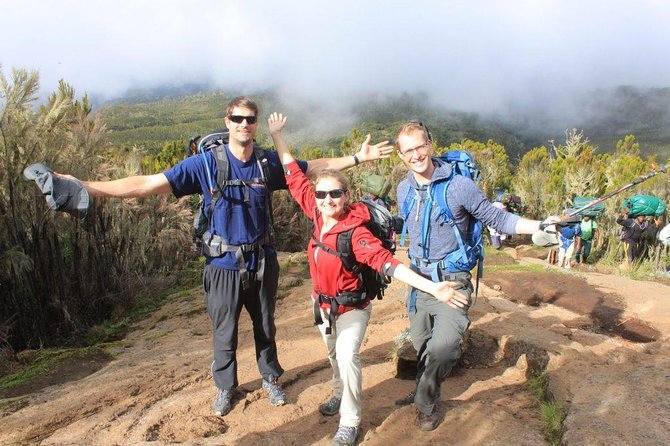
The Machame route is famous for the balance it tries to strike. It’s tough enough to feel like a real expedition, but it’s not a random scramble. The day-to-day elevations and the way you move around high areas give you chances to acclimatize, rather than just stacking elevation every single day.
From a practical point of view, this matters because Kilimanjaro is about how your body handles altitude. When your schedule includes an acclimatization day that temporarily drops or holds you near key elevations, you’re more likely to arrive at summit night with enough energy and a calmer body. In this plan, that’s exactly what the climb is built around: a high point, a smart adjustment, and then a push toward the crater rim.
It’s also a route that works for physically fit people with some hiking experience, but first-time trekkers do take it on. That tells you something useful: the hike is demanding, yet the plan is paced enough that you can do it if you hike steadily and follow your guide’s rhythm.
More Kilimanjaro climbs:
- 7 Days Kilimanjaro via Machame route affordable price
★ 5.0 · 110 reviews - Kilimanjaro Airport taxi to/from Moshi town/Arusha town
★ 5.0 · 60 reviews - 6 Days Climbing Mount Kilimanjaro Machame Route
★ 5.0 · 40 reviews
Price and value: what $2,220 covers, and what it doesn’t
$2,220 per person can feel steep until you break down what you’d otherwise have to arrange yourself. This package includes:
- All fees and taxes
- Return transfers between Kilimanjaro airport and Moshi, and Moshi back after the climb
- Hotel night before and the night after the trek (dinner and breakfast included)
- Emergency oxygen for emergencies only
- Qualified mountain guide, assistant guides, porters, and cook
- Camping equipment (tents, camp chairs, tables, sleeping mattress) plus daily water for washing up
- Meals: breakfast for 5 mornings, lunch for 6 days, dinner for 5 evenings
That last part is huge. On Kilimanjaro, finding reliable food and cooking support is not a “nice to have” detail. It affects energy, morale, and how consistently you can follow a steady hiking pace.
What’s not included is where you should plan ahead so the budget doesn’t get squeezed later:
- Visas, flights, and travel or health insurance
- Alcohol and other beverages
- Items of personal nature
- Individual trekking gear
- Optional but highly recommended portable toilet
- Snacks, personal medicine, and water purifying tablets
A realistic way to think about this price: you’re paying for manpower, logistics, and the safety layer (including oxygen). If you would otherwise be hiring guides and arranging camping and meals, the “per person” cost becomes easier to justify.
Getting to the mountain: Moshi, the gate, and a smooth start
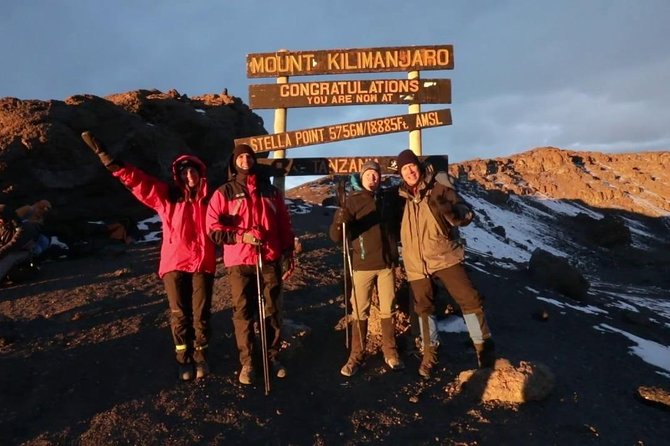
Your trek begins at Machame Gate near Mount Kilimanjaro in the area of Barangata, Tanzania. The drive from Moshi to the park gate is about 45 minutes. You’ll pass through Machame village on the lower slopes, then shift into the forest where the walking starts.
This timing matters. A calm start helps you get your boots on and your body moving before altitude and steepness take over. Also, because transfers and the pre- and post-trek hotel nights are included, you should be able to arrive, settle, eat, and sleep without chasing extra logistics right when you need good rest.
One more practical tip: the route ends back at the meeting point area, and after you finish at Mweka Park Gate, you’ll keep going about an hour to Mweka Village. Then a vehicle meets you and drives you back to your hotel in Moshi in roughly 30 minutes. That means you’re not left scrambling for transport on the final day.
Day 1: Machame to Machame Camp through rain forest and muddy footing
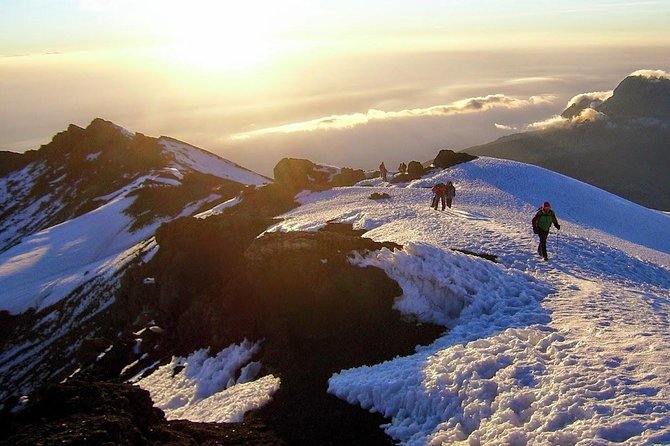
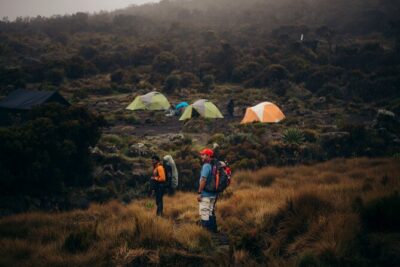
Day 1 climbs from about 1830 m to 3050 m, covering around 11 km in roughly 5 to 6 hours. The first segment goes from the gate through rain forest up a winding trail on a ridge.
Here’s what to expect and what to do about it:
- Lower elevations can be muddy and slippery.
- Gaiters and trekking poles are a good idea, and you’ll feel better using them early rather than late.
- Because you start in forest conditions, your legs and lungs may feel fine for a while, but the uneven footing can still fatigue you.
This day is not just warm-up. It’s your form-setting day. If you walk too fast early, Day 1 can steal energy that you need later when the hike turns stiffer.
A few more Kilimanjaro trips to compare
- Great Migration Safari In Tanzania
★ 5.0 · 71 reviews - 6 Days Tanzania Classic Safari
★ 5.0 · 52 reviews - 8 Days Kilimanjaro Hike via Lemosho Route
★ 5.0 · 39 reviews - 7-Day Machame Route Kilimajaro
★ 5.0 · 28 reviews
Day 2: Shira area climbing, river gorges, and a steady rhythm
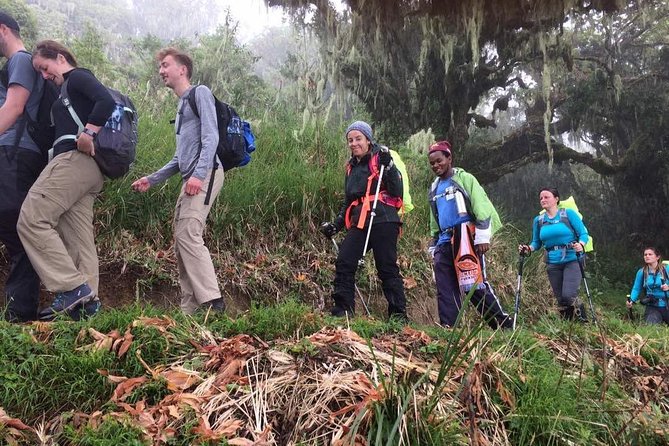
Day 2 moves from about 3050 m to 3850 m, roughly 5 km and about 4 to 5 hours. After breakfast, the trail leaves the rain forest glades and turns into an ascending path.
You’ll be crossing a valley along a steep, rocky ridge, then turning west onto a river gorge. This mix is mentally important. One moment you’re fighting loose rock, the next you’re stepping around uneven terrain in a gorge. The key skill is staying consistent. Short steps. Steady breathing. No drama.
You’ll end at Shira campsite. This helps set up the next day because Shira areas are where you begin to feel that Kilimanjaro transition from forest walking into altitude-driven effort. It’s still hiking, but your pace will likely slow, even if you feel okay at first.
Day 3: Lava Tower and Shark’s Tooth to Barranco Camp, a real acclimatization day
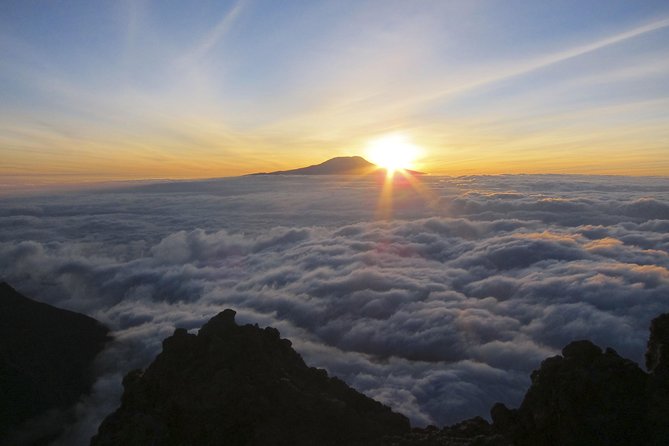
Day 3 starts around 3850 m and tops about 4000 m, with about 10 km and 5 to 6 hours. From the Shira Plateau, you continue east up a ridge and pass the junction toward Kibo. Then your direction shifts to the south east toward Lava Tower, called Shark’s Tooth, around 4650 m.
You’ll also pass a second junction that goes toward Arrow Glacier. Then you continue down to Barranco Camp.
This day is a big one for acclimatization because even though you end lower, you’re spending time at higher altitude. That gives your body a rehearsal for summit day without turning it into an all-out sprint. It’s also a morale day, because you get those Kilimanjaro views and terrain changes that make the whole trip feel real.
The drawback to understand: this is still a long, changing day. Even with acclimatization built in, you can’t treat it like a sightseeing stroll.
Day 4: Barafu Camp, South Circuit effort, and summit-night preparation
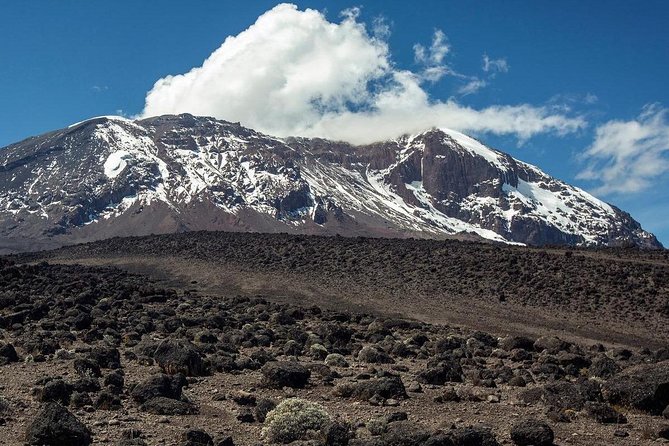
Day 4 climbs from about 4050 m to around 4700 m, covering about 9 km in roughly 7 hours. You continue up to Barafu Camp and reach a point where you’ve completed the South Circuit, with summit views from multiple angles.
This is where you start acting like summit day is coming. Camp becomes planning time: dinner, rest, and getting yourself ready to move in the middle of the night.
At Barafu Camp, the hike turns from “get there” to “get ready.” Even if you feel strong, this is the day to protect your energy. Keep your pacing calm and your behavior consistent. Kilimanjaro is hard enough without adding mistakes.
Day 5: Midnight to Stella Point, then the summit push to Uhuru Peak
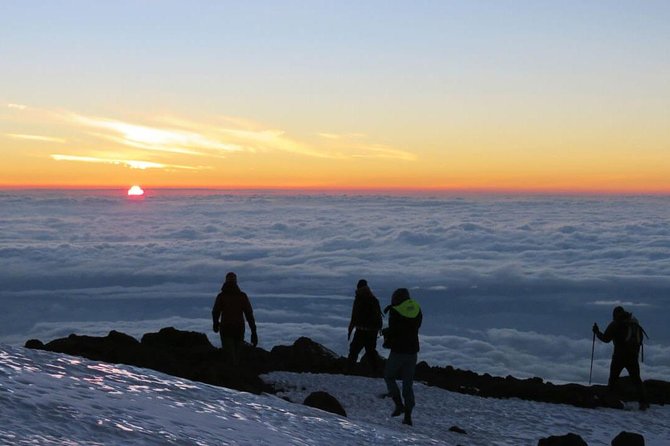
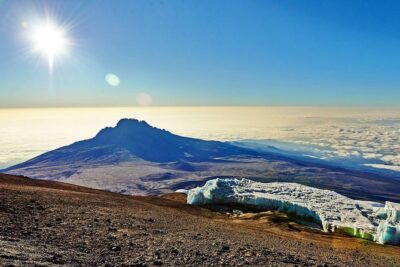
Day 5 is the heavy day. You leave camp very early, between midnight and 2 am, and work your way toward the summit between the Rebmann and Ratzel glaciers. You’re heading northwesterly and ascending heavy scree up toward Stella Point on the crater rim.
This is the most mentally and physically challenging section of the trek. The route description mentions heavy scree, and you should take that seriously. Scree makes every step feel different, especially when you’re cold, tired, and trying to conserve energy.
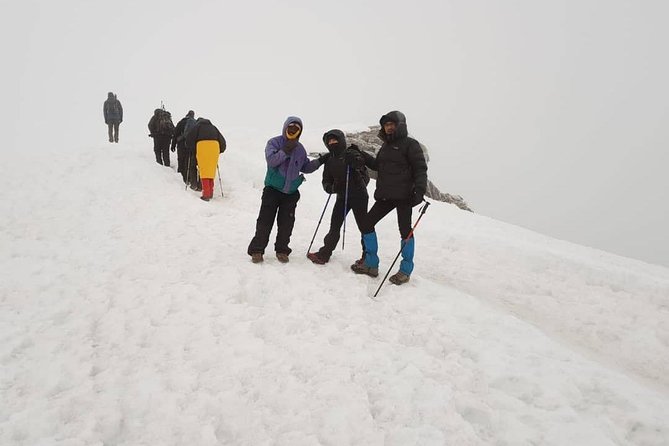
At Stella Point, you stop for a short rest and get what the description calls the most magnificent sunrise you’re likely to see. If you’re moving fast, you might catch sunrise from the summit as well. From Stella Point, you may encounter snow all the way on the ascent to the summit, then the final stretch takes about an hour to the summit area.
You’ll go up to about 5895 m, then descend to around 3090 m for camp. The total hiking day time is listed at about 14 hours, which tells you the rhythm: climb in the dark, watch the sunrise, work through the final effort, then descend while you’re tired. This is not a day for ego.
What I’d pay attention to: the crew and guide team matter a lot here. The people side can make a huge difference at 5000 m plus when willpower gets thin. This operator’s teams, like those led by Emmanuel in past climbs, are described as running the experience with motivation and support, including porters and chefs who keep camp functioning.
Day 6: Mweka Trail descent, certificates at the gate, and back to Moshi
Day 6 goes from about 3090 m down to around 1680 m, about 10 km in 3 to 4 hours. After breakfast, you continue the descent to Mweka Park Gate to receive your summit certificates.
At lower elevations, it can get wet and muddy. The route suggests gaiters and trekking poles here too, which makes sense. Your knees and ankles will be tired, and slippery ground punishes sloppy foot placement.
After the gate, you walk about another hour to Mweka Village. A vehicle meets you there and drives you back to your hotel in Moshi, around 30 minutes.
Clue from the plan about packing: shorts and t-shirts will likely be enough by the end of the trek, but keep rain gear and warmer clothing handy. The altitude drop is big, but the weather in and around the mountain can still shift fast.
Gear and body basics I would not skip
This trek is run with camping and crew support, but you still control your comfort. Here are the items the plan explicitly points you toward, and why they matter.
- Gaiters and trekking poles: the route calls them out for the muddy, slippery sections at lower elevations and again on the descent. I treat these as knee-and-ankle insurance.
- Rain gear and warmer clothing: you’ll likely end with warmer temperatures at lower elevations, but you’re starting in the cold for summit night. Having layers ready is not a luxury.
- Portable toilet: it’s optional but highly recommended. That’s an easy one to plan in advance so it’s not a last-minute scramble.
- Water purifying tablets: not included, but listed as part of what you’ll need. Treating water matters when you’re hiking hard and sweating.
- Individual trekking gear: the plan doesn’t list details, but it’s clear you should bring your own boots, daypack, and personal items needed to hike comfortably.
Also remember the human side. The experience notes moderate physical fitness and some hiking experience are best, but first-timers do finish. The difference is usually pacing, not just fitness.
How the guides, porters, and cooks shape your experience
On Kilimanjaro, the trip is more than your personal effort. It’s a team setup where porters and cooks keep camp running and guides keep you moving safely. This package includes qualified mountain guides, assistant guides, porters, and a cook, plus emergency oxygen for emergencies only.
That emergency oxygen point deserves attention. It’s not an ascent aid, it’s a safety tool. The real value is that it signals the operator plans for emergencies, not just check-in selfies.
If you’re trying to predict how your trip will feel, ask about your guide and crew before you go. Past team lineups for this operator include names like Emmanuel (lead guide), Isaya, Jumanne, Ngwasuma, Yahya, plus a chef and porters. You might not get the exact same group, but it’s a helpful way to confirm you’re dealing with a real team, not random staffing.
One caution that comes up with any mountain operator: communication and route decisions need to be crystal clear. If you think you might want to change routes midstream, treat that as a conversation you handle before you start.
Who this Machame trek is best for
This Machame route suits you if:
- You’re physically fit and comfortable with long hikes and steep uneven ground.
- You want a classic Kilimanjaro route that many consider among the best options.
- You like guided structure, camp support, and meals handled for you.
- You want a realistic 6-day schedule that still includes acclimatization focus.
It’s also a good fit for first-time trekkers who are willing to take it seriously. You just can’t treat the hike as casual. The summit day is very long, and midnight starts demand patience.
It might not be your choice if you want a low-effort experience or if you’re not ready for mud, cold, and long hours. The plan itself is clear on the challenges, especially Day 5.
Should you book this 6-day Machame climb?
I’d book it if you want a strong, well-supported Kilimanjaro plan that includes the basics that matter most: trained guides, camping equipment, meals, transfers, and emergency oxygen. The Machame route’s design also makes sense for people who want acclimatization, not just a time trial.
I’d pause and ask extra questions before booking if you have any uncertainty about route flexibility, because a past situation involved a group changing routes for an easier alternative at extra cost. If you care about sticking to Machame, confirm how route decisions work and what happens if a group wants changes once you’re already there.
Bottom line: if you’re ready for the effort and you want a guided climb with real camp support, this is a solid value play at $2,220. You’ll earn the views, and you’ll feel the mountain in the most honest way, not in a rushed, sightseeing-only style.
FAQ
How long is the Machame route trek, and what should I expect day to day?
This climb runs about 6 days. Expect hiking times that range from about 3 to 7 hours on most days, and a much longer summit day, with a total hiking time listed around 14 hours on Day 5.
What is the starting and ending point for the trek?
The trek starts at Machame Gate near Mount Kilimanjaro and ends back at the meeting point. The ticket redemption point is Mount Kilimanjaro National Park, Gilman’s Point, Tanzania, and you receive summit certificates at Mweka Park Gate on the way down.
What fitness level do I need?
The plan says travelers should have a moderate physical fitness level, and it is designed for people who are physically fit with some hiking experience. It also notes that plenty of first-time trekkers use the route and do fine.
Is emergency oxygen included?
Yes. Emergency oxygen is included, and it is for use in emergencies only, not as summit aid.
Are meals and camping gear included?
Yes. Meals are included (breakfast 5 times, lunch 6 times, dinner 5 times). Camping equipment is also included, including tents, camp chairs, tables, and sleeping mattress, plus water for washing up daily.
What about transfers and hotels around the climb?
Return transfers are included between Kilimanjaro airport and Moshi, and Moshi to Kilimanjaro airport. You also get a hotel the night before and the night after the climb, with dinner and breakfast included.
What should I bring for the muddy and wet conditions?
The route specifically suggests gaiters and trekking poles for slippery sections. It also says shorts and t-shirts will probably be plenty at lower elevations, but keep rain gear and warmer clothing handy.
Can I cancel for a full refund?
Free cancellation is available. You can cancel up to 24 hours in advance for a full refund, but if you cancel less than 24 hours before the start time, the amount paid will not be refunded.
Just posted around Kilimanjaro
- 5 days Serengeti Wildebeest Migration Safari★ 5.0 · 3 reviews
- Lemosho Route★ 5.0 · 21 reviews
- 6 Days Machame Route Kilimanjaro Trekking★ 5.0 · 13 reviews
- Mount Kilimanjaro 7 Days – Machame Route★ 5.0 · 5 reviews
- Amazing 4 Days Safari 3 Nights: Tarangire, Ngorongoro, Serengeti★ 5.0 · 6 reviews
- 9 Days – Best of Tanzania Safari★ 5.0 · 4 reviews
- Tanzania Safari and Kilimanjaro Climb Multi-Day Experience★ 5.0 · 3 reviews
- 7 Days Cultural and Wildlife Safari★ 5.0 · 5 reviews
Kilimanjaro Climbs, compared.
8-Day Small-group Lemosho Kilimanjaro Summit Trekking
Read our review →
5 Days Best of Tanzania Luxury Safari Northern Circuit
Read our review →
Climbing Kilimanjaro through 7 days Machame Route
Read our review →