Reviewed · KILIMANJARO CLIMBS
7 Days Kilimanjaro via Machame route affordable price
Kilimanjaro feels more doable on Machame. I like the round-trip Moshi transfers and the fact that meals and accommodations are fully handled by your team, so you can focus on walking. This is also a private Kili experience, meaning you hike with just your group instead of a big mixed crowd.
The main thing to think about is timing and intensity. This is a 6-day trek with a midnight to 2 a.m. summit push, so you’ll want to be mentally ready for a very early, very physical Day 5, plus a muddy, wet descent on Day 6.
In This Review
- Key points I’d plan around
- Machame Route in practice: why it often feels less intimidating
- Price and value: what $2,400 includes that usually costs extra
- Moshi to Kilimanjaro National Park: smoother than it sounds
- Day-by-day Machame route: what each section is really like
- Day 1: Moshi to the rainforest zone, gate permits, then up to camp
- Day 2: Shira direction, rocky ridge, and colder nights
- Day 3: the acclimatization day, Lava Tower, then down to Barranco
- Day 4: Barranco Wall day, South Circuit vibes, then Barafu rest
- Day 5: summit push to Uhuru at 19,341 feet, then down fast
- Day 6: ceremony, summit certificates, and the muddy finish
- Guides and crew: the service layer that makes the mountain work
- What to bring: gaiters, poles, and the climbing-gear gap
- Who this Machame climb is best for, and who should reconsider
- Should you book this $2,400 private Machame trek?
- FAQ
- How long is the Machame route trek?
- Where does the trek start?
- What is the summit elevation?
- What transfers are included?
- Are meals included?
- Is oxygen included?
- Is this a private tour?
- What equipment is included, and what is not?
- What should I plan for in terms of additional costs?
- Do I get anything at the end of the trek?
Key points I’d plan around
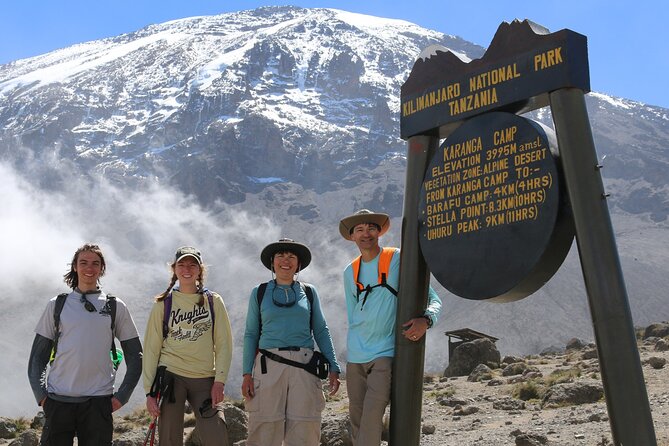
- Private group feel on one of the most scenic routes, with pacing set for your group
- Moshi-to-park convenience, including round-trip hotel transfers and airport transfers
- Meals run by the team, which saves energy and removes a lot of logistics stress
- Acclimatization built in on Day 3, including a high pass to Lava Tower and Arrow Glacier
- Summit morning structure, with Stella Point on the crater rim for sunrise
- Support at high altitude, including a complimentary oxygen cylinder
Machame Route in practice: why it often feels less intimidating
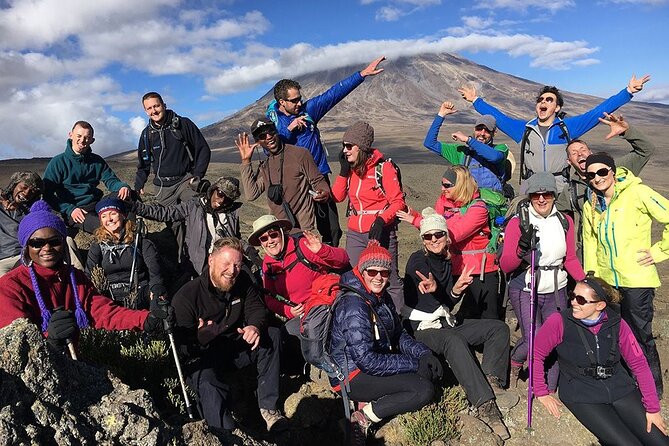
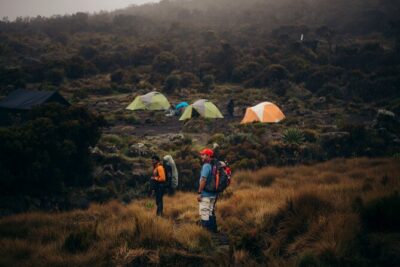
Machame has a reputation for being scenic, and it’s earned. You move from rainforest trails into higher zones where temperatures drop, then into starker volcanic terrain as you climb toward the summit zone. What surprised me in the way this trek is paced is how much effort goes into getting you there in a steady, guided way, rather than turning it into a speed contest.
I also like that the plan clearly builds in acclimatization, not just “walk until summit day.” Day 3 ends with a drop to Barranco Camp even though you spend time higher around Lava Tower and the Arrow Glacier area. That matters because it helps your body adjust while still keeping the overall route moving forward.
One more detail I appreciate for real life: lower trails can be muddy and slippery early on. Day 1 climbs from about 1,811 m to 3,021 m, and that’s enough altitude gain to feel it, even if it’s not summit terrain yet. If you show up with the right basic trail gear, your hiking day feels calmer.
More Kilimanjaro climbs:
- Kilimanjaro Airport taxi to/from Moshi town/Arusha town
★ 5.0 · 60 reviews - 6 Days Climbing Mount Kilimanjaro Machame Route
★ 5.0 · 40 reviews - 8 Days Kilimanjaro Hike via Lemosho Route
★ 5.0 · 39 reviews
Price and value: what $2,400 includes that usually costs extra
At $2,400 per person, this is not a “cheapest possible” option. But it is an attractive value for what’s included, especially if you’re counting the small extras that quickly add up on Kilimanjaro.
Here’s what you’re getting that reduces surprises:
- All fees and taxes included, plus gate transfers
- Professional guide
- Kilimanjaro equipment for camping
- Complimentary oxygen cylinder
- Private transportation, plus airport transfers
- Meals included across the trek (breakfast, lunch, and dinner as listed)
- Summit certificates handed out after you reach the park gate on the way down
And it’s private. Private transportation and a private group often mean less waiting, less mixing, and fewer “where are we supposed to be?” moments. You also get a mobile ticket, which can simplify the paper pile.
What you need to budget for separately:
- Tips for the guide and crew
- Visa fees
- International travel insurance
- Personal expenses
- Renting climbing gears (the trek includes camping equipment, but climbing gear rental is listed as not included)
My advice: if you’re comparing offers, don’t compare price alone. Compare what’s included for guides, meals, fees, transfers, oxygen, and the camp setup. That’s where the $2,400 either becomes a bargain or just a number.
Moshi to Kilimanjaro National Park: smoother than it sounds
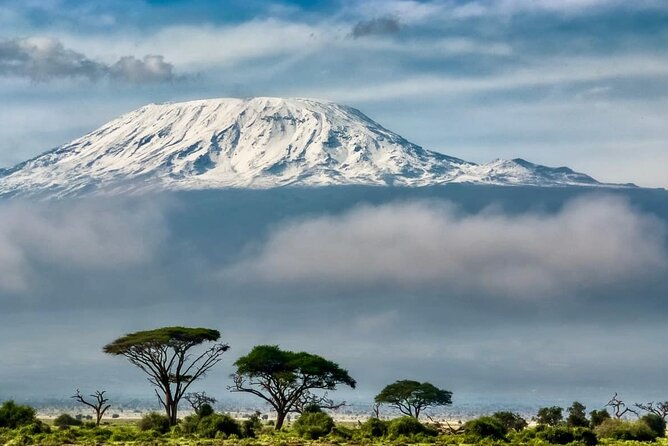
Your trip starts with getting to the trailhead in a practical way. You leave Moshi for about a 45-minute drive to the Kilimanjaro National Park gate, passing the Village of Machame on the way. You then wait for permits to be issued, watching the operations that get crews, supplies, and climbers ready.
That waiting part is not glamorous, but it’s useful. It’s the moment you see the system, you understand how teams organize, and you get the first dose of “this is real” before you walk.
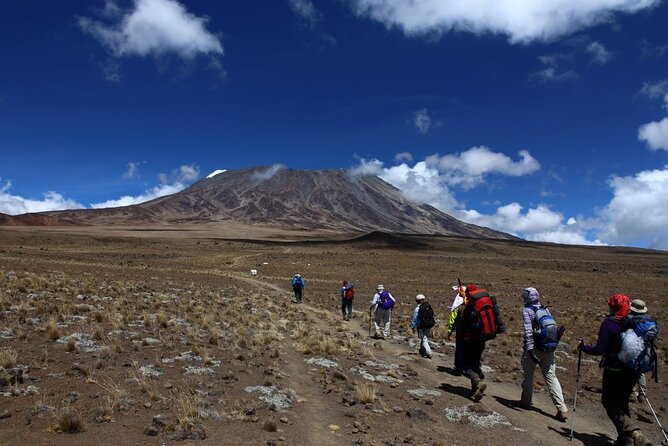
For Day 1, the trail is in rainforest conditions and can be muddy and slippery at the lower elevations. The trekking guidance here is clear: bring gaiters and trekking poles. Those two items are the difference between spending your focus on footing and spending it on moving.
Day-by-day Machame route: what each section is really like
A few more Kilimanjaro trips to compare
- Great Migration Safari In Tanzania
★ 5.0 · 71 reviews - 6 Days Tanzania Classic Safari
★ 5.0 · 52 reviews - 8 Days Great Wildebeest Migration – Mara River Crossing
★ 5.0 · 28 reviews - 7-Day Machame Route Kilimajaro
★ 5.0 · 28 reviews
Day 1: Moshi to the rainforest zone, gate permits, then up to camp
You gain altitude from about 1,811 m to 3,021 m (around 1,210 m of altitude gained), and you cover roughly 6 hours. The route moves through rainforest scenery with windy trails, and your guide explains local flora and fauna along the way.
This is a day where you should aim for steady steps, not effort spikes. Mud and slippery footing are common at these lower elevations, so your body does not need extra work from sudden slips or constant balance corrections.
What to watch:
- If your feet get wet early, you’ll feel it later. Gaiters help.
- Poles can save your knees on descents, but they also help with balance on uneven, muddy ground.
Day 2: Shira direction, rocky ridge, and colder nights
Day 2 climbs from about 3,021 m to 3,839 m (about 818 m gain) over around 4 hours. You leave the rain forest and continue on ascending paths. The trail includes crossing a valley along a steep rocky ridge, then turning west onto a river gorge before you reach Shira campsite.
This is where the air starts to feel different. Temperatures begin to drop, so you’ll want to manage layers rather than just relying on willpower.
Possible drawback to keep in mind: shorter walking time does not always mean easier day. The steep sections and cold can make you feel more tired than the clock suggests.
Day 3: the acclimatization day, Lava Tower, then down to Barranco
This day is crucial even though the elevation at the end is close to where you started. You move from about 3,839 m to 3,986 m (only 147 m gain) over roughly 6 hours.
You continue east up a ridge, pass a junction toward Kibo peak, then head south east toward Lava Tower, often called the shark’s tooth, at about 4,650 m. From there, you continue toward the Arrow Glacier junction, then descend to Barranco Camp.
Here’s the key idea: you’re not just going higher, you’re getting your body ready for summit night through a high exposure day followed by descent. That “go up, then drop to camp” rhythm is a smart way to reduce altitude stress.
You may also feel the mental shift. Day 3 starts to look more like classic volcanic Kilimanjaro travel: ridges, stone, fewer trees, and more focus on your next step.
Day 4: Barranco Wall day, South Circuit vibes, then Barafu rest
Day 4 has elevation from about 3,986 m up to 4,034 m, then up to about 4,662 m at camp (about 676 m gain). Walking time is around 6 hours.
After breakfast, you go toward the Barranco Wall, then through the Karanga Valley and onward to the junction that connects with the Mweka Trail. This is one of the most striking days on the route. You’ll watch the crew move over the wall with what feels like ease, even though it’s adventurous terrain.
From the junction, you continue toward Barafu Camp. At Barafu, you eat early and rest as you prepare for summit night.
Practical note: this is where you need a calm evening. Your success on summit day depends on how rested you feel going into the midnight to 2 a.m. start window.
Day 5: summit push to Uhuru at 19,341 feet, then down fast
Day 5 is the big one. You climb from about 4,662 m to 5,895 m (around 1,233 m gain), then descend to about 3,106 m. That means roughly 2,789 m of altitude lost after summit.
You start between midnight and 2 a.m., and it’s described as the most mentally and physically challenging portion of the trek. This is normal for Kilimanjaro. Your body is working in cold conditions, your mind has to stay focused, and the terrain can be rough underfoot.
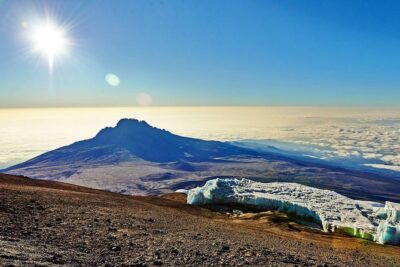
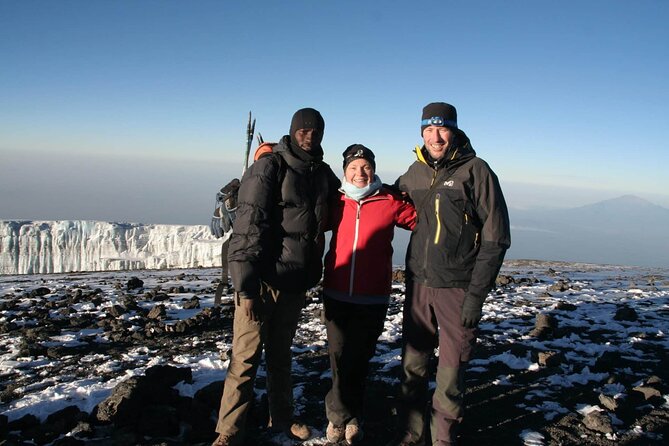
The climb goes through the crater rim area between the Rebmann and Ratzel glaciers. You follow switchbacks in a northwesterly direction and ascend through heavy scree toward Stella Point on the crater rim. Then you get your most rewarding short rest, and that’s when the sunrise is timed and watched.
What I’d tell you to do: treat this day like a series of tiny goals. Don’t think summit as one giant thing. Think “next step, next break, next point.” Your guide and crew handle warmth guidance and pacing so you can stay steady.
Day 6: ceremony, summit certificates, and the muddy finish
Day 6 drops from about 3,106 m to 1,633 m (about 1,473 m lost). After breakfast, there’s a ceremony that includes appreciation and team bonding with your crew.
Then you descend to the Mweka Park Gate to receive your summit certificates. The weather is warmer now, and the terrain gets wet, muddy, and steep. This is where gaiters and trekking poles still earn their place.
After you reach the gate area, a vehicle meets you at Mweka village and drives you back to Moshi, about 30 minutes. After an overdue hot shower and dinner celebrations, you overnight at Kilele lodge B&B, before your onward journey home, safari, or a relaxing trip to Zanzibar.
Guides and crew: the service layer that makes the mountain work
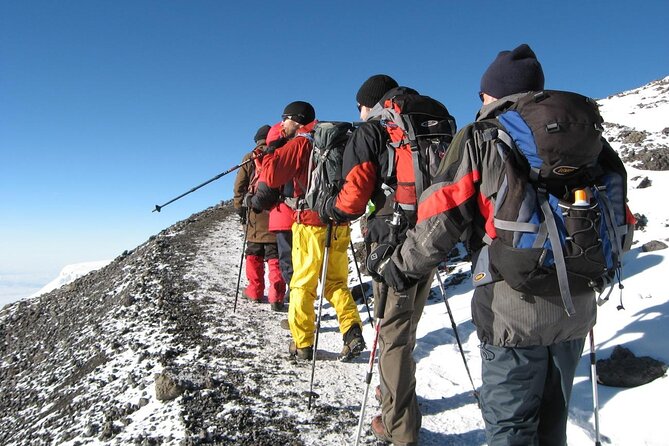
Kilimanjaro is physical, yes. But the best treks also run like a well-managed team operation. This one leans hard into that.
In the feedback, the owner, Adidas, gets praised for quick responses and easy communication. Names like Washington show up in a big way, including mentions of his summit experience, with one note saying he had been to the summit nearly 200 times. Another name, Nicholas, is also credited alongside Washington during successful summits.
I like that this isn’t just about the summit day. On the trek itself, gear checks and support show up repeatedly in the kind of details that matter when you’re cold, tired, and trying to stay comfortable.
There’s also a recurring positive theme about how the crew supports the trip with strong food and steady care. Even if you don’t care about “service,” you should care about meals and how your team organizes camp. Better meals and smoother camp logistics help you keep moving and recover better between days.
One more value note: the included approach includes fair and sustainable crew wages. You’re paying for a system that treats your hiking team as part of the experience, not just a background function.
What to bring: gaiters, poles, and the climbing-gear gap
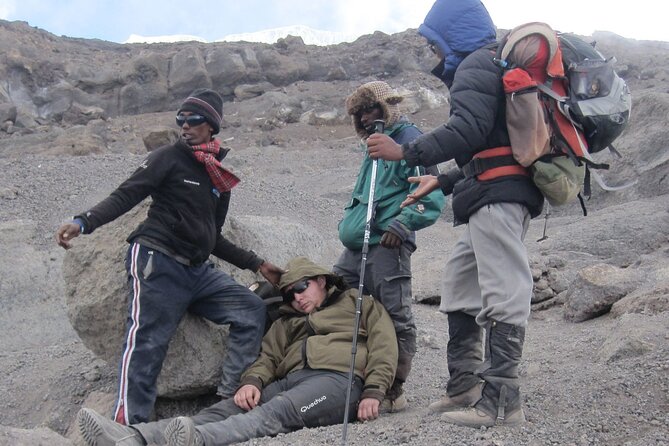
Your trekking plan clearly calls out gaiters and trekking poles, especially for muddy and slippery sections on Day 1 and wet steep terrain on Day 6. I’d treat those as non-negotiables.
Beyond that, the tour data says:
- The company provides Kilimanjaro equipment for camping
- But renting climbing gears is not included
That means you should plan to bring or arrange your climbing gear rental separately if you need it. If you already own boots, layers, and winter-friendly gloves, you’re in a better spot. If you don’t, you need to budget time to handle that gear before the trek.
Also remember you get a complimentary oxygen cylinder. That’s comforting as a safety resource, but it’s not a substitute for pace, acclimatization, and choosing a schedule you can handle.
Who this Machame climb is best for, and who should reconsider
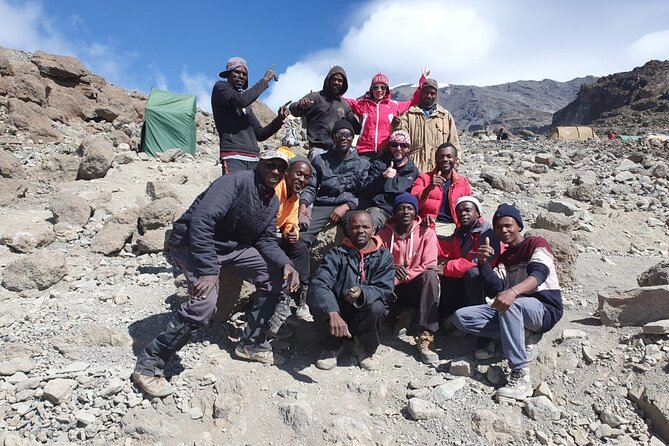
This tour is described as suitable for a moderate fitness level, which is a reassuring way to frame it. You don’t need to be an elite athlete. You do need to be ready for a full summit-night push and long days in thin air.
It’s a good fit if:
- You want a private group experience rather than blending into a larger crowd
- You value support and logistics, especially for meals, camping equipment, and transfers
- You’re aiming for the scenery of Machame, including Lava Tower and the Barranco Wall section
You might think twice if:
- You are easily overwhelmed by early starts, because Day 5 begins between midnight and 2 a.m.
- You aren’t comfortable with slippery or muddy terrain, since both Day 1 and Day 6 involve muddy, wet ground
- You expect everything to be included, because climbing gear rental, insurance, and visa fees are not included
Should you book this $2,400 private Machame trek?
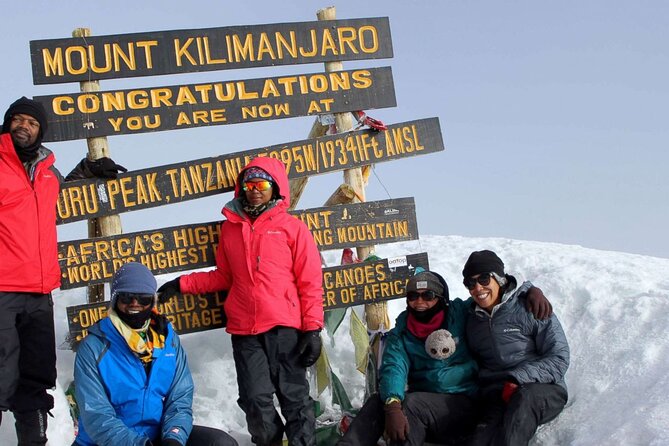
I’d book it if you want a straightforward way to do Machame with less logistics stress and more team support. The price makes sense when you add up what’s included: private transport, meals, all fees and taxes, camping equipment, gate transfers, airport transfers, and a complimentary oxygen cylinder. For a lot of people, that’s where the real value is.
I’d hesitate if you’re trying to minimize extra costs beyond the tour price, since climbing gear rental, tips, visa fees, and insurance are separate. I’d also be honest with yourself about the 6-day schedule. It’s designed with acclimatization built in, but you still need to be ready for the demanding summit night.
If you want a guided Machame climb where your team runs the details, and you can focus on pacing and enjoying the climb toward Uhuru, this one is worth your shortlist.
FAQ
How long is the Machame route trek?
The trek is listed as about 6 days, with the overall experience running as a weeklong trip from Moshi through your return.
Where does the trek start?
You depart from Moshi and drive about 45 minutes to Kilimanjaro National Park Gate, passing the Village of Machame.
What is the summit elevation?
The trek targets the summit of Uhuru at about 19,341 feet (5,895 m).
What transfers are included?
You get private transportation with round-trip hotel transfers from Moshi, plus airport transfers.
Are meals included?
Yes. Breakfast, lunch, and dinner are included across the days of the trek as listed.
Is oxygen included?
Yes. There is a complimentary oxygen cylinder included.
Is this a private tour?
Yes. It’s described as private, limited to just your group.
What equipment is included, and what is not?
The tour includes Kilimanjaro equipment for camping. Renting climbing gears is listed as not included.
What should I plan for in terms of additional costs?
Personal expenses, tips for the guide and crew, visa fees, and international travel insurance are not included.
Do I get anything at the end of the trek?
Yes. After the descent to Mweka Park Gate, you receive your summit certificates.
Just posted around Kilimanjaro
- 5 days Serengeti Wildebeest Migration Safari★ 5.0 · 3 reviews
- Mount Kilimanjaro 6 days – Machame route★ 4.0 · 5 reviews
- Mount Kilimanjaro 7 Days – Machame Route★ 5.0 · 5 reviews
- Lemosho Route★ 5.0 · 21 reviews
- 6 Days Machame Route Kilimanjaro Trekking★ 5.0 · 13 reviews
- Amazing 4 Days Safari 3 Nights: Tarangire, Ngorongoro, Serengeti★ 5.0 · 6 reviews
- 9 Days – Best of Tanzania Safari★ 5.0 · 4 reviews
- Tanzania Safari and Kilimanjaro Climb Multi-Day Experience★ 5.0 · 3 reviews
Kilimanjaro Climbs, compared.
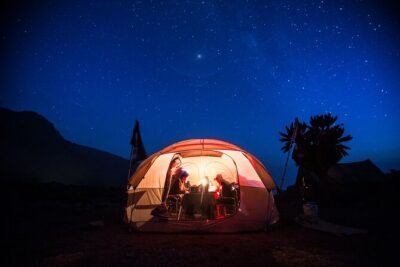
8-Day Small-group Lemosho Kilimanjaro Summit Trekking
Read our review →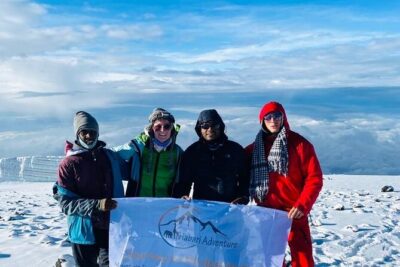
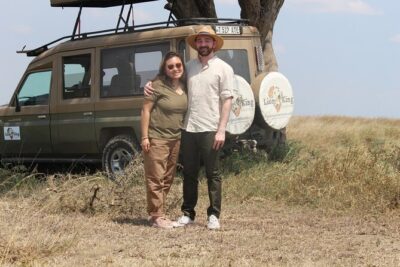
5 Days Best of Tanzania Luxury Safari Northern Circuit
Read our review →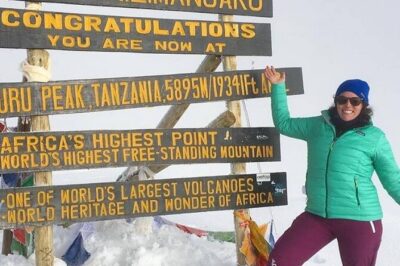
Climbing Kilimanjaro through 7 days Machame Route
Read our review →