Reviewed · MOSHI & KILIMANJARO TOURS
8 Days Great Wildebeest Migration – Mara River Crossing
Seeing herds hit the Mara River is surreal.
This 8-day safari is built around the wildebeest migration in northern Serengeti, with game drives timed for a possible Mara River crossing to Kenya. I like that it runs as a private trip, so your guide can focus on where animals are acting up that day, not where the van needs to be for everyone else.
I also like the “full package” approach: comfortable lodging, meals included, and park access handled as part of the price, which makes planning simpler. The one drawback to know up front is that migration timing is seasonal, not guaranteed, so even with high odds during July to mid-October, you are still chasing nature’s calendar and not a movie script.
In This Review
- Key Points You’ll Care About
- Mara River Crossing: the real reason for the 8 days
- Private guiding and full-board support, what it means day to day
- Arusha to Lake Manyara: starting with culture and then wildlife
- Serengeti first: big animals before the migration focus
- Northern Serengeti and the Mara River Camp: chasing the crossing with real chances
- Lobo for cheetahs and clip-springer, then back to central Serengeti
- Ngorongoro Crater: the “8th wonder” day and black rhino plus flamingos
- Maasai village stop and the Cultural Heritage Centre before flying out
- Price and logistics: why $4,374 can be good value
- Who this safari suits best (and who should think twice)
- Should you book this 8-day Mara River Migration safari?
- FAQ
- What does the tour focus on?
- How many days is the safari?
- Is it a private tour?
- Do I get pickup and transfers included?
- What are the main stops on the route?
- Are park fees included in the price?
- What’s included for meals and lodging?
- What is not included?
- When is the migration supposed to happen?
- What is the cancellation refund timeline?
Key Points You’ll Care About
- Private guiding means you get more searching time, not more waiting time.
- Mara River crossing focus gives you multiple chances in northern Serengeti.
- Park fees and taxes included, plus emergency air rescue insurance and bottled water.
- Comfortable base camps named on the route, including Hippo Trails Camp and Mara River Camp.
- Big-rarity wildlife goals, including black rhino sightings in the Serengeti and Ngorongoro area.
- Culture included without taking over the safari with a village walk and Maasai stops.
Mara River Crossing: the real reason for the 8 days
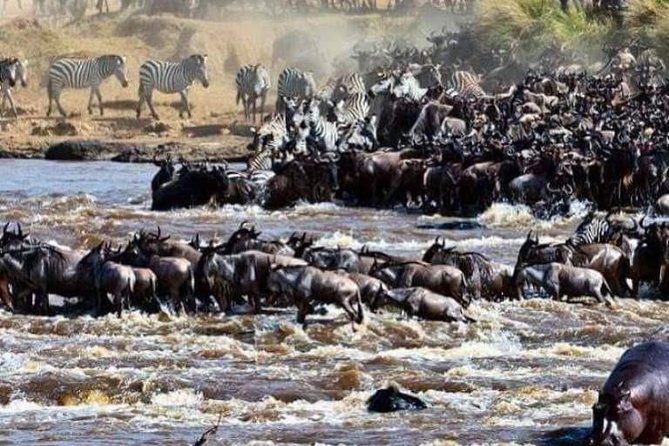
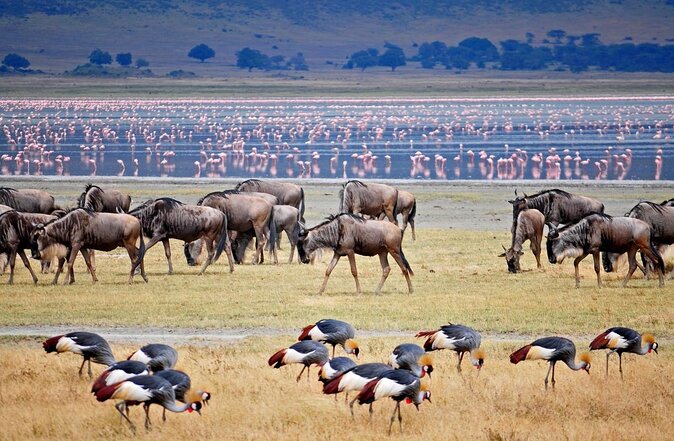
If you have ever pictured the migration in your head, this is the part you came for. The itinerary is set up around the herds moving between Serengeti and Maasai Mara in Kenya, then returning again. It also calls out the key moment: a high chance of wildebeest crossing the Mara River while crocodiles are in play.
Here’s the practical thing I’d tell you to expect. Migration sightings depend on timing, rainfall, and herd movement, so your guide can only increase your odds, not control the outcome. That said, this route gives you more than one “chase day” along the Mara River. Two separate days centered on that river means if the first attempt is quiet, you’re not done.
You’ll also spend real time in the areas where the herd often funnels. Northern Serengeti and the Mara River zone are where the action is supposed to show up between July and mid-October. Since the tour runs during the larger migration window, you’re aiming at the right season from the start.
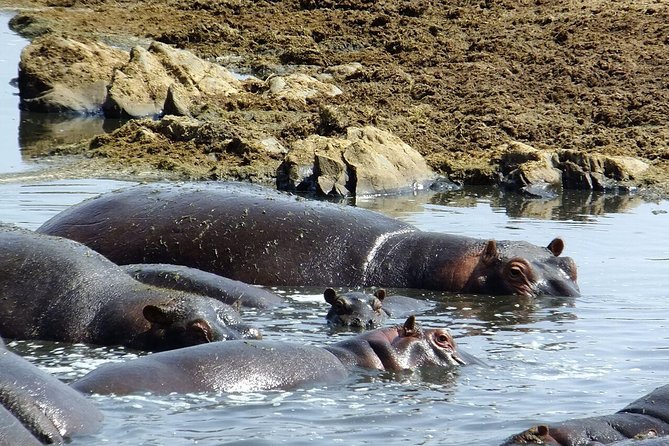
And yes, this is also a big-cat circuit. The same days that bring your migration chances also bring chances at elephants, giraffes, hippos, and lions in the wider Serengeti blocks. If you like your days to feel alive, not just scenic, this itinerary is designed that way.
A few more Kilimanjaro trips to compare
- 7 Days Kilimanjaro via Machame route affordable price
★ 5.0 · 110 reviews - Great Migration Safari In Tanzania
★ 5.0 · 71 reviews - Kilimanjaro Airport taxi to/from Moshi town/Arusha town
★ 5.0 · 60 reviews
Private guiding and full-board support, what it means day to day
This isn’t a shoestring DIY plan. It’s structured so you can spend your energy where it matters most, spotting animals and enjoying the ride, instead of solving logistics every morning.
Your biggest “comfort for effort” win is that the safari is private, meaning only your group participates. In wildlife terms, that matters because your guide can adjust without negotiating for a seat at someone else’s schedule. You’re also more likely to get useful explanations tailored to what you are actually seeing, not a generic script.
Food and lodging are also handled up front. You get accommodation at the listed stops and a mix of breakfasts, lunches, and dinners across the itinerary. Water is included as bottled water, which matters in hot regions where hydration is not optional.
The operator also includes all fees and taxes in the package, plus emergency air rescue insurance. You won’t want to think about emergencies on safari, but it’s nice when you do not have to wonder if your trip has a safety net. If you want things simple, that’s a real value point.
One more “small but smart” detail: the itinerary references a hot shower after a day of driving in Serengeti. On safari, that beats the fantasy version of camping living. It’s the difference between, I can enjoy dinner, and, I need to lie down.
On the communication side, past guests connected to this company often highlight Mary as a responsive planning contact, with quick replies by email and WhatsApp. I can’t promise who you will get, but it’s a good sign if the team is known for organized, steady communication before you ever leave home.
Arusha to Lake Manyara: starting with culture and then wildlife
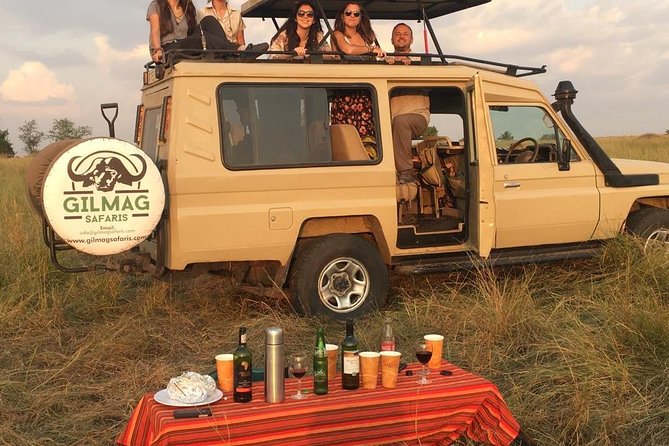
You begin in Arusha, meeting a representative on arrival and transferring to Kibo Palace Hotel for your first dinner and overnight. This is a good setup if you want your trip to feel like it starts smoothly, not with a scramble for a place to sleep.
Day two leans into a classic Tanzania combo: a village walk, then a national park. You drive to Mto wa Mbu for a guided village walk where you can interact with local people, visit homes, and learn how agriculture shapes daily life. You may also get a taste of traditional beer and see banana and rice farms. For me, this part matters because it turns the trip from wildlife-only to a fuller sense of how people live around the parks.
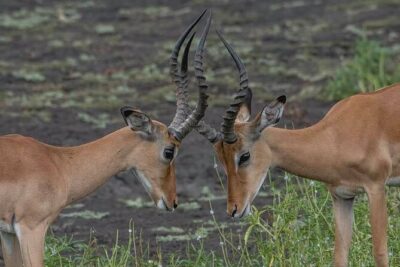
Then you head to Lake Manyara National Park for game viewing. The itinerary calls out elephants and giraffes, plus hippos, flamingos, and monkeys, with antelope species like impalas, dik diks, and waterbucks also possible. There’s also a note about the rare tree climbing lions and leopards. Those are not guaranteed, but the fact that your day includes both common sightings and a “maybe” rarity is the right balance for a first full safari day.
If you prefer not to pack too much into day two, there is one consideration: the village walk is interactive. That’s usually a plus, but if you want a quiet day after travel, you might need to manage your expectations and pace yourself.
That night you sleep in Karatu at Marera Valley Lodge, setting you up for the long jump toward Serengeti.
Serengeti first: big animals before the migration focus
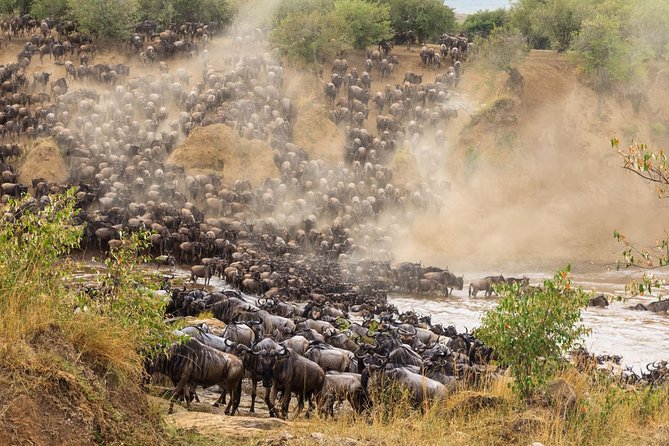
On day three you transfer toward Serengeti National Park, via the Ngorongoro Conservation Area. You arrive in time for lunch at Hippo Trails Camp, then do game viewing in central Serengeti. The itinerary lists big targets you likely want early: elephants, giraffes, hippos, lions, leopards, and cheetahs.
This is where I like the tour rhythm. You get time in the park before you concentrate on the Mara River crossing. That way, even if the crossing moment takes a little longer to appear, you have already logged serious safari sightings.
The plan includes an afternoon game viewing session, and then you return for a hot shower and dinner. That return-to-camp cycle is not just comfort. It helps you stay focused. Long drives can blur together, but having a predictable pause makes it easier to enjoy the next push.
When you move from central Serengeti later, you’ll be tired. So day three is your “get excited properly” day. If you love seeing the big animals well, before you chase one dramatic event, you’ll feel the logic.
Same base in Kilimanjaro, a completely different day:
- 6 Days Tanzania Classic Safari
★ 5.0 · 52 reviews - 6 Days Climbing Mount Kilimanjaro Machame Route
★ 5.0 · 40 reviews - 8 Days Kilimanjaro Hike via Lemosho Route
★ 5.0 · 39 reviews - 7-Day Machame Route Kilimajaro
★ 5.0 · 28 reviews
Northern Serengeti and the Mara River Camp: chasing the crossing with real chances
Day four starts early with a game drive, then you switch to packed lunch and head toward northern Serengeti for additional game viewing. This is the crossing-focused day, with the itinerary specifically calling out high chances of wildebeest crossing the Mara River while crocodiles attack them.
Here is the part that helps you decide if this tour fits you. If you want multiple chances at the main photo moment, you will appreciate that the tour stays in the migration zone and keeps the schedule geared to it. If you only want passive viewing and scenic drives, you may find it intense.
That night you stay at Mara River Camp, which is placed to reduce the time between your sightings and your downtime. This matters when you start doing early departures. The earlier you go, the better your odds tend to be, and the easier it is when you are based close to where the action is.
Day five keeps you in the Mara River zone with both morning and afternoon game drives, again with early departure. The itinerary repeats the season window, July to mid-October, and confirms the migration route between Serengeti and Maasai Mara in Kenya. You are not just doing one “try.” You’re running a hunt.
This day also adds a second layer of wildlife value. North Serengeti is described as good for the endangered black rhino. Again, you should not treat that as a promise, but it’s a strong “more than the herd” selling point if your goal is the full safari highlight reel.
Lobo for cheetahs and clip-springer, then back to central Serengeti
Day six shifts you away from the river. After breakfast you head to Lobo, in the north-east area of Serengeti National Park. Lobo is called out for its unique terrain and for wildlife opportunities like leopards, cheetahs, and big prides of lions, plus clip-springer antelopes.
This is a smart variety move. If you spend two full days on the Mara River moment, you might feel tempted to think, everything else will be gravy. But this kind of change keeps you sharp. Cheetahs and leopards tend to be about the right moment and the right patch, so switching zones improves your chances to catch something interesting, not just more of the same.
You’ll drive in the afternoon back to Hippo Trails Camp for dinner and overnight in central Serengeti.
If you hate long drives, keep this in mind. Serengeti is not a small place, and movement is part of the safari game. This itinerary still balances driving days with serious time on the ground.
Ngorongoro Crater: the “8th wonder” day and black rhino plus flamingos
Day seven goes to Ngorongoro Crater. You depart after breakfast with packed lunch and spend the day exploring the crater floor on game drives.
The itinerary frames this as a top spot for endangered black rhino and also for flamingos in Lake Magadi. It also lists other animals you might encounter: Thomson’s and Grant’s gazelles, warthogs, hippos, zebras, waterbucks, hyenas, jackals, and possibly lions resting near vehicles for shade.
The big reason this day earns a place on a migration safari is simple. The Mara River crossing is dramatic and time-sensitive. Ngorongoro is a concentrated wildlife showcase. Even if the herds are not doing their best performance during your exact dates, the crater helps keep the trip from feeling like it depends on one moment.
After your crater day, you ascend, leave the park, and drive to Karatu for dinner and overnight at Marera Valley Lodge again.
If you’re the type who likes variety, this is also a good contrast day. You get the river and plains focus, then you switch to a enclosed caldera feel with its own animal rhythms.
Maasai village stop and the Cultural Heritage Centre before flying out
Day eight is a gentler closer. You drive back to Arusha with a stop at a traditional Maasai village along the way. The itinerary also includes a hot lunch in Arusha, then a visit to the Maasai market for souvenirs if you’re interested, plus the Cultural Heritage Centre.
I like how they treat culture on this itinerary. It’s not a half-day show you rush through. It’s a real add-on that gives context to the region you just traveled through.
If you’re shopping, go in with a plan. Markets are where you can pick up small souvenirs, and you can ask what something is made of and what it represents. If you are not into shopping, you can still appreciate the Cultural Heritage Centre stop as a “learn a bit more” finale.
Then you transfer to Kilimanjaro International Airport to catch your flight home. After eight days, that smooth airport handoff is the kind of practical ending you appreciate.
Price and logistics: why $4,374 can be good value
At $4,374 per person, this is not a casual add-on. The value case is in what you are not paying separately and what you are actually getting back in time and convenience.
First, the package includes all fees and taxes, plus emergency air rescue insurance, bottled drinking water, and accommodations at the named lodges and camps. It also includes meals, with breakfasts across most mornings and lunches and dinners built through the route.
Second, you are paying for a private format with pickup offered. In places like this, transport and guiding time are where costs really grow. When your itinerary includes multiple parks and long drives, having those logistics handled can be worth a lot, especially if you’re short on time and want fewer decisions.
Third, it is built for a specific seasonal goal, the Mara River crossing. That focus can feel expensive if your dates fall outside the ideal migration window. But the tour specifically points to July to mid-October. If you are booking within that window, you are paying for the chance, and the chance is what you came for.
Now for the “be honest” part. You still need to be flexible. Wildlife does not follow your calendar, and migration sightings can vary. So I see this as a value purchase if you want a high-odds attempt with solid structure, not a guarantee.
Who this safari suits best (and who should think twice)
This tour fits you best if you want an all-in-one wildlife circuit focused on one major event, plus a few classic Tanzania anchors. It’s also a strong match for first-time safari travelers who want parks like Serengeti and Ngorongoro Crater without having to plan the connections.
It can also suit families and groups because it’s private, and the operator notes group discounts. If you’re traveling as a couple, it’s a good option too because private guiding makes the experience feel more personal.
Think twice if you dislike early starts. The itinerary calls for early departures and early morning drives on migration-focused days. It’s part of increasing your odds, and it’s part of the Mara River game.
Also, if you have super tight mobility needs, note the tour says most travelers can participate, but the itinerary involves park driving and day-by-day movement between sites. The best fit is someone prepared for a safari rhythm: drive, search, stop, rest, repeat.
Should you book this 8-day Mara River Migration safari?
I’d book this if your priority is the wildebeest migration and you are traveling in the July to mid-October window. The itinerary is designed to give you multiple attempts along the Mara River, not just one rushed hour. You also get serious backup value with other major wildlife zones like Lobo and Ngorongoro.
I’d pass or at least compare alternatives if you need a guaranteed outcome, because crossing moments can vary with the herd’s timing. Nature is the boss here, and your guide can only do so much.
If you want a smooth trip, the operator’s reputation for organized communication matters too. People connected with this team, including a planner named Mary, are noted for responsiveness, and guides such as Nickson have been specifically credited for great migration experiences. That’s the kind of track record you want when you’re paying for a seasonal highlight.
FAQ
What does the tour focus on?
It focuses on the wildebeest migration with a special emphasis on seeing wildebeests crossing the Mara River between Serengeti National Park in Tanzania and Maasai Mara game reserve in Kenya.
How many days is the safari?
The tour runs for about 8 days.
Is it a private tour?
Yes. Only your group will participate, with a private guide.
Do I get pickup and transfers included?
Pickup is offered, and the itinerary includes transfers between locations, including airport transfer in Arusha and Kilimanjaro International Airport.
What are the main stops on the route?
You visit Arusha, Lake Manyara National Park (plus a village walk in Mto wa Mbu), Serengeti National Park, northern Serengeti and the Mara River area, Lobo, Ngorongoro Crater, plus Maasai village and market stops near Arusha.
Are park fees included in the price?
All fees and taxes are included, and the itinerary indicates admission tickets as free or included on the listed days.
What’s included for meals and lodging?
Accommodation is included as per the itinerary. Meals included include 7 dinners, 8 lunches, and 7 breakfasts, along with bottled drinking water.
What is not included?
Tips, travel insurance, laundry, visa, flights, and alcoholic or non-alcoholic drinks are not included.
When is the migration supposed to happen?
The migration is supposed to be in this area between July and mid-October.
What is the cancellation refund timeline?
You can cancel up to 6 days in advance for a full refund, and for a 50% refund you must cancel 2 to 6 full days before the experience starts. Less than 2 days before start is not refunded.
Just posted around Kilimanjaro
- 5 days Serengeti Wildebeest Migration Safari★ 5.0 · 3 reviews
- Mount Kilimanjaro 6 days – Machame route★ 4.0 · 5 reviews
- Lemosho Route★ 5.0 · 21 reviews
- 6 Days Machame Route Kilimanjaro Trekking★ 5.0 · 13 reviews
- Mount Kilimanjaro 7 Days – Machame Route★ 5.0 · 5 reviews
- Tanzania Safari and Kilimanjaro Climb Multi-Day Experience★ 5.0 · 3 reviews
- Amazing 4 Days Safari 3 Nights: Tarangire, Ngorongoro, Serengeti★ 5.0 · 6 reviews
- 9 Days – Best of Tanzania Safari★ 5.0 · 4 reviews
Moshi & Kilimanjaro Tours, compared.

Climbing Kilimanjaro through 7 days Machame Route
Read our review →