Reviewed · KILIMANJARO CLIMBS
Mount Kilimanjaro 7 Days – Machame Route
This climb is famous for a reason. The Machame (Whiskey) route mixes steep walks, big altitude days, and a dramatic push toward Stella Point. It is a good fit when you want a serious hiking challenge, not just a check-the-box trek.
What I really like is how the team keeps the logistics tight and the pace sensible. You get a full support crew, camping setup, and daily water plus meals, so you can focus on walking and breathing. I also like that the operator’s staff shows up in a real way, with guide names like Alan and Shefii and a chef like J4 mentioned for doing great work even when the weather turns.
One thing to consider: Machame is now the most popular route, so you can run into heavy crowds. And it is physically demanding, with longer, steeper days than some other popular options.
In This Review
- Key things to know before you climb Machame
- Machame, the Whiskey Route, and who it fits
- Price and what $2,530 buys you on Kilimanjaro
- Moshi to Machame Gate: how the start sets your day
- Day 1: Machame Gate to Machame Camp through wet rain forest
- Day 2: Shira campsite, rocky ridges, and first real acclimatization work
- Day 3: Lava Tower, the Shark’s Tooth area, and the turn down to Barranco
- Day 4: Barranco Wall to Karanga Valley, the steep ridge day
- Day 5: Barafu Camp and the South Circuit summit staging
- Day 6: Midnight start, heavy scree, and Stella Point sunrise
- Day 7: Descent to Mweka Park Gate, certificates, and muddy lower trails
- Guides, chef, and support that makes the climb feel safer
- Crowds on Machame: keeping your magic when trails get busy
- Should you book this 7-day Machame climb with Intrepid Explorer Tanzania?
- FAQ
- How long is the Kilimanjaro Machame route climb?
- What is the minimum number of days required for Machame?
- Where does the trek start and where does it end?
- Is pickup offered?
- What transfers are included?
- Are park fees included?
- Is emergency oxygen included?
- What meals are included?
- Do I need to bring trekking gear?
- Is a portable toilet included?
Key things to know before you climb Machame
- Steeper, longer days mean you should plan for real uphill effort, not just an endurance test
- Acclimatization rhythm matters here, especially around Barranco and the South Circuit push
- Stella Point timing is the emotional payoff on summit night, with sunrise possible from different spots
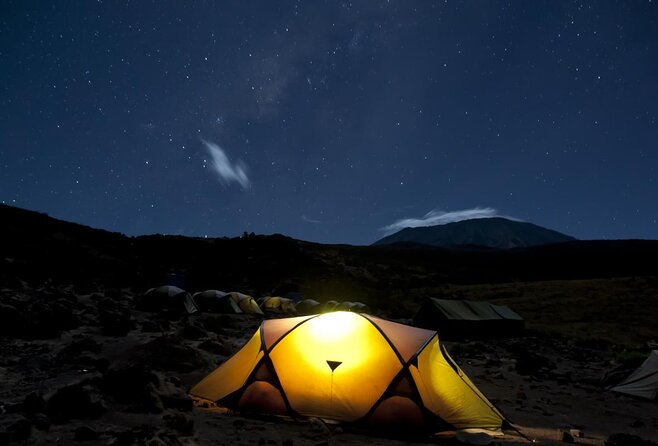
- Strong crew support includes guides, porters, and cooks, plus equipment and tents for camping
- Crowds are a tradeoff, since Machame is a top choice for many people
Machame, the Whiskey Route, and who it fits
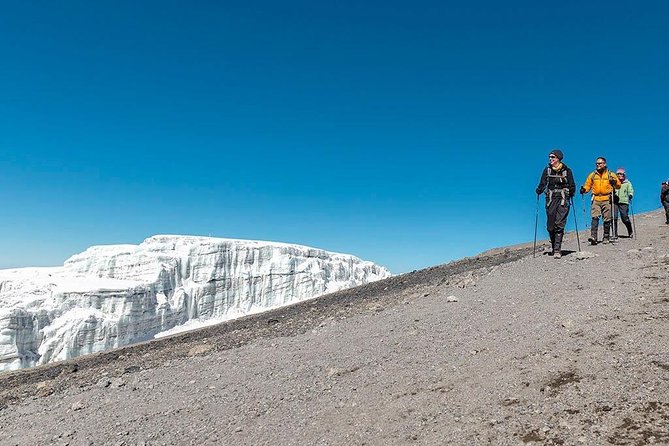
The Machame route is sometimes called the Whiskey route, and that nickname matches the vibe: it is not a gentle stroll. The days are longer and steeper, and the trail profile is built for people who are comfortable hiking with a pack (even if porters help with a lot of the load).
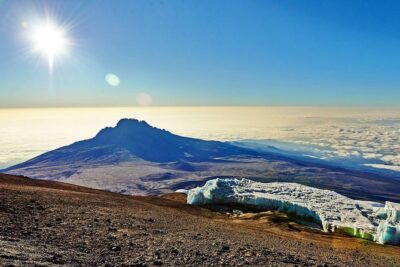
The route starts on the south side, heads east, and travels underneath the southern ice field before you go after the summit. That south-to-southeast shaping of the climb is part of why the scenery feels varied. You are not just walking upward in a straight line. You are changing terrain and view angles as you go.
You should consider Machame if you have some hiking or backpacking experience. Travelers can manage it with good preparation, but the mountain will not hand you an easy day. If you are newer to hiking, plan extra training time first, and be honest about your stamina.
More Kilimanjaro climbs:
- 7 Days Kilimanjaro via Machame route affordable price
★ 5.0 · 110 reviews - Kilimanjaro Airport taxi to/from Moshi town/Arusha town
★ 5.0 · 60 reviews - 6 Days Climbing Mount Kilimanjaro Machame Route
★ 5.0 · 40 reviews
Price and what $2,530 buys you on Kilimanjaro
At $2,530 per person, the headline cost can feel high until you look at what is covered. This is not just a guide and a trail. It includes:
- All fees and taxes, plus the core climb costs handled by the operator
- Hotel the night before and the night after your climb, with dinner and breakfast included
- Return transfers tied to the airport to Moshi and Moshi back to the airport
- A full mountain team: qualified mountain guide, assistant guides, porters, and a cook
- Camping equipment like tents, camp chairs, tables, and sleeping mattress
- Daily water for drinking, plus hot water for washing up
- Meals across the trip: breakfast (6), lunch (7), dinner (6)
- Emergency oxygen for emergencies only, plus a basic first aid kit
What this means for you is simple. You are paying for fewer unknowns. Your biggest tasks become showing up fit enough and making smart decisions about pace and rest. You still bring personal items, snacks, and any optional gear like the portable toilet, but the core mountain support is there.
Moshi to Machame Gate: how the start sets your day
Your climb begins from Moshi, with a drive to the Machame Gate that takes about 45 minutes. You also get hotel nights built in, so you are not scrambling for sleep right before you start walking.
The Day 1 walk starts at lower elevation and goes into rain forest. That is important because the lower trail can be muddy and slippery. This is where I’d treat your gear choices as a safety plan, not just comfort.
If you have gaiters and trekking poles, this is the day to use them. The trail is a winding ridge path, and footing matters when the ground is wet and the climb is still early. Also, keep in mind you will be moving for around 5 to 6 hours on Day 1, with elevation stepping you from about 1830m to 3050m.
Day 1: Machame Gate to Machame Camp through wet rain forest
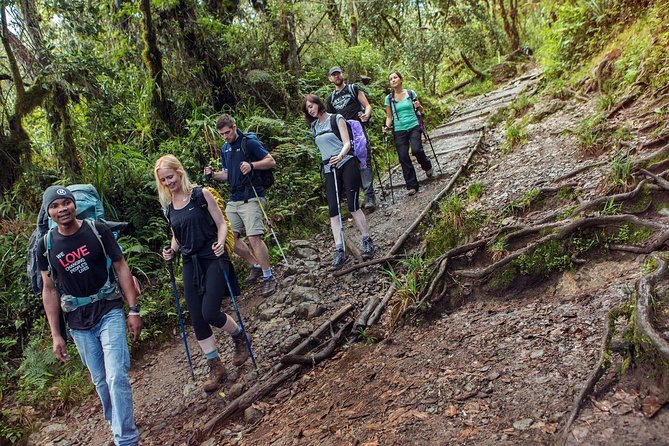
This first day is about getting your legs working while the mountain is still offering you something close to forgiving footing. You start with a drive and then head into the rain forest on a winding trail up a ridge.
The key detail is the mud. Lower-elevation Kilimanjaro days can be slippery, and you are not only fighting steepness. You are also fighting uneven ground. That is why gaiters and poles are such a practical idea.
You walk about 11 km, with roughly 5 to 6 hours on your feet. The payoff is reaching Machame Camp at around 3050m. It is a first camp rhythm check: can you eat, hydrate, and settle in without getting frantic?
You should go into camp thinking like a climber, not like a tourist. Warm up. Drink water. Get a handle on your layering. Then sleep, because tomorrow is where the altitude starts to feel more serious.
A few more Kilimanjaro trips to compare
- Great Migration Safari In Tanzania
★ 5.0 · 71 reviews - 6 Days Tanzania Classic Safari
★ 5.0 · 52 reviews - 8 Days Kilimanjaro Hike via Lemosho Route
★ 5.0 · 39 reviews - 7-Day Machame Route Kilimajaro
★ 5.0 · 28 reviews
Day 2: Shira campsite, rocky ridges, and first real acclimatization work
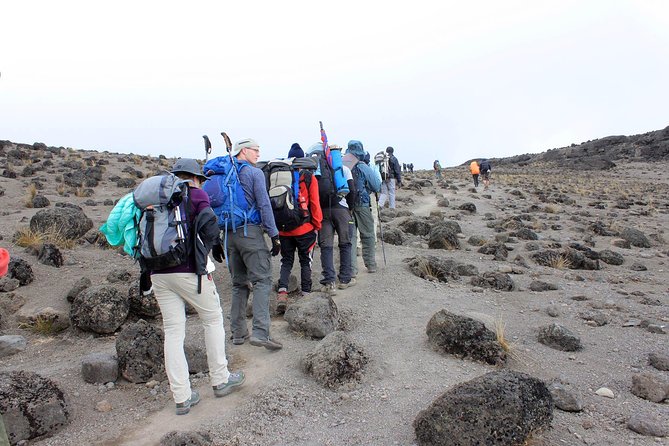
Day 2 pushes you from rain forest glades into more exposed climbing. After breakfast, you move onto an ascending path and cross a valley over a steep, rocky ridge. Then the route turns west into a river gorge before arriving at Shira campsite.
Even though this day is shorter in distance, it is still strenuous. You are walking about 5 km for 4 to 5 hours, climbing from around 3050m to 3850m.
This is a classic acclimatization setup day. Your body is learning what it feels like to work harder while oxygen is thinner. I like the way this day is paced because it is not trying to be heroic all the way up. It sets you up for the next day’s terrain shift toward the volcanic features.
A practical takeaway: keep your effort smooth. If you rush, your breathing spikes and your body pays for it later. On Kilimanjaro, steady is a strategy.
Day 3: Lava Tower, the Shark’s Tooth area, and the turn down to Barranco
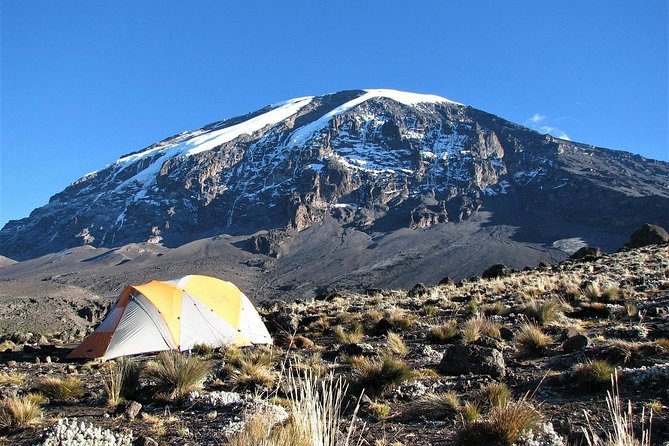
Day 3 starts from the Shira Plateau, and the climb is more dramatic. You continue up an eastward ridge, and you pass a junction that connects toward Kibo. Then the route shifts to south east toward Lava Tower, a standout point often called the Shark’s Tooth at about 4650m.
Right after, you hit another junction for Arrow Glacier before continuing onward. The day ends by descending to Barranco Camp.
What I find smart about this day is the structure. You do high, interesting terrain moves and then you step down. You still gain altitude during the day, but ending near camp around roughly the same elevation you started helps your acclimatization. You get acclimatization without turning the day into a single all-day grind.
You walk about 10 km over 5 to 6 hours. From the route description, this day is about both scenery and oxygen management. It is also a confidence builder. Once you have done Lava Tower and Arrow Glacier junction terrain, the next sections feel more “connected” rather than random.
Day 4: Barranco Wall to Karanga Valley, the steep ridge day
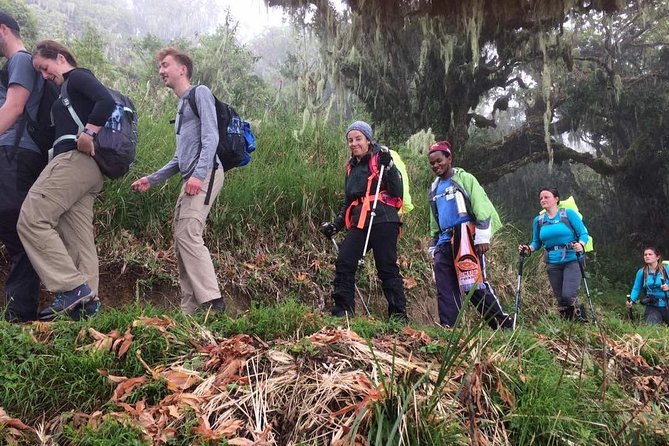
From Barranco, Day 4 is a steep ridge story. After breakfast, you leave Barranco and head up the Barranco Wall. Then the trail links you toward the Karanga Valley, where you reach a junction that connects with the Mweka Trail.
The elevation moves from about 4000m to 4050m and the distance is around 5 km, with 3 to 4 hours of hiking. The shorter time can fool you. A steep ridge still taxes you, especially at altitude.
This day is a hinge. It is not just “another camp day.” It is where the climb starts leaning into the South Circuit approach that sets you up for Barafu.
Gear tip: if your poles helped yesterday, keep using them. If they didn’t, try adjusting their height. Small changes improve stability a lot when the slope gets sharper.
Day 5: Barafu Camp and the South Circuit summit staging
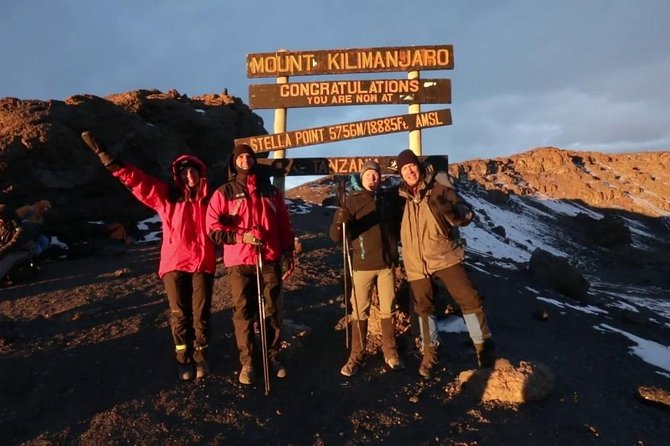
Day 5 takes you up to Barafu Camp. You complete the South Circuit and get views of the summit from multiple angles along the way. That matters because it gives you perspective. You can see what you are working toward, even if you are still not near it.
You hike about 4 km for 3 to 4 hours, climbing from roughly 4050m to 4700m. Then you make camp, rest, eat dinner, and prepare for summit night.
I like Barafu as a staging point because it is a clear transition from hiking day to strategy day. This is where sleep quality, hydration, and food choices matter. When you are preparing for a midnight start, you want your body ready, not stressed.
Also, this is where you should double-check layers. Summit conditions can be cold enough that you want both rain protection and warm clothing within reach, not buried in the bottom of your kit.
Day 6: Midnight start, heavy scree, and Stella Point sunrise
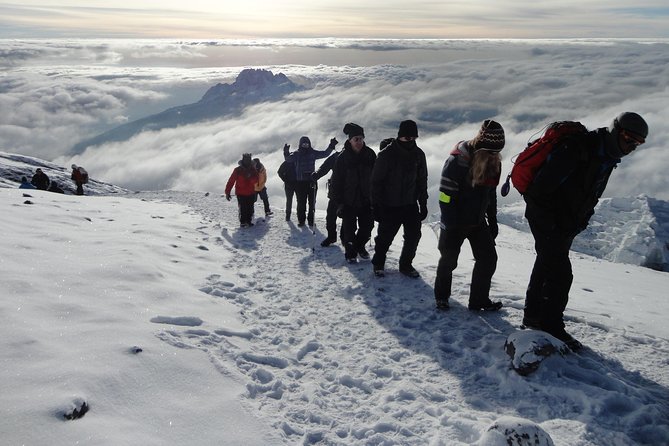
This is the day you plan your mind and body for, not the day you wing. You set out very early, between midnight and 2 am, heading between the Rebmann and Ratzel glaciers. The climb involves heavy scree as you ascend toward Stella Point on the crater rim.
The route pushes northwesterly and, as described, this is the most mentally and physically challenging segment. You might feel like you are climbing forever, mostly because scree slows your rhythm and makes every step a decision.
Stella Point is your key pause. You stop for a short rest and may be rewarded with what the guide team frames as a magnificent sunrise. Faster hikers may view sunrise from the summit, but Stella Point is still the big emotional moment for most people.
From Stella Point, there can be snow all the way through the final ascent, and that final push takes about 1 hour in the route description. You are dealing with cold, fatigue, and thin air all at once.
You should keep your focus tight: one step, steady breathing, and listen to your guide’s pacing advice. This is not the time to prove anything.
Day 7: Descent to Mweka Park Gate, certificates, and muddy lower trails
Day 7 is about coming back down in a controlled way. You descend to Mweka Park Gate after breakfast and receive your summit certificates there. At lower elevations, it can get wet and muddy again, so you will want your gaiters and trekking poles.
From the gate, you continue on another hour to Mweka Village. A vehicle meets you at Mweka Village and drives you back to your hotel in Moshi for about 30 minutes.
You hike around 10 km with roughly 3 to 4 hours on your feet. This is a reminder that the mountain still has work for you even after the summit. The descent can be hard on knees and ankles, and the mud can drain your energy fast.
One smart move: keep your pace calm. You are celebrating at the gate, but your body is still on mountain time.
Guides, chef, and support that makes the climb feel safer
This is where this operator earns serious points. The climb is run by a full team, including porters and a cook, and the guide structure includes a qualified mountain guide plus assistant guides.
In the feedback you can see real appreciation for the people on the ground, with guide names like Alan and Shefii highlighted. The cook, J4, is noted for making excellent food even with tough weather conditions. That is not a small thing. Good food helps you keep strength for acclimatization and summit night.
Another detail I respect: the inclusion of emergency oxygen for emergencies only. It reinforces that the plan is safety-focused, not summit-boost focused. You also get a basic first aid kit.
And there is an operator availability angle. The owner, Wenceslaus Tarimo, is mentioned as responsive by phone and messages while planning and before the climb. On a trip like this, that kind of communication matters because questions keep coming up right until the start.
Crowds on Machame: keeping your magic when trails get busy
Machame is now the most popular route. That means more people on the trail, more camp density, and more waiting at certain segments. Crowds can chip away at the quiet, otherworldly feeling that makes Kilimanjaro special in the first place.
Still, you can protect the experience. Focus on what you control:
- Wake up ready for your walk, so you are not rushing later
- Keep your pace smooth so you are not stuck in the middle of foot traffic
- Treat summit night as your main private moment, even if others are around you
Even with crowds, the Machame profile still has serious variety. Lava Tower terrain, Arrow Glacier junction area, Barranco Wall, Barafu staging, and the Stella Point sunrise moment give you multiple “different” Kilimanjaro feelings rather than one long monotone climb.
Should you book this 7-day Machame climb with Intrepid Explorer Tanzania?
I’d book it if you match the route style: you want the Machame challenge, you can handle steep, longer hiking days, and you want guided, camp-based climbing with most essentials handled.
It is also a strong choice if you value support details. The package includes hotel nights, transfers, camping equipment, daily hot water, and planned meals. That reduces guesswork and lets you focus on pacing and acclimatization.
I would hesitate if you are altitude-skeptical or hiking-new. This is not a walk that rewards “winging it.” Also think carefully about crowds. Machame is popular, and that can affect how quiet the mountain feels.
If you want a serious Kilimanjaro route with strong crew backing and a summit-night moment built around Stella Point sunrise, this is the kind of trip that can fit well.
FAQ
How long is the Kilimanjaro Machame route climb?
It runs for 7 days (approximately).
What is the minimum number of days required for Machame?
The minimum is six days, and seven days is recommended.
Where does the trek start and where does it end?
The experience starts at Machame Gate – Mount Kilimanjaro National Park and ends back at the meeting point.
Is pickup offered?
Yes, pickup is offered.
What transfers are included?
The tour includes return transfers connected to the Kilimanjaro airport and Moshi, and on the final day you are driven from Mweka Village to your hotel in Moshi (about 30 minutes).
Are park fees included?
Yes. The package includes all fees and taxes, and the itinerary notes national park admissions handled throughout the climb.
Is emergency oxygen included?
Yes. Emergency oxygen is included for use in emergencies only, not as summit aid.
What meals are included?
You get breakfast (6), dinner (6), and lunch (7).
Do I need to bring trekking gear?
You should bring personal hiking gear, and the route notes that gaiters and trekking poles are a good idea, especially in mud and slippery sections. Personal gear can be rented, and you may also want rain gear and warmer clothing handy.
Is a portable toilet included?
A portable toilet is optional but highly recommended, and it is listed as not included.
Just posted around Kilimanjaro
- 5 days Serengeti Wildebeest Migration Safari★ 5.0 · 3 reviews
- Mount Kilimanjaro 6 days – Machame route★ 4.0 · 5 reviews
- Lemosho Route★ 5.0 · 21 reviews
- 6 Days Machame Route Kilimanjaro Trekking★ 5.0 · 13 reviews
- Amazing 4 Days Safari 3 Nights: Tarangire, Ngorongoro, Serengeti★ 5.0 · 6 reviews
- 9 Days – Best of Tanzania Safari★ 5.0 · 4 reviews
- Tanzania Safari and Kilimanjaro Climb Multi-Day Experience★ 5.0 · 3 reviews
- 7 Days Cultural and Wildlife Safari★ 5.0 · 5 reviews
Kilimanjaro Climbs, compared.
8-Day Small-group Lemosho Kilimanjaro Summit Trekking
Read our review →
5 Days Best of Tanzania Luxury Safari Northern Circuit
Read our review →
Climbing Kilimanjaro through 7 days Machame Route
Read our review →