
Reviewed · KILIMANJARO CLIMBS
8 Days Kilimanjaro Hike via Lemosho Route
The first day feels like stepping into another world. This 8-day Kilimanjaro climb via the Lemosho route starts on the western side and works around the mountain, moving you from rainforest scenes up toward high ice views. I like how the pacing builds in acclimatization, with big scenery days and a clear plan for the summit push.
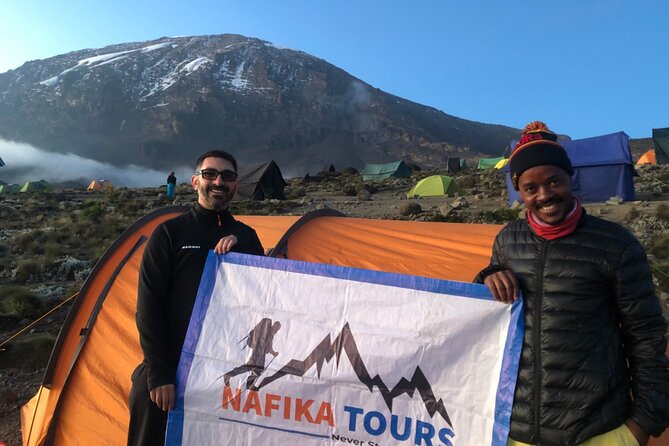
What I love most is the safety-first setup. Nafika guides do regular health checks, and they’re ready to spot and treat altitude sickness, with emergency oxygen and a first aid kit included.
If you’re deciding, here’s one consideration to take seriously: the summit day is intense. You’ll be woken around midnight for a 4 to 5 hour climb to the crater rim, then continue to Uhuru Peak before the long descent.
In This Review
- 5 highlights that make this Lemosho climb worth your attention
- Lemosho’s western approach, from rainforest calm to ice-field drama
- Nafika’s safety-first style: health checks, oxygen, and real support
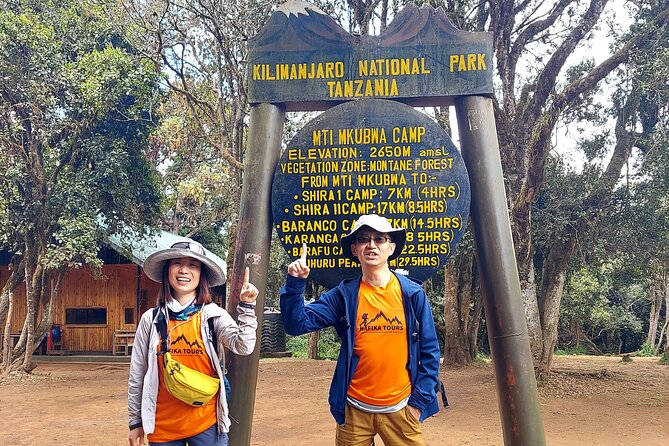
- Entering Kilimanjaro on Day 1: Lemosho Gate to Big Tree Camp
- Shira Plateau acclimatization on Days 2 and 3: Kibo Peak in the clouds
- Lava Tower and Great Barranco Valley on Day 4: where photos fall short
- The Barranco wall moment and the short acclimatization stretch on Day 5
- Day 6 to Barafu Camp: sleep, altitude, and getting ready for midnight
- Summit night to Uhuru Peak on Day 7: Stella Point at sunrise
- Day 8 descent to Mweka Gate: certificates, cold drinks, and warm shower energy
- Price and value: what $2,350 buys, and what it does not
- Packing and pacing advice that fits this specific schedule
- Should you book Nafika’s 8-day Lemosho climb?
- FAQ
- How long is the Kilimanjaro hike on the Lemosho route?
- Where does the tour start and end?
- Is pickup offered?
- Is emergency oxygen provided?
- What camping gear is included?
- Are meals included?
- Is water provided during the trek?
- Is the Kilimanjaro visa included in the price?
- What is the cancellation policy?
5 highlights that make this Lemosho climb worth your attention
- Western-side Lemosho starts at 2,360 m, then circles south for a classic mix of forest, moorland, desert, and alpine zones
- Regular health checks and emergency oxygen are part of the plan, not an afterthought
- Camping gear is included (tents, sleeping pads, sleeping bags), so you can travel lighter
- Small group cap (max 20) means less crowding at camps and viewpoints
- Stella Point to Uhuru Peak is a well-defined summit strategy, with a timed sunrise push
Lemosho’s western approach, from rainforest calm to ice-field drama
The Lemosho route is popular because it’s scenic from start to finish. You begin at Londorossi Gate at about 2,360 metres, on the western side of Kilimanjaro, and then you circle around the mountain to the south. That change in direction matters, because you get changing viewpoints instead of the same view all day.
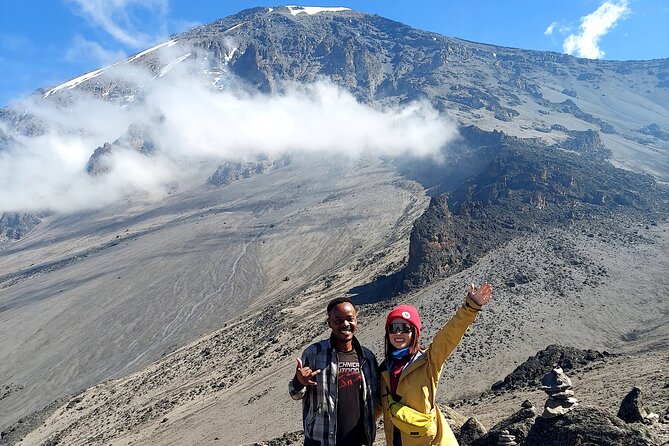
Early on, you’re in the forest zone, hiking through Lemosho glades toward Big Tree Camp. Later, the trail shifts into moorland and volcanic rock formations across the Shira Plateau, then into upland desert and lava ridges. By summit day, it feels like the whole mountain flips into a cold, high-alpine world.
I also appreciate the practical side of Lemosho being described as having lower crowds. Fewer people at camps can mean a calmer atmosphere when you’re trying to sleep, eat, and recover. On Kilimanjaro, recovery is part of the climb, even when your legs feel fine.
More Hiking Trips in Moshi
- 6 Days Machame Route Kilimanjaro Trekking
★ 5.0 · 13 reviews - Private Kilimanjaro Hike 7 Day Lemosho Route
★ 5.0 · 60 reviews - Best Kilimanjaro hiking day trip tour with Kilinge Adventures
★ 4.5 · 54 reviews
Nafika’s safety-first style: health checks, oxygen, and real support
For me, the biggest value in any Kilimanjaro operator is how they handle risk. This one is explicit about keeping you out of harm’s way. Nafika guides perform regular health checks and are ready to detect and treat altitude sickness.
That health focus is not abstract. Their setup includes an emergency oxygen provision and a first aid kit. On summit night, when everything is rushed by necessity (very early wake-up, cold temps, big effort), having medical readiness matters more than having a flashy brochure.
I also like that the group size is capped at 20 travelers max. Smaller groups tend to be easier to manage on steep ground, and it helps guides keep an eye on how everyone is coping.
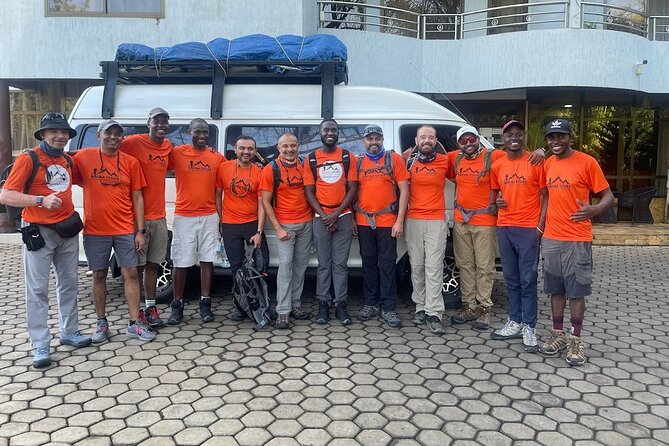
From the feedback they’ve received, guide support seems to go beyond just pacing. Names like Meshakii, Inocent, Musa, Elias, Eli, Diklan, and Abdala show up in client notes as part of the team, and the common thread is attention. People report daily medical checks and a very hands-on vibe around camp life, including help when you need it.
Entering Kilimanjaro on Day 1: Lemosho Gate to Big Tree Camp
Day 1 is all about easing in. After breakfast, you’re picked up around 8:00 am and transferred to Lemosho Gate on Kilimanjaro’s western side. Nafika tours handle the pre-hike formalities once you arrive, which keeps your first morning from turning into a paperwork scavenger hunt.
Then you start walking through the forests of the Lemosho glades. Your first night is at Big Tree Camp. This matters because Day 1 isn’t trying to crush you. You’re building the habit of hiking with a pack, getting used to the rhythm, and letting the altitude start working slowly in your favor.
Drawback to keep in mind: Day 1 may feel gentle, but the move from the gate area still sets up a long week. Even in the early forest zone, sleep can be lighter than normal. Plan for that. Bring what you need to be comfortable at night because the mountain will not care if you had a perfect hotel bed.
Shira Plateau acclimatization on Days 2 and 3: Kibo Peak in the clouds
Days 2 and 3 are where the route starts doing its job: acclimatizing you while giving you jaw-dropping views. On Day 2, you cross a plateau of grassy moorland and heather scattered with volcanic rock formations. You’re hiking toward Shira 1 Camp, with a big payoff: views of Kibo Peak that can appear to float on the clouds.
You also gain altitude steadily. It’s described as fairly steep in parts, but still within reach for people with moderate fitness and a willingness to keep a steady pace. The distance listed for Day 2 is 8.5 km (5.3 miles) over about 5 hours, which is manageable if you avoid rushing.
Day 3 continues across the Shira Plateau. You’ll observe the Northern Ice fields from the western side, along with unusual views of Kibo. Your destination is Shira 2 Camp, followed by a short acclimatization walk and then dinner and sleep under the stars.
Why this is valuable: acclimatization works best when it’s gradual and consistent. By Day 3, you’re not just chasing elevation, you’re giving your body time to adjust. If you’re the type who wants instant results, Kilimanjaro will politely remind you that patience is a training tool.
More Kilimanjaro climbs:
- 7 Days Kilimanjaro via Machame route affordable price
★ 5.0 · 110 reviews - Kilimanjaro Airport taxi to/from Moshi town/Arusha town
★ 5.0 · 60 reviews - 6 Days Climbing Mount Kilimanjaro Machame Route
★ 5.0 · 40 reviews - 7-Day Machame Route Kilimajaro
★ 5.0 · 28 reviews
Lava Tower and Great Barranco Valley on Day 4: where photos fall short
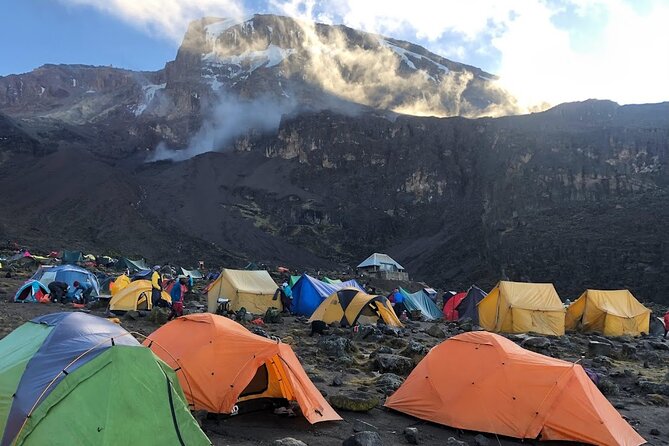
Day 4 is one of the most dramatic days on the climb. You start with an ascent that provides far-reaching panoramic views, then you reach the upland desert zone. From there, you continue on lava ridges beneath the glaciers of the Western Breach.
The big moment is lunch at Lava Tower (4,640 m), the highest point for the day. This is a great stop because it’s not only for views. It also helps you break the day into segments, which keeps your brain from melting during long ascents.
After lunch, you descend to camp in the base of the Great Barranco Valley at about 3,960 m, sheltered by towering cliffs but still offering extensive views of the plains below. The schedule lists 10 km (6.2 miles) and about 7 hours.
Possible drawback: after you’ve built up altitude, the descent can feel steep on tired legs. That’s normal. Use it as a reason to keep your footing careful and your pace steady.
The Barranco wall moment and the short acclimatization stretch on Day 5
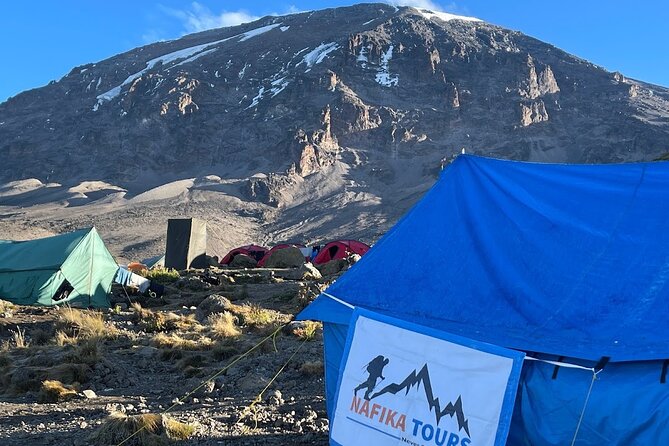
Day 5 focuses on movement that helps acclimatization without adding hours and hours of suffering. After breakfast, you hike toward the Great Barranco wall. Yes, it looks imposing. The good news is it’s described as easier than it looks, which is exactly what you want to hear at that stage.
From there, you pass under the Heim and Kersten glaciers, then head toward the Karanga Valley. Your camp gives a view east, including Mawenzi in the distance.
After a hot lunch at camp, the afternoon is intentionally lighter. Nafika recommends resting, and for strong hikers, there’s an optional mid-afternoon acclimatization trek to around 4,200 m, then back down to camp.
Why that short-day structure matters: it supports your summit push on Day 7. If you force extra effort when you’re already tired, you can pay for it later. This is the day to treat your body like it’s a teammate, not a machine.
Day 6 to Barafu Camp: sleep, altitude, and getting ready for midnight
Day 6 is short but important. You hike to Barafu Camp (4,640 m) after breakfast. The route includes beautiful views of Kibo and Mawenzi, and then you arrive and get lunch.
The plan for the rest of the day is simple: use the quiet afternoon to rest and sleep. Dinner is early, then you’re back in your tent, because alarms are set around midnight to begin the summit climb.
The distance listed is 4 km, about 7 hours of total time on the mountain is not required today, since the trek itself is short. You’re in alpine desert habitat. That habitat detail matters because nights can feel much colder and harsher than you expect when the day starts sunny.
This is also where a lot of people learn a hard truth: your summit success is not just about climbing strength. It’s about showing up rested enough to keep moving steadily when you start shivering and thinking in negative loops. You’re doing real work here, even if it feels like you’re doing nothing.
Summit night to Uhuru Peak on Day 7: Stella Point at sunrise
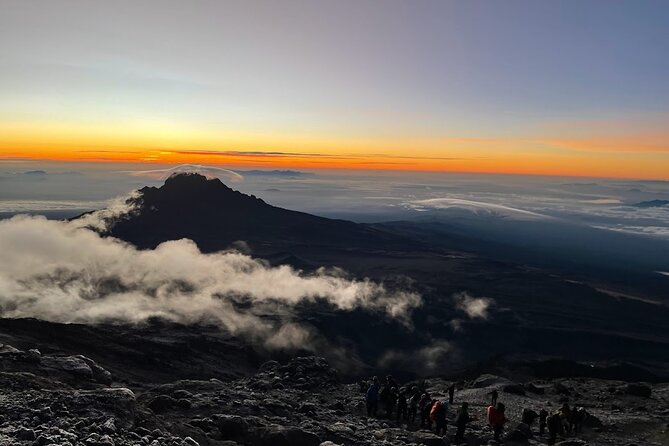
Day 7 is the main event. You’re awoken at midnight with light tea and breakfast, then final preparations and the climb begins. The plan is 4 to 5 hours gaining incredible height over a short distance, with sunrise as the big payoff.
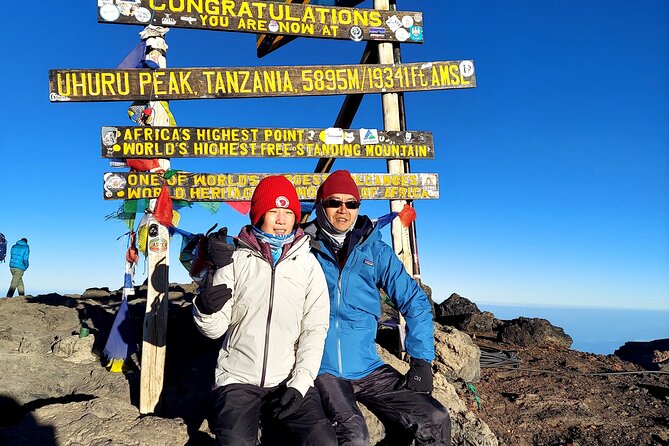
You aim to reach the crater rim at Stella Point (5,756 m) as the first rays hit. Then you continue for about 1 hour to Uhuru Peak (5,895 m). Once you reach Uhuru Peak, you celebrate. Photos are taken, and you admire the views before starting the descent to Barafu Camp for lunch and rest.
The listed duration for Day 7 is 13 hours. That’s a long day in any context, and on Kilimanjaro it can feel longer because your body is operating in cold, thin air.
No sugarcoating: this is hard, even if you feel strong earlier in the week. If you’re deciding whether to take this route, you should go in knowing that Day 7 is the day where most of your energy gets spent. The benefit of Lemosho here is that you’ve built acclimatization support across the earlier days, not skipped straight to the edge.
Day 8 descent to Mweka Gate: certificates, cold drinks, and warm shower energy
After breakfast, the final descent begins. It’s described as a couple of hours walk from Millennium Campsite to Mweka Gate, where you collect your certificates. Then you say goodbye to your mountain guides and enjoy a private car transfer back to your hotel, including a warm shower.
The day still has movement. The distance listed is 14 km, with about 5 hours total time. Habitat on Day 8 is montane forest, which means you’re moving from high altitude toward a more plant-filled environment.
Why Day 8 matters: the descent is where you either feel triumphant or slightly wrecked, depending on how well you looked after yourself on summit day. Even if you summited, keep your steps careful. The knees can complain after a long descent, and you’ll want energy for that cold beverage moment.
Price and value: what $2,350 buys, and what it does not
At $2,350 per person, this climb sits in the mid-to-premium range for Kilimanjaro treks. What makes it feel more reasonable is what’s included.
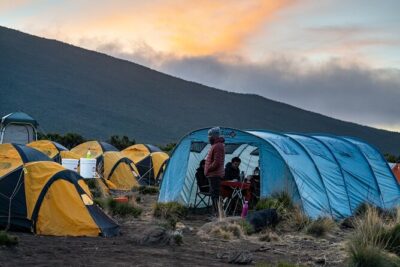
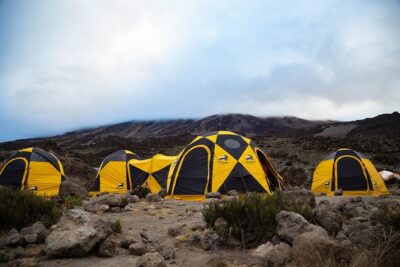
You get all camping equipment, including Mountain Hardware sleeping tents, sleep pads, and sleeping bags, plus table and chairs. You also get professional guides, and the package lists good salary support for mountain crews, porters, and guides. That can matter because it often correlates with how stable operations are, especially on summit nights and in camp logistics.
The included plan also covers private transportation, emergency oxygen, and a first aid kit. Food is included too: breakfast (8), lunch (8), and dinner (7). Treated water is provided through the trek, and there’s 2 nights hotel in Moshi.
What’s not included is the visa (listed as $50). If you’re budgeting, make sure you account for that early. Also note it includes parking fees and provides a mobile ticket.
My honest take on value: if you want fewer worries about equipment, meals, and basic medical readiness, this package reduces the chaos. You still have to bring your own clothing and personal gear, but the heavy parts of running a mountain trek are handled for you.
Packing and pacing advice that fits this specific schedule
This climb runs from roughly 2,360 m at the gate to 5,895 m at Uhuru Peak. That range means cold and wind are real parts of your trip, especially around summit night and high camps.
The tour also asks for moderate physical fitness level, and it runs over about 8 days with a summit day that totals about 13 hours and starts after midnight. Your best strategy is to stay calm and consistent. Follow the pace your guide team sets, because acclimatization relies on controlled effort.
Practical things that will help in this plan:
- Plan for cold at night. Camp sleep can be uncomfortable even when you have a sleeping bag.
- Treat Day 5 as a recovery day, because it directly supports the midnight start on Day 7.
- Expect long walking days even when distances look smaller on paper, especially when altitude slows you down.
Also keep in mind the route includes multiple camp changes and habitat shifts: rainforest early, moorland and plateau midweek, upland desert and alpine desert before the summit push. That means layers matter more than one magic jacket.
Should you book Nafika’s 8-day Lemosho climb?
If you’re aiming for scenery, Lemosho makes sense. The route’s western start, shifting terrain, and planned acclimatization days give you a structured path toward Uhuru Peak. If safety support and guided medical readiness are your top priorities, this operator spells those out clearly, including regular health checks and emergency oxygen.
This is also a good fit if you like the idea of smaller group logistics (max 20). You’ll spend less time stuck in lines, and it’s easier for your guide team to watch how everyone is doing.
I’d only hesitate if you know you struggle with summit-night intensity. Day 7 is a long, cold effort that starts around midnight and includes time from Stella Point to Uhuru Peak. Even with a great route, altitude doesn’t care about nerves. If you’re honest about your fitness and willing to move at a steady pace, booking this climb is a strong choice.
FAQ
How long is the Kilimanjaro hike on the Lemosho route?
The hike is about 8 days.
Where does the tour start and end?
The tour starts at Kilimanjaro International Airport (Kilimanjaro Airport Rd, Tanzania). After the trek and certificate collection at Mweka Gate, you return by private car to your hotel.
Is pickup offered?
Yes. Pickup is offered, and Day 1 includes pickup at your hotel around 8:00 am for the transfer to Lemosho Gate.
Is emergency oxygen provided?
Yes. Emergency oxygen and a first aid kit are included.
What camping gear is included?
You’re provided with all camping equipment, including Mountain Hardware sleeping tents, sleep pads, and sleeping bags, plus table and chairs.
Are meals included?
Yes. The package includes breakfast (8), lunch (8), and dinner (7).
Is water provided during the trek?
Yes. The trek includes treated water.
Is the Kilimanjaro visa included in the price?
No. The visa is listed as $50 and is not included.
What is the cancellation policy?
Free cancellation is available up to 24 hours in advance for a full refund. If you cancel less than 24 hours before the start time, the amount paid is not refunded.
More Hiking & Trekking in Kilimanjaro
- 8-Day Small-group Lemosho Kilimanjaro Summit Trekking
★ 5.0 · 186 reviews - Mountain Kilimanjaro Day Hike
★ 5.0 · 102 reviews - Private Full Day Hiking Experience to Marangu Route
★ 5.0 · 61 reviews - 4 Days Mount Meru Trekking
★ 5.0 · 55 reviews
Just posted around Kilimanjaro
- 5 days Serengeti Wildebeest Migration Safari★ 5.0 · 3 reviews
- Mount Kilimanjaro 6 days – Machame route★ 4.0 · 5 reviews
- Lemosho Route★ 5.0 · 21 reviews
- 6 Days Machame Route Kilimanjaro Trekking★ 5.0 · 13 reviews
- Mount Kilimanjaro 7 Days – Machame Route★ 5.0 · 5 reviews
- Amazing 4 Days Safari 3 Nights: Tarangire, Ngorongoro, Serengeti★ 5.0 · 6 reviews
- 9 Days – Best of Tanzania Safari★ 5.0 · 4 reviews
- Tanzania Safari and Kilimanjaro Climb Multi-Day Experience★ 5.0 · 3 reviews
Kilimanjaro Climbs, compared.
8-Day Small-group Lemosho Kilimanjaro Summit Trekking
Read our review →
5 Days Best of Tanzania Luxury Safari Northern Circuit
Read our review →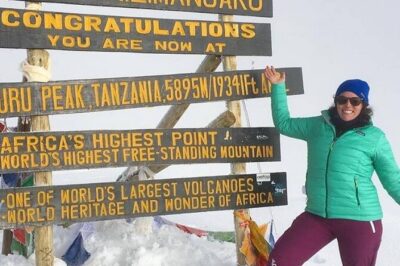
Climbing Kilimanjaro through 7 days Machame Route
Read our review →
Browse the lists this tour appears in