
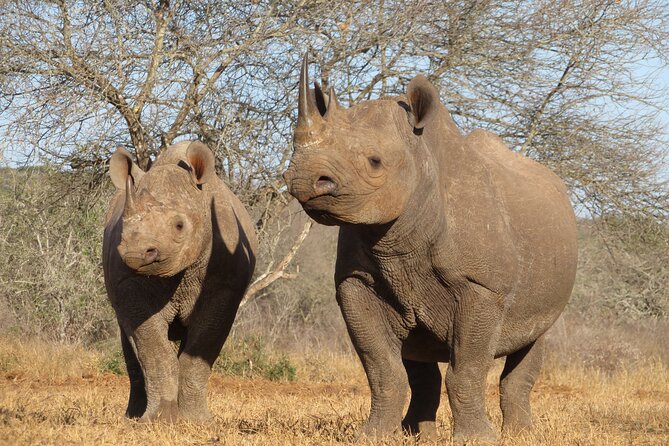
Reviewed · SAFARIS IN MOSHI
6 Days Big Five Tanzania Safari
Some safaris feel like a checklist. This one feels like a route. In just 6 days, you move from Tarangire’s elephant action to the Serengeti’s open-plains spectacle, then down into Ngorongoro Crater’s tight, wildlife-heavy world. You’ll start with an airport meet-up in the Kilimanjaro area, then spend your days on game drives, not on long, slow transfers.
I especially like the way the plan gives you multiple chances at sightings, with two Serengeti days and dedicated morning drives. I also like that the day rhythm includes real breaks and proper meals, with breakfast, lunch, and dinner built into the schedule. If you prefer wildlife plus a little meaning off the road, the Arusha school visit and the SHANGA social enterprise stop add a warm human layer.
One consideration: this is a fast-moving safari. You’re in vehicles for long stretches and it’s mostly about being ready early, not about sleeping in.
In This Review
- Key highlights you should know
- Kilimanjaro Airport to Arusha: Getting your bearings fast
- Tarangire National Park: Elephants, water, and the game-of-chance predators
- Serengeti Day One: Classic savanna, big numbers, and two game-drive slots
- Serengeti Day Two and the Kopjes: The long highlight day
- Ngorongoro Crater: Down more than 600 meters, then scan the ecosystem
- Arusha on the last day: School visit, coffee lunch, SHANGA stop
- The guides here matter, and you’ll feel it in the spotting
- Price and value: What $2,858 per person is really buying
- Where this itinerary can feel rushed (and how to make it work)
- Who should book this safari, and who should rethink it
- Should you book this 6 Days Big Five Tanzania Safari Adventure?
- FAQ
- Where does the safari start and end?
- Are airport transfers included?
- Which parks are included in the 6 days?
- What meals are included?
- Are park admission fees included?
- Is the tour private?
- What is the cancellation window for a refund?
Key highlights you should know
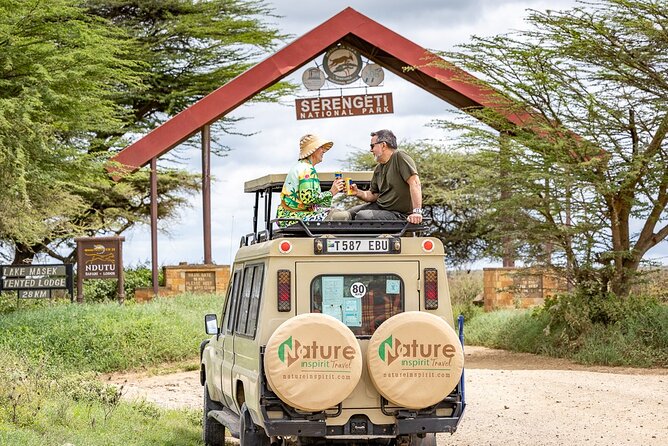
- Airport-to-safari flow: Meet your driver guide at Kilimanjaro International Airport, then head straight to Arusha and start the safari vibe early.
- Tarangire River system: Game viewing is concentrated around water, so your odds for action tend to improve there.
- Two Serengeti days: One day focused on the classic savanna, one longer day timed for big-picture wildlife and the chance of a balloon safari.
- Ngorongoro Crater descent: You go down more than 600 meters to a self-contained ecosystem, including Lake Magadi for flamingos.
- Human stops in Arusha: A school visit plus SHANGA (handmade items made by people with disabilities) turns the last day into more than a transfer day.
Kilimanjaro Airport to Arusha: Getting your bearings fast
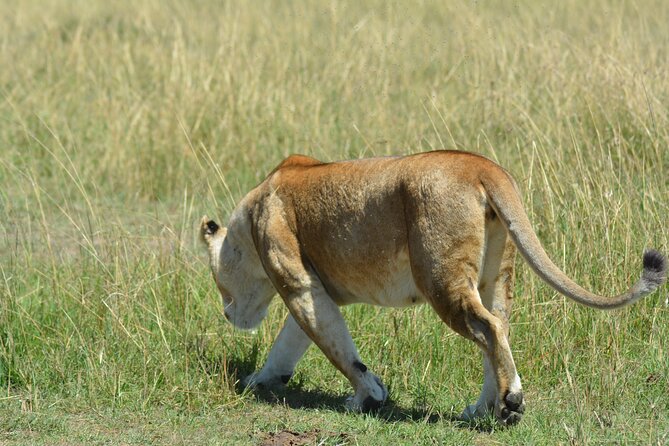
Your safari starts at Kilimanjaro International Airport, where your driver guide meets you and transfers you to your first hotel in Arusha. The itinerary explicitly gives you time on the road for learning, including the option to stop the car if you spot something interesting and want to know more.
This first day matters more than it sounds. You’re not just being driven somewhere, you’re getting oriented. Arusha is also a practical staging point for Northern Tanzania parks, so you’re not spending extra time trying to figure out logistics while you’re still fresh from travel.
One small thing I’d keep in mind: the day is built for a smooth check-in and dinner, not late-night adventures. If you’re the type who hates an early schedule, you’ll want to mentally prepare for an efficient safari pace right away.
More Safaris in Moshi
- Great Migration Safari In Tanzania
★ 5.0 · 71 reviews - 6 Days Tanzania Classic Safari
★ 5.0 · 52 reviews - 4 Days Tanzania Private Safari | Serengeti , Ngorongoro & Tarangire Safari
★ 5.0 · 16 reviews
Tarangire National Park: Elephants, water, and the game-of-chance predators
Tarangire National Park is your first real wildlife focus. After breakfast, you drive to the park with a picnic lunch packed in. Then you spend the morning and afternoon exploring the park on game drives, returning to the lodge for dinner and an overnight.
What makes Tarangire special here is the Tarangire River, described as the main water source that pulls wildlife in. When water concentrates animals, your game-drive time usually feels more efficient, because sightings cluster where life is forced to gather.
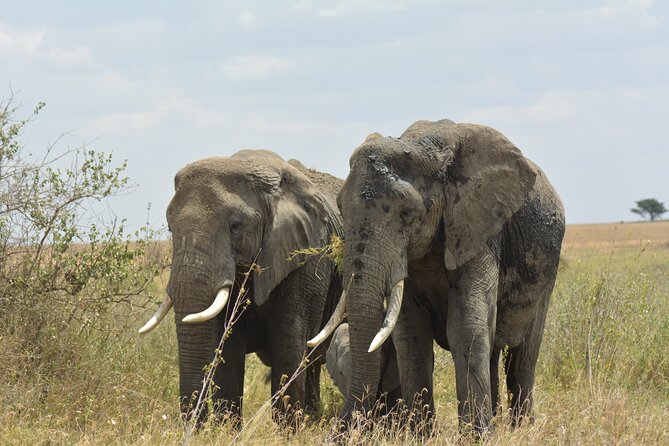
You should expect plenty of the everyday stars too, including giraffes, hippos, buffaloes, zebras, wildebeests, and lions. Even if you’re there for the Big Five idea, Tarangire’s strength is that it’s reliable for big, charismatic animals that show themselves as you scan the plains and river edges.
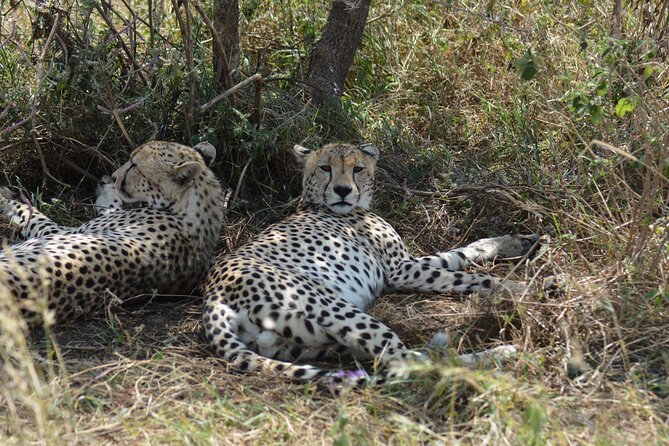
Predators are a realistic wildcard. The plan notes that leopards, cheetahs, and hyenas can appear, but they’re rarer in Tarangire, so sightings of them are truly a game of chance. That’s not a flaw, it’s how Tarangire works, and it helps you avoid the trap of thinking every night ends in a guaranteed leopard sighting.
Serengeti Day One: Classic savanna, big numbers, and two game-drive slots
On day 3 you head to Serengeti with an early start at 7:30, which is exactly how you maximize your daylight for wildlife. The drive includes passing through rainforests in the Ngorongoro Conservation Area, so you get a mini change of scenery before you reach the savanna.
Once you enter Serengeti, the emphasis is on the iconic plains view and the number of ungulates roaming the grassy expanses. Practically, that means you’re scanning for the patterns wildlife creates, not just waiting for one spectacular animal to pop out of nowhere.
The day structure is simple and smart: check in at the camp, have lunch, then go out again for an afternoon game drive. You end back at the camp for dinner and overnight.
If you’re hoping for Big Five action, this is also the logic behind adding a second Serengeti day later. One day in the Serengeti can be amazing, but a second day improves your odds in a place where animals do not follow a timetable.
Serengeti Day Two and the Kopjes: The long highlight day
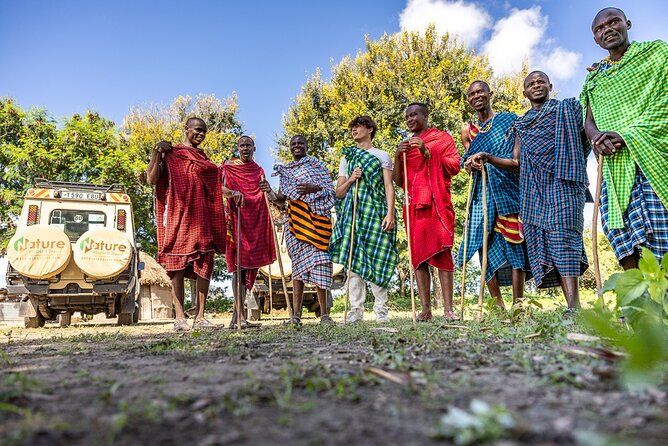
Day 4 is the Serengeti highlight day in this itinerary. After breakfast, you get a longer outing, with early morning game drive and time later in the day to keep exploring. The schedule calls this likely the peak of your stay because the park’s key wildlife and features reveal themselves best when you’re out early.
A standout detail is the mention of the Kopjes, those massive granite boulders rising out of the grass like islands. Kopjes are famous because they provide shelter and create natural viewpoints, so your guide can often work the terrain to your advantage.
You also have an optional balloon safari listed for this day. The plan says it would end with a champagne breakfast in the grasslands. I like that the option is placed here rather than tacked onto a random day, because it fits a longer Serengeti day and keeps the rest of your schedule coherent.
The possible drawback is timing and energy. This is an 8-hour day, and you’re in the wilds, not a comfortable city. If you burn out easily or need lots of downtime, you’ll want to pace your mornings carefully and keep water and sun protection ready.
More safaris from Kilimanjaro:
- 7 Day Grand Tanzania Safari
★ 5.0 · 13 reviews - 6 Days 5 Nights lodge safari Tarangire, Manyara, Serengeti & Ngorongoro Crater
★ 4.5 · 10 reviews - 4 Days Tanzania Luxury Safari Serengeti and Ngorongoro Crater
★ 5.0 · 9 reviews - Tanzania Classic Safari 3 Days / 2 Nights
★ 4.5 · 9 reviews
Ngorongoro Crater: Down more than 600 meters, then scan the ecosystem
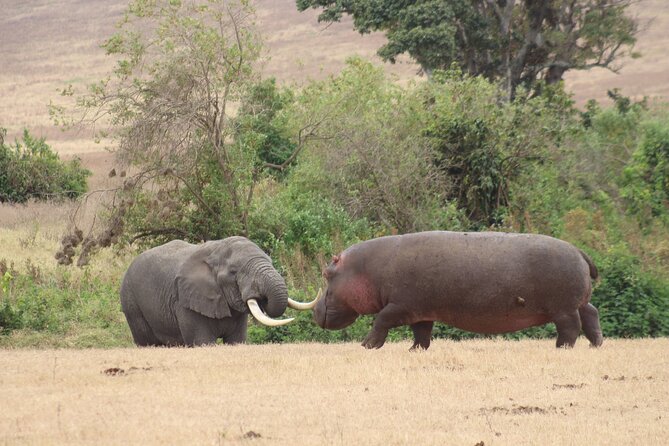
Day 5 takes you to Ngorongoro Crater, and the plan is very clear about what you’re doing there: exploring a self-contained ecosystem. You depart after breakfast with a picnic lunch, then descend into the crater area, with the itinerary noting a drop of more than 600 meters.
That descent changes the game. Wildlife is concentrated in a smaller space, so the safari feels denser. You’re not just driving through park roads, you’re moving through one natural bowl where animals and water needs overlap.
The list of animals you’ll look for is extensive, including black rhinos, lions, buffaloes, elephants, gazelles, warthogs, hippos, zebras, waterbucks, hyenas, jackals, and even large flocks of flamingos at Lake Magadi. The crater is one of the places where you can have the feeling that the animals are everywhere, even if they still keep their distance.
Lunch is included at a picnic site inside the park. It’s a practical touch because it keeps your day from turning into a rush to find food somewhere at the edges.
One realistic thing to remember: seeing certain animals is never guaranteed. The crater can deliver amazing sightings, but you’re still working with wildlife behavior.
Arusha on the last day: School visit, coffee lunch, SHANGA stop
Day 6 is your Arusha return day, and it’s built to be more than a last transfer. After breakfast, you drive back to Arusha and stop along the way for a school visit. The itinerary specifically frames this as time with teachers and children, learning about education in Tanzania.
Then you’ll have lunch at Arusha Coffee lodge. The name is a hint at the vibe, a sit-down break where you can reset after the driving days.
After lunch, there’s an optional cultural and impact stop: SHANGA Tour. This is a social enterprise that employs people with disabilities to create handmade jewelry, glassware, and homewares using recycled materials. The products are sold locally and internationally, and profits are reinvested back into the work.
I like including this in a safari itinerary. It reminds you that Tanzania is not only wildlife, it’s communities and livelihoods. It also gives you something concrete to remember besides photos.
The guides here matter, and you’ll feel it in the spotting
This safari lives or dies on guide skill. The information you’re given about this tour says you’ll have a highly experienced safari guide, and the reviews attached to the operator reinforce that guides can make a real difference in what you see and how you enjoy the day.
Names that show up from past experiences include Selly, Grace, Baby G, and guides such as Elikana/Elikano. Across comments, a common thread is patience and a strong knowledge of where to drive and what to look for. One review specifically praised a guide for knowing the roads well and having lots of information, which is exactly what you want in parks where the right turn can make the difference between a boring stretch and a memorable encounter.
Also note the emphasis on safe, close viewing from the vehicle. You’re in a safari vehicle, not trekking through the bush on your own, and that keeps the experience focused on wildlife viewing rather than risky wandering.
Price and value: What $2,858 per person is really buying
At $2,858 per person for about 6 days, this price is best understood as a package, not as a set of separate activities you could piece together easily yourself.
What’s included goes beyond the guide and game drives. The itinerary includes arrival and departure transfers, and it lists all fees and taxes as covered. Meals are also built in: breakfast is included for 5 mornings, lunch for 5 days, and dinner for 6 days, meaning you’re not budgeting for meals during most of your park time.
Park admission is also partly covered in the schedule notes, with Tarangire and Serengeti days showing admission ticket free, and Ngorongoro crater showing admission ticket included. So your money is concentrated on park access and time inside the ecosystems.
What’s not included is also important. International flights are not included, and tips and gratuities are not included. If you’re the type who likes to tip based on satisfaction, this is a good reminder to set aside some cash before you arrive.
Is it good value? For many people, yes, because you’re getting a tight Northern Circuit style safari within a short time window, plus the Arusha cultural stops, with logistics handled for you.
Where this itinerary can feel rushed (and how to make it work)
This is not a slow “live like a local” safari. It’s a structured, efficient circuit with early starts and long driving days, which is the tradeoff for seeing multiple major parks in only 6 days.
Here’s what to watch for, practically:
- Energy management: Two Serengeti days plus an Ngorongoro descent day means you’ll be tired. Plan to sleep when you can.
- Vehicle time: Game drives are time inside a vehicle, which is part of the fun, but it can be uncomfortable if you’re not prepared.
- Wildlife uncertainty: Predators and specific animals can be luck-based in certain parks. The plan even calls this out for leopards, cheetahs, and hyenas in Tarangire.
The upside is that you’re not banking the entire safari on one location. If one day feels quieter, another day in Serengeti or Tarangire can pick up the pace.
Who should book this safari, and who should rethink it
I think this tour fits best if you:
- Want a classic Northern Tanzania wildlife circuit without adding extra travel weeks
- Prefer guided game drives with experienced local hosting
- Like the idea of seeing Serengeti and Ngorongoro in a short window
- Appreciate that day 6 includes a school visit and SHANGA stop, not just airport drop-off
I’d reconsider if you:
- Need lots of downtime and dislike early mornings
- Get anxious with a tight schedule
- Want a safari where every animal is guaranteed. No safari works like that, and even this plan points out that some predator sightings are chance-based
Should you book this 6 Days Big Five Tanzania Safari Adventure?
If you want a well-paced, guided shot at some of Tanzania’s most famous ecosystems, this is a strong choice. The combination of Tarangire, two Serengeti days, and a crater day gives you multiple ways to experience wildlife density and variety, and the Arusha day adds warmth beyond the savanna.
My final advice is simple: if this is your first Tanzania safari, the structure is a gift. You’ll learn the rhythm fast, and you’ll see enough variation to know what kind of safari you want next time.
If you’re the kind of traveler who can handle early starts and wants photos plus real wildlife encounters, book it. If you’re craving a totally relaxed pace, look for a shorter or less packed itinerary.
FAQ
Where does the safari start and end?
It starts at Kilimanjaro International Airport, and it ends back at the meeting point.
Are airport transfers included?
Yes. Arrival and departure transfers are included, and the tour notes that pickup is offered.
Which parks are included in the 6 days?
The safari includes Tarangire National Park, Serengeti National Park, and Ngorongoro Crater, plus time in Arusha with a school visit and a SHANGA tour.
What meals are included?
Breakfast is included for 5 days, lunch is included for 5 days, and dinner is included for 6 days.
Are park admission fees included?
The schedule notes admission ticket free for Tarangire and Serengeti days, and admission ticket included for the Ngorongoro Crater day.
Is the tour private?
Yes, it is a private tour/activity, meaning only your group participates.
What is the cancellation window for a refund?
You can cancel up to 6 days in advance for a full refund, cancel 2 to 6 days before for a 50% refund, and you get no refund for cancellations within 2 days of the start time.
Just posted around Kilimanjaro
- 5 days Serengeti Wildebeest Migration Safari★ 5.0 · 3 reviews
- Mount Kilimanjaro 6 days – Machame route★ 4.0 · 5 reviews
- Lemosho Route★ 5.0 · 21 reviews
- 6 Days Machame Route Kilimanjaro Trekking★ 5.0 · 13 reviews
- Mount Kilimanjaro 7 Days – Machame Route★ 5.0 · 5 reviews
- Amazing 4 Days Safari 3 Nights: Tarangire, Ngorongoro, Serengeti★ 5.0 · 6 reviews
- 9 Days – Best of Tanzania Safari★ 5.0 · 4 reviews
- Tanzania Safari and Kilimanjaro Climb Multi-Day Experience★ 5.0 · 3 reviews
Safaris in Moshi, compared.
Unforgettable Tanzania Safari And Zanzibar Beach
Read our review →
7-Day Magical Tanzania Safari -Premium High End Package
Read our review →
Browse the lists this tour appears in