
Reviewed · EVENING EXPERIENCES
6 Days 5 Night Safari
Lake Manyara into Ngorongoro, in six days, is a lot of magic. This Moshi safari stacks big-hitting Tanzania highlights: Lake Manyara National Park, Serengeti National Park, Olduvai Gorge, and Ngorongoro Crater, plus a final day focused on birding and game around the Tarangire River area. I love that the route is built around real wildlife moments, not just check-the-box scenery, and I also love the value side: all entrance fees and full-board meals are included. The main drawback to consider is that you are moving between parks for most of the week, so it is not the trip for you if you want lots of slow, downtime-heavy days.
What makes this itinerary especially interesting is how the animal stories change by location. Lake Manyara can feel like its own world with tree-climbing lions and dense forest edges, while Serengeti is all about the Great Migration energy, and Ngorongoro is about concentrated wildlife in a bowl-shaped landscape. I also like that you travel with an accredited guide on the key park days and you keep a team with you throughout, which helps sightings and makes the long drives feel less random.
The possible consideration is pacing and what you expect from wildlife viewing. Six parks and multiple day drives can mean you see a lot, but sightings are always at the mercy of animal movement and park conditions. If you are hoping for a super-lazy safari where you stay in one lodge and do a single short drive each day, you may find this route too full.
In This Review
- Quick Hits: What You’ll Notice on This 6-Day Safari
- Moshi Start: Rift Valley Views, Pickup, and a Guided Day One
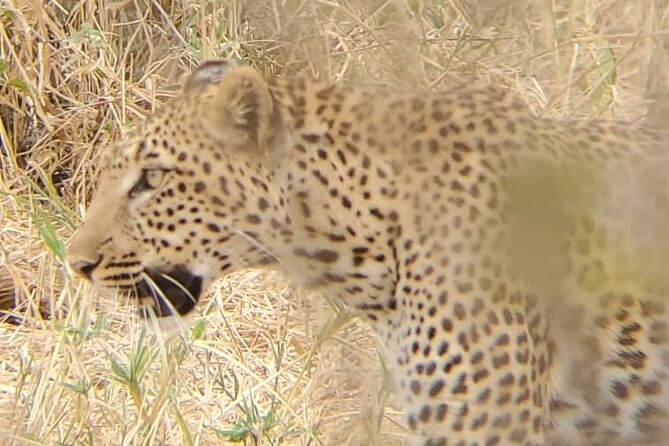
- Lake Manyara National Park: Tree-Climbing Lions and Forest Edges
- Serengeti National Park: Tracking the Great Migration Story
- Olduvai Gorge and Ngorongoro Crater: From Human Origins to a Wildlife Bowl
- Ngorongoro Crater Big Five Day: What the Numbers Mean for You
- Final Day Birding by the Tarangire River: Dry Season Logic
- Price and Value: What $2,772 Gets You in Real Safari Terms
- Guides and Drivers: The Human Factor That Reviews Keep Pointing At
- What to Pack and How to Get More From Each Day
- Should You Book This Moshi Safari?
- FAQ
- What parks and sights does this safari include?
- Where is the meeting point?
- What is included in the tour price?
- What is not included?
- Is a vegetarian option available?
- What is the maximum group size?
- FAQ
- What is the refund timeline if I need to cancel?
Quick Hits: What You’ll Notice on This 6-Day Safari
- Tree-climbing lions at Lake Manyara: a signature Tanzania behavior you plan around with a guide
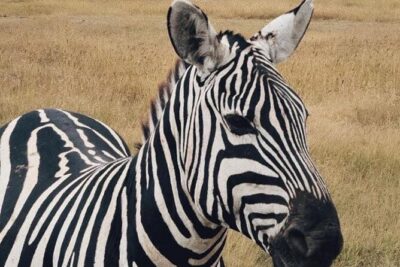
- Serengeti Migration focus: wildebeest and zebra movement is part of the story you track
- Olduvai Gorge stop: the Cradle of Mankind theme adds meaning beyond wildlife
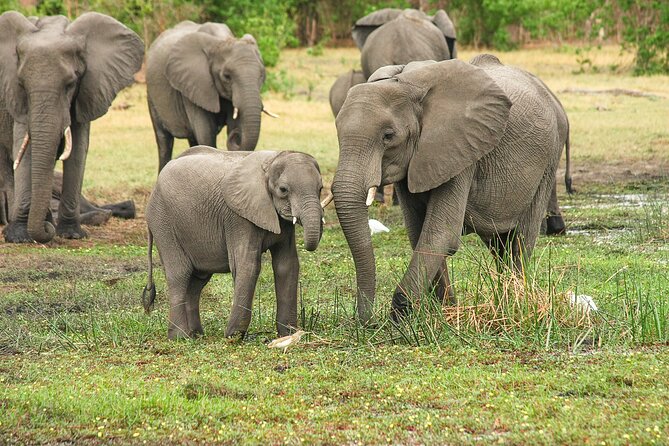
- Ngorongoro Crater as a wildlife funnel: it is described as the largest intact caldera, and the day is built for Big Five chances
- Maximum 12 travelers: small-group feel, easier for guides to manage and for you to ask questions
- Photography-friendly guiding: multiple reviews mention drivers working hard for better angles
Moshi Start: Rift Valley Views, Pickup, and a Guided Day One
This safari starts in the Moshi area, with the meeting point set at Kilimanjaro Airport. Day one is mostly about getting safely to your first stop, with the driver walking you through the scenery and explaining wildlife you might spot along the way. That matters more than you might think. When you first arrive, your brain is still trying to map the region, so any quick “here’s what you are seeing” guidance helps you stop feeling like you are just watching from a distance.
You are also traveling with a team that handles the logistics of moving you from place to place. Transportation with a driver-guide is included, and the tour lists pickup as offered. At the same time, transfer to and from the airport is listed as not included, so double-check how your arrival timing lines up with the meeting point. In real-world terms, you can expect the safari to begin at the airport meet, then the safari-side driving starts from there.
The trip is designed for small groups, with a maximum of 12 travelers. That is a sweet spot for a safari. Large groups can feel slow and spaced out. Smaller groups can mean more flexible spotting, better communication, and more time to follow the guide’s instructions without feeling like you are constantly catching up.
More Safaris in Moshi
- Safari Serengeti And Ngorongoro
★ 5.0 · 288 reviews - Big Five Safari In Tanzania
★ 5.0 · 99 reviews - Unforgettable Tanzania Safari And Zanzibar Beach
★ 5.0 · 97 reviews
Lake Manyara National Park: Tree-Climbing Lions and Forest Edges
Lake Manyara is famous for a specific kind of drama: lions that climb trees. The day in the park is led by an accredited guide, and the guide is set up to explain what you will see at each “level.” That phrasing matters. Lake Manyara is not one flat viewing zone. You have water edges, forest edges, and escarpment views that change your sight lines quickly, so guidance helps you read the habitat instead of just scanning randomly.
This is also where the wildlife variety feels personal. The park setting described includes monkeys moving through the tall trees of the ground water forest, and elephants standing in the shade on the escarpment. That combination makes Lake Manyara feel like a layered ecosystem, not just one big animal field.
What I like about how this day is structured is that it is built around a behavior cue. If you show up without that context, you might not realize what to look for. With the guide in charge, you are more likely to understand why you are sitting where you are sitting, and why the guide may shift you position if the animals move.
One practical consideration: tree-based lion sightings are unpredictable by nature. If lions are active in the branches, you get the thrill. If the day’s action is elsewhere, you still get solid wildlife viewing, but the “tree-climbing” element is never guaranteed. The benefit of having an accredited guide is that they know how to search and how to interpret movement patterns in the park.
Serengeti National Park: Tracking the Great Migration Story
Serengeti is the headline for a reason. On Day three, you are accompanied by a professional, accredited guide. The key idea for this day is the annual migration storyline: wildebeest and zebra moving north from the southern plains toward new pasture. Even if you are not mapping herd routes in your head, the guide’s job is to help you understand what the movement means, why herds bunch up, and how predators respond.
The Serengeti day is often the one where your expectations either snap into focus or feel too broad. The best way to keep it rewarding is to treat it like a moving puzzle. The animals you see are not just random sightings. They are part of a system responding to grazing and water.
This is also where a guide can make the “so many animals” feeling actually manageable. Multiple reviews mention guides and drivers who are attentive and work hard to find animals, and that you can get help with photo angles. That kind of attention is not just about nice service. It keeps your viewing experience efficient, which matters when the day is long and the animals do not wait.
If you are traveling at a time when herds are in motion, you will likely feel the migration energy. The tour description emphasizes the migration direction and the pasture hunt, which is a strong clue that the day’s viewing plan is not random. It is aimed at where the animals are likely to be when the story is happening.
Olduvai Gorge and Ngorongoro Crater: From Human Origins to a Wildlife Bowl
Day four turns the volume up in two directions: meaning and wildlife intensity. You pass via Oldupai Gorge (often spelled Olduvai in other references) and you get a chance to see the Cradle of Mankind idea. The tour frames it as the site believed to be connected to the first human beings to walk the Earth. Whether you are a museum person or not, this stop adds context to the region. It helps you see the safari as more than animals. It becomes a place where human history and Earth history overlap.
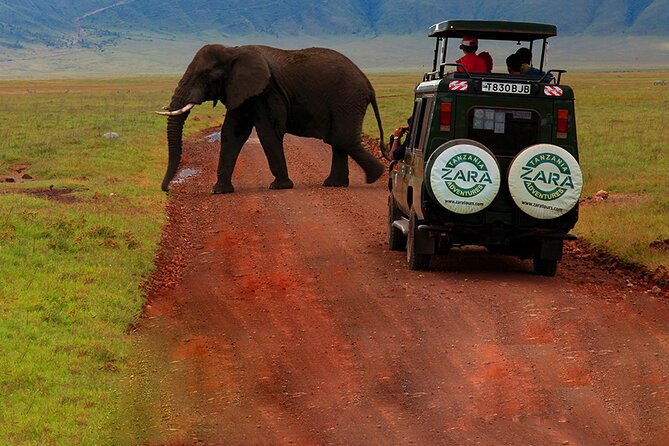
Then you roll into Ngorongoro Crater. The tour calls it the largest intact caldera in the world. It also notes the idea that before eruption it could have been higher than Mt. Kilimanjaro. That scale detail helps you understand why Ngorongoro works so well for wildlife viewing. In practical terms, a huge bowl-like caldera concentrates movement, and the animals’ daily needs play out in a confined stage.
Ngorongoro is where the scenery and the animal viewing feed each other. The height and the crater shape make it feel like you are watching a natural amphitheater. And because this day includes guided explanation, you are less likely to just admire the view without understanding what you are looking for.
A consideration for some people is that Ngorongoro days can be visually intense. There is a lot to process. The guide’s role becomes especially useful here, because it helps you translate what you see into a story you can follow.
More safaris from Moshi:
- 8-Day Essence of Tanzania Safari – Luxury
★ 5.0 · 72 reviews - Great Migration Safari In Tanzania
★ 5.0 · 71 reviews - 7-Day Magical Tanzania Safari -Premium High End Package
★ 5.0 · 53 reviews - 4-day Tanzania Safari
★ 5.0 · 53 reviews
Ngorongoro Crater Big Five Day: What the Numbers Mean for You
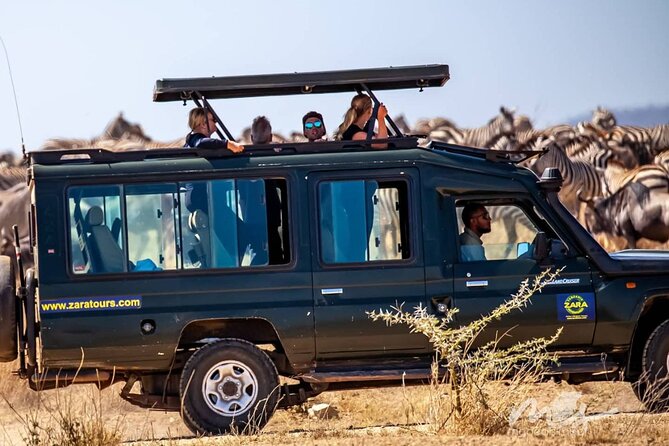
Day five is described as one of the best places because currently, all the African Big Five can be seen in the crater. The list includes black rhinos, elephants, lions, buffalos, and leopards. That is a strong promise, but it is also the kind of statement you should interpret wisely. Big Five viewing in a crater is a matter of timing, positioning, and animal movement. Still, the tour’s emphasis on all five tells you the day is planned for serious wildlife searching.
You are accompanied by a professional guide for the whole trip on this day, and this is where the guide effort really shows. Reviews repeatedly praise drivers who go above and beyond, stop to help, and find animals. One review even highlights that drivers worked to get better shots, which is a polite way of saying they understand how to position the vehicle for angles and sightings.
So for you, what does that mean? It means you should bring patience and a camera, but also take advantage of the team’s ability to do the hard part. Ask questions when you want to learn what you are looking at. When your guide offers repositioning, go with it. In a place like Ngorongoro, a slightly different viewpoint can be the difference between a quick glance and a memorable sighting.
And yes, it can be emotional. Even if you have seen big cats before, the Big Five combination in one day’s focus is a bucket list magnet. The practical win is that you are not doing this alone, you are not guessing, and you are not wasting time driving in circles.
Final Day Birding by the Tarangire River: Dry Season Logic
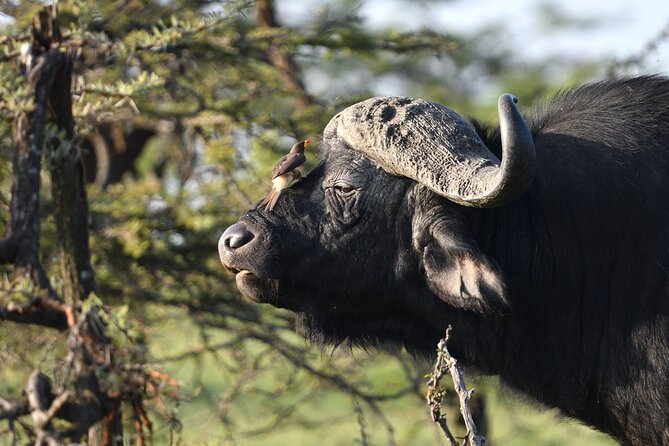
Day six shifts the tone from big cat adrenaline to birding and dry-season wildlife rhythm. The tour calls this a wonderful birding destination and mentions large numbers of game, particularly during the dry season. The key ecological detail is that the Tarangire River is the only source of water.
That sentence tells you how the day is going to feel. If water is limited, animals gather. And if animals gather, birds come into view too, because bird species respond to habitat, food, and the same concentrated conditions. This kind of birding is not just about spotting species on a list. It is about watching behavior and movement around water.
You are accompanied by a professional guide throughout this stretch. That matters because birding without guidance can feel like watching the landscape blur into one big green field. With a guide, you get targeted searching and an explanation of what the birds and animals are doing right now.
A consideration here: dry-season conditions can make the day more intense, especially when heat and sun do their own thing. The tour does not provide details about gear or hydration, so come prepared in your own way. Think sun protection and water habits you are comfortable with, then let the guide lead the wildlife timing.
Price and Value: What $2,772 Gets You in Real Safari Terms
At $2,772 per person for a 6-day, 5-night safari, you should judge the value by what is included, not just by the sticker. This tour includes:
- National park gate fees
- Transportation with a driver-guide
- All camping equipments
- Accommodation full board on a double occupancy basis (listed as lodge safari)
- Breakfast (5), lunch (6), dinner (6)
That is a meaningful bundle. Park entrance fees add up fast in Tanzania, and a safari with multiple parks is not cheap to access. Full board matters too. You are less likely to spend your day hunting for food and snacks between drives, which keeps the schedule realistic.
What is not included is also important:
- Tips for your driver-guide
- Transfer to/from the airport
- Personal expenses
- Visa fees and travel insurance
If you are the type who always budgets tipping and you already have your visa plan and insurance sorted, this can feel like a straightforward value deal. If not, add those costs before you compare it against “cheaper” options that only cover part of the puzzle.
Also note the tour includes a mobile ticket and confirmation at time of booking. That is a small operational detail, but it usually means fewer last-minute surprises when you arrive.
Guides and Drivers: The Human Factor That Reviews Keep Pointing At
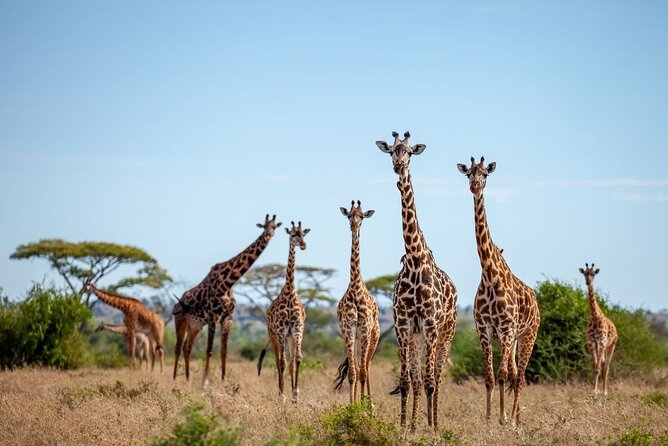
In safari travel, the vehicles and parks matter. But the people running the search matter even more. This tour is run with driver-guide support and professional guides on the main park days, and the reviews show a consistent pattern: the team tries hard to get you good sightings and good viewing angles.
I especially pay attention to reviews that mention drivers going above and beyond for better shots and being friendly, helpful, and willing to stop. That is not just nice behavior. It is a sign that the team is actively engaged, not passive. A driver who knows how to position for angles and a guide who can explain what you are seeing can turn a “we saw animals” day into a “we understood the habitat” day.
You can also look for names that have come up repeatedly in reviews tied to this operator. Guides such as Peter Minja get praised for an unforgettable week, Danny is called out for making the experience memorable, and drivers like Tenga and Arnold are credited with good spots and photo angles. Trip planning support gets credit too, including Zayina as a tour designer who helps make booking smooth. The takeaway for you is simple: this operator clearly assigns real people to help, not just a generic checklist.
What to Pack and How to Get More From Each Day
The tour information here is focused on logistics and route, so you will supply the rest of the experience with your own preparation. Based on what the safari is built around, here are the practical priorities:
- A camera plan: if you care about photos, you will want to be ready for repositioning and for quick action when animals show up
- Sun protection: you are outside in multiple parks, and the final day is tied to river conditions that can feel harsh in the dry season
- Comfort for long drives: you will be moving between Lake Manyara, Serengeti, Olduvai Gorge area, Ngorongoro Crater, and the Tarangire River-focused day
- Your food needs: vegetarian option is available if you advise at booking, so tell them early
If you want to get more from the day, ask your guide what you are looking at, and ask what behavior you should expect next. When you understand why animals are moving, the sightings start to feel like a story instead of random flashes.
Should You Book This Moshi Safari?
Yes, I think this is a strong booking choice if you want a classic Tanzania circuit with a tight focus on major wildlife highlights. The tour is especially appealing if you care about:
- Tree-climbing lions at Lake Manyara
- Serengeti migration as a guiding theme
- Olduvai Gorge for added human and Earth-history context
- Ngorongoro Crater with a clear push for Big Five viewing
- A final day that does birding and dry-season game around the Tarangire River area
I would not choose it if you want a slow, low-movement safari where you stay in one area and keep the schedule relaxed. Six days across multiple regions is a lot of motion. Also, if Big Five viewing is your only goal, keep realistic expectations, even with the crater advantage. Safari wildlife is never fully controlled.
If you like a well-run team, guided explanations, and days that feel full but organized, this one is worth your attention.
FAQ
What parks and sights does this safari include?
You’ll visit Lake Manyara National Park, Serengeti National Park, Oldupai Gorge (Cradle of Mankind), and Ngorongoro Crater. The last day focuses on birding and game around the Tarangire River area.
Where is the meeting point?
The start meeting point is Kilimanjaro Airport, Moshi, Tanzania.
What is included in the tour price?
Included items are national park gate fees, transportation with driver-guide(s), all camping equipment, and full-board accommodation on a double occupancy basis (lodge safari). Meals included are breakfast (5), lunch (6), and dinner (6).
What is not included?
Not included are tips for your driver-guide, transfer to/from the airport, personal expenses, visa fees, and travel insurance.
Is a vegetarian option available?
Yes. Vegetarian options are available if you advise during booking.
What is the maximum group size?
The tour has a maximum of 12 travelers.
FAQ
What is the refund timeline if I need to cancel?
You can cancel up to 6 days in advance for a full refund. If you cancel 2 to 6 full days before the experience starts, you receive a 50% refund. If you cancel less than 2 full days before, the amount paid is not refunded.
Just posted around Moshi
- machame route★ 5.0 · 16 reviews
- Kilimanjaro Climbing Umbwe Route★ 5.0 · 3 reviews
- Wildlife Extravaganza: Manyara, Tarangire & Ngorongoro in 3 Days★ 5.0 · 3 reviews
- Mt Kilimanjaro 6 days Marangu route hike★ 5.0 · 3 reviews
- West Kilimanjaro cycling Adventures★ 4.5 · 8 reviews
- 3 Days Private E-Bike Tour in West Kilimanjaro★ 5.0 · 3 reviews
- Kilimanjaro Climb • Marangu Route ~ 9 Day★ 5.0 · 4 reviews
- Private Cycle to Kilimanjaro Bike Park Safari★ 5.0 · 6 reviews
Evening Experiences, compared.
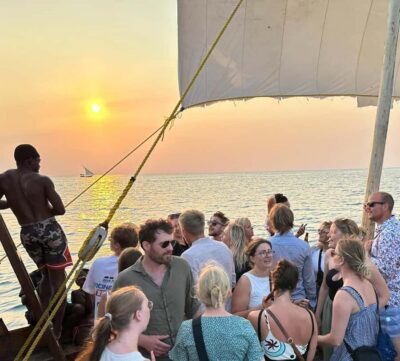
Sunset party cruise in Zanzibar with BoomBoom Boat
Read our review →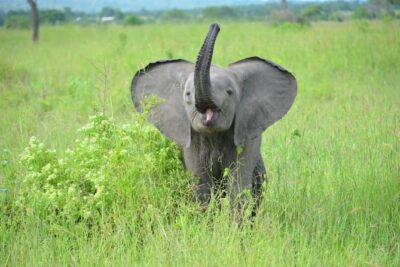
2 Days 1 Night Mikumi National Park from Dar es salaam
Read our review →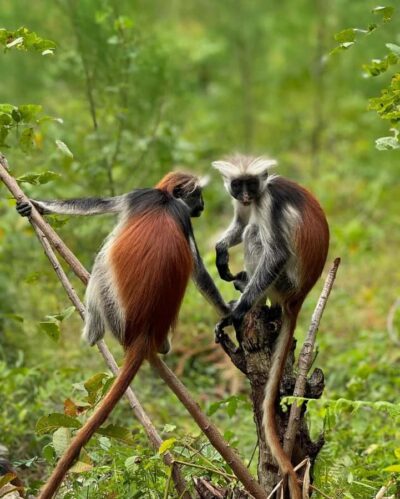
Jozani Forest, Salaam & Maalum Caves and Sunset
Read our review →7-Day Private Tanzania Safari with Sunset Walking on the Crater Rim and Maasai
Read our review →
Browse the lists this tour appears in