Reviewed · KILIMANJARO CLIMBS
Mountain Kilimanjaro Climbing 8 Days Lemosho Route
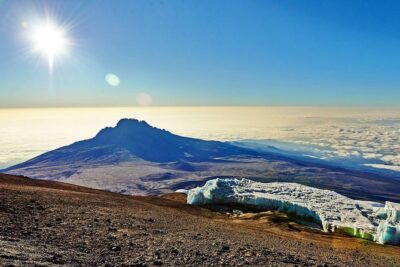
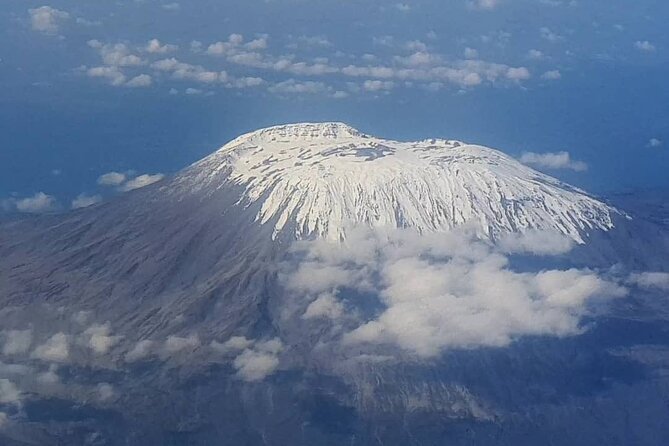
Summit morning feels like a switch flipping on. This 8-day Kilimanjaro Lemosho route is built for a steady climb, dramatic scenery from the Shira Plateau, and the kind of high-altitude challenge that feels earned, not rushed. I especially like how the route timing gives you room to acclimatize, which can make the whole climb feel more manageable. The one consideration is that the later days still get steep and cold, so you need real patience with the altitude, not just hiking stamina.
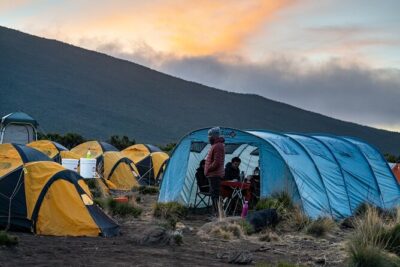
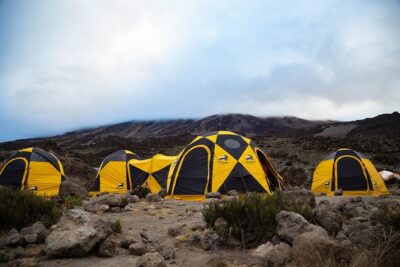
Two things I really like here: the team support and the way you get to focus on hiking instead of hunting gear. On this route, you have expert guides (I have seen groups led by guides like Timothy) plus a full camp setup, and the meals are handled for your dietary needs across the days. The other catch, just being honest, is that the toughest moments come in the middle-to-late portion of the climb, especially the steep scree and the early wake up for the summit push.
In This Review
- Key Points I’d Prioritize Before You Go
- Lemosho Route: why this 8-day Kilimanjaro plan works for many climbers
- Moshi start, airport pickup, and your team’s first impression
- Day 1: from forest start to Mti Mkubwa camp at 2650m
- Day 2: Shira 1 moorlands, volcanic rock, and Kibo in the clouds
- Day 3: Shira 2 acclimatization, northern ice views, and that smart afternoon walk
- Day 4: Lava Tower (4640m) lunch and the Barranco Valley descent
- Day 5: Great Barranco Wall, glaciers below, and Karanga Camp at 3963m
- Day 6: Barafu scree slopes and the 11pm to 12am summit start
- Day 7: Uhuru Peak early afternoon and the Crater Camp night
- Day 8: down to the gate, transport back to Moshi, and tips that matter
- Price and value: what $2,756.93 buys you on Kilimanjaro
- Who should pick this Lemosho trek, and who should think twice
- Should you book this 8-day Kilimanjaro Lemosho climb?
- FAQ
- How long is the Kilimanjaro Climbing 8 Days Lemosho Route?
- What is the price per person?
- Is pickup included?
- What time does the tour start?
- How many travelers are in the group?
- Are meals included?
- What gear is provided?
- What are some of the key places you pass?
- What happens at the end after you reach the summit?
Key Points I’d Prioritize Before You Go
- A Lemosho profile that favors acclimatization, so you are not just grinding uphill day after day
- Shira Plateau days with big Kibo views, including moments when the peak can look like it floats in the clouds
- Support that includes equipment and sleeping gear, plus meals matched to your diet
- Iconic Kilimanjaro passes like Lava Tower and Great Barranco Wall, with long, tiring climbs that are not technical
- Uhuru Peak timing aimed for early arrival, plus an optional-feeling extra with Crater Camp
Lemosho Route: why this 8-day Kilimanjaro plan works for many climbers
If you want the Kilimanjaro experience without feeling like you are being rushed, Lemosho is usually a smart choice. It is often described as one of the best routes with high success rates, and part of that reputation comes from how the days are paced. You cover roughly 40 km to the summit, but the profile spreads the effort out, so your body has more time to adjust.
What really matters for you is how that pacing feels in your legs and breathing. The early days move through forest and moorland, then gradually build altitude. Later, you hit steeper, more barren zones like the upland desert and scree slopes, where you can feel altitude bite harder. That rhythm is exactly why a route like this can feel more doable than a more aggressive plan.
Also, this trip caps at 15 travelers, which tends to keep things calmer. On a mountain like Kilimanjaro, small-group energy makes a difference. Less chaos at meal times, less crowding at viewpoints, and better odds of getting answers from your guides when you need them.
More Kilimanjaro climbs:
- 7 Days Kilimanjaro via Machame route affordable price
★ 5.0 · 110 reviews - Kilimanjaro Airport taxi to/from Moshi town/Arusha town
★ 5.0 · 60 reviews - 6 Days Climbing Mount Kilimanjaro Machame Route
★ 5.0 · 40 reviews
Moshi start, airport pickup, and your team’s first impression
Your day begins with pickup offered, starting from Kilimanjaro International Airport with a listed start time of 7:00 am. For a lot of travelers, that first handoff is where nerves either settle or spike, so it is worth caring about.
In group feedback, Oscar has shown up to coordinate arrivals, including cases where the arrival time was very late at night and communication made people feel taken care of immediately. You do not need a dramatic welcome, but you do want clear organization: where to go, what to pack, and how your team will get you ready.
This is also where you should take in the practical clothing advice. One group highlighted a reminder that Moshi can be around 30C to 90F, while temperatures climb cold fast as you go higher. Even if you pack well, altitude tricks you, so listen closely when your guide talks layers.
Day 1: from forest start to Mti Mkubwa camp at 2650m
Day one eases you into the mountain. You start on the northern side around 2100 m, trekking upward through lush forest. The forest section matters more than it sounds. It gives your body time to warm up, and it helps you get a rhythm with your breathing and pace before you enter higher, thinner-air zones.
By the end of the day, you overnight at Mti Mkubwa camp (2650 m) after about 4 to 5 hours. This is a good day to keep your hiking steady, not fast. The goal is to arrive feeling like you could keep going, not like you already used up the whole day’s effort.
If you are thinking about value, day one sets the tone for the rest of the trek. When equipment and camp setup are handled for you, your energy stays where it belongs: walking and adjusting.
Day 2: Shira 1 moorlands, volcanic rock, and Kibo in the clouds
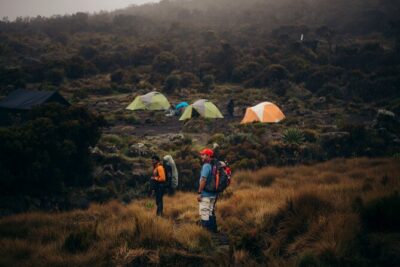
On day two, the terrain changes. You trek across grassy moorland and heather, dotted with volcanic rock formations. This is one of those days where the ground under your feet keeps your attention. It is not just flat hiking, and it is not yet the toughest zone, but you do feel altitude starting to shift your pace.
You head to Shira 1 camp, and one of the big reasons this day is memorable is the potential for views of Kibo Peak floating on the clouds. Even when the weather is moody, the moorland itself is a signal that the mountain is moving you into a more dramatic ecosystem.
Expect about 7 hours on the move. The good news is that you have a “reasonable amount of altitude gain” built into the plan. That is what you want. You are challenging your body, but you are not trying to beat the mountain in one shot.
A few more Kilimanjaro trips to compare
- Great Migration Safari In Tanzania
★ 5.0 · 71 reviews - 6 Days Tanzania Classic Safari
★ 5.0 · 52 reviews - 8 Days Kilimanjaro Hike via Lemosho Route
★ 5.0 · 39 reviews - 7-Day Machame Route Kilimajaro
★ 5.0 · 28 reviews
Day 3: Shira 2 acclimatization, northern ice views, and that smart afternoon walk
Day three is a classic acclimatization day that still feels like a real journey. You climb steadily across the Shira Plateau moorland, working altitude in slowly. There is also a highlight here that tends to stick with people: the chance to view the northern ice fields from the western side of the mountain, with unusual angles on Kibo.
You spend the night at Shira 2 camp, and then you do an acclimatization walk in the afternoon before returning to camp for dinner and sleep. This pattern, hike up a bit, then come back down, is one of the most practical ways to improve your odds of feeling better on later steep days.
It is about 7 hours total hiking. Keep the pace controlled. If you feel like you are working too hard early, slow down. On Kilimanjaro, “slow” often means “the pace you can maintain and still enjoy the views.”
Day 4: Lava Tower (4640m) lunch and the Barranco Valley descent
Day four is where the scenery turns more stark and the walking gets more serious. You begin with an ascent featuring broad panoramic views, then you transition into a climatic zone of upland desert. Beneath the glaciers of the western breach, you also reach the striking lava ridges that give this part of the route its personality.
Your high point of the day is Lava Tower (4640 m), a distinct pinnacle where you stop for lunch. That lunch break matters. It is not just food, it is time to reset, check your breathing, and let your body catch up to the altitude.
Then you take a steep descent to camp in the base of the Great Barranco Valley (3960 m). The description of the camp location is accurate to how it feels on the ground: you are sheltered by towering cliffs, but you still get views toward the plains below.
This day is shorter on paper at about 4 hours, but do not misread it. Shorter can still feel intense, because altitude and steep grade both count.
Day 5: Great Barranco Wall, glaciers below, and Karanga Camp at 3963m
If you want the moment where the climb feels both scenic and demanding, day five is it. You start by descending into the beginning of the Great Barranco, a huge ravine. Then the real work begins: you exit steeply up the Great Barranco Wall.
This is described as a climb over rock that is not technical, but it is long and tiring. Translation: you are working hard for the height, even if you are not using ropes or climbing gear. If you have ever climbed stairs while out of breath, you already understand the feeling.
As you move along the route, you pass underneath the Heim and Kersten glaciers, which adds a cool sense of geography to the effort. Then you reach Karanga Valley and tackle a steep climb up to Karanga Camp (3963 m).
There is also an option for those who feel strong: a mid-afternoon acclimatization trek to around 4200 m, then a return to camp. That gives you a chance to build confidence, but only if you are not forcing it.
This day is about 4 hours total hiking, and again, expect effort to feel bigger than the clock.
Day 6: Barafu scree slopes and the 11pm to 12am summit start
Day six is the day most climbers remember for one thing: the climb toward the summit begins at night. After breakfast, you walk to Barafu Camp (4640 m). The route crosses desolate scree slopes with no vegetation, which means you have no visual distractions. It is basically you, your breath, and the slope.
The itinerary describes it as a tough steep walk made more difficult by altitude. That matches the reality: at this height, your body tries to slow you down, even if you feel stubbornly capable.
When you arrive, you eat and spend the afternoon resting. Then comes the ritual part: an early dinner, then you try to sleep. You wake between 11 pm and 12 am to begin the summit climb.
This is a long day in the total scheme, listed around 12 hours. If you want an easy rule, it is this: on days like this, hydration and staying warm are not optional. They directly affect your stamina and how steady you can stay during the summit approach.
Day 7: Uhuru Peak early afternoon and the Crater Camp night
The goal of day seven is the summit. You start before dawn, and you reach Uhuru Peak in the early afternoon, when there are fewer groups around. That timing can make the summit feel less crowded and more personal.
After Uhuru Peak, you take a short descent to Crater Camp, set in soft sands near the Furtwangler Glacier. Crater Camp is described as not a route on its own, but a challenging extension that involves an overnight in the crater bowl. The practical value of this is that it adds a special feeling to your achievement. You are not just standing on the top, you are experiencing the mountain’s geology up close.
Expect around 7 hours in this day’s schedule. Your legs may feel strange, so focus on careful stepping rather than speed. Day seven rewards good movement habits, not heroic sprinting.
Day 8: down to the gate, transport back to Moshi, and tips that matter
Day eight brings the relief that feels earned. The trek continues down through forests to the gate, where a vehicle is waiting to take you back to Moshi.
The time on the trail is listed around 5 hours, and that feels like a gift after the higher-altitude days. This is also where the human side comes back. You are responsible for tipping your guides, cooks, and porters, since you leave them there. That is not just tradition, it is a direct way to recognize the work that carried you day to day.
Then you get to celebrate back in Moshi. That part is not minor. It is your chance to decompress, thank the team properly, and remember that the goal was never just the top. It was the whole shared grind getting there.
Price and value: what $2,756.93 buys you on Kilimanjaro
At $2,756.93 per person for an 8-day Lemosho trek, the big question is whether you are paying for the mountain or for the support system around it. Here, you are paying for the whole structure: expert guides, included meals across the climb matched to your dietary requirements, and equipment plus sleeping gear.
You are also paying for a route plan that uses time and altitude wisely. That is where the value shows up. A lower price that strips out gear, food handling, or experienced guidance can turn expensive fast when you are exhausted, underprepared, or making avoidable mistakes.
One more value lever is the small group size, capped at 15 travelers. That tends to mean less waiting, less crowd control friction, and more attention from staff when questions show up.
Who should pick this Lemosho trek, and who should think twice
This trip fits best if you want a guided Kilimanjaro climb that is structured for acclimatization and includes the work behind the scenes. If you have a moderate physical fitness level, and you are comfortable committing to long days, cold nights, and the discipline of slower uphill movement, you will likely feel at home here.
Where you should think twice is if you struggle with early nights and very early mornings, or if you know you tend to rush when you feel discomfort. Day six demands patience, and day seven asks you to keep steady effort after a summit moment.
Also, pack for cold. Even when the start area feels warm, altitude can flip the temperature fast, so take the layer advice seriously.
Should you book this 8-day Kilimanjaro Lemosho climb?
I would book this if your priority is a well-paced route with strong logistical support. The combination of Shira Plateau scenery, big milestones like Lava Tower, a classic push over the Great Barranco Wall, and the structured summit timing makes it a clean, goal-driven experience.
I would not book it if you want a casual hike with lots of flat strolling and no steep pushes. This route is demanding in a very real, altitude-driven way. But if you train a bit, plan your layers, and trust the pacing, you are setting yourself up for one of the most meaningful travel days you can have on Earth.
FAQ
How long is the Kilimanjaro Climbing 8 Days Lemosho Route?
It runs for approximately 8 days.
What is the price per person?
The price is listed as $2,756.93 per person.
Is pickup included?
Pickup is offered, and the start point is Kilimanjaro International Airport.
What time does the tour start?
The start time is listed as 7:00 am.
How many travelers are in the group?
The maximum group size is 15 travelers.
Are meals included?
Yes. Meals are catered across the 8 days and can be adjusted to your dietary requirements.
What gear is provided?
All equipment is provided, including sleeping gear, so you can hike without bringing those items.
What are some of the key places you pass?
You trek through Shira Plateau, reach Lava Tower, climb the Great Barranco area, and continue toward Uhuru Peak, with Crater Camp included on the schedule.
What happens at the end after you reach the summit?
On the final day, you descend through forests to the gate, where a vehicle takes you back to Moshi. You should also tip guides, cooks, and porters before leaving them there.
Just posted around Kilimanjaro
- 5 days Serengeti Wildebeest Migration Safari★ 5.0 · 3 reviews
- Mount Kilimanjaro 6 days – Machame route★ 4.0 · 5 reviews
- Lemosho Route★ 5.0 · 21 reviews
- 6 Days Machame Route Kilimanjaro Trekking★ 5.0 · 13 reviews
- Mount Kilimanjaro 7 Days – Machame Route★ 5.0 · 5 reviews
- Amazing 4 Days Safari 3 Nights: Tarangire, Ngorongoro, Serengeti★ 5.0 · 6 reviews
- 9 Days – Best of Tanzania Safari★ 5.0 · 4 reviews
- Tanzania Safari and Kilimanjaro Climb Multi-Day Experience★ 5.0 · 3 reviews
Kilimanjaro Climbs, compared.
8-Day Small-group Lemosho Kilimanjaro Summit Trekking
Read our review →
5 Days Best of Tanzania Luxury Safari Northern Circuit
Read our review →
Climbing Kilimanjaro through 7 days Machame Route
Read our review →