Reviewed · KILIMANJARO CLIMBS
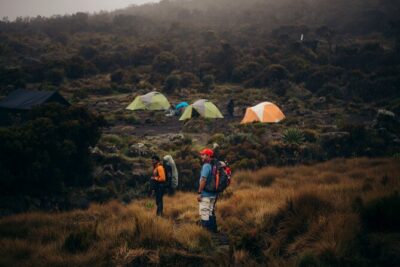
7 Days Mountain Kilimanjaro climb Machame Route
Kilimanjaro feels simple when logistics are tight. This Machame Route trip stands out for the way it’s run, from gear checks in Moshi to the midnight rhythm of the summit push. I also like the private tents, which means less crowding at camp and more space to rest.
One thing to think about: the itinerary is built for steady hiking days, so you still need to show up with solid basic fitness and follow the pace your guide sets. Altitude can be unpredictable, even with a great team.
I like that the plan is detailed enough to reduce guesswork. You’ll get chef-prepared meals, organized transportation, and a team that is described as friendly, humorous, and quick to handle concerns in a gentle way.
In This Review
- Key points to know before you climb
- Day 1 in Moshi: briefing, gear check, then time to reset
- Machame Gate to Machame Hut: Day 2’s first real altitude shift
- Machame Hut to Shira Camp: Day 3, more height, still manageable
- Day 4: 10 km, 6.5 to 8 hours, your stamina lesson
- Days 5 and 6: the route sections that test patience
- Day 7: midnight summit push to Uhuru Peak and the long descent
- Day 8: Mweka Gate back to Moshi, then safari add-ons
- Guides, chefs, and private tents: comfort that affects results
- What’s included for your $2,000, and why the value can be real
- Logistics that affect your day: pickups, start times, and pacing
- Who should book this Machame climb, and who should think twice
- Should you book Bayango Tours & Safaris for the Machame Route?
- FAQ
- Where does the climb on the Machame Route start?
- How long does the summit day take on this itinerary?
- What meals are included during the trip?
- What gear and transport are included?
- Is this a private tour or shared group?
- Are admission tickets included?
- What happens if I need to cancel?
Key points to know before you climb
- Private tents at camp: less “who’s sleeping next to me” stress, more space to recover.
- Chef-prepared meals: food and drink are handled during the trip, with attention to preferences.
- Machame pacing with day-by-day altitude steps: multiple camp changes that help your body adjust.
- Strong summit-day structure: a midnight wake-up with headlamps helpful, then a long but planned push to Uhuru Peak.
- Camping gear included: a big cost and packing headache is already handled.
- Private group setup: it’s only your group, not a mixed crowd shoved into one plan.
Day 1 in Moshi: briefing, gear check, then time to reset
Your day starts with Moshi, not a rushed scramble at the gate. After arrival at the hotel, there’s a briefing and a gear check. This is one of those small things that pays off later, because when you know what’s expected on the mountain, you waste less energy worrying about details.
Then you’re given space to explore Moshi a bit on your own. The itinerary specifically calls out town time, short tours around the city, and night life if you want it. That matters because Kilimanjaro is not just physical. The calmer your first night, the easier your first hiking morning tends to feel.
Practical note: the start time listed is 12:30 pm, so plan your travel into Tanzania accordingly.
More Kilimanjaro climbs:
- 7 Days Kilimanjaro via Machame route affordable price
★ 5.0 · 110 reviews - Kilimanjaro Airport taxi to/from Moshi town/Arusha town
★ 5.0 · 60 reviews - 6 Days Climbing Mount Kilimanjaro Machame Route
★ 5.0 · 40 reviews
Machame Gate to Machame Hut: Day 2’s first real altitude shift
Day 2 is classic Machame style: you start at Machame gate (1,830 meters) and hike to Machame Hut (3,000 meters). The walk is estimated at 6 to 7 hours.
This is your first chance to learn the tempo your body wants. You’re not “racing,” you’re testing your breathing and finding a sustainable rhythm. If your guide is doing their job well, you’ll feel less like you’re forcing altitude and more like you’re working steadily through it.
What I like here is that the day has a clear goal and time range. Clear beats vague. It helps you avoid that common mistake where people go too fast early, then pay for it later.
Machame Hut to Shira Camp: Day 3, more height, still manageable
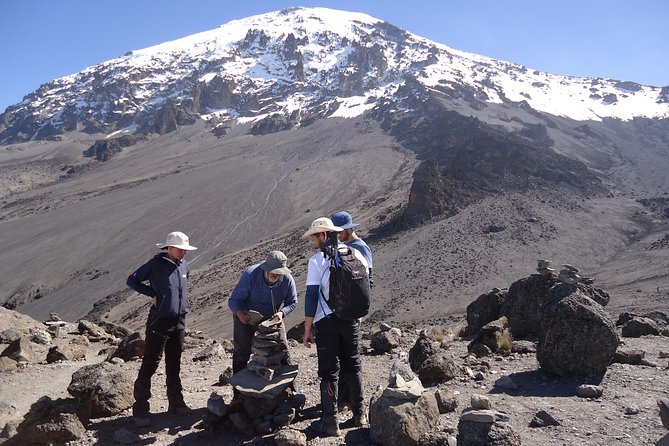
Day 3 climbs from Machame Hut to Shira Camp (3,840 meters). It’s listed as 4 to 6 hours of walking.
This shorter time window compared with Day 2 can be a relief, but don’t let it trick you. You’ll still be going higher, and the air will feel thinner as you gain elevation. Use the time to focus on steady steps, good hydration, and keeping your effort smooth.
If you’re prone to overdoing it when you feel okay, Day 3 is where you can correct that habit. A well-run operator makes it easier to stay disciplined, and the camp setup gives you a real reason to keep your energy for later days.
Day 4: 10 km, 6.5 to 8 hours, your stamina lesson
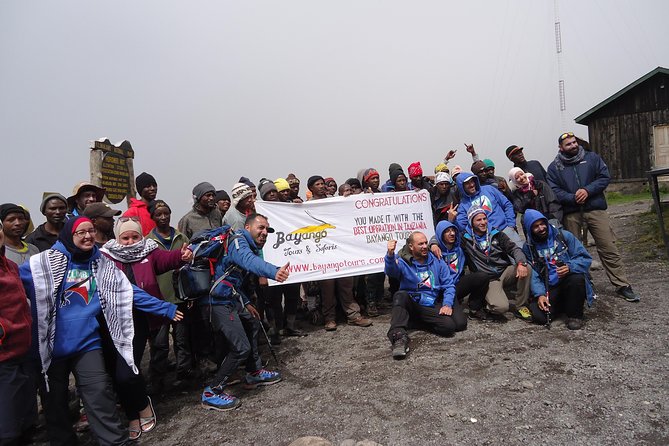
Day 4 is described as 10 kilometers, with a climbing time of 6.5 to 8 hours. It also keeps the process moving toward the next staging areas on the route.
This is the day when you learn whether you packed for the real needs. On Kilimanjaro, small clothing choices and footwear fit can matter a lot once you’re walking for hours at a time. Even though the itinerary details the hike time, it’s your job to bring what you’ll actually use, then lean on the gear check you already did in Moshi.
If you’re feeling strong, it’s tempting to push harder. I’d resist that urge. The Machame Route is not just about reaching the top. It’s about getting yourself in shape to survive the descent, too.
A few more Kilimanjaro trips to compare
- Great Migration Safari In Tanzania
★ 5.0 · 71 reviews - 6 Days Tanzania Classic Safari
★ 5.0 · 52 reviews - 8 Days Kilimanjaro Hike via Lemosho Route
★ 5.0 · 39 reviews - 7-Day Machame Route Kilimajaro
★ 5.0 · 28 reviews
Days 5 and 6: the route sections that test patience
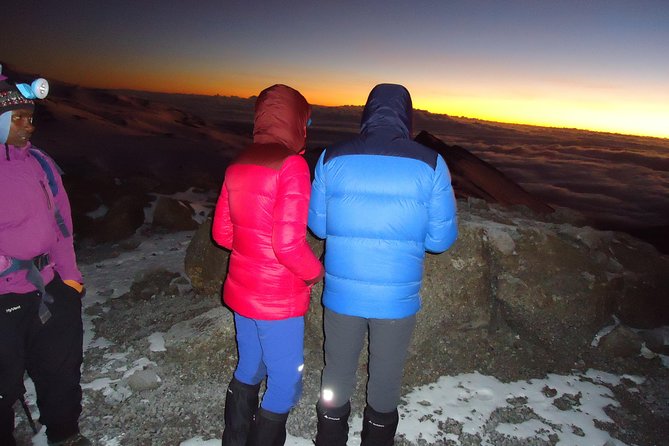
The itinerary gives two key segments here.
- Day 5: Barafu Camp to Karanga Camp, about 5 kilometers, up to 5 hours.
- Day 6: Karanga Camping area to Barafu Camp site, 4.6 kilometers, 4 to 5 hours.
This part can feel like a mental grind because you’re still moving camp-to-camp, even when your legs want a break. But that pattern is part of the route’s purpose: you keep adjusting to altitude and logistics while staging for the summit push.
My advice for these days is simple: treat them like training walks, not battles. You’re not trying to prove anything. You’re preparing your body for the long night and early morning effort that comes next.
Day 7: midnight summit push to Uhuru Peak and the long descent
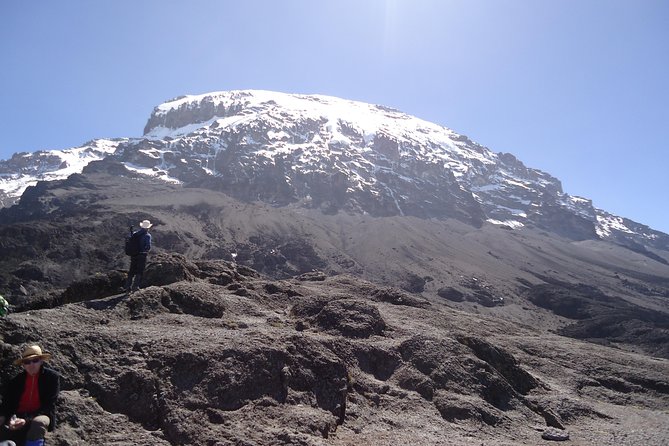
Day 7 is the big one, and it starts at midnight. The plan says you’ll wake up together with you, and head lamps are mostly helpful for this hike. That’s not just convenience. It’s about keeping footing safe while you’re tired and moving in the dark.
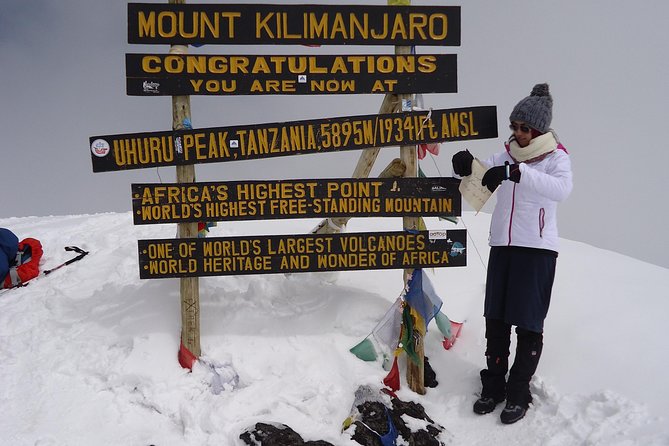
The itinerary lists the summit day elevation range as 15,300 ft to 19,345 ft, then a descent down to 10,000 ft. It also breaks down the distances and time:
- Ascending: 5 kilometers, 7 to 8 hours
- Descending: 12 kilometers, 4 to 6 hours
A climb like this is mostly controlled effort and discipline. Your breathing sets your pace. Your hands and feet do the rest. If you’ve ever wondered why summit success often looks like patience, this is where you feel it.
Also, plan your mindset for the descent. Many people focus only on reaching the top. The longer downhill hours are what make the summit day so exhausting. A well-organized team that keeps timing and logistics smooth is a huge value here.
Day 8: Mweka Gate back to Moshi, then safari add-ons
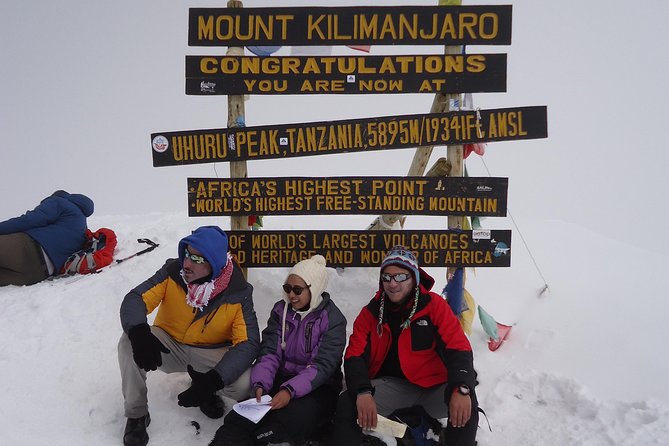
After the climb, Day 8 is recovery time in the real sense. You’ll drive from Mweka Gate to Moshi, with a transfer back to your hotel. If you still have time, the operator says they can prepare a day tour to Arusha National Park, and they also mention other Tanzania options like safari, Zanzibar beaches, and cultural tours.
This is smart planning because it turns the trip from a single goal into a full travel story. The mountain gives you the hardest day, then Tanzania gives you the payoff you can enjoy in daylight.
If you’re the type who wants to go straight home, that’s okay. But if you’re still curious, this is where a post-climb safari day can be a great way to keep momentum without more serious hiking.
Guides, chefs, and private tents: comfort that affects results
The operator description leans hard on organization and friendly guidance. In practice, that’s what you should look for on Kilimanjaro: people who handle details smoothly so you can focus on your body, your pace, and the next step.
Three things matter a lot on mountain days:
First, the team’s communication. The trip is described as guided by experienced guides for all languages. That matters because you’ll understand the plan, the pacing advice, and safety instructions clearly.
Second, the food. Meals and drinks are prepared by professional chefs who consider your preferences and choices. On a mountain like Kilimanjaro, food is fuel, and fuel is morale. Even if you personally want simpler meals, having someone else handle cooking and timing helps you stay consistent.
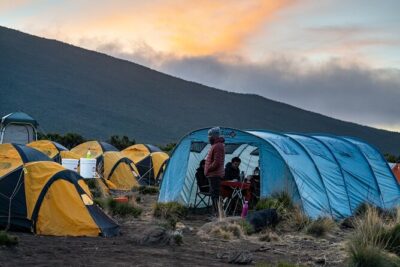
Third, the private tents. The trip explicitly calls out private tents to avoid congesting customers in a single tent. You might not think this matters until you’re cold, tired, and trying to sleep between hiking days. Less crowding usually means better rest, and better rest helps your next day.
The itinerary also lists included camping gear and private transportation, which reduces the number of items you have to manage yourself.
What’s included for your $2,000, and why the value can be real
At $2,000 per person, you should think of this as a bundled service, not just a hiking permit. The included list covers:
- Camping gears
- Private transportation
- Lunches (7)
- Breakfasts (7)
- Dinners (6)
That matters because Kilimanjaro costs add up quickly when you count tents, porters and guides, food, and transport. The price is also tied to a private group structure, which often means fewer compromises.
You do pay a premium here, but the trip is selling the parts that usually cause stress: logistics, camp comfort, and meal support. If those are exactly the areas you want handled, this can feel like good value. If you already have gear and you know you can travel with minimal support, you might question whether you need that level of service. But most first-time Kilimanjaro hikers benefit from it.
Also, the itinerary mentions a mobile ticket, and admission tickets are listed as free for the Moshi day and included for the mountain days. So you can expect key mountain-day entry costs to be covered within the package.
Logistics that affect your day: pickups, start times, and pacing
Two practical details stand out.
Pickup is offered, and you also have private transportation. There’s also mention of an office representative meeting you at the airport in the experience feedback. I’d treat that as a positive sign for arrival-day confidence, especially if you’re new to Tanzania or just want the first steps to be stress-free.
Then there’s the start time, 12:30 pm, and the fact it’s a private tour/activity. Private setup usually means your pace and needs can be managed with fewer people in the same flow.
On the mountain, the itinerary gives realistic walking hours and distances for each day, including the summit-day timing. That helps you plan how you’ll use your energy. A clear schedule is not exciting, but it is useful.
Who should book this Machame climb, and who should think twice
This tour fits best if you want:
- A guided Machame Route with clear daily goals
- Chef-prepared meals and included camping gear
- More comfort at camp thanks to private tents
- A private group setup rather than mixed logistics
You should also have a moderate physical fitness level, since the walk days include long time blocks, and Day 7 is a big one. If you’re recovering from an injury, or you’re unsure about altitude handling, I’d slow down and get medical advice first.
Finally, if you care about cultural and safari follow-ups, the Day 8 option for Arusha National Park and other Tanzania tours can turn your trip into a broader itinerary. That’s not required, but it’s a smart way to use your time after the climb.
Should you book Bayango Tours & Safaris for the Machame Route?
I’d recommend booking if you value planning, camp comfort, and food support as much as the summit goal. The combination of private tents, professional cooking, experienced guiding, and a clearly structured summit day is exactly what helps most hikers stay calm and consistent when things get hard.
I’d think twice if your budget is tight and you’re okay managing more yourself, because the price is built around the service level. Also, if you know you struggle with long hiking days, you should review your fitness and altitude readiness seriously.
If you want Kilimanjaro to feel organized, human, and manageable, this Machame plan is a strong fit.
FAQ
Where does the climb on the Machame Route start?
The climb starts from Machame gate at 1,830 meters and goes up to Machame Hut at 3,000 meters on Day 2.
How long does the summit day take on this itinerary?
Day 7 is listed as 7 to 8 hours ascending and 4 to 6 hours descending, with a midnight wake-up and a headlamp being helpful.
What meals are included during the trip?
The package includes breakfast 7 times, lunch 7 times, and dinner 6 times.
What gear and transport are included?
Camping gears and private transportation are included. Pickup is also offered.
Is this a private tour or shared group?
It’s described as a private tour/activity, meaning only your group participates.
Are admission tickets included?
Admission tickets are listed as free for the Moshi day, and admission tickets are included for the mountain climb days.
What happens if I need to cancel?
You can cancel for free up to 24 hours in advance for a full refund, and within 24 hours the amount paid is not refunded.
Just posted around Kilimanjaro
- 5 days Serengeti Wildebeest Migration Safari★ 5.0 · 3 reviews
- Mount Kilimanjaro 6 days – Machame route★ 4.0 · 5 reviews
- Lemosho Route★ 5.0 · 21 reviews
- 6 Days Machame Route Kilimanjaro Trekking★ 5.0 · 13 reviews
- Mount Kilimanjaro 7 Days – Machame Route★ 5.0 · 5 reviews
- Amazing 4 Days Safari 3 Nights: Tarangire, Ngorongoro, Serengeti★ 5.0 · 6 reviews
- 9 Days – Best of Tanzania Safari★ 5.0 · 4 reviews
- Tanzania Safari and Kilimanjaro Climb Multi-Day Experience★ 5.0 · 3 reviews
Kilimanjaro Climbs, compared.
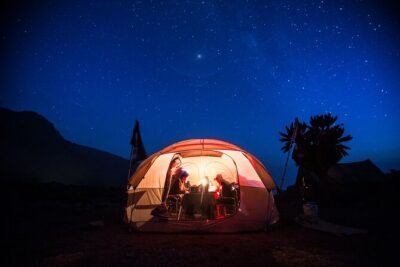
8-Day Small-group Lemosho Kilimanjaro Summit Trekking
Read our review →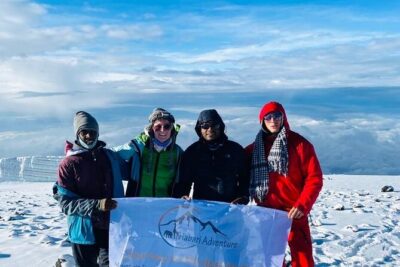
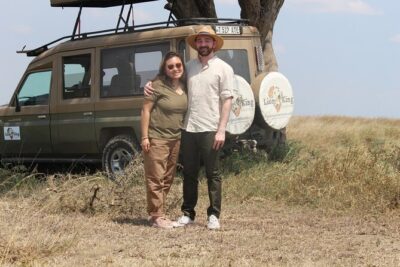
5 Days Best of Tanzania Luxury Safari Northern Circuit
Read our review →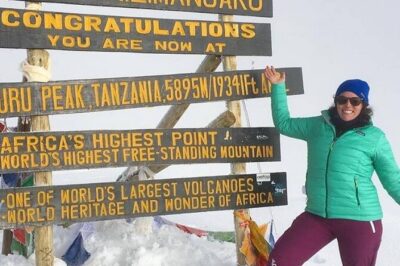
Climbing Kilimanjaro through 7 days Machame Route
Read our review →