Reviewed · KILIMANJARO CLIMBS
7 Day Tour Machame Route
Kilimanjaro starts gently, then turns serious. This 7-day Machame Route focuses on smart pacing, with high points for acclimatization like Lava Tower and the memorable climb of Barranco Wall. Two things I really like are the way the itinerary staggers your altitude over multiple camps, and the strong team setup that keeps the long days feeling organized and human. One drawback to plan for is summit day: it is early, steep, and long, even when your body has done the prep work.
What you get for $2,205 per person is more than just bed-and-boards. This trip includes all fees and taxes, full board meals, accommodations, an English-speaking guide, and a complimentary oxygen cylinder. With a maximum of 30 travelers, it also tends to feel more like a real team trek than a cattle-call parade.
In This Review
- Machame Route Highlights: What Makes This 7-Day Plan Work
- Machame Gate to Roof of Africa: The Real Shape of the Trek
- Day 1 on the Machame Gate Trail: Rainforest Start and Camp Machame
- Day 2 to Shira Camp at 3,800 m: Moorland Views Without the Rush
- Day 3: Lava Tower at About 4,600 m and the Descent to Barranco Camp
- Day 4 Barranco Wall Up to Karanga Camp: The One You Remember
- Day 5 to Barafu Camp: The Last Easyish Day Before the Big One
- Day 6 Summit to Uhuru Peak and the Descent to Mweka Camp
- Day 7 Mweka Gate Finish: Rainforest Footing and Summit Certificates
- Crew, Food, and the Support System That Makes the Trek Feel Manageable
- Price and Value: What $2,205 Covers on the Machame Route
- Timing, Group Size, and How the Day Starts at 7:30 am
- Packing and Practicalities for a 7-Day Machame Climb
- Who Should Choose the 7-Day Machame Route
- Should You Book This 7-Day Machame Route Trek?
- FAQ
- Where does the Machame Route 7-day trek start?
- How long is the trek?
- How much does it cost per person?
- Is pickup included?
- Does it include meals?
- Is a guide included, and what language do they speak?
- Is oxygen provided?
- What is not included in the price?
- What is the maximum group size?
- What is the cancellation policy?
- When do you receive summit certificates?
Machame Route Highlights: What Makes This 7-Day Plan Work
- Rainforest to alpine desert: You change ecosystems day by day, not just altitude.
- Acclimatization built in: Lava Tower and the Barranco Camp stop help your body adjust before the summit push.
- Barranco Wall is a key moment: It is a classic Kilimanjaro challenge that also breaks up the monotony of just hiking upward.
- Early summit attempt: Summit day starts before dawn for the best odds of a safe, manageable climb.
- Crew support and great meals: The guide and chef team are part of the experience, not an afterthought.
- Small-ish group feel: Maximum of 30 travelers, plus guides, porters, and cooks running the show.
Machame Gate to Roof of Africa: The Real Shape of the Trek
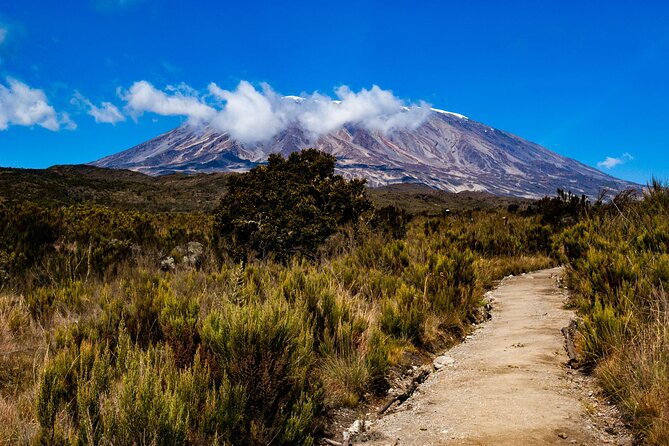
The Machame Route is one of the best “all-rounder” choices on Kilimanjaro because it does not rush you straight to high altitude. Instead, it layers effort and recovery. You start at Machame Gate, begin in rainforest, then gradually shift into moorland and high-alpine terrain. By the time you are pushing toward Uhuru Peak, your body has already tasted altitude rather than being shocked by it.
I like that this route includes several purposeful altitude changes, not random camp jumps. That means you get days where you climb, then days where you settle in and let your breathing catch up. The plan also gives you the classic scenery Kilimanjaro is known for, from lush greens early on to colder, drier conditions later.
If you want a trip where the mountain feels like it has a storyline, not a wall of suffering, the Machame Route fits that. And if you like a challenge, Barranco Wall and summit night both deliver.
More Kilimanjaro climbs:
- 7 Days Kilimanjaro via Machame route affordable price
★ 5.0 · 110 reviews - Kilimanjaro Airport taxi to/from Moshi town/Arusha town
★ 5.0 · 60 reviews - 6 Days Climbing Mount Kilimanjaro Machame Route
★ 5.0 · 40 reviews
Day 1 on the Machame Gate Trail: Rainforest Start and Camp Machame
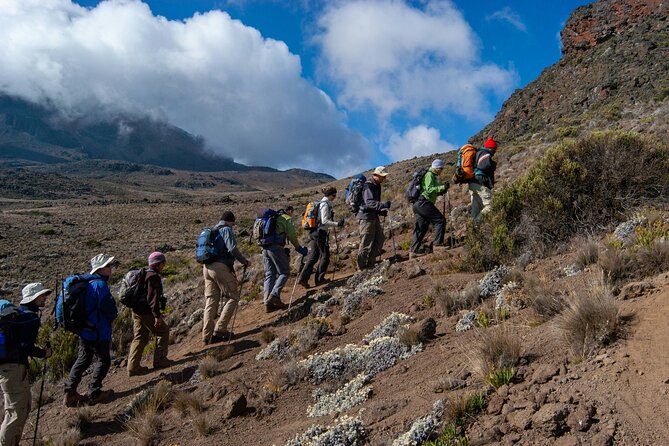
Day 1 begins at Machame Gate, where you handle registrations and meet your guide and porter team. Then you step into rainforest, where the air is warm and the trail feels alive. It is a great way to wake up your legs without the thin-air stress hitting immediately.
The hike is about 11 kilometers and takes around 4 hours, with a steady climb toward Machame Camp at roughly 3,000 meters. This day matters more than it seems. It is your first chance to get into rhythm: slow steps, steady breathing, and learning how your body handles hiking while carrying yourself and your pack.
Also, rainforest hiking teaches you something practical. Even if you feel fine, you will sweat more than you expect, and you will want good rain gear and dry layers ready for camp. The first night at Machame Camp is also your first “camp reality check,” meaning you learn how early you need to sleep to feel human tomorrow.
Day 2 to Shira Camp at 3,800 m: Moorland Views Without the Rush
After breakfast, you move out of the rainforest and into the moorland zone. This is where the air starts to feel different. The trail becomes more open, and you get that wider, exposed feel that comes with higher altitude.
Day 2 is relatively shorter, about 5 kilometers in roughly 3 hours, ending at Shira Camp around 3,800 meters. That shorter distance is not laziness. It is a smart slot in the itinerary that lets you climb enough to keep progress moving while giving your body time to adapt.
What I like about this day is the balance. You are still building stamina, but you are not burning matches. You also get a chance to practice your gear routine, like keeping warm layers accessible and managing water consumption so you do not get behind on fluids.
If you tend to go out too fast on Day 1, Day 2 is where you can fix that. Save your big effort for the later days where the route demands it.
Day 3: Lava Tower at About 4,600 m and the Descent to Barranco Camp
Day 3 is one of the best acclimatization days on this route, and it has a classic Kilimanjaro rhythm: go high, then come down to rest at a more manageable elevation.
You ascend toward Lava Tower, reaching about 4,600 meters. Then you head to Barranco Camp around 3,960 meters. The day covers about 10 kilometers and takes around 4 hours.
Why this works: your body gets a high-altitude workout during the day, then you sleep lower than that peak. That helps you keep building acclimatization without sleeping at your highest elevations over and over.
Lava Tower is also memorable in a visual way, because the terrain feels harsher than the lush early stages. It is a step toward the cold, dry conditions you will likely feel more strongly later.
A practical note: on days like this, pacing matters. If you sprint up to the higher point, you may feel punished on the walk down. Keep it slow and consistent, and you’ll usually feel better in camp.
A few more Kilimanjaro trips to compare
- Great Migration Safari In Tanzania
★ 5.0 · 71 reviews - 6 Days Tanzania Classic Safari
★ 5.0 · 52 reviews - 8 Days Kilimanjaro Hike via Lemosho Route
★ 5.0 · 39 reviews - 7-Day Machame Route Kilimajaro
★ 5.0 · 28 reviews
Day 4 Barranco Wall Up to Karanga Camp: The One You Remember
Day 4 is where this trek stops feeling like “just another hike” and turns into a real Kilimanjaro moment.
You trek to Barranco Wall, which is described as challenging, and then you climb up it. After that effort, you continue to Karanga Camp at about 4,035 meters. This day is roughly 6 kilometers and around 4 hours.
I like that Barranco Wall creates a break in the altitude monotony. Yes, you still gain altitude, but the route gives you a different kind of work: controlled climbing, careful footing, and effort that feels more hands-on than the earlier trail segments.
This is also a day to watch your breathing. Even if you feel strong, the wall can make you tighten up. Slow down, keep your steps precise, and trust the guide to help you find footing.
Karanga Camp at 4,000 meters-ish is not the summit, but it is high enough that you should treat camp like recovery time. Eat, drink, and get sleep when you can. Tomorrow is the last “setup” day before the summit attempt.
Day 5 to Barafu Camp: The Last Easyish Day Before the Big One
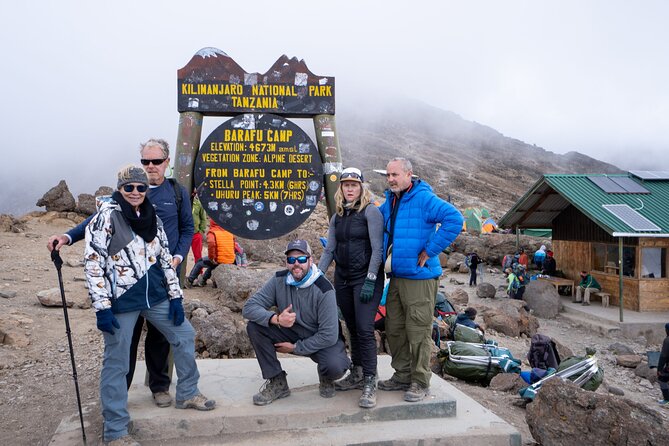
Day 5 is short. You hike about 4 kilometers in roughly 3 hours to Barafu Camp at around 4,600 meters.
It is also one of the most important days, even though the distance looks modest on paper. You are moving into the high, rugged zone, and Barafu Camp is essentially your launchpad for summit night. The route starts to feel alpine and colder, and you need to be ready for the next day’s early start.
This day is a chance to get organized. Make sure layers are easy to access, check your essentials, and confirm how the team is planning the night routine. When summit day begins before dawn, you want to avoid scrambling for gloves, water, or a warm hat.
If you are the type who thinks shorter days mean you can relax, keep it controlled. Your legs might feel okay, but altitude can still sap energy later. Treat Day 5 like the calm before the climb.
Day 6 Summit to Uhuru Peak and the Descent to Mweka Camp
This is the centerpiece day. Your summit attempt begins in the early hours, with a steep and demanding climb to Uhuru Peak, the highest point in Africa, reached just before daybreak.
After celebrating, you descend to Mweka Camp at about 3,100 meters. The day covers roughly 18 kilometers, and it is described as long and challenging.
Here is the practical reality: going up is one problem, coming down is another. Your knees, feet, and breathing all get tested. That makes the descent to Mweka Camp as important as the summit itself, because it determines how you recover for the final day.
I also like that this route includes the descent to a noticeably lower elevation after the summit win. You do not just suffer and then camp at the same altitude. The route gives you a clear recovery path.
And yes, the trip includes a complimentary oxygen cylinder, which can be reassuring. Still, oxygen is not a shortcut. It is best treated as a support measure, not a magic fix.
Day 7 Mweka Gate Finish: Rainforest Footing and Summit Certificates
On the final day, you go from Mweka Camp down to Mweka Gate, about 10 kilometers. This section is your relief corridor through the lush rainforest zone, and it is a totally different feel compared with the cold high-altitude stretches.
Reaching Mweka Gate is also where you get your summit certificates. That piece matters. It is a formal end point to a very physical process, and it helps you turn the experience into something tangible you can bring home.
This day is also where the “real” work becomes obvious: you still need energy, good foot care, and a steady pace even though you are near the finish line. Do not let adrenaline carry you into fast walking. Save your balance. The trail is easier than high altitude, but fatigue can still trip you up.
Crew, Food, and the Support System That Makes the Trek Feel Manageable
On a Kilimanjaro trek, the guide and crew do far more than point you up a trail. They manage pacing, safety decisions, and the small logistics that keep you comfortable enough to keep going.
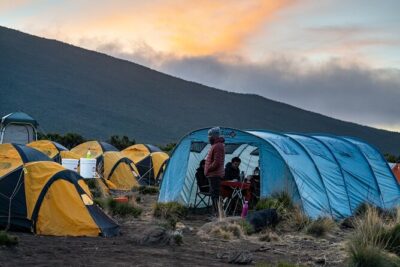
The experience here is powered by a professional team, including cooks and porters who handle your meals and camp setup. The guides, such as Emanuele and Joseph, are described as friendly and professional, and that matters when you are spending hours together at altitude.
The meals are also a standout. You are served breakfast, lunch, and dinner every day as part of full board, and people describe the food as tasting excellent, even in the camp setting. After a summit push, that matters more than it sounds. Good food helps you recover faster, sleep better, and stop your body from feeling like it is running on empty.
Two practical notes for you. First, you will want to eat what is offered, even if appetite drops. Second, drink water consistently. This kind of trek includes drinking water, but you still need to make it part of your routine.
Price and Value: What $2,205 Covers on the Machame Route
At $2,205 per person, this is not a budget stroll. But it is also not “just a guide and a sleeping bag” cost.
The included package covers:
- All fees and taxes
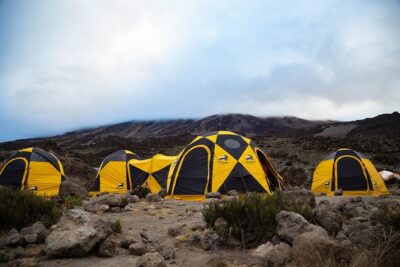
- Accommodations and camp stays
- Full board meals and drinking water
- An English-speaking guide
- A complimentary oxygen cylinder
- Crew wages labeled as fair and sustainable
- Transport start point support via pickup offered, and you get a mobile ticket
- Summit-day support ending with certificates
When you price Kilimanjaro trips, the big cost swing usually comes from what is included. Here, many of the things that can quietly add up elsewhere, like fees, accommodations, meals, and guide costs, are already handled.
That is the value story. You pay a single price, and your time and energy go toward the hike. You are not juggling surprise costs mid-trek.
What is not included is also clear: tips and towels. You should budget for tips based on your group and service level, and bring a towel or plan for how you want to handle hygiene. Those two items are the main extras you’ll likely need.
Timing, Group Size, and How the Day Starts at 7:30 am
This trek starts at 7:30 am at Kilimanjaro Airport. The activity ends back at the meeting point. That is helpful because it removes a big uncertainty: you are not left guessing where the trek begins and ends.
Group size is capped at 30 travelers. That usually means you get a group experience, but not a huge crowd. On Kilimanjaro, smaller groups often feel easier to manage during slow sections and rest breaks, especially when the guides are coordinating.
The days are structured around camp transitions, which means you will feel the rhythm of early mornings and active afternoons. You do not need to be an athlete, but you do need a moderate physical fitness level and a mindset that understands altitude is the real opponent, not just distance.
Packing and Practicalities for a 7-Day Machame Climb
Your exact packing list will depend on the details your guide shares, but this route has predictable needs because the temperature swings are real from day to day.
At minimum, you should plan for:
- Warm layers for the higher, colder camps like Barafu and summit night
- Rain protection for rainforest days early on
- Good hiking shoes with grip for rocky, uneven sections like Barranco Wall
- A plan for water and snacks during the hike since the trek runs long days
Also, because towels are not included, bring your own small camp towel or plan around how you’ll manage quick cleanups. It is a small detail, but it affects comfort and sleep.
One more practical thought: since the route finishes with a descent through rainforest, your feet and clothes may be damp and muddy. That means packing a way to keep clean layers separate from dirty ones helps a lot.
Who Should Choose the 7-Day Machame Route
This trek fits best if you want a route that gives you structure, acclimatization, and famous Kilimanjaro challenges without feeling like a forced march.
I think it is a strong match for:
- Hikers with moderate fitness who want a realistic path to the summit attempt
- People who enjoy varied scenery, not just one long climb
- Travelers who value a good guide team and solid meals, because you are living with your crew for nearly a week
If you hate early mornings or you know you struggle with steep, cold climbs, this might be harder. Summit day is demanding, and you need to be ready for that reality.
That said, the route’s staged profile and high-point acclimatization give you the best chance at a calmer summit night than a more aggressive schedule would.
Should You Book This 7-Day Machame Route Trek?
If you want a Kilimanjaro trek with smart pacing, clear milestones, and strong support, I think the 7-Day Machame Route is a solid choice. The itinerary is built around acclimatization points like Lava Tower, a standout climb like Barranco Wall, and a summit push timed for pre-dawn success. Add in full board meals, an English-speaking guide, and a team that includes guides such as Emanuele and Joseph, and you get a trip that feels supported from start to finish.
My main caution is the summit day effort. If you plan to treat summit night like a gentle stroll, you will get humbled fast. But if you show up prepared, hike steady, and listen to your guide, this route gives you a real shot at hitting Uhuru Peak and still enjoying the descent.
FAQ
Where does the Machame Route 7-day trek start?
It starts at Kilimanjaro Airport in Kilimanjaro National Park, Tanzania, with activity beginning at 7:30 am.
How long is the trek?
The tour lasts 7 days (approx.).
How much does it cost per person?
The price is $2,205.00 per person.
Is pickup included?
Pickup is offered.
Does it include meals?
Yes. It includes breakfast, lunch, and dinner for 7 days, plus drinking water.
Is a guide included, and what language do they speak?
Yes, it includes a professional, English-speaking guide.
Is oxygen provided?
Yes. There is a complimentary oxygen cylinder included.
What is not included in the price?
Tips and towels are not included.
What is the maximum group size?
The maximum is 30 travelers.
What is the cancellation policy?
You can cancel for free up to 24 hours in advance for a full refund. If you cancel less than 24 hours before the start time, you will not be refunded.
When do you receive summit certificates?
You receive your summit certificates on the final day at Mweka Gate.
Just posted around Kilimanjaro
- 5 days Serengeti Wildebeest Migration Safari★ 5.0 · 3 reviews
- Mount Kilimanjaro 6 days – Machame route★ 4.0 · 5 reviews
- Lemosho Route★ 5.0 · 21 reviews
- 6 Days Machame Route Kilimanjaro Trekking★ 5.0 · 13 reviews
- Mount Kilimanjaro 7 Days – Machame Route★ 5.0 · 5 reviews
- Tanzania Safari and Kilimanjaro Climb Multi-Day Experience★ 5.0 · 3 reviews
- Amazing 4 Days Safari 3 Nights: Tarangire, Ngorongoro, Serengeti★ 5.0 · 6 reviews
- 9 Days – Best of Tanzania Safari★ 5.0 · 4 reviews
Kilimanjaro Climbs, compared.
8-Day Small-group Lemosho Kilimanjaro Summit Trekking
Read our review →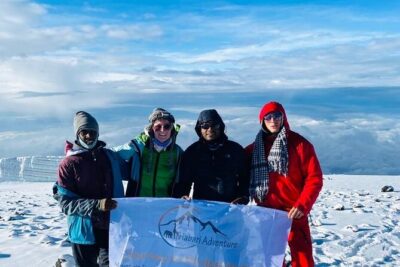
5 Days Best of Tanzania Luxury Safari Northern Circuit
Read our review →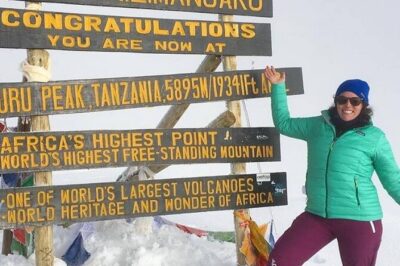
Climbing Kilimanjaro through 7 days Machame Route
Read our review →