Reviewed · KILIMANJARO CLIMBS
6 Day Kilimanjaro Climbing Via Marangu Route
Kilimanjaro rewards patience and good planning. This 6 Day Kilimanjaro climb via Marangu is built around steady altitude steps, expert local leadership, and Signature Camping comforts that make the hard parts feel manageable. You’ll move through changing ecosystems from rainforest to the cold, high zones tied to the summit bid.
What I like most is the way the itinerary spaces the days for acclimatization. You start at Marangu Gate, sleep at Mandara Hut, then work up to Horombo Hut, and finally reach Kibo Hut before the summit push. That rhythm helps you adjust to the thinning air without rushing everything into one brutal day.
Second, the guide experience is a big part of the value here. Reviews highlight strong care from guides such as Antipas and Emanuel, plus teams that are supportive even with a wide range of ages in the group, including a 70-year-old dad. One thing to consider, though, is that the marketing text mentions Machame Route even though the itinerary is clearly Marangu, so you should double-check the exact route details when booking.
In This Review
- Key highlights worth knowing before you go
- Why the Marangu Route is a smart pick for first-time Kilimanjaro hikers
- The altitude game plan, from rainforest to the summit zone
- Day-by-day: what happens from Marangu Gate to Mandara Hut
- Day 2 to Horombo Hut: heathland, Mawenzi views, and a longer climb
- Day 3 to Kibo Hut: alpine desert, the saddle view, and tougher breathing
- Day 4: Uhuru Peak at sunrise, then the descent to rest
- Day 5: return to Marangu Gate and your summit certificate moment
- Signature Camping comfort, meals, and what’s included day to day
- Guides, porters, and why support is the real luxury on Kilimanjaro
- Price and logistics: is $2,196 good value for this climb?
- Practical planning tips that make the trek feel easier
- Who this Kilimanjaro climb suits best
- Should you book Spirit of Kilimanjaro via Marangu?
- FAQ
- Where does the climb start and is pickup included?
- How many days is the Kilimanjaro trek?
- Are park fees included?
- What’s included for food and drinks?
- What trekking gear is included?
- What’s not included in the price?
Key highlights worth knowing before you go
- Marangu Gate to Marangu Gate, with formalities handled at the start and certificates at the end
- Layered acclimatization, sleeping at Mandara Hut, Horombo Hut, and Kibo Hut before the summit push
- Crossing ecological zones, from lush rainforest to cold high-altitude zones tied to summit conditions
- Signature Camping, with sleeping bag and camping equipment included, plus meals daily
- Guides who look after people, with reviews citing extra attention for older hikers
- Group size capped at 100, which helps keep things from feeling like pure chaos
Why the Marangu Route is a smart pick for first-time Kilimanjaro hikers
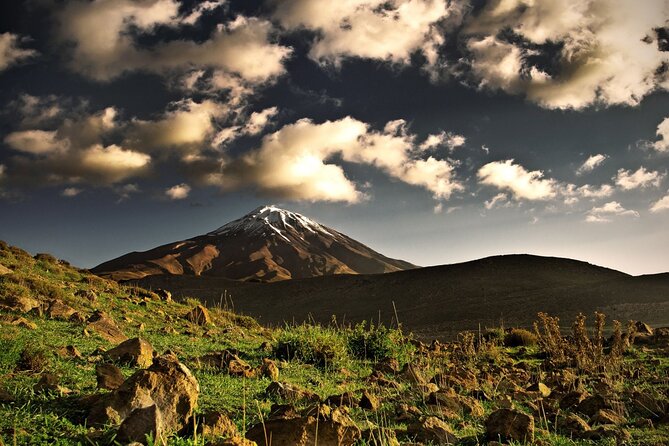
Kilimanjaro is not just about willpower. It’s about pacing, managing fatigue, and staying focused when the air gets thin. The Marangu Route is popular for a reason: it follows a recognizable climbing arc with clear stages, from rainforest into alpine and then toward the summit zone.
I also like that the route is framed as a full ecosystem journey. You’re not just chasing altitude for a single photo. The climb is designed to take you through different environments, and you can feel the mountain change as you go, from warmer greenery to colder, harsher conditions higher up.
One practical bonus for value-minded travelers: the climb includes a lot beyond “someone walks with you.” You get a guide, meals, water, snacks, and camp gear like a sleeping bag and camping equipment. That matters because gear and food costs add up fast in many trekking packages.
More Kilimanjaro climbs:
- 7 Days Kilimanjaro via Machame route affordable price
★ 5.0 · 110 reviews - Kilimanjaro Airport taxi to/from Moshi town/Arusha town
★ 5.0 · 60 reviews - 6 Days Climbing Mount Kilimanjaro Machame Route
★ 5.0 · 40 reviews
The altitude game plan, from rainforest to the summit zone
Altitude is the main storyline on Kilimanjaro. Your body needs time to adapt, and the route gives you that time through step-by-step days and night stops at increasing elevations.
Here’s what that looks like based on the route outline:
- Day 1: Marangu Gate to Mandara Hut at about 2,700 meters (around 8 km)
- Day 2: Mandara Hut up into heathland to Horombo Hut at about 3,700 meters (around 12 km)
- Day 3: Heathland up into alpine desert to Kibo Hut at about 4,700 meters (about 4 hours listed)
- Day 4: Early summit push toward Uhuru Peak at 19,340 ft, then descent back down
- Day 5: Horombo Hut back to Marangu Gate (passing heath and rainforest on the way down)
The key is that the summit day starts early so you can reach the top before sunrise. That timing also helps you avoid some of the harsher conditions later in the day. The flip side is that you will be tired and cold, and you’ll need to keep moving steadily even when the effort feels like it’s using extra battery.
Also, quick note on the route wording: the overview text says Machame Route, but the detailed daily plan is for Marangu. When you book, ask the operator to confirm you’re getting the exact Marangu program you expect, including hut stops and summit approach.
Day-by-day: what happens from Marangu Gate to Mandara Hut
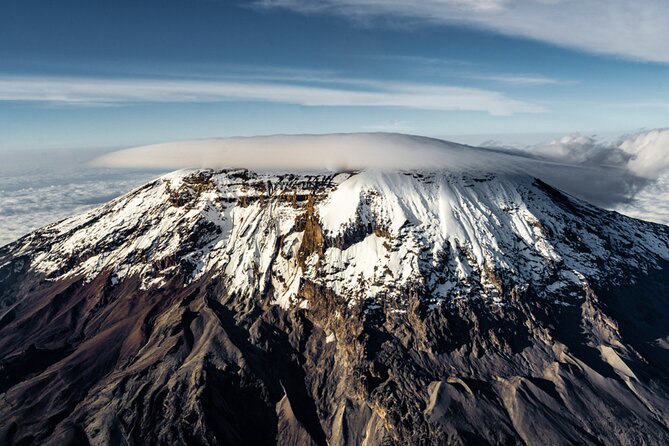
Day 1 starts at Marangu Gate inside Kilimanjaro National Park. You’ll do the park formalities, then meet your team of guides and porters. This first day is a gentle on-ramp, with lush rainforest and a relatively easy feel for many hikers.
The route covers about 8 km and ends at Mandara Hut, around 2,700 meters. That night stop is important because it sets the pattern: you’ll be sleeping at higher elevation than you started, letting your body begin adjusting before the bigger jumps later.
If you’re wondering what the rainforest day is really like, think shade, humidity, and lots of plant life. This is the day where you can save your energy. You’re not trying to win a race, you’re trying to arrive at the hut feeling steady, not wrecked.
Day 2 to Horombo Hut: heathland, Mawenzi views, and a longer climb
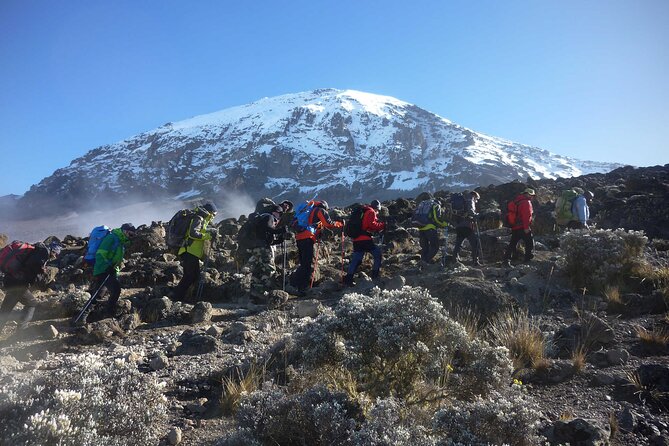
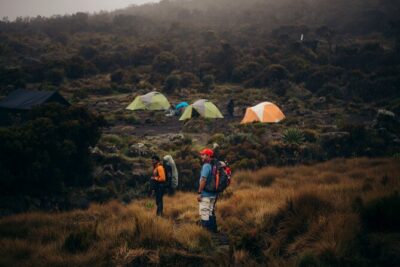
After breakfast, the route leaves the rainforest behind and enters the heathland zone. The terrain changes, and the views start to open up. You’ll get glimpses of Mawenzi Peak, one of Kilimanjaro’s iconic formations, which makes this day feel like the mountain is introducing its big features.
This segment is listed at about 12 km, and you’ll hike to Horombo Hut at around 3,700 meters. It’s longer than Day 1, so it’s the first day where you’ll really feel the importance of pacing. A steady, slow rhythm tends to work better than pushing hard early.
This is also a day where hydration matters. At these elevations, dehydration can sneak up on you, and you need to keep sipping regularly even if you don’t feel “thirsty-thirsty.”
A few more Kilimanjaro trips to compare
- Great Migration Safari In Tanzania
★ 5.0 · 71 reviews - 6 Days Tanzania Classic Safari
★ 5.0 · 52 reviews - 8 Days Kilimanjaro Hike via Lemosho Route
★ 5.0 · 39 reviews - 7-Day Machame Route Kilimajaro
★ 5.0 · 28 reviews
Day 3 to Kibo Hut: alpine desert, the saddle view, and tougher breathing
Day 3 is where the environment flips again. You move into the alpine desert zone, and the altitude increase makes the hike feel more challenging. You’ll reach Kibo Hut at about 4,700 meters.
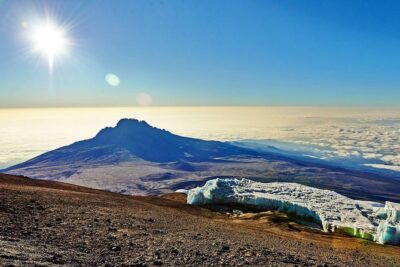
The scenery changes dramatically here. You’ll catch your first glimpse of the saddle between Mawenzi and Kibo, plus the volcanic cones that make up Kilimanjaro’s volcanic structure. Visually, it’s one of those moments that helps you understand what you’re actually climbing toward.
Breathing is the big challenge. Even if your legs feel fine, the air will feel thinner. The route guidance here is simple: pace yourself and stay on top of hydration. You’re building endurance for the next day, not proving fitness at the summit-less stage.
Day 4: Uhuru Peak at sunrise, then the descent to rest
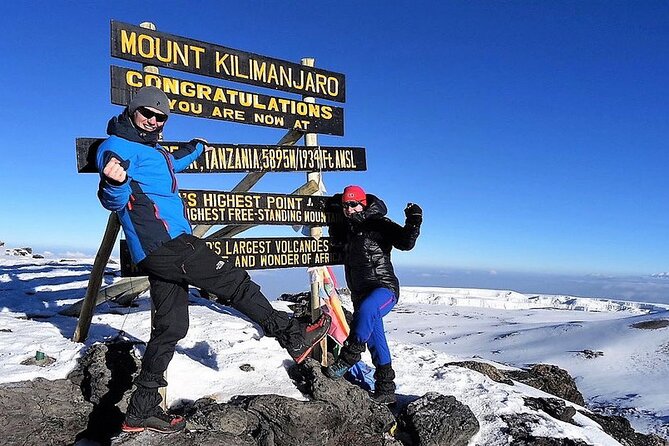
This is the hardest day, and also the most satisfying. The summit attempt begins in the early hours so you can reach Uhuru Peak before sunrise, giving you that highest-point-in-Africa payoff at the top.
The outline keeps the focus on the mission: climb early, reach the peak, celebrate, then descend. After Uhuru Peak, you’ll go back down to Kibo Hut and then continue descending to Horombo Hut for recovery.
Even though Day 4 is listed with a short time block, treat it like a long, demanding day. Summit hikes are rarely “short” in real life because the altitude slows your pace. Plan for cold, fatigue, and the mental work of keeping your steps consistent on steep sections.
This is also where your guide support matters. Reviews highlight the human side of Kilimanjaro leadership, with guides like Antipas praised for looking after hikers, including someone in the group who was 70. When conditions get tough, that kind of steady encouragement and attention can make the difference between pushing through and burning out.
Day 5: return to Marangu Gate and your summit certificate moment
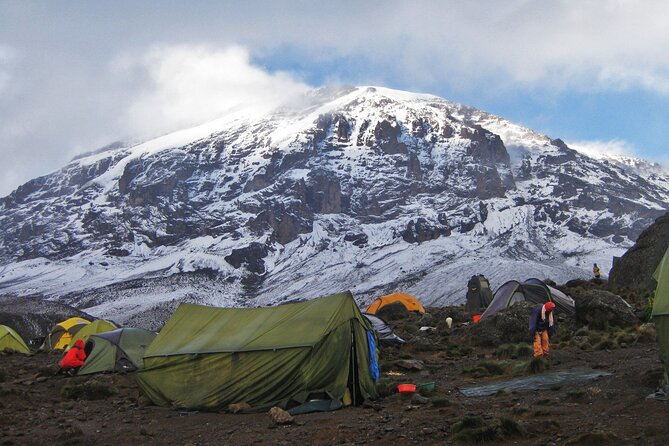
The final day brings a big shift from the high zones back down. You hike from Horombo Hut to Marangu Gate, passing through heath and rainforest again. It’s a quieter kind of day, but still not a casual stroll since your legs will be tired after the summit day.
The finish includes a more ceremonial feel. Once you reach Marangu Gate, you receive summit certificates, then you say farewell to your guides and porters. That closing moment is surprisingly emotional for many hikers because you’re collecting proof that the hard work actually paid off.
Wildlife can appear during the descent, and the route notes mention possible sightings such as colobus monkeys and birds. Even if you don’t see anything dramatic, the change in temperature and vegetation as you drop in elevation is its own reward.
Signature Camping comfort, meals, and what’s included day to day
For many first-time hikers, the biggest question is not the summit. It’s camp. Where do you sleep, what do you eat, and do you have the basics?
This program includes sleeping bag and camping equipment, plus daily meals: Breakfast (5), Lunch (5), Dinner (5). You also get bottled water, snacks, and coffee and/or tea. In other words, you’re not scrambling for supplies at the worst possible moment.
The overview highlights Signature Camping with spacious tents and deluxe comfort, plus amazing meals. While you should always expect mountain conditions to be imperfect, having the core camp gear included is a real value marker. It reduces the risk that you arrive underprepared.
One smart way to think about it: on Kilimanjaro, comfort is a tool. Better sleep and predictable meals help you manage the next altitude push. When you’re doing early starts and long days, even small comforts add up.
Guides, porters, and why support is the real luxury on Kilimanjaro
A good guide is not just someone who knows the trail. On Kilimanjaro, good leadership is about reading the group, managing energy, and keeping everyone safe in cold, low-oxygen conditions.
The route plan explicitly mentions experienced guides and porters, and the reviews back up that people felt genuinely cared for. Antipas is singled out as excellent, with a strong focus on supporting the group and especially protecting the well-being of the dad in the group.
Another name that came up is Emanuel, praised for making the ascent days feel meaningful and enjoyable beyond the physical challenge. And William and Tuliza are also mentioned as part of teams that delivered great organization and a successful summit effort, even when schedules had to adjust.
You also get a practical advantage here: the group includes staff who speak great English according to one review. Clear communication helps on days when you need to understand pacing instructions and summit-day strategy quickly.
Price and logistics: is $2,196 good value for this climb?
At $2,196 per person, this package is not budget travel. But it can be good value when you compare what’s bundled in.
Included items that often cost extra in other trekking setups include:
- Guide and all fees and taxes
- Sleeping bag and camping equipment
- All meals across the trek days
- Bottled water, snacks, and coffee and/or tea
- Pickup offered, with start and end tied to the airport meeting point
There’s also a meaningful safety and operations element hidden in the price: park entry and required fees are covered, and you’re set up with the staffing structure that Kilimanjaro demands (guides and porters). When you’re buying a high-risk mountain experience, paying for coordination and coverage often beats trying to piece it together.
One consideration: your total time commitment may not be exactly the same for every operator. The title says 6 Day, while the duration is listed as about 5 days and the itinerary outline shows Days 1 through 5. Before you lock in flights, ask the provider what the true total is for your specific departure and what the extra time is for if any.
Practical planning tips that make the trek feel easier
Kilimanjaro success is not about being the toughest person in the group. It’s about being smart, consistent, and prepared.
A few practical things you should plan for:
- Expect cold nights. Even with a sleeping bag included, you’ll want layers that handle high-altitude chill.
- Start slow on hiking days. Day 1 and Day 2 are your foundation. Save energy for Day 4’s sunrise summit.
- Use pacing and hydration as strategy. The route guidance repeatedly points to pacing and hydration for the altitude jump at Kibo Hut day.
- Confirm route details. Because the overview text includes Machame Route wording, you should verify you’re buying exactly what the itinerary describes, the Marangu route.
- Plan around the 7:30 am start time. The meeting point is tied to Kilimanjaro Airport, with the experience starting at 7:30 am.
Also, there’s a group size limit of 100 travelers listed. A cap like that is useful, but on Kilimanjaro, the real number you feel day to day is the group you trek with. Still, it’s a sign the operator is trying to keep operations controlled.
Who this Kilimanjaro climb suits best
This climb says it is suitable for most travelers. From the reviews, it also sounds like the team can support mixed-ability groups, including people who need extra care.
If you want:
- a structured route with clear hut stops,
- a summit attempt timed for Uhuru Peak before sunrise,
- and camping comfort with meals and gear included,
then this is a strong match.
If you’re chasing a “budget only, bring nothing” adventure, this price and what’s included might feel like overkill. But if you’d rather pay for smooth organization, camp support, and not having to source essentials, the package fits the goal.
Should you book Spirit of Kilimanjaro via Marangu?
I’d book this if your priorities are clear structure, meals and gear handled, and a team known for support. Names like Antipas, Emanuel, William, and Tuliza showing up in reviews points to consistent leadership that people trust on the hardest day.
I would hesitate only if the route wording creates confusion for you. The safe move is to confirm Marangu specifics before paying, especially since the overview mentions Machame. Once that’s clear, you’re looking at a climb that gives you the essentials to focus on altitude management and the summit push.
FAQ
Where does the climb start and is pickup included?
Pickup is offered, and the meeting point is at Kilimanjaro International Airport on Kilimanjaro Airport Rd, Tanzania. The experience starts at 7:30 am and ends back at the meeting point.
How many days is the Kilimanjaro trek?
The title says 6 days, and the duration is listed as approximately 5 days. The itinerary provided covers Day 1 through Day 5, with the trek ending back at Marangu Gate.
Are park fees included?
Yes. The itinerary notes admission ticket free, and the package includes all fees and taxes.
What’s included for food and drinks?
You get coffee and/or tea, snacks, bottled water, plus breakfast (5), lunch (5), and dinner (5).
What trekking gear is included?
A sleeping bag and camping equipment are included.
What’s not included in the price?
Visa and international flights are not included.
Just posted around Kilimanjaro
- 5 days Serengeti Wildebeest Migration Safari★ 5.0 · 3 reviews
- Mount Kilimanjaro 6 days – Machame route★ 4.0 · 5 reviews
- Lemosho Route★ 5.0 · 21 reviews
- 6 Days Machame Route Kilimanjaro Trekking★ 5.0 · 13 reviews
- Mount Kilimanjaro 7 Days – Machame Route★ 5.0 · 5 reviews
- 9 Days – Best of Tanzania Safari★ 5.0 · 4 reviews
- Tanzania Safari and Kilimanjaro Climb Multi-Day Experience★ 5.0 · 3 reviews
- Amazing 4 Days Safari 3 Nights: Tarangire, Ngorongoro, Serengeti★ 5.0 · 6 reviews
Kilimanjaro Climbs, compared.
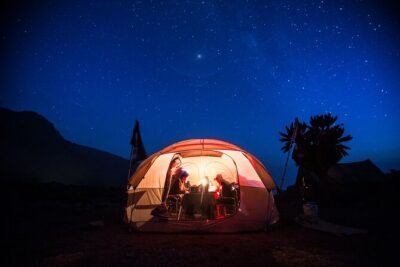
8-Day Small-group Lemosho Kilimanjaro Summit Trekking
Read our review →
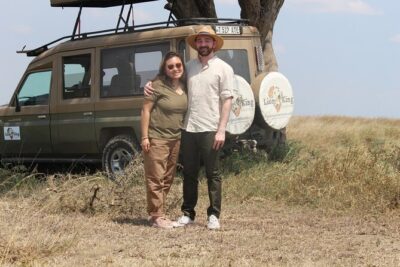
5 Days Best of Tanzania Luxury Safari Northern Circuit
Read our review →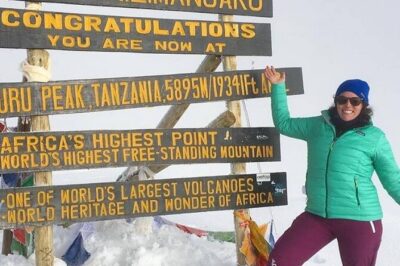
Climbing Kilimanjaro through 7 days Machame Route
Read our review →