Reviewed · 7-DAY EXPERIENCES
7 Days Wildebeest Migration – Ndutu Calving Season
Calving season turns the savannah into drama. This 7-day safari is built around Ndutu, where huge wildebeest herds arrive to drop calves, pulling in predators and making wildlife photography feel nonstop. I like the way the route balances big-name parks with the real “event” at the right time of year, plus you also get classic Tanzania game viewing. The one thing to think about is that predator action and calving peaks can be unpredictable, so your best shots depend on timing, weather, and where the herds are that week.
What I love most is Ndutu’s concentrated calving action. You are in the right area to watch calves hit the ground and move almost immediately, with lions, cheetahs, and hyenas showing up because the herds are packed together. I also really like the food and comfort setup: you get full meals most nights, bottled water on tap, and you do not spend your time fighting logistics when you should be scanning for wildlife.
A possible drawback is the pace. Expect a lot of driving and long park days, and you will be on schedule through multiple major ecosystems. If you want a slow, restful trip with minimal time in the vehicle, this one might feel like a lot.
In This Review
- Key highlights you should care about
- Ndutu calving season: why this trip feels different
- Arusha setup at Mount Meru Hotel: the calm before the safari
- Lake Manyara: elephants first, big-cat legend second
- Ngorongoro crater day: descent, Lake Magadi, and big-animal density
- Ndutu arrival at Sense of Wilderness Migration Camp: timing and comfort
- Two full days in Ndutu: calving peaks, fast calves, and predator tension
- Serengeti Central in one push: kopjes and classic acacia views
- Price and logistics: how $4,004 per person turns into value
- Who should book this Ndutu calving safari, and who should skip it
- Should you book this tour?
- FAQ
- FAQ
- How long is the safari?
- Where does the tour start and end?
- Which parks are visited on this safari?
- What is the main wildlife focus?
- What is included in the price?
- Are tips included?
- Is pickup offered?
- Is this a private tour?
- What if the weather is bad?
- What is the cancellation window?
Key highlights you should care about
- Ndutu calving focus: timed for the short window when most calves are born in the herd
- Ngorongoro crater density: big animals in a compact area, including Lake Magadi in the crater bowl
- Four habitat styles in one trip: Rift lakes, crater rim views, soda lakes and short grass plains
- Photography-friendly timing: calves, predator hunts, and big herbivores in the same frame
- Comfort and value built in: bottled water, included meals, and all fees and taxes covered
- Private experience feel: only your group participates
Ndutu calving season: why this trip feels different
Ndutu is Tanzania’s “watch the moment” safari. During the calving season, a huge number of wildebeests gather in the grass around Lake Ndutu. The count often gets described as hundreds of thousands of newborns, and the important part for you is what that does to the ecosystem: food gets concentrated, predators get more opportunities, and animal movement becomes fast and close.
Here is the practical payoff. If you love wildlife photography, this is one of the few times when you can plan your days around animal behavior, not just animal presence. Calves can be seen soon after they are born, and they are not stuck in the “tiny baby for days” stage. The information you get on the ground matters too, because the herd can shift.
There is also a realism check worth keeping in your pocket. This is predator country. You are likely to see kills and hunts because the herds create a buffet. But nature does not guarantee a dramatic moment at exactly your spotting time. Your best strategy is patience, keeping your eyes up for movement, and staying flexible when your guide suggests a new angle.
A few more Kilimanjaro trips to compare
- 7 Days Kilimanjaro via Machame route affordable price
★ 5.0 · 110 reviews - Great Migration Safari In Tanzania
★ 5.0 · 71 reviews - Kilimanjaro Airport taxi to/from Moshi town/Arusha town
★ 5.0 · 60 reviews
Arusha setup at Mount Meru Hotel: the calm before the safari
You start in Arusha after landing at Kilimanjaro International Airport, with a transfer of about 60 kilometers. It is a smart move to begin your safari here, not deep in the bush on day one. Arusha gives you a smoother landing after travel, plus you can get a proper briefing before the driving ramps up.
Mount Meru Hotel is the kind of stop that works as a reset button. You sleep, hydrate, and get your plans clarified with the operator’s representative. That matters because on safaris like this, the day-to-day choices are what make the difference: where to focus, when to go deeper, and how to handle long driving windows.
If you are thinking about what to pack, this first night is your chance to get organized. Make sure your camera settings are ready, charge everything, and keep your day pack light. In the next few days, you will spend serious time scanning through an open viewing area, and you want your gear to be quick to reach.
Lake Manyara: elephants first, big-cat legend second
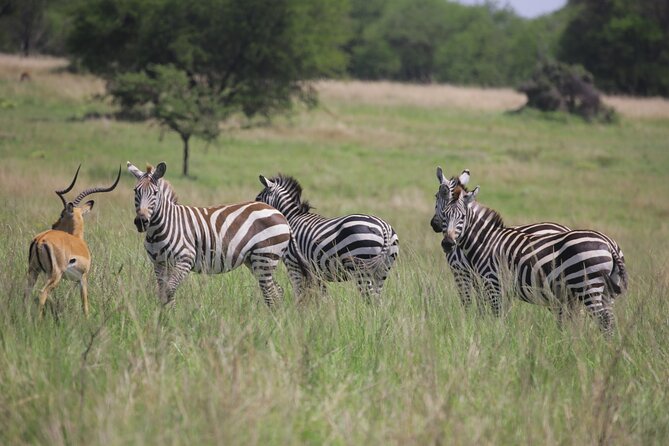
Lake Manyara National Park is a classic stop that changes the look of the scenery. It sits at the base of the Rift Valley escarpment, so you get a different feel than the more open savannah parks. There is also groundwater forest in the area, which can shift the colors and shadows in a way that photographers notice right away.
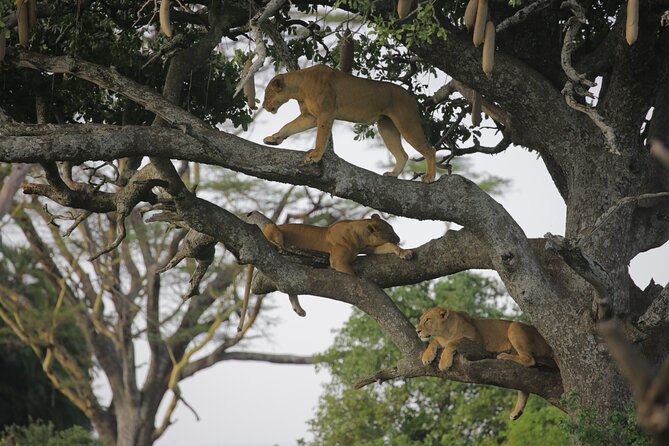
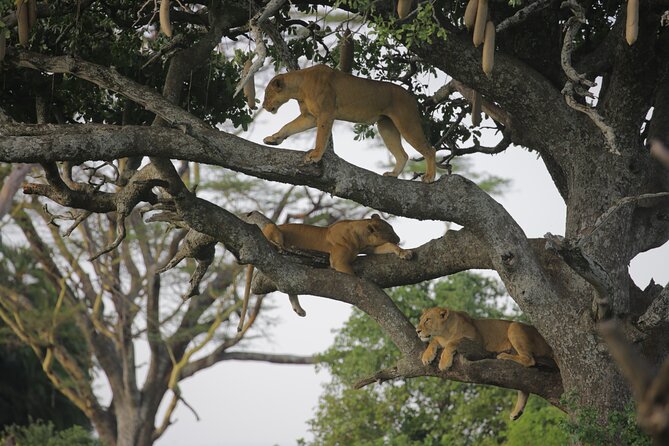
What makes this day useful is balance. Yes, Manyara has a reputation for tree-climbing lions, but the bigger truth is that you should not build your entire wishlist around seeing them. Instead, elephants are very prolific here, and that is exactly the kind of dependable wildlife viewing you want early in your trip.
You will do a full day game drive with a picnic lunch, then head to Karatu for dinner and overnight at Ngorongoro Coffee Lodge. This overnight choice sets you up for the next day, because you need to be ready for a crater descent and a packed schedule afterward.
If you have limited wildlife time in Tanzania, Manyara gives you variety without wasting your energy. It is not the single “main event,” but it makes the safari feel richer because the ecosystems look and behave differently.
Ngorongoro crater day: descent, Lake Magadi, and big-animal density
Ngorongoro is the kind of place that feels built for wildlife watchers. You drive from the rim and descend over 600 meters into the crater for a full day crater tour. The crater setup matters because it compresses habitat types and attracts many animals into one visible zone.
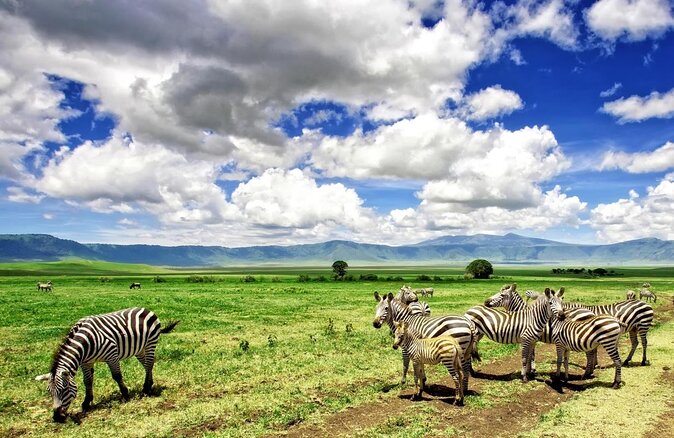
Expect herds and a big range of species. The crater is described as hosting wildebeests, zebras, buffalos, eland, warthogs, hippos, and giant African elephants. That mix is why people plan around this park even when they already know they will see plenty of wildlife later in Serengeti.
Lake Magadi is a key feature to look for inside the crater. It is a large but shallow alkaline lake in the south west corner, and alkaline water can mean you often see animals concentrating around it. Even if you do not catch a close-up moment, it gives you a consistent landmark to orient your drives and spotting.
For overnight, you move up to the rim at Ngorongoro Serena Safari Lodge. Staying on the rim is practical because your next driving day does not start with another long crater scramble. Plus, you get a nice change in temperature and viewing angles after a day at crater level.
Same base in Kilimanjaro, a completely different day:
- 6 Days Tanzania Classic Safari
★ 5.0 · 52 reviews - 6 Days Climbing Mount Kilimanjaro Machame Route
★ 5.0 · 40 reviews - 8 Days Kilimanjaro Hike via Lemosho Route
★ 5.0 · 39 reviews - 8 Days Great Wildebeest Migration – Mara River Crossing
★ 5.0 · 28 reviews
Ndutu arrival at Sense of Wilderness Migration Camp: timing and comfort
Then the trip shifts gears toward Ndutu. You leave after breakfast and drive into the Ndutu area inside the Ngorongoro Conservation Area, part of the Serengeti ecosystem. Lake Ndutu is alkaline, which fits with the Rift Valley geology across the region, and you can feel how the habitat supports grazing herds and lots of birds.
You arrive around lunch time at Sense of Wilderness Migration Camp, where you eat and then start with a game drive in the Ndutu area. This day is not only about comfort and settling in. It is also about position. On calving season safaris, being there sooner helps. You get to start scanning for wildebeests and zebra herds in your lightest hours of the day.
What I like about this camp stop is that it gives you a base that matches the mission. You are not constantly changing hotels and packing and unpacking. That matters when you are chasing movement. You want to be ready to jump back into the vehicle quickly after meals so you can follow where the herds are.
For dinner and overnight, you return to the same camp. That keeps your routine simple, and the routine is your friend when you are trying to get steady wildlife sightings.
Two full days in Ndutu: calving peaks, fast calves, and predator tension
This is the heart of the safari. You get another full day game drive in the Ndutu area, moving through habitats that include swamps, woodlands, soda lakes, and the short grass plains that make the Serengeti ecosystem famous.
If you care about seeing “the whole story,” this is where you should pay attention to the sequence. You start by finding herds, then you watch how activity changes when calves start appearing. The information you get on timing can help you plan your focus. Around February, within a short window that can run about three weeks, most wildebeests calve. The result is that you can see calves within minutes of birth, and they can be strong enough to keep up within a few days.
Now, about predators. The herd concentration is what pulls lions, cheetah, and hyenas into the same areas where you are already watching births. That can mean dramatic sightings, including hunts and kills. It can also mean long waits, because predators do not always choose the exact moment you are ready to shoot.
My practical advice: give your guide a clear priority for your camera time. If you want wider herds, ask for that. If you want close action, you will likely get it only when the herd and predator patterns line up. Staying calm and following your guide’s reading of the animals pays off more than trying to force one perfect shot.
You also tend to spot elephants, giraffes, and buffalos fairly often in this part of the season. That is important because it keeps the day feeling varied, even when wildebeests are the main attraction.
Serengeti Central in one push: kopjes and classic acacia views
After Ndutu, you move on to Serengeti National Park. You depart with a picnic lunch and game en route. Serengeti is Tanzania’s most famous park, and the sheer size is a real part of the experience, 14,763 square kilometers of protected land that borders Kenya’s Maasai Mara.
You are staying in central Serengeti at Tanzania Pure Tented Camp. Tented camps in the Serengeti often give you that classic safari feel without turning the trip into hardship. You get a base where you can rest and still feel close to the rhythm of the bush.
What you can expect is the classic Serengeti “structure” that photographers love: broad plains, twisted shadows of acacia trees, and rocky kopjes. Kopjes are more than pretty rocks. They shape animal movement and create lookout zones where different species show up.
This final wildlife block is a good way to round out the safari. Even if your main photos are built around calving season, Serengeti delivers the larger big-picture moments, including wide herd sightings and the kind of predators that roam over longer distances.
Price and logistics: how $4,004 per person turns into value
At $4,004 per person for about 7 days, this safari is not a budget getaway. So the only fair question is value. Here is where it helps you.
The trip includes all fees and taxes, plus bottled mineral water. It also includes a lot of your day-to-day comfort costs in meal planning: breakfast seven times, lunch listed for seven, and dinner included six times. That matters because on safari days you do not want to stop for meals or manage extra spending when the day is already driving-heavy.
It also includes Flying Doctor Emergency Evacuation. That is not the kind of thing you want to use, but it is a meaningful safety net when you are far from medical care.
Pickup is offered, and the meeting and start point is at Kilimanjaro International Airport road. That reduces the “first-day scramble” and helps you start your safari on schedule. You also get mobile ticket support, which is convenient because you are not carrying paper documents you can lose.
Two small notes to keep the experience smooth. Tips to guides are not included, so budget for that. And while the tour is private, only your group participates, you still need to be comfortable with an organized schedule and long driving blocks between major areas.
From the human side, the operator is known for responsive planning. In the company feedback I read, Mary is repeatedly described as quick and helpful during the planning stage, and guides such as Jimmy and Nickson are singled out for doing the job well. Even if you do not get those exact staff members, it tells you what kind of service style the company aims for.
Who should book this Ndutu calving safari, and who should skip it
This safari makes the most sense for you if you love wildlife behavior, photography, and high-stakes seasonal action. If you are excited by the idea of seeing calves soon after birth and then watching how the predators respond, Ndutu is the right kind of trip.
You should also consider it if you want a route that hits major Tanzania highlights without turning the schedule into a stress festival. You get Lake Manyara, Ngorongoro crater, Ndutu, and Serengeti in one week. That is a lot for seven days, but it is also a logical flow: start with briefing and easy sightings, then go into the crater, then straight into the seasonal event, then finish on the big Serengeti style.
Skip it if you hate driving days or you are easily discouraged by “not every hunt happens when you want it.” Calving season is active, but it is still wild. You might spend time tracking herds and waiting for the right angle, and that is part of the deal.
Also think about your comfort needs. The tour includes meals and bottled water, but you are still moving through safari environments. If you want a trip with minimal schedule and maximum downtime, you might want a different format.
Should you book this tour?
If your goal is Ndutu calving season and you can travel in the right months, I would book it. The value is strong for what you get, especially with fees and taxes covered, meals included for most days, bottled water unlimited, and emergency evacuation included. The itinerary is built around efficient timing, moving you into Ndutu quickly and then giving you the extra day you need to actually catch movement changes.
If you are unsure, use this rule of thumb. Choose this safari when you can be flexible and you want behavior, not only checklist animals. Choose a slower safari style if you want fewer long driving days or you prefer guaranteed comfort over seasonal uncertainty.
FAQ
FAQ
How long is the safari?
It runs for about 7 days.
Where does the tour start and end?
It starts at Kilimanjaro International Airport (Kilimanjaro Airport Rd, Tanzania). It ends back at the meeting point.
Which parks are visited on this safari?
The parks and areas mentioned are Lake Manyara National Park, Ngorongoro Crater in Ngorongoro Conservation Area, the Ndutu Lake area in the Serengeti ecosystem, and Serengeti National Park.
What is the main wildlife focus?
The main focus is the Ndutu calving season, when an estimated large number of wildebeest calves are born and predators often become more active.
What is included in the price?
The tour includes all fees and taxes, flying doctor emergency evacuation, unlimited bottled mineral water, and meals (breakfast 7 times, lunch 7 times, dinner 6 times).
Are tips included?
No. Tips to guides are not included.
Is pickup offered?
Yes, pickup is offered.
Is this a private tour?
Yes. Only your group will participate.
What if the weather is bad?
The experience requires good weather. If it is canceled due to poor weather, you will be offered a different date or a full refund.
What is the cancellation window?
You can cancel up to 6 days in advance for a full refund. Cancelling 2 to 6 full days before gives a 50% refund, and less than 2 days before is not refunded.
Just posted around Kilimanjaro
- 5 days Serengeti Wildebeest Migration Safari★ 5.0 · 3 reviews
- Mount Kilimanjaro 6 days – Machame route★ 4.0 · 5 reviews
- Mount Kilimanjaro 7 Days – Machame Route★ 5.0 · 5 reviews
- Lemosho Route★ 5.0 · 21 reviews
- 6 Days Machame Route Kilimanjaro Trekking★ 5.0 · 13 reviews
- Amazing 4 Days Safari 3 Nights: Tarangire, Ngorongoro, Serengeti★ 5.0 · 6 reviews
- 9 Days – Best of Tanzania Safari★ 5.0 · 4 reviews
- Tanzania Safari and Kilimanjaro Climb Multi-Day Experience★ 5.0 · 3 reviews
7-Day Experiences, compared.
7-Day Premium Luxury Tanzania Safari All-Inclusive
Read our review →
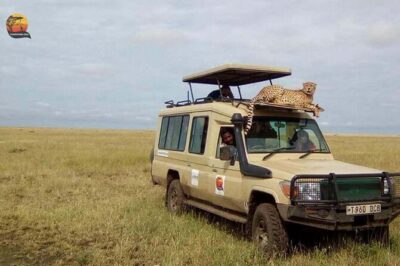
Group Safari 7 Days in Tanzania’s Main Parks
Read our review →
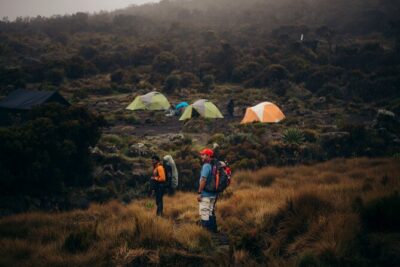
Climbing Kilimanjaro through 7 days Machame Route
Read our review →
7-Day Machame Kilimanjaro Summit Tour from Arusha
Read our review →