
Reviewed · KILIMANJARO CLIMBS
Trek To Mount Kilimanjaro
Two days on Kilimanjaro feels like a sprint. That is exactly why the Lemosho route setup matters, because it is designed to ease you into altitude on a quieter, more scenic approach before the steeper, busier summit work. On this plan, you get the feel of Lemosho, including the rainforest and wilderness style that climbers associate with the early days of the route.
I especially like two things. First, I like that Sirikwa frames Lemosho as a smart balance of low crowds and excellent scenery, not just a random way up. Second, I like the safety and comfort basics that are actually included, like camping gear, daily hot meals, treated water, hot water for washing, and even an oxygen tank plus an emergency first-aid kit.
One consideration: a “2-day” Kilimanjaro climb is short by mountain standards, so you should be honest about your fitness and altitude tolerance. Also, the package includes two nights in Moshi, so plan your travel days so you are not rushing around on arrival and departure.
In This Review
- Key things to know before you go
- Lemosho on a tight timeline from Moshi
- Start time, pickup, and how Moshi fits in
- Day 1: Kilimanjaro National Park, first big impressions
- Day 2: Mount Kilimanjaro and the summit-day reality
- The included package you actually rely on
- Price and value at about $2,700 per person
- Who this 2-day Lemosho trek suits best
- What to do to make this climb easier on yourself
- So should you book Sirikwa Travel for Kilimanjaro?
- FAQ
- How long is the Kilimanjaro trek?
- What time does the experience start?
- Is pickup included?
- Are hotel nights included in Moshi?
- What is included on the mountain?
- What is not included?
- How big is the group?
- What is the cancellation policy?
Key things to know before you go
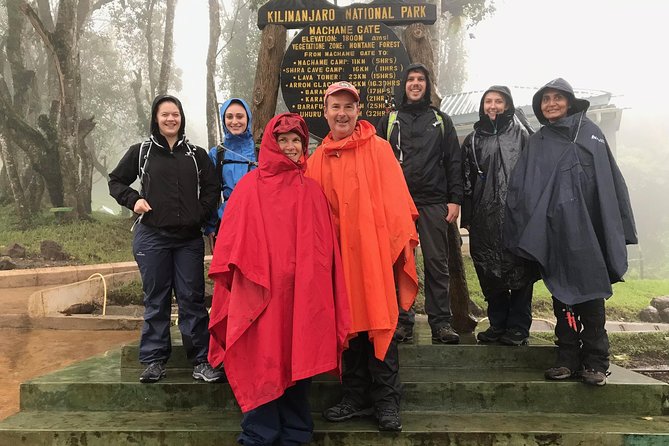
- Lemosho is built for altitude time, with an early, less crowded feel compared with the most used corridors
- Small group size (max 10) helps keep the pace and logistics manageable
- Included rescue and medical gear, including oxygen tank and an ox meter
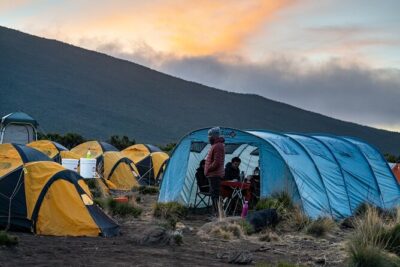
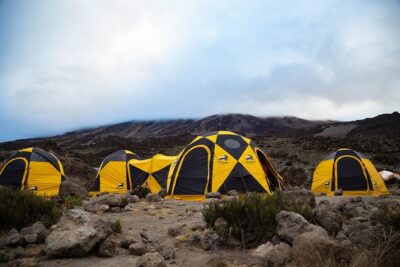
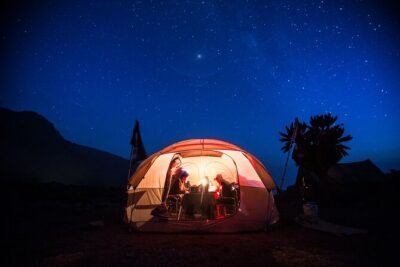
- Camping comfort matters here, with four-season tents, sleeping mattresses, and mess tents with table and chairs
- Daily structure is strong, with 3 hot meals each mountain day and treated, filtered drinking water
- Operator focus on Lemosho, with multiple guides and support staff named in client stories, including Ole, Alfred, Pail, and Jyroi
Lemosho on a tight timeline from Moshi
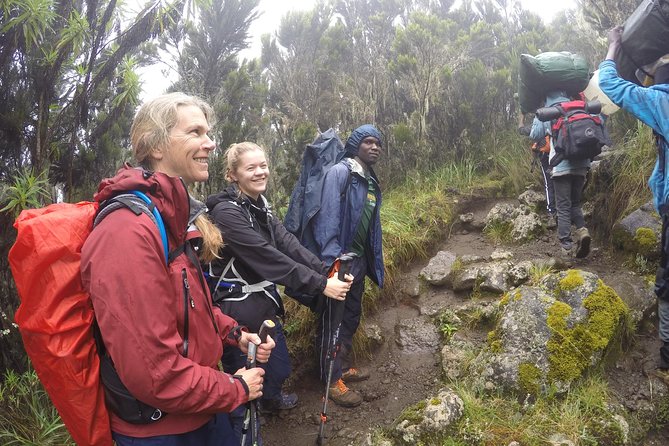
If you want Kilimanjaro without the chaos of the busiest routes, the Lemosho approach is a good match. It is known for being less traveled and for offering panoramic views from multiple angles, with the early hiking in lush rainforest and wilder terrain.
What makes this tour interesting for your planning is the promise of acclimatization even with a shortened duration. The route logic is that you spend time across the Shira Plateau to get your body used to altitude, then tackle the summit section that is associated with the busier Barafu route. Sirikwa specifically recommends this “2 days Lemosho” format as the best option for acclimatization, so you are not signing up for a fly-by-night sprint without a plan.
Just keep your expectations grounded. You are still going to altitude fast compared to longer itineraries, so treat the first hours and the pacing instructions as part of your success plan, not as a warm-up.
More Hiking Trips in Moshi
- Private Kilimanjaro Hike 7 Day Lemosho Route
★ 5.0 · 60 reviews - Best Kilimanjaro hiking day trip tour with Kilinge Adventures
★ 4.5 · 54 reviews - #1. Best Kilimanjaro Day hike Tour-Machame Route-ISMANI
★ 4.2 · 47 reviews
Start time, pickup, and how Moshi fits in
You start at 8:00 am, which is early but typical for Kilimanjaro. The good part is that the day is structured from the morning, so you are not waiting around. You also get pickup offered, plus overland transfers to and from Kilimanjaro International Airport.
Another practical detail: you get two night’s hotel accommodation in Moshi included. That matters because you can settle in, sort gear, and keep your sleep situation from being a total mess right before altitude. It also means you should think of this as a short overall trip package, not just two hiking days.
Finally, the group max is 10 travelers. For Kilimanjaro, smaller groups usually means you spend less time herding people and more time following the guide’s rhythm.
Day 1: Kilimanjaro National Park, first big impressions
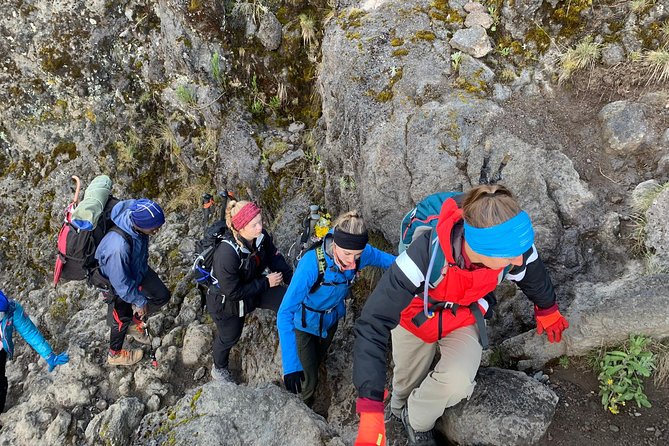
Your first stop is Kilimanjaro National Park for about 8 hours. This is where the route’s “scenic and less crowded” reputation becomes real. Lemosho is described as the most scenic trail, with panoramic vistas on different sides of the mountain, and with rainforest walking that feels cooler and greener than the more bare, early-season vibes you might see on other routes.
What you can expect here is the first sustained time on the move, with your support team handling the rhythm of the hike. You will be with professional guides, plus cook and porters. The presence of porters is not just convenience, it is what keeps the walk focused on you, not your backpack math.
One more included comfort detail you should take advantage of: the tour provides hot water for washing and includes quality mess tents with table and chairs. That means you can actually reset after the hike, instead of collapsing in the dirt feeling permanently grimy.
Day 2: Mount Kilimanjaro and the summit-day reality
Day two focuses on Mount Kilimanjaro for about 8 hours. Your exact turn-by-turn could vary based on conditions, but the overall intent is clear: this is the day where the altitude work gets real and the views from the mountain start to feel like a reward you earned.
What I like about how this tour is positioned is the logic behind it. The Lemosho route style aims to get your body acclimated before you join the style of route that is commonly linked with Barafu. In other words, the tour is not pretending altitude is a casual thing, it is trying to stage your effort.
The practical side matters too. You are not going without help on the move, because the package includes friendly and professional mountain guides, cook, and porters, plus team Kilimanjaro Rescue fees. That last point matters because it signals you are paying for the full mountain support system, not just a walk with a guide.
Also, your kit is supported. You get ox meter and oxygen tank, plus an emergency first-aid kit. Those details do not guarantee anything, but they do give you a safer-feeling expedition setup.
More Kilimanjaro climbs:
- Kilimanjaro climb by Lemosho Route (7-day)
★ 5.0 · 651 reviews - Kilimanjaro climb, Machame Route (7-day)
★ 5.0 · 262 reviews - Kilimanjaro Climbing Lemosho Route 8 Days.
★ 5.0 · 186 reviews - Climbing Kilimanjaro – Machame Route
★ 5.0 · 170 reviews
The included package you actually rely on
A lot of Kilimanjaro pricing games happen because tours “include the basics” while quietly making you buy the key items. This one is more straightforward, and it is worth your attention because it includes both comfort and safety inputs.
Here is what stands out as most useful for you:
- Two night’s hotel in Moshi, which helps you manage arrival stress and gear prep
- Park entry fees and camping fees, so you are not hunting down additional charges
- Four-season mountain tents, plus a sleeping mattress
- 3 hot meals daily while on the mountain, which is huge for keeping energy up
- Enough treated and filtered drinking water throughout the trek, so hydration does not become a scavenger hunt
- Hot water for washing, so you do not feel permanently dusty
- Quality mess tents with table and chairs, which upgrades the whole camp experience
- Emergency first-aid kit, plus ox meter and oxygen tank
- Fair wages for the mountain crew as approved by KPAP, which is something you cannot tell from a flyer, but you can look for in the cost structure
Two small notes that are worth weighing. First, the tour adds 18% VAT on tour fees and services, so the final total you see should be closer to what you expect. Second, it includes rescue fees for the team, which is the sort of hidden line item that you definitely want covered.
Price and value at about $2,700 per person
$2,700 sounds like a lot until you break down what it is paying for on a mountain like Kilimanjaro. You are not just paying for a guide’s time. You are paying for park permissions, camping operations, rescue coverage, tents, mattresses, meals, and the day-to-day mountain staff that make the trek work.
The best value angle here is that the package covers a lot of the items people typically underestimate. Hot meals and treated water are not optional extras when you are working hard at altitude. The emergency gear is another big-ticket component you do not want to be sourcing yourself.
What is not included matters too. Flights and visa are not included, and tips for porters, guide, cook, and assistant guide are not included. Also, the tour does not include meals other than breakfast while you are at the hotel in Moshi, and it excludes non-essential items like alcohol, beverages, cigarettes, and snacks.
So, how do you judge value? I would treat $2,700 as paying for a tightly run expedition with safety and comfort built into the operational price, not as an opportunity to bring your own tent and improvise logistics.
Who this 2-day Lemosho trek suits best
This trek fits best if you want a quieter, more scenic approach and you are prepared for the physical reality of altitude, even on a short climb. The activity lists moderate physical fitness as the requirement level, and that is a helpful signal: you will be hiking enough to feel it, but it is not pitched as a technical climb.
It is also a solid pick if you care about having a small group. With a maximum of 10 travelers, you are less likely to get stuck behind a slow shuffle and more likely to keep a steady, guided pace.
One more thing: the operator is specifically described as specializing in guiding the Lemosho route. That specialization tends to translate into smoother coordination, clearer pacing, and less guesswork on how the climb should feel.
Who should think twice? If you know you struggle with altitude, or if you want a very long buffer for acclimatization, you may feel the “2-day” format is too tight. This tour is designed to help acclimatization through route choices, but you still only have two mountain days.
What to do to make this climb easier on yourself
You cannot control everything on Kilimanjaro, but you can make the trek easier on your body.
First, respect the pacing. With a 2-day plan, there is less time to recover from overdoing it early. Stick to what the guide asks for, especially on the first day when you are adjusting.
Second, use the included systems. Take your hot meals seriously. Drink the treated water. Use hot water for washing when it is offered because being cold and uncomfortable wears you down.
Third, pack smart for camp. You have a sleeping mattress and tent support, but you still need your personal layers and warm items ready. Cold nights are part of the mountain experience.
And yes, plan your overall travel so you do not feel late to the starting line. With the 8:00 am start and the Moshi hotel nights included, your schedule should give you time to settle and rest.
So should you book Sirikwa Travel for Kilimanjaro?
If you want the Lemosho experience and you care about both scenery and a well-run support system, this is the kind of package that makes sense. I like that it includes a lot of the stuff that actually affects your daily life on the mountain: tents, sleeping mattress, hot meals, treated water, hot wash water, rescue coverage, and oxygen gear.
The main reason to hesitate is simple: two hiking days is fast. If you are aiming for maximum time-on-altitude buffer, you might prefer a longer route format. But if you are fit, ready to follow pacing instructions, and want a less crowded, more scenic route style in a shorter window, this plan looks like strong value.
If you book, go in with a calm attitude. Kilimanjaro rewards consistency more than bravado, and the tour is built around that kind of mountain thinking.
FAQ
How long is the Kilimanjaro trek?
The trek is listed as 2 days (approx.).
What time does the experience start?
The start time is 8:00 am.
Is pickup included?
Pickup is offered, and overland transfers to Kilimanjaro International Airport are included.
Are hotel nights included in Moshi?
Yes, the package includes 2 night’s hotel accommodation in Moshi.
What is included on the mountain?
You get park entry fees, camping fees, 3 hot meals daily while on the mountain, treated and filtered drinking water, hot water for washing, tents and a sleeping mattress, and an emergency first-aid kit, plus an ox meter and oxygen tank.
What is not included?
Flights, visa, tips for porters and guides, and meals other than breakfast while at the hotel are not included. Non-essential items like alcohol, beverages, cigarettes, and snacks are also not included.
How big is the group?
The maximum group size is 10 travelers.
What is the cancellation policy?
You can cancel for free up to 24 hours in advance for a full refund. If you cancel less than 24 hours before the start time, there is no refund.
More Hiking & Trekking in Moshi
- Best Kilimanjaro Adventure 7 days Machame route Trekking
★ 5.0 · 42 reviews - Kilimanjaro 7 Day Private Trekking Experience
★ 5.0 · 40 reviews - 8 Days Kilimanjaro Hike via Lemosho Route
★ 5.0 · 39 reviews - 6 Days Machame Route Kilimanjaro Climbing Trekking Tour
★ 5.0 · 34 reviews
Just posted around Moshi
- machame route★ 5.0 · 16 reviews
- Kilimanjaro Climbing Umbwe Route★ 5.0 · 3 reviews
- Wildlife Extravaganza: Manyara, Tarangire & Ngorongoro in 3 Days★ 5.0 · 3 reviews
- Mt Kilimanjaro 6 days Marangu route hike★ 5.0 · 3 reviews
- 3 Days Private E-Bike Tour in West Kilimanjaro★ 5.0 · 3 reviews
- West Kilimanjaro cycling Adventures★ 4.5 · 8 reviews
- Kilimanjaro Climb • Marangu Route ~ 9 Day★ 5.0 · 4 reviews
- Private Cycle to Kilimanjaro Bike Park Safari★ 5.0 · 6 reviews
Kilimanjaro Climbs, compared.
8-Day Small-group Lemosho Kilimanjaro Summit Trekking
Read our review →
5 Days Best of Tanzania Luxury Safari Northern Circuit
Read our review →
Climbing Kilimanjaro through 7 days Machame Route
Read our review →
Browse the lists this tour appears in