
Reviewed · KILIMANJARO CLIMBS
6 Days Machame Route Kilimanjaro Climbing Trekking Tour
A midnight summit and a morning of stars. This 6-day Kilimanjaro trek on the Machame Route takes you from Machame Gate up through multiple climate zones, ending with Uhuru Peak and a classic sunrise. I like that the schedule builds in time to adjust as you gain altitude, not just a straight line to the top.
I also appreciate the full-service logistics: transfers to and from Moshi, guided support with porters and cooks, plus campsite comfort like waterproof tents, mattresses, and table-and-chair mess tents. On top of that, the food is set up as real portions at each meal, which matters when you are walking all day at altitude.
The main drawback is the altitude itself. Even with acclimatization and experienced guides, this route still asks a lot from your body, especially on the tougher high steps of the middle days.
In This Review
- Key highlights that matter on the mountain
- Why the Machame Route works for a 6-day Kilimanjaro push
- Moshi to Machame Gate, Day 1: your first altitude lesson
- Shira Cave Camp on Day 2: rainforest to moorland and rocky ridges
- Lava Tower and Barranco Camp on Day 3: the tough altitude day
- Barranco Wall, Kiss Stone Point, and Barafu Camp on Day 4
- Uhuru Peak sunrise on Day 5: Stella Point and the scree grind
- Rainforest descent to Mweka Gate on Day 6, plus your certificate
- Price and logistics: what $1,950 per person is actually buying
- The value angle I’d focus on
- Guides, porters, and safety details you can use in your planning
- Who should choose this Machame climb, and who should think twice
- Should you book this 6-day Machame Route climb with Macpace Tours and Safaris?
- FAQ
- What is the starting point for this Kilimanjaro trek?
- How long is the Machame Route trek?
- Does the tour include park fees and conservation fees?
- What does the tour include for sleeping and camp setup?
- What safety items are included?
- What is not included in the tour price?
Key highlights that matter on the mountain
- Machame Route acclimatization feel: gradual progression through rainforest to moorland and higher zones before the summit push
- Real camp comfort included: waterproof four-season tents, sleeping mattresses, and mess tents with table and chairs
- Oxygen on site: an emergency oxygen cylinder is included in the kit if needed
- A day-by-day rhythm that sets up the summit: early dinner on summit-eve at Barafu, then the midnight climb
- Guides and porters you can count on: multiple guide names stand out in the feedback, including Elipokea, Baraka, Maneno, Victor, and Walter’s behind-the-scenes help
- Sunrise payoff: the climb is timed so you reach Uhuru Peak for an early morning view before heading down
Why the Machame Route works for a 6-day Kilimanjaro push
The Machame Route is popular for a reason: it gives you variety without rushing you into the highest zone on day one. You start at Machame Gate around 5,381ft, sleep at progressively higher camps, and keep moving through different terrain types as your body adapts.
What I like for planning is the way the days stack. You get rainforest to moorland transition early, a harder altitude day in the middle, then a summit setup night at Barafu that’s focused on getting you ready to move at night.
More Hiking Trips in Moshi
- Private Kilimanjaro Hike 7 Day Lemosho Route
★ 5.0 · 60 reviews - Best Kilimanjaro hiking day trip tour with Kilinge Adventures
★ 4.5 · 54 reviews - #1. Best Kilimanjaro Day hike Tour-Machame Route-ISMANI
★ 4.2 · 47 reviews
Moshi to Machame Gate, Day 1: your first altitude lesson
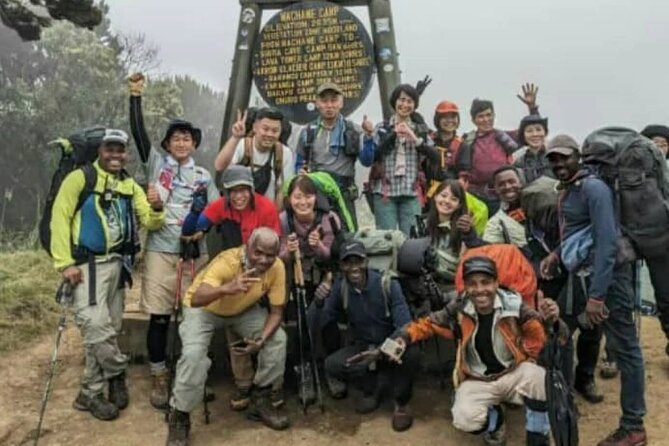
Day one begins with a 45-minute drive from Moshi to Machame Gate at about 5,381ft. Then you start climbing up to Machame Camp around 9,301ft, which takes roughly 5 to 7 hours of steep ascent.
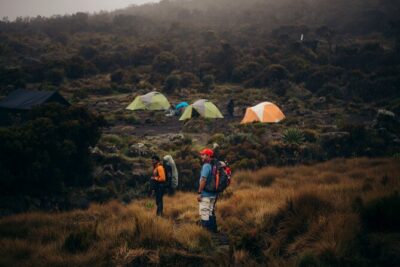
This is not a “slow warm-up” day. It’s where you learn how quickly your breathing changes at elevation, and why pacing matters. Expect a steep start, then camp life right after, with tents set up for your night under the mountain air.
Shira Cave Camp on Day 2: rainforest to moorland and rocky ridges
On day two, you trek from Machame Camp at 9,301ft to Shira Cave Camp at about 12,598ft. The climb takes about 4 hours, and you’ll travel through the last stretch of rainforest into moorland conditions.
A practical note: you hike along rocky ridges for several hours before reaching camp. That means good foot placement matters more than speed. If your boots fit well and your laces stay snug, this day feels like progress instead of punishment.
Lava Tower and Barranco Camp on Day 3: the tough altitude day
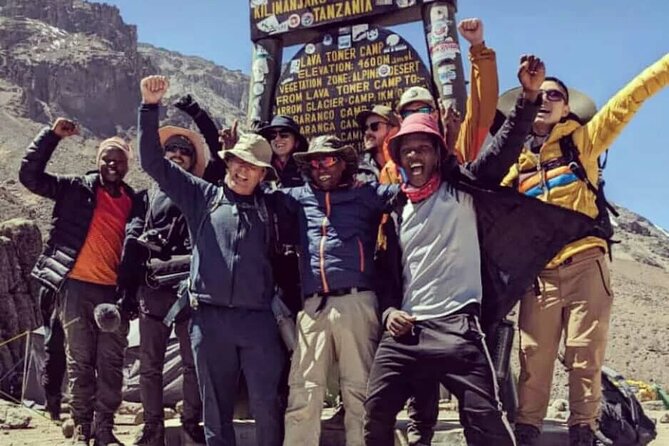
Day three is the one many people remember. You climb from Shira Cave Camp up to roughly 15,223ft at Lava Tower, then descend to Barranco Camp at about 12,959ft. The day can take around 5 to 8 hours depending on pace and conditions.
This is the classic “go high, then come down” day. It helps your acclimatization, but it still asks you to push through thin air. It also sets up the next day’s camp-to-camp work, because you arrive at Barranco after that altitude spike.
More Kilimanjaro climbs:
- Kilimanjaro climb by Lemosho Route (7-day)
★ 5.0 · 651 reviews - Kilimanjaro climb, Machame Route (7-day)
★ 5.0 · 262 reviews - Kilimanjaro Climbing Lemosho Route 8 Days.
★ 5.0 · 186 reviews - Climbing Kilimanjaro – Machame Route
★ 5.0 · 170 reviews
Barranco Wall, Kiss Stone Point, and Barafu Camp on Day 4
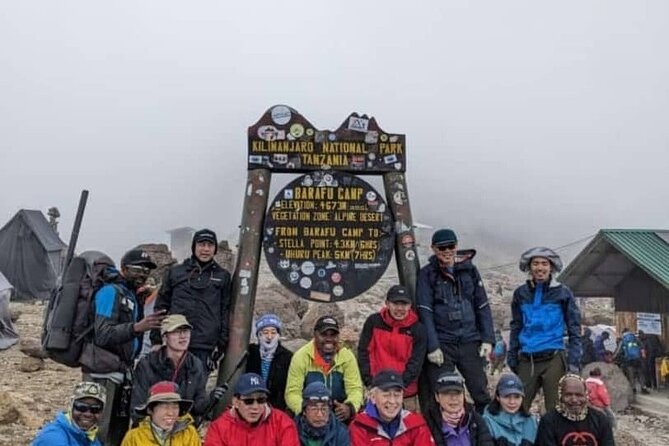
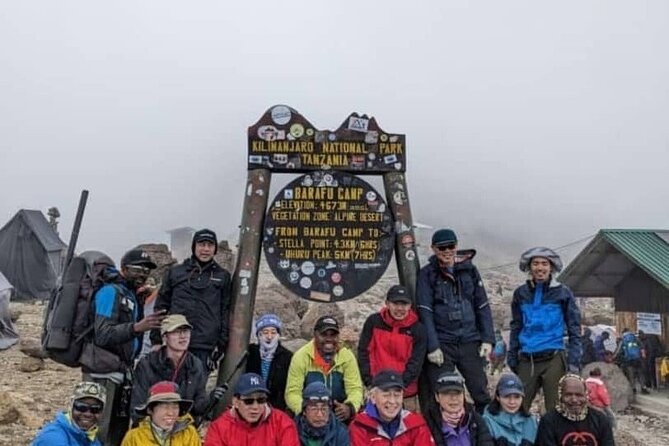
Day four connects Barranco Camp at 12,959ft to Karanga Camp at about 13,238ft, then up to Barafu Camp around 15,354ft. You cross the Barranco wall and Karanga valley ridges, including a section known as Kiss Stone Point on the Barranco Wall.
You should treat this day as mentally active. Even if you feel okay physically, the rock steps and exposed sections make you stay focused. Your guides matter here, and the feedback repeatedly points to guides like Elipokea, Victor, and others helping people through the tricky bits, plus porters getting camp set quickly once you arrive.
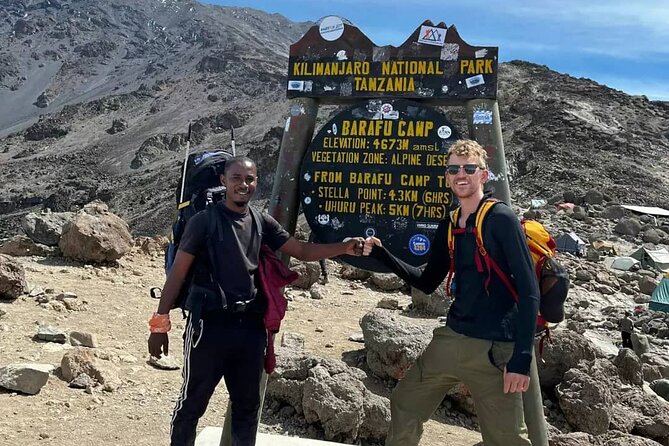
After reaching Barafu, the climb portion becomes more moderate, about 3 to 4 hours to get up there. Then the plan shifts to summit preparation: you get an early dinner and you prepare for a summit attempt that starts around 12:00 (midnight timing is stated in the itinerary).
Uhuru Peak sunrise on Day 5: Stella Point and the scree grind
Day five is the summit day, starting from Barafu Camp at about 15,354ft. You move toward Uhuru Peak, reaching 5,895m or 19,341ft, then you descend back to Barafu Camp and continue down to Millennium Camp for the last night.
The itinerary describes walking in a northwest direction and ascending through heavy scree toward the crater rim at Stella Point. From there, you take about a 15-minute break before heading to Uhuru Peak, where you are rewarded with sunrise and then begin the descent.
Even with good acclimatization, this is where endurance and technique really show. Scree makes your feet work constantly, so short, steady steps and consistent breathing help a lot. After the summit, you rest at Barafu for about two hours, eat lunch, then continue down to Millennium Camp for your final dinner and overnight.
Rainforest descent to Mweka Gate on Day 6, plus your certificate
Day six moves you from Millennium Camp down to Mweka Camp at about 10,104ft, then you descend through the rainforest zone to Mweka Gate around 5,380ft. It’s about 3 to 4 hours of hiking overall for this final leg.
Once you arrive at Mweka Gate, you receive your Kilimanjaro summit certificates, then you drive back to Moshi for your overnight stay. The best part of the last day is usually how quickly the stress comes off your shoulders once you see the gate and get the paperwork done.
Price and logistics: what $1,950 per person is actually buying
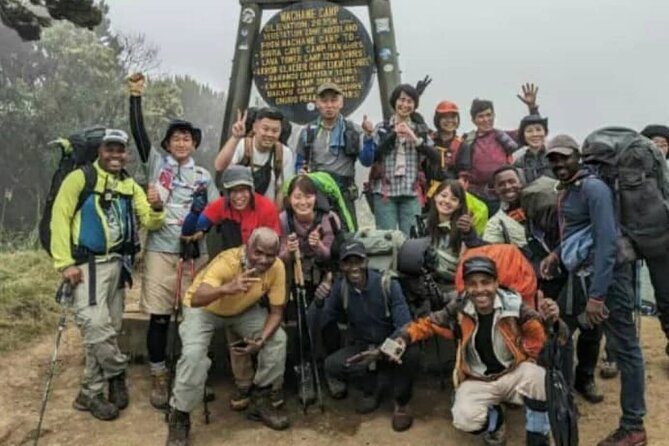
At $1,950 per person for a 6-day Machame climb, the price is not just “walking with a guide.” It’s a package that covers most of the expensive behind-the-scenes parts people forget.
Here’s what you get included that changes the value fast:
- Transfers: mountain and back to your Moshi hotel, plus airport pick-up and drop-off
- Guided team and camp team salaries: professional guides, porters, and cooks
- Camping setup: quality waterproof four-season tents on a twin-sharing basis and sleeping mattresses
- Camps and food: mess tents with table and chairs, and meals for 6 breakfasts, 6 lunches, and 6 dinners
- Water and safety: clean purified drinking water and an emergency oxygen cylinder
- Park costs: conservation fees, camping or hut fees, and rescue fees are covered as part of park fees
- Taxes and proof: VAT (18%) and a Kilimanjaro summit certificate
What’s not included is important for budgeting. You still need to handle Tanzania visa, your flights, personal trekking gear like sleeping bags and hiking boots, tips and gratuities, and travel insurance. The good news is that personal gear is available for renting, so you might not be forced to buy everything.
The value angle I’d focus on
If you try to cobble this together yourself, the park fees, staffing, tents, and meal planning are what usually balloon. In this package, you pay up front and reduce decision stress. For me, that’s a big part of why people rate it so highly and call it smooth.
Guides, porters, and safety details you can use in your planning
One of the most praised elements in the feedback is how well the team supports you from start to finish. Names that come up include Elipokea, Baraka, Maneno, Victor, and also Egbert for quick communication, plus Walter for luggage help.
I also like that the safety kit is clearly spelled out. You get an emergency oxygen cylinder included, and the tour lists professional and experienced guides, along with porter and cook support. That doesn’t make the climb easy, but it helps you trust that camp operations and emergency readiness are taken seriously.
There’s also a comfort factor that often gets overlooked. Camping tents are described as quality, waterproof, and four-season, and the mess tent setup includes table and chairs. When wind and cold show up, the difference between “something you can stand in” and “camp you can use” becomes real.
Who should choose this Machame climb, and who should think twice
This trek is aimed at people with at least moderate physical fitness. The itinerary includes long walking days, multiple altitude changes, and a night summit move that is physically demanding even for prepared hikers.
I’d think this is a strong match if you want a route with variety and you’re okay with tent camping. Several people also highlighted that sleeping in tents was fun, especially if it was their first time doing it, which suggests the camp experience is taken seriously and set up well.
Should you book this 6-day Machame Route climb with Macpace Tours and Safaris?
You should book if you want a high-structure Kilimanjaro plan where the important parts are already handled: transfers, staffing, tents, food, purified water, oxygen, and the park fees that can be confusing to calculate. The overall rating and the repeated mentions of guides and porters helping you through the route are strong signs the team keeps things moving and organized.
I’d think twice if you’re trying to cut costs by skipping gear planning. Personal trekking equipment and travel insurance are not included, and tips are on you. Also, be honest about altitude fitness, because even the best setup cannot erase the effort required to reach Uhuru Peak and then descend safely.
If your goal is a well-run Machame experience that feels supported from Moshi to Mweka Gate, this is the kind of package where you can focus on pacing, breathing, and enjoying the climb.
FAQ
What is the starting point for this Kilimanjaro trek?
You begin with a drive from Moshi to Machame Gate, which is the climb’s starting point. The meeting point listed is Macpace Tours & Safaris Ltd in Moshi.
How long is the Machame Route trek?
The tour is listed as 6 days approximately, following the Machame Gate to Uhuru Peak summit route and then descending through Mweka Gate.
Does the tour include park fees and conservation fees?
Yes. Conservation fees, camping or hut fees, and rescue fees are listed as part of the park fees and included.
What does the tour include for sleeping and camp setup?
You receive waterproof four-season mountain sleeping tents on a twin-sharing basis and a sleeping mattress. Mess tents with table and chairs are also included.
What safety items are included?
An emergency oxygen cylinder is included, along with professional guides and porters for support during the trek.
What is not included in the tour price?
Personal trekking equipment like sleeping bags and hiking boots is not included, though renting is available. Also not included are Tanzania visa, flights, tips and gratuities, and travel insurance.
More Hiking & Trekking in Moshi
- Best Kilimanjaro Adventure 7 days Machame route Trekking
★ 5.0 · 42 reviews - Kilimanjaro 7 Day Private Trekking Experience
★ 5.0 · 40 reviews - 8 Days Kilimanjaro Hike via Lemosho Route
★ 5.0 · 39 reviews - The Best & Unique Kilimanjaro Hiking tour 7 days Machame route
★ 5.0 · 34 reviews
Just posted around Moshi
- machame route★ 5.0 · 16 reviews
- Wildlife Extravaganza: Manyara, Tarangire & Ngorongoro in 3 Days★ 5.0 · 3 reviews
- Mt Kilimanjaro 6 days Marangu route hike★ 5.0 · 3 reviews
- Kilimanjaro Climbing Umbwe Route★ 5.0 · 3 reviews
- 3 Days Private E-Bike Tour in West Kilimanjaro★ 5.0 · 3 reviews
- West Kilimanjaro cycling Adventures★ 4.5 · 8 reviews
- Kilimanjaro Climb • Marangu Route ~ 9 Day★ 5.0 · 4 reviews
- Private Cycle to Kilimanjaro Bike Park Safari★ 5.0 · 6 reviews
Kilimanjaro Climbs, compared.
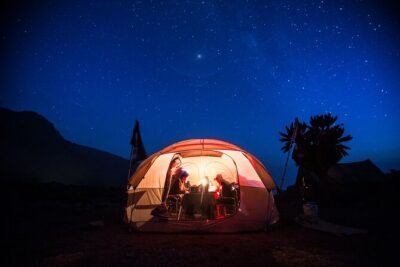
8-Day Small-group Lemosho Kilimanjaro Summit Trekking
Read our review →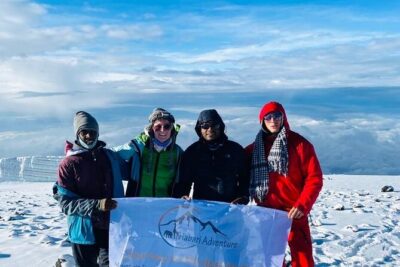
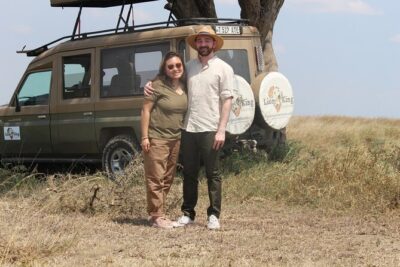
5 Days Best of Tanzania Luxury Safari Northern Circuit
Read our review →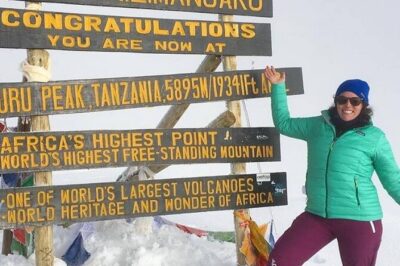
Climbing Kilimanjaro through 7 days Machame Route
Read our review →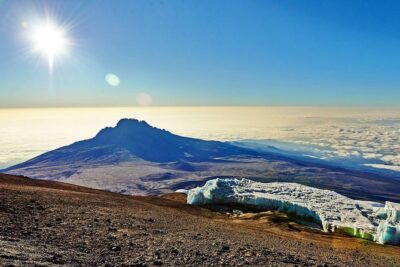
Browse the lists this tour appears in