
Reviewed · KILIMANJARO CLIMBS
Top 6 Days Mt. Kilimanjaro Bike trek Tour by Marangu-Kilema Route
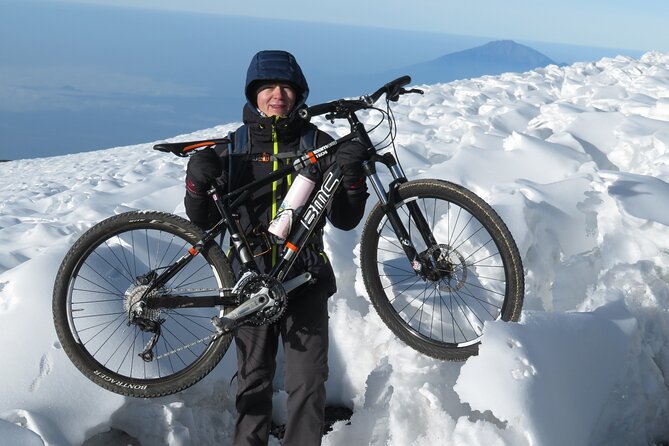
Pedaling up Kilimanjaro is a mind-bender. I love the hassle-free transfers from Moshi and the fact you can summit via the only bike-accessible route, turning the Kilema idea into real forward motion. The one consideration is that this is still Kilimanjaro, so the cold, thin air, and a few brutally rocky sections demand real mountain-bike confidence.
You’ll climb through changing habitats, sleep in mountain huts, and ride past ice and glacier views that feel totally out of place in ordinary Africa. I also like that the day-by-day plan is built around structure, with guides pacing you and supporting you when altitude hits. Some reviews even mention a guide named Gabriel getting special credit for keeping riders motivated.
If you’re hoping this will feel like a simple biking holiday, this will surprise you.
In This Review
- Key things I think you’ll care about
- Why biking the Kilema Route feels different from normal Kilimanjaro trips
- Price and what you actually get for it in real terms
- Day 1: Moshi pickup, Marangu gate registration, and the first 16 km pull
- Day 2: Alpine desert riding and the 10 km loop that tests patience
- Day 3: Rocky first 3 km, the Saddle, then the cold uphill grind toward Kibo
- Day 4: Climb back to Kibo hut, rest, and summit-path orientation
- Day 5: Summit night at 4:00 am, zigzags, Hans Meyer’s Cave, and riding into Uhuru
- Day 6: Final ride down via Kilema gate, then back to Moshi
- Crew, huts, and meals: the unglamorous stuff that makes or breaks the trip
- The mountain biking reality check: skills, fitness, and what to train
- Who should book this Kilimanjaro bike trek
- Should you book this Kilema Route bike trek?
- FAQ
- What route does this Kilimanjaro bike trek use?
- How long is the trip?
- Where does the tour start, and is pickup included?
- What is included in the price?
- Is a mountain bike included?
- Is there a cancellation option if weather is bad?
Key things I think you’ll care about
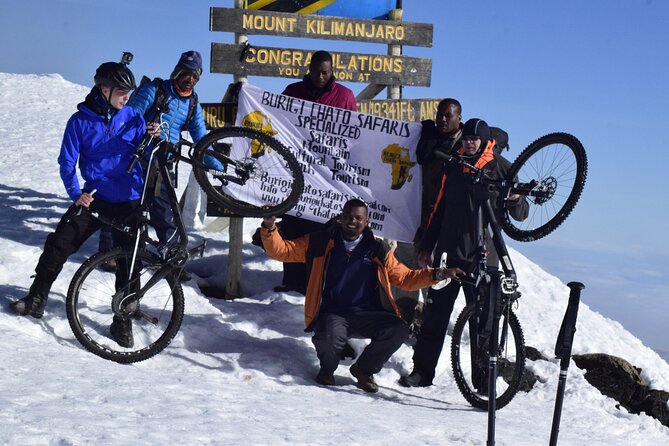
- Kilema Route summit by bike: a true one-of-a-kind way to reach Uhuru Peak
- All the mountain logistics handled: transfers, huts, and meals so you ride instead of manage
- Varied riding surfaces: alpine desert, rocky stretches, and cold high-altitude sections
- Early start on summit night: 4:00 am wake-up and a long, steep zigzag trek
- Real altitude effects are part of the deal: low oxygen and cold show up fast up high
- Operator support on tough moments: past feedback cites first-aid help when people felt AMS
Why biking the Kilema Route feels different from normal Kilimanjaro trips
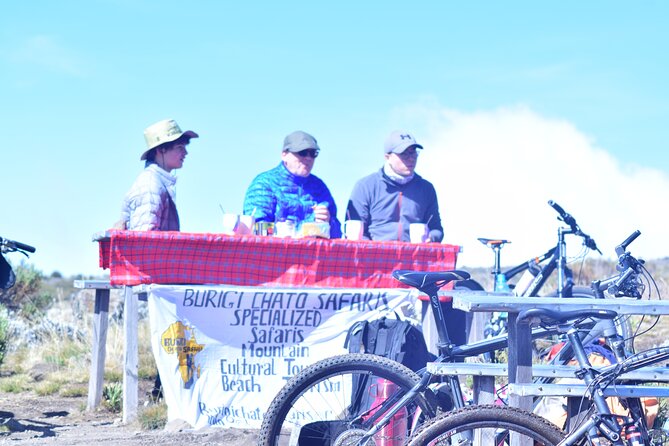
Most Kilimanjaro experiences are built around walking, with cycling as a fun extra or a bonus day. This one flips that. Instead of spending your days mostly hiking, you’re riding up through the altitude zones, then doing the summit attempt with a bike-focused plan when your body is already stretched thin by cold and low oxygen.
That change matters. Your legs still work hard, but the effort is different. On a bike, you can maintain rhythm on the gentler sections, then get punished on the rocky bits. When the route gets technical, you’re not just fighting altitude, you’re also making clean line choices with limited visibility in the cold. It’s mentally engaging in a way that walking often isn’t.
And you get a view of the mountain that feels sharper because you’re moving. You don’t just look at ridgelines and ice fields, you travel through them.
More Hiking Trips in Moshi
- Private Kilimanjaro Hike 7 Day Lemosho Route
★ 5.0 · 60 reviews - Best Kilimanjaro hiking day trip tour with Kilinge Adventures
★ 4.5 · 54 reviews - #1. Best Kilimanjaro Day hike Tour-Machame Route-ISMANI
★ 4.2 · 47 reviews
Price and what you actually get for it in real terms
At $3,668 per person for an approx 6-day trek, the biggest question is value: are you paying for a bunch of promises, or for mountain logistics that would be hard to assemble yourself?
In this package, you’re paying for the practical stuff that usually costs money and time:
- round-trip transfers from Moshi
- gate transfers tied to Kilimanjaro access
- all fees and taxes
- your hut accommodation before and during the trek and hotel in Moshi before and after
- meals (breakfast, lunch, and dinner are included)
- a staffed crew, including porter support
- a mobile ticket for the experience
What you still pay yourself:
- flights to Tanzania
- visas and tipping
- personal mountain gear
- and if you don’t already have a proper bike setup, the listing notes that trekking mountain bike hiring is not included.
So the value angle is simple. If you’re the type of traveler who wants to show up, get sorted, and focus on riding and acclimatization rather than coordinating everything, this price can make sense. If you already have your bike plan and gear handled independently, you should compare carefully what is and isn’t included, because that can change the math.
Day 1: Moshi pickup, Marangu gate registration, and the first 16 km pull
Most good Kilimanjaro trips start with smooth administration, because altitude punishes stress. Here, you start with a transfer from Moshi that takes about 45 minutes to the park area and then you move to the Marangu gate for registration. After that, you drive to the Kilema gate and begin your mountain biking day from there.
Once you’re at the Kilema gate, they do a practical pre-ride routine:
- you confirm your daypack items, including water and lunch, plus extra clothing
- you do a final check of your mountain bike
Then comes the first ride section: about 16 km from roughly 1,950 m up to Horombo hut around 3,705 m, guided the whole way with your leader cycling alongside you.
What I like about this first day is that it creates momentum. You’re not just trekking and warming up. You’re earning altitude with motion. The drawback is that the first day is still a big jump in elevation, and you’ll feel it even if the riding feels manageable. Take it easy on the first climb. Save your breath for later, because the summit night is not forgiving.
Day 2: Alpine desert riding and the 10 km loop that tests patience
Day 2 is built around Alpine desert vegetation and a mostly riding-focused schedule. After breakfast, you’re cycling around the Mawenzi area and returning to Horombo hut, with the route described as about 90% riding and roughly 10 km of cycling distance.
This is where many first-time Kilimanjaro cyclists learn a lesson. Alpine desert sounds dry and open, but it’s not a gentle cruising zone. The description notes small stone sections, which can slow your cadence and increase fatigue even if the distance isn’t huge.
So what you should do on day 2 is simple:
- keep your effort steady
- don’t sprint at the first sign of flat-ish ground
- treat every rocky patch like a chance to preserve energy
You’ll also notice temperature changes. Even when you’re moving, you’re high enough for cold air to feel sharp. That means gloves, layers, and wind protection matter early, not just on summit night.
More Kilimanjaro climbs:
- Kilimanjaro climb by Lemosho Route (7-day)
★ 5.0 · 651 reviews - Kilimanjaro climb, Machame Route (7-day)
★ 5.0 · 262 reviews - Kilimanjaro Climbing Lemosho Route 8 Days.
★ 5.0 · 186 reviews - Climbing Kilimanjaro – Machame Route
★ 5.0 · 170 reviews
Day 3: Rocky first 3 km, the Saddle, then the cold uphill grind toward Kibo
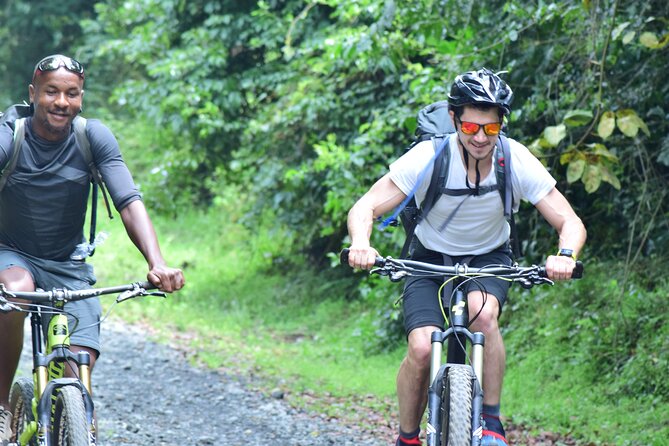
Day 3 is often the day that separates confident cyclists from cyclists who thought they could brute-force the climb.
The day starts with an early breakfast and then an ascent into the alpine desert habitat. The route includes three distinct riding feelings:
- The first 3 km are described as very rocky, difficult, and stony with erosion, so cycling is hard.
- After that, the trail improves and cycling becomes possible again.
- The Saddle between Mawenzi and Kibo is relatively flat, so it feels easier to ride.
- Then the 7 km section toward Kibo hut gets strenuous due to high altitude, low oxygen, and cold conditions.
- The final kilometer before Kibo hut is especially tough, and they remind you to slow down and drink enough water.
This is the reality of biking Kilimanjaro: even when the route looks like it should be rideable, altitude and traction take over. If you’re too aggressive on day 3, you’ll pay for it on day 4 and summit night.
A practical tip from the way this day is framed: you need to ride like you plan to be alive at the top. That means controlled breathing, micro-pauses to sip water, and choosing stability over speed every time the trail turns.
Day 4: Climb back to Kibo hut, rest, and summit-path orientation
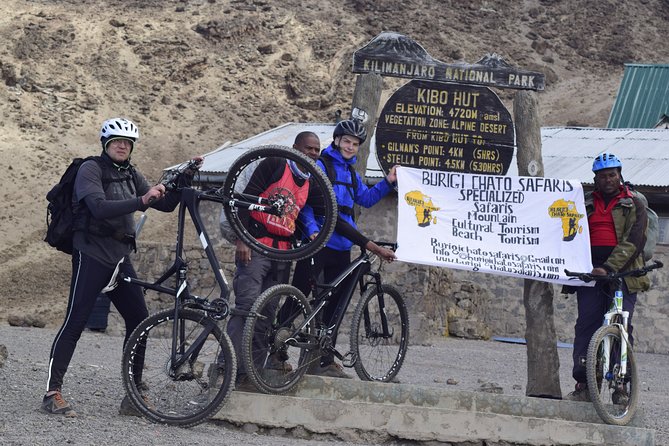
Day 4 starts with an early wake-up, and the routine shifts from riding momentum to summit prep. Your duffel bags are packed and ready, breakfast happens, and then you head back up toward Kibo hut.
The plan describes the final 7 km to Kibo hut as offering a good biking trail. That’s a welcome relief after day 3’s rocky difficulty. You’ll enjoy lunch at Kibo hut and aim to rest. Depending on how you feel, there’s an option around 16:00 to hike partially up the summit path. The point is orientation, so you’re not completely blind when you start the summit attempt later that night.
Then the summit logic kicks in. The summit (Uhuru Peak) is about 1,195 m up from the starting point, and you’ll make the final ascent the same night. That means cold discipline becomes as important as fitness.
The equipment notes are specific and worth taking seriously:
- thermal clothing is essential
- headlamp and camera batteries may need replacement
- bring a spare set
- the cold is strong enough that gear failures become a real problem
If you want one lesson to remember for Kili: summit night is an equipment and oxygen management test, not a willpower contest. Prepare for that.
Day 5: Summit night at 4:00 am, zigzags, Hans Meyer’s Cave, and riding into Uhuru
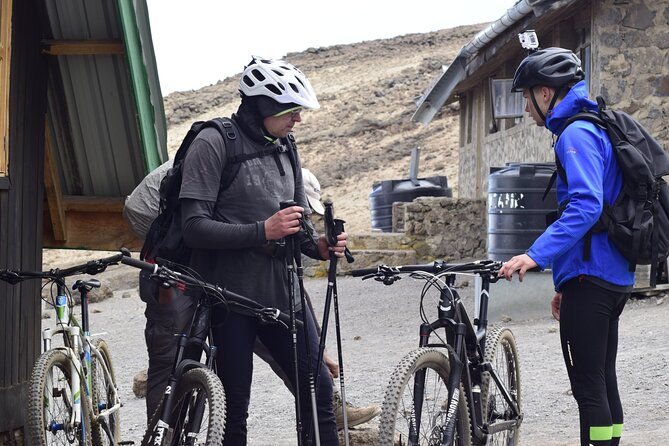
Day 5 is where the adventure gets both intense and kind of strange in the best way: you do a trek up a steep scree slope, then you get the bike back to ride onto Uhuru Peak.
The day starts at 4:00 am with guides waking you. You begin a zigzag trek up the long scree slope. After about two hours you reach Hans Meyer’s Cave. From there, the gradient gets steeper, and you continue for roughly another three hours to Gilman’s Point.
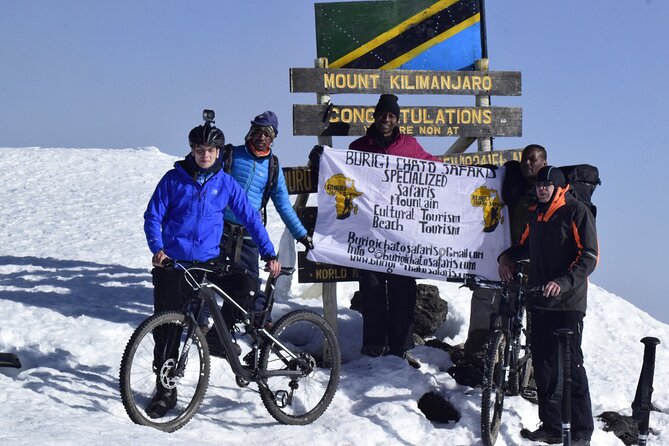
At that moment, you take your bike from porters and ride to Uhuru Peak. You arrive, spend a few minutes and take photos, and then ride down to Stella Point. After lunch, you ride down to Horombo.
The ride notes emphasize the change in vegetation across altitude:
- from Kibo to Uhuru and then the Kibo-to-Horombo segment includes alpine desert vegetation and icecap zones
Practically, that means you’re often on cold, exposed ground. You should expect that your hands and feet will slow you down more than your legs do. Keep your fueling consistent, because starting too hot or forgetting water can turn a manageable pace into a painful one fast.
Also, based on feedback, some riders deal with cold water supply issues at the summit night level. Plan for water and hydration to get difficult. Bring what keeps water accessible and drink early rather than waiting until you feel thirsty.
Day 6: Final ride down via Kilema gate, then back to Moshi
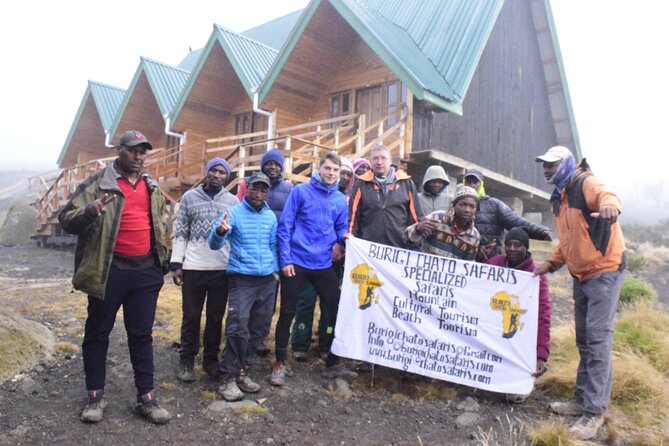
Day 6 is the payoff day, but it’s not a free ride. After breakfast, you make the final descent down to the Kilema gate, crossing alpine and then rainforest zones before you reach the gate area.
From there, you transfer to the Marangu gate for check out and then return to your hotel in Moshi.
This is the moment where you’ll appreciate why the biking setup is so helpful. On foot, descent fatigue can hit hard. On a bike, you can control speed and recover between pushes. You’re still below altitude stress now, but your legs might feel crunchy, especially if you spent summit night clenched up against the cold.
If weather is clear, the last day can be great for looking back at what you just rode through. If weather is rough, keep it boring and safe. The mountain doesn’t care how excited you feel.
Crew, huts, and meals: the unglamorous stuff that makes or breaks the trip
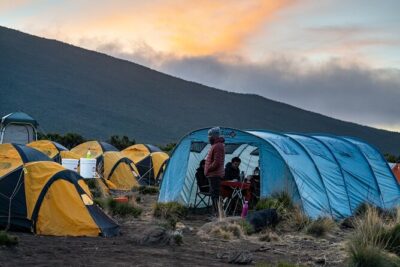
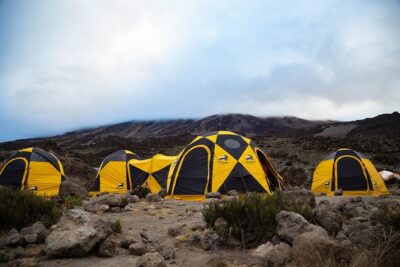
In high-altitude trips, the difference between an exhausting experience and a manageable one often comes down to the team and the schedule. This itinerary is structured with that in mind. Meals are included, and porter support is part of the setup, so you’re not hauling every item yourself.
That matters because when you’re short on oxygen, weight feels heavier. When it’s freezing, fiddly gear turns into a problem. Having the routine and load support handled means you can focus on:
- biking efficiently
- sleeping and resting when you’re told
- responding early to altitude warning signs
You’ll also see strong praise in feedback about motivation and first-aid response when people felt altitude effects. That doesn’t mean you can skip acclimatization. It does mean help is there, and that confidence matters.
The mountain biking reality check: skills, fitness, and what to train
The listing calls for moderate physical fitness, but I would interpret that as the baseline to enjoy the ride, not the total story. The altitude, cold, and technical conditions can make it feel more than moderate.
So what should you be able to do?
- ride a mountain bike confidently on uneven surfaces
- stay steady on rocky patches without panicking
- tolerate cold riding and gear changes while tired
- handle long early starts
If your biking skill is limited, consider whether you’re willing to do some sections where cycling gets difficult. The itinerary openly describes rough, rocky sections where cycling becomes hard or strenuous. The tour is bike-focused, but it’s not a paved-road festival.
Also, there’s an important note: non-summit itineraries are available. If summit day feels like too much, you can reduce risk and still experience the Kilema route riding and hut stages. For some riders, that’s the smartest version of the adventure.
Who should book this Kilimanjaro bike trek
This tour fits best if you:
- want Kilimanjaro through a biking lens
- enjoy structured multi-day plans with a crew handling logistics
- have mountain-bike comfort and you can ride patiently at altitude
- want the thrill of a summit plan that includes time on the bike toward Uhuru Peak
You might choose a different option if you:
- prefer a pure hiking itinerary
- get easily discouraged by early starts and cold weather
- don’t feel comfortable managing technical riding sections
Should you book this Kilema Route bike trek?
Book it if you want a Kilimanjaro experience that mixes high-altitude exposure with real motion, and you like the idea of riding through distinct zones up to the only bike-accessible summit route. The included transfers, huts, meals, and crew support are the backbone of the value, especially at this price point.
Think twice if you’re expecting a casual ride. The plan includes a tough rocky day, serious summit night climbing, and cold gear discipline. If you’re still unsure, ask about the non-summit alternative so you can match the experience to your comfort level without sacrificing the core Kilema adventure.
If you do book, prepare like a summit rider, not a weekend cyclist: water plan, battery plan, layers plan, and pacing plan. That combination is what turns a wild idea into a ride you’ll remember for the right reasons.
FAQ
What route does this Kilimanjaro bike trek use?
This tour follows the Marangu-Kilema route, with biking sections that start from the Kilema gate and include an Uhuru Peak summit attempt as part of the itinerary.
How long is the trip?
The duration is listed as about 6 days.
Where does the tour start, and is pickup included?
The experience starts at 9:00 am, and round-trip transfers from Moshi are included. The package also mentions airport pickup and drop-off as part of the included gate transfer support.
What is included in the price?
Included items are private transportation, crew wages, gate transfer support plus airport pickup and drop-off, all fees and taxes, hotel accommodation before and after trekking, and meals (breakfast, lunch, and dinner during the trek).
Is a mountain bike included?
Trekking mountain bike hiring is listed as not included, so you should plan how your bike will be handled before you go.
Is there a cancellation option if weather is bad?
The experience requires good weather. If it is canceled due to poor weather, you will be offered a different date or a full refund. Free cancellation is also offered up to 24 hours before the start time.
More Hiking & Trekking in Moshi
- Best Kilimanjaro Adventure 7 days Machame route Trekking
★ 5.0 · 42 reviews - Kilimanjaro 7 Day Private Trekking Experience
★ 5.0 · 40 reviews - 8 Days Kilimanjaro Hike via Lemosho Route
★ 5.0 · 39 reviews - The Best & Unique Kilimanjaro Hiking tour 7 days Machame route
★ 5.0 · 34 reviews
More Cycling Tours in Moshi
- 1-Day Moshi Villages bike tour
★ 5.0 · 59 reviews - Chagga Villages in Mount Kilimanjaro Cycling Day Trip
★ 5.0 · 42 reviews - Moshi city bike day trip
★ 5.0 · 17 reviews - Kilimanjaro bike park safari
★ 5.0 · 16 reviews
Just posted around Moshi
- machame route★ 5.0 · 16 reviews
- Mt Kilimanjaro 6 days Marangu route hike★ 5.0 · 3 reviews
- Kilimanjaro Climbing Umbwe Route★ 5.0 · 3 reviews
- Wildlife Extravaganza: Manyara, Tarangire & Ngorongoro in 3 Days★ 5.0 · 3 reviews
- 3 Days Private E-Bike Tour in West Kilimanjaro★ 5.0 · 3 reviews
- West Kilimanjaro cycling Adventures★ 4.5 · 8 reviews
- Kilimanjaro Climb • Marangu Route ~ 9 Day★ 5.0 · 4 reviews
- Private Cycle to Kilimanjaro Bike Park Safari★ 5.0 · 6 reviews
Kilimanjaro Climbs, compared.
8-Day Small-group Lemosho Kilimanjaro Summit Trekking
Read our review →
5 Days Best of Tanzania Luxury Safari Northern Circuit
Read our review →
Climbing Kilimanjaro through 7 days Machame Route
Read our review →
Browse the lists this tour appears in