
Reviewed · CYCLING TOURS
1-Day Moshi Villages bike tour
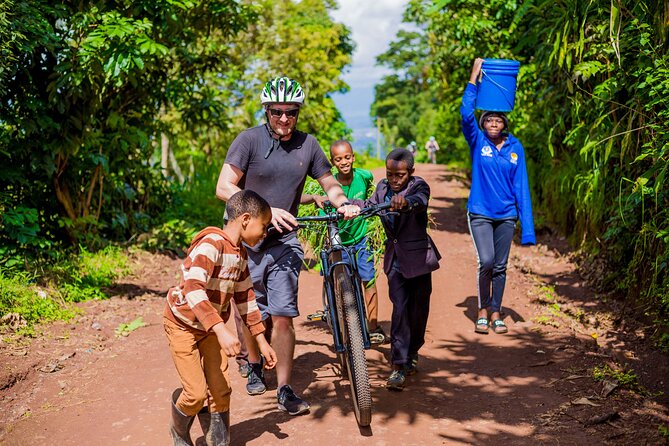
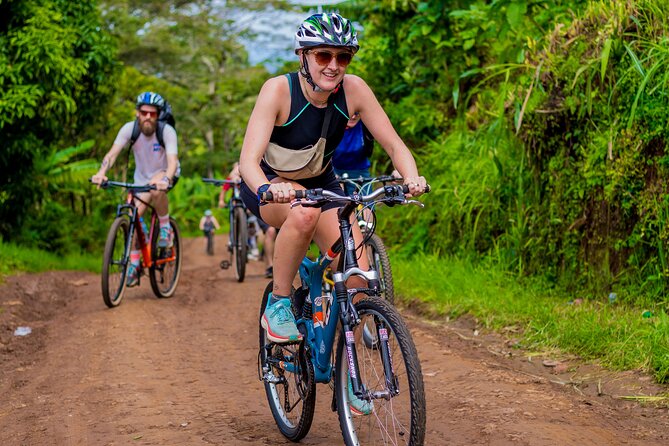
Moshi is best seen on two wheels. This 1-day bike tour combines Rau Forest Reserve with working Kilimanjaro-view countryside, so you get scenery, animals, and everyday village life in one ride. I especially like the moment when you spot colobus monkeys overhead, and I love how the farms (rice paddies and sugarcane) make the Chagga countryside feel real and specific, not postcard-ish. One consideration: the ride includes rough, bumpy sections, so if you have knee trouble, go slow and tell your guide early.
I also like that you are not stuck on a “tour road.” You cycle off-road and through forest paths, then roll into Moshi town for market time, the old railway station, and Clock Town sights. Guides I’ve seen mentioned in the feedback include Alpha (sometimes spelled Alfa) and Said, and both seem focused on keeping the pace comfortable and the route well explained.
In This Review
- What makes this Moshi villages bike tour feel special
- Rau Forest Reserve and the colobus monkey moment
- What you can expect here
- The payoff
- Potential drawback
- Rice paddies, sugarcane fields, and how the Chagga countryside works
- Why this matters more than it sounds
- What to watch for
- Moshi town stops: Mbuyuni and Manyema markets, Clock Town, and the old railway station
- The market combo that gives you variety
- Clock Town and the old railway station
- A practical note
- Mount Kilimanjaro viewpoints from savanna farm country
- What you’ll pass along the way
- How to get better mountain photos
- Ride level, timing, and what bumpy roads really mean
- The ride style
- Duration and pacing
- How the guide affects your day
- What’s included for the $50 price, and why it’s fair
- Included items that change the day
- Admission fees: one stop includes a ticket, others are free
- Tipping is not included
- How to decide if this is the right tour for you
- Should you book the 1-Day Moshi villages bike tour?
- FAQ
- How long is the Moshi villages bike tour?
- What does the tour cost, and what’s included?
- Where does the tour start and end?
- Are admission tickets included?
- Is tipping included in the price?
- What if weather is bad or I need to cancel?
What makes this Moshi villages bike tour feel special
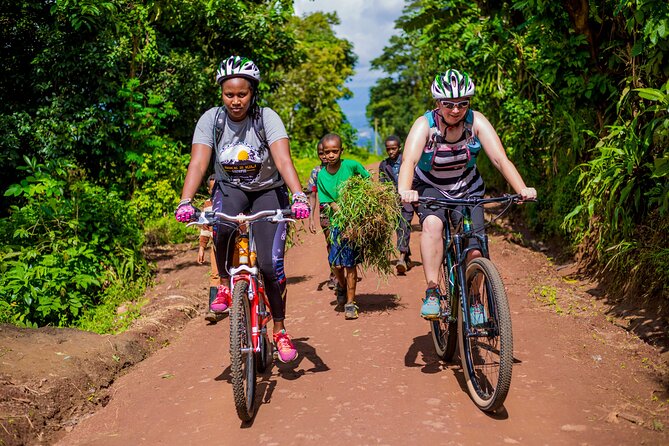
This is not a long, high-adrenaline mountain ride. It’s a smart half-to-full day that uses a bicycle to move you through real, lived-in places. You pedal from the forest edge to village lanes to farmland, then finish with town stops where you can see how people shop, chat, and trade.
The value is that the “wow” moments are practical. You are not just looking at Kilimanjaro from a single viewpoint. You get a series of distant-sight chances as you pass savanna-style farm country with fewer tall buildings and trees, so the mountain silhouette can show up more than once.
And because it’s only about 4 to 5 hours, you can pack this into an active day in Moshi without the “all-day commitment” feeling.
Rau Forest Reserve and the colobus monkey moment
Your first stretch is built around Rau Forest Reserve and the chance to see colobus monkeys with their long, fluffy tails. This is the kind of wildlife encounter that feels like part of the ride, not a separate detour.
A few more Moshi trips to compare
- Chagga Villages in Mount Kilimanjaro Cycling Day Trip
★ 5.0 · 42 reviews - Moshi city bike day trip
★ 5.0 · 17 reviews - Kilimanjaro bike park safari
★ 5.0 · 16 reviews
What you can expect here
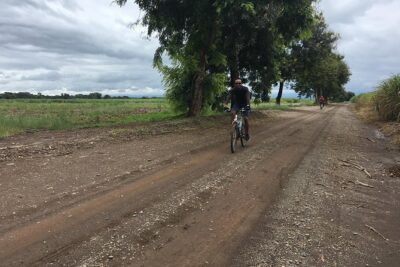
You start cycling through a mix of paved and off-road paths. The route threads past farming areas before the forest comes into play, and that matters because it gives you a rhythm: open views for a bit, then shade and tree cover.
Once you’re in the reserve area, you’re looking up into the canopy. Colobus monkeys often stay in the treetops, and the best odds are when you slow down, keep your eyes moving, and let your guide point out movement in the branches.
The payoff
This is one of the most memorable parts because it’s a natural “threshold” experience. You’re going from farmland and fields into a darker, cooler forest mood where animals blend into the setting until you catch the flicker.
Potential drawback
This forest section still sits within an overall bumpy, uneven riding style. If your body doesn’t like jolts, take extra care on descents and edges, and don’t be shy about asking for a slower pace.
Same base in Moshi, a completely different day:
- Kilimanjaro climb by Lemosho Route (7-day)
★ 5.0 · 651 reviews - Safari Serengeti And Ngorongoro
★ 5.0 · 288 reviews - Kilimanjaro climb, Machame Route (7-day)
★ 5.0 · 262 reviews - Kilimanjaro Climbing Lemosho Route 8 Days.
★ 5.0 · 186 reviews
Rice paddies, sugarcane fields, and how the Chagga countryside works
After the forest reserve portion, the ride keeps feeding you agriculture. You’ll see rice fields, sugarcane plantations, and other farming plots as you move toward Moshi.
Why this matters more than it sounds
Farm scenery can easily turn into generic “green fields” viewing. Here, it feels more grounded because you’re moving at bike speed, which lets you notice details: how the land is sectioned, how water and plant life sit together, and how fields connect villages instead of separating them.
It also gives context for the Chagga farming story you’ll hear from your guide. The countryside farming isn’t just background. It’s the route itself.
What to watch for
Keep an eye out for different crops switching through the ride. Rice and sugarcane create very different visual textures, and that helps you remember the day as a sequence, not one long blur.
Moshi town stops: Mbuyuni and Manyema markets, Clock Town, and the old railway station
Next you roll into Moshi. This is the part where the tour stops being “out there in nature” and becomes “everyday city life,” which is exactly what I look for when I’m trying to understand a place fast.
The market combo that gives you variety
You visit the local markets, including Mbuyuni Market and the fish market (Manyema market). That mix is useful because it shows two sides of town shopping. You get the general market energy, then the more specific fish setting where you can see how food trading works in real time.
Clock Town and the old railway station
You also see an historic Clock Town area in the city centre and you pass big landmarks like the Hindu temple and the Mama Africa shop. On top of that, you encounter the old railway station as part of the route.
One thing I like about this stop is that it breaks the ride into two different tempos. You get your legs working outdoors, then you get your brain engaged in town. The old railway station adds a different flavor, because it feels like a leftover structure that helps explain how modern Moshi developed around older routes.
A practical note
Town stops can be hot and a bit busy. If you want photos, pause for them quickly, then get moving. The best market photos usually happen in small bursts while you’re still near the flow.
Mount Kilimanjaro viewpoints from savanna farm country
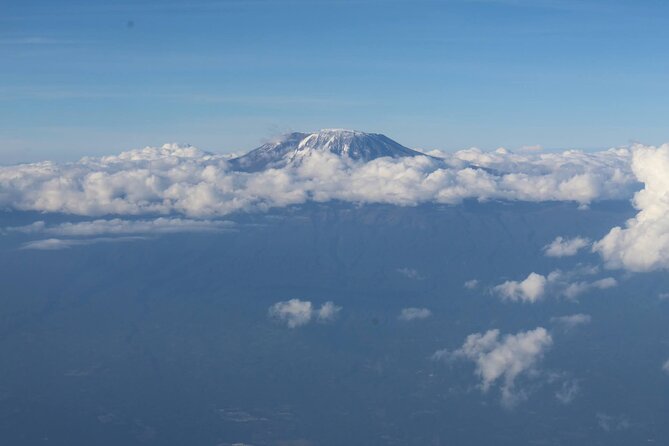
The final riding section centers on distant views of Mount Kilimanjaro. You’re in the Kilimanjaro region, and Moshi’s surrounding countryside is one of the best places for mountain-distance sightseeing from afar, partly because you don’t get lots of tall buildings or thick tree barriers blocking the sightlines.
What you’ll pass along the way
You cycle through areas around the Karanga River and the Rau River, and you’ll go past sugarcane fields and rice fields again, plus small village houses, mosques, and big Lutheran churches built by Germany during colonial time.
That church detail is worth paying attention to because it adds a layer to the view. You’re not just seeing the mountain. You’re seeing how different communities and eras left marks in the same space.
How to get better mountain photos
If you care about images, watch the light and the direction you’re riding. Distant mountain shots tend to be clearer when you’re moving into open sightlines and when the sky is bright enough to cut through morning haze. Your guide will likely know the best roadside angles, so treat their small route choices as photo hints.
Ride level, timing, and what bumpy roads really mean
This tour is built for most travelers, and it’s designed as a real-bike experience rather than a sit-and-watch day. Still, you should go in with honest expectations.
The ride style
The route includes rough terrain and some bumpy parts. One review specifically flagged that if you have bad knees, the roads can slow you down. That lines up with what you should assume any off-road-and-paved mix will feel like, especially on farm tracks where surfaces can be uneven.
Duration and pacing
It runs about 4 to 5 hours. That’s enough time to see a lot, but not so long that you’ll be permanently in “bike mode.” Lunch and breaks help reset you.
How the guide affects your day
The best tours like this run on guide judgment. The feedback here repeatedly points to careful handling and good communication from guides like Alpha (Alfa spelling) and Said. In practical terms, that means your guide can:
- set a pace that keeps you safe on rough sections
- stop where it matters, like pointing out colobus monkeys
- route you through town efficiently so you get market time without feeling rushed
What’s included for the $50 price, and why it’s fair
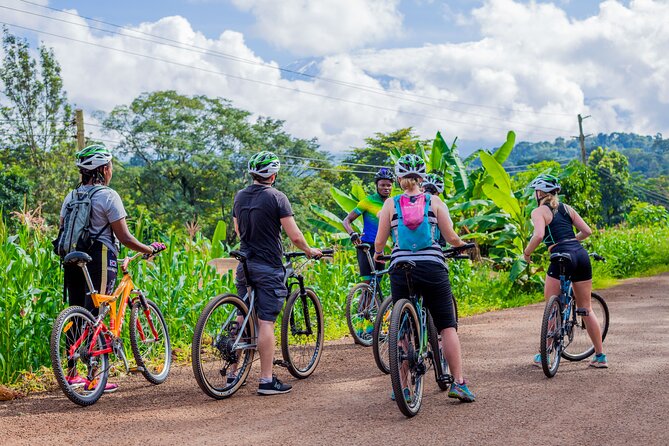
At $50 per person, this is priced to feel like an accessible local adventure, not a premium, drawn-out expedition. The value comes from what you actually get, not just the fact that you bicycle.
Included items that change the day
You get:
- Bicycle use
- A cycling guide
- Private transportation (pickup offered)
- Lunch (lunch boxes with soda and mineral water, or a traditional hot lunch in the restaurant)
- All fees and taxes
You also get a mobile ticket, which keeps things simple.
Admission fees: one stop includes a ticket, others are free
Rau Forest Reserve includes an admission ticket in the schedule. The Moshi and Mount Kilimanjaro segments are listed as free admissions, so you are not paying extra for every single part of the day.
Tipping is not included
Tipping isn’t part of the package price. If you like how your guide handles the group and pace, budget for it as a separate decision.
How to decide if this is the right tour for you
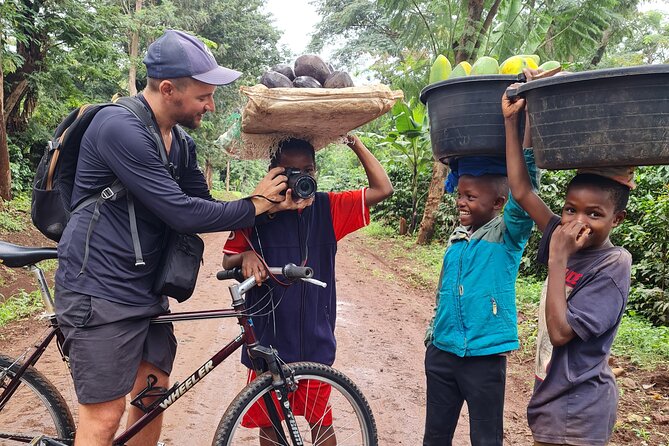
Choose this bike tour if you want a day that mixes nature, animals, farming life, and town sights without needing hiking shoes or an all-day stamina plan. You’ll likely enjoy it most if you:
- like bikes and want to see countryside you would otherwise skip
- enjoy wildlife moments like colobus monkeys when conditions are right
- want Kilimanjaro views without staying glued to one viewpoint
- like market stops, not just monument stops
Consider another option if:
- you have knee issues or you know bumpy roads can derail you
- you prefer fully paved, smooth routes
Should you book the 1-Day Moshi villages bike tour?
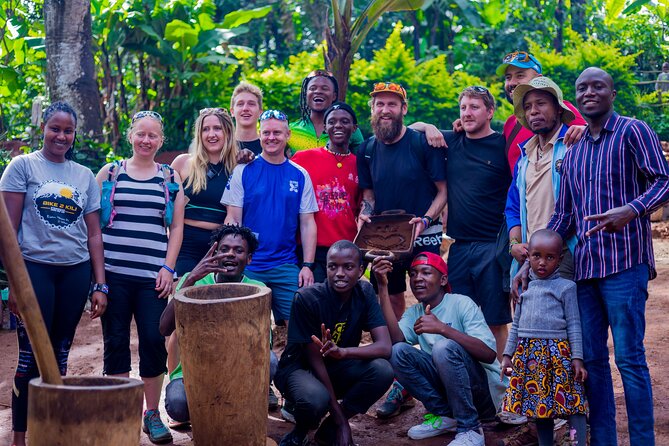
Yes, I think you should book it if you want a real, active slice of Moshi that goes beyond the usual “hotel and taxi” rhythm. The best parts are the forest ride with colobus monkey spotting, the farm route through rice and sugarcane, and the town mix of markets plus Clock Town and the old railway station. At $50 with lunch and bike use included, the pricing feels fair for what you actually experience.
If you’re cautious about your knees, tell your guide early and take the first rough sections slow. This tour works best when you treat it as a guided ride through working countryside, not a race.
FAQ
How long is the Moshi villages bike tour?
The tour runs about 4 to 5 hours.
What does the tour cost, and what’s included?
It costs $50 per person and includes bicycle use, a cycling guide, private transportation with pickup offered, lunch (lunch boxes with soda and mineral water or a traditional hot lunch), and all fees and taxes.
Where does the tour start and end?
It starts at Bike2kili safaris Tanzania Market street, Mission St, Tanzania and ends back at the same meeting point.
Are admission tickets included?
An admission ticket is included for Rau Forest Reserve. Admissions for the Moshi and Mount Kilimanjaro parts are listed as free.
Is tipping included in the price?
No. Tipping is not included.
What if weather is bad or I need to cancel?
The experience requires good weather. If it’s canceled due to poor weather, you’ll be offered a different date or a full refund. You can cancel up to 24 hours in advance for a full refund. If you cancel less than 24 hours before the start time, you won’t receive a refund.
Just posted around Moshi
- machame route★ 5.0 · 16 reviews
- Kilimanjaro Climbing Umbwe Route★ 5.0 · 3 reviews
- Wildlife Extravaganza: Manyara, Tarangire & Ngorongoro in 3 Days★ 5.0 · 3 reviews
- Mt Kilimanjaro 6 days Marangu route hike★ 5.0 · 3 reviews
- 3 Days Private E-Bike Tour in West Kilimanjaro★ 5.0 · 3 reviews
- West Kilimanjaro cycling Adventures★ 4.5 · 8 reviews
- Kilimanjaro Climb • Marangu Route ~ 9 Day★ 5.0 · 4 reviews
- Private Cycle to Kilimanjaro Bike Park Safari★ 5.0 · 6 reviews
Cycling Tours, compared.
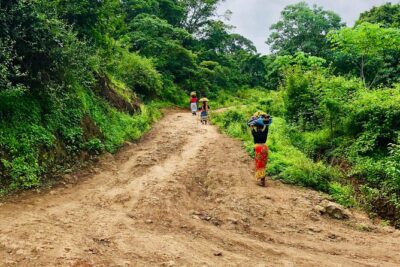
Chagga Villages in Mount Kilimanjaro Cycling Day Trip
Read our review →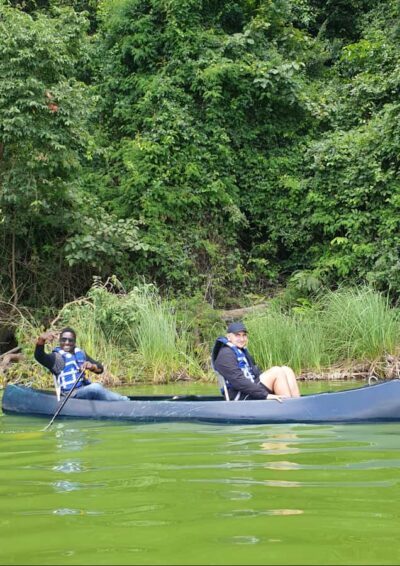
Canoeing/Kayaking &/or Cycling Adventure (with Lunch)
Read our review →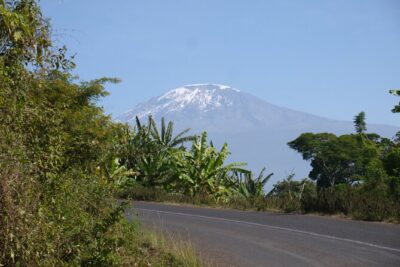
Top 6 Days Mt. Kilimanjaro Bike trek Tour by Marangu-Kilema Route
Read our review →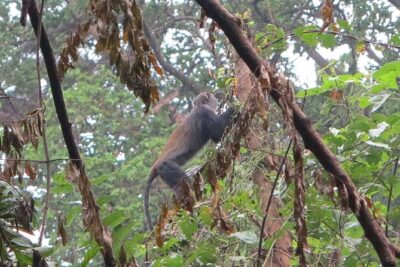
Browse the lists this tour appears in