
Reviewed · CYCLING TOURS
Rau Forest Bike tour
If you like seeing the real rhythm of a place, this bike day in Moshi is a strong pick. You pedal from neighborhood life through sugar cane farms and rice fields, then break for a home-style pilau lunch before heading into Rau Forest behind the city.
I particularly loved the way the route connects daily Tanzania life to the countryside, with stops that feel more like visiting people than checking boxes. The lunch moment with a local family is also a highlight, because you get to sit on the veranda, eat what’s cooked at home, and chat.
One thing to plan for: this is a full 9-hour outing, so it is not a casual, short ride. If you want gentle pacing only, tell your guide up front, because the day mixes cycling with farm time and walking during the rice-fields stop.
In This Review
- Key takeaways before you book
- Moshi by bike: why this Rau Forest route feels more real
- Sugar cane farms and rice fields: what to expect, and what to bring to the stop
- Lunch with a local family: pilau, veranda conversations, and real hospitality
- Rau Forest riding: how to spot colobus monkeys and enjoy the pace
- Bikes, helmets, and pacing: making a 9-hour day work for you
- Value check: does $75 feel fair for this guided private day?
- Who this tour suits best (and who might want a different day)
- Tips to get the most out of your Rau Forest bike day
- Should you book the Rau Forest Bike Tour in Moshi?
- FAQ
- How much does the Rau Forest Bike Tour cost?
- How long is the tour?
- What time does the tour start, and is pickup offered?
- What’s included in the price?
- What is not included?
- Can I cancel for a full refund?
Key takeaways before you book
- Sugar cane and rice field scenes right outside Moshi, plus a stop where you can help field workers if you wish
- Pilau lunch at a local family house, eaten in a home setting on the veranda
- Rau Forest riding just behind the city, with chances to spot colobus monkeys in the trees
- Mountain bikes plus helmets included, with bottled water during the tour
- A private format for your group, so the pace can be adjusted to you
Moshi by bike: why this Rau Forest route feels more real
Most Moshi tours either stay in the city or jump straight to the usual scenic stops. This one threads the needle, rolling through working areas where you can actually see how food and daily routines are connected. You start near Moshi and pass schools, mosques, and churches, which gives you quick context for how communities are organized.
Then the ride shifts into farm country. You cycle through a sugar cane plantation area with small farms and houses, so it feels like you are moving through someone’s neighborhood countryside, not just scenic farmland.
The best part is that the day keeps turning into something more hands-on. You do not just look at rice fields, you stop and learn what goes into producing a sack of rice, and you may even lend a hand with field workers if you want. That one choice makes the day more than sightseeing.
A small note on vibe: the tour is private for your group, and that matters. You can ask questions without feeling like you are competing with a big bus crowd for attention.
A few more Moshi trips to compare
- 1-Day Moshi Villages bike tour
★ 5.0 · 59 reviews - Chagga Villages in Mount Kilimanjaro Cycling Day Trip
★ 5.0 · 42 reviews - Moshi city bike day trip
★ 5.0 · 17 reviews
Sugar cane farms and rice fields: what to expect, and what to bring to the stop
The cycling segment starts with sugar cane and neighborhood farms. The descriptions are simple, but the experience tends to hit hard because you are moving slowly enough to take it in. You pass small houses tucked around cultivated land, and you can usually spot the human scale of farming, not just the plantation idea.
After that, you head toward the nearby rice fields. This is where the tour becomes more interactive. You make a stop, and if you want, you can help the field workers. Even if you do not participate physically, the point is to see how much effort goes into producing rice in Tanzania, and to get a clearer sense of what a sack of rice represents.
Practical tip: this part of the day is about participation and observation, so wear shoes you do not mind getting dusty. Bring a hat and sunscreen, too. The tour includes bottled water, but it does not list extra water for sun-heavy moments, and farm areas can feel hot once you slow down.
Also, arrive with a respectful mindset. You are entering working space, and the most memorable tours are the ones where you move with care, ask before taking photos, and keep your questions friendly.
Lunch with a local family: pilau, veranda conversations, and real hospitality
The tour’s lunch stop is not a restaurant shuffle. You visit a local family for lunch, and the meal centers on rice, served in a traditional dish called pilau.
What makes this lunch work so well is the setting and the tone. You sit on their veranda and share the meal while talking about life. That structure matters, because it turns the lunch from a pause into a cultural exchange. You get to experience hospitality in a place that is not staged for tourists.
This is also where you understand the rice story from earlier. You see the fields, then you eat the food that comes from them. That connection is the kind of thing you remember later, because it ties what you saw to what you actually tasted.
Food notes you can count on from the tour info: lunch is included, and pilau is specifically mentioned as the traditional meal you will have the chance to taste. What you cannot assume is spice level or portion size, since Tanzania meals vary by family and day. If you have dietary restrictions, ask ahead of time when you book.
And yes, lunch is part of why this tour feels like good value. You are not only paying for a guide and bike, you are paying for a full experience that includes a real meal.
Rau Forest riding: how to spot colobus monkeys and enjoy the pace
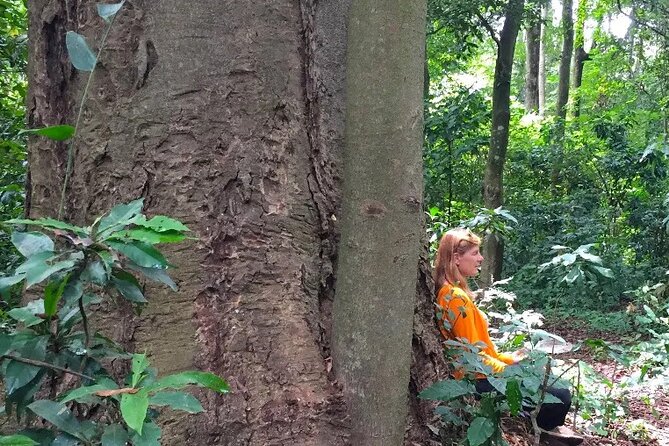
After lunch, you continue the bike ride through Rau Forest, described as a natural beauty just behind Moshi. This is the part of the day where the scenery changes, and the pace often shifts from farm-focused to nature-focused.
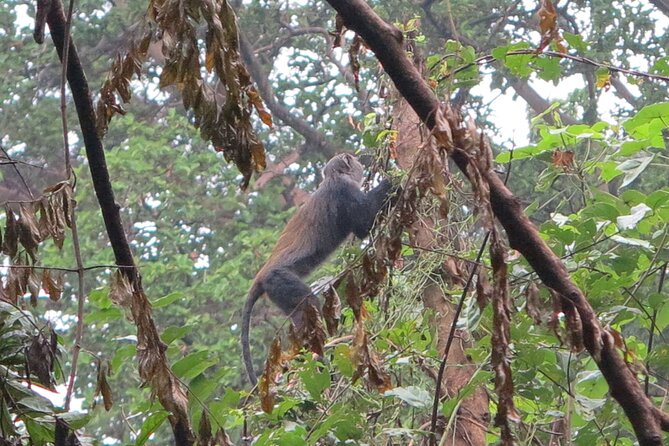
The tour includes a wildlife expectation: keep watch for colobus monkeys in the tree crowns with their long, fluffy tails. This is one of those details that sounds like a neat line until you actually have time to look up. Riding in a forest area gives you the slow-down moments to notice movement in the branches.
What I like about this forest segment is that it is not presented as a hardcore trek. You are still on a bike, so it stays accessible, especially when a guide can manage pacing and stop lengths. You are also not locked into a single big viewpoint. Instead, you keep cycling through the green corridor and checking treetops as you go.
Practical tip: bring bug repellent and light layers. Forest edges in Tanzania can mean insects, and temperatures can change once you get under tree cover. The tour includes bottled water, but it does not mention rain gear. If forecasts look iffy, pack something small just in case.
Same base in Moshi, a completely different day:
- Kilimanjaro climb by Lemosho Route (7-day)
★ 5.0 · 651 reviews - Safari Serengeti And Ngorongoro
★ 5.0 · 288 reviews - Kilimanjaro climb, Machame Route (7-day)
★ 5.0 · 262 reviews - Kilimanjaro Climbing Lemosho Route 8 Days.
★ 5.0 · 186 reviews
Bikes, helmets, and pacing: making a 9-hour day work for you
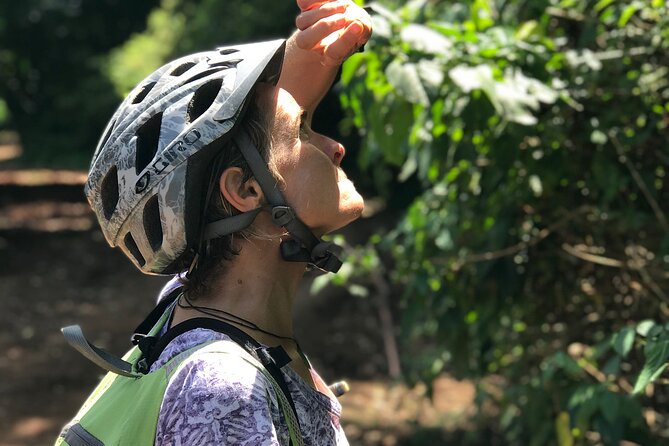
The tour provides mountain bikes and helmets, plus bottled water. That is a big deal. Good bike and helmet quality reduces stress, and stress kills the fun. In the reviews, people specifically praised the bikes as top notch and not showing the usual wear you can run into with ad-hoc rentals.
Expect a full-day schedule. The duration is listed at about 9 hours, and the route includes cycling, a rice-fields stop, plus lunch at a local home. Reviews also suggest distance can vary, with one rider noting around 25 km on a loop through Rau Forest and rice fields, while another described roughly 40 km. So think of it as a day that can be shorter or longer depending on how your guide sets pace and routing.
What this means for you: start the day with realistic energy. You will be on a bike for hours, even if you have breaks. If you want the ride to feel more comfortable, speak up at the beginning about your fitness level, and ask for pacing that matches you.
Small extra that came up in one group’s experience: a photographer followed on a motorbike and took photos throughout the ride, then sent them by email for free. That is not guaranteed in the written inclusions list, but it is a nice example of the kind of attention to memories the day can include.
Value check: does $75 feel fair for this guided private day?
At $75 per person, this tour can feel like solid value, mainly because a lot is included. You get mountain bikes and helmets, bottled water, lunch, a tour guide, and private transportation, plus all fees and taxes. That turns the day into a package, not a choose-your-own-adventure where you keep adding costs.
Private format also affects value. This is a private tour/activity, so it is only your group participating. That makes it easier to customize pacing and questions, and it often leads to a smoother feel on a day that mixes biking and community visits.
The biggest cost you should mentally plan for is not listed in the inclusions: tipping is not included, and airport transfers and accommodation are not included either. If you want to tip, budget a bit. If you do not, you can still enjoy the tour. Either way, go in informed.
Weather matters too. The tour says it requires good weather, and if it is canceled due to poor weather, you will be offered another date or a full refund. For a forest day, that makes sense. Plan to treat the weather as part of the experience, not an inconvenience.
Who this tour suits best (and who might want a different day)
This is a great match if you want more than scenery. You get a clear sense of Moshi’s surroundings through working farms, community landmarks, and a lunch hosted by a local family.
It also suits people who enjoy learning by doing. The optional rice-fields helping activity is a simple way to make the day participatory, and even watching and listening can give you a deeper understanding than a quick stop.
You might think twice if you want a short, low-effort outing. Between a 9-hour schedule and cycling through rural areas, it can feel like a full workday. Also, the tour requires good weather, so keep flexibility if your travel timing is tight.
If you are traveling as a couple, friends, or a small family group, private touring is a big plus. The reviews include families and different ages going together, and the guide-driven pacing seems to be one of the reasons people walk away happy.
Tips to get the most out of your Rau Forest bike day
A few things help your day run smoother, and they are worth doing even if the tour handles most logistics.
- Wear shoes that can handle dust, since you will be in and around farm areas.
- Bring sun protection, because you spend plenty of time outside before and after the forest section.
- Pack light insect protection, since forests and forest edges can bring bugs.
- If you have questions about rice production or daily life, save them for the pauses. Guides have a good reason to slow down when people are curious.
- If you want photos, confirm how the group captures memories, since one experience included free photo sending by a motorbike photographer.
Small mindset shift: treat the day like a visit. When you enter a home for pilau lunch and pass active community places, your calm curiosity goes a long way.
Should you book the Rau Forest Bike Tour in Moshi?
Yes, if you want a full, guided day that connects Moshi’s neighborhoods to working farms and then to Rau Forest nature, this is a strong booking. The combination of cycling, a rice-fields learning stop, and a home-lunch pilau experience is what makes this tour feel memorable instead of generic.
Book it especially if you like guides who can explain what you are seeing, and if you value personal interaction over hopping between far-away viewpoints. In the past, multiple guides have been praised by name, including George, Roy, Richard, and Yasin, which hints that the guiding experience is a key part of why people rate it so highly.
Skip or look for a gentler alternative if you want a short ride or you are not comfortable with a long day outdoors. If you are ready for that 9-hour rhythm and you want your Tanzanian memories to include real food and real places, you will likely be happy you booked.
FAQ
How much does the Rau Forest Bike Tour cost?
The tour costs $75.00 per person.
How long is the tour?
It runs for about 9 hours.
What time does the tour start, and is pickup offered?
The start time is 9:00 am, and pickup is offered.
What’s included in the price?
It includes mountain bikes and helmets, bottled water, all fees and taxes, lunch, private transportation, and a tour guide.
What is not included?
Tipping, airport transfers, and accommodation are not included.
Can I cancel for a full refund?
Yes. You can cancel up to 24 hours in advance for a full refund. If you cancel less than 24 hours before the start time, the amount paid is not refunded. The tour also requires good weather, and if it is canceled due to poor weather, you’ll be offered a different date or a full refund.
Just posted around Moshi
- machame route★ 5.0 · 16 reviews
- Kilimanjaro Climbing Umbwe Route★ 5.0 · 3 reviews
- Wildlife Extravaganza: Manyara, Tarangire & Ngorongoro in 3 Days★ 5.0 · 3 reviews
- Mt Kilimanjaro 6 days Marangu route hike★ 5.0 · 3 reviews
- 3 Days Private E-Bike Tour in West Kilimanjaro★ 5.0 · 3 reviews
- West Kilimanjaro cycling Adventures★ 4.5 · 8 reviews
- Kilimanjaro Climb • Marangu Route ~ 9 Day★ 5.0 · 4 reviews
- Private Cycle to Kilimanjaro Bike Park Safari★ 5.0 · 6 reviews
Cycling Tours, compared.
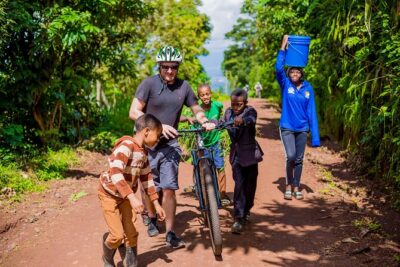
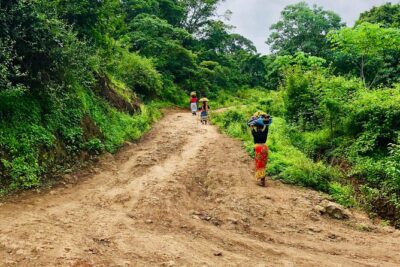
Chagga Villages in Mount Kilimanjaro Cycling Day Trip
Read our review →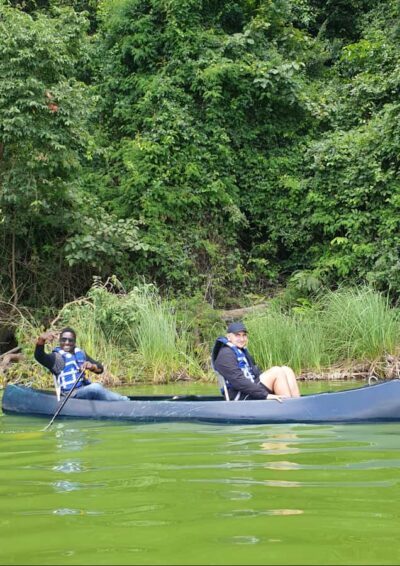
Canoeing/Kayaking &/or Cycling Adventure (with Lunch)
Read our review →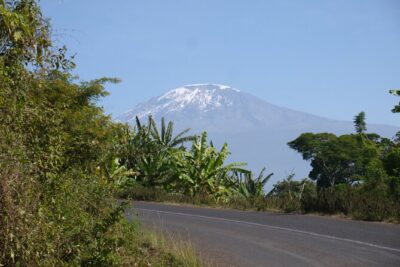
Top 6 Days Mt. Kilimanjaro Bike trek Tour by Marangu-Kilema Route
Read our review →
Browse the lists this tour appears in