
Reviewed · KILIMANJARO CLIMBS
Kilimanjaro Trekking 7Days 6Night Lemosho Route
Kilimanjaro is no walk in the park. This seven-day Lemosho route is a scenic, small-group climb that also includes camping gear and meals. I like the fewer climbers feel, plus the real wildlife-and-forest start with an armed park ranger. One consideration: it is the tougher Lemosho style, so you need solid hiking stamina for those longer days at altitude.
What makes Lemosho so appealing is how you move through different climates while still giving your body time to adjust. The group size caps at 10, so your guide can watch your pace and help you handle symptoms that show up as you gain elevation. You start from Moshi, you drive to the Londorossi Park Gate, and you finish with the practical, satisfying moment of summit certificates at the Mweka Park Gate.
From a value standpoint, the price (three thousand dollars per person) becomes easier to swallow when you see what’s included: all park fees and taxes, trekking support, and set meals for the week, plus camping equipment. You still need to plan for the Tanzania visa on arrival, and you should assume you are going to pack and hike smart every day.
In This Review
- Key highlights worth your attention
- From Moshi to the Londorossi Gate, where the real hike begins
- Shira Ridge and heather moorland, your altitude training day
- Barranco Wall and Karanga Valley, the day the trail turns steep
- Barafu Camp and South Circuit views, where you start thinking summit
- Day seven descent to Mweka Gate and the summit certificate moment
- Guides, support team, and why small groups change everything
- Price and value for a seven-day Lemosho climb
- Who should choose this Lemosho trek, and who should think twice
- Should you book Kilimanjaro trekking on the Lemosho route with this operator?
- FAQ
- Where does the trek start, and what is the first major stop?
- How long is the hike each day?
- What is included in the price?
- What is not included, and do I need a Tanzania visa?
- How big is the group?
- Where do you get summit certificates?
- What if weather is poor or I need to cancel?
Key highlights worth your attention
- Lemosho starts with a forest track and an armed park ranger, with a real chance to spot buffalo and elephants early.
- Small group size (max 10) keeps the experience calmer and gives your guide more hands-on time.
- Day two targets acclimatization, with steady climbing through heather moorland and rocky volcanic terrain.
- Camping equipment, fees, and meals are included, so you can focus on the hike instead of logistics.
- Summit certificate day is handled cleanly, with the vehicle waiting when you reach Mweka Park Gate.
- You may meet guides like Kissima or Fransis, plus a support team that often includes a cook and very helpful porters.
From Moshi to the Londorossi Gate, where the real hike begins
Your week starts in Moshi, then you head out by vehicle for a roughly three-hour drive to the Londorossi Park Gate. The trek briefing happens first, and your guides will check your gear before you set off. That matters because Kilimanjaro is one of those hikes where small misses, like the wrong socks or an uncovered essential item, turn into big annoyances at altitude.
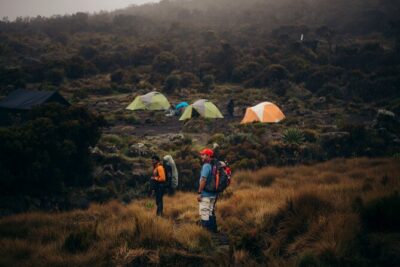
Once you register at the gate, you begin with a ranger-led forest track. This part is not about big views yet. It is about getting into rhythm, learning how the day will feel, and spotting what the mountain gives you at lower elevation. The ranger travels with the group, and the track is described as home to wildlife such as buffalo and elephants. If you are lucky, you might get very close views, which is a great reminder that this is not just a big hike, it is a real ecosystem.
You finish Day one at Mti Mkubwa campsite, at about 2,650 meters. The day’s hike time is shorter than later days, around two to three hours and about 6 km (roughly 4 miles). Practical takeaway: use that time to test your boots on real terrain, practice slow walking, and eat like you mean it, because you will need energy soon.
One more thing I like here: the day does not pretend to be easy. It is gentle by Kilimanjaro standards, but it sets expectations that the pace will be steady, not rushed.
More Hiking Trips in Moshi
- Private Kilimanjaro Hike 7 Day Lemosho Route
★ 5.0 · 60 reviews - Best Kilimanjaro hiking day trip tour with Kilinge Adventures
★ 4.5 · 54 reviews - #1. Best Kilimanjaro Day hike Tour-Machame Route-ISMANI
★ 4.2 · 47 reviews
Shira Ridge and heather moorland, your altitude training day
Day two is one of the biggest “work days” on this itinerary. After breakfast, you climb into giant heather moorland, with volcano rock formations scattered across the trail. You also cross several streams, which can be either refreshing or muddy, depending on conditions. Either way, you want waterproofing and trail shoes that can handle wet feet without drama.
The hiking time is about seven to eight hours, covering around 16 km (about 10 miles). That is a long day, and it is not just distance. This is the day your body learns what altitude feels like. The schedule is built around steady climbing to support acclimatization, and you gain elevation progressively toward Shira Ridge.
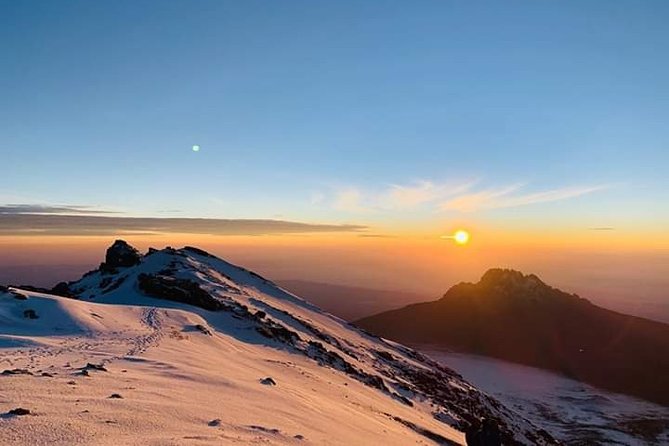
If the weather cooperates, you can see Uhuru Peak from this area. You may also catch views of the northern ice fields on the western side of the mountain. On a clear day, that is the kind of sight that makes the suffering feel worth it.
You end the day at Shira two camp, at about 3,850 meters. This is the kind of camp placement that tends to make you feel the altitude more at night, so you will want to conserve energy, drink steadily, and keep warm. Practical tip: do not save all your movement for the climb. Even after you stop, keep sipping water and changing layers carefully so you do not cool down too fast.
Barranco Wall and Karanga Valley, the day the trail turns steep
Later in the trek, you reach the Barranco area and you spend time hiking around 4,000 meters. Specifically, the itinerary calls out leaving Barranco Camp behind and climbing the Barranco Wall ridge up to about 4,250 meters. This is a steep section, and it is expected to take about 1.5 hours just to reach the top of the wall.
Even if you are fit, a steep wall at altitude can be mentally tricky. I like that this day is short in distance, about 5 km (roughly 3 miles), and the hike time is around three to four hours total. Shorter distance does not mean easy, but it means you can focus all your effort on the hardest part and avoid spending all day grinding.
After you crest the wall, you move into more level terrain and hike toward the Karanga Valley at about 4,050 meters. There is also a junction mentioned that connects with the Mweka trail. That detail is useful because it hints at how the mountain’s routes weave together, and why the last days feel like a funnel toward your descent.
You overnight at Karanga campsite. This stop is important because it often acts like a bridge day. You are still climbing overall, but you are also building confidence that you can handle steeper terrain without losing control of your breathing.
If you tend to rush when you feel good, this is the day to resist that urge. Pace discipline helps more than speed, and your guide will likely encourage slow steps and steady breathing.
Barafu Camp and South Circuit views, where you start thinking summit
Day five climbs up to Barafu Camp, at a higher altitude where the mood shifts from hiking to commitment. The itinerary notes that you have completed the South Circuit by this point. That detail matters because it is describing the kind of climbing pattern you have followed, not just a route label.
Your hike to Barafu is about three to four hours and around 4 km (about 2 miles). The short distance is deceptive. The altitude and the trekking conditions make it a big day anyway, and it is the kind of stage where you will want your layers dialed in.
One of the best described rewards of reaching this area is the summit and glacier views from different angles. That is not just scenery. Seeing the mountain’s high zone from more than one position helps you understand what you are aiming for, and it often makes the final approach feel less like an unknown.
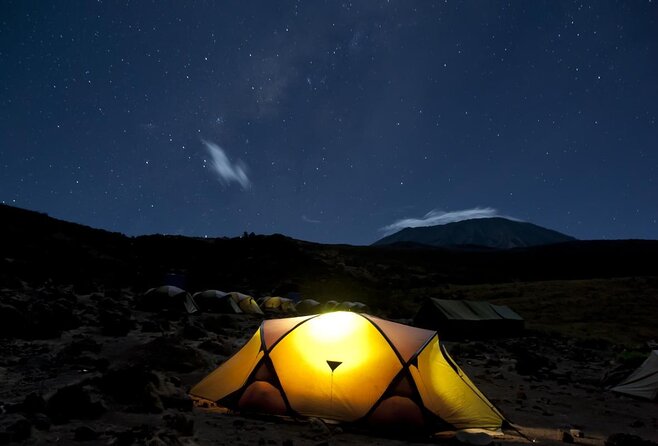
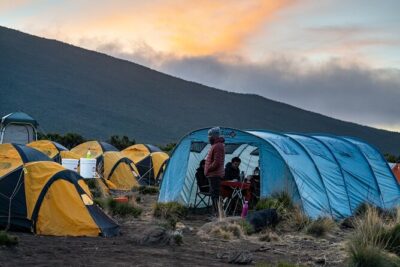
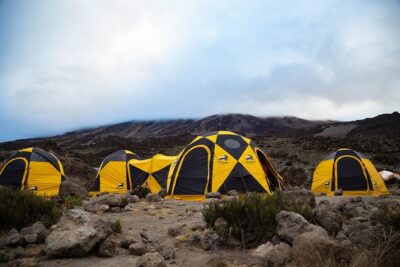
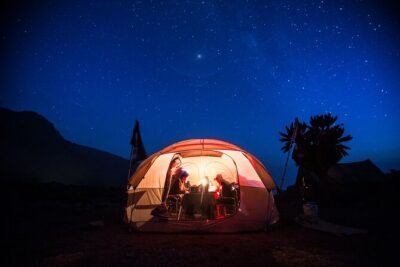
You set up camp at Barafu with views of the summit during the day. That can also help with morale. Cold nights are common at this altitude, so your included gear is not a small thing. Having camping equipment and camp meals organized means you can spend your attention on keeping warm, staying hydrated, and getting rest.
More Kilimanjaro climbs:
- Kilimanjaro climb by Lemosho Route (7-day)
★ 5.0 · 651 reviews - Kilimanjaro climb, Machame Route (7-day)
★ 5.0 · 262 reviews - Kilimanjaro Climbing Lemosho Route 8 Days.
★ 5.0 · 186 reviews - Climbing Kilimanjaro – Machame Route
★ 5.0 · 170 reviews
Day seven descent to Mweka Gate and the summit certificate moment
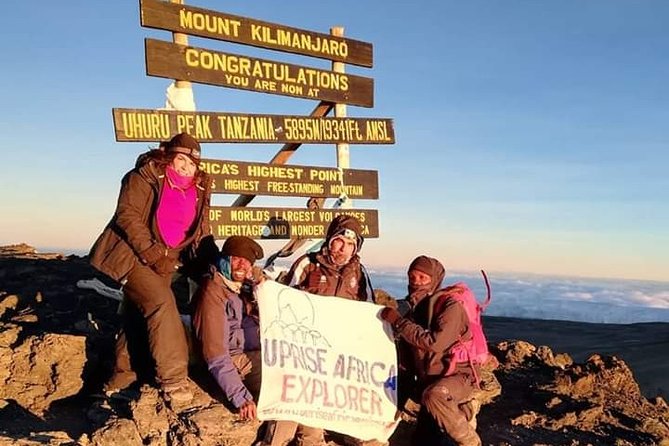
After breakfast at about 3,090 meters, Day seven is focused on descending. The itinerary calls for a descent to Mweka Park Gate, where you receive your summit certificates. This is the paper-and-proof moment that turns your hard work into something tangible.
The hike time is about three to four hours, covering around 10 km (about 6 miles). That is more distance than your earlier shorter camp-to-camp days, so your knees will want respect. Descents can feel easier than climbs until your legs start to protest. Go slow, keep steps controlled, and let your hiking poles do their job if you use them.
At the Mweka gate, a vehicle is waiting to drive you back to your hotel. I like when the final logistics are handled, because your body is done with effort and you do not want to spend your last hours negotiating transport.
Guides, support team, and why small groups change everything
This trek is sold as a small-group experience with a maximum of 10 travelers. That cap matters on Kilimanjaro because it directly affects how your day feels. With fewer people, your guide can notice when you are lagging, when someone is struggling, and when the group needs a pacing reset.
Your guide support in this operator’s ecosystem is also something you can look for when you book. In past climbing accounts linked to this company, I’ve seen guide names like Kissima and Fransis, with assistant support from Peter. Some experiences also mention guides such as Nguma and Sanga, and a support team that includes porters and a cook. People describe the cook’s food as a standout, and porters as very helpful day to day.
Even if you do not get the exact same team members, the pattern matters: you want an operator that staffs the mountain with a real crew and not just a single person trying to do everything. Meals and camp setup are part of your recovery, so the quality of that support shows up in how you feel the next morning.
Practical advice for you: ask your operator what the staffing looks like for your specific departure, then use it as your sanity check. A calm, organized camp makes a huge difference at high altitude.
Price and value for a seven-day Lemosho climb
Three thousand dollars per person is not cheap. But it can be fair value when you break it down against what is included.
What you get included here:
- all fees and taxes
- Kilimanjaro trekking support
- meals for the trip (lunch for seven days, breakfast for six days, dinner for six days)
- camping equipment, plus the standard items required to run camps
- admission ticket coverage noted across days
What you do not get included:
- Tanzania visa on arrival, listed as fifty dollars per person (American residents) or one hundred dollars (as stated), plus personal items
Now the value logic you can use: Kilimanjaro costs stack up fast once you count park fees, staffing, camp infrastructure, and meals. If those are truly handled inside the package, your biggest remaining financial risk is personal shopping, tips, and the visa. That means you can budget smarter and avoid surprise add-ons.
Also, your start time is listed as 11:00 am, and the experience includes pickup offered. For many people, that reduces friction in the first day. On Kilimanjaro, removing friction is not glamorous, but it is smart.
Who should choose this Lemosho trek, and who should think twice
Lemosho is described as more scenic than other routes, but tougher than the Mangaru route. That matches what you should expect from a route that spends time in different climatic zones and requires longer effort days.
I think this trek fits best if:
- you enjoy a steady, patient climb rather than a sprint
- you want a small-group experience with more guide attention
- you are comfortable hiking all day when it is long and slow
- you want a scenic route with meaningful wildlife moments early on
I think twice if:
- you are very new to hiking or struggle with steep climbs, because the Barranco Wall section is part of the challenge
- you want something that feels gentle every day, since the schedule includes long hiking time and big altitude days
One more factor: this experience requires good weather. If conditions are not right, you should expect changes in date planning or a full refund. Weather can also affect visibility of the summit area from Shira Ridge, which is a key “view day” payoff.
Should you book Kilimanjaro trekking on the Lemosho route with this operator?
If you want a classic Kilimanjaro experience with a scenic route, a small group size, and camp logistics handled for you, this is a strong choice. I especially like that the plan includes the hard-to-manage pieces for most first-timers: park fees, meals, and camping equipment are part of the package, and you start with a ranger-led forest walk that makes Day one feel like a real entry into the mountain.
Book it if your hiking fitness is solid enough for longer days and steep segments like Barranco Wall. If you are still building confidence on hills and altitude, consider working on conditioning first, then come back ready to take your time on the mountain.
FAQ
Where does the trek start, and what is the first major stop?
You start in Moshi, then drive about three hours to the Londorossi Park Gate for registration. From there, you begin hiking with an armed park ranger and hike to the first campsite at Mti Mkubwa (about 2,650 meters).
How long is the hike each day?
Hiking times vary by day. Day one is about 2 to 3 hours (about 6 km). Day two is about 7 to 8 hours (about 16 km). Day four is about 3 to 4 hours (about 5 km). Day five is about 3 to 4 hours (about 4 km). Day seven is about 3 to 4 hours (about 10 km).
What is included in the price?
The package lists all fees and taxes, Kilimanjaro trekking, meals (lunches, breakfasts, and dinners as specified), and admission ticket coverage. Camping equipment is also described as included.
What is not included, and do I need a Tanzania visa?
A Tanzania visa is not included. The tour data lists a visa cost of fifty dollars or one hundred dollars per person on arrival for American residents, plus personal items.
How big is the group?
This experience has a maximum of 10 travelers.
Where do you get summit certificates?
On Day seven, after your descent to Mweka Park Gate, you receive your summit certificates. The vehicle is waiting at Mweka gate to drive you back to your hotel.
What if weather is poor or I need to cancel?
The tour data says the experience requires good weather. If it is canceled due to poor weather, you are offered a different date or a full refund. For cancellations, you can cancel up to 6 days in advance for a full refund, or cancel 2 to 6 days in advance for a 50 percent refund.
More Hiking & Trekking in Moshi
- Best Kilimanjaro Adventure 7 days Machame route Trekking
★ 5.0 · 42 reviews - Kilimanjaro 7 Day Private Trekking Experience
★ 5.0 · 40 reviews - 8 Days Kilimanjaro Hike via Lemosho Route
★ 5.0 · 39 reviews - 6 Days Machame Route Kilimanjaro Climbing Trekking Tour
★ 5.0 · 34 reviews
Just posted around Moshi
- machame route★ 5.0 · 16 reviews
- Kilimanjaro Climbing Umbwe Route★ 5.0 · 3 reviews
- Wildlife Extravaganza: Manyara, Tarangire & Ngorongoro in 3 Days★ 5.0 · 3 reviews
- Mt Kilimanjaro 6 days Marangu route hike★ 5.0 · 3 reviews
- 3 Days Private E-Bike Tour in West Kilimanjaro★ 5.0 · 3 reviews
- West Kilimanjaro cycling Adventures★ 4.5 · 8 reviews
- Kilimanjaro Climb • Marangu Route ~ 9 Day★ 5.0 · 4 reviews
- Private Cycle to Kilimanjaro Bike Park Safari★ 5.0 · 6 reviews
Kilimanjaro Climbs, compared.
8-Day Small-group Lemosho Kilimanjaro Summit Trekking
Read our review →
5 Days Best of Tanzania Luxury Safari Northern Circuit
Read our review →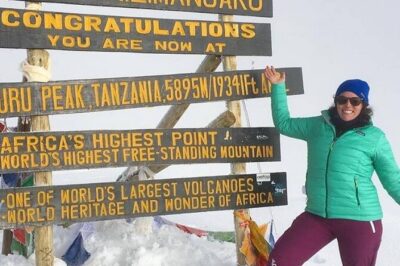
Climbing Kilimanjaro through 7 days Machame Route
Read our review →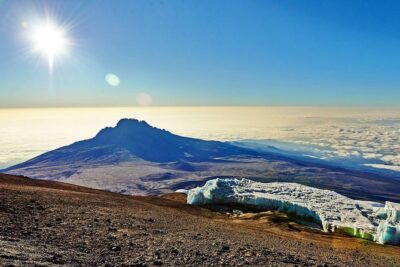
Browse the lists this tour appears in