
Reviewed · KILIMANJARO CLIMBS
Kilimanjaro Trek 6 Days Marangu Route
A hut sleep can change your Kilimanjaro day, because the Marangu Route keeps you in shared stone huts instead of tents. I like the hut-based comfort on a tough climb, and I like that your price includes guides, porters, park fees, and an oxygen tank. One consideration though, summit night is still serious, with a midnight wake-up and long, cold hours on steep ground.
You’ll start in Moshi, register at Marangu gate, and move through montane forest, moorland, alpine desert, then back down to the gate for your certificate. I also like that the camps are set up for real breaks, and you can even buy water and small treats while you’re there, so you do not feel completely cut off.
In This Review
- Key Highlights Worth Packing For
- Marangu Route Hut Comfort: What Tent-Free Really Means
- Price and Value: What $1,846.16 Covers (and What It Does Not)
- Day 1, Marangu Gate Registration and the Montane Forest Walk
- Day 2: Moorlands Toward Horombo and the Maundi Crater View Tip
- Day 3: Alpine Desert, Thinner Air, and Water Planning for the Next Stretch
- Day 4: Midnight Start to Uhuru Peak, Hans Meyer Cave to Gillman’s Point
- Day 5: The Descent to Marangu Gate and Your Green or Gold Certificate
- The Human Side: Guides, Porters, and a Very Local Feel
- Gear and Training That Helps on This Exact Route
- Who Should Book This Marangu Trek, and Who Might Prefer Another Style
- Should You Book Kilitwende Adventures for This 5-Day Marangu Climb?
- FAQ
- How many days is the Kilimanjaro trek on the Marangu route?
- Where do I sleep during the climb?
- What time does the trek start?
- What meals and water are included during the climb?
- Is an oxygen tank included for emergencies?
- What is the summit certificate based on?
- Are transfers included?
- Do I need to bring a sleeping bag and hiking boots?
- Can I cancel and get a refund?
Key Highlights Worth Packing For
- Shared huts, not tents, so you can focus on pacing instead of sleeping gear headaches
- Oxygen tank included for emergencies, plus a crew set up for safety and comfort
- Summit night timing that starts just before midnight, with a route plan built around that reality
- Maundi Crater rim detour, where the views can include Kibo and even glaciers on clear days
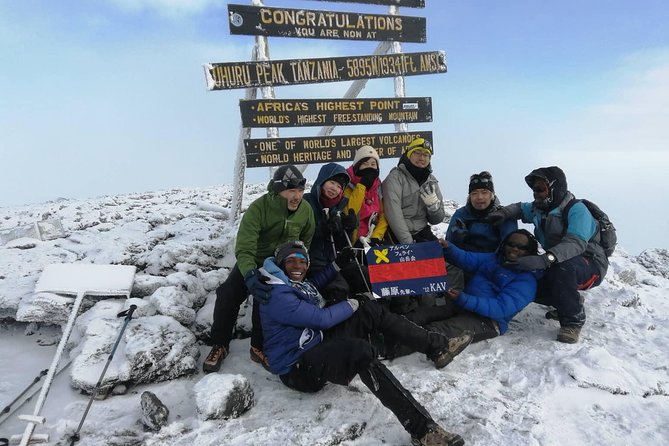
- Green or gold certificate depending on how far you reach (Gillman’s Point vs Uhuru Peak)
- Tanzanian-led operation, with guides and support staff you actually deal with on the ground
Marangu Route Hut Comfort: What Tent-Free Really Means
The Marangu Route is famous for being more comfortable than many other Kilimanjaro routes, and the big reason is simple: shared hut accommodations. Instead of hauling tents, you get huts along the way, and that changes your day-to-day stress level. Your gear load is still important, but you are not thinking about campsite setup at altitude.
The huts also mean you get to sleep in a predictable setup night after night. That matters on Kilimanjaro, because fatigue builds fast once the trail turns steep and the air thins. On this trek, you’ll also find small comforts at the camps, like mineral water, soft drinks, chocolates, and even beer available for purchase. Those are not “musts,” but they can feel morale-boosting after a long day of climbing.
The one drawback of hut routes is that they can feel more crowded than camping-style setups. The goal is still the same, reach the top safely. But if you hate shared sleeping spaces, you’ll want to prepare yourself mentally for that.
More Hiking Trips in Moshi
- Private Kilimanjaro Hike 7 Day Lemosho Route
★ 5.0 · 60 reviews - Best Kilimanjaro hiking day trip tour with Kilinge Adventures
★ 4.5 · 54 reviews - #1. Best Kilimanjaro Day hike Tour-Machame Route-ISMANI
★ 4.2 · 47 reviews
Price and Value: What $1,846.16 Covers (and What It Does Not)
At $1,846.16 per person, this Kilimanjaro climb is not cheap. What makes it easier to justify is what is included, because you are paying for the mountain logistics that can quietly add up on your own.
Here’s what your cost covers:
- Hotel accommodation 1 night before and 1 night after, with breakfast each time
- Expert guides, cook, assistant guides, and porters
- Park entry fees, Marangu hut fees, forest fees, and rescue fees, with VAT on tour fees and services
- Transfers to and from the mountain gates
- Three meals a day during the climb, plus breakfast and dinner counts that align with the schedule
- Oxygen tank in case of emergency
- Bottled water on the first climb day, boiled and filtered on the mountain
So you’re not just paying for a guide. You’re paying for the permit system, hut access, the rescue side of the equation, and the daily food support that keeps you moving.
What you should plan for separately:
- Personal gear and equipment, with gear rental possible in Moshi before you go
- Tips for porters, guides, cook, and assistant guides
- Anything you buy for drinks while at your Moshi hotel
- Your sleeping bag and boots, plus items like a duffle bag and walking sticks if you do not rent them
- Flights (international or domestic) and personal travel documents like visas and insurance
If you want a climb where the big moving parts are handled for you, this package is built for that.
Day 1, Marangu Gate Registration and the Montane Forest Walk
You start at 8:30 am, with a morning briefing by your climbing Mount Kilimanjaro guides. Then you transfer to Marangu gate, which takes about 45 minutes from Moshi, arriving around 9:00 am in the schedule. Once you’re at the gate, you do the standard registration process for Kilimanjaro.
From there, Day 1 is a 5-hour hike, about 12 km, with an elevation gain around +720 m through montane forest. This is your “get your body moving and your head in gear” day. The climb is not yet the hardest part, but it’s long enough that you learn quickly how your breathing is changing.
Practical note: your day pack matters. You’ll want to carry essentials for trekking such as a camera, extra clothing, skin oil, a rain jacket, and similar items you can access without digging through your main duffle.
The good news is you’re starting with structured support. If you are new to altitude hiking, that structure can make the first day feel less chaotic.
Day 2: Moorlands Toward Horombo and the Maundi Crater View Tip
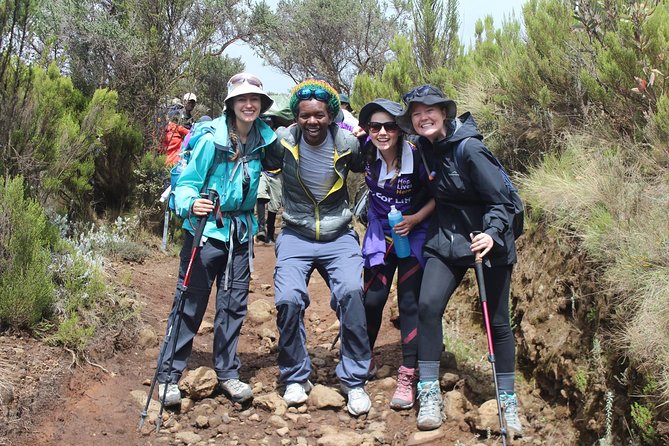
Day 2 is a 6-hour hike of about 15 km, gaining roughly +1,020 m as you shift from forest into moorland. The plan runs toward Horombo hut, and you’ll stop for a picnic lunch along the way.
This is also the day where the trail gives you a “reward with effort” moment. After leaving forest, the route passes around the base of the Maundi Crater, and you can take a short detour up to the rim. If the sky is clear, you may be able to see the Kibo Crater, and possibly the glaciers of Kibo too.
That detour is short in time, but big in payoff. It’s one of those places where a good photo usually needs the right angle, not a longer walk. If you like scenic breaks, this is a day to take that extra effort if your guide says it’s feasible.
The main consideration is pacing. Even though the oxygen is not yet at the hardest stage, you are still gaining elevation. Slow steps help, and frequent sips of water keep you comfortable.
More Kilimanjaro climbs:
- Kilimanjaro climb by Lemosho Route (7-day)
★ 5.0 · 651 reviews - Kilimanjaro climb, Machame Route (7-day)
★ 5.0 · 262 reviews - Kilimanjaro Climbing Lemosho Route 8 Days.
★ 5.0 · 186 reviews - Climbing Kilimanjaro – Machame Route
★ 5.0 · 170 reviews
Day 3: Alpine Desert, Thinner Air, and Water Planning for the Next Stretch
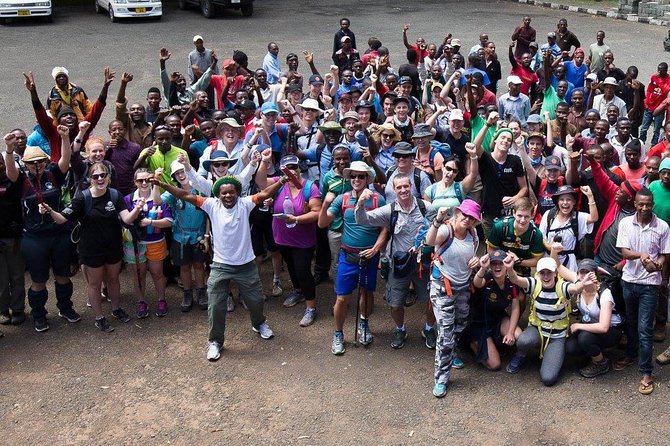
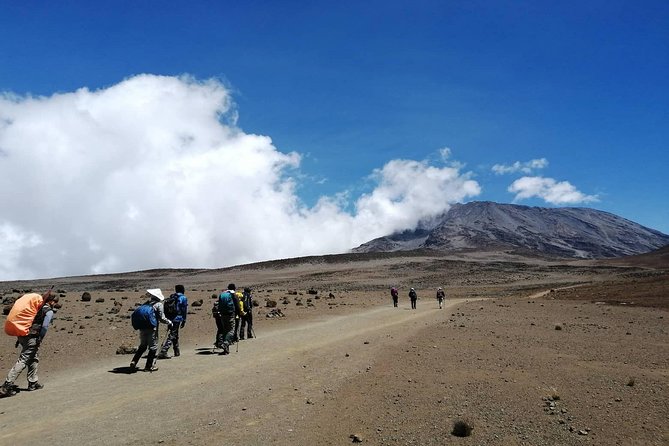
Day 3 is where Kilimanjaro starts feeling like Kilimanjaro. You’re hiking about 6 hours, roughly 15 km, with a gain around +980 m, moving into alpine desert.
The schedule explicitly calls out that oxygen at these altitudes is thinning out considerably. That’s why the strategy matters: you need to go slowly, drink enough, and avoid the common mistake of “feeling okay” and then pushing too hard.
A key part of the day’s plan is the Saddle area, between Mawenzi and Kibo. You may take one of two trails to reach it, and the route guidance here favors sticking to the lower route. Why? It’s much easier, and it also takes you past the last watering point. The important practical advice is to stock up with all the water you will need, because the next watering point is at Horombo hut when you return.
This is the kind of detail that separates a smooth day from a stressful one. If you have ever underpacked your water on a hike, this is your reminder to plan like you mean it.
Day 4: Midnight Start to Uhuru Peak, Hans Meyer Cave to Gillman’s Point
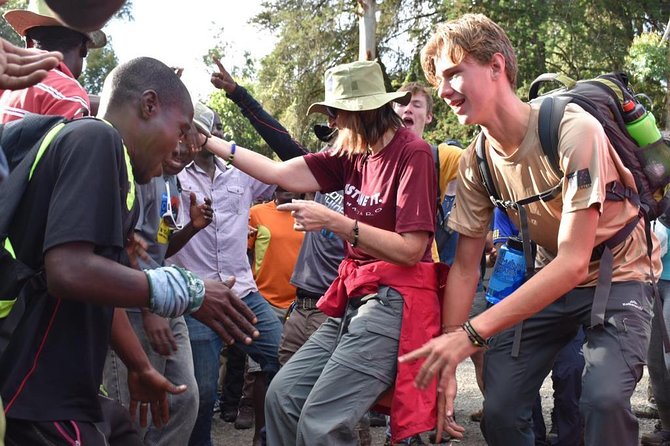
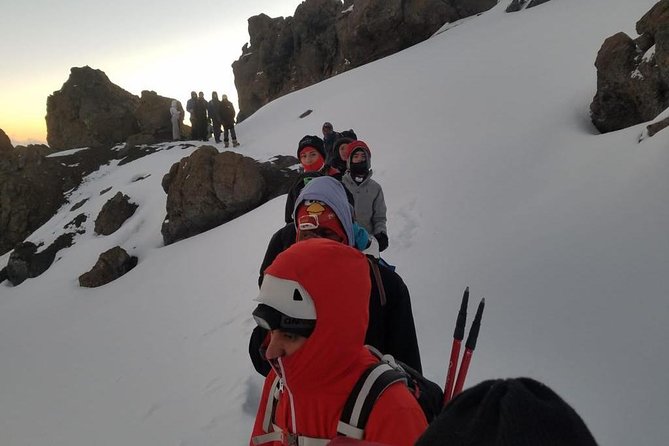
Day 4 is the hardest day by far. You get woken just before midnight and then head onto the rocky climb through cold night conditions.
The schedule is long, about 10 hours, with a distance around 27 km and a big net movement of about +1,195 m, then -2,175 m. That profile tells you everything: you are climbing fast in effort, then you are turning around and descending with whatever energy is left.
You’ll go toward the Hans Meyer Cave at 5,150 metres. You may take a short rest there, then continue to Gillman’s Point at 5,680 metres. The most demanding section is described as steep and stony, so slow and careful footwork is the name of the game.
From Gillman’s Point, the plan says you’ll likely walk through snow for about the next two hours. Then, you continue upward to Uhuru Peak.
Even if you do not love cold mornings or rocky scrambles, this is why planning matters. If you follow the pacing advice and keep your focus on steady movement, you give yourself the best shot at reaching your target.
Day 5: The Descent to Marangu Gate and Your Green or Gold Certificate
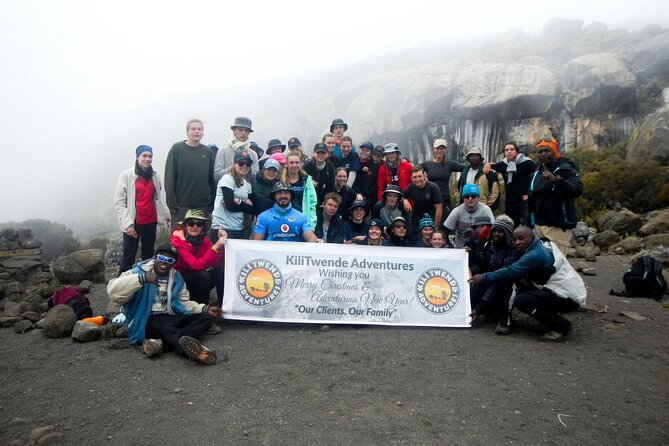
Day 5 begins after an early breakfast. Then it’s descent time, passing Mandara hut on the way down to Marangu gate, taking about 6 hours.
You’ll hike roughly 27 km with an elevation change around -1,740 m, and the habitat shifts from moorland back toward rain forest. This day can feel slow even when you’re moving well, because downhill fatigue is its own kind of pain in altitude trekking.
When you reach Marangu gate, you sign your name and details in a register. To make it official, you receive a summit certificate. The color system is clear:
- Green certificate if you reached Gillman’s Point
- Gold certificate if you made it all the way to Uhuru Peak
That’s a nice touch, because it acknowledges the hard work even if summit timing turns out differently than planned. For many people, reaching Gillman’s Point is still a major achievement.
Afterward, there’s a road transfer back to your hotel in Moshi. The schedule also includes that you’ll likely want a long hot shower and time to recover.
The Human Side: Guides, Porters, and a Very Local Feel
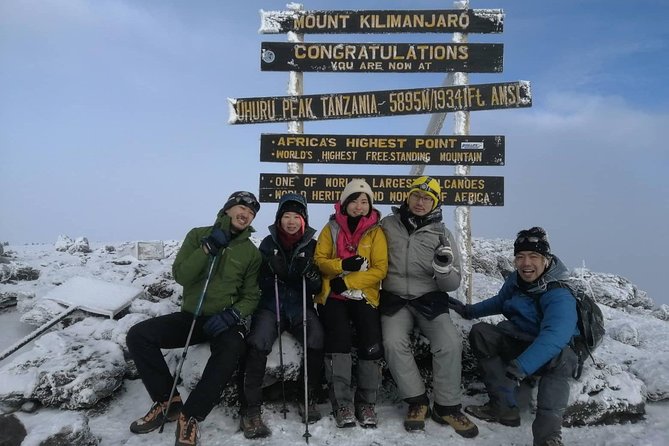
This is where the reviews add real color. I like the fact that this climb is run by a Tanzanian team, not a distant call center style setup. One review praise that stood out was about how you deal with Tanzanians directly, and how the operation is organized with trucks, bags, and dedicated staff.
And the guide names matter because it makes the experience feel personal and real. In one set of feedback, guides Robert and Donovan were specifically credited for motivation and support during the climb, alongside porters, cook, and other guides. Another review also described service as caring while not being pushy, which is exactly what you want when you are exhausted and just trying to keep going one step at a time.
For you, the practical benefit is confidence. A climb like Kilimanjaro depends on trust in how the team runs the day, manages gear, and keeps things moving. When the operation is locally grounded and responsive, it tends to feel calmer on the trail.
Gear and Training That Helps on This Exact Route
The tour includes support, but you still need to show up prepared. The trek specifically mentions bringing items for Day 1 like a camera, extra cloth, skin oil, and a rain jacket. That’s a good baseline for what you should plan for.
Gear items that are not included, and may be rented in Moshi, include:
- Sleeping bag (rental listed at $40)
- Duffle bag (rental listed at $35)
- Hiking boots (rental listed at $40)
- Walking sticks (rental listed at $10)
- Other personal items you might need
My practical advice: do not wait until the last minute to sort your boots. If your boots are not comfortable before you arrive, you will feel it when the trail goes rocky and steep.
Also, plan for the cold of summit night. The itinerary is explicit that you are woken before midnight and climbing in cold conditions, with snow possible later that morning. Even if you are not provided with every piece of cold-weather gear, you can prepare by packing layers you can manage as your body heats up and cools down.
Fitness-wise, the tour asks for moderate physical fitness. You do not need to be a mountain athlete. But you do need endurance for multiple days of hiking and the long summit push on Day 4.
Who Should Book This Marangu Trek, and Who Might Prefer Another Style
If you want to sleep in huts and keep your setup simple, this Marangu-based experience fits you. It also fits you if you like a guided structure that handles permits, fees, and daily meals.
It’s also a good match if you want a private group feel, since it is described as a private tour where only your group participates. That usually means less shuffling and a smoother rhythm, especially on summit night.
You might rethink this if you know you dislike cold, early wake-ups, and long days on steep, stony ground. Day 4 is not a gentle walk. It’s a dedicated summit plan with a midnight start, then an extended push and descent.
Finally, if you can add flexibility, consider the optional extra day. The experience description notes that adding a day for acclimatization can significantly boost your chances of reaching the summit.
Should You Book Kilitwende Adventures for This 5-Day Marangu Climb?
Here’s my honest take: if you want a Kilimanjaro climb that is organized, hut-based, and focused on practical comfort, this is a solid option. The included package covers the big cost drivers that matter at altitude, like park and hut fees, guides and porters, three meals a day, transfers, and an oxygen tank. That means you can spend your mental energy on pacing and recovery instead of chasing logistics.
Before you book, be clear about what you are still responsible for: personal gear, tips, and anything beyond the included meals and bottled water on day one. Also be ready for the reality that hut comfort does not eliminate the difficulty of summit night.
If you want a tent-free route experience with strong on-the-ground support and Tanzanian-led care, I’d say go for it, especially if you consider the optional acclimatization day.
FAQ
How many days is the Kilimanjaro trek on the Marangu route?
The main itinerary is about 5 days. There is also an option to add an extra day for acclimatization, creating a 6-day itinerary.
Where do I sleep during the climb?
You sleep in shared huts along the route. The experience description notes that tents are not required.
What time does the trek start?
The start time is listed as 8:30 am.
What meals and water are included during the climb?
You get three meals a day during the climb. Bottled water is provided on the first day of the climb, boiled and filtered on the mountain.
Is an oxygen tank included for emergencies?
Yes, an oxygen tank is included for emergency use.
What is the summit certificate based on?
If you reach Gillman’s Point you receive a green certificate. If you reach Uhuru Peak you receive a gold certificate.
Are transfers included?
Yes. Transfers to and from the mountain gates are included, and there is also a road transfer back to your hotel after you finish.
Do I need to bring a sleeping bag and hiking boots?
Sleeping bag and hiking boots are not included, and they may be rented in Moshi before the trek. The list of rentals also includes items like a duffle bag and walking sticks.
Can I cancel and get a refund?
Yes. Free cancellation is available, with a full refund if you cancel at least 24 hours before the experience start time.
More Hiking & Trekking in Moshi
- Best Kilimanjaro Adventure 7 days Machame route Trekking
★ 5.0 · 42 reviews - Kilimanjaro 7 Day Private Trekking Experience
★ 5.0 · 40 reviews - 8 Days Kilimanjaro Hike via Lemosho Route
★ 5.0 · 39 reviews - 6 Days Machame Route Kilimanjaro Climbing Trekking Tour
★ 5.0 · 34 reviews
Just posted around Moshi
- machame route★ 5.0 · 16 reviews
- Kilimanjaro Climbing Umbwe Route★ 5.0 · 3 reviews
- Wildlife Extravaganza: Manyara, Tarangire & Ngorongoro in 3 Days★ 5.0 · 3 reviews
- Mt Kilimanjaro 6 days Marangu route hike★ 5.0 · 3 reviews
- 3 Days Private E-Bike Tour in West Kilimanjaro★ 5.0 · 3 reviews
- West Kilimanjaro cycling Adventures★ 4.5 · 8 reviews
- Kilimanjaro Climb • Marangu Route ~ 9 Day★ 5.0 · 4 reviews
- Private Cycle to Kilimanjaro Bike Park Safari★ 5.0 · 6 reviews
Kilimanjaro Climbs, compared.
8-Day Small-group Lemosho Kilimanjaro Summit Trekking
Read our review →
5 Days Best of Tanzania Luxury Safari Northern Circuit
Read our review →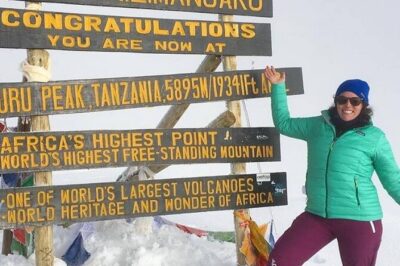
Climbing Kilimanjaro through 7 days Machame Route
Read our review →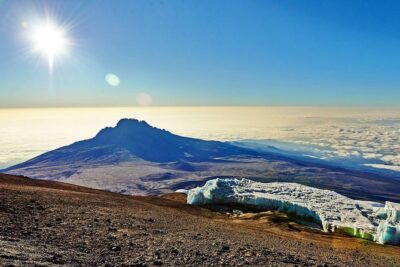
Browse the lists this tour appears in