
Reviewed · KILIMANJARO CLIMBS
Best 5 Days Kilimanjaro Bike Trek Tour via Marangu Kilema Route
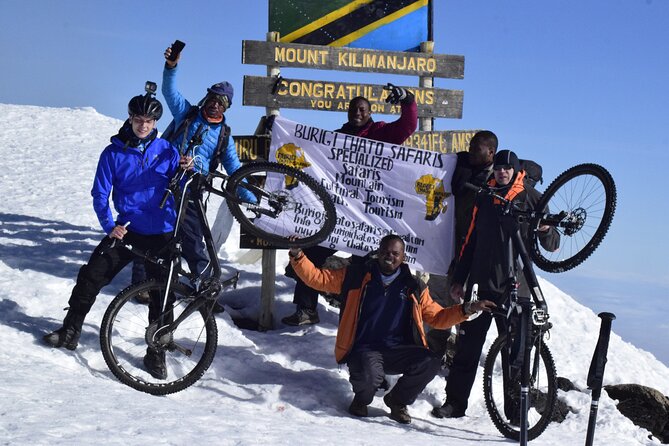
A bike summit on Kilimanjaro sounds impossible. This 5 day Kilema route ride is one of the rare plans that can take you to Uhuru Peak by mountain bike, with experienced guides and porters handling the summit leg. I like the way the trip is structured around clear staging points, especially meeting at Horombo Hut, so you know what’s coming next.
The big consideration is effort. You’ll need moderate physical fitness, and you should be ready for rough, rocky riding days where flats and mechanical issues are realistic at altitude.
In This Review
- Key things to know before you go
- Kilimanjaro by bike via Kilema route: what makes this trip special
- Moshi to the gates: how day 1 really starts
- Day 1: Kilema Gate to Horombo Hut, first big altitude hit
- Day 2: alpine desert loop riding to Mawenzi Hut and back
- Day 3: Kibo Hut setup, possible summit-path hike, then the night plan
- Day 4: Hans Meyer’s Cave, Gilman’s Point, then Uhuru Peak by bike
- Day 5: the ride down to Kilema Gate, then back to Moshi
- Price and value: what $3,292 is really buying you
- Who this tour suits, and what to prepare for
- Group size, guides, and on-mountain coordination
- Responsible travel angle: minimum impact, maximum effort
- Should you book the Kilema bike trek?
- FAQ
- How long is the Best 5 Days Kilimanjaro Bike Trek Tour?
- Where do you start and where do you end?
- What route is this tour using to reach the summit?
- Does the price include transportation from Moshi and to the gates?
- Are meals included?
- Are park admission tickets included?
- What is not included in the tour price?
- Do you need to bring or hire a mountain bike?
- What fitness level is required?
- How large can the tour group be?
Key things to know before you go
- Bike summit on a specific route: the Kilema route is described as the only bike trek route that can reach the summit by mountain bike.
- Horombo to summit coordination: cyclists meet porters at Horombo Hut and continue the summit plan from there.
- Kibo Hut is real hut life: it’s a stone-built block house with bunk beds for 60 climbers, and the summit push happens the same night.
- Early summit morning, then riding: a 4:00 am start for the trek segment, then bikes take over toward Uhuru Peak and down toward Stella Point.
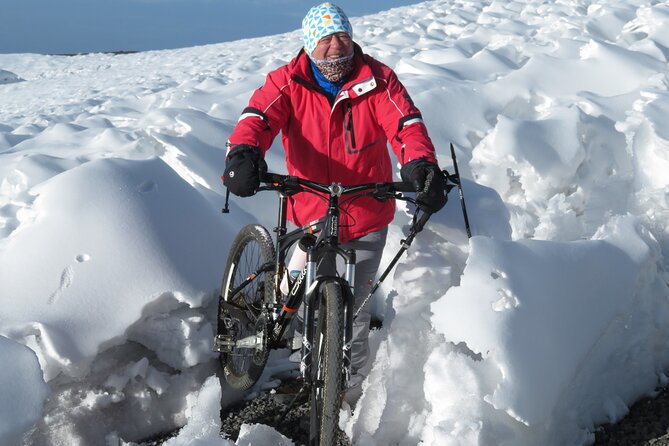
- Riding happens in tough zones: the route mixes alpine desert and ice cap type terrain, so comfort with uneven ground matters.
- Operator has shown on-bike logistics: one reported Burigi Chato Safaris bike tour mentioned multiple escort vehicles and radio coordination for safety, which is a good sign to ask about for your dates.
Kilimanjaro by bike via Kilema route: what makes this trip special
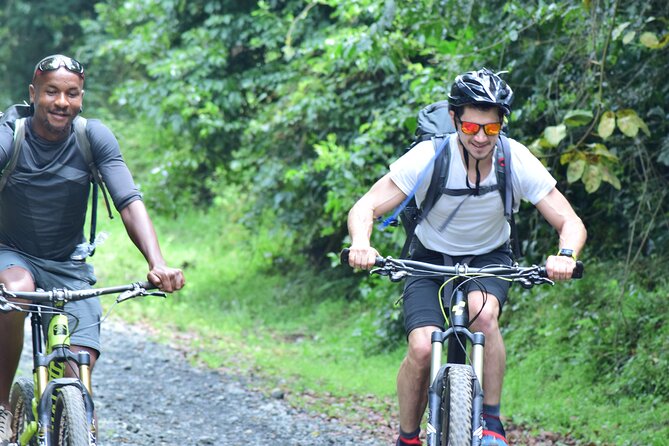
This is not a casual ride. It’s Kilimanjaro, with bikes as the main transport for most of the climb, and humans doing the rest.
What makes the experience compelling is the concept: you are not just biking around Kilimanjaro for views. You’re using the Kilema route as a way to attempt the summit plan and still spend serious time in the saddle. The trip is built around acclimatization, and the schedule stretches the altitude challenge over multiple days, not one push.
I also like the “system” the itinerary uses. There are defined gates and huts where your day changes shape. You start with gate transfers, then shift into ridge riding toward major stops like Horombo Hut and Kibo Hut. Later, you’ll meet porters and transition between trekking and riding on summit night and summit morning. That mix keeps the experience active and removes a lot of guesswork.
More Hiking Trips in Moshi
- Private Kilimanjaro Hike 7 Day Lemosho Route
★ 5.0 · 60 reviews - Best Kilimanjaro hiking day trip tour with Kilinge Adventures
★ 4.5 · 54 reviews - #1. Best Kilimanjaro Day hike Tour-Machame Route-ISMANI
★ 4.2 · 47 reviews
Moshi to the gates: how day 1 really starts
Most people arrive in Moshi already thinking about the mountain. The tour helps you focus by handling the pre-ride logistics.
You get private transportation that covers gate transfers, plus airport pickup and drop-off. From Moshi, it takes about 45 minutes to reach the Marangu Gate area. Once you arrive, hikers must register at the park office. Then the transfer continues to the Kilema Gate, where you prep your bike and your day-pack.
Before you start riding, you do a final check on the mountain bike and make sure your day-pack includes basics like drinking water and lunch, plus extra clothing. That part matters more than it sounds. At altitude, temperatures swing, and a “just in case” layer can keep you functional instead of miserable. The tour also expects you to arrive with the right mindset for a day that starts structured and stays busy.
Timing note: the start time is listed as 8:00 am. If you’re the type who needs coffee first (same), plan on being ready and packed the night before.
Day 1: Kilema Gate to Horombo Hut, first big altitude hit
Day 1 is all about getting into the rhythm and moving from the gates into the Kilimanjaro system.
You ride the first section from Kilema Gate (about 1,950 m) to Horombo Hut. It’s listed as 16 km, and you’ll have a guide riding with you on a mountain bike. The idea here is simple: establish a steady pace, get your body used to the climb, and arrive at Horombo without turning it into an all-out race.
What’s useful is the way the tour frames the day-pack and bike check before you set off. When your first ride ends at a hut area, you’ll want to have already handled the basics, not scramble later.
The main drawback on Day 1 is also the most predictable one: it’s your first sustained exposure to higher elevation and rougher ground. Even if the distance sounds manageable on paper, you may feel slower than you expect. Ride smart, not fast.
Day 2: alpine desert loop riding to Mawenzi Hut and back
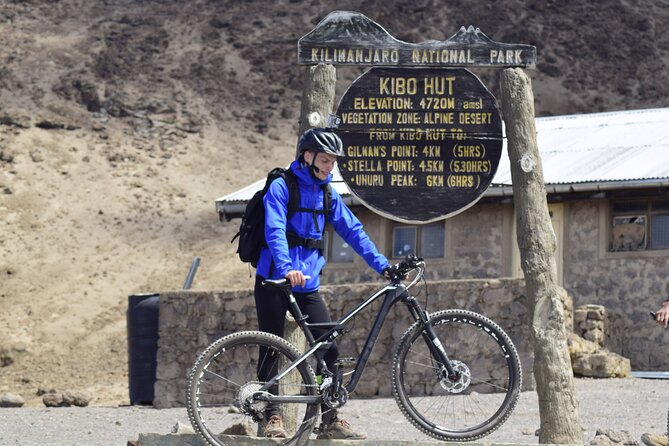
Day 2 keeps the cycling focus. After breakfast, you head out into alpine desert and ride through areas described as having small stone. The itinerary lists about 10 km cycling and about 5 hours.
The route is framed as riding through alpine desert vegetation toward Mawenzi Hut and then back to Horombo Hut. Even though it’s a shorter distance than Day 1, this day can feel tough because the surface can punish bad tire pressure choices and aggressive pacing.
This is also the day where I’d pay attention to how your breathing feels. The tour’s structure supports acclimatization, but you still own your effort level. If you push too hard, your body pays later on summit night.
More Kilimanjaro climbs:
- Kilimanjaro climb by Lemosho Route (7-day)
★ 5.0 · 651 reviews - Kilimanjaro climb, Machame Route (7-day)
★ 5.0 · 262 reviews - Kilimanjaro Climbing Lemosho Route 8 Days.
★ 5.0 · 186 reviews - Climbing Kilimanjaro – Machame Route
★ 5.0 · 170 reviews
Day 3: Kibo Hut setup, possible summit-path hike, then the night plan
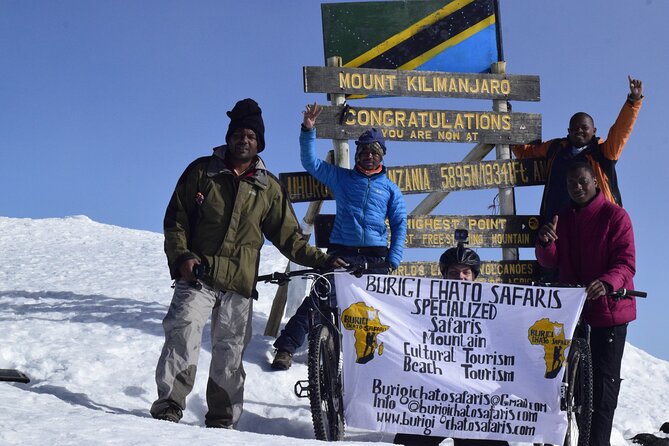
Day 3 is where the trip starts shifting from “riding days” into “preparing for the summit attempt at night.”
You wake early and pack duffel bags after breakfast. Then you cycle back toward Kibo Hut. The route description is specific: the first 3 km plus a final 7 km section offering a good biking trail. That means you’re not just climbing in slow grind mode the whole time. There’s at least a portion where your bike skills can shine.
At Kibo Hut you get lunch and then you rest. The itinerary also notes that around 16:00, depending on how you feel, you may partially hike up the summit path to orient yourself for the summit attempt later that night.
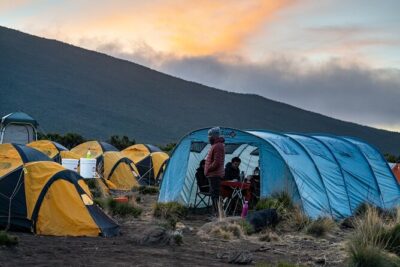
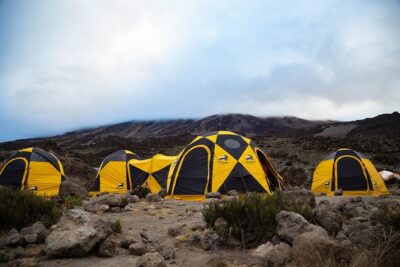
Then comes the reality check: Kibo Hut sits in barren alpine desert, and it’s a stone-built block house with bunk beds for 60 climbers. The summit, Uhuru Peak, is about 1,195 m higher from there, and the final ascent is planned for the same night. Your job is to prepare equipment and thermal clothing for cold conditions.
This is one of the most important “value” moments in the whole itinerary. The tour is trying to prevent a common mistake: showing up cold and underprepared on summit night. If you take the thermal clothing part seriously, you’ll feel more in control when conditions turn harsh.
Day 4: Hans Meyer’s Cave, Gilman’s Point, then Uhuru Peak by bike
Day 4 is the big one. It starts at 4:00 am with guides waking you for a zigzag trek up a long scree slope.
The timing is built around a classic Kilimanjaro approach. After roughly two hours, you reach Hans Meyer’s Cave. From there, the gradient gets steeper. You continue climbing for about another three hours to Gilman’s Point.
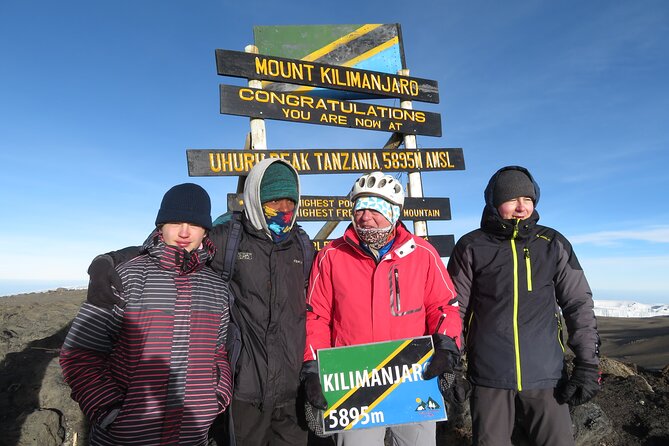
Here’s where the bike plan becomes real. At Gilman’s Point, porters provide the bikes, and you start riding to Uhuru Peak. You arrive, spend a few minutes at the summit area for photos, then ride down to Stella Point. After lunch, you ride down toward Horombo.
The route is described as cycling from Kibo to Uhuru and then back down with variations: some portions are described as alpine desert vegetation, and other sections are described as ice cap type terrain. The practical takeaway is this: the ground conditions at this altitude are not forgiving, and your confidence on a loaded bike matters.
A few mindset tips I’d use if you’re aiming for this day:
- Keep your speed controlled. The goal is arrival, not a sprint.
- Assume some physical fatigue from the night push, even if you slept.
- Treat bike handling like part of the summit game, not a separate activity.
Day 5: the ride down to Kilema Gate, then back to Moshi
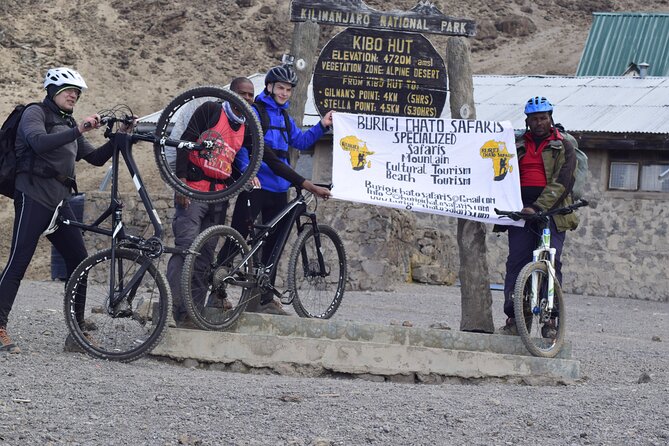
Day 5 is your finish line, and it’s also your release. After breakfast, you make the final riding descent to Kilema Gate across alpine and rainforest areas.
Then you transfer to Marangu Gate for check out, and continue on to your hotel in Moshi.
This day can feel surprisingly emotional, even for people who don’t get sentimental. You’ve spent days moving toward cold heights. Now you’re moving back toward warmth, trees, and normal life. And because your last bike ride ends at a gate, you get a clean end point instead of a vague “and then you wander back.”
Price and value: what $3,292 is really buying you
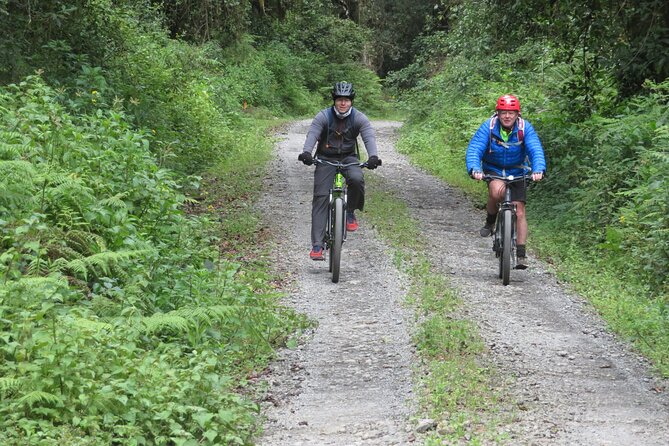
At $3,292 per person, this is not budget travel. But the value picture is more complex than cost alone because the included items are substantial.
Your package includes:
- Private transportation for gate transfers
- Airport pickup and drop-off
- Experienced tour guide
- Hotel accommodation before and after trekking
- All fees and taxes
- Meals: breakfast, lunch, and dinner across the days listed
- A mobile ticket
The money is going toward the operational complexity: multi-day movement in a protected area, logistics for gates and huts, guiding, meals, and the summit-day plan that mixes trekking and biking.
You also need to factor in what’s not included. Flights, visa, and medical insurance are not covered. Personal climbing gear is not included, and bike hiring is also listed as not included. If you need a bike, tubes, or summit-appropriate layers, your real trip cost can rise.
So how do you judge if it’s worth it? Ask yourself if you’re paying for the thing that makes this unique: a Kilema-route attempt that can reach the summit by mountain bike, not just a Kilimanjaro trek with sightseeing.
If that’s your goal, the price starts to make sense. If you’d rather keep costs lower and ride easier terrain, you may prefer a different Kilimanjaro cycling style trip.
Who this tour suits, and what to prepare for
This tour is for people who can ride a mountain bike for hours, handle rough surfaces, and keep moving in high altitude conditions. The tour notes a moderate physical fitness level requirement.
You should also consider small but real bike realities. In a reported Kilimanjaro bike experience with the same operator, a rider mentioned the possibility of big rats around huts and the likelihood of flats unless your setup is truly capable. That lines up with what makes sense on rugged mountain ground.
Here’s what I’d personally prepare in a practical way, without over-guessing what the tour provides:
- A bike setup you trust. If you are not confident on rocky stone, do not guess at summit night.
- Flat protection. Carry repair supplies and plan for delays.
- Controlled pace. Getting too fast early can turn the whole week into suffering.
- Warm layers. Thermal clothing is explicitly part of summit night preparation.
And yes, the itinerary includes huts where you’ll be sleeping in bunk-style accommodations. That can be fine if you’re used to basic camping sleep. If you’re a light sleeper, plan on extra patience and earplugs if you use them.
Group size, guides, and on-mountain coordination
Your experience size matters because safety and pacing depend on it.
This tour lists a maximum of 200 travelers. That number is large, but it’s still a cap. In the broader Kilimanjaro bike ecosystem, groups can also be smaller, and coordination often involves escort vehicles and radio communication. One past Burigi Chato Safaris report described a group of 16 riding with three vehicles escorting them and radio contact used by the guide to manage the ride.
Whether your exact date matches those specifics, the underlying principle is good: riding in a remote setting needs strong communication and vehicle support. When you finalize your booking, it’s smart to ask your operator how they manage biking spacing, mechanical issues, and vehicle support during the hardest segments.
Responsible travel angle: minimum impact, maximum effort
The tour describes bike trekking as having minimum impact while enhancing your experience in the natural environment.
Practically, what that means for you is this: you follow the route, you don’t wander off, you treat huts and trails as shared infrastructure, and you listen to guide instructions on pacing and rest. A bike trek can create less trail wear than repeated foot traffic if managed well, but it still stresses the environment through movement and equipment.
If you want your trip to feel authentic and respectful, you’ll enjoy the disciplined structure: gates to huts to summit nodes, then back down. It’s a mountain workflow, not a casual vacation loop.
Should you book the Kilema bike trek?
Book it if:
- Your goal is the rare challenge of a Kilimanjaro summit attempt that includes major riding time on the Kilema route.
- You can handle rough terrain and are comfortable dealing with bike issues at altitude.
- You want a guided, structured acclimatization plan with huts, meals, and transportation handled.
Skip it or rethink if:
- You mainly want scenery with minimal physical stress. This is a high-effort itinerary with summit-night cold and a 4:00 am start.
- You do not have the bike confidence to ride when your legs are tired.
- You need everything included down to personal gear and a hired bike, because bike hiring and climbing gear are not included.
If you’re the kind of traveler who likes doing the hard thing the right way, this tour has a clear appeal. It’s active, focused, and it treats the summit attempt as a real plan, not a photo stunt.
FAQ
How long is the Best 5 Days Kilimanjaro Bike Trek Tour?
The tour duration is listed as 5 days approximately.
Where do you start and where do you end?
It starts at 8:00 am and ends back at the meeting point. The itinerary also includes transfers back to your hotel in Moshi at the end.
What route is this tour using to reach the summit?
The plan uses the Kilema route, with the summit attempt involving Kibo Hut and reaching Uhuru Peak. Cyclists meet porters at Horombo Hut and continue toward the summit plan.
Does the price include transportation from Moshi and to the gates?
Yes. It includes private transportation for gate transfer, plus airport pick up and drop-off.
Are meals included?
Yes. Breakfast is listed as 4, lunch as 5, and dinner as 4.
Are park admission tickets included?
The activity lists admission ticket as free, and it also includes all fees and taxes.
What is not included in the tour price?
Not included are local and international flights, personal climbing gears, medical insurance, visa, and mountain trekking bike hiring.
Do you need to bring or hire a mountain bike?
Mountain trekking bike hiring is listed as not included, so you may need your own bike or arrange hiring separately.
What fitness level is required?
The tour states travelers should have a moderate physical fitness level.
How large can the tour group be?
The tour/activity lists a maximum of 200 travelers.
More Hiking & Trekking in Moshi
- Best Kilimanjaro Adventure 7 days Machame route Trekking
★ 5.0 · 42 reviews - Kilimanjaro 7 Day Private Trekking Experience
★ 5.0 · 40 reviews - 8 Days Kilimanjaro Hike via Lemosho Route
★ 5.0 · 39 reviews - The Best & Unique Kilimanjaro Hiking tour 7 days Machame route
★ 5.0 · 34 reviews
More Cycling Tours in Moshi
- 1-Day Moshi Villages bike tour
★ 5.0 · 59 reviews - Chagga Villages in Mount Kilimanjaro Cycling Day Trip
★ 5.0 · 42 reviews - Moshi city bike day trip
★ 5.0 · 17 reviews - Kilimanjaro bike park safari
★ 5.0 · 16 reviews
Just posted around Moshi
- machame route★ 5.0 · 16 reviews
- Kilimanjaro Climbing Umbwe Route★ 5.0 · 3 reviews
- Wildlife Extravaganza: Manyara, Tarangire & Ngorongoro in 3 Days★ 5.0 · 3 reviews
- Mt Kilimanjaro 6 days Marangu route hike★ 5.0 · 3 reviews
- 3 Days Private E-Bike Tour in West Kilimanjaro★ 5.0 · 3 reviews
- West Kilimanjaro cycling Adventures★ 4.5 · 8 reviews
- Private Cycle to Kilimanjaro Bike Park Safari★ 5.0 · 6 reviews
- Kilimanjaro Climb • Marangu Route ~ 9 Day★ 5.0 · 4 reviews
Kilimanjaro Climbs, compared.
8-Day Small-group Lemosho Kilimanjaro Summit Trekking
Read our review →
5 Days Best of Tanzania Luxury Safari Northern Circuit
Read our review →
Climbing Kilimanjaro through 7 days Machame Route
Read our review →
Browse the lists this tour appears in