
Reviewed · KILIMANJARO CLIMBS
8 Day Mount Kilimanjaro Trekking Lemosho Route
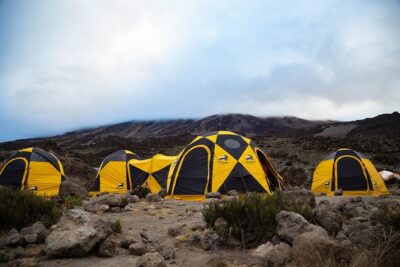
Altitude takes a gentler path here. The Lemosho route is built for acclimatization, starting in montane forest and easing you onto the Shira Plateau with extra time to adjust before the summit push. It is also a less-used climb, which tends to make the mountain feel bigger and less busy.
I also like the day 1 option for an armed ranger escort in the forest area, where wildlife such as buffalo and elephants live. The one drawback is the practical side: you still need to handle late-night summit effort and you must bring your own trekking gear, since personal items are not included.
In This Review
- Key highlights if you want the facts fast
- Why this 8-day Lemosho climb works for altitude
- Day 1: From Moshi to Lemosho Glades, then Mti Mkubwa campsite
- Day 2: Shira Ridge to Shira 1 camp, where moorland begins
- Day 3: Shira Plateau acclimatization day at Shira 2
- Day 4: Lava Tower (Shark’s Tooth) and the descent to Barranco
- Day 5: Barranco Wall up to Karanga Valley, short but steep
- Day 6: Barafu Camp, finish the South Circuit, rest for summit night
- Day 7: Midnight-to-sunrise summit bid, Stella Point to Uhuru Peak
- Day 8: Mweka Park Gate certificates and the drive back to Moshi
- Price and value: what $2,250 per person covers
- How the included service style shapes your experience
- Gear and packing that matches this trek’s reality
- Who should book the Lemosho 8-day route
- Should you book this trek, or pick something else?
- FAQ
- Where does the trek start and end?
- Is pickup offered?
- How early is the summit push on Day 7?
- What is the route like on Day 1?
- Is there wildlife safety on the first day?
- Are meals included in the price?
- What gear should I bring?
- Is this a private tour?
Key highlights if you want the facts fast
- Acclimatization focused pacing across 8 days, including time on the Shira Plateau before the higher zones
- Day 1 forest wildlife safety with a possible ranger escort in the Lemosho Glades area
- Shira Plateau camps (Shira 1 and Shira 2) that give you a built-in rhythm of hike, rest, and adjust
- Lava Tower and Arrow Glacier junction route on Day 4, with the famous Shark’s Tooth feature
- Stella Point sunrise on Day 7 after a midnight-to-early-morning climb through scree
- Mweka descent logistics on Day 8, with certificates at the gate and a drive back to Moshi (around 60 minutes)
Why this 8-day Lemosho climb works for altitude
Kilimanjaro altitude is not just “how high.” It is how your body responds day after day. This itinerary is designed to give you more chances to adapt before you go too high for too long. That matters because the Lemosho approach uses a longer timeline, and that helps reduce the harshness that many people associate with faster routes.
I like that the route does not rush you straight into the highest elevations. You spend meaningful time gaining and then adjusting on the Shira Plateau, then you move into the higher, harsher zones with days that still include acclimatization logic. You end up with a summit day that is early and intense, but you have built the foundation first.
There is also a vibe factor. Lemosho is described as a less-used way up, and that tends to feel less crowded. Even if you are in a group, the trek can feel more “on the mountain,” because you are not constantly bouncing around between the same trail beats.
More Hiking Trips in Moshi
- Private Kilimanjaro Hike 7 Day Lemosho Route
★ 5.0 · 60 reviews - Best Kilimanjaro hiking day trip tour with Kilinge Adventures
★ 4.5 · 54 reviews - #1. Best Kilimanjaro Day hike Tour-Machame Route-ISMANI
★ 4.2 · 47 reviews
Day 1: From Moshi to Lemosho Glades, then Mti Mkubwa campsite
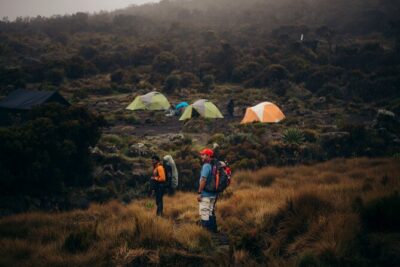
Your trek day starts with breakfast and a drive out of Moshi toward the Lemosho Park Gate. From there, the track requires a 4WD vehicle, then you transition into the forest on foot.
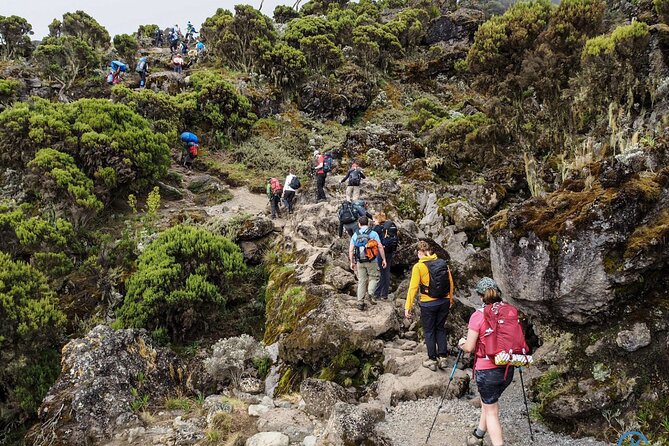
You hike from about 1830m/6000ft up to 2650m/8700ft, roughly 6 km (about 4 miles) with a walking time listed as 2 to 5 hours. This is a montane forest route, so you are moving through a greener, cooler-feeling world compared with the high, exposed zones later.
The practical value of Day 1 is that it sets your pace. You learn what hiking feels like when you are not yet gasping at extreme altitude. You also get a true “start the trek” feeling, because you are walking from the glades into camp at Mti Mkubwa.
One more safety detail to understand: the route includes an option for groups to be accompanied on the first day by an armed ranger. The forest around the Lemosho Glades is described as wildlife country, including buffalo and elephant. Even if you do not see animals, it is still a real comfort to know the plan includes that layer of protection.
Day 2: Shira Ridge to Shira 1 camp, where moorland begins
After breakfast, the trail gradually steepens as you move out of the earlier forest feel. You cross several streams, then continue over Shira Ridge before you begin a gentle downward movement to Shira 1 camp.
Elevation rises from about 2650m/8700ft to 3500m/11,500ft. The day is listed at around 8 km (about 5 miles) with 4 to 5 hours of hiking, and it is moorland terrain. Moorland often means more exposure, more wind, and less shelter than forest days. So this is a good time to dial in layers and slow your pace.
I like that this day does not feel like “only climbing.” You crest and then you shift down to camp, which is exactly what you want on a mountain like Kilimanjaro. It keeps your body working but avoids the most punishing pattern of going higher and higher nonstop.
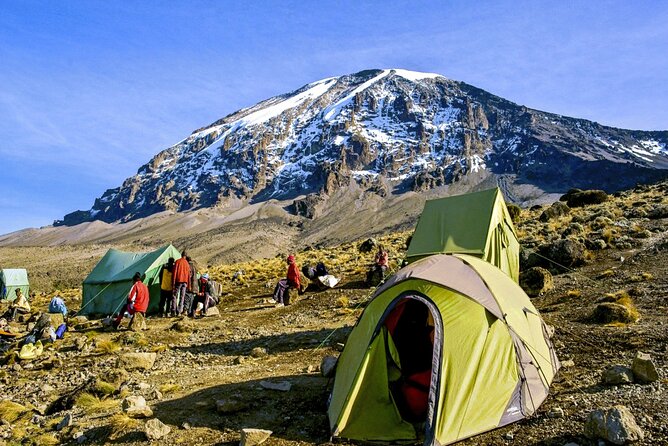
Also, this is the first big camp transition. You are now sleeping on the Shira Plateau at Shira 1, which sets up how Day 3 will work.
Day 3: Shira Plateau acclimatization day at Shira 2
Day 3 is the classic acclimatization move: gentle hiking across the plateau to Shira 2 camp on moorland meadows by a stream.
You go from about 3500m/11,500ft to 3850m/12,600ft. The hike is again about 8 km (about 5 miles) with 4 to 5 hours of time on your feet. Habitat here stays moorland, and the route description highlights that there are a variety of hikes available on the plateau.
This is the day you should treat like a training day for your summit rhythm. You want to keep efforts moderate, stay aware of your breathing, and use the camp and plateau time to settle into altitude instead of trying to “finish fast.”
If you are someone who gets restless sitting in a tent, this day can still feel purposeful because it offers flexible hiking options. The point is not sightseeing alone. It is to get your body used to being higher while keeping your overall load reasonable.
More Kilimanjaro climbs:
- Kilimanjaro climb by Lemosho Route (7-day)
★ 5.0 · 651 reviews - Kilimanjaro climb, Machame Route (7-day)
★ 5.0 · 262 reviews - Kilimanjaro Climbing Lemosho Route 8 Days.
★ 5.0 · 186 reviews - Climbing Kilimanjaro – Machame Route
★ 5.0 · 170 reviews
Day 4: Lava Tower (Shark’s Tooth) and the descent to Barranco
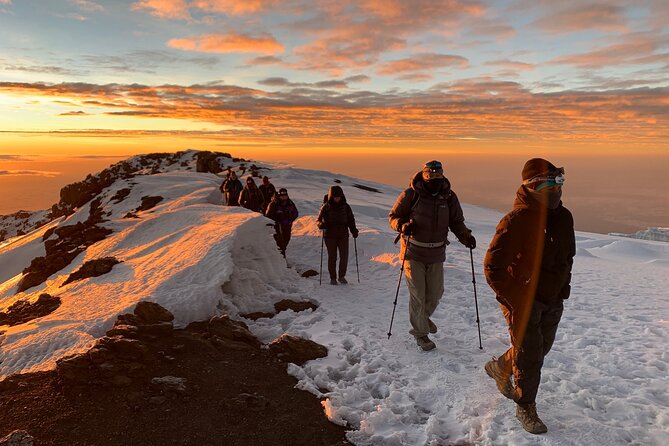
Day 4 is where the route starts feeling like Kilimanjaro in its more dramatic form. You continue from the Shira Plateau, moving east up a ridge. You pass a junction toward the peak of Kibo, then your direction changes to the southeast toward Lava Tower, known as the “Shark’s Tooth” at about 4650m/15,250ft.
Shortly after Lava Tower, you reach the second junction connected with the Arrow Glacier, then you continue onward to the day’s key move: you descend down to Barranco Camp.
Your listed elevation swing is from 3850m/12,600ft up to camp around 4000m/13,000ft, with an estimated 8 km (about 5 miles) and about 5 to 6 hours of walking. Habitat is described as semi-desert, so expect drier, more exposed ground compared with forest or classic moorland.
The best part of this day is understanding why you end around a similar elevation even after climbing. This is an acclimatization day in disguise. Your body gets practice handling the higher zone near Lava Tower, but the camp sits at a safer, manageable height so you can recover for what comes next.
If you are nervous about the harder days, this is a turning point. You will feel the mountain change under your boots, but you still have an acclimatization logic guiding your day.
Day 5: Barranco Wall up to Karanga Valley, short but steep
Day 5 is all about the Barranco Wall to Karanga Valley connection. After breakfast, you leave Barranco and move onto a steep ridge up the Barranco Wall, then you head toward the Karanga Valley and the junction that connects with the Mweka Trail.
This day is listed with elevation from about 4000m/13,000ft to 4050m/13,250ft. Distance is shorter at 5 km (about 3 miles), but the climbing time is 3 to 5 hours. That is your clue: this is not a “walk in the park” day. It is shorter, yes, but you are doing real work.
The habitat is described as alpine desert. That often means wind, hard ground, and fewer natural buffers from the elements. It is a day when you want steady effort, not heroic surges. Slow and consistent beats fast and exhausted.
Why this day matters: it supports the next jump into Barafu. You are not gaining massive elevation, but you are building stamina and teaching your body to function under fatigue. That is useful for the later summit hours.
Day 6: Barafu Camp, finish the South Circuit, rest for summit night
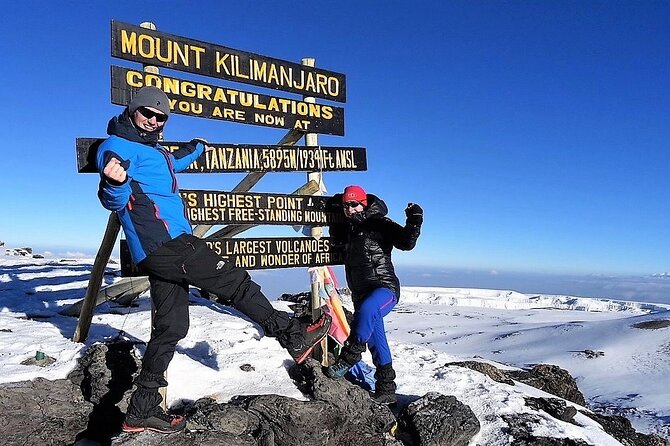
Day 6 brings you up to Barafu Camp, at a listed elevation of about 4700m/15,350ft. This is still alpine desert, and the day is short on paper: about 4 km (about 2 miles) with 3 to 4 hours of climbing.
You also “complete the South Circuit,” with views of the summit from many different angles. Even though you are still dealing with altitude, this is one of the days when the mountain starts looking more like an expedition. The planning here is the same as always: you are positioning yourself for a summit attempt while giving yourself time to rest properly at camp.
Your day includes a camp setup, dinner, and preparation for the summit day. This is not a day to wander and burn energy. Treat it like pre-flight time. If you have any concerns about your pacing, hydration, or how your body is responding, address those calmly here, not after the climb starts.
Day 7: Midnight-to-sunrise summit bid, Stella Point to Uhuru Peak
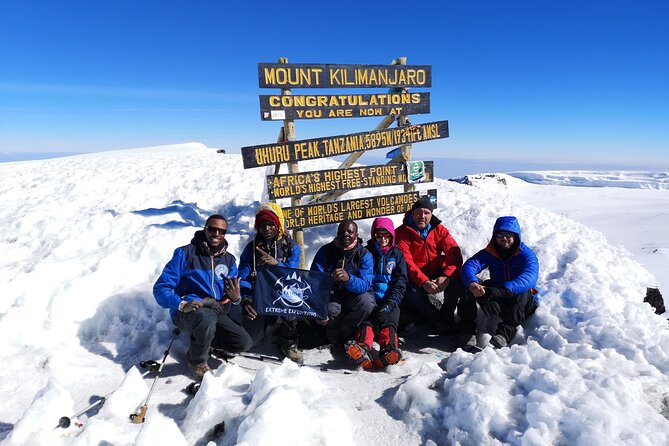
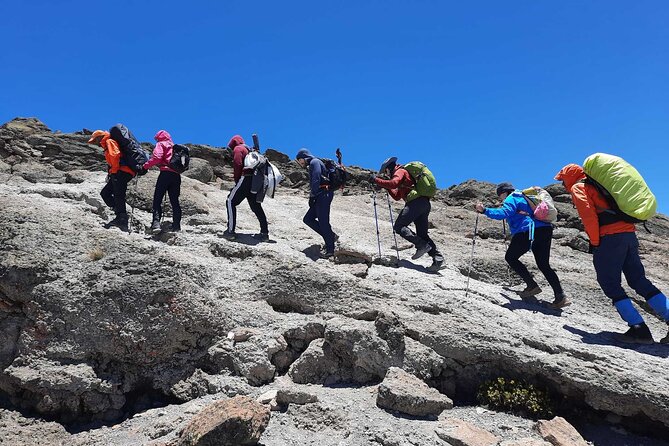
This is the big one. Day 7 starts very early, between midnight and 2 am, as you continue your way toward the summit between the Rebmann and Ratzel glaciers. You head in a northwesterly direction and ascend through heavy scree toward Stella Point on the crater rim.
This is described as the most mentally and physically challenging portion of the trek. And the timing is no joke: you are climbing in the cold and often in difficult footing, and your energy management matters as much as your physical fitness.
At Stella Point, you rest briefly. This is where the reward arrives: one of the most magnificent sunrises you are likely to see. Faster hikers can view sunrise from the summit, but most people will be working with the pace of the group.
From Stella Point, there is a listed 1-hour ascent to Uhuru Peak. Snow is possible all the way up, and that is another reason you want to be ready for changing conditions. Once you reach Uhuru Peak, you hit the highest point on Mount Kilimanjaro and the continent of Africa.
After the summit, you begin your descent by continuing toward the Mweka area. The day’s overall walking time is listed as about 6 hours, but in practice the day feels longer because it is a night push plus sunrise effort plus downhill work.
If you want a practical goal for summit day: keep your focus narrow. Look at your steps, manage your breathing, and do not “race the mountain.” Your success on this route is tied to conserving energy so you can move steadily through the scree and then down again.
Day 8: Mweka Park Gate certificates and the drive back to Moshi
After breakfast, you continue the descent down to the Mweka Park Gate to receive your summit certificates. Elevation drops from about 3090m/10,150ft down to around 1680m/5,500ft. The listed distance is 10 km (about 6 miles) with 3 to 5 hours of hiking.
The terrain shifts back into forest. That is a relief after the high, exposed days. But this is also when you might face wet and muddy ground at lower elevations. The route specifically calls out that gaiters and trekking poles help a lot here.
Dress smart for mixed weather. Shorts and t-shirts might be enough much of the time, but you should keep rain gear and warmer clothing handy. Day 8 can swing between sunny and damp.
Once you finish at the gate, Monkey Adventures vehicle waits for you to drive back to your hotel in Moshi, around 60 minutes. That is a nice clean ending to the climb, because you are not stuck negotiating transport after a long trek.
Price and value: what $2,250 per person covers
At $2,250 per person, you are paying for a full expedition package built around route access, logistics, and food. The included items list is helpful because it points to what you will not have to chase yourself.
What is included:
- All fees and taxes
- Breakfast and lunch and dinner during the trek (listed as 7 breakfasts, 8 lunches, and 7 dinners)
- Admission ticket included for days where it applies (the itinerary notes it as included, and Day 6 shows admission ticket free)
- Pickup offered, plus a mobile ticket
- This is private, so only your group participates
What is not included:
- Accommodation before and after the trek
- Personal trekking gear
- Personal items and alcohol
- Tipping for the crew
So the real value question is budget clarity. This price covers core expedition costs and meals, but it does not cover your hotel nights or your gear. If you already own solid trekking footwear, a rain-ready layer system, and poles you trust, you can keep your total cost down. If you need to buy or rent gear, plan for that.
Also, plan for tipping as a real expense. It is not optional in a practical sense, because it supports the crew who make the trek run safely and smoothly.
Finally, you can treat this trek as part of a broader Kilimanjaro and safari trip. The company name, Afrishare Trekking and Safaris, suggests they also run safari experiences. If you are considering a pre-trip or post-trip safari, it can be a smart way to use your time in the region.
How the included service style shapes your experience
Private means you are not sharing decisions and pacing with strangers. That can matter on Kilimanjaro, where one fast walker can turn into one long wait, and one group that moves too quickly can increase altitude stress for everyone.
Pickup offered is also underrated. Moshi is your base, but the trek starts at the park gate, and the route begins with a 4WD forest track. Having that handled reduces “wasted time chaos,” especially if you arrive with limited local knowledge.
Even the mobile ticket detail matters. It is one less paper headache when you are operating on tight early schedules, especially because Day 7 starts between midnight and 2 am.
From service reputation, there is a clear pattern in company feedback for friendliness and follow-through from their guides in safari settings, with names like Karim and Leokadia showing up in positive comments about punctual, considerate service. I cannot guarantee who you will meet on this exact climb, but it does suggest the company invests in people, not just vehicles.
Gear and packing that matches this trek’s reality
The itinerary explicitly calls out a few items that you should treat as non-negotiable.
- Gaiters and trekking poles for the lower-elevation descent, where the trail can be wet and muddy
- Rain gear and warmer clothing, because weather is not predictable on high mountains
- Shorts and t-shirts may be enough at certain times, but you will need to layer based on wind and cold
Beyond that, you will need personal trekking gear because it is not included. Use the itinerary’s day pattern to guide your packing choices. You are moving from forest to moorland to semi-desert to alpine desert, and back to forest again on Day 8. That range means your clothes must handle both exposure and temperature shifts.
Also, remember that summit day is early. The cold and effort will be real even if the mountain looks calm on a clear morning.
If you have any medical concerns about altitude, talk with a clinician before you go. This route aims to lower risk with pacing, but it does not remove risk entirely.
Who should book the Lemosho 8-day route
This trek fits best if you want:
- A slower acclimatization plan with extra time on the Shira Plateau before the highest zones
- A less-used route that can feel calmer and more focused
- The option for an armed ranger on Day 1 in the forest area
- A group experience with private logistics, meaning only your party is involved
You might choose another route if you are trying to maximize training time at high altitude and you already have strong experience with Kilimanjaro’s rhythm. But if you are altitude cautious, this is the kind of route that gives your body more chances to adjust.
Should you book this trek, or pick something else?
If your priority is a better shot at arriving well-prepared for summit day, this route’s structure is the selling point. The Lemosho approach gives you time to acclimatize, and the itinerary choices like Shira Plateau camping and the Day 4 acclimatization logic all support that goal.
I would book if:
- You want a route described as less used and more scenic through Shira areas
- You appreciate the extra rest buffer from an 8-day schedule
- You are okay with a tough summit night and then a muddy, practical Day 8 descent
I might pause and compare if:
- Your budget cannot handle add-ons like gear and pre- and post-trek hotel nights
- You are expecting a “comfort-first” trip. This is a mountain trek with long days, cold conditions, and heavy scree on summit night
Bottom line: this is an acclimatization-minded way up Kilimanjaro with a clear summit plan and realistic descent support.
FAQ
Where does the trek start and end?
It starts in Moshi, Tanzania and ends back at the meeting point.
Is pickup offered?
Yes, pickup is offered, and on Day 8 you are driven back to your hotel in Moshi (around 60 minutes).
How early is the summit push on Day 7?
The trek continues toward the summit between midnight and 2 am.
What is the route like on Day 1?
Day 1 includes a drive to Lemosho Park Gate, a forest track that requires 4WD, then a hike through montane forest to Mti Mkubwa campsite.
Is there wildlife safety on the first day?
The route description says that groups may be accompanied on the first day by an armed ranger in the forest area around the Lemosho Glades.
Are meals included in the price?
Yes. Meals are included during the trek, listed as 7 breakfasts, 8 lunches, and 7 dinners.
What gear should I bring?
Personal trekking gear is not included. The trek also specifically recommends gaiters and trekking poles for the descent, plus rain gear and warmer clothing.
Is this a private tour?
Yes. It is listed as a private tour or activity, and only your group will participate.
More Hiking & Trekking in Moshi
- Best Kilimanjaro Adventure 7 days Machame route Trekking
★ 5.0 · 42 reviews - Kilimanjaro 7 Day Private Trekking Experience
★ 5.0 · 40 reviews - 8 Days Kilimanjaro Hike via Lemosho Route
★ 5.0 · 39 reviews - 6 Days Machame Route Kilimanjaro Climbing Trekking Tour
★ 5.0 · 34 reviews
Just posted around Moshi
- machame route★ 5.0 · 16 reviews
- Kilimanjaro Climbing Umbwe Route★ 5.0 · 3 reviews
- Wildlife Extravaganza: Manyara, Tarangire & Ngorongoro in 3 Days★ 5.0 · 3 reviews
- Mt Kilimanjaro 6 days Marangu route hike★ 5.0 · 3 reviews
- 3 Days Private E-Bike Tour in West Kilimanjaro★ 5.0 · 3 reviews
- West Kilimanjaro cycling Adventures★ 4.5 · 8 reviews
- Kilimanjaro Climb • Marangu Route ~ 9 Day★ 5.0 · 4 reviews
- Private Cycle to Kilimanjaro Bike Park Safari★ 5.0 · 6 reviews
Kilimanjaro Climbs, compared.
8-Day Small-group Lemosho Kilimanjaro Summit Trekking
Read our review →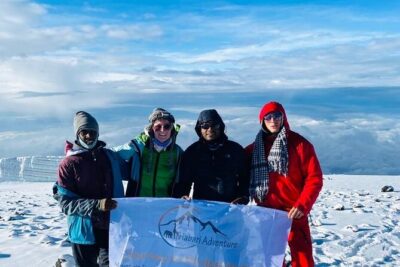
5 Days Best of Tanzania Luxury Safari Northern Circuit
Read our review →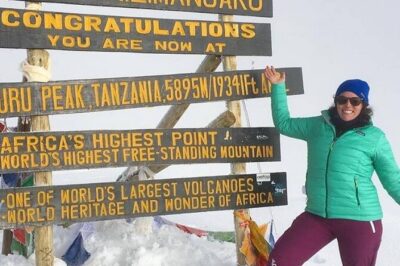
Climbing Kilimanjaro through 7 days Machame Route
Read our review →
Browse the lists this tour appears in