
Reviewed · KILIMANJARO CLIMBS
8 Day Kilimanjaro Trek via Lemosho Route
Kilimanjaro feels calmer on Lemosho. This 8-day trek is built for steady altitude gains, with scenery that shifts fast from rainforest to high alpine conditions. I especially like the focus on gradual acclimatization and the team that brings Wilderness First Responder training to daily decision making.
What really makes this trip feel solid is how much gets handled for you. Your crew carries your main equipment, meals are prepared on the mountain, and you get support from guides like Baraka and Baltazar, plus pre-trip help from Sophia for communication and readiness. One consideration: you still need to bring your own key personal gear, like boots and a sleeping bag.
In This Review
- Key things that make this Kilimanjaro trek work
- Why the Lemosho Route is a smarter way up Kilimanjaro
- Moshi arrival day: briefing, hotel comfort, and getting ready
- Lemosho Gate to Mti Mkubwa, then Shira 1 and Shira 2
- Lava Tower to Barranco: the acclimatization day you can’t rush
- Barranco Wall to Karanga, then to Barafu for your final push
- Summit day to Uhuru Peak, then back down to Mweka
- Camp comfort and food: the small things that change your energy
- Safety rhythm: health checks, oxygen, and a crew built for hard days
- Guides you’ll likely see often: Baraka, Baltazar, and Sophia
- Price and value: what you pay for, and what you still must cover
- What to pack and how to prepare without guessing
- Who this trek suits best, and who should think twice
- Should you book this 8-day Kilimanjaro Lemosho trek with Soraka Tours?
- FAQ
- How long is the Kilimanjaro trek, and what are the total days on the trip?
- Where does the trek start, and what is the meeting point?
- Do you get airport pickup and drop-off?
- Are meals included on the mountain, and can they accommodate dietary needs?
- What kind of lodging do you use on the trek?
- Are health checks and medical support included?
- What equipment do I need to bring?
- Is travel insurance included?
- Can I cancel and get a full refund?
Key things that make this Kilimanjaro trek work
- Lemosho’s slower profile helps your body adjust as you move from forest to plateau to the high desert
- Certified medical-minded guides bring Wilderness First Responder training and years of climbing experience
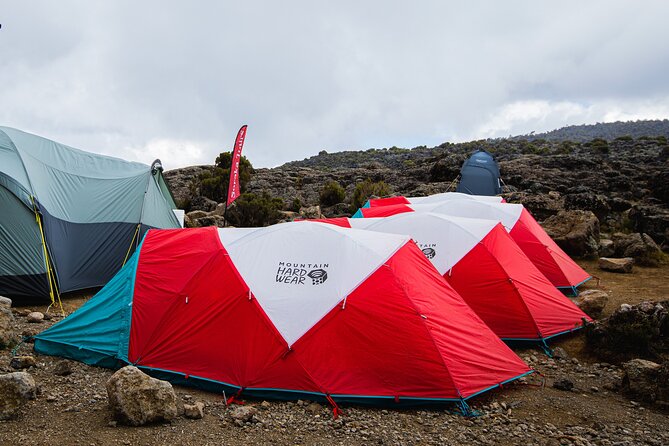
- Camp comfort details like warm sleeping mats and 4-season Mountain Hardware tents make nights easier
- Daily health checks with an oximeter help you and your guide spot issues early
- A clearly planned acclimatization rhythm includes a high point followed by a lower sleep
- All major fees and logistics are handled, including park fees and JRO pickup and drop-off
Why the Lemosho Route is a smarter way up Kilimanjaro
If your goal is the summit, the route you pick is more than scenery. The Lemosho plan spaces the climb out so you get more time at altitude before you push for Uhuru Peak. That matters because Kilimanjaro is steep, even when the hiking feels controlled.
You also get variety without rushing. You start in lush rainforest, then spend time above the forest line, then move through plateau terrain and onward to alpine desert conditions. That progression helps you understand what each day will feel like, which makes pacing easier when your body is adjusting.
More Hiking Trips in Moshi
- Private Kilimanjaro Hike 7 Day Lemosho Route
★ 5.0 · 60 reviews - Best Kilimanjaro hiking day trip tour with Kilinge Adventures
★ 4.5 · 54 reviews - #1. Best Kilimanjaro Day hike Tour-Machame Route-ISMANI
★ 4.2 · 47 reviews
Moshi arrival day: briefing, hotel comfort, and getting ready
Day 1 keeps things practical. You arrive in Moshi, get transferred to a hotel for a briefing, and sleep well before the first hiking push. It’s also where you’ll handle the basics like confirming details and making sure your packing is realistic for a mountain trek.
You’ll stay at Kili Wonders Hotel in Moshi or a similar hotel, with breakfast included. This is a good setup if you want to reduce stress before you head into the first cold night on the mountain.
Lemosho Gate to Mti Mkubwa, then Shira 1 and Shira 2
Day 2 begins at Lemosho Gate, around 7,824 ft, with a hike through rainforest to Mti Mkubwa camp at about 9,251 ft. The time on your feet is listed as about 3-4 hours, which is perfect for settling in. You’ll feel the humidity early, and you’ll likely hike slower than on flat land, even if you feel energetic.
Day 3 climbs from Mti Mkubwa camp to Shira 1 camp at about 11,499 ft. The hike is longer, about 5-6 hours, and you’ll be moving higher above the forest edge. This is a day where steady effort beats intensity, because the goal is acclimatization, not a personal speed record.
Day 4 continues to Shira 2 camp at about 12,598 ft, crossing the Shira Plateau. Expect climate shifts as you gain elevation, with different vegetation zones replacing the earlier rainforest feel. This kind of day is valuable because it trains your body to handle thinner air while you still have time to sleep and recover.
Lava Tower to Barranco: the acclimatization day you can’t rush
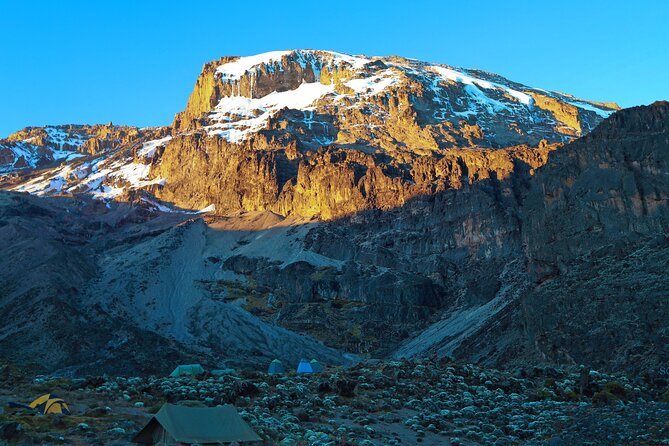
Day 5 is one of the most important days on this plan. You trek from Shira 2 down to Barranco camp at about 12,959 ft, using the Lava Tower route where you may reach around 15,091 ft. In other words, you go high, then you sleep lower, which is a classic acclimatization pattern.
The hike time is listed as about 6-7 hours, and that length can feel intense at altitude. The advantage is that you’re giving your body a “practice run” at higher elevation without forcing you to sleep at the highest point of the day. If you’re prone to altitude symptoms, this day is where your pacing and hydration matter most.
More Kilimanjaro climbs:
- Kilimanjaro climb by Lemosho Route (7-day)
★ 5.0 · 651 reviews - Kilimanjaro climb, Machame Route (7-day)
★ 5.0 · 262 reviews - Kilimanjaro Climbing Lemosho Route 8 Days.
★ 5.0 · 186 reviews - Climbing Kilimanjaro – Machame Route
★ 5.0 · 170 reviews
Barranco Wall to Karanga, then to Barafu for your final push
Day 6 takes you from Barranco camp to Karanga camp at about 13,106 ft. It includes the famous Barranco Wall, and while the hike time is listed at 4-5 hours, it can feel steeper than the clock suggests. This is where good guidance helps, because you want controlled steps and frequent check-ins, not a fight with the mountain.
Day 7 climbs from Karanga camp to Barafu camp at about 15,223 ft, your last camp before the summit. The time is listed around 4-5 hours, but you’ll feel every foot gained at this stage. Mentally, this is a “get ready” day, because after you leave camp tomorrow, you’ll be chasing an early-morning departure and a very long summit schedule.
Summit day to Uhuru Peak, then back down to Mweka
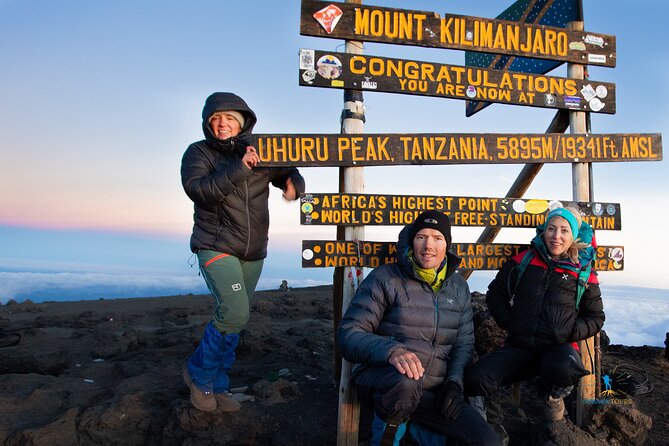
Day 8 is the day most people dream about, and it’s also the longest. You depart Barafu camp very early to reach Uhuru Peak at 19,340 ft, then descend to Mweka camp. The hike time is listed as 14-16 hours, so plan for a marathon, not a hike.
The summit itself is only part of the story. The descent to Mweka camp is where your legs need careful attention, because long days above the clouds can leave you tired even when the air is colder. If you want the best odds of finishing strong, you’ll follow your guide’s pace and keep your head in the right place during those final hours.
Camp comfort and food: the small things that change your energy
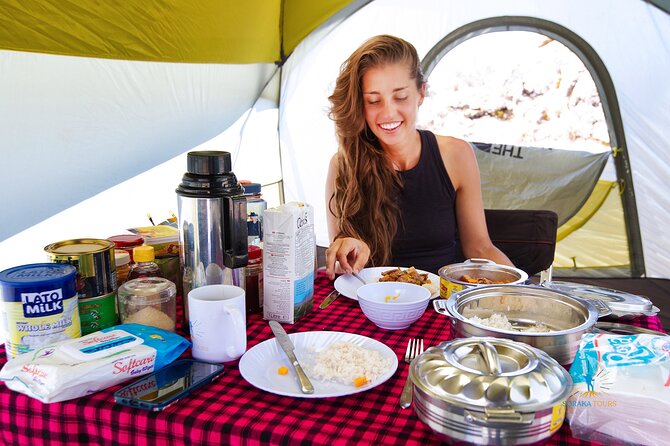
A Kilimanjaro trek lives and dies by recovery. This plan includes three freshly prepared daily meals on the mountain, designed to keep you fueled for the next elevation push. You can request vegetarians, gluten free diets, and halal or kosher meal plans, so you’re not stuck eating only what is easiest for the kitchen.
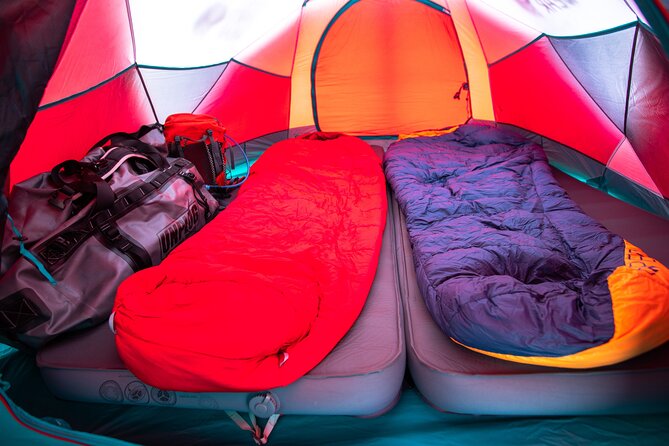
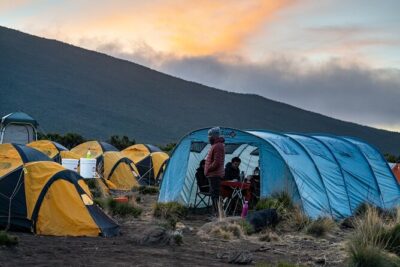
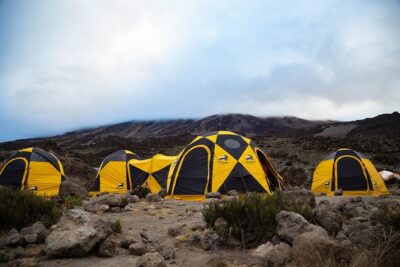
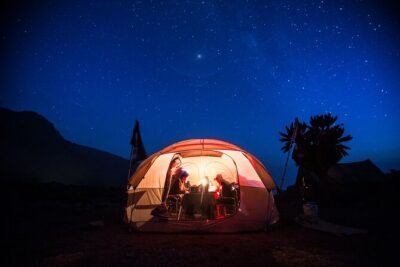
Where comfort helps most is at night. You sleep on warm sleeping mats and in 4-season Mountain Hardware tented accommodation with two people per tent. That matters because nights can get cold at higher elevations, and a rested body is what you want before summit timing starts.
You also have more structure than many solo trekkers expect. There are dining tents with table, chairs, and cutlery, plus regular check-ins during the hike day. One thing that comes through strongly from the team culture is that the crew aims to make camp feel like organized comfort, not just shelter.
Safety rhythm: health checks, oxygen, and a crew built for hard days
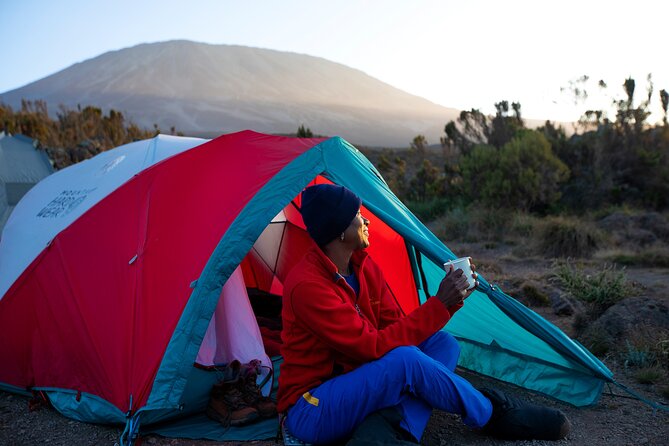
I like that safety here is treated as a daily process, not a last-minute reaction. Your guides are certified Wilderness First Responders with over a decade of climbing experience each. That combination helps with decision making when symptoms show up and when conditions change quickly.
You also get two daily health checks using an oximeter, plus specific questions asked about your condition. It’s a simple tool, but it’s powerful because it gives you a clearer picture of how you’re doing rather than guessing based on how motivated you feel.
The included gear package also looks thoughtfully practical. There’s an emergency oxygen canister and medical kit, which you’d want to have on hand on a high-altitude itinerary. That doesn’t remove risk, but it does mean your team is prepared for the reality of trekking at extreme elevation.
Guides you’ll likely see often: Baraka, Baltazar, and Sophia
This is one of those trips where consistent people matter. Several standout accounts name guides like Baraka and Baltazar as knowledgeable and supportive on the mountain. That kind of familiarity is useful when you need calm explanations, especially on long days like summit day.
You’ll also likely interact with Sophia before the trek, with communication aimed at helping you show up ready. If you’ve never climbed at altitude before, that kind of pre-trip clarity can reduce nerves and keep you focused on the actual climb rather than logistics.
Price and value: what you pay for, and what you still must cover
At $3,450 per person, this is not a budget trek. But when you compare what’s included, the price starts to look like you’re paying for fewer surprise costs and more mountain labor support.
What’s included is big-ticket stuff:
- All Kilimanjaro National Park fees, including rescue and camping fees
- 3 meals daily while trekking
- JRO pickup and drop-off plus all ground transportation
- 2 nights of hotel accommodation in Moshi with breakfast
- Tented accommodation on the hike, dining setup, and warm sleeping mats
- Guide and crew staffing, plus the medical elements like oxygen canister and a medical kit
- Dietary accommodations for multiple needs
What’s not included is also clear, and you should budget for it now:
- Visa fee
- Airfare
- Travel insurance and mountaineering insurance, which is highly recommended
- Tips for the mountain staff
- Alcoholic beverages
- Hotel meals beyond what’s listed
- Personal climbing equipment, including sleeping bags and hiking boots
If you want value, the practical takeaway is simple: this package reduces the number of things you have to source or arrange yourself. It also spreads the costs across park fees and the crew work that keeps you moving safely.
What to pack and how to prepare without guessing
You’re responsible for personal climbing equipment, including items like a sleeping bag and hiking boots. The fact that those are not included is common for Kilimanjaro operators, but it’s still something you should plan for early so you don’t end up renting or buying at the last minute.
Your strongest preparation lever is physical fitness. The trip notes you should have a strong physical fitness level, and that’s accurate for an itinerary with long hike windows, especially summit day. Also, your altitude experience matters less than your ability to pace, keep breathing under control, and follow your guide’s guidance.
Who this trek suits best, and who should think twice
This trek is a great fit if you want a structured private group experience where your crew carries the heavy stuff and meals are handled. Only your group participates, which often makes it easier to coordinate pacing and keep everyone aligned.
It also suits you if you like clear safety habits. With Wilderness First Responder-trained guides, daily oximeter checks, and an emergency setup, you’re not walking into the unknown without tools.
You might think twice if you’re not ready for a serious time commitment at altitude. The summit day timing is long, and the overall schedule stretches across about 10 days including travel and transfers. If you have medical concerns, you’ll still want to plan with your doctor and bring any necessary documentation, since the trip does not include medical insurance.
Should you book this 8-day Kilimanjaro Lemosho trek with Soraka Tours?
Book it if you want a climb that feels organized, medically aware, and comfort-minded, without cutting corners on the work of acclimatization. The Lemosho route profile plus the daily health checks are a strong combination for most people who are serious about getting to Uhuru Peak.
Skip it or keep looking if your budget is tight for a full service package, or if you don’t yet have your own climbing basics like a sleeping bag and boots. Since tips, insurance, and airfare are not included, you should price those in before you commit.
If you want Kilimanjaro with calmer pacing, steady support, and a crew that takes safety and morale seriously, this is the kind of trip that earns its high ratings.
FAQ
How long is the Kilimanjaro trek, and what are the total days on the trip?
The itinerary includes an 8-day trek through Kilimanjaro, with the full trip running about 10 days total, including arrival in Moshi and travel days for transfers.
Where does the trek start, and what is the meeting point?
You start at Kilimanjaro National Park, and the listed start meeting point is Kilimanjaro Airport.
Do you get airport pickup and drop-off?
Yes. The package includes JRO (Kilimanjaro International Airport) pick-up and drop-off service.
Are meals included on the mountain, and can they accommodate dietary needs?
Yes. You receive 3 freshly prepared daily meals on the mountain, and the program can accommodate vegetarians, gluten free diets, halal, and kosher meal plans.
What kind of lodging do you use on the trek?
You sleep in 4-season Mountain Hardware tented accommodation during the hike, with 2 people per tent. Warm sleeping mats are included.
Are health checks and medical support included?
Yes. There are 2 daily health checks using an oximeter and specific questions about your condition. The trip also includes an emergency oxygen canister and a medical kit.
What equipment do I need to bring?
You need to bring personal climbing equipment, including items like sleeping bags and hiking boots, since those are not included.
Is travel insurance included?
No. Travel insurance and mountaineering insurance are highly recommended and are not included in the package.
Can I cancel and get a full refund?
Yes, there is free cancellation. You can cancel up to 24 hours in advance of the experience for a full refund, and cut-off times are based on local time.
More Hiking & Trekking in Moshi
- Best Kilimanjaro Adventure 7 days Machame route Trekking
★ 5.0 · 42 reviews - Kilimanjaro 7 Day Private Trekking Experience
★ 5.0 · 40 reviews - 8 Days Kilimanjaro Hike via Lemosho Route
★ 5.0 · 39 reviews - 6 Days Machame Route Kilimanjaro Climbing Trekking Tour
★ 5.0 · 34 reviews
Just posted around Moshi
- machame route★ 5.0 · 16 reviews
- Kilimanjaro Climbing Umbwe Route★ 5.0 · 3 reviews
- Wildlife Extravaganza: Manyara, Tarangire & Ngorongoro in 3 Days★ 5.0 · 3 reviews
- Mt Kilimanjaro 6 days Marangu route hike★ 5.0 · 3 reviews
- 3 Days Private E-Bike Tour in West Kilimanjaro★ 5.0 · 3 reviews
- West Kilimanjaro cycling Adventures★ 4.5 · 8 reviews
- Kilimanjaro Climb • Marangu Route ~ 9 Day★ 5.0 · 4 reviews
- Private Cycle to Kilimanjaro Bike Park Safari★ 5.0 · 6 reviews
Kilimanjaro Climbs, compared.
8-Day Small-group Lemosho Kilimanjaro Summit Trekking
Read our review →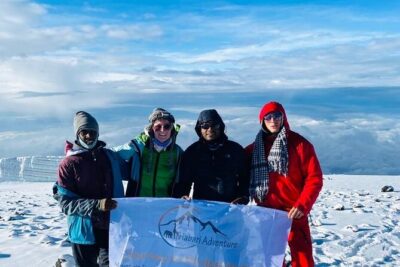
5 Days Best of Tanzania Luxury Safari Northern Circuit
Read our review →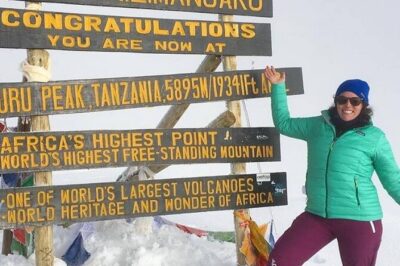
Climbing Kilimanjaro through 7 days Machame Route
Read our review →
Browse the lists this tour appears in