Reviewed · 6-DAY EXPERIENCES
6 Days Mara River Crossing – The Great Migration
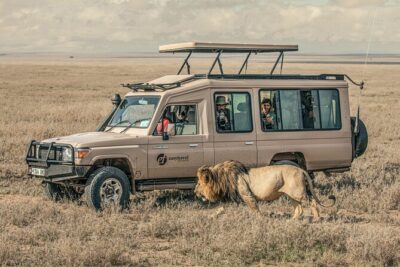
One river crossing can dominate a trip. This 6-day Great Migration safari is built around the clockwork drama of wildebeest, zebra, and antelope moving through the Serengeti-Masai Mara ecosystem, with time aimed at courting, mating, and the big river moments at the Mara. You also get two big-country feelings, Tanzania first and then the Mara border area through the shared ecosystem that visitors chase for years.
I love how the route links multiple top parks instead of stretching you thin. Tarangire sets the tone with elephants and baobabs, then Serengeti gives you the endless plains where the migration really matters, and Ngorongoro adds that volcanic crater magic on day six.
The other thing I like is the pace of the Serengeti days, with repeated chances to find the migration and the Mara River crossing area instead of one quick stop. One consideration: the migration and river crossing depend on timing and conditions, so even with good planning you should expect some variability, and you will need patience for the long game-drive hours.
In This Review
- Key moments that make this safari worth your time
- Great Migration route: why this itinerary works
- Day 1 Tarangire National Park: elephants, baobabs, and a calm start
- Day 2 Serengeti National Park: plains first, migration follows
- Day 3 Serengeti into the Mara River: the crossing attempt
- Day 4 Mara River game viewing: another shot at the action
- Day 5 Back through Serengeti: sunset in the middle of the action
- Day 6 Ngorongoro Crater: a final big-ticket viewpoint
- What you get for the money: fees, meals, and real value
- Private tour comfort: why it can change your day
- Timing and weather: how to think about the Mara River crossing
- Who this safari fits best
- Price check: is $3,606 per person fair for this route?
- Should you book this 6-day Mara River Crossing safari?
- FAQ
- What is the duration of this safari?
- Which parks does this itinerary include?
- What is included in the price?
- Are tips included?
- Where does the tour start and where do you get dropped off?
- What happens if weather is poor?
Key moments that make this safari worth your time
- Targeted Mara River attempts: multiple Serengeti days focused on getting into position for crossings
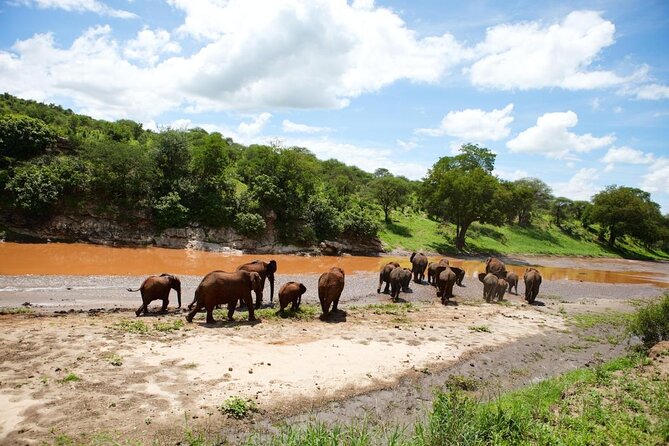
- Three major ecosystems: Tarangire, central and northern Serengeti, plus Ngorongoro crater
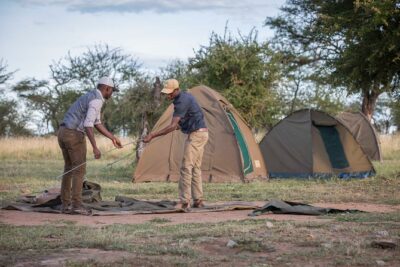
- Comfortable, fixed bases: overnight at Tanzania Bush Camp, shifting areas to match the action
- Meals and fees covered: lunches, breakfasts, dinners, and all fees and taxes included
- Private group touring: only your group, which helps keep game-drive timing smooth
Great Migration route: why this itinerary works
Let’s be honest. A Great Migration safari is not a zoo visit with predictable times. The drama comes from movement, weather, river levels, predator pressure, and a whole pile of practical realities. What I respect about this itinerary is that it treats that reality like part of the plan.
Instead of one day chasing the migration, you stack Serengeti time and keep the Mara River idea alive across multiple drives. That matters. It gives you more ways to “read the day,” and you can respond when sightings improve or when conditions make the river the priority.
It also avoids a common mistake, too much driving, too little time in the right places. Here, your days are structured around full game viewing blocks, with breaks built in by the camp routine and meal timing.
And because it is a private tour, your guide can adjust the focus without negotiating around other groups. That is a quiet advantage that adds up, especially when the migration decides to show itself a bit late.
A few more Kilimanjaro trips to compare
- 7 Days Kilimanjaro via Machame route affordable price
★ 5.0 · 110 reviews - Great Migration Safari In Tanzania
★ 5.0 · 71 reviews - Kilimanjaro Airport taxi to/from Moshi town/Arusha town
★ 5.0 · 60 reviews
Day 1 Tarangire National Park: elephants, baobabs, and a calm start
Your safari begins with pickup from your hotel in or around Arusha, then a roughly 2.5-hour drive with scenery and local communities along the way. You hit Tarangire for a full day game drive.
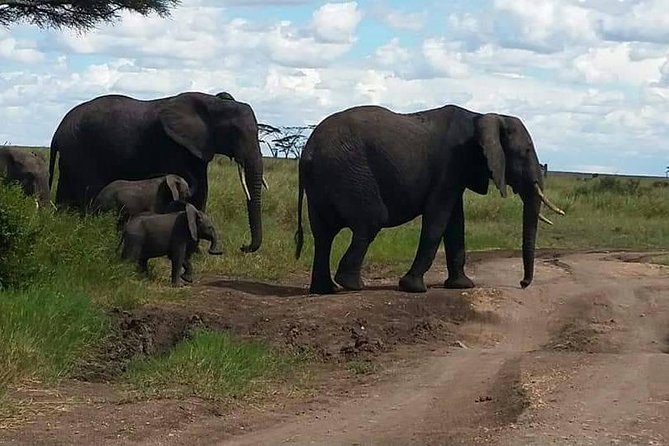
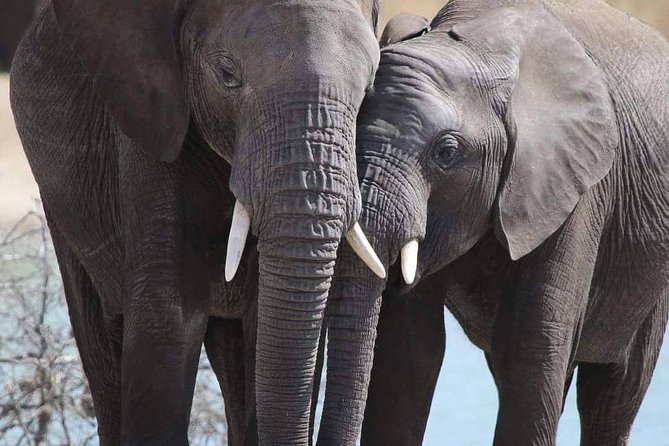
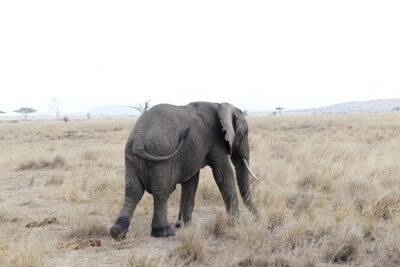
Tarangire is famous for elephants, and you also get the baobab scenery, plus a chance to look for tree-climbing pythons. Even if you do not spot everything, Tarangire has that feel of “wild Africa” before Serengeti even gets started. It is a great way to warm up your eyes for animal behavior and movement patterns.
At day’s end, you exit the park and head to Sangaiwe Tented Lodge. The itinerary even notes you can use the lodge pool for a break after the drive. That small detail matters. After hours of vehicle time, a reset helps you enjoy the next days instead of running on adrenaline and dust.
Day 2 Serengeti National Park: plains first, migration follows
After an early breakfast, you depart for Serengeti with a packed lunch. The drive goes via the Ngorongoro Conservation Area, then into Serengeti for afternoon game viewing.
This is a smart entry day. Serengeti is huge, and the migration is not always in the exact spot people imagine on a map. Starting with a full afternoon game drive helps you get oriented quickly: where herds tend to graze, how predators position themselves, and how the migration environment looks before you start pushing toward the Mara River zone.
You overnight at Tanzania Bush Camp in central Serengeti, which sets you up for the next day’s movement north.
The migration is described as involving about 1.5 million herbivores in the broader story, and the itinerary frames your follow-the-herds mission as a practical goal, not a marketing promise. In other words, you are chasing a living process.
Day 3 Serengeti into the Mara River: the crossing attempt
Day three is where this safari becomes the safari people dream about. You do a full day game drive in Serengeti, heading north in pursuit of the migrating animals, and then you focus on the Mara River crossing.
The itinerary explicitly aims you toward the Mara River and describes spotting thousands of animals crossing the river as a once-in-a-lifetime moment. You also get a guided-style evening rhythm, with dinner and time around the campfire while you listen to the sounds of the bush.
That combination is more than emotional fluff. It helps you pace the day. When you are searching for crossings, you spend a lot of time scanning and waiting. By evening, you want the kind of calm that lets your brain actually absorb what you saw.
You overnight at Tanzania Bush Camp in northern Serengeti, which signals the strategy clearly. You are moving your base closer to the river zone rather than just doing day trips and burning daylight on returns.
Same base in Kilimanjaro, a completely different day:
- 6 Days Tanzania Classic Safari
★ 5.0 · 52 reviews - 6 Days Climbing Mount Kilimanjaro Machame Route
★ 5.0 · 40 reviews - 8 Days Kilimanjaro Hike via Lemosho Route
★ 5.0 · 39 reviews - 7-Day Machame Route Kilimajaro
★ 5.0 · 28 reviews
Day 4 Mara River game viewing: another shot at the action
After breakfast, you leave camp for full day game viewing along the Mara River, with high chances of witness the crossing. Then you head back to Tanzania Bush Camp for dinner and overnight.
This day is a big deal because it acknowledges a safari truth: the crossing might not happen exactly when you arrive. Herd movement can shift with time of day, water flow, and how the animals position themselves for the safest crossing moment.
So a second Mara River day gives you a real chance to catch what you missed on day three, or to see it happen under different light and herd behavior. Even if the river crossing is not dramatic all day, it still tends to create high-energy sightings: animals gathering, waiting, testing the water, and moving in waves.
If you are coming for the Mara River crossing specifically, I see day four as part of the purchase. It is not a throwaway day.
Day 5 Back through Serengeti: sunset in the middle of the action
On day five, you depart Tanzania Bush Camp after breakfast with lunch boxes. Then you drive back to central Serengeti with game en route and keep searching along the way.
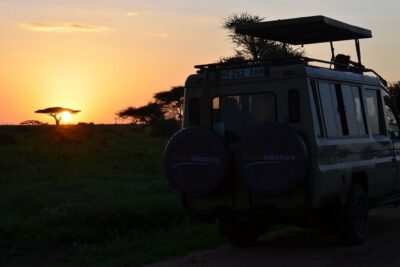
The itinerary also highlights sunset time and dinner in the middle of the park. That sounds poetic, but it is also practical. As the light changes, animal behavior shifts. You often see more activity in late day hours, and your sighting windows can improve as herds move and predators hunt differently.
This is also where the logistics start to “click” if you plan well. You are not just doing transitions. You are doing transitions with wildlife along the route.
You sleep again at Tanzania Bush Camp in central Serengeti.
Day 6 Ngorongoro Crater: a final big-ticket viewpoint
Your last day starts very early. You exit the Serengeti area and drive to the Ngorongoro Conservation Area, then descend into the crater for game viewing. Later, you ascend, exit the park, and drive back to Arusha for drop off either at your prebooked hotel or at Kilimanjaro International Airport.
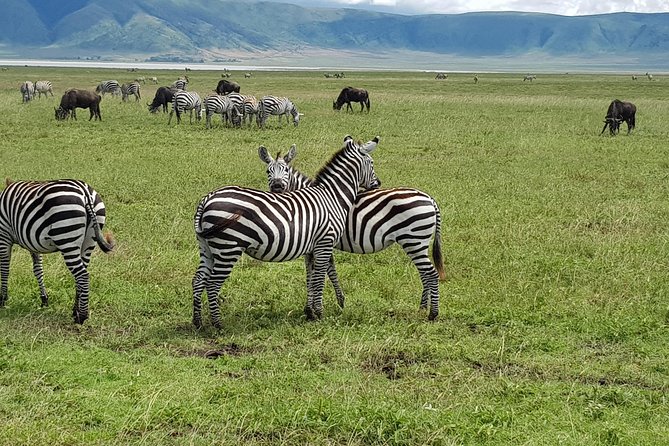
Ngorongoro crater is all about the “big bowl” effect, with dense wildlife viewing potential in a contained area. Even if you have already seen a lot, it can feel like a different kind of show compared to Serengeti plains.
This day is also your timing check day. Since you leave very early and return in the afternoon, you should be ready for a full morning game drive plus the drive back. If you have a flight, make sure you build in a buffer and rely on the drop-off options listed for you.
What you get for the money: fees, meals, and real value
The price is $3,606.16 per person, which is not small money. The value story here is about what is covered and how much time you get in the right places.
Here is what is included:
- All fees and taxes
- Breakfasts, lunches, and dinners (breakfast 5 times, lunch 6 times, dinner 5 times)
- Dinner is included each night you stay on tour
- Admission coverage is described as free for days 1 through 5 in the itinerary, and Ngorongoro crater admission is included on day six
- Pickup offered, and you also get drop off back to Arusha or the airport
Tips are not included. That is normal for safari-style touring, and it matters for your budgeting.
So when you judge value, do not just compare the headline price to other safaris. Instead, ask if your trip includes what you actually need to spend time and energy: park access, meals so you are not hunting food all day, and repeated days in the migration zone.
Also note the private format. Private touring costs more, but it often buys you smoother timing. You are not waiting on other vehicles. You are not getting stuck in someone else’s viewing preferences. In places where the migration can shift quickly, that matters.
Private tour comfort: why it can change your day
This safari is listed as private, meaning only your group participates. That is not just a luxury label. It affects your safari day in three ways:
First, your guide can set pacing based on what you actually see. If the migration is active, you can spend more time reading that situation. If the sightings are calmer, you can move with less friction.
Second, the morning schedule feels tighter. Pickup and departures often run smoother when fewer people are involved.
Third, it can make the experience feel more personal. In the feedback people left, organization and the guide’s expertise showed up again and again, from airport pickup to drop off.
Timing and weather: how to think about the Mara River crossing
This experience requires good weather. If it gets canceled due to poor weather, you are offered a different date or a full refund. That tells you something important: the company expects the trip to be outdoors and dependent on conditions.
For you, the best mindset is flexible. Even with multiple Serengeti days aimed at the Mara River, the crossing is not guaranteed. River crossings depend on herd behavior and the day’s conditions. What is realistic is this: you will spend the right days in the right zone, and you will get strong viewing opportunities even if the crossing moment comes at a different time than you hoped.
I also like that the itinerary does not try to pretend it is a fixed appointment. It talks about high chances and pursuit, which is how safari reality usually works.
Who this safari fits best
This tour asks for moderate physical fitness level. That usually means you should be comfortable with long days in a safari vehicle, getting in and out for viewing, and handling early starts. If you get motion sick easily, plan for that, because game drives can be long.
You will likely enjoy this trip if you:
- Want a focused Great Migration itinerary rather than a general safari
- Care about the Mara River crossing attempt enough to spend multiple days there
- Prefer a private setup where the guide can tailor timing
- Appreciate that lodging is part of the rhythm, with Tanzania Bush Camp and a Tarangire lodge stop
You might consider a different plan if you want a shorter trip, or if you dislike the idea of chasing a living event that changes day to day.
Price check: is $3,606 per person fair for this route?
For $3,606.16 per person, you are paying for three major parks, multiple full game viewing days, private touring, and a lot of covered costs. The included meals are a meaningful part of that value too, because you avoid daily food stops and you stay in the rhythm of the safari.
Where this can feel especially good is if you would otherwise pay separately for park fees, meals, and a multi-day guide. Also, the time allocation is substantial. A six-day format that actually gives you multiple days in Serengeti is often where migration-focused safaris become worth it.
Where it might feel less ideal is if you are traveling on a tighter budget or you want certainty of the crossing moment. This itinerary maximizes your odds, but it cannot control wildlife.
My honest take: if Great Migration and the Mara River are your top priorities, this price aligns with the scope and the included structure.
Should you book this 6-day Mara River Crossing safari?
If you want a Great Migration safari that takes the Mara River seriously, I would lean yes. The itinerary stacks Serengeti time, shifts your base toward the northern Serengeti area, and gives you repeated chances for river-side viewing. That is the core of what you pay for.
Also, the practical pieces matter. Feedback highlights smooth airport pickup to drop off, careful planning, and guides who can answer questions and point you toward strong sightings. When you are spending days in the field, those soft factors can turn a good trip into a great one.
Book it if you can stay flexible about the exact crossing moment and you are okay with early mornings and long drives.
FAQ
What is the duration of this safari?
The tour is listed as 6 days.
Which parks does this itinerary include?
It includes Tarangire National Park, Serengeti National Park, and Ngorongoro Crater in the Ngorongoro Conservation Area.
What is included in the price?
The tour includes all fees and taxes, breakfasts (5), lunches (6), dinners (5), and admission coverage as listed in the itinerary, with Ngorongoro Crater admission included on day six. Pickup is offered.
Are tips included?
No. Tips are not included.
Where does the tour start and where do you get dropped off?
The meeting point lists Kilimanjaro International Airport. On the last day, you are dropped off either at your prebooked hotel in Arusha or at Kilimanjaro International Airport.
What happens if weather is poor?
The experience requires good weather. If it is canceled due to poor weather, you are offered a different date or a full refund.
Just posted around Kilimanjaro
- 5 days Serengeti Wildebeest Migration Safari★ 5.0 · 3 reviews
- Mount Kilimanjaro 6 days – Machame route★ 4.0 · 5 reviews
- Lemosho Route★ 5.0 · 21 reviews
- 6 Days Machame Route Kilimanjaro Trekking★ 5.0 · 13 reviews
- Mount Kilimanjaro 7 Days – Machame Route★ 5.0 · 5 reviews
- Amazing 4 Days Safari 3 Nights: Tarangire, Ngorongoro, Serengeti★ 5.0 · 6 reviews
- 9 Days – Best of Tanzania Safari★ 5.0 · 4 reviews
- Tanzania Safari and Kilimanjaro Climb Multi-Day Experience★ 5.0 · 3 reviews
6-Day Experiences, compared.
Private 6-Day Tarangire Manyara Crater and Serengeti with Mid-Range Lodges
Read our review →