Reviewed · 6-DAY EXPERIENCES
6 days Tanzania budget safari
Six days, four parks, and real Africa time. This budget safari connects Tarangire, the Serengeti, and Ngorongoro with camping nights, so wildlife is the whole story, not a side quest. You get long game-drive days, a Serengeti sunset moment, and a final day that leans into birds and elephants around Lake Manyara.
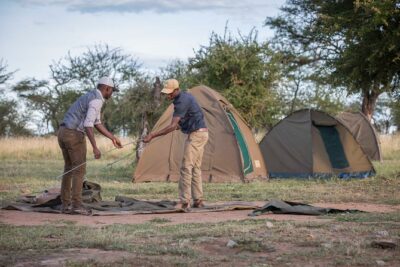
What I like most is the way this trip is built for serious wildlife viewing without feeling jammed in. You’re set up for strong Big Five chances, plus a small group experience with a maximum of six people per jeep. Second, I like that the “budget” angle still covers the practical stuff that often adds up, like camping gear and meals.
The tradeoff is that this is camping safari style. Expect long days and sleeping in the wild, and you’ll also want to plan for the optional Maasai village entrance fee if you choose to go.
In This Review
- Key highlights to know before you go
- Big Five budget safari value: what $2,500 really covers
- Day 1 in Tarangire: a full day for lions, cheetahs, and elephants
- Ngorongoro viewpoint plus optional Maasai village: the surreal factor
- Serengeti from Seronera: sunset viewing and long, flexible drives
- Day 4 early starts and the Serengeti exit toward Simba campsite
- Day 5 Ngorongoro for black rhinos: the hardest target first
- Day 6 Lake Manyara: birds, flamingos, hippos, and hot springs stops
- Group size, guides, and camp cooking: why the days feel smooth
- Price and logistics: how to judge this budget safari fairly
- Who this safari fits best (and who should reconsider)
- Should you book this 6-day budget safari? My straight answer
- FAQ
- What is included in the price for this 6-day safari?
- Which parks are covered during the six days?
- How many people travel in each jeep?
- Is the Maasai village visit included?
- Are game drives long, or is it mostly short stops?
- What kind of wildlife viewing should I expect?
- What if the safari is canceled due to poor weather?
Key highlights to know before you go
- Big Five focus, with black rhino targeted inside Ngorongoro
- Max six per jeep, which helps you stay flexible and not squeezed
- Serengeti sunset from the Seronera area, with chances for predator action
- Camping setup included, so you travel lighter and camp with confidence
- Food gets high praise, with chefs named like Ibrahim, Dennis, and Action
- Lake Manyara variety, including flamingos, hippos, hot springs, and tree-climbing lions (when luck is on your side)
Big Five budget safari value: what $2,500 really covers
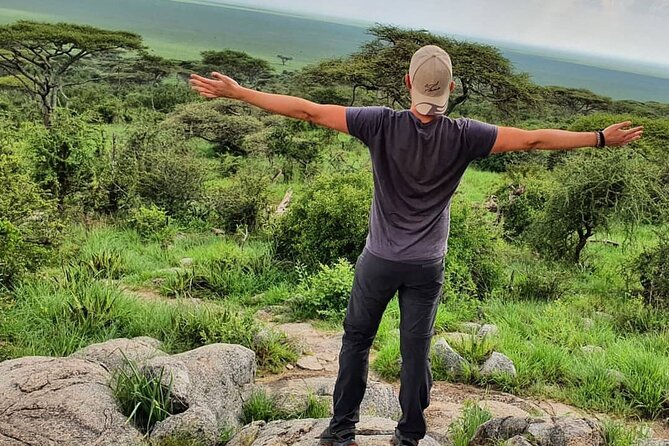
At $2,500 per person for about six days, this is positioned as a real-value safari route, not a bare-minimum tour. The reason it can work is simple: the price package includes camping equipment plus meals every day (six breakfasts, six lunches, six dinners) and lists “all fees and taxes.” Those are the items that quietly inflate “budget” trips if they’re not handled up front.
You also get a small-group format. With up to six travelers in the jeep, you’re not constantly playing human Tetris at the edges of the vehicle. That matters because animal sightings are unpredictable, and a smaller group makes it easier for the driver and guide to reposition and keep everyone spotting clearly.
One more practical win: pickup is offered, and you’ll get a mobile ticket. That’s not glamorous, but it reduces the hassle around start-of-trip logistics, especially if you’re coordinating airport timing with a safari schedule.
More Safaris in Arusha
- Balloon Safari & Bush Breakfast in Serengeti – Miracle Experience
★ 5.0 · 1,646 reviews - 4 Days Group Camping Safari
★ 5.0 · 1,101 reviews - 5 Days Group Camping Safari
★ 5.0 · 730 reviews
Day 1 in Tarangire: a full day for lions, cheetahs, and elephants
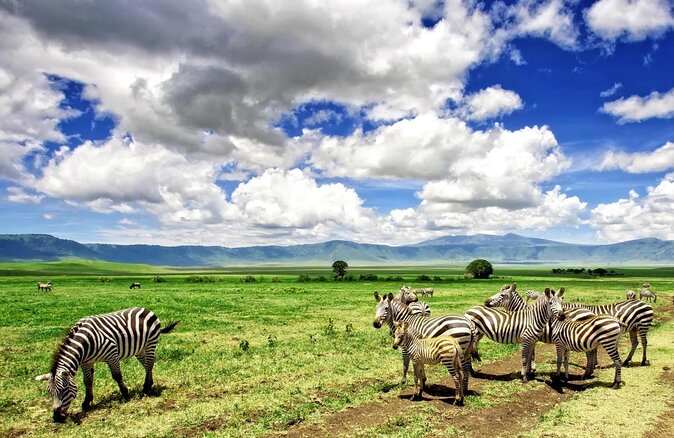
Day 1 starts with the drive from Arusha to Tarangire National Park, then it’s a full day game drive built around good odds for big cats. Tarangire is especially known for variety, and this route is aimed at the meat of the action: lions, cheetahs, and leopards, plus plenty of herbivores like elephants, wildebeest, buffaloes, zebras, and gazelles.
What makes this a smart first day is pacing. You’re not rushed through a quick “drive-by” safari. You settle into the rhythm, learn the way your guide works the terrain, and build momentum for the rest of the circuit. In a trip like this, that first day often sets the tone for how your eyes start tracking movement.
The only real consideration is stamina. A “full day” here means you’ll be in the vehicle for long stretches. If you’re prone to getting stiff on road days, plan to pack comfort items like a light layer and something for sun and dust.
Ngorongoro viewpoint plus optional Maasai village: the surreal factor
On Day 2, you begin with the Ngorongoro Crater viewpoint. The plan is short and focused at the start, about 30 minutes, but it’s described as surreal, the kind of view that slows you down even if you’ve seen photos before. This is one of those moments where you understand why Ngorongoro is treated like a must-do stop.
Then you have an optional Maasai village visit. If you go, it’s 45 minutes, and the note is clear: there’s a $20 entrance fee that is not included. The cultural pitch here includes learning about traditions associated with Maasai identity, with some practices described as historical rather than current, while also noting blood-drinking traditions are mentioned as the exception still taught. Even if you choose not to go, the viewpoint stop still gives you a strong dose of Ngorongoro’s scale.
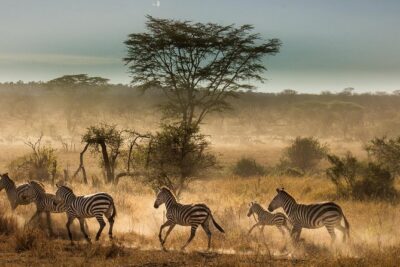
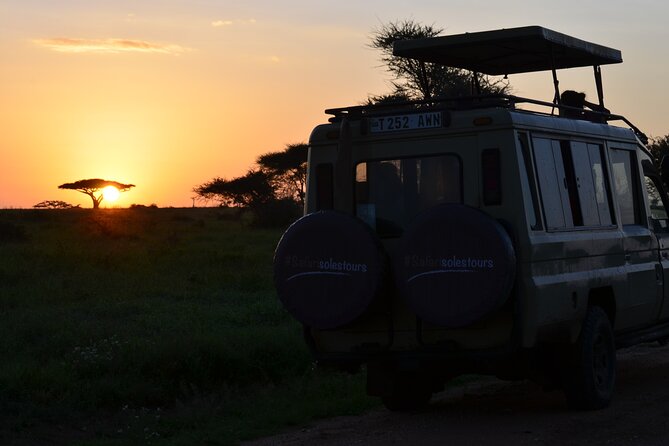
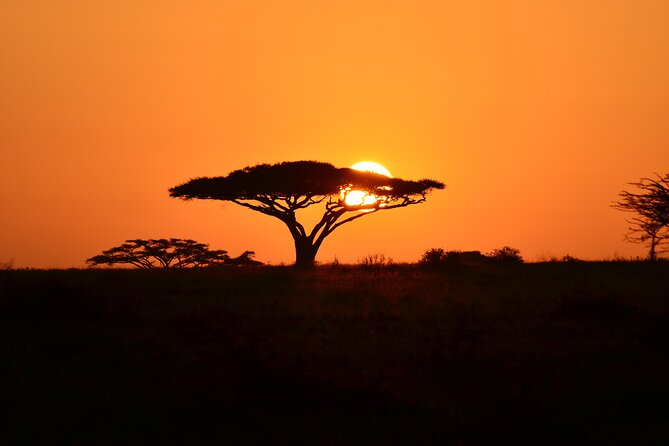
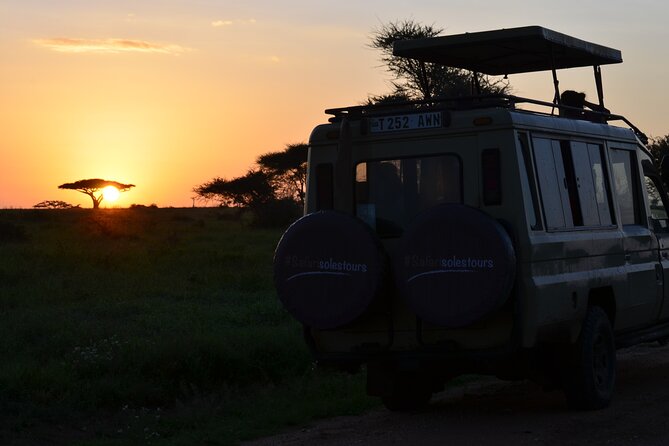
After that, the day pivots into Serengeti. You arrive in the afternoon and run a game drive in the Seronera area to late evening. That timing matters because animals often feel more active when the light shifts, and the schedule is designed for a Serengeti sunset. If you’re lucky, you can catch predator behavior, including a hunt or a kill, up close.
Serengeti from Seronera: sunset viewing and long, flexible drives
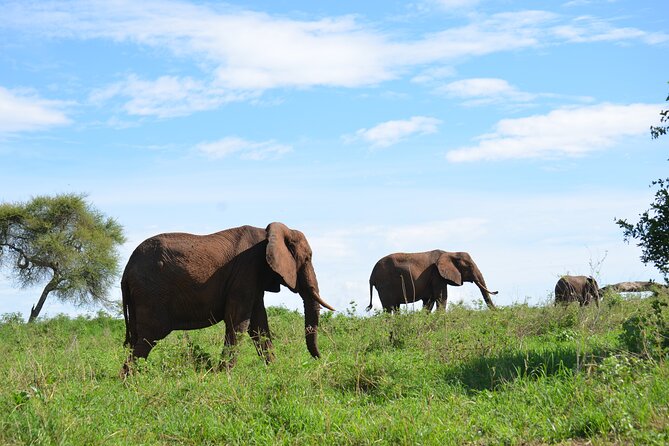
The most “wow” piece of the Serengeti portion is the late-day flow. You reach Seronera in the afternoon, then you drive until late and end with the sunset. That’s a different feeling than doing Serengeti at only one pace. You get daytime sightings, then you watch the park change mood as the light drops.
Your base on Day 2 is a Seronera campsite. One note is practical and useful: you can still see animals from camp, mostly hyenas. The schedule also mentions close protection from active rangers, so it’s not presented as a hands-off “camp and hope.” Still, the big idea is to treat campsite time as part of the safari, not an “off switch.”
Day 3 is another full day of Serengeti, about 12 hours, with drives out of Seronera toward further parts of the park depending on animal movement. This is where the guide’s skill really counts. The route isn’t locked to a checklist, it’s built around wildlife movement, which is the whole point of the Serengeti.
If you’re the type who hates rigid schedules, this part should feel reassuring. Instead of rushing from spot to spot, you’re staying flexible inside the park.
More safaris from Arusha:
- 3 Days Serengeti & Ngorongoro Group Camping Safari
★ 5.0 · 574 reviews - 7-Day Premium Luxury Tanzania Safari All-Inclusive
★ 5.0 · 426 reviews - 3-Day Classic Serengeti Safari
★ 5.0 · 263 reviews - 8 Days Great Wildebeest Calving Migration Safari from Arusha
★ 5.0 · 254 reviews
Day 4 early starts and the Serengeti exit toward Simba campsite
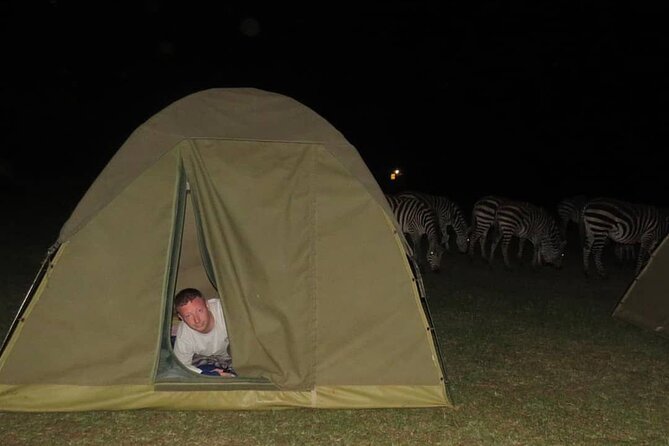
Day 4 starts with an early breakfast and an early game drive. The aim is to see lots of animals from morning onward, then return for lunch, followed by more driving while you exit the Serengeti and head toward the Simba campsite.
This is a good “middle day” design. You’re not stuck doing the exact same loop twice. You’re also not trying to force Ngorongoro and the crater into a tight timeline. The Serengeti exit timing helps you avoid a day that feels like pure transit.
One more practical detail: animals can be spotted on the campsites. That means your guide’s ability to manage where you stop and how you move is part of what you’re paying for. In a small group jeep, you’ll also likely find it easier to hear instructions and scan the ground for movement.
Day 5 Ngorongoro for black rhinos: the hardest target first
Day 5 is where the safari turns into a true challenge. After an early breakfast, you descend Ngorongoro looking specifically for black rhinos. The note given is important: black rhinos are described as the hardest to spot in the crater, while many other animals are easier. That’s exactly what you should expect from this kind of hunt for a specific species. The crater floor concentrates wildlife, but black rhinos can still be elusive.
The schedule sets up a classic safari rhythm: game viewing during the descent, then after lunch more driving and then ascending to camp. The plan also includes transitioning to the Sun Bright campsite to relax afterward.
This is also a day where you’ll feel the value of having meals handled. With a descent and ascent plus driving, you need steady fueling. This tour lists food as included throughout, and the feedback on camp cooking is strong, with named chefs like Ibrahim and Dennis mentioned for different days, and Action getting major praise for camp meals.
If you care about food, don’t underestimate this. Good camp cooking changes the feeling of a safari day. It turns “survival meals” into something you look forward to.
Day 6 Lake Manyara: birds, flamingos, hippos, and hot springs stops
The final day shifts gears to Lake Manyara National Park. The focus isn’t just big animals, it’s variety: birds (including flamingos on the lake), tree-climbing lions if you’re lucky, and a hippo-focused stop.
You’ll also visit the hippo pool for close views of hippos and the mention of hot springs. That combination is what makes Manyara a great closer. You end the trip with a different kind of “wildlife tourism,” less about one signature species and more about a living ecosystem.
The drive also includes mentions of buffaloes, wildebeest, warthogs, vultures, eagles, and monkeys. In other words, it’s not a narrow target day. If you didn’t get every animal on the earlier parks, Manyara gives you another round of chances.
Like the other days, it’s long, about 8 hours. But if your body handled the earlier schedule, this final day often feels like a satisfying finale because the scenery and animal cast tend to feel fresh.
Group size, guides, and camp cooking: why the days feel smooth
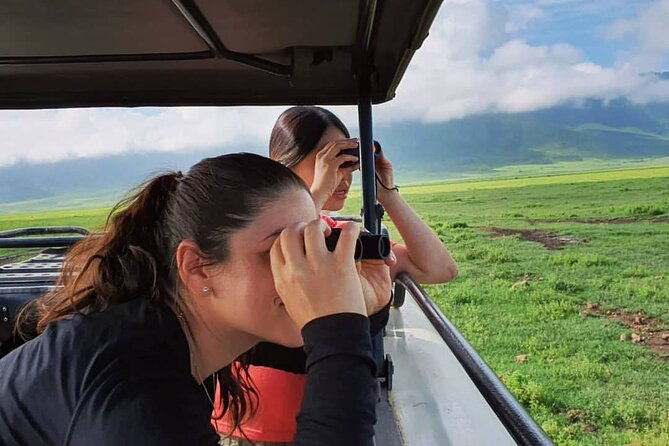
This safari is limited to a maximum of six travelers per jeep, and that small-group setup shows up in the kinds of praise that repeat across feedback. People name guides and drivers like Ernest, Elias, Estommy, Oscar, Isack, Freddy, and Abduly, plus cooks such as Ibrahim, Dennis, and Action. That matters because in safari terms, your guide is the difference between driving and finding.
A great guide does three things that you feel right away:
- They understand where animals are likely to be, not just where you want to go.
- They read movement, not just scenery.
- They keep the group working as a unit when sightings happen fast.
Camp cooking is the second big comfort factor. Multiple comments highlight chefs as a standout part of the experience, with food described in warm, “it feels like a restaurant” terms. Even if your expectations are realistic, good cooking is what makes camping safari tolerable and memorable.
So if you’re choosing this tour because you want wildlife without luxury pricing, you still get a comfort layer. You’re not sleeping in a “tough it out” vacuum. You have equipment included, meal planning handled, and a team that aims to keep things organized.
Price and logistics: how to judge this budget safari fairly
When you’re comparing safari prices, the question is not just “is it cheap?” It’s “what’s included that you’d otherwise pay for?” Here, the package lists:
- Camping equipment
- Meals for six days
- Dinner, lunch, and breakfast each day
- All fees and taxes, with admission ticket status noted by day
- Pickup offered and a mobile ticket
Tips are the main thing that’s explicitly not included. That’s typical for safaris, but it still affects your final budget, so I’d treat it as an extra line item.
Also keep one “optional” cost in mind. The Maasai village entrance fee is given as $20 and not included. If you go, you’ll need to cover it.
The other budget reality is timing and driving. This route is built for wildlife value, not comfort. You’ll be in the vehicle a lot. If you hate long days or you get motion sickness easily, this might feel more like a workout than a vacation.
But if you’re flexible and wildlife-focused, the inclusions help you keep the overall cost under control. You’re paying for a full circuit that hits multiple parks, instead of piecing together expensive add-ons.
Who this safari fits best (and who should reconsider)
This tour is a strong match if you:
- Want a budget-friendly path to classic Tanzania highlights like Tarangire, Ngorongoro, Serengeti, and Lake Manyara
- Like the idea of camping safari nights with rangers nearby at camp
- Prefer a small group, maximum six per jeep, to make game driving feel less crowded
- Care about meal quality and organization enough that camp cooking is part of the appeal
It may not be ideal if you:
- Want hotel rooms every night (this is camping style)
- Need very short days with minimal driving
- Don’t want to plan around an optional Maasai village stop and its entrance fee
One nice plus is that the tour notes most people can participate, so the structure is meant to be broadly workable. As always, you should still judge your comfort with long vehicle days.
Should you book this 6-day budget safari? My straight answer
If your priority is wildlife and you want Tanzania’s big-name parks in a single, small-group circuit, I’d seriously consider booking. This is one of those budget safaris that tries to remove the hidden cost items by including camping gear and meals, and it aims for real sightings through long drives.
I’d especially lean toward it if you’re motivated by:
- Big Five chances and a black rhino attempt in Ngorongoro
- A Serengeti sunset from the Seronera area
- The feel of a maximum six-person jeep
- Camp food as a real part of the trip, with chefs named like Ibrahim, Dennis, and Action
If camping is a dealbreaker for you, then pick a lodge-based itinerary instead. But if you’re good with sleeping outdoors and you want your money to go toward parks and game drives, this route is built like a smart value option.
FAQ
What is included in the price for this 6-day safari?
The package includes camping equipment, all fees and taxes, and meals for six days (six breakfasts, six lunches, and six dinners). Pickup is offered, and a mobile ticket is provided. Tips are not included.
Which parks are covered during the six days?
You visit Tarangire National Park, Ngorongoro Crater (viewpoint and later a descent), Serengeti National Park, and Lake Manyara National Park.
How many people travel in each jeep?
The safari has a maximum of 6 travelers per jeep, which is intended to help you avoid feeling crowded.
Is the Maasai village visit included?
The Maasai village visit is optional and has a 20 USD entrance fee that is not included.
Are game drives long, or is it mostly short stops?
The schedule includes full day game drives in Tarangire and Serengeti, plus additional early morning and late-day driving. Day 3 in Serengeti is listed as 12 hours.
What kind of wildlife viewing should I expect?
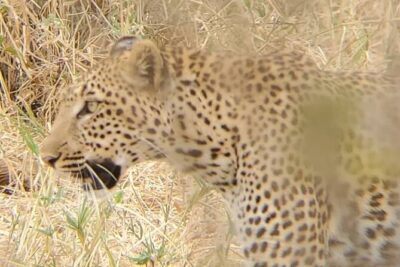
You’ll have chances to see lions, cheetahs, leopards, and many herbivores across the parks. The itinerary also targets black rhinos in Ngorongoro and mentions possible predator action during Serengeti drives. Lake Manyara includes birds like flamingos and the possibility of tree-climbing lions.
What if the safari is canceled due to poor weather?
If it’s canceled due to poor weather, you’ll be offered a different date or a full refund.
Just posted around Arusha
- 8 Days Serengeti Migration safari★ 5.0 · 11 reviews
- tarangire & ngorongoro 2 days tour★ 5.0 · 14 reviews
- serengeti, ngorongoro & tarangire 4 days private tour★ 5.0 · 18 reviews
- tarangire, ngorongoro & lake manyara park 3 days private tour★ 5.0 · 11 reviews
- serengeti & ngorongoro 3 days private tour★ 5.0 · 15 reviews
- climb the KILIMANJARO via Lemosho route★ 5.0 · 4 reviews
- Mt. Kilimanjaro: Shira plateau to Cathedral point 3872m Day hike★ 5.0 · 7 reviews
- Kilimanjaro Waterfalls Hike & Moshi Hot Springs Day Trip Tour★ 5.0 · 4 reviews
6-Day Experiences, compared.
Private 6-Day Tarangire Manyara Crater and Serengeti with Mid-Range Lodges
Read our review →