
Reviewed · NGORONGORO CRATER TOURS
tarangire, ngorongoro & lake manyara park 3 days private tour
A safari that hits three parks in 3 days. You get Tarangire’s big cats and huge elephants, then Ngorongoro’s drama on the crater floor, and finally Lake Manyara’s birds plus hippos and hot springs. The best part is the rhythm, early starts, then long drives that actually pay off in wildlife viewing, not endless rushing. One possible drawback to weigh: you are packing a lot into a short window, so expect long days in the jeep.
What I like most is the balance between “adventure” and comfort. Meals are included for the full trip (breakfasts, lunches, dinners) and camping equipment is part of the package, which is why several past guests call the camping style a smart choice. And service seems to be a real strength, with names like Bryson (organizer), Elias (guide), Simon (driver-guide), Patrick (guide), and chef Denis coming up in feedback.
The other consideration is logistics. There is no restroom on board, so plan for the usual safari stops and bring what you need for the early start at 7:30 am. If you dislike long drives, this itinerary may feel like a lot, but for most wildlife lovers, it is a great hit list in a tight time.
In This Review
- Key highlights you will care about
- The “3 parks in 3 days” idea, and why it works
- First day in Tarangire National Park: elephants, predators, and long game-drive time
- Day two at Ngorongoro: that crater viewpoint feeling, then the hunt on the floor
- Evening camp setup: why the included camping gear matters
- Day three at Lake Manyara: birds, hippos, hot springs, and the tree-climbing-lion gamble
- What “private tour” really means here, and how the small group affects your safari
- Guides, food, and the little service details that make it feel smooth
- Price and value: what $1,300 per person buys you in real safari terms
- Wildlife expectations, and how to set yourself up for success
- Weather, flexibility, and the reality of safari planning
- Should you book this 3-park safari?
- FAQ
- How long is the Tarangire, Ngorongoro, and Lake Manyara private tour?
- What parks does this safari include?
- What time does the safari start?
- How large is the group?
- What is included in the price?
- What is not included?
- What happens if weather is poor?
Key highlights you will care about
- Tarangire wildlife density, with elephants plus chances at wild cats
- Ngorongoro Crater at floor level, where animals can feel easier to find
- A relaxed camp setup, with camping gear and meals included
- Lake Manyara’s signature mix, flamingos, tree-climbing lions (if luck is with you), hippo pool, and hot springs
- Small group cap (up to 6), which usually means more attention from your guide
- Binoculars included, helpful for spotting birds and distant animals
The “3 parks in 3 days” idea, and why it works
This safari is built for people who want real wildlife time without turning the trip into a constant sprint. Three parks in about three days can sound like a blur, but in practice it works here because each park has a clear role.
Tarangire is your opener, where the scenery and animal behavior can shift quickly, and where elephants can be a huge part of the show. Ngorongoro is the centerpiece, because the crater bowl changes how you see animals, you are not just driving over flat savanna. Lake Manyara ends with a change of pace, more birds and a chance at iconic behaviors, like hippos at the hippo pool and the famous tree-climbing lions if you get that lucky moment.
The small-group cap matters too. When you are with up to six people, your guide can often keep the jeep positioned well and manage who needs help seeing. In feedback, the guides are praised for finding wildlife and staying responsive to the group.
More Lake Manyara safaris:
- Private 6-Day Tarangire Manyara Crater and Serengeti with Mid-Range Lodges
★ 5.0 · 238 reviews - 3 Days Tarangire, Ngorongoro & Lake Manyara Group Camping Safari
★ 5.0 · 102 reviews - 3 Days Private Safari – manyara, Ngorongoro & Tarangire
★ 5.0 · 94 reviews
First day in Tarangire National Park: elephants, predators, and long game-drive time
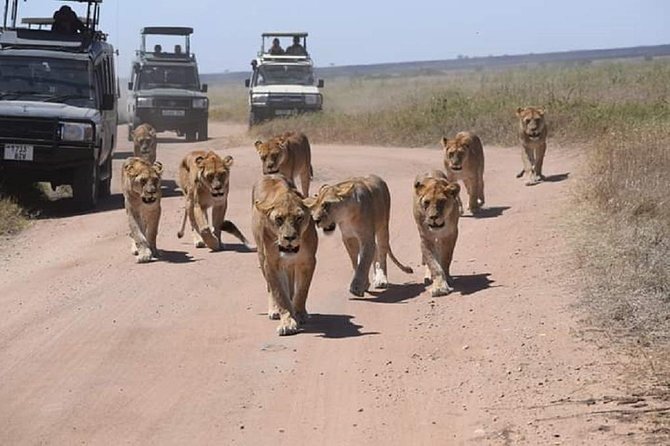
Your first day is essentially a full wildlife session. You drive from Arusha to Tarangire and then go out for a long game drive, about nine hours. That is not a “light afternoon” safari. It is the kind of day where you might start seeing animals early, then get hit with the moments that make the whole trip click: a cat on the prowl, a herd moving through, or predators circling in the distance.
Tarangire is known in this itinerary for a few specific themes, and they match what you are hoping for in East Africa safaris. Expect the headline acts like elephants, plus other common sightings such as wildebeest, buffaloes, zebras, warthogs, and impalas. You also have a chance at monkeys and the more elusive cats your guide will be watching for.
What I like about choosing Tarangire as day one is that it sets expectations. You get momentum fast. If you are anxious about spotting big wildlife, this first park gives you plenty of opportunities, even before you reach the crater.
A possible drawback is simple: it is a long first day. You will want to be ready for heat, dust, and the “wait and watch” style of predator viewing. Bring layers and sun protection, and keep water handy during drives. Even if you do not feel thirsty, wildlife days drain you.
Day two at Ngorongoro: that crater viewpoint feeling, then the hunt on the floor
Ngorongoro starts with a viewpoint stop. You leave early, have breakfast, and then reach the viewpoint for about 30 minutes. This is one of those moments where the crater’s scale and shape hit you immediately. If you like big geography with dramatic light, this part does not feel like filler. It is your warm-up before going down into a very different kind of wildlife arena.
Then you descend into the crater and spend the bulk of the day on game drive. This is where the safari logic changes. A crater floor means animals are often closer in a way that can make sightings easier than in open plains. You are also hunting for one of the hardest targets mentioned for this itinerary: black rhinos.
Black rhinos are the tough one here. Many animals can be more visible from the crater floor, but rhinos, especially black rhinos, demand patience and luck. Your guide’s job becomes reading signs, choosing where to park, and scanning for slow movement or the telltale shape at a distance.
After lunch, you keep driving and then ascend back to camp. The total day is about eight hours of park time. It is a big day, but it is the reason this itinerary has such strong word-of-mouth value. Ngorongoro is often described as a top highlight for multiple parks, and the structure here gives you both the view and the reality of being down on the ground with the animals.
Practical tip: in crater country, the air and light can feel different once you are down below. Dress in layers. Temperatures can shift, and you will be glad you can adjust without getting stuck with only one option.
Evening camp setup: why the included camping gear matters
This trip includes camping equipment, and that is not a minor detail. Camping safari can be a letdown if the gear is basic or food is an afterthought. The feedback you provided points in the other direction. Multiple guests highlight that the camping was a strong part of the experience, with one review specifically calling it the best choice. Another praised the “perfect place for sleep” and the cook’s work.
Chef Denis is named in feedback for making meals that felt both typical and enjoyable. That matters because safari food is part of your day, not just fuel. When you have long drives, you want food that keeps morale up and energy stable.
If you are the kind of traveler who likes to feel grounded in the experience, the camp nights can help. You get a pause between park days to reset, then wake up early again without feeling like you are constantly living out of a suitcase.
The main “consideration” here is personal. Some people want a hotel bed every night. If you are set on that style, you may prefer a lodge-based safari. But if you are open to camping, this itinerary seems built to do it well.
More Tarangire safaris:
- 5-Day Highlights mid-Range Crater, Serengeti, Tarangire
★ 5.0 · 296 reviews - 5 Days Camping Tarangire, Serengeti & Ngorongoro crater & Visiting Maasai
★ 5.0 · 229 reviews - 4 Days Join Group tour Tarangire Serengeti and Ngorongoro crater
★ 5.0 · 219 reviews - 4-Day Safari from Arusha: Tarangire, Serengeti and Ngorongoro
★ 5.0 · 173 reviews
Day three at Lake Manyara: birds, hippos, hot springs, and the tree-climbing-lion gamble
Lake Manyara is a different flavor. Where Tarangire and Ngorongoro can be more about broad safari drama, Manyara adds variety: birds, a famous flamingo presence, and a couple of very specific stop types.
After an early breakfast, you head to Lake Manyara National Park and spend about eight hours on a game drive. Flamingos can show up on the lake, and this is one of the park’s big bird highlights. If you like photography, this is often where your eye gets pulled toward patterns and color rather than only big mammals.
You also have a chance at Lake Manyara’s most famous oddball legend: tree climbing lions. The itinerary frames it as “lucky enough” to spot them. That is fair. Even if the lions are not in the trees during your visit, the park can still deliver with other sightings.
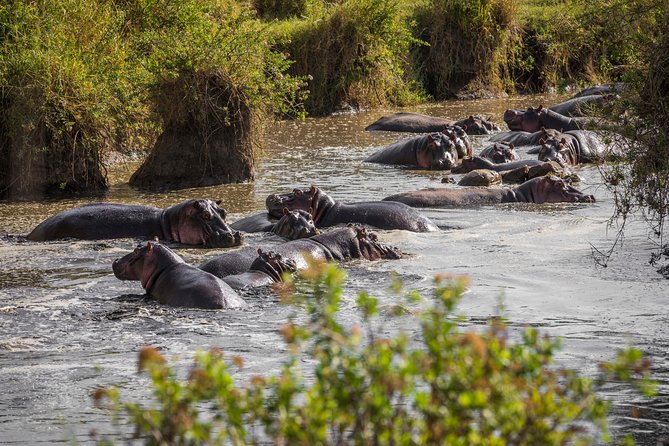
A very practical highlight is the hippo pool. You can get close views of hippos, which are usually more exciting when you see their behavior up close rather than as distant shapes. The hot springs add another layer, and they give you a reason to step out of the pure driving loop and experience something more than just animals.
Expect plenty of animals during your drive too, including buffaloes, wildebeest, warthogs, vultures, eagles, and monkeys. If your day two involved rhino patience, day three can feel like a reward for that effort, because Manyara can be full of visible action and variety.
What “private tour” really means here, and how the small group affects your safari
The title calls it a private tour, and the operation is clearly built around keeping the group manageable. The max is 6 travelers, and that size is ideal for a safari where you want attention. With a larger group, someone always gets left behind in the viewing queue, or the driver has to make the jeep’s positioning work for too many different sightlines.
Here, the small cap helps your guide keep scanning and adjusting quickly. Your guide’s skill matters a lot for big cat luck and for difficult targets like black rhinos. In the reviews, drivers and guides are repeatedly described as professional, safe, and responsive, with specific praise for finding and identifying wildlife.
Also, this tour includes binoculars. That is one of those “small” inclusions that changes how you enjoy the park. For birds at Manyara, and for animals you might see at a distance in open areas, binoculars turn “maybe I saw something” into “I actually know what I am looking at.”
Guides, food, and the little service details that make it feel smooth
Safari quality is often about the invisible stuff: planning that keeps you on the best timing, driving that keeps things safe, and communication that prevents you from feeling confused or rushed.
The names in the feedback give a clue about what you can expect. Bryson shows up as a responsive organizer who follows up before, during, and after. Elias gets called out for delivering an amazing experience. Simon is praised as a driver-guide, with guests highlighting organization and team value. Patrick is also mentioned with very positive comments, and chef Denis is directly praised for food quality and typical flavors.
You also get all fees and taxes included, plus meals across multiple days: breakfast (2), lunch (3), dinner (2). That removes decision fatigue. You do not have to hunt for meals between parks, and you can focus on the wildlife schedule.
One “service mismatch” to consider is about the restroom situation. Restroom on board is not included. You will rely on park stops and the driver’s pacing, so plan accordingly and do not assume you can use facilities whenever you want.
Price and value: what $1,300 per person buys you in real safari terms
At $1,300 per person, you are not buying a budget shopping trip. You are buying access: park time, guiding, meals, camping gear, and included safari essentials like binoculars. You also get a small-group limit, pickup offered, and a tour structure that hits three major wildlife areas.
So the question is not just “is it expensive,” it is “does it reduce your risk and planning stress.” In this itinerary, the value comes from several cost-heavy pieces that can quickly add up when booked separately: park admissions, guided game drives in multiple parks, and the cost of a camping setup with cooking and meals handled for you.
The reviews support that the team aimed to stay within budget while still delivering an experience that guests felt met expectations. That matters because some cheaper safaris cut corners on guide time or food. Here, the pattern of feedback is that the camping and meals were a real quality point.
Who will feel the best value? People who want to see Tarangire, Ngorongoro, and Lake Manyara within a short window, and who are okay with camping rather than lodge-only comfort.
Who might feel less happy with the price? If you are already planning a lot on your own or you strongly prefer lodge accommodations every night, you may find better value with an alternative style of safari.
Wildlife expectations, and how to set yourself up for success
This itinerary gives you a strong spread of wildlife categories, and the order helps. Tarangire sets you up for big game and elephant encounters, plus a chance at cats. Ngorongoro gives you a high-density viewing environment on the crater floor and a chance at black rhinos with patience. Lake Manyara adds birds and unique behavior, like hippos at the pool and tree-climbing lions if luck hits.
Still, do not treat “chances” like promises. Even in top parks, wildlife sightings depend on season, animal movement, and timing. The best strategy is to trust your guide’s scanning and be ready for slow moments. That is how you end up seeing the animals you came for, not just what is easiest to spot.
A few practical things you can do before you go:
- Pack neutral, light clothing for dust and heat.
- Bring sun protection and a hat, since game drives are long.
- Keep a small daypack for water and snacks even if meals are included.
- Use your binoculars early, not only at the end of the day.
- Have patience for crater rhino viewing, because that is a waiting game.
Weather, flexibility, and the reality of safari planning
This experience requires good weather. That is standard for safaris, but it matters because it ties into your planning window. If weather is rough, you may be offered a different date or a full refund, depending on how the operator handles it.
Also, the tour requires a minimum number of travelers. If that minimum is not met, you would be offered another date or experience, or you may receive a full refund. This is normal in small-group travel, and it is one reason the max group size is kept tight.
The good news is that the tour is structured with multiple park visits, not one fragile plan. Even if one day is adjusted, you still have several wildlife locations built into the route.
Should you book this 3-park safari?
Book it if you want a smart, wildlife-heavy circuit that mixes Tarangire, Ngorongoro, and Lake Manyara without dragging your schedule. The best reasons to choose it are the included binoculars, the included camping setup, and the consistent praise for guides and cooking. If you are excited by elephants, big cat chances, crater rhino patience, and Lake Manyara birds plus hippo pool time, this itinerary matches your interests.
Skip it if camping safari is a hard no for you, or if you dislike long days in the jeep. This trip is a full-on safari rhythm. It works when you embrace that pace.
One more decision check: if you care about getting personalized attention, the up-to-6 group size is a strong sign. And if you want guides with a track record of finding wildlife, the named staff in the feedback gives you confidence you are not going in blind.
If that sounds like your kind of adventure, this 3-day private small-group route is a solid way to see three of Tanzania’s most iconic nature stops in one go.
FAQ
How long is the Tarangire, Ngorongoro, and Lake Manyara private tour?
It runs for about 3 days.
What parks does this safari include?
You visit Tarangire National Park, Ngorongoro Crater, and Lake Manyara National Park.
What time does the safari start?
The start time is 7:30 am.
How large is the group?
The tour has a maximum of 6 travelers.
What is included in the price?
All fees and taxes are included, along with binoculars, camping equipment, and meals (2 breakfasts, 3 lunches, and 2 dinners). Pickup is offered and a mobile ticket is provided.
What is not included?
A restroom on board is not included.
What happens if weather is poor?
The experience requires good weather. If it is canceled due to poor weather, you will be offered a different date or a full refund.
More Ngorongoro Crater Trips
- 3 Days Serengeti & Ngorongoro Group Camping Safari
★ 5.0 · 574 reviews - 2 Days Tarangire and Ngorongoro Group Camping Safari
★ 5.0 · 146 reviews - 4 Days Tarangire Serengeti Ngorongoro Crater
★ 5.0 · 117 reviews - 5 Days Tanzania Group Joining Safari, Tarangire/Serengeti/Ngorongoro Crater
★ 5.0 · 85 reviews
Just posted around Arusha
- 8 Days Serengeti Migration safari★ 5.0 · 11 reviews
- tarangire & ngorongoro 2 days tour★ 5.0 · 14 reviews
- serengeti, ngorongoro & tarangire 4 days private tour★ 5.0 · 18 reviews
- serengeti & ngorongoro 3 days private tour★ 5.0 · 15 reviews
- climb the KILIMANJARO via Lemosho route★ 5.0 · 4 reviews
- Mt. Kilimanjaro: Shira plateau to Cathedral point 3872m Day hike★ 5.0 · 7 reviews
- Kilimanjaro Waterfalls Hike & Moshi Hot Springs Day Trip Tour★ 5.0 · 4 reviews
- 2 Days Tanzania Midrange Group Join Safari★ 5.0 · 7 reviews
Ngorongoro Crater Tours, compared.
3 Days Serengeti & Ngorongoro Group Camping Safari
Read our review →
5 Days Camping Tarangire, Serengeti & Ngorongoro crater & Visiting Maasai
Read our review →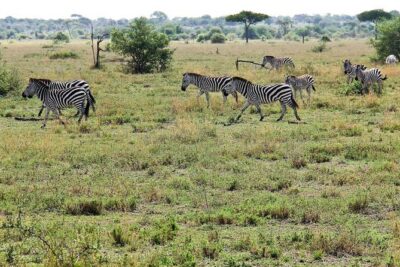
4 Days Join Group tour Tarangire Serengeti and Ngorongoro crater
Read our review →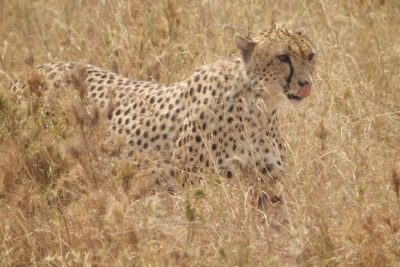
4-Day Safari from Arusha: Tarangire, Serengeti and Ngorongoro
Read our review →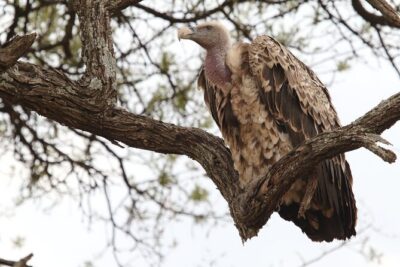
2 Days Tarangire and Ngorongoro Group Camping Safari
Read our review →
3 Days Tarangire, Ngorongoro & Lake Manyara Group Camping Safari
Read our review →Browse the lists this tour appears in