
Reviewed · SERENGETI SAFARIS
4-Day Safari from Arusha: Tarangire, Serengeti and Ngorongoro
Safari drives feel like a wildlife shortcut. This 4-day private route from Arusha strings together Tarangire elephants, Serengeti big-cat country, and Ngorongoro crater density in a way that feels efficient, not rushed. I especially liked the private guide time and the pop-up-roof jeep setup for steady viewing. One thing to consider is that a four-day circuit means plenty of long drives and early starts, so it helps to be cool with busy days.
I also like that your costs are handled upfront: accommodation, meals, park fees, taxes, and daily water are included, so you can focus on getting eyes on animals instead of adding up receipts. And because it’s a private tour with a dedicated driver-guide, you’re not stuck waiting for other groups to choose the slow lane.
In the reviews, guides from Bestday Safaris get repeat praise for being punctual and for knowing the parks in a practical, on-the-ground way. Names like Josef and David show up with that same theme, and it makes sense: when you’re chasing wildlife, timing and experience matter.
In This Review
- Key safari takeaways
- A 4-day circuit that hits Tanzania’s biggest wildlife stages
- Private jeep and guide time: why it changes everything
- Day 1 Tarangire National Park: baobabs, swamps, and elephant herds
- Day 2 Serengeti National Park: Seronera, river water, and classic plains watching
- Day 3 Ngorongoro Conservation Area: game drives with a bigger ecosystem picture
- Day 4 Ngorongoro Crater: dense wildlife, black rhino odds, and a crater-floor picnic
- UNESCO and conservation value: how this trip earns its reputation
- Price and value: what $1,753.34 buys you, and what it does not
- Timing, timing, timing: how to make the most of your four days
- Who this safari suits best
- Should you book this Arusha safari?
- FAQ
- What is included in the 4-day safari package?
- Do I need to pay park fees or admission tickets?
- Is pickup provided, and where does the tour start?
- Can I upgrade to a hot air balloon ride?
- Is the tour private?
- Who can join this safari?
Key safari takeaways
- Two UNESCO sites: Serengeti National Park and Ngorongoro Conservation Area
- Pop-up-roof private jeep for better sightlines during drives
- Tarangire dry-season focus with baobabs, acacia woodland, and water-attracting wildlife
- Seronera River area in Serengeti helps concentrate animals around water
- Ngorongoro crater density with an estimated 30,000 animals and good predator chances
- Optional hot air balloon upgrade for those who want a different view of the ecosystem
A 4-day circuit that hits Tanzania’s biggest wildlife stages
This safari is built around a simple idea: Tanzania’s top wildlife viewing is not spread evenly across the year or across the map. So instead of trying to squeeze in random stops, this route concentrates on three parks that each deliver a different kind of animal experience.
You start in Tarangire for elephants and unusual dry-season habitats. Then you move to the Serengeti for the classic plains feel, where wildlife gathers and moves with the availability of water. Finally, you drop into Ngorongoro, where the crater’s year-round water and fodder keep animals packed in a smaller area than you’d expect.
That balance is a big reason the experience is popular. You are not only ticking off parks. You’re getting different ecosystems, different animal behavior, and different odds for sightings, all in a tight four-day format.
More Safaris in Arusha
- Balloon Safari & Bush Breakfast in Serengeti – Miracle Experience
★ 5.0 · 1,646 reviews - 4 Days Group Camping Safari
★ 5.0 · 1,101 reviews - 5 Days Group Camping Safari
★ 5.0 · 730 reviews
Private jeep and guide time: why it changes everything
A private safari is not automatically better because it is private. It’s better because it lets you respond in real time.
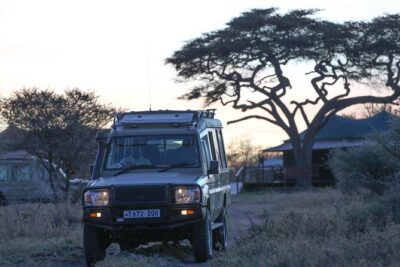
Your tour includes a private 4 x 4 safari jeep with a pop-up roof. That detail sounds small until you’re actually on the move, because it helps you spot animals faster and keeps your viewing comfortable even when the vehicle needs to reposition. And with a private guide, there’s no need to compromise on your pace. If your guide sees something promising, you can usually adjust quickly.
The guide part matters even more when you’re moving across multiple parks. You will get explanations about the local ecosystem and conservation efforts, which makes the animal encounters feel less random and more connected to how the habitat works.
From the reviews, I also picked up a strong pattern: punctuality and professionalism. Guides like Josef and David are specifically credited with being on time and very experienced, and that adds up to less stress for you. When you’re on safari, a smooth schedule is not just comfort, it’s time in the right places.
Day 1 Tarangire National Park: baobabs, swamps, and elephant herds
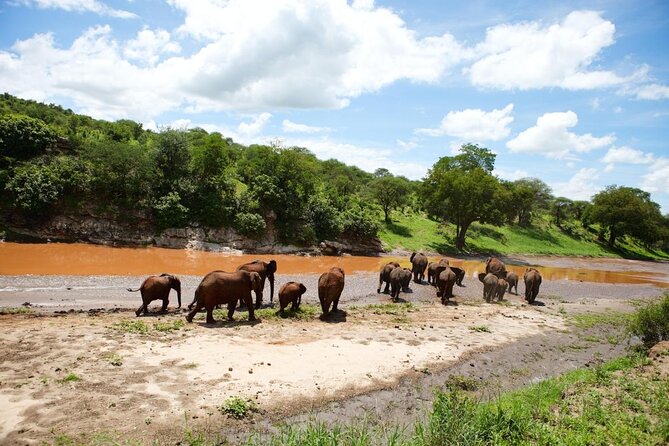
Tarangire is one of those parks where the setting helps your sightings. The park’s vegetation includes acacia woodland and giant African baobabs, plus swamp areas, mainly in the south. During Tanzania’s dry season, both the river and the swamps act like a magnet. In plain terms, animals follow water, and Tarangire makes that easy to understand.
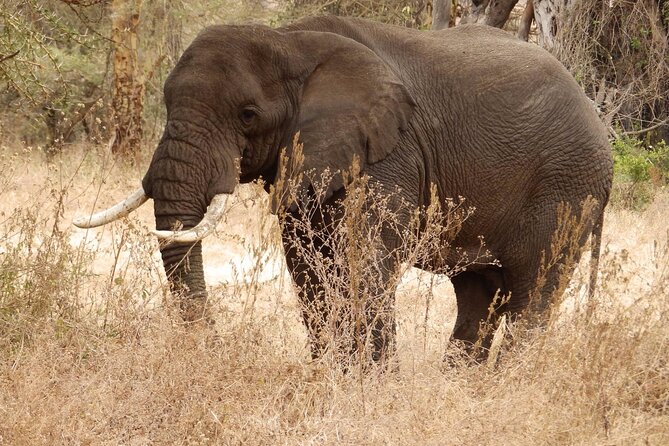
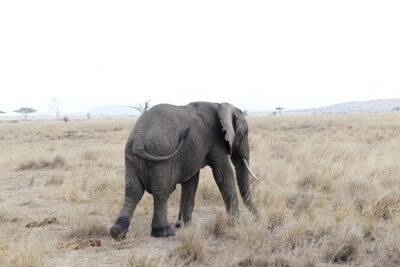
Your day starts after breakfast with a drive to Tarangire and a full-day game drive, including a picnic lunch. The elephant viewing reputation here is strong, with Tarangire often known for some of the largest elephant herds in Africa. If elephants are your priority, this is a solid first-day choice because you can start the trip with a big, memorable theme.
Tarangire also has wildlife you might not expect to see on a first safari. The park is home to rare species such as the Greater Kudu and the fringed-eared Oryx, plus a few Ashy Starlings. That matters if you like the feel of discovery, not just the headline animals.
Possible drawback: wildlife sightings depend on season and weather, and you can’t control that. If you arrive during a rough patch of conditions, animal patterns may shift. The good news is that dry-season water attraction helps Tarangire deliver, but it is still nature.
Day 2 Serengeti National Park: Seronera, river water, and classic plains watching
After breakfast, you travel toward Serengeti via farmland and the Karatu area, and you pass through the Ngorongoro Conservation Area on the way. Then the route drops down into the Serengeti, where the view changes fast from cultivated land to open plains.
You arrive in time for lunch and then enjoy an afternoon game drive in the Serengeti. The focus area is the central park zone known as Seronera. This part of the Serengeti is especially wildlife-rich because of the Seronera River. When water is stable, animals don’t just appear, they tend to hold their routines around it.
Serengeti is often described as endless plains, and that feel is real once you’re out there. I like this part of the trip because you shift from “water magnet habitats” to “wide-open country where animals move across sightlines.” It’s a different kind of viewing, and the afternoon timing is useful because animals often feel more active as the light changes.
What I like for photographers: the pop-up-roof jeep setup gives you better angles, especially for animals on the move. And because you are not driving all day to random viewpoints, you are spending meaningful time in the Seronera area when the wildlife density is higher.
Trade-off to think about: the day is shorter than a full 10-hour game-drive day might be in other safari formats. Still, it is built into a two-park travel rhythm, and you’re likely to appreciate the variety across the full four days.
More Tarangire safaris:
- 5-Day Highlights mid-Range Crater, Serengeti, Tarangire
★ 5.0 · 296 reviews - Private 6-Day Tarangire Manyara Crater and Serengeti with Mid-Range Lodges
★ 5.0 · 238 reviews - 5 Days Camping Tarangire, Serengeti & Ngorongoro crater & Visiting Maasai
★ 5.0 · 229 reviews - 4 Days Join Group tour Tarangire Serengeti and Ngorongoro crater
★ 5.0 · 219 reviews
Day 3 Ngorongoro Conservation Area: game drives with a bigger ecosystem picture
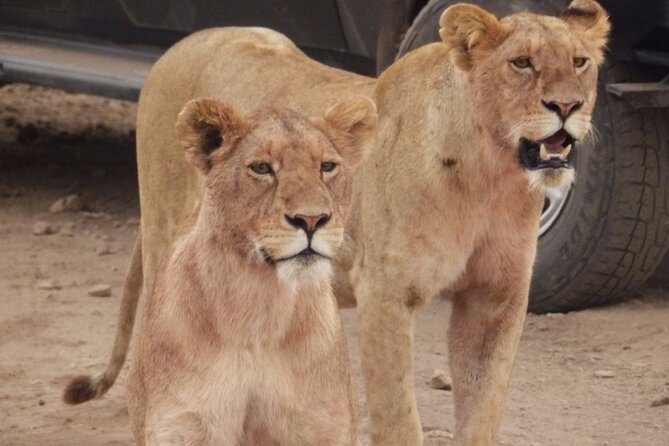
Ngorongoro shows up in two ways here. First, you pass through the Ngorongoro Conservation Area en route to Serengeti. Later, you spend a dedicated day with a morning game drive and then travel to the conservation area again for your afternoon.
This day is about context. The Conservation Area is not just a pass-through. It’s part of the ecosystem story that connects the plains of the Serengeti to the crater’s contained world. You start early with breakfast and a morning game drive, then you continue with game driving en route to the conservation area later.
Your specific schedule lists game-drive time both in the morning and in the afternoon, and that structure helps you get viewing even if the best action shifts with time of day.
I also like that your guide provides information on conservation efforts. In this region, the word conservation is not abstract. It ties directly to how animals share space with people, how grazing and water access work, and why the crater remains one of the densest wildlife arenas in East Africa.
Practical note: expect a day with some driving. That is normal here. The trick is to treat the drive as part of the safari, not time you lose, and a private guide helps keep that mindset working.
Day 4 Ngorongoro Crater: dense wildlife, black rhino odds, and a crater-floor picnic
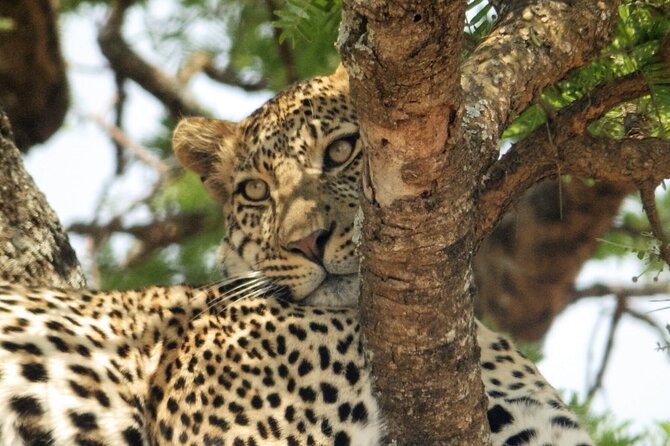
The final day is the big reveal. You have breakfast, then you descend into Ngorongoro Crater for a full-day game drive with a picnic lunch on the crater floor. The crater is known for being one of the most densely crowded wildlife areas in Africa, with an estimated 30,000 animals.
The reason that number matters is not just “wow.” It’s because the crater has year-round water supply and fodder. That creates a stable base for animals to return to, which usually improves the odds that you will see a variety of species during your time there.
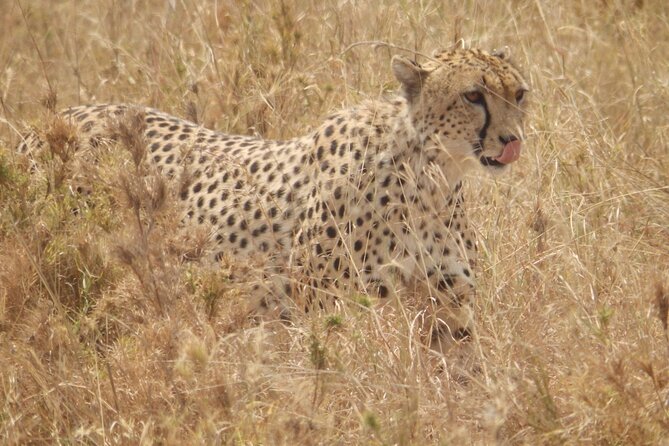
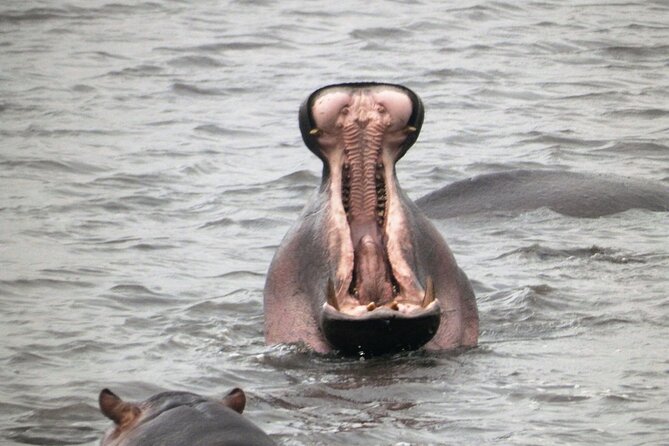
In Ngorongoro, you can expect animals such as wildebeest, zebra, buffalo, eland, warthog, hippo, and giant African elephants. Predators are a major draw as well, including lions, hyenas, jackals, cheetahs, and the ever-elusive leopard.
Even if you’re not counting species, Ngorongoro often gives you the feeling of watching an ecosystem work in real time. One moment you’re seeing grazing groups. Next moment you may notice predator cues, and you suddenly realize how much energy is going into spacing and hunting.
This is also where the “bucket list” ingredient shows up clearly: Ngorongoro is home to some of Tanzania’s last remaining black rhino. That does not mean you will guarantee a sighting, but it does mean the crater is a serious place to hunt for that kind of encounter with your eyes, not just your imagination.
One consideration: full-day crater time is fantastic, but it can be physically demanding. You’ll be outside for long stretches during game viewing. Bring layers and plan for dust and sun exposure.
UNESCO and conservation value: how this trip earns its reputation
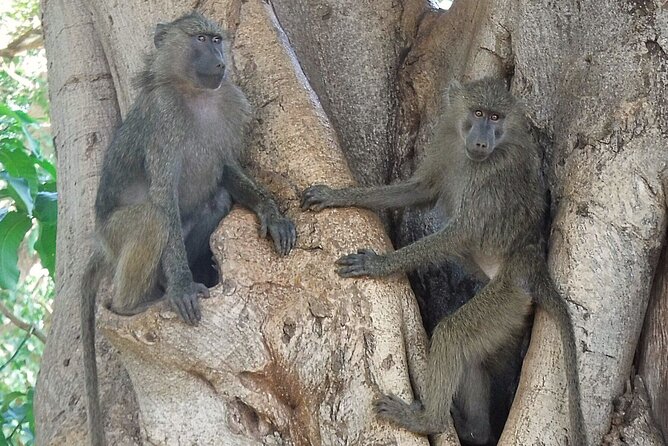
Two UNESCO World Heritage sites are built into this route: Serengeti National Park and Ngorongoro Conservation Area. UNESCO is not a magic wand, but it does reflect that the area has exceptional conservation value and global wildlife importance.
What makes UNESCO meaningful on safari is how it connects to what your guide explains. You can learn about the local ecosystem, how animals use water and grazing patterns, and how conservation efforts aim to keep threatened species safe.
When guides from Bestday Safaris are praised for their knowledge, it’s typically the kind of knowledge that helps you see more than one animal type. You start noticing track patterns, water usage, and the way certain species show up where conditions are favorable. That changes the safari from “spot animals” into “understand the scene.”
And because your tour is private, you’re not limited to a script. If a question pops up, you can ask it in the moment. That’s a small thing, but it’s often what makes a safari feel personal.
Price and value: what $1,753.34 buys you, and what it does not
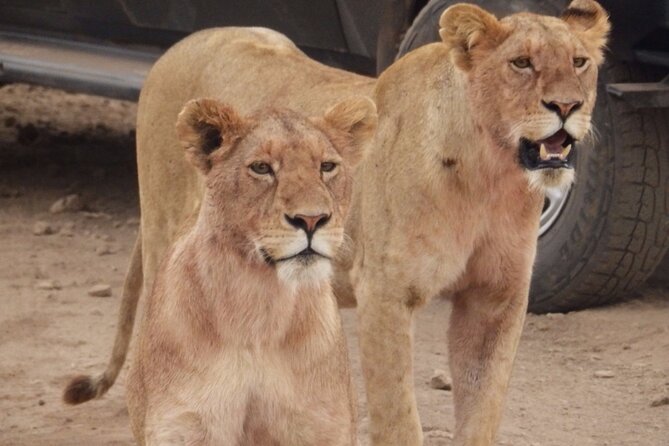
At $1,753.34 per person, this safari is not cheap. But it is not priced like a bare-bones “drive and hope” package either.
Here’s what you get included: accommodation, meals, and water. Park fees, government taxes, and VAT tied to the included meals and lodging are covered. You also get the private 4 x 4 jeep with pop-up roof and a private guide. In other words, you’re paying for the infrastructure that makes safari viewing work, not only the vehicle time.
That kind of inclusion matters because Tanzania safari costs can add up quickly once you start counting park fees, transport, and guide time. By bundling those, you can plan your budget with fewer surprises.
What is not included is also important to know: airport transfers, flights, nights in Arusha, Tanzania visa, optional add-ons like hot air balloon, and personal expenses such as laundry or drinks. Tips are also not included. If you want the balloon, it’s listed as an upgrade at USD 539 per person.
My practical take on value: this price is easiest to justify if you want a private, guided, multi-park safari where the key costs are handled and you can focus on wildlife. If you’re trying to travel on a super tight budget, you may find cheaper group safaris, but you would be trading away the private flexibility.
Also, the tour is booked on average 54 days in advance, which suggests it’s a commonly chosen route. If you have a specific travel window, booking earlier can make sense, especially if you’re also considering the balloon upgrade.
Timing, timing, timing: how to make the most of your four days
This route is designed around seeing animals where water and habitat concentrate them. Tarangire’s elephant herds and other species connect to the river and swamp patterns during dry season. Serengeti’s Seronera area is rich because of the Seronera River. Ngorongoro crater works because it keeps water and fodder year-round.
That means your experience will be affected by when you go, and how conditions line up. You can’t control it, but you can prepare.
A few practical ideas:
- Plan to be comfortable with early starts. The schedule includes breakfast and morning game drive time.
- Expect long drives as the days move between parks.
- Pack for dust and sun. Even on “wildlife days,” you are still living outdoors for stretches.
- If you’re upgrading to the hot air balloon, decide early. It’s listed as optional and adds cost.
From the reviews, I see a theme that lines up with this timing-focused approach: when the season and conditions are favorable, animals show up close and relaxed, and the driving style helps you enjoy it. In safari terms, that is exactly what you want.
Who this safari suits best
This four-day safari is a great fit if you:
- Want a classic Northern Tanzania route without juggling separate providers for each park.
- Prefer a private format with a dedicated guide and pop-up-roof viewing.
- Care about both famous wildlife and some of the rarer species and birdlife found in parks like Tarangire.
- Like learning. The guide provides information about the ecosystem and conservation efforts, which helps the trip feel grounded.
It might be less ideal if you:
- Hate early mornings and long drives. This itinerary is efficient, not lazy.
- Want total spontaneity with no structure. Your days are planned around specific viewing windows and parks.
Should you book this Arusha safari?
If you want a well-rounded safari that hits Tarangire, Serengeti, and Ngorongoro in a private, guided way, I think this is a strong choice. The combination of private jeep comfort, included meals and water, and park fees taken care of makes it feel like a real safari trip, not a complicated DIY project.
I’d book it especially if you like the idea of Tarangire’s acacia woodlands and giant baobabs, then switching to Serengeti’s Seronera water hotspot, and ending with Ngorongoro’s dense crater wildlife and picnic-on-the-floor moment. The route also gives you the UNESCO factor through Serengeti and Ngorongoro, and your guide’s conservation explanations can turn the big sightings into a bigger understanding.
If your top priority is a relaxed pace with minimal driving, then you may want a different safari length or a different park order. But for most people who want a high-impact four days, this one is easy to recommend.
FAQ
What is included in the 4-day safari package?
The package includes accommodation, meals, 1.5 liters of drinking water daily, park fees, government taxes, VAT and service charges related to accommodation and included meals, plus a private 4 x 4 safari jeep with pop-up roof and a private guide.
Do I need to pay park fees or admission tickets?
Park fees are included in the tour. Admission ticket information is listed for each day, with Tarangire and Serengeti showing admission ticket free, and the Ngorongoro Crater day showing admission ticket included.
Is pickup provided, and where does the tour start?
Pickup is offered. The meeting point/start location is Arusha National Park, and the tour ends back at the meeting point.
Can I upgrade to a hot air balloon ride?
Yes. A hot air balloon upgrade is available, listed at USD 539 per person. It is optional and not included in the base price.
Is the tour private?
Yes. It’s a private tour, meaning only your group participates.
Who can join this safari?
The tour states that most travelers can participate. Children must be accompanied by an adult, and there is a minimum of 2 people required per booking.
More Ngorongoro Crater Trips
- 2 Days Tarangire and Ngorongoro Group Camping Safari
★ 5.0 · 146 reviews - 4 Days Tarangire Serengeti Ngorongoro Crater
★ 5.0 · 117 reviews - 3 Days Tarangire, Ngorongoro & Lake Manyara Group Camping Safari
★ 5.0 · 102 reviews - 3 Days Private Safari – manyara, Ngorongoro & Tarangire
★ 5.0 · 94 reviews
More Serengeti Safaris
- 3 Days Serengeti & Ngorongoro Group Camping Safari
★ 5.0 · 574 reviews - 3-Day Classic Serengeti Safari
★ 5.0 · 263 reviews - 10-Day Serengeti Wildebeest Migration Safari from Arusha
★ 5.0 · 218 reviews - 8 Day Spectacular Migration Serengeti mid -Range Tanzania Safari
★ 5.0 · 161 reviews
Just posted around Arusha
- 8 Days Serengeti Migration safari★ 5.0 · 11 reviews
- tarangire & ngorongoro 2 days tour★ 5.0 · 14 reviews
- serengeti, ngorongoro & tarangire 4 days private tour★ 5.0 · 18 reviews
- tarangire, ngorongoro & lake manyara park 3 days private tour★ 5.0 · 11 reviews
- serengeti & ngorongoro 3 days private tour★ 5.0 · 15 reviews
- climb the KILIMANJARO via Lemosho route★ 5.0 · 4 reviews
- Mt. Kilimanjaro: Shira plateau to Cathedral point 3872m Day hike★ 5.0 · 7 reviews
- Kilimanjaro Waterfalls Hike & Moshi Hot Springs Day Trip Tour★ 5.0 · 4 reviews
Serengeti Safaris, compared.
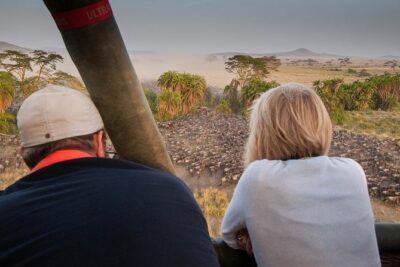
Serengeti Balloon Safari and authentic bush breakfast
Read our review →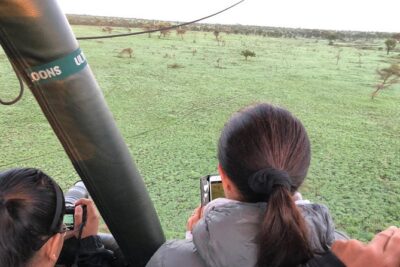
Balloon Safari & Bush Breakfast in Serengeti – Miracle Experience
Read our review →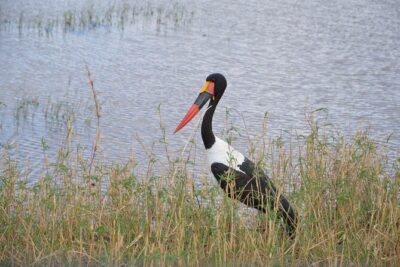
3 Days Serengeti & Ngorongoro Group Camping Safari
Read our review →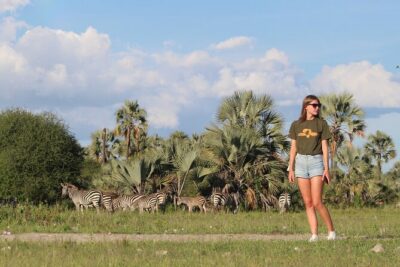
5-Day Highlights mid-Range Crater, Serengeti, Tarangire
Read our review →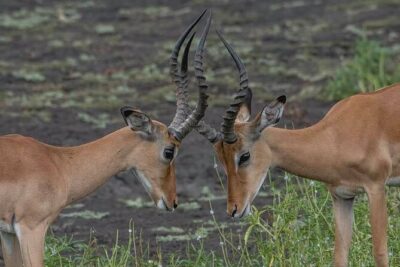
Private 6-Day Tarangire Manyara Crater and Serengeti with Mid-Range Lodges
Read our review →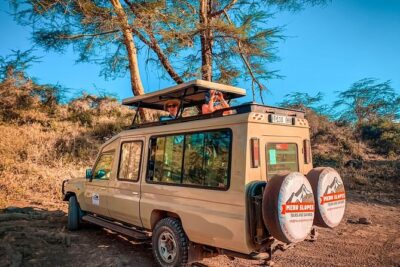
5 Days Camping Tarangire, Serengeti & Ngorongoro crater & Visiting Maasai
Read our review →Browse the lists this tour appears in