
Reviewed · SERENGETI SAFARIS
8 Day Spectacular Migration Serengeti mid -Range Tanzania Safari
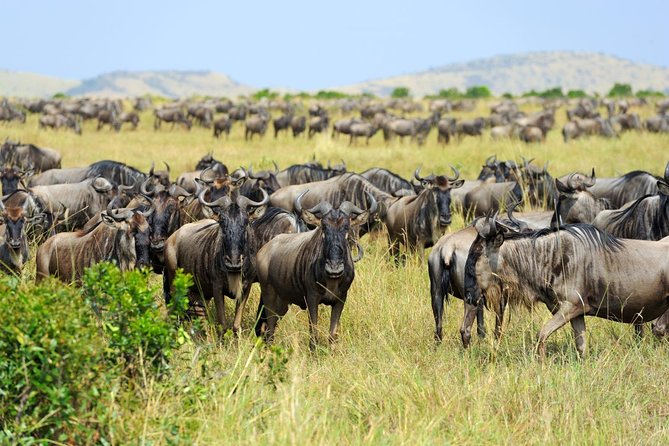
Seeing herds move like weather is unreal. This 8-day Northern Circuit safari is built for convenience and hit-list sights, with Serengeti Migration as the core of the trip. I like how the days are paced so you still get variety, not just endless driving, and I love that you’re set up with practical touches like pickup and direct entry tickets.
Two things I really appreciate here are the value for a full Northern Circuit and the fact you’re not left juggling logistics across multiple parks. One possible drawback to plan for: the migration is always about where the animals are that day, and even though this itinerary targets the northern area, you still need a little flexibility to match the herd.
In This Review
- Key Highlights That Make This Trip Work
- A Northern Tanzania Safari That Actually Feels Efficient
- Arusha Arrival, Pickup, and a Soft Landing at Ilboru Safari Lodge
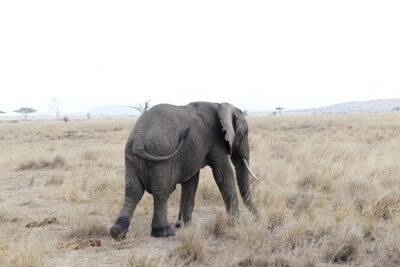
- Tarangire National Park, Elephants by the Tarangire River
- Serengeti Day 1, Entering Through the Cooler Ngorongoro Side
- Migration Days in Northern Serengeti, Watching the Herd Movement
- Mara River Crossing Day, When Predators and Pressure Collide
- Central Serengeti Return, One More Chance at the Big Cats
- Ngorongoro Crater Day, A Volcano World Below the Rim
- Lake Manyara Finish, Birds, Forest Wildlife, and Rift Escarpment Views
- Price and Value, What $4,257 Covers on an 8-Day Safari
- What Makes the Driving Days Work, and How You Get Better Sightings
- Who This Safari Fits Best, and Who Should Think Twice
- Should You Book This Safari with Lion King Adventures?
- FAQ
- How long is the safari?
- What time does the tour start?
- Which parks are included?
- Is the Serengeti migration part of the experience?
- What is included in the price?
- Is the tour private, and what about cancellation?
Key Highlights That Make This Trip Work
- Built around the Great Migration timing, with dedicated northern Serengeti days
- Big cat odds get boosted through smart park sequencing and repeated Serengeti time
- Tarangire adds variety fast, especially elephants clustered by the Tarangire River in dry season
- Ngorongoro Crater is the dramatic reset, with the volcano-walled world below
- Lake Manyara finishes differently, with lake birds and forest wildlife
- Your time in parks is protected, thanks to park fees, tickets, and a professional driver-guide
A Northern Tanzania Safari That Actually Feels Efficient
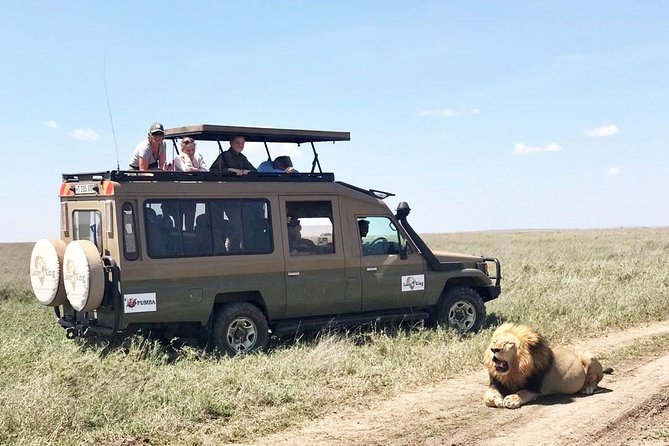
This is the kind of safari where you feel the rhythm almost immediately. You start in Arusha, step into Tarangire for elephant-and-river energy, then move into the Serengeti for the main event. After that, you wrap with Ngorongoro Crater and Lake Manyara so you finish with something new instead of repeating the same scenery.
The big advantage is the balance between “must-see” and “not rushed.” Eight days gives you enough repetition in the Serengeti to improve your odds on wildlife, while still fitting in three distinct park experiences. That matters because safari luck is real, and more time in the right places often beats frantic switching.
And yes, the trip is centered on the wildebeest migration. You’re not just passing through and hoping for the best. You’re there for the movement itself, including the Mara River crossing possibilities.
More Safaris in Arusha
- Balloon Safari & Bush Breakfast in Serengeti – Miracle Experience
★ 5.0 · 1,646 reviews - 4 Days Group Camping Safari
★ 5.0 · 1,101 reviews - 5 Days Group Camping Safari
★ 5.0 · 730 reviews
Arusha Arrival, Pickup, and a Soft Landing at Ilboru Safari Lodge
Your safari starts with an easy-handling arrival day. You’ll be picked up from the airport by a Lion King representative and transferred to your accommodation in Arusha, where you overnight and prepare for the parks.
The stay is at Ilboru Safari Lodge, described as a calm, aesthetic oasis. That kind of first-night comfort is not fluff. After travel day nerves, it helps you sleep, hydrate, and wake up ready to go. It also sets a tone for the rest of the trip: organized, low-stress, and built around getting you into the game drives without hassle.
Tarangire National Park, Elephants by the Tarangire River
Tarangire is one of those parks that makes you immediately understand why people love northern Tanzania. You drive there the next morning, about 2.5 hours on good tarmac roads, which means you’re not starting safari day one with a rough, long slog.
Tarangire is named for the Tarangire River, and the river is crucial in the dry season. It functions as the region’s key water source for wildlife, so you can see animals congregating where survival requires it. That is a safari shortcut. When wildlife bunches around water, sightings become more consistent.
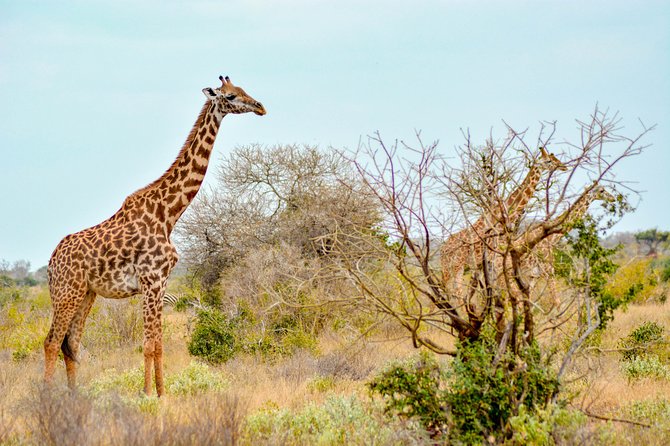
Expect elephants in families near the river, plus giraffes and animals like bushbuck and hartebeest. Predators often show up when the prey does, including lions and leopards. Even if you have seen elephants before, Tarangire’s river focus makes the experience feel different, like watching a daily pattern unfold.
Practical tip: bring a light layer for early morning and keep your camera ready. Tarangire can deliver close, fast action once the herd stops moving.
Serengeti Day 1, Entering Through the Cooler Ngorongoro Side
On the way into the Serengeti, the route gives you a bonus: you can stop to see the Ngorongoro Crater from the Ngorongoro Conservation Area side before continuing into the Serengeti south. That adds a “wow moment” early, without stealing your full safari time.
You’re also driving into the cooler regions on this transfer. That’s not just weather trivia. Cooler temps often make animals more active and can make your game drive more comfortable.
Once you reach the Serengeti, you enter classic open grassland country where wildlife sightings tend to be strong. You can see impalas and buffaloes, and depending on the day, crocodiles and hippos as well. Predators like lions, cheetahs, and leopards are possible, since the Serengeti holds enough prey to support them.
This first Serengeti day is also a smart foundation. You’re learning the area, spotting how the habitat changes, and getting your guide into a spotting rhythm before the migration days.
More Serengeti safaris:
- 3 Days Serengeti & Ngorongoro Group Camping Safari
★ 5.0 · 574 reviews - 5-Day Highlights mid-Range Crater, Serengeti, Tarangire
★ 5.0 · 296 reviews - 3-Day Classic Serengeti Safari
★ 5.0 · 263 reviews - Private 6-Day Tarangire Manyara Crater and Serengeti with Mid-Range Lodges
★ 5.0 · 238 reviews
Migration Days in Northern Serengeti, Watching the Herd Movement
The heart of the trip happens next: dedicated migration time in the northern Serengeti. After breakfast, you drive through the Serengeti toward the north, with stops along the way to experience more wildlife on the route.
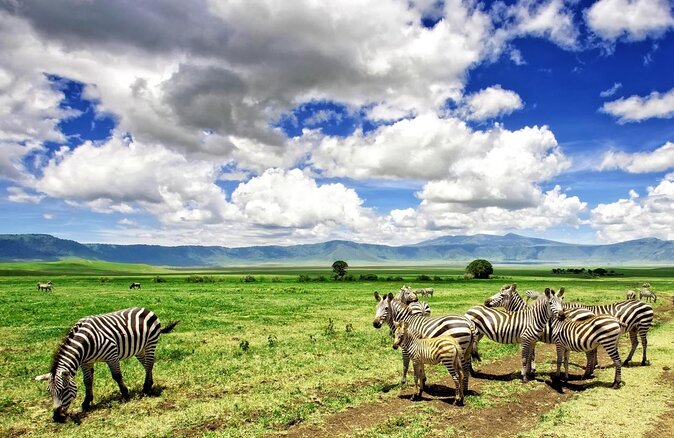
Here’s the key idea: the migration follows an annual pattern, but it’s still a living thing. Wildebeest, zebra, and antelope are always moving to fresh grazing. The itinerary is designed around the reality that the migration can be found in any month, as long as you know where to look.
At this point in the trip, the migration is usually in the Northern Serengeti. That detail matters because the terrain and river systems change the kind of drama you’ll get. Even when you are not seeing the full crossing, you can still see herds feeding, moving along river-adjacent routes, and drawing in predators.
What to expect: more searching than you might do on a routine safari. You’ll want to stay patient during drives, because the moment you see the right herd movement, the day becomes electric.
Mara River Crossing Day, When Predators and Pressure Collide
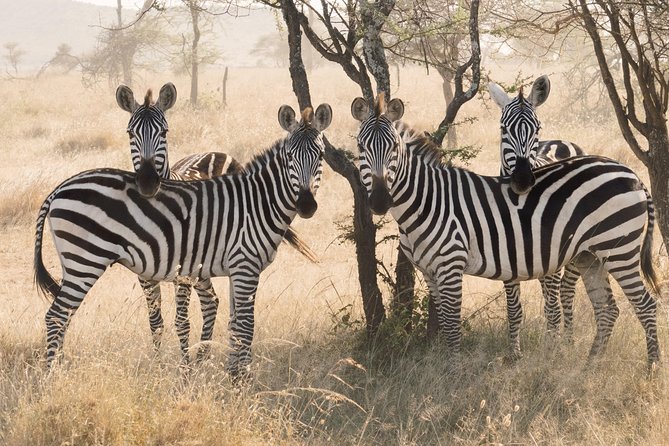
One day later, you’re focused on the Mara River crossing area. This is the kind of safari day people dream about, and it’s also one of the most logistically demanding parts of the migration story.
The Mara River cuts through the region, and that is where the crossing drama unfolds. The data here is intense: over two million wildebeest and hundreds of thousands of zebra and antelope attempt to cross in search of water and grazing. That mass movement creates its own suspense, because the herd does not simply march forward like a parade.
And then come the complications. Nile crocodiles are part of the equation, which ups the tension at the waterline. On the other side, predators like lions, hyenas, leopards, and cheetahs may be waiting. The result is a day where you feel the ecosystem working like a machine.
Even if you do not see every moment of a full crossing, the experience of watching the migration pressure and predator behavior is usually unforgettable. You’ll understand why people talk about this like a natural event, not just an animal sighting.
Camera reality check: you’re in a vehicle and wildlife moves fast. Use burst mode, keep your lens at the ready, and don’t forget to look with your eyes too. The best moments sometimes happen faster than your autofocus.
Central Serengeti Return, One More Chance at the Big Cats
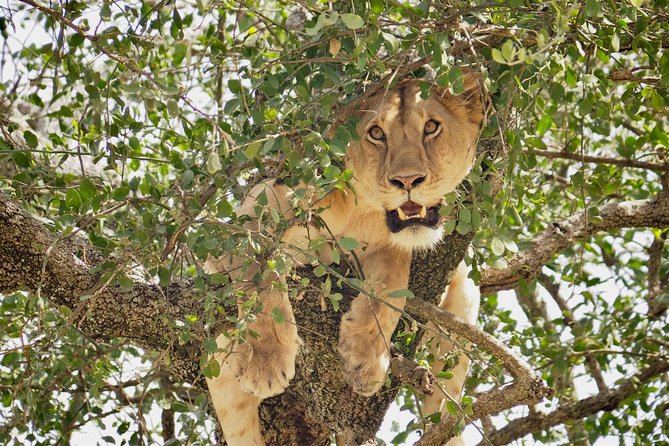
On the next morning, you start returning toward Central Serengeti. This day is slower in the itinerary sense, with an en route game drive as you travel.
This is not filler time. You’re using the return trip to keep hunting for migrating animals. Serengeti has constant variation day to day, and Central Serengeti often delivers its own kind of drama, with predators hunting and herds clustering in different patterns depending on where the grass is strongest.
For many people, this is when the trip turns from “we came for the migration” to “we’re seeing everything the Serengeti does when it’s not performing.” It’s the kind of day that reminds you the Serengeti is not just one event.
Ngorongoro Crater Day, A Volcano World Below the Rim
Ngorongoro Crater is the dramatic reset button. You gently wind back through the Serengeti and Ngorongoro Conservation Area toward the crater, with a chance to spot more animals along the way. The drive typically has an arrival by lunchtime.
When you first see Ngorongoro Crater from above, it can feel like a sealed world. The steep volcanic walls hide savannahs, acacia woodland pockets, and lakes and swamps. The crater exists because a volcano exploded and collapsed about two to three million years ago.
The drive down into the crater is part of the thrill. It’s an actual journey into another scale of wilderness. If you’ve already had big animal moments in Tarangire and Serengeti, this day adds a new kind of awe, because the crater changes how you experience wildlife. Animals look different at this distance and elevation, and the whole area has a contained feel.
Lake Manyara Finish, Birds, Forest Wildlife, and Rift Escarpment Views
The final park is Lake Manyara National Park, about 120 km west of Arusha. Manyara is smaller than the headline parks, and that’s an advantage. You can see more different types of wildlife without spending the whole day chasing distance.
The defining feature is the lake itself, which is shallow and salty. The lake floods and dries with the seasons, and that rhythm shapes the birdlife. You can find thousands of wading birds, including flamingos, plus over 500 other bird species.
Manyara also has thick evergreen forest, and that is where you can spot baboons and elephants. The Rift Escarpment towers over the western boundary, so you get that classic steep-country sense of Tanzania’s geological drama.
This is a good ending day because the feel is different. You go from Serengeti migration intensity to a park where birding and forest wildlife take the spotlight.
Price and Value, What $4,257 Covers on an 8-Day Safari
At $4,257 per person for about 8 days, this sits in a mid-range category that aims to be realistic about what you get. The value is not just the sticker price. It’s how much is included.
Your package includes park fees, all accommodation, and a professional driver-guide. It also covers taxes and VAT. Food coverage is substantial too: breakfast every day (8), lunch (7), and dinner (6). That matters because safari meals can add up quickly if you’re paying à la carte.
It also includes admission tickets through the itinerary, with certain days listed as included and others marked free. Practically, that means fewer payment headaches while you’re on the move. You’re also given direct entry ticket handling intended to help you skip long registration queues at the parks.
Not included are international flights, any extra nights before and after the tour, and tips. So you’re paying for the trip logistics, not the global flight to get there.
If you compare value, ask yourself this: are you paying for a “route,” or are you paying for an organized wildlife experience with repeat time in the Serengeti and the Ngorongoro crater descent? This itinerary is structured to deliver both.
What Makes the Driving Days Work, and How You Get Better Sightings
A safari is partly about where you go and partly about how you get there. The experience here is built around a professional driver-guide who handles the route and timing, so you spend your energy on spotting.
You also get help at the edges: a Lion King representative for airport pickup on Day 1, and start time at 8:30 am. That early start helps you maximize the daylight you can spend in the parks.
From the guiding side, many people emphasize the same practical skill: spotting animals at distance and keeping the vehicle positioned well for sightings. Names that come up in connection with this safari include guides like Joseph, Oswald, Ozzie, Benjamin, Salehe, Jackson, Enock, Lucas, and Geoffrey Wanka. If your guide is anything like the staff praised around these trips, you’re likely to get clear explanations, steady pace, and real effort to match your time to wildlife.
Practical tip: drink water regularly, even when you feel fine. Safari days are longer and drier than you expect.
Who This Safari Fits Best, and Who Should Think Twice
This is a strong fit if you want a Northern Circuit overview without dropping major highlights. You’ll get Tarangire elephants, Serengeti migration focused days, Ngorongoro Crater as a signature geological experience, and Lake Manyara as the different finale.
It’s also a good choice if you want the comfort of organized logistics. Pickup, transport, tickets, accommodation, and meals are all handled in the package.
The main reason someone might hesitate is the migration reliance. Even though the itinerary targets the northern Serengeti and the migration can be found any month with the right knowledge of where to look, wildlife movement is never a timed movie. You should be okay with some uncertainty and willing to spend time searching.
If you’re the type who needs rigid certainty about seeing a specific crossing moment, you may find this more emotional than predictable.
Should You Book This Safari with Lion King Adventures?
I’d book this if your priority is Serengeti migration plus a full Northern Circuit, with convenience baked in. The included accommodations and meal plan, plus park fees and ticket handling, reduce the usual “budget leak” that surprises people on African safaris. And the pacing gives you multiple chances in the Serengeti instead of one rushed hit.
Before you commit, do two simple checks:
- Make sure you’re comfortable with the idea that migration is about location, not a guarantee on a single exact moment.
- Plan for the drives, since this itinerary intentionally strings together several major parks over eight days.
If you like wildlife, can handle a long day now and then, and want a well-run safari structure that’s designed for migration viewing, this one makes a lot of sense.
FAQ
How long is the safari?
It runs for about 8 days.
What time does the tour start?
The meeting time is 8:30 am.
Which parks are included?
You’ll visit Tarangire National Park, Serengeti National Park (including migration-focused days), Ngorongoro Crater, and Lake Manyara National Park.
Is the Serengeti migration part of the experience?
Yes. The itinerary includes migration-focused days in northern Serengeti, including time around the Mara River crossing area.
What is included in the price?
Park fees, all accommodation, a professional driver-guide, taxes and VAT, and meals (breakfast 8 times, lunch 7 times, dinner 6 times) are included.
Is the tour private, and what about cancellation?
It is private, meaning only your group participates. Cancellation is free up to 24 hours in advance for a full refund.
More Safaris from Arusha
- 7-Day Premium Luxury Tanzania Safari All-Inclusive
★ 5.0 · 426 reviews - 8 Days Great Wildebeest Calving Migration Safari from Arusha
★ 5.0 · 254 reviews - Group Safari 7 Days in Tanzania’s Main Parks
★ 5.0 · 240 reviews - 10-Day Serengeti Wildebeest Migration Safari from Arusha
★ 5.0 · 218 reviews
Just posted around Arusha
- 8 Days Serengeti Migration safari★ 5.0 · 11 reviews
- tarangire & ngorongoro 2 days tour★ 5.0 · 14 reviews
- serengeti, ngorongoro & tarangire 4 days private tour★ 5.0 · 18 reviews
- tarangire, ngorongoro & lake manyara park 3 days private tour★ 5.0 · 11 reviews
- climb the KILIMANJARO via Lemosho route★ 5.0 · 4 reviews
- Mt. Kilimanjaro: Shira plateau to Cathedral point 3872m Day hike★ 5.0 · 7 reviews
- serengeti & ngorongoro 3 days private tour★ 5.0 · 15 reviews
- Kilimanjaro Waterfalls Hike & Moshi Hot Springs Day Trip Tour★ 5.0 · 4 reviews
Serengeti Safaris, compared.
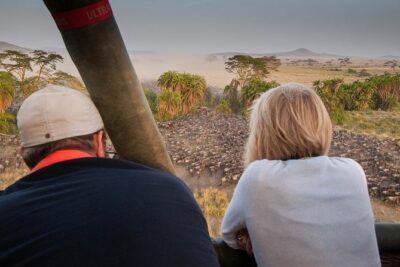
Serengeti Balloon Safari and authentic bush breakfast
Read our review →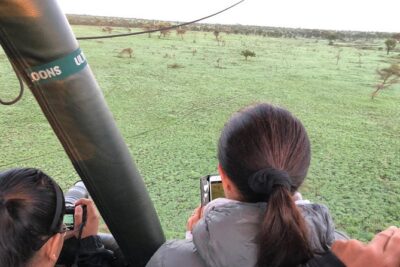
Balloon Safari & Bush Breakfast in Serengeti – Miracle Experience
Read our review →
3 Days Serengeti & Ngorongoro Group Camping Safari
Read our review →
5-Day Highlights mid-Range Crater, Serengeti, Tarangire
Read our review →
Private 6-Day Tarangire Manyara Crater and Serengeti with Mid-Range Lodges
Read our review →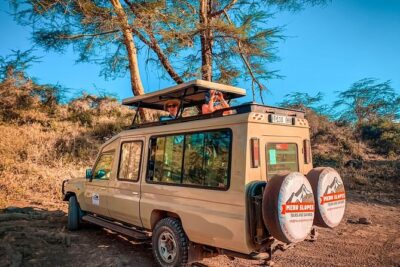
5 Days Camping Tarangire, Serengeti & Ngorongoro crater & Visiting Maasai
Read our review →Browse the lists this tour appears in