
Reviewed · CAMPING SAFARIS
4 Days Group Camping Safari
Wildlife days move fast in Tanzania. This 4-day camping safari strings together Tarangire, Serengeti, and Ngorongoro Crater so you can chase big sightings across three iconic ecosystems, with game drives built into each day.
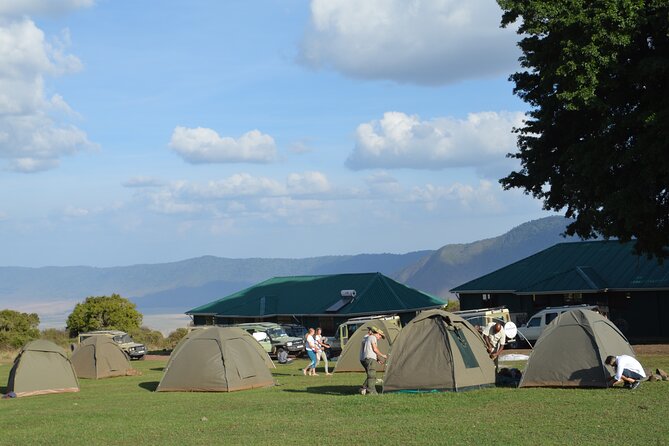
I like the focused attention that comes with a max 6 traveler group, and I also like that skilled guides (like Amir, when you get him) are good at positioning the vehicle for better views, not just driving around. One thing to weigh: the camping setup is basic, and some people find the tents on the snug side, so comfort takes a bit of planning.
Key things I noticed here
- Tarangire’s elephant density plus baobab scenery, then a straightforward afternoon game drive
- Serengeti game drives around Seronera where the river brings wildlife together
- Ngorongoro’s big drop (over 600 meters) for close-in crater wildlife viewing
- Small group format (up to 6), which usually means quicker questions and more guide attention
- Meals and camping equipment included, with food handled by the chef (including cooks like Tito)
In This Review
- Camping Safari in Arusha: How the 4 Days Actually Feel
- Price and Logistics: Is $900 per Person Good Value?
- Small Group Safari: Pickup, Mobile Ticket, and a Better Guide Experience
- Day 1 in Tarangire National Park: Elephants, Baobabs, and a Solid First Drive
- Day 2 in Serengeti: Traveling Through Karatu and Settling Into Seronera
- Day 3 in Serengeti and On to Ngorongoro: The Early Drive Pays Off
- Day 4 at Ngorongoro Crater: Descending Over 600 Meters for Lions, Hyenas, and Leopard Chances
- Camping and Meals: Included Food, Basic Camps, and What to Bring for Comfort
- UNESCO Sites: Why Serengeti and Ngorongoro Matter Beyond the Badge
- Wildlife Game Drives: How the Itinerary Builds Your Sightings
- Who This Safari Fits Best (And Who Might Want to Rethink It)
- Should You Book This 4 Days Group Camping Safari?
- FAQ
- Where does this safari start?
- What parks do you visit?
- How many days is the safari?
- What is the group size limit?
- Is pickup included?
- What is included with the camping safari?
- Are park tickets included?
- What time does the tour operate?
- What if I need to cancel?
- This Tour Review Was Written for Decision-Makers
Camping Safari in Arusha: How the 4 Days Actually Feel
This is the kind of safari that feels efficient without feeling rushed. You base out of Arusha and build your trip around three different parks, so you are not just repeating the same scenery for days. The tradeoff is that you are always on the move, so if you want a slow vacation, this may not be your style.
You also get a classic Tanzania rhythm: coffee early when the animals are active, then a game drive window, then lunch or camp time. When it clicks, you get that best-of-safari mix, broad animal country plus moments that make you stop and stare.
Price and Logistics: Is $900 per Person Good Value?
At $900 per person for about 4 days, the value here is mostly about what is included and where you go. You are paying for: park time across Tarangire, Serengeti, and Ngorongoro Crater, a 4×4 safari vehicle, meals (breakfast, lunch, dinner each day listed), and camping equipment.
That matters because a lot of safaris nickel and dime you once you add things like entry, meals, and transportation. Here, meals and camping gear are included, and the tour is designed as one package, which is easier on your planning brain.
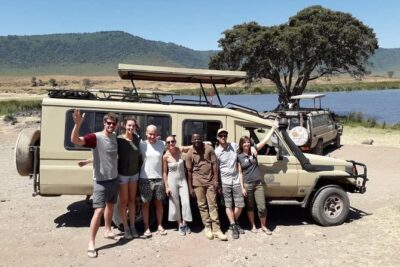
Also note the practical advantage: it is a small group, max 6 travelers. In safari terms, that usually means less waiting, more time with your guide, and more flexibility in how your driver positions you during wildlife spotting.
More Safaris in Arusha
- Balloon Safari & Bush Breakfast in Serengeti – Miracle Experience
★ 5.0 · 1,646 reviews - 5 Days Group Camping Safari
★ 5.0 · 730 reviews - 3 Days Serengeti & Ngorongoro Group Camping Safari
★ 5.0 · 574 reviews
Small Group Safari: Pickup, Mobile Ticket, and a Better Guide Experience
You get pickup offered, and the tour uses a mobile ticket. You also have confirmation at booking, and the tour runs daily during the listed operating window (Monday through Sunday).
Why I care about the small group limit: in bigger groups, you often spend time lining up, switching sides, and trying to see through shoulders. With up to 6 travelers, your guide can spend more time helping you understand what you are looking at and what to watch next.
In the guide department, the experience gets strong marks for finding animals and navigating the parks well. Guides like Amir are specifically praised for skill and for getting the vehicle into good positions. That is the difference between spotting something at a distance and seeing it clearly.
Day 1 in Tarangire National Park: Elephants, Baobabs, and a Solid First Drive
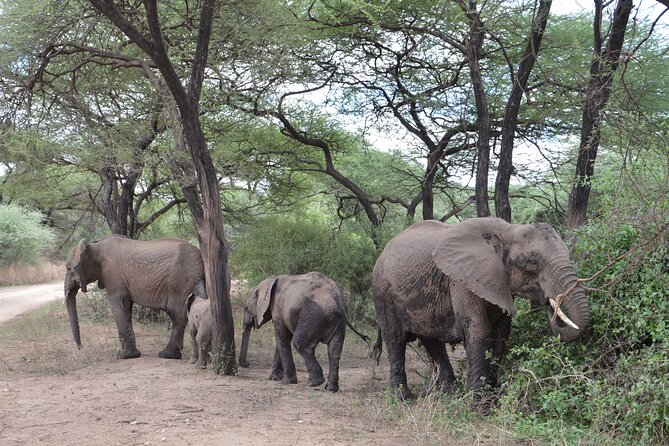
You leave after breakfast, typically between 08:30 and 09:00. Tarangire is where you start building your animal list right away, because the park is famous for high elephant numbers and big baobab trees.
You arrive for lunch at the lodge, then head out for an afternoon game drive. Afternoon can sound like the wrong time if you are thinking only about sunrise action, but in Tarangire the light and animal behavior can still deliver great sightings. Expect lots of plains-country movement and steady animal activity.
What you can reasonably look for includes:
- Large herds of zebra, wildebeest, and Cape buffalo during the June to November dry season
- Common residents like giraffe, dik dik, impala, eland, vervet monkeys, and olive baboons
- Predator possibilities such as lion, leopard, cheetah, and African wild dog
A useful way to think about Tarangire is variety with personality. It is not just another savanna stop. The elephants and the baobabs give you that distinct look you want when you say you went to Tarangire.
Day 2 in Serengeti: Traveling Through Karatu and Settling Into Seronera
After breakfast you travel to Serengeti via the farmland of Karatu and through the Ngorongoro Conservation Area. Then you descend into the Serengeti, with the classic wide plains stretching out as far as you can see.
You aim for lunch and then an afternoon game drive in the Seronera area. Seronera is highlighted as one of the richest wildlife habitats, with the Seronera River acting as a steady water source. When water is reliable, animals gather, and your odds of multiple species in one area improve.
Serengeti is also where you start connecting the dots across the safari. You see how animals use habitat, how predators stalk, and how herbivores respond to water and cover. It is one of those parks where your guide’s ecosystem explanations can turn a car window into a classroom.
The main practical point for you: afternoon in Serengeti can still be very productive, but your schedule is designed to give you a meaningful chunk of time, then reset for the next early start.
More camping safaris from Arusha:
- 2 Days Tarangire and Ngorongoro Group Camping Safari
★ 5.0 · 146 reviews - 6 Days Tanzania Budget Camping Safari
★ 5.0 · 145 reviews - 3 Days Tarangire, Ngorongoro & Lake Manyara Group Camping Safari
★ 5.0 · 102 reviews - 5-Day private Camping Safari Tour in Tanzania
★ 5.0 · 86 reviews
Day 3 in Serengeti and On to Ngorongoro: The Early Drive Pays Off
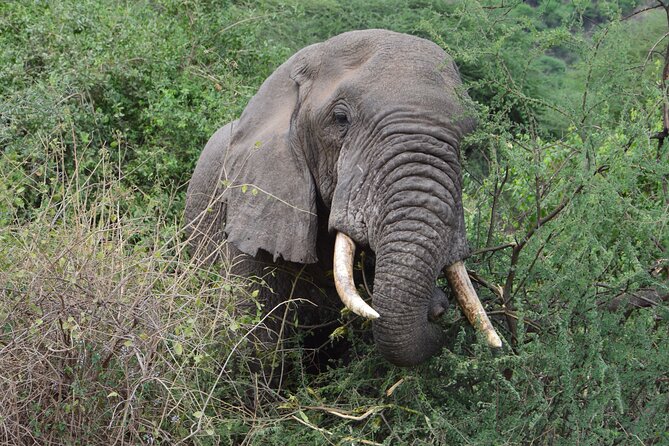
Day 3 starts with early coffee, tea, and biscuits, then you head out with lunch boxes for an early morning game drive. The early drive window is listed as roughly 08:00 to 14:30, which is long enough to catch changes in animal behavior, not just a quick look-and-go.
After that, you depart for the Ngorongoro Conservation Area while enjoying an en route game drive. You arrive for dinner and overnight.
This is where the pacing makes sense. You are not forced to flip parks without time to see. You get one more strong Serengeti window, then you transition toward the crater when you are ready for the biggest “drop-in” day.
If your priority is sightings, the structure is smart: start earlier, stay longer, then move into a new dramatic habitat.
Day 4 at Ngorongoro Crater: Descending Over 600 Meters for Lions, Hyenas, and Leopard Chances
After an early breakfast of coffee, you descend over 600 meters into the crater to view wildlife. The conservation area supports animals year-round thanks to water and fodder, which helps explain why Ngorongoro can feel like a concentrated ecosystem.
You also visit Lake Magadi, described as a large but shallow alkaline lake in the southwestern corner. That spot matters because it anchors the area’s look and can pull in wildlife patterns you might not notice at first glance from outside the crater.
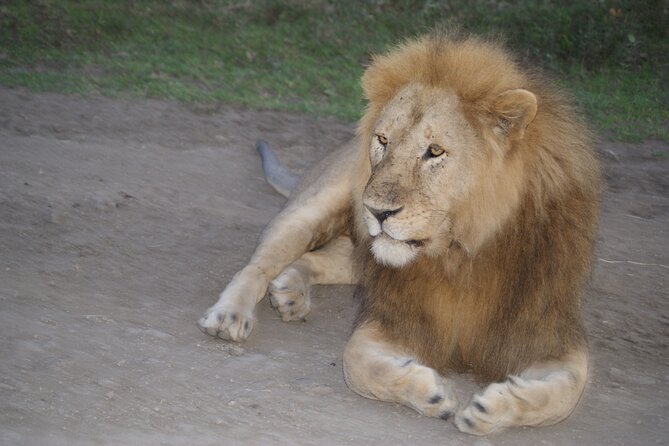
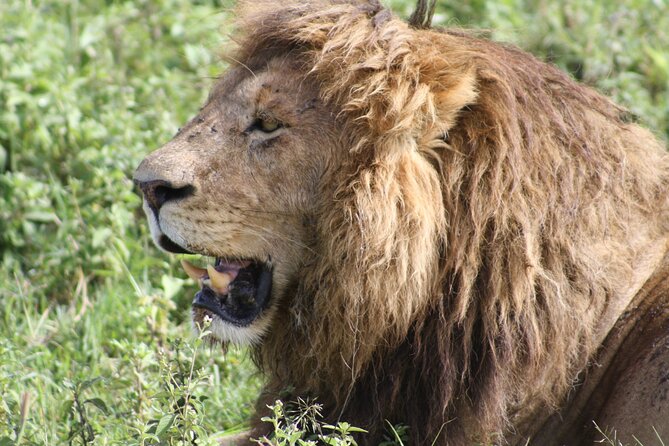
Ngorongoro is also a predator-focused day. You have a chance at lions, hyenas, jackals, cheetahs, and the sometimes elusive leopard, which may require a sharp eye and patience. In my view, that is a good way to manage expectations. You are not being sold a guarantee. You are being taken into high-odds habitat and given the time to scan carefully.
Camping and Meals: Included Food, Basic Camps, and What to Bring for Comfort
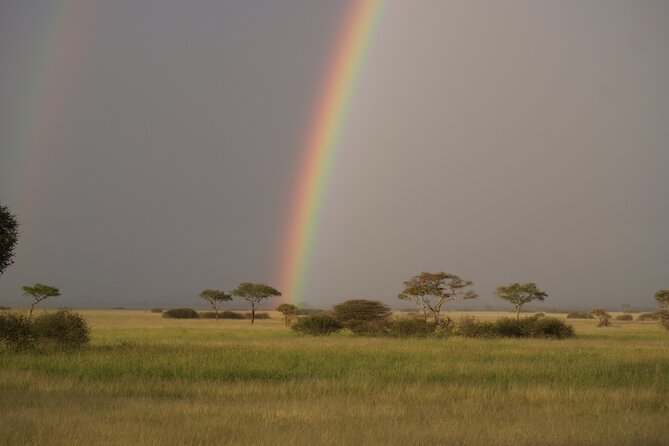
All camping equipment and meals are included: breakfast, lunch, and dinner across the listed days. That is a big quality-of-life win. You are not spending your travel budget on constant restaurant hunting in remote areas.
The camp setup is described as basic but sufficient, with great views from campsites mentioned in feedback. Food quality is also a standout, with the chef credited for doing well each day, including names like Tito. That helps a lot, because safari days are long, and you want meals that keep you fueled.
The one caution is comfort level. Camping here is rough and ready, and at least one person specifically wished tents were larger. If you know you are picky about space, plan like a realist: pack to keep yourself comfortable in a tight tent, not just in a “perfect travel brochure” scenario.
Also, from firsthand practical tips shared in the experience, bring things like towels and sunscreen. Those are easy to overlook when you are thinking only about safari binoculars and camera gear.
UNESCO Sites: Why Serengeti and Ngorongoro Matter Beyond the Badge
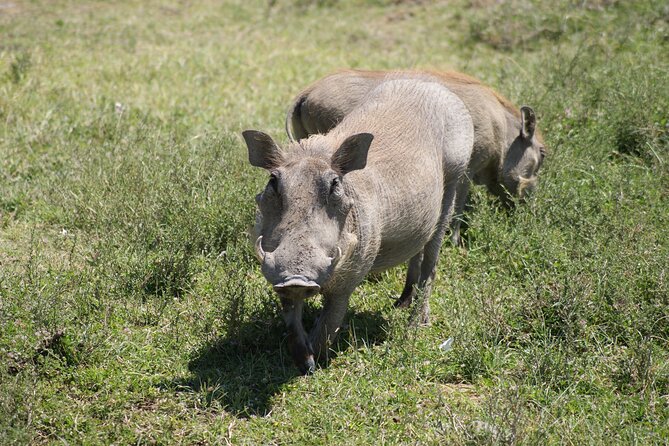
This trip includes two UNESCO World Heritage sites: Serengeti National Park and the Ngorongoro Conservation Area. That matters because both places are recognized for their ecological importance and for the way wildlife systems function at scale.
But you should not think of UNESCO as paperwork. In this itinerary, the UNESCO part shows up as real viewing opportunities:
- Serengeti’s Seronera area gives you water-driven animal concentration
- Ngorongoro’s crater setting creates a natural amphitheater effect for predators and prey
For you as a visitor, it is a straightforward reason to trust that you are going to places designed for wildlife and for long-term conservation, not just a convenient scenic drive.
Wildlife Game Drives: How the Itinerary Builds Your Sightings
The core promise is simple: several game drives across multiple parks, with your goal to see as many animals as possible, including lions, elephants, zebras, giraffes, buffalo, and hippos.
What makes the plan work is the variety:
- Tarangire brings elephants and distinct baobab scenery
- Serengeti brings broad plains and river-connected wildlife zones
- Ngorongoro concentrates wildlife inside a crater with a strong predator presence
Your guide’s job is to connect your time to the animals. Strong driver skill is highlighted in feedback, with praise for maneuvering the 4×4 and for spotting animals effectively. That is not just luck. It is positioning, patience, and knowing where to look next.
One more practical note: hippo sightings are tied to habitat and water. Since hippos are listed among Ngorongoro crater animals, you are at least being guided to the environment where those sightings can happen.
Who This Safari Fits Best (And Who Might Want to Rethink It)
I think this works best for you if:
- You want a focused 4-day sampler across three parks
- You are comfortable with camping basics and long safari days
- You value a small group feel and frequent guide input
- You care about wildlife variety, not just one park
It may not fit if:
- You strongly need roomy accommodations
- You want lots of downtime and a slow pace
- You are hoping for a luxury hotel experience instead of camping
The good news is that the overall tone of the experience is organized, with praise for drivers and cooks. Even if the camp is basic, the days are handled well.
Should You Book This 4 Days Group Camping Safari?
If your top priority is seeing Tanzania’s wildlife highlights in a tight time window, I would book this. The route hits Tarangire, Serengeti, and Ngorongoro, and the schedule supports multiple game drives instead of one long day and a lot of waiting.
I would especially consider it if you like the idea of a small group and a guide who can help you read the habitat, not just spot animals at random. The fact that meals and camping gear are included makes the trip feel more like a single, managed plan rather than a collection of separate logistics.
Just go in with the right camping expectations. Basic can still be enjoyable when the food is good and the wildlife days deliver, but if you expect big, comfy tent space, you might end up wishing for more room.
FAQ
Where does this safari start?
The safari is based in Arusha, Tanzania, and pickup is offered.
What parks do you visit?
You visit Tarangire National Park, Serengeti National Park, and Ngorongoro Crater (Ngorongoro Conservation Area).
How many days is the safari?
The duration is 4 days (approximately).
What is the group size limit?
The tour has a maximum of 6 travelers.
Is pickup included?
Yes, pickup is offered.
What is included with the camping safari?
All camping equipment and meals are included, and the itinerary lists breakfast, lunch, and dinner across the days.
Are park tickets included?
Park entry is listed as free for the Tarangire and Serengeti days, and Ngorongoro Crater admission is listed as included.
What time does the tour operate?
It lists daily availability (Monday through Sunday) during the operating window of 01/07/2025 to 12/31/2025.
What if I need to cancel?
Cancellation is free up to 24 hours in advance for a full refund.
This Tour Review Was Written for Decision-Makers
If you want a solid wildlife hit across three major parks without complicated planning, this is the kind of safari that makes sense. Just pack for basic camping, and keep your eyes scanning during predator search time, especially on Ngorongoro day.
More Safaris from Arusha
- 7-Day Premium Luxury Tanzania Safari All-Inclusive
★ 5.0 · 426 reviews - 3-Day Classic Serengeti Safari
★ 5.0 · 263 reviews - 8 Days Great Wildebeest Calving Migration Safari from Arusha
★ 5.0 · 254 reviews - Group Safari 7 Days in Tanzania’s Main Parks
★ 5.0 · 240 reviews
Just posted around Arusha
- 8 Days Serengeti Migration safari★ 5.0 · 11 reviews
- tarangire & ngorongoro 2 days tour★ 5.0 · 14 reviews
- serengeti, ngorongoro & tarangire 4 days private tour★ 5.0 · 18 reviews
- tarangire, ngorongoro & lake manyara park 3 days private tour★ 5.0 · 11 reviews
- Mt. Kilimanjaro: Shira plateau to Cathedral point 3872m Day hike★ 5.0 · 7 reviews
- serengeti & ngorongoro 3 days private tour★ 5.0 · 15 reviews
- climb the KILIMANJARO via Lemosho route★ 5.0 · 4 reviews
- Kilimanjaro Waterfalls Hike & Moshi Hot Springs Day Trip Tour★ 5.0 · 4 reviews
Camping Safaris, compared.
3 Days Serengeti & Ngorongoro Group Camping Safari
Read our review →
2 Days Tarangire and Ngorongoro Group Camping Safari
Read our review →
3 Days Tarangire, Ngorongoro & Lake Manyara Group Camping Safari
Read our review →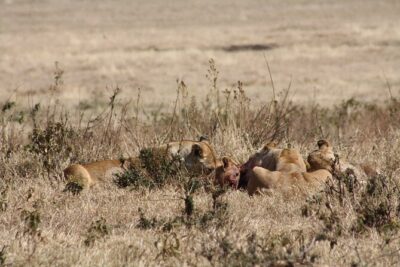
5-Day private Camping Safari Tour in Tanzania
Read our review →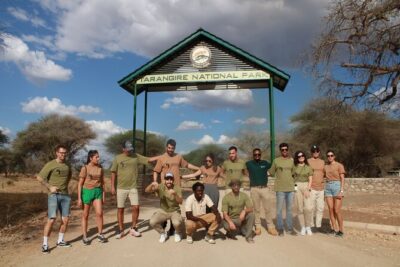
4 Days Group Joining Camping Safari to Tarangire Serengeti Ngorongoro Crater
Read our review →Browse the lists this tour appears in