
Reviewed · CAMPING SAFARIS
5-Day private Camping Safari Tour in Tanzania
One unforgettable circuit: Tarangire, Serengeti, and Ngorongoro. What makes this 5-day private camping safari so appealing is the pace, the private 4×4 flexibility, and the fact you sleep inside the wildlife story with Serengeti campsite nights. Two things I really like: you get multiple serious game-drive blocks (not just a quick look), and the trip is set up as a smooth meal-and-drive rhythm that keeps energy up. One consideration: this is long-day safari driving with early mornings, so if you hate getting up before sunrise, you might find the schedule a bit demanding.
From the start, this kind of safari in northern Tanzania is about getting eyes on animals and building good “road sense,” meaning you learn where to look and why. You’ll likely appreciate the private setup because you can move with your guide’s spotting skills rather than waiting for a mixed group. Still, it’s camping, so comfort level depends on your expectations for nights outdoors and how you handle the day-to-day logistics.
In This Review
- Key highlights I’d plan around
- Why This Private Camping Safari Route Feels Efficient
- Arusha Start Point and Private 4×4 Timing
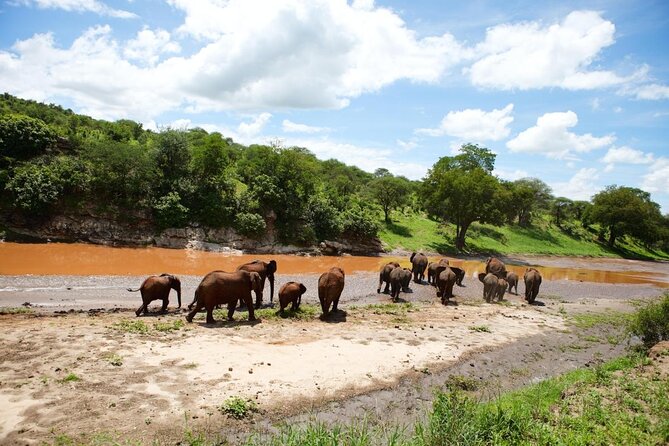
- Day 1 in Tarangire: Elephants, Baobabs, and a Strong First Beat
- Days 2 and 3 in Serengeti: More Hours, Better Chances
- Day 4 Serengeti Morning Drive, Then On to Ngorongoro
- Day 5 Ngorongoro Crater Descent and Lake Magadi
- Camping Safari Comfort, Meals, and How to Pack Smarter
- Guides You Can Thank: Rocky, Gordon, Mandela, and More
- Price and Value: What $2,300 Buys You
- Who This Safari Fits Best
- Should You Book This 5-Day Private Camping Safari?
- FAQ
- Where does the safari start?
- How long is the safari?
- How much does it cost?
- Is this a private safari?
- What parks are included?
- What is included in the price?
- What is not included?
- What time do we start on Day 1?
- Where do you sleep during the Serengeti portion?
- Is cancellation free?
- Do I need a physical ticket?
Key highlights I’d plan around
- Tarangire first for elephants and baobabs, a great warm-up before Serengeti.
- Serengeti game-drive time that builds over Day 2 and Day 3, plus an early start on Day 4.
- Ngorongoro crater descent of 600+ meters for dense wildlife viewing from the crater floor.
- Campsite nights in Serengeti (Seronera Campsite), which keeps drives efficient.
- Guides and food matter, with multiple travelers praising guides like Rocky and Mandela and chefs including James for consistently strong meals.
Why This Private Camping Safari Route Feels Efficient
This itinerary is built like a loop that minimizes backtracking. You start in Arusha, roll into Tarangire, then spend two days in Serengeti, and finish with the dramatic wildlife bowl of Ngorongoro. That order makes sense because it helps you “ramp up” from one park’s signature look to the big Serengeti experience, then end with the crater’s concentration of animals.
You’re also not stuck doing one short drive per day. The schedule includes full-day safari time in Serengeti and another long game-drive rhythm before Ngorongoro. That matters because wildlife isn’t on your timetable. More hours on the road, when paired with a good guide, gives you more chances to find active predators, feeding herds, and the animals that show up when the light changes.
One more practical point: the trip runs as a private tour, meaning your group’s vehicle and guide are for you. That reduces the “hurry up and wait” feeling you get with larger mixed groups, especially during popular sightings.
More Safaris in Arusha
- Balloon Safari & Bush Breakfast in Serengeti – Miracle Experience
★ 5.0 · 1,646 reviews - 4 Days Group Camping Safari
★ 5.0 · 1,101 reviews - 5 Days Group Camping Safari
★ 5.0 · 730 reviews
Arusha Start Point and Private 4×4 Timing
You’ll begin at AIM Mall, Mbauda Arusha, Tanzania 3424. The tour is listed as running daily, and the operator notes the pickup timing for Day 1 between 08:30 and 09:00 after breakfast. That’s a fairly standard safari start, and it’s useful if you’re trying to plan your Arusha arrival the day before.
Once you’re on the move, private 4×4 driving is a big part of the value here. It means your guide can adjust the route and time spent in areas based on what’s happening that morning. On a wildlife safari, those small choices can be the difference between a herd you just glimpse and a herd you watch long enough to see feeding behavior, calves, or the moment predators start moving.
Also note the operational side of the experience. You’ll receive a mobile ticket, and your group stays together as a private party. That helps you avoid confusion when you reach parks and campsites.
Day 1 in Tarangire: Elephants, Baobabs, and a Strong First Beat
Tarangire is a smart opener. The park is famous for high-density elephants and massive baobab trees, and it’s the kind of place that gives you an instant safari “wow.” After breakfast, you depart between 08:30 and 09:00 with your private guide, then you arrive at the lodge for lunch and enjoy an afternoon game drive.
This timing is great for two reasons. First, it gets you out early enough to still catch active animal movement. Second, you ease into the week with an afternoon drive instead of forcing a full long day right out of the gate.
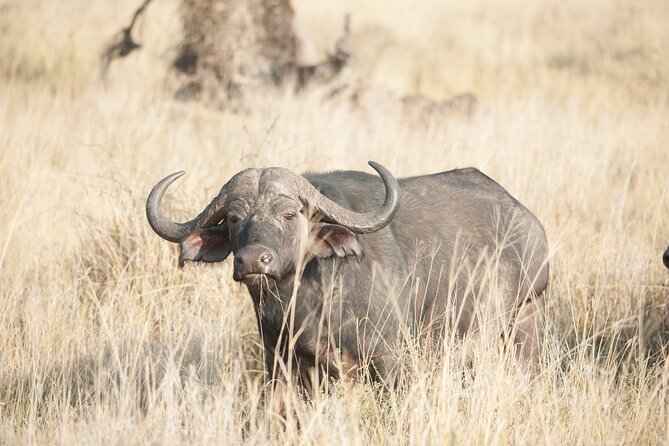
What you can look for in Tarangire includes zebras, wildebeest, cape buffalo, and the steady parade of smaller antelope like impala and dik dik. The park also lists giraffe and vervet monkeys, plus residents such as Grant’s gazelle and olive baboon. Predators that could appear include lion, leopard, cheetah, and even rarer sightings like African wild dog, plus caracal and honey badger.
A practical tip for your photography mindset: Tarangire’s baobabs create strong foreground framing. If you’re a photo traveler, plan to slow down when you spot those classic trees, because they’re often near animal trails and watering activity.
Days 2 and 3 in Serengeti: More Hours, Better Chances
Serengeti is where the safari story really ramps up. Day 2 starts after early breakfast with a drive into Serengeti via the Ngorongoro Conservation Area, plus a picnic lunch during the drive. You’ll then enjoy game driving and finish the day with dinner and overnight at Seronera Campsite.
Day 3 builds on that with a full day game drive. You start with early breakfast, head out for a full-day wildlife search with picnic lunch, then take time back at camp for dinner and overnight at Seronera Campsite again. In other words, this isn’t one-and-done Serengeti. It’s two focused days, and that’s exactly how you increase your odds for big predator moments and the full range of animal behavior.
What’s valuable here is not just “more driving.” It’s the way you can learn the area in between drives. With two days and campsite nights in the Serengeti, you’re not constantly changing bases. Your guide can also work the roads with a sense of pattern, rather than treating the park like a checklist.
For planning your expectations: your best animal sightings often depend on timing, weather, and where animals choose to move. The schedule gives you enough airtime for those changes to happen.
More camping safaris from Arusha:
- 3 Days Serengeti & Ngorongoro Group Camping Safari
★ 5.0 · 574 reviews - 2 Days Tarangire and Ngorongoro Group Camping Safari
★ 5.0 · 146 reviews - 6 Days Tanzania Budget Camping Safari
★ 5.0 · 145 reviews - 3 Days Tarangire, Ngorongoro & Lake Manyara Group Camping Safari
★ 5.0 · 102 reviews
Day 4 Serengeti Morning Drive, Then On to Ngorongoro
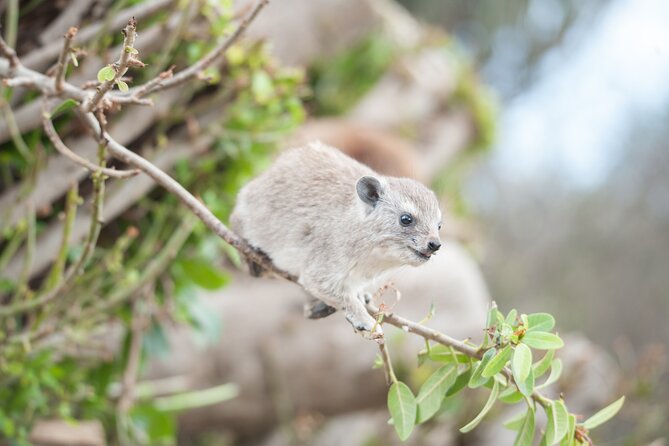
Day 4 has two major movements: an early Serengeti push, then a transfer to Ngorongoro with wildlife viewing en route. You start with early morning coffee, tea, and biscuits, then set out with lunch boxes for an early game drive between 08:00 and 14:30. After that, you depart to the Ngorongoro Conservation Area while enjoying an en route game drive, then you have dinner and overnight where you’ll base for the crater experience.
That early drive window is key. The morning is often when animals are most active, and it’s also when light is kinder for spotting and photography. Then the afternoon transfer time still includes game driving, so you don’t lose the day completely to transit.
One possible drawback to be aware of on Day 4 is fatigue. It’s a packed day, with a long morning drive plus relocation. If you’re the type who gets grumpy when you’re behind schedule, plan to keep your mindset flexible. This is a “maximize wildlife time” itinerary, and that comes with long stretches in the vehicle.
Day 5 Ngorongoro Crater Descent and Lake Magadi
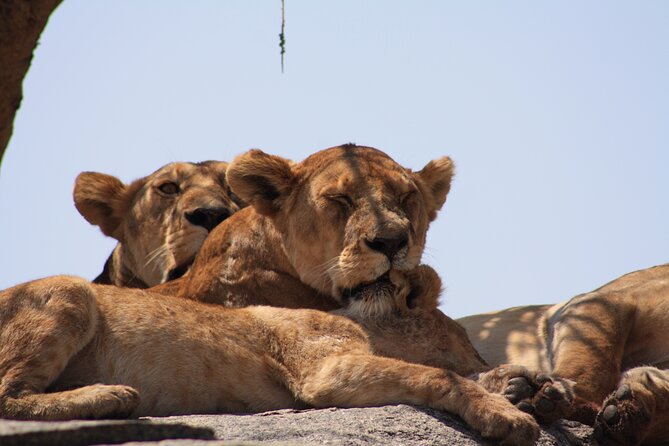
Ngorongoro is the grand finale for good reason. You’ll have an early breakfast of coffee and then descend into the crater, over 600 meters, to view wildlife. The crater is described as being supported by year-round water supply and fodder, which helps explain why you can see a lot of animal activity in a relatively concentrated area.
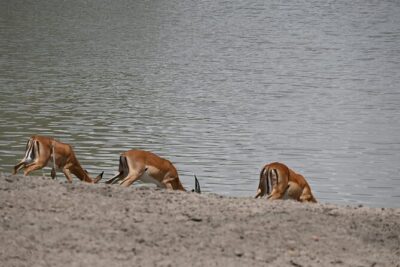
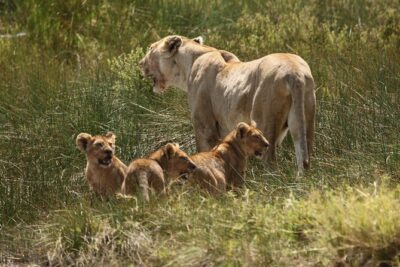
The list of animals you can expect is broad: wildebeest herds, zebra, buffalo, eland, warthog, hippo, and giant African elephants. And this is where predator watching becomes part of the fun. The crater is said to have dense predator presence, including lions, hyenas, jackals, cheetahs, and the elusive leopard, which sometimes takes patience and a trained eye to spot.
You’ll also visit Lake Magadi, described as a large but shallow alkaline lake in the southwestern corner of the crater. It’s one of the crater’s main scenic features, and it gives you a nice change of pace from pure spotting.
Photography tip for crater day: your opportunities are strongest when you’re ready to move quickly between viewpoints. Don’t overthink shot planning. Instead, keep your camera accessible and trust your guide to stop where the action is.
Camping Safari Comfort, Meals, and How to Pack Smarter
This tour is a camping safari, and the big question is always: is it comfortable enough for you? The included meals are a strong sign that you won’t be stuck with basic, low-energy food. Your itinerary lists breakfast (4), lunch (5), and dinner (4). That’s a lot of scheduled meals across long driving days, and multiple people have praised the quality of the food, with mentions of hot meals and daily variety.
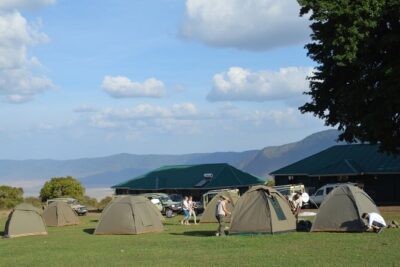
You should still go in with camping expectations. Even when camps are well run, you’re sleeping outdoors, and conditions can shift. Plan for warm layers for early morning and a little weather protection for the game drives.
What helps most is packing for the reality of wildlife time. Bring a hat for sun, a light rain layer if the forecast turns, and something for dust. You’ll also appreciate having a small day bag for water and essentials, because you won’t want to keep fishing through luggage when your guide calls for a stop.
If you’re a repeat safari traveler, you’ll notice the rhythm here supports comfort. The plan includes breaks, early refreshment (coffee and biscuits on Day 4), and consistent meals to keep you steady through the long hours.
Guides You Can Thank: Rocky, Gordon, Mandela, and More
In a private safari, the guide is the star. This is backed up by the strongest recurring praise across different guide names. People specifically highlighted guides like Rocky, Gordon, Mandela, and Golden for spotting animals and explaining what you’re seeing. The pattern is clear: good guiding is not just finding animals, it’s helping you understand behavior and the “why” behind the sightings.
There are also mentions of specific staff roles beyond the driver. One traveler praised James as chef, another noted a focus on food quality and care. You also see additional names like Baraka, Fredy, Johnny, and Dennis tied to service and guiding. Even if you don’t get the same person, that mix suggests the operator leans on a team model where guiding and camp support are both taken seriously.
What does this mean for you on the ground? It means you should feel encouraged to ask questions. If you want to see something specific, the best results usually come from communicating it early. This kind of safari performs best when you and your guide treat every stop as a joint effort.
Price and Value: What $2,300 Buys You
At $2,300 per person, this is not a budget safari. But it’s also not vague. Your money goes toward a private vehicle, multiple park days, and the full safari circuit across three major areas: Tarangire, Serengeti, and Ngorongoro.
One value signal is the way the schedule shows Admission Ticket Free for each day. While you should confirm what’s covered in writing at booking, the structure suggests park entry costs are handled as part of the package. That matters because park fees can turn a cheap-looking trip into a not-so-cheap reality.
Another value signal is how the itinerary uses time. You have two days in Serengeti, not one. You have a full-day style game drive on Day 3. You also have the crater day that includes a major descent plus Lake Magadi. For a wildlife-focused trip, time in the vehicle matters, and this one spends it.
Your listed exclusions are airport and departure tax. So if you’re doing your own flights and transfers, budget for that separately. Otherwise, the included meal plan helps protect value by reducing surprise costs.
Who This Safari Fits Best
This safari is a great match if you want a classic northern Tanzania wildlife route with enough time to matter. It’s also a good fit for couples, small groups, and families who want a private experience and don’t want to feel rushed.
If you love animals and photography, you’ll like the mix of habitats. Tarangire has that elephant and baobab identity. Serengeti is about big-game movement and predator dynamics. Ngorongoro is a crater concentration zone with a chance at dense wildlife in a single day.
What about people who might rethink it? If you’re extremely sensitive to camping conditions, or you hate early mornings and long vehicle days, you might prefer a version with more comfort upgrades. The schedule is real, and your body needs to be ready for it.
Still, many travelers choose camping precisely because it keeps the trip authentic and immersive in the day-to-day flow. You’re not just touring parks, you’re living the safari rhythm.
Should You Book This 5-Day Private Camping Safari?
I’d book this if you want a straightforward wildlife circuit with private 4×4 time, strong meal planning, and enough hours in the parks to give sightings a chance. The itinerary structure also makes sense: start with Tarangire to build momentum, give Serengeti two full days, then end with the crater for concentrated wildlife viewing.
Before you book, do a quick reality check. Confirm what your camping setup includes and what the nighttime conditions typically feel like for you. Also confirm how your total trip cost handles park entry and what sits outside the package, since the only listed exclusion is airport or departure tax.
Finally, if you care about spotting and explanations, message the operator about your preferences early. With guides like Rocky, Gordon, and Mandela earning praise for finding wildlife and sharing context, the guide match can make your safari feel personal instead of generic.
If that sounds like your kind of trip, this is a strong choice.
FAQ
Where does the safari start?
The tour start point is AIM Mall, Mbauda Arusha, Tanzania 3424. The activity ends back at the same meeting point.
How long is the safari?
The duration is listed as 5 days (approx.).
How much does it cost?
The price is $2,300.00 per person.
Is this a private safari?
Yes. It’s listed as a private tour/activity, meaning only your group participates.
What parks are included?
The itinerary lists Tarangire National Park, Serengeti National Park, and the Ngorongoro Conservation Area (including the crater).
What is included in the price?
Included meals are listed as breakfast (4), lunch (5), and dinner (4). The schedule also notes Admission Ticket Free for the park days.
What is not included?
The tour notes Airport/Departure Tax as not included.
What time do we start on Day 1?
Day 1 departs after breakfast between 08:30 and 09:00.
Where do you sleep during the Serengeti portion?
You have dinner and overnight at Seronera Campsite during the Serengeti days (Day 2 and Day 3).
Is cancellation free?
Yes, it’s listed as free cancellation. You can cancel up to 24 hours in advance for a full refund.
Do I need a physical ticket?
No. The tour uses a mobile ticket.
More Safaris from Arusha
- 7-Day Premium Luxury Tanzania Safari All-Inclusive
★ 5.0 · 426 reviews - 3-Day Classic Serengeti Safari
★ 5.0 · 263 reviews - 8 Days Great Wildebeest Calving Migration Safari from Arusha
★ 5.0 · 254 reviews - Group Safari 7 Days in Tanzania’s Main Parks
★ 5.0 · 240 reviews
Just posted around Arusha
- 8 Days Serengeti Migration safari★ 5.0 · 11 reviews
- tarangire & ngorongoro 2 days tour★ 5.0 · 14 reviews
- serengeti, ngorongoro & tarangire 4 days private tour★ 5.0 · 18 reviews
- tarangire, ngorongoro & lake manyara park 3 days private tour★ 5.0 · 11 reviews
- Mt. Kilimanjaro: Shira plateau to Cathedral point 3872m Day hike★ 5.0 · 7 reviews
- serengeti & ngorongoro 3 days private tour★ 5.0 · 15 reviews
- climb the KILIMANJARO via Lemosho route★ 5.0 · 4 reviews
- Kilimanjaro Waterfalls Hike & Moshi Hot Springs Day Trip Tour★ 5.0 · 4 reviews
Camping Safaris, compared.
3 Days Serengeti & Ngorongoro Group Camping Safari
Read our review →
2 Days Tarangire and Ngorongoro Group Camping Safari
Read our review →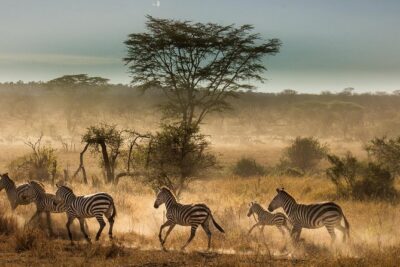
3 Days Tarangire, Ngorongoro & Lake Manyara Group Camping Safari
Read our review →
4 Days Group Joining Camping Safari to Tarangire Serengeti Ngorongoro Crater
Read our review →Browse the lists this tour appears in