
Reviewed · SERENGETI SAFARIS
4 Days Join Group tour Tarangire Serengeti and Ngorongoro crater
A safari that hits three icons fast feels like cheating. This 4-day route links Tarangire, Serengeti, and Ngorongoro Crater with game drives each day plus round-trip hotel or airport transport from Arusha. I especially like the small max-6 setup, and I love that meals and accommodation are handled as part of the plan. One thing to consider: you’ll want an early start rhythm, and the guide is typically English only.
The best part is how the trip is structured to keep your days productive, not just scenic. You’re moving through elephant country, then the endless-plains vibe of the Serengeti, then ending with the crater’s intense wildlife density. At $1,090 per person, it’s not a budget safari, but you’re paying for the guide, park time, and four nights of lodging, which makes your overall costs easier to predict.
One practical note from real safari advice: bring a warm layer even in December, and plan for power quirks in the vehicle (USB may not work). Guides like Eddie and Halid get called out for being friendly and packed with answers, which makes a big difference when you’re trying to spot animals quickly.
In This Review
- Key things I’d plan for
- Why this Tarangire to Serengeti to Ngorongoro route works in 4 days
- Day 1 in Tarangire: elephants at the waterless riverbed
- Day 2 Serengeti: highland farming, Ngorongoro views, then big-plains settling
- Day 3 Serengeti game drive, then sleep at Simba campsite on the crater edge
- Day 4 Ngorongoro Crater dawn, then the drive down into UNESCO country
- Your guide, small-group setup, and what makes spotting easier
- Price and value: what $1,090 includes, and what you should budget for
- Accommodation style: camping nights that feel like part of the safari
- Packing tips that actually matter for this route
- Who this safari suits best, and who should think twice
- Should you book this 4-day safari?
- FAQ
- What parks are included in this 4-day safari?
- Where does the tour start and end?
- Is pickup from the hotel or airport included?
- How large is the group?
- What kind of accommodation is included?
- Are meals included?
- What about Wi-Fi during the safari?
- Is the tour vegetarian-friendly?
- What is included in the price, and what is not?
- Can I see the Big Five?
- What is the cancellation window?
Key things I’d plan for
- Small-group jeeps (max 6 travelers) for a more personal feel on drives
- Three parks in four days, with sleepouts at Sun Bright campsite and Simba campsite
- Crater morning payoff at Ngorongoro, including a sunrise view and a descent into the caldera
- Meals and lodging included as per the itinerary, so you’re not chasing extra bills
- Free Wi-Fi in the safari jeep, handy for check-ins during long drives
- Bring a warm layer and the right power adapter, based on on-the-ground tips
Why this Tarangire to Serengeti to Ngorongoro route works in 4 days
If you only have a few days in Tanzania, this is the kind of itinerary that makes sense. Tarangire gives you elephants and dry-season drama, Serengeti gives you wide-open wildlife viewing, and Ngorongoro Crater stacks animals into one breathtaking bowl. You also get round-trip transport from Arusha, with pickup offered, so you’re not trying to coordinate separate transfers.
I like that the pacing is built around prime wildlife hours. Each day starts early enough that you’re not burning time after the animals have already decided where to be. By the time you reach Ngorongoro, you’re warmed up for crater viewing, not still learning how safari days run.
The tour is positioned as a private experience with a small group limit. In practice, that usually means less crowding than the big cattle-truck safaris. You’ll still be in a safari jeep for long stretches, but it’s easier to ask questions and to have the guide help you read what you’re seeing.
More Tarangire safaris:
- 5-Day Highlights mid-Range Crater, Serengeti, Tarangire
★ 5.0 · 296 reviews - Private 6-Day Tarangire Manyara Crater and Serengeti with Mid-Range Lodges
★ 5.0 · 238 reviews - 5 Days Camping Tarangire, Serengeti & Ngorongoro crater & Visiting Maasai
★ 5.0 · 229 reviews
Day 1 in Tarangire: elephants at the waterless riverbed
Tarangire National Park is the warm-up act that often steals the show. After an early breakfast, you head out for a full day game drive with picnic lunches during the drive. You spend the night at Sun Bright campsite, so you’re not constantly moving hotel to hotel.
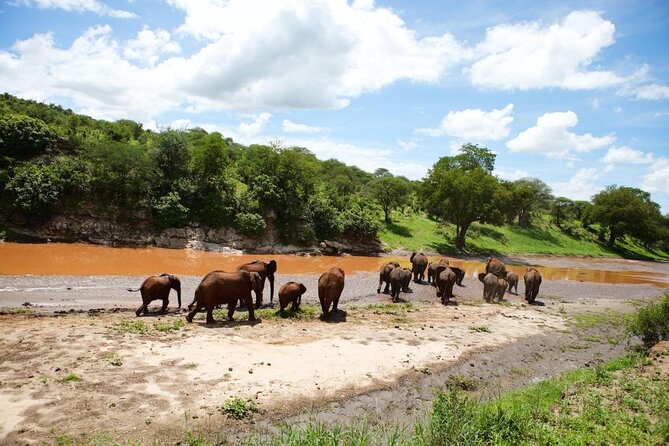
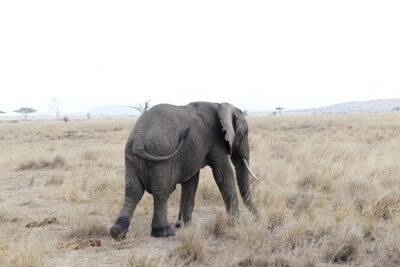
What I find compelling about Tarangire is how it concentrates wildlife around what water is available. The park is known for herds of elephants that can gather at a waterless riverbed during dry periods, scraping for alternative streams. That detail matters for your expectations: you’re not just looking for random sightings. You’re watching animals use the same survival geography again and again.
You’ll also have a chance at the broader Tarangire cast, including zebra, buffalo, impala, gazelle, hartebeest, and eland. The park is also linked with dry-country antelope like fringe-eared oryx and gerenuk, which can feel special because they’re not what everyone expects on a first Tanzania trip.
The downside? Tarangire can be cooler than you think in the morning, and you’re likely to be in and out of the jeep at stops. Plan to dress in layers. From on-the-ground safari advice, even if it’s December, bring something warm.
Day 2 Serengeti: highland farming, Ngorongoro views, then big-plains settling
Day 2 starts with travel and transitions into the Serengeti experience by late evening. After breakfast, you head toward the fertile highlands where Iraqw people grow crops like wheat, coffee, and corn. This is a good reminder that Tanzania’s wildlife story is part of a living human landscape too, not just a film set.
As you pass through the Ngorongoro Conservation Area, you get a chance to see the Ngorongoro Caldera expanse before moving onward to Serengeti National Park. That viewpoint moment is more than a photo stop. It helps you understand what you’ll be doing the next day, because Serengeti and Ngorongoro sit in the same larger system of ridges and plains.
By late evening, you reach Serengeti and set up for the next day’s game drive. This is also when a small-group advantage shows up. When the day ends, it’s easier to have your guide point out what to keep an eye on in the morning, like where lions might be hunting or where grazers tend to bunch.
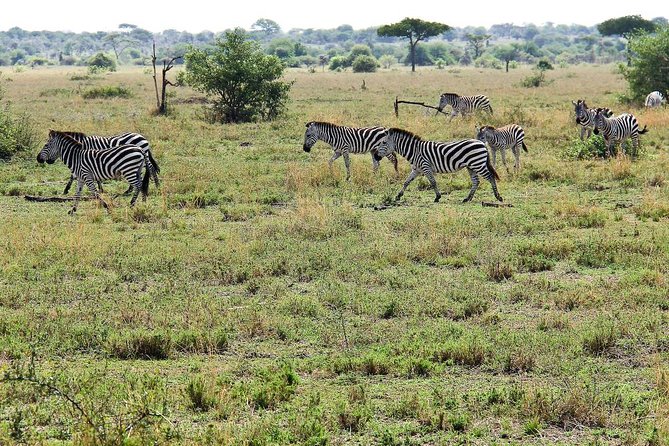
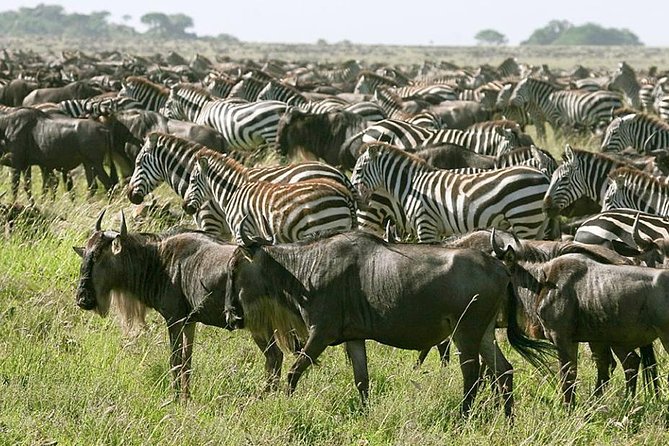
What to watch for in Serengeti: the “endless plain” feeling of the area called Serengeti, often described as endless plains in Maa, the tongue of the Maasai. Even without perfect sightings, you’ll get a sense of scale. And when the animals appear, you’re ready for the long-distance spotting that makes Serengeti so addictive.
Day 3 Serengeti game drive, then sleep at Simba campsite on the crater edge
Day 3 is built for maximum wildlife time. After an early coffee, you go out for a game drive in Serengeti. The itinerary notes that you might be able to spot the Big Five, meaning lion, elephant, buffalo, rhino, and leopard. I like how this is framed: it’s not guaranteed, but your chances depend on timing and animal movement, and you’re giving yourself the time and guidance to look.
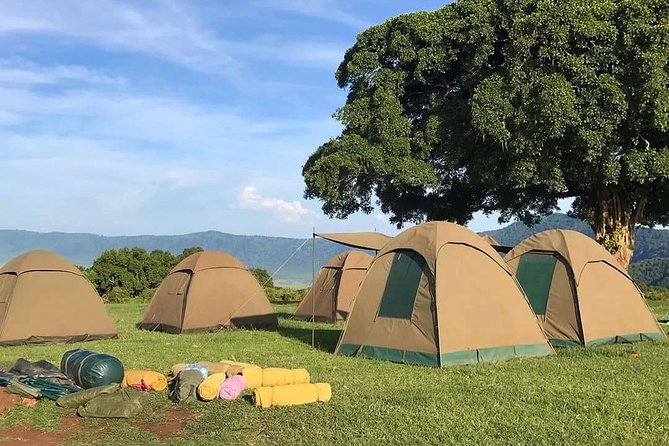
Then comes the shift from Serengeti plains to crater country. You travel onward toward the Ngorongoro Crater edge, and you don’t just pass through. You spend the night at Simba campsite, right on the crater’s edge. That matters because you get the crater morning without rushing across the region.
When you sleep this close, the next day’s sunrise feels like part of the plan, not an optional add-on. You’ll wake up with the crater already on your mind. The orange glow of sunset is mentioned in the itinerary, and in practice that kind of setting is exactly what makes crater sleepouts feel worth the effort.
More Serengeti safaris:
- Balloon Safari & Bush Breakfast in Serengeti – Miracle Experience
★ 5.0 · 1,646 reviews - 3 Days Serengeti & Ngorongoro Group Camping Safari
★ 5.0 · 574 reviews - 3-Day Classic Serengeti Safari
★ 5.0 · 263 reviews - 10-Day Serengeti Wildebeest Migration Safari from Arusha
★ 5.0 · 218 reviews
Day 4 Ngorongoro Crater dawn, then the drive down into UNESCO country
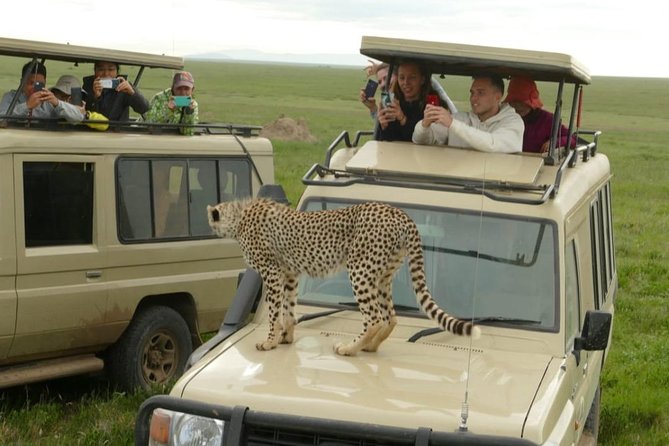
Ngorongoro Crater is the finish line. You start with early risers rewarded by views of sunrise over the crater edge. After breakfast, you drive down the track into the crater for the main viewing.
This is a UNESCO World Heritage Site, and the itinerary shares the key stats that help you grasp why wildlife is so concentrated: the crater is about 610 m deep and covers roughly 260 square kilometers. With a dense animal population estimated around 25,000, you’re not just hoping for sightings. You’re entering a high-density ecosystem where animals are easier to find in a single day.
You can also think about the viewing mechanics. In a crater like this, animals often move in predictable ways during the day, and shade, water sources, and grazing patterns pull different species into view. That’s why Ngorongoro is often considered the best game viewing option in Tanzania, and why the itinerary schedules it as your final day after you’ve already built safari momentum.
At the end, you head back to Arusha and end at the meeting point. It’s the kind of itinerary where you feel like you’ve done three different safaris in one, without giving up a day to logistics.
Your guide, small-group setup, and what makes spotting easier
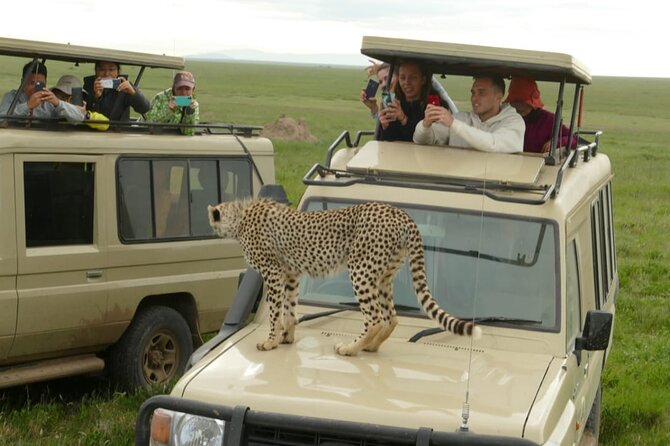
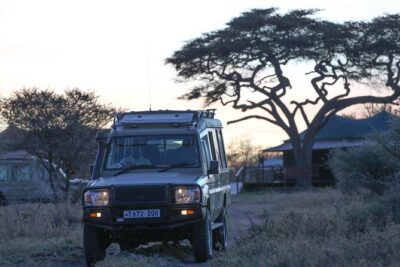
You get a professional guide throughout, and the group size has a max of six travelers, which is a big deal when you’re trying to see wildlife in real time. When fewer people are in the jeep, the guide can reposition faster and talk more precisely about what you’re looking at.
One detail that stands out from on-the-ground safari tips is asking for specific guide names if they’re available. Eddie and Halid get mentioned for being friendly and highly informative, with a knack for giving useful context about what you’re passing and seeing. That matters because wildlife spotting is half patience and half interpretation. The guide’s job is to turn a blurry shape into an actual animal, and a moment into an understanding of behavior.
Language is another practical consideration. A clear note from safari feedback is that there may not be a French-speaking guide, with English as the main language. If you need another language, ask before you book.
You’ll also have free Wi-Fi inside the safari jeep during the safari. It won’t replace the wow moments, but it’s helpful for keeping plans straight, checking messages, or sharing a quick update when reception allows.
Price and value: what $1,090 includes, and what you should budget for
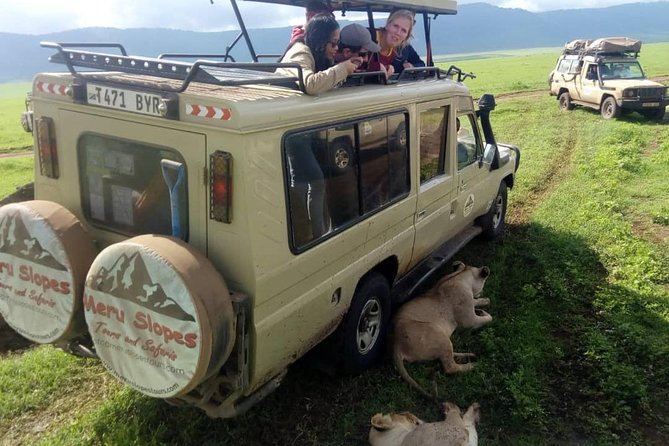
At $1,090 per person, the biggest value is that the tour builds in the core safari costs instead of nickel-and-diming you later. The price includes 4 nights accommodation, a professional guide, and all taxes, fees, and handling charges. It also includes pickup and round-trip transportation from your hotel or airport in Arusha, plus airport or departure tax is listed as included.
Meals and accommodation are described as included according to the itinerary. You’ll have breakfast on safari days, and the first big day includes picnic lunch during the game drive. You’ll also have overnight stays at Sun Bright campsite and Simba campsite at the crater edge.
What is not included is flights. So even if the safari price feels like a lot at first glance, you’re likely covering the pieces you’d otherwise have to estimate. That makes it easier to build a realistic Tanzania budget without surprises.
Also, the tour mentions a mobile ticket, which usually means less paper chaos once you arrive.
Accommodation style: camping nights that feel like part of the safari
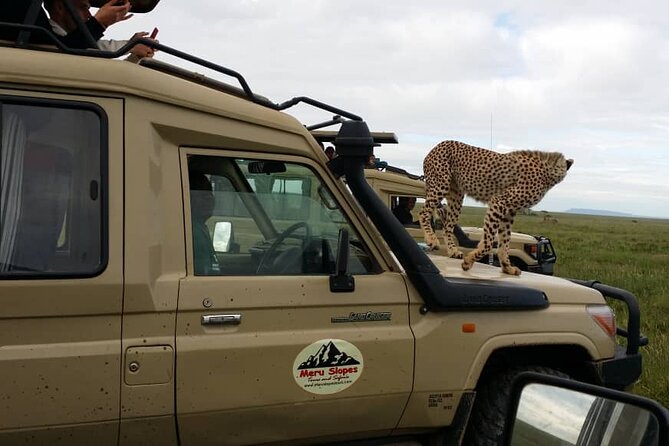
This isn’t a lodge-only itinerary. You stay at campsites on the safari circuit, which can be a plus if you like your travel with less polish and more atmosphere. The itinerary lists Sun Bright campsite after Tarangire, and Simba campsite at the crater edge after Serengeti.
Camping can add flexibility, too. When you’re sleeping close to where wildlife activity starts, your game drives feel more efficient. The crater edge sleep is the obvious example: you don’t spend extra time commuting at dawn.
That said, camping also means you’ll want to be comfortable with the basics: uneven terrain, morning chill, and getting ready in a setting that’s more “out there” than “hotel room.” If you’re used to city comfort, bring the right layers and you’ll be fine.
Packing tips that actually matter for this route
I’m big on packing smart, because safaris don’t let you forget anything for long. Based on safari feedback and the temperature realities of early drives, here’s what I’d prioritize.
- Bring a warm layer for mornings. Even in December, it can be cold, especially around dawn.
- Use the right power gear. There’s a note that an adapter helps because USB may not work in the safari jeep.
- Keep a simple day bag. You’ll be on the move and you’ll want quick access to layers and water.
- Don’t rely on charging devices for entertainment. Wildlife and views do the heavy lifting.
For your camera setup, I’d also assume you’ll be shooting from inside the jeep. That means a strap you can use one-handed and a lens plan that fits long spotting, not just close-up.
Who this safari suits best, and who should think twice
This is a strong match for you if:
- You want three major Tanzania sites in four days without building a custom itinerary.
- You like the small-group feel (max 6) and want time to ask questions.
- You’re okay with early mornings and a more outdoorsy lodging style.
- You want a guide who can help with spotting and interpretation, with names like Eddie and Halid mentioned for being particularly helpful.
You might want a different option if:
- You need guaranteed non-English guiding, since English is the default in the on-the-ground feedback.
- You dislike camping, or you’re not comfortable with chilly mornings and a rougher setting than traditional hotels.
- You’re hoping for a completely relaxed schedule. This is wildlife-focused, and that means early starts and long viewing windows.
Should you book this 4-day safari?
If your goal is to see Tarangire elephants, Serengeti game viewing, and Ngorongoro Crater within a tight time window, I think this is a sensible way to do it. The strongest reasons to book are the small-group setup, the fact that accommodation and meals are handled in the itinerary, and the way the route ends with the crater, including a sunrise start and descent.
I’d book it when:
- You want a turn-key safari with fewer moving parts.
- You’re happy doing camping nights.
- You’re willing to dress for early cold and long game drives.
I’d ask a few questions before paying if:
- You want a specific language.
- You have strong mobility or comfort needs, since the tour is built around driving and early starts.
- You want to confirm how vegetarian meals are handled, since a vegetarian option is available if you request it at booking.
If that all sounds like your style, you’re set up for a trip that feels like three wild worlds, crammed into four days in the best possible way.
FAQ
What parks are included in this 4-day safari?
The itinerary covers Tarangire National Park, Serengeti National Park, and Ngorongoro Crater.
Where does the tour start and end?
The tour starts in Arusha, Tanzania and ends back at the meeting point in Arusha.
Is pickup from the hotel or airport included?
Yes. Pickup is offered, with hassle-free round-trip transportation from your hotel or airport.
How large is the group?
The tour has a maximum of 6 travelers.
What kind of accommodation is included?
The tour includes 4 nights accommodation, with overnights at Sun Bright campsite and Simba campsite (on the crater’s edge), as shown in the itinerary.
Are meals included?
Meals and accommodation are included as per the itinerary. The schedule specifically mentions picnic lunch on the Tarangire day and breakfast on safari mornings.
What about Wi-Fi during the safari?
There is free Wi-Fi inside the safari jeep during the entire safari.
Is the tour vegetarian-friendly?
A vegetarian option is available, and you should advise the operator when booking.
What is included in the price, and what is not?
Included: guide, accommodation, taxes and handling charges, and airport/departure tax, plus transport and items noted in the itinerary. Not included: flights.
Can I see the Big Five?
The Serengeti day notes that you might be able to spot the Big Five (lion, elephant, buffalo, rhino, and leopard).
What is the cancellation window?
There is free cancellation. You can cancel up to 24 hours in advance for a full refund, and within 24 hours, the amount paid is not refunded.
More Ngorongoro Crater Trips
- 4-Day Safari from Arusha: Tarangire, Serengeti and Ngorongoro
★ 5.0 · 173 reviews - 2 Days Tarangire and Ngorongoro Group Camping Safari
★ 5.0 · 146 reviews - 4 Days Tarangire Serengeti Ngorongoro Crater
★ 5.0 · 117 reviews - 3 Days Tarangire, Ngorongoro & Lake Manyara Group Camping Safari
★ 5.0 · 102 reviews
Just posted around Arusha
- 8 Days Serengeti Migration safari★ 5.0 · 11 reviews
- tarangire & ngorongoro 2 days tour★ 5.0 · 14 reviews
- serengeti, ngorongoro & tarangire 4 days private tour★ 5.0 · 18 reviews
- tarangire, ngorongoro & lake manyara park 3 days private tour★ 5.0 · 11 reviews
- Mt. Kilimanjaro: Shira plateau to Cathedral point 3872m Day hike★ 5.0 · 7 reviews
- serengeti & ngorongoro 3 days private tour★ 5.0 · 15 reviews
- climb the KILIMANJARO via Lemosho route★ 5.0 · 4 reviews
- Kilimanjaro Waterfalls Hike & Moshi Hot Springs Day Trip Tour★ 5.0 · 4 reviews
Serengeti Safaris, compared.
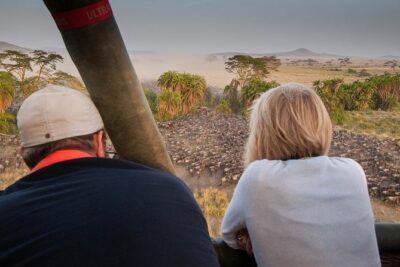
Serengeti Balloon Safari and authentic bush breakfast
Read our review →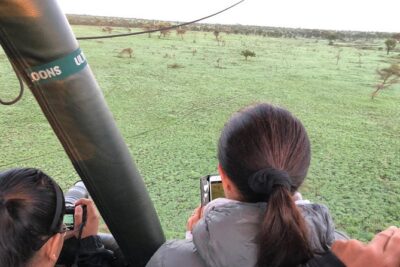
Balloon Safari & Bush Breakfast in Serengeti – Miracle Experience
Read our review →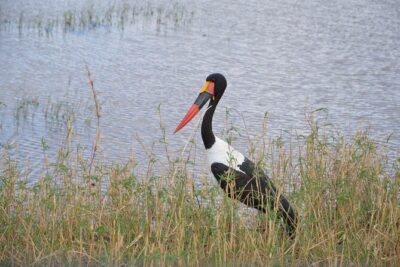
3 Days Serengeti & Ngorongoro Group Camping Safari
Read our review →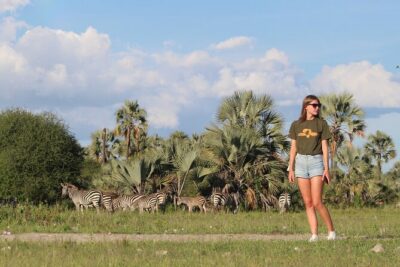
5-Day Highlights mid-Range Crater, Serengeti, Tarangire
Read our review →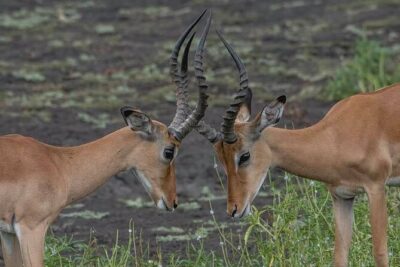
Private 6-Day Tarangire Manyara Crater and Serengeti with Mid-Range Lodges
Read our review →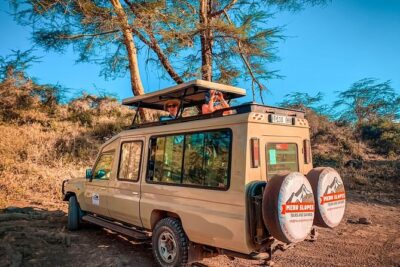
5 Days Camping Tarangire, Serengeti & Ngorongoro crater & Visiting Maasai
Read our review →Browse the lists this tour appears in