Reviewed · KILIMANJARO CLIMBS
Kilimanjaro climb, Marangu route (6-day)
Kilimanjaro feels huge, then it feels manageable. This 6-day Marangu route from Moshi is designed for comfort and safety, with certified Wilderness First Responder guides, a full climbing crew, and daily support that matters when altitude starts talking. I especially like the built-in structure for acclimatization and the way the team handles essentials like meals, shared hut logistics, and medical readiness. One drawback to consider is that six days on Kilimanjaro is still a serious altitude challenge, and the toughest part often comes on the descent, where pacing and careful footing are everything.
You’re also traveling with a group, which reduces stress when you land in Tanzania and suddenly have to think about permits, gear, and “what happens next.” Guides I’ve seen singled out for calm, practical support include Rashid and Charles, plus names like Justin and Joseph in the same spirit of hands-on crew work.
In This Review
- Key things I’d note before you go
- The real appeal of the Marangu Route, huts and all
- Moshi arrival day: getting your footing fast after landing
- Day 2: Marangu Gate to Mandara Hut, rainforest trekking and wet-foot prep
- Day 3: Mandara to Horombo, then an acclimatization hike toward Kibo
- Day 4: Horombo to Kibo-side and back, a smaller gain with big meaning
- Day 5: Kibo Hut (4,700 m), sleep strategy and pacing discipline
- Day 6: Summit night to Uhuru Peak (5,895 m) with close guide support
- Day 7: Horombo down to Marangu Gate, then certificates and a real recovery
- Day 8: Aishi Machame Hotel downtime and airport transfer
- The support system: meals, crew, equipment, and medical readiness
- Food that keeps you going
- Crew and equipment you do not have to scramble for
- Medical support that goes beyond words
- Price and what you get for $2,902 per person
- Who should choose this Marangu 6-day climb from Moshi
- Should you book the Altezza Marangu Route 6-Day Kilimanjaro climb?
- FAQ
- How long is the Kilimanjaro climb on this Marangu route?
- Where does the trip start and end?
- Which route is included?
- Are park entry fees included?
- What meals and dietary options are included?
- Does the group include medical support and oxygen?
- What lodging is provided during the climb?
- What costs are not included in the price?
- What is the cancellation policy?
Key things I’d note before you go
- Certified Wilderness First Responder guides plus medical check-ups, oxygen tanks, and oximeters for altitude monitoring.
- Meals and dietary options are built into the program, including vegetarian, vegan, lactose-free, gluten-free, and halal plans.
- Marangu route hut comfort (wooden huts, shared by park rules) replaces tent camping on this climb.
- Acclimatization hikes around Horombo and Kibo help you gain altitude with a plan, not guesswork.
- Each climber pair has close guide support on summit night, when decisions need to be steady and slow.
- Park entry fees are included, so you can spend less time worrying about paperwork.
The real appeal of the Marangu Route, huts and all
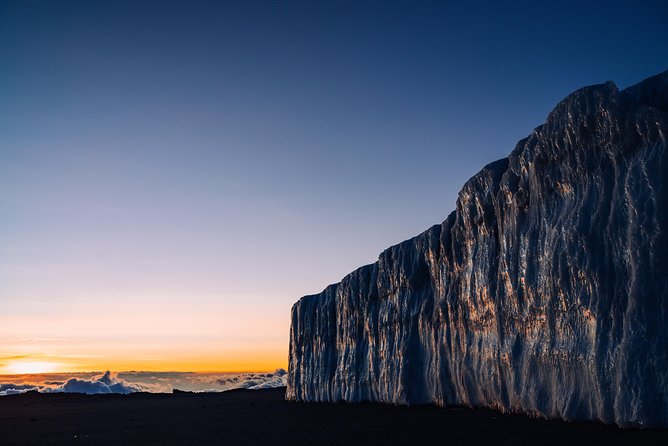
Marangu is the classic Kilimanjaro route for a reason. It’s known for moving you through dramatic climate zones without making you responsible for everything from tents to camp cooking. In this itinerary, you stay in huts on the mountain, which usually means less messing around with weather gear and a more predictable daily rhythm.
That hut setup is not luxury. You’ll be sharing space inside wooden huts, and the program notes hut capacity follows Kilimanjaro National Park rules, typically 8 to 16 people per hut. Still, for many people that trade is worth it: you’re hiking your hardest days, while the bigger logistics stay handled by the crew.
The other big Marangu advantage is how the route fits into a structured 6-day climb. You get multiple altitude adjustments before summit night, and the schedule leaves room for controlled recovery rather than constant grinding.
More Kilimanjaro climbs:
- Kilimanjaro climb by Lemosho Route (7-day)
★ 5.0 · 651 reviews - Kilimanjaro climb, Machame Route (7-day)
★ 5.0 · 262 reviews - Kilimanjaro Climbing Lemosho Route 8 Days.
★ 5.0 · 186 reviews
Moshi arrival day: getting your footing fast after landing
Your trip starts with pickup at Kilimanjaro International Airport (JRO). You’ll meet an Altezza Travel representative, then transfer to your hotel in the Moshi area. The hotel is described as having cozy rooms, hot water, polite staff, a swimming pool, and internet access, which is a nice way to decompress after a travel day.
Even before the climb starts, the program includes a manager briefing to make sure you’re ready. That matters. Kilimanjaro punishes confusion. When you know what time you’ll leave, what to pack for a hut night, and how permits work, your brain stays quiet when the air gets thin later.
If you’re coming in from a long flight, this is also where you can get your laundry and sleep strategy right. The climb day starts early, so you’ll want to treat arrival day like a warm-up, not a sightseeing day.
Day 2: Marangu Gate to Mandara Hut, rainforest trekking and wet-foot prep
On the second day you drive to the Kilimanjaro National Park eastern entrance, Marangu Gate (1,860 m). You’ll handle permit formalities, register with search and rescue, then begin trekking toward Mandara Hut (2,700 m).
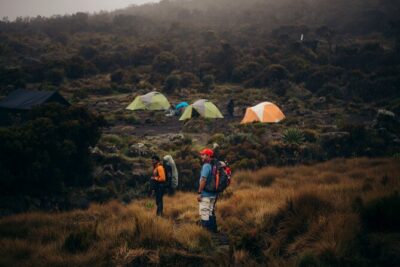
This is the day where the rainforest can surprise you. The route includes a forest segment where tropical showers are highly probable. That means your rain setup needs to be more than a hope and a prayer. Pack spare clothes for the damp, and bring raincoats you can actually hike in. If your clothes get soaked and stay soaked, your comfort drops hard on a climb that already runs cold.
Expect this day to feel like a warm start. You’re gaining elevation, but the bigger payoff is getting your stride and hydration habits established before higher, colder zones.
Day 3: Mandara to Horombo, then an acclimatization hike toward Kibo
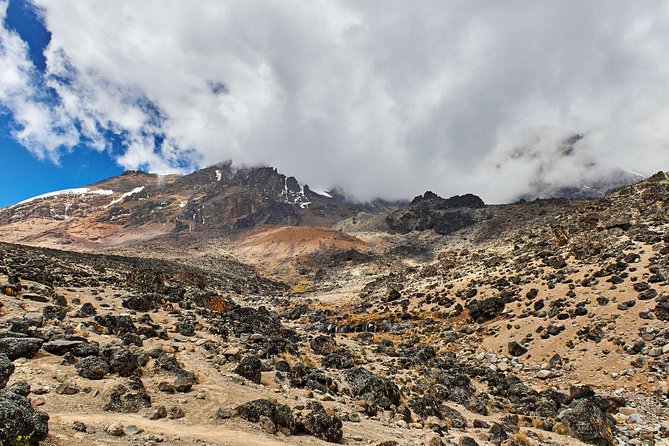
Day 3 begins with the trek from Mandara Hut to Horombo Hut (3,720 m). The altitude shift is real, but the program keeps you moving at a moderate pace. When you arrive at Horombo, you get views of both Kibo and Mawenzi volcanoes, which is one of those payoff moments that makes the climb feel physical and real.
Then you don’t just stop. You do an acclimatization hike after lunch in the direction of Kibo Hut with a 200-meter gain, and then hike back down to Horombo for the night. This is classic altitude strategy: you give your body a chance to respond to higher elevations without forcing a full push.
Here’s the value of this approach for you. People tend to either rush or freeze. Controlled acclimatization keeps you in the zone where you can continue later.
A few more Moshi trips to compare
- Safari Serengeti And Ngorongoro
★ 5.0 · 288 reviews - Climbing Kilimanjaro – Machame Route
★ 5.0 · 170 reviews - Climbing Kilimanjaro through 7 days Machame Route
★ 5.0 · 151 reviews - Kilimanjaro climb, Lemosho Route (8-day)
★ 5.0 · 148 reviews
Day 4: Horombo to Kibo-side and back, a smaller gain with big meaning
After breakfast you repeat the acclimatization pattern with a dedicated day around Kibo Hut. The schedule lists a change in elevation from Horombo (3,720 m) toward Kibo-side around 4,500 m, with hiking distance 5 to 8 km and time 3 to 4 hours.
This hike is described as a straightforward acclimatization hike with a small altitude focus. It’s also a useful day for thinking about your summit-night behavior. You’ll learn what pace feels sustainable, how you breathe when your legs get heavy, and what you need to stay warm.
One practical note: if you’ve been cold on earlier days, this is when you test your layering system. If you feel under-dressed here, you’ll feel it even more on summit night. Fix it now, not at midnight.
Day 5: Kibo Hut (4,700 m), sleep strategy and pacing discipline
Day 5 is the day you trek to Kibo Hut (around 4,700 m). The program says the hike isn’t extremely difficult physically, but altitude is the problem. You’ll be hiking about 10 km, with a broad time range of 4 to 8 hours, and you’re urged to keep a steady pace to save your energy.
When you reach Kibo, you’ll have lunch and then you’re encouraged to sleep as much as possible. Avoid strenuous activity, and drink lots of water. This is not a suggestion you can ignore. Summit night is long, and you need energy and mental calm.
Think of Day 5 as your setup day. Your body needs rest to handle the later work. If you spend the afternoon overthinking and bouncing around, you’re stealing sleep from a day that can’t be repeated.
Day 6: Summit night to Uhuru Peak (5,895 m) with close guide support
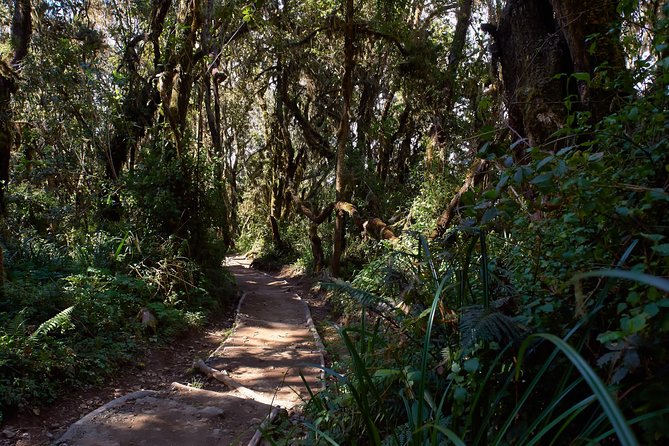
Night departure from Kibo starts the summit push. You trek to Uhuru Peak (5,895 m), with the program describing the trekking as moderate physically but very serious due to altitude.
This is the day where the itinerary gives you extra structural safety. It notes that each pair of climbers is accompanied by their own guide to monitor stamina and mental resolve. That kind of focused support helps when oxygen is low and decision-making turns into survival mode.
During the ascent, keep your expectations realistic. Slow feels wrong when you’re excited. But slow is correct when the goal is to make it to the top and to still be able to descend safely.
After you reach Uhuru Peak, the program says you can descend to the nearest glacier if desired. Then you return to Kibo Camp and rest before continuing descent to Horombo Hut (3,720 m).
Pay attention to the caution built into the itinerary: it states that 90% of accidents occur during the descent. I treat that as a serious reminder for your own mindset. Summit success is wonderful, but the way you step down, the way you manage fatigue, and the way you handle slippery sections are what keep the day safe.
Day 7: Horombo down to Marangu Gate, then certificates and a real recovery
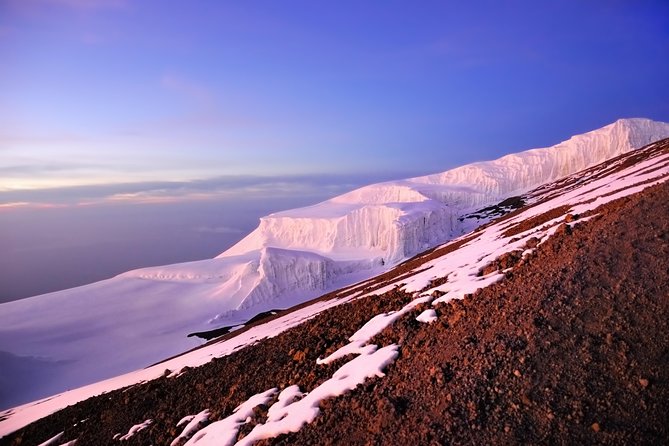
Day 7 is downhill work from Horombo Hut to Marangu Gate (1,860 m). The hike is listed at about 18 km and 5 to 6 hours. After the descent, the whole group gathers to congratulate you, share opinions, and complete a guestbook moment.
You also receive commemorative certificates through the team office after you return. That’s a nice end cap, especially after a summit day that drains both body and patience.
Once the mountain day is done, you transfer back to the hotel. This matters because you need warmth, a shower, and a chance to eat without hiking-related stress.
Day 8: Aishi Machame Hotel downtime and airport transfer
The itinerary includes a final rest day at Aishi Machame Hotel and then transfer to the airport. Check-out is listed at 11:00 AM, and there’s an option to extend your stay for an extra fee if you have an evening flight.
This is your buffer. Kilimanjaro doesn’t just take time on the mountain, it costs you sleep and muscles. A little recovery time before you fly helps you travel home like a person, not like a zombie in hiking boots.
The support system: meals, crew, equipment, and medical readiness
This is where the trip’s value becomes clear. You’re not just buying a hiking route. You’re buying a managed support system that keeps you moving and keeps your risk lower.
Food that keeps you going
The program includes three meals a day on the mountain, with choices for each meal. It explicitly lists dietary plans including vegetarian, vegan, lactose-free, gluten-free, halal, and other meal plans. That’s important on Kilimanjaro because appetite can disappear in cold air. When your food needs are handled, you keep eating, and eating helps you acclimatize better.
It also includes drinks on Kilimanjaro, such as tea, coffee, juices, and soda. Hydration matters on every altitude climb, and having drinks handled by the program reduces the temptation to skip them.
Crew and equipment you do not have to scramble for
Porters and cooks are part of the professional climbing crew. The program also includes high-quality branded group equipment like sleeping mats and camp crockery and cutlery. You still need your personal hiking outfit and sleeping bag, but the basics are handled by the team.
This kind of division is smart. It keeps you from arriving in Tanzania and discovering you forgot something critical that only someone with local gear rental could solve quickly.
Medical support that goes beyond words
The included items are real: medical check-ups, oxygen tanks and oximeters, and medical kits. On top of that, the guides are described as certified Wilderness First Responder. That combination matters because altitude emergencies are time-sensitive and unpredictable.
Even if nothing goes wrong, that readiness changes your anxiety level. You can focus on hiking, not panic.
Price and what you get for $2,902 per person
At $2,902.00 per person, this is not a cheap climb. But it also includes a lot that usually costs extra when you piece trips together yourself.
What’s included:
- JRO pickup and drop-off, plus ground transportation
- Two nights at the Aishi Machame Hotel
- Hut accommodation on the mountain (shared per park rules)
- Kilimanjaro National Park fees
- Group equipment and three meals daily on the mountain
- Drinks on Kilimanjaro
- Oxygen tanks, oximeters, medical kits, and check-ups
- Certified Wilderness First Responder guides and professional climbing crew
What’s not included:
- Air tickets to Tanzania
- Visa fee (noted as USD 50 for most nationals, USD 100 for US passport holders)
- Insurance (recommended, should cover mountain trekking)
- Personal equipment and gear (boots, sleeping bag, and your own hiking outfit)
- Hotel lunches and dinners, with an average cost of about USD 15 per person
- Tips for the crew (optional)
- Single hotel accommodation (extra charge)
My practical take on the value: you’re paying for risk reduction and logistics management. Kilimanjaro is not just a view day. You’re paying for a system that makes sure your food, altitude monitoring, and daily rhythm are handled by people who do this work repeatedly.
If you already have your own gear and you want maximum independence, you might find cheaper options. But if you want the mental load removed, this package is likely priced like that peace of mind.
Who should choose this Marangu 6-day climb from Moshi
This fits best if you:
- want the popular Marangu route with hut nights instead of tent camping
- prefer group trekking for safety and scheduling
- care about structured acclimatization days rather than freestyle climbing
- need strong dietary support, since the program lists many plan types
- want guides with Wilderness First Responder credentials and medical readiness
It may not be the best fit if you:
- want total independence and would rather plan your own camp logistics
- expect a leisurely walk with no altitude stress, because even with a good schedule, summit night is still demanding
Also, it’s worth noting that the itinerary describes the climb as for travelers with a moderate physical fitness level. You don’t need to be a mountain athlete, but you do need to be willing to walk every day and to handle cold temperatures at altitude.
Should you book the Altezza Marangu Route 6-Day Kilimanjaro climb?
If your goal is Uhuru Peak with a group structure, and you want huts, meals, and close support built into the plan, this is a smart choice. The combination of Wilderness First Responder guides, included oxygen and oximeters, and multiple acclimatization moves gives you more safety margin than DIY-style climbing.
Book it if you appreciate clear pacing, predictable days, and crew support that handles camp life. If you’re comfortable managing your own risk, gear, and daily logistics, you might shop around. But for most people, paying for a working system is the difference between remembering the summit and worrying about the details.
FAQ
How long is the Kilimanjaro climb on this Marangu route?
The climb is based on a six-day route, with an overall trip duration listed as about eight days (including arrival and hotel time).
Where does the trip start and end?
You’ll start with pickup at Kilimanjaro International Airport (JRO) and travel to the Moshi-area hotel. The climb starts at Marangu Gate and the itinerary returns you to the hotel, then transfers you back to the airport.
Which route is included?
This experience uses the Kilimanjaro Marangu Route, starting from the eastern entrance at Marangu Gate.
Are park entry fees included?
Yes. Fees for entry to Kilimanjaro National Park are included.
What meals and dietary options are included?
Three meals a day are included while on Kilimanjaro, with options available for dietary requirements. The program lists vegetarian, vegan, lactose-free, gluten-free, halal, and other meal plans. Drinks (tea, coffee, juices, soda, etc.) are included on the mountain.
Does the group include medical support and oxygen?
Yes. The package includes medical check-ups, oxygen tanks and oximeters, and medical kits, and guides are certified Wilderness First Responder.
What lodging is provided during the climb?
You’ll stay in huts on Kilimanjaro, shared as allowed by national park rules (8 to 16 people per hut).
What costs are not included in the price?
Not included are air tickets, the visa fee, insurance (recommended), personal equipment and gear, hotel lunches and dinners (breakfast only is included in the hotel price), optional crew tips, and single accommodation at extra charge.
What is the cancellation policy?
Free cancellation is available up to 24 hours in advance of the experience start time for a full refund. If you cancel less than 24 hours before, the amount you paid is not refunded.
Just posted around Moshi
- machame route★ 5.0 · 16 reviews
- Mt Kilimanjaro 6 days Marangu route hike★ 5.0 · 3 reviews
- Kilimanjaro Climbing Umbwe Route★ 5.0 · 3 reviews
- Wildlife Extravaganza: Manyara, Tarangire & Ngorongoro in 3 Days★ 5.0 · 3 reviews
- 3 Days Private E-Bike Tour in West Kilimanjaro★ 5.0 · 3 reviews
- West Kilimanjaro cycling Adventures★ 4.5 · 8 reviews
- Kilimanjaro Climb • Marangu Route ~ 9 Day★ 5.0 · 4 reviews
- Private Cycle to Kilimanjaro Bike Park Safari★ 5.0 · 6 reviews
Kilimanjaro Climbs, compared.
8-Day Small-group Lemosho Kilimanjaro Summit Trekking
Read our review →
5 Days Best of Tanzania Luxury Safari Northern Circuit
Read our review →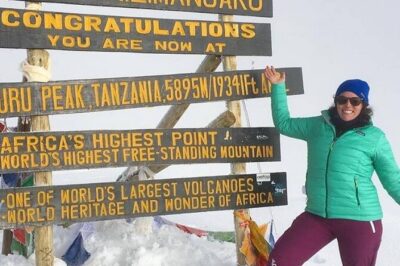
Climbing Kilimanjaro through 7 days Machame Route
Read our review →