Reviewed · 6-DAY EXPERIENCES
6 Days Private Budget Safari
Six days, four parks, one big wildlife mission. What makes this safari click is the open-roof game drive feel and the chance to stack different ecosystems in one week, from Tarangire’s elephant country to Serengeti plains. I also like that the trip runs on a simple rhythm with meals built in, so you are not constantly searching for food between long wildlife drives.
One thing to think about first: the days are active, with early wake-ups and some long, bumpy roads. If you want slow travel and lots of downtime, this schedule may feel busy, especially when you are moving from Serengeti to Ngorongoro and then finishing at Lake Manyara.
In This Review
- Key Highlights You Should Know Before You Go
- Tarangire National Park: elephants, baobabs, and a very long look out the window
- The 4 to 5 hour road to Serengeti: why transit is part of the show
- Serengeti days 2 and 3: morning wildlife, hot lunch, and serious birding time
- Sunrise game drive and bush breakfast before Ngorongoro
- Ngorongoro Crater descent: hippo lake lunch and the black rhino question
- Lake Manyara by late afternoon: flamingos, tree-climbing lion lore, and a fast Arusha finish
- Price and value: how the $2,300 per person budget private safari adds up
- Meals, drinks, and the schedule that stops you from feeling hungry or stressed
- Guides and the human side: what you gain with strong people running the day
- Getting the most out of early mornings and open-roof drives
- Who this safari suits best, and who might want a different fit
- Should you book this 6-day private safari?
- FAQ
- What does the price include on this safari?
- Is pickup from Arusha included, and what time does it start?
- Which parks are included in the 6 days?
- Are park admission tickets included?
- Is this a private tour?
- What lunch options are available during the safari?
- What happens if weather is poor?
Key Highlights You Should Know Before You Go
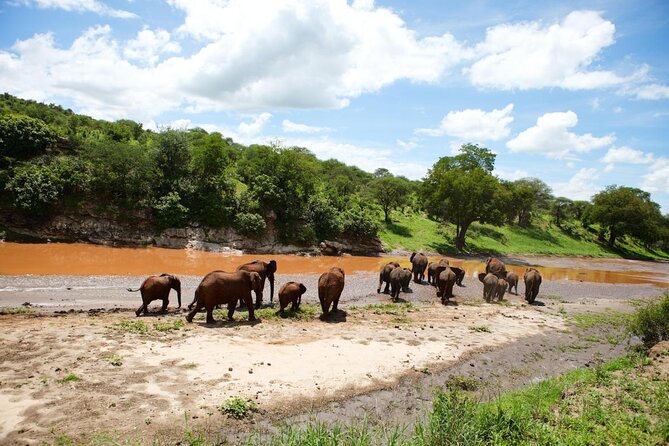
- Tarangire’s elephant herds and baobabs with a big scenic picnic stop by the river area
- Serengeti sunrise drives plus an afternoon and evening rhythm that keeps wildlife chances high
- A full day in Serengeti for big cats and birds using the morning hours when animals are out
- Ngorongoro Crater’s descent and lunch options with a real shot at the rare black rhino
- Lake Manyara’s flamingos and tree-climbing lion lore in a tight, efficient half-day style wrap-up
Tarangire National Park: elephants, baobabs, and a very long look out the window
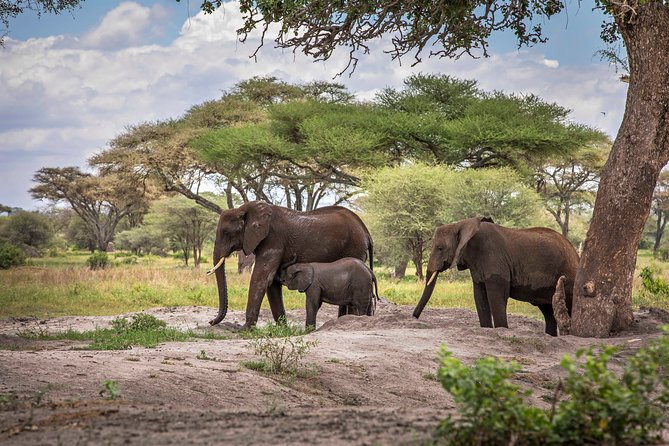
Your safari starts in Arusha and then shifts fast into the Tarangire vibe. After breakfast, you get picked up and drive about two hours to Tarangire National Park, a place famous for large elephant groups and those ancient baobab trees that look like they have been standing since the start of time.
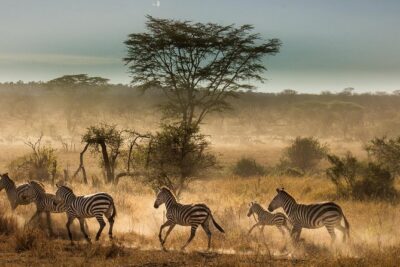
Once you are in the park, you spend hours cruising through seasonal swamps, savanna, and areas along the Tarangire River. The open roof vehicle matters here because you feel part of the action, not stuck behind glass, and you get broad views of giraffes, zebras, impalas, warthogs, and the big cats if luck and timing line up.
Lunch is a standout detail. The picnic site has a strong view, and the plan is for you to eat there before continuing game viewing. That means you are not rushing through lunch like it is a chore, and you can actually take a breather while the park keeps moving around you.
More Safaris in Arusha
- Balloon Safari & Bush Breakfast in Serengeti – Miracle Experience
★ 5.0 · 1,646 reviews - 4 Days Group Camping Safari
★ 5.0 · 1,101 reviews - 5 Days Group Camping Safari
★ 5.0 · 730 reviews
The 4 to 5 hour road to Serengeti: why transit is part of the show
Day 2 is all about getting to Serengeti, and the drive is not a throwaway moment. You will travel for about four to five hours over the crater highlands, which means you pass through country that changes as you climb and then open out toward the Serengeti plains.
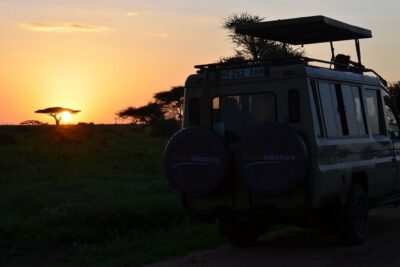
You stop for a picnic lunch during the journey, then check in and go straight into an afternoon drive. Sunset is the key target, and after that you head to Seronera campsite for dinner and overnight. In practice, this makes Day 2 feel like a wildlife day, not just a transfer day.
A practical note: roads can be long and bumpy, so plan for it. If you get easily car-sick, bring what usually works for you, because you will have more than one day that involves significant driving.
Serengeti days 2 and 3: morning wildlife, hot lunch, and serious birding time
Serengeti is where the itinerary earns its keep. You get a full day in the park that starts at sunrise, and the whole structure is designed around animal activity when the light is new and the savanna is calm.
You will explore with game drives through the morning and into the middle of the day, then return to camp for hot lunch. After that, you go out again for an afternoon drive, which is smart because wildlife is not guaranteed to show up at one specific time.
The birding angle is built in too. Serengeti is described as having more than 500 bird species recorded, and you are not only chasing the big mammals. You might spot an oversized ostrich and the secretary bird, plus those black eagles that soar above the plains. If you like animals that do not fit the classic big cat postcard, this is a big win.
Also, you are given time to search for the big five. The important word here is search, because with safari you are always balancing luck with strategy. The schedule helps strategy by putting you on the right side of the day, not by promising a guaranteed sighting.
Sunrise game drive and bush breakfast before Ngorongoro
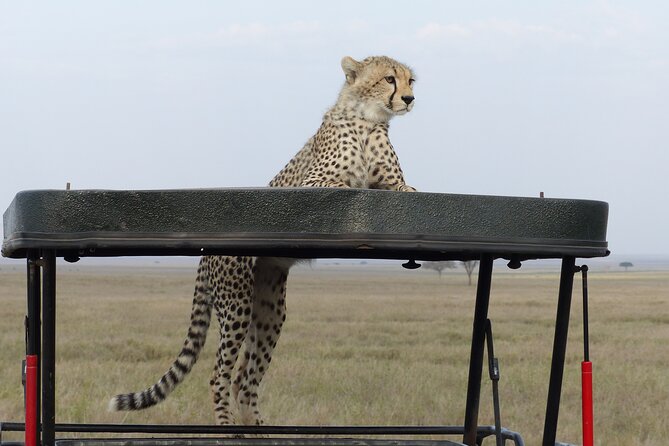
Day 4 starts very early, around 6 am, for a sunrise game drive. If you like seeing animals when they are most active, this is one of the most valuable parts of the week because the park often feels different at dawn than it does later.
You then stop at a picnic site for breakfast in the bush before continuing the game drive. Around noon you return to camp, have hot lunch, load up, and depart for Ngorongoro for dinner and overnight at Simba campsite.
This day is a little intense in the best way. You get the payoff of early wildlife time, but you also avoid losing the day to travel because you keep it moving toward the crater. Just know that you will feel the early wake-up, so sleep early the night before.
More safaris from Arusha:
- 3 Days Serengeti & Ngorongoro Group Camping Safari
★ 5.0 · 574 reviews - 7-Day Premium Luxury Tanzania Safari All-Inclusive
★ 5.0 · 426 reviews - 3-Day Classic Serengeti Safari
★ 5.0 · 263 reviews - 8 Days Great Wildebeest Calving Migration Safari from Arusha
★ 5.0 · 254 reviews
Ngorongoro Crater descent: hippo lake lunch and the black rhino question
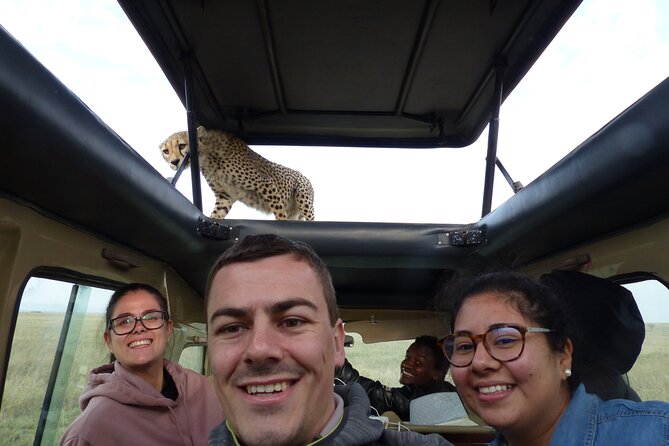
Ngorongoro Crater is the big dramatic moment in the itinerary. Day 5 begins with an early breakfast, then you descend into the crater right away, which is the part many people love because it gets you down into a self-contained wildlife world.
The plan is built around finding many East Africa species in one area, including the rare black rhino. If you care about rare sightings, this is the day to lean in, because it is the only specific rhino target mentioned and because you are in the right habitat for the odds.
Lunch choices here are another thoughtful detail. You can choose picnic lunch at Hippo Lake or hot lunch at the camp, and that choice can shape your day. Picnic at Hippo Lake can feel like you are perched right in the middle of the crater drama, while hot lunch at camp is more comfort-forward.
After the crater time, you relax at the next accommodation, listed as Fig tree lodge, and enjoy dinner and overnight. The itinerary then lines up a final push to Lake Manyara on Day 6, so you end up with a good wrap: crater thrills followed by a bird and flamingo finale.
Lake Manyara by late afternoon: flamingos, tree-climbing lion lore, and a fast Arusha finish
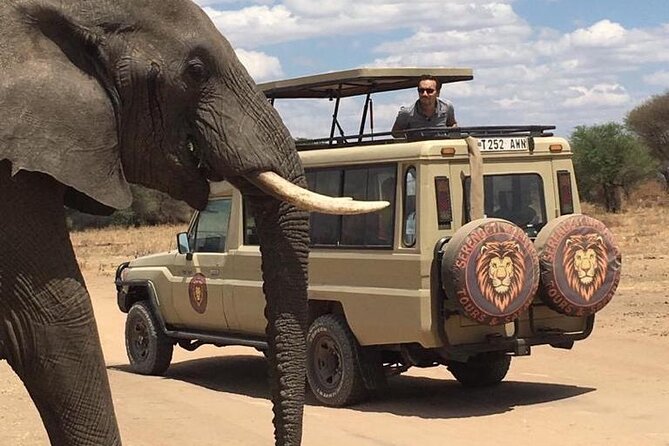
Day 6 is designed to land you back in Arusha around 4 pm. That is not a random time target, it is practical because it gives you a clear end point and protects your remaining day from stretching into an extra night on the road.
You drive a short distance, about five minutes, to the Lake Manyara park gate. Lake Manyara is relatively small but diverse, and the itinerary focuses on what it is famous for: flamingos and those tree-climbing lions that people talk about.
The big detail is the salt lake and how it changes with seasons, which creates feeding and nesting conditions. You are expected to see thousands of flamingos, and there are also over 300 bird species noted, plus primate-filled woodlands and baobab dotted cliffs.
This day can be a calmer finish compared to Serengeti and Ngorongoro. It is shorter in drive time, but it still gives you plenty of animal and bird watching potential before you head back to Arusha.
Price and value: how the $2,300 per person budget private safari adds up
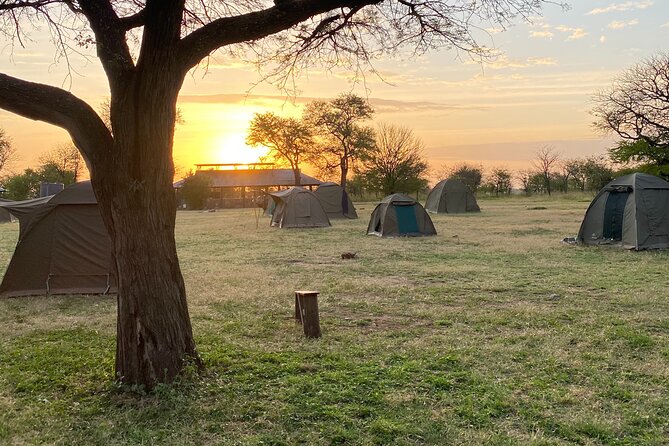
At $2,300 per person for six days, you are paying for a private safari format with a built-in meal plan and multiple park days. That is not “cheap,” but it is often better value than it looks, because private guiding and transport are expensive when you price them separately.
The itinerary includes breakfast every day (six breakfasts listed) and lunches every day (six lunches listed), plus five dinners. That is a big cost saver on the ground, and it also reduces decision fatigue. You do not have to hunt for food between gates and game drives, which matters on safari when timing is everything.
There are also park-fee notes in the plan: admission tickets are listed as free for the Tarangire and Serengeti days (Days 1 through 4) and admission is included for Ngorongoro Crater and Lake Manyara (Days 5 and 6). Even if you do not obsess over fee structure, it signals that you are not paying “extra later” for every single park stop.
Finally, the private setup is where you get real value if you care about flexibility. You are traveling with your own group only, and the schedule is tuned for multiple drives instead of one rushed loop.
Meals, drinks, and the schedule that stops you from feeling hungry or stressed
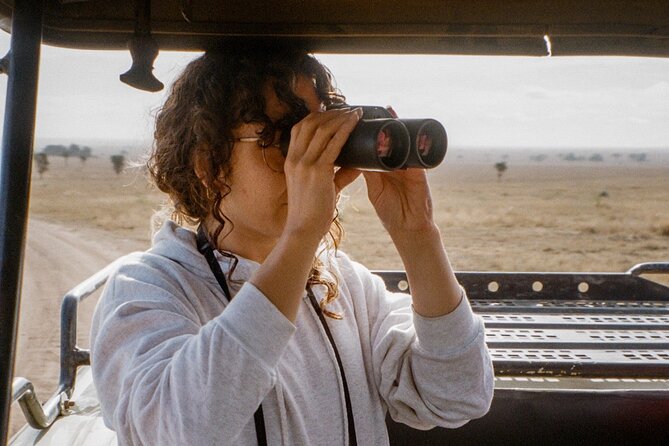
Food is not just comfort on this safari, it is logistics. When breakfasts, lunches, and most dinners are included, you spend more energy on the wildlife and less energy on timing.
The itinerary also makes lunch flexible. You get picnic lunch options on certain days and hot lunch options at camp on others, including hot lunch during Serengeti drives and your crater day lunch choice. That means you can match lunch style to your energy level, instead of forcing everyone into one setup.
One extra detail that shows up in feedback patterns is the focus on real meals rather than constant snacks. There is praise for a chef team and fresh food, with mentions of cooks preparing meals from scratch and the idea of better packaged options compared with the usual boring roadside fare. On a safari, that matters because you are physically active and you burn calories faster than you expect.
Guides and the human side: what you gain with strong people running the day
This tour runs on good guiding and good timing. You start early, you drive long distances, and you need someone who can read the park and the situation quickly.
In the feedback you shared, guide names like Tom, Bashir, Francis, Andrew, Felix, Zefa, and Edward come up, along with chef names like Ashraf and Idris. The common theme is people who handle the whole operation smoothly so you can focus on the animals and the views.
You also get support for the day-to-day comfort side. Mentions include comfortable vehicles, enough drinks, and practical snacks or hampers that feel designed for safari life rather than generic travel. When that is done well, you stop thinking about the logistics and start thinking about the next animal sighting.
Getting the most out of early mornings and open-roof drives
Safari is a lot of waiting, then a sudden burst of action. This itinerary reduces unproductive waiting by putting you in the park at peak times: sunrise drives in both Serengeti and the Ngorongoro push, plus afternoon drives and evening sunset targets.
The open roof vehicle means you will likely feel wind and dust. Plan for that with sunscreen, a hat, and something light for cooler morning air if your season calls for it. Also remember that safari schedules can shift slightly due to wildlife movement and road conditions, so keep your day flexible.
The most important mental tip: do not treat every sighting as a checklist item. With the mix of elephants, big cats, birds, flamingos, and the black rhino possibility, the best experience is usually the one where you keep noticing details as they happen.
Who this safari suits best, and who might want a different fit
This 6-day private safari is a great fit if you want to see several major Tanzanian highlights without bouncing between too many accommodations. The park sequence is logical: Tarangire for elephants and baobabs, Serengeti for plains wildlife and birds, Ngorongoro for crater-species density and the black rhino chance, then Lake Manyara for flamingos and tree-climbing lion lore.
It is also a good match for families or couples who want stress-free planning. The private format helps, and the meal plan means fewer errands and fewer “what are we doing for lunch” moments.
If you hate early mornings, or if you want lots of downtime between sites, then consider whether the pace works for you. This itinerary is active, and even the last day still has a firm start.
Should you book this 6-day private safari?
If you want a private, meal-included safari that hits Tarangire, Serengeti, Ngorongoro, and Lake Manyara in one trip, this is a strong choice. The value comes from private guiding plus a schedule built around sunrise and sunset, and the itinerary gives you real chances at big wildlife and iconic birds, including the black rhino target in Ngorongoro.
Book it if you are excited by early starts, long drives, and the idea of switching ecosystems every couple of days. Skip it if you want a slower pace and minimal time on the road.
FAQ
What does the price include on this safari?
The tour price includes breakfast on 6 days, lunch on 6 days, and dinner on 5 days. Tips and gratitudes are not included.
Is pickup from Arusha included, and what time does it start?
Pickup is offered. The start time listed is 7:30 am.
Which parks are included in the 6 days?
The itinerary includes Tarangire National Park, Serengeti National Park, Ngorongoro Crater, and Lake Manyara National Park.
Are park admission tickets included?
Admission tickets are listed as free for Tarangire and Serengeti days. Admission for Ngorongoro Crater and Lake Manyara is listed as included.
Is this a private tour?
Yes. It is private, and only your group will participate.
What lunch options are available during the safari?
The itinerary includes picnic and hot lunch options. On the Ngorongoro day, you can choose picnic lunch at Hippo Lake or hot lunch at the camp.
What happens if weather is poor?
This experience requires good weather. If it is canceled due to poor weather, you will be offered a different date or a full refund.
Just posted around Arusha
- 8 Days Serengeti Migration safari★ 5.0 · 11 reviews
- tarangire & ngorongoro 2 days tour★ 5.0 · 14 reviews
- serengeti, ngorongoro & tarangire 4 days private tour★ 5.0 · 18 reviews
- tarangire, ngorongoro & lake manyara park 3 days private tour★ 5.0 · 11 reviews
- Mt. Kilimanjaro: Shira plateau to Cathedral point 3872m Day hike★ 5.0 · 7 reviews
- serengeti & ngorongoro 3 days private tour★ 5.0 · 15 reviews
- climb the KILIMANJARO via Lemosho route★ 5.0 · 4 reviews
- Kilimanjaro Waterfalls Hike & Moshi Hot Springs Day Trip Tour★ 5.0 · 4 reviews
6-Day Experiences, compared.
Private 6-Day Tarangire Manyara Crater and Serengeti with Mid-Range Lodges
Read our review →