
Reviewed · KILIMANJARO CLIMBS
6-Day Kilimanjaro Machame Route – A Stunning Trek to Uhuru Peak
Kilimanjaro dreams start with one steep night. The 6-day Machame route is a classic, scenic climb that takes you from rainforest to high alpine desert, with big payoff views of Uhuru Peak. I love how the plan builds in acclimatization without wasting days, and I love the practical extras like daily hot water for washing and support from a strong guiding team. The main drawback to plan for is the summit day is brutally long, starting at midnight, so this is not the trek for anyone hoping for an easy pace.
If you want a route people talk about because it works, and you prefer solid organization over guesswork, this Machame itinerary is a strong match. I think you’ll enjoy it most if you’re the type who trains a bit, takes the altitude seriously, and keeps your focus on small wins each day.
In This Review
- Key things I’d circle before you go
- Machame Route: why this climb feels so memorable
- A quick note on what you’re paying for
- Price and logistics: what’s included, what’s missing
- From Moshi to the gate: Day 1 in the rainforest to Machame Camp
- Shira Plateau night sky: Day 2 to Shira Cave Camp
- Baranco Camp and the acclimatization lesson: Day 3
- Barafu and the South Circuit vibes: Day 4
- Midnight to Uhuru Peak: Day 5, the make-or-break day
- Descent to Mweka Gate: Day 6 and the muddy reality
- Guides, hot water, and the small stuff that actually matters
- Who this trek suits best, and who should think twice
- My booking call: should you book this Machame climb?
- FAQ
- Where does the trek start and end?
- How long is the Kilimanjaro Machame route trek?
- Do I get pickup or transfers?
- Is the summit attempt included?
- Are park fees and permits included?
- Is emergency oxygen provided?
- What meals are included?
- What hiking gear do I need, and is it included?
- Is a portable toilet provided?
- What fitness level do I need?
- What’s the cancellation rule if I need to change plans?
Key things I’d circle before you go
- Machame to Shira, then Baranco, then Barafu, a route with time to adjust to altitude
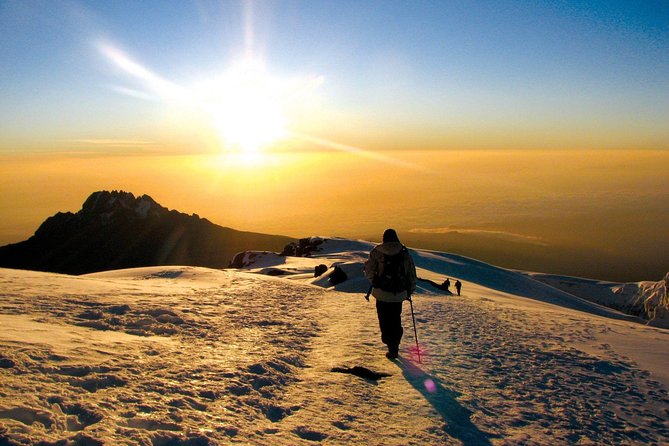
- Midnight summit push with the classic sequence up to Stella Point, then Uhuru Peak
- Daily hot water plus fresh drinking water, which matters more than you think at altitude
- Emergency oxygen and first aid included for safety, with oxygen not meant for summit use
- Camping setup handled for you, so you can focus on the hike instead of logistics
- Private group on the trek, even though you may still cross paths with other climbers on common sections
Machame Route: why this climb feels so memorable
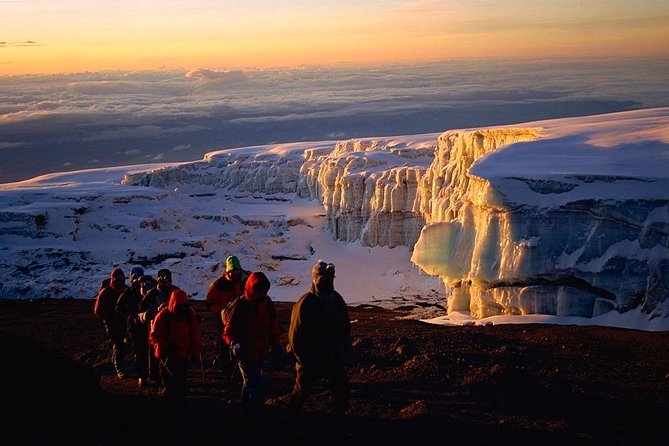
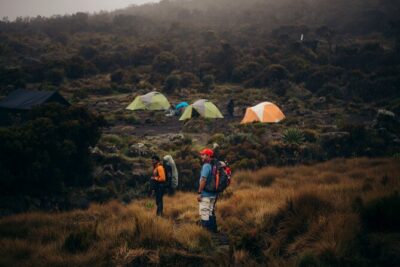
The Machame route is famous for a reason. You don’t just walk uphill. You move through distinct altitude zones, each with its own mood and weather. Early on, you’re in lush rainforest where the air feels cooler and wetter, and you’re walking on a trail that feels alive. Higher up, the world gets drier and sharper, and your senses wake up because every breath at altitude becomes part of the work.
What makes this itinerary especially appealing is that it doesn’t pretend altitude is no big deal. The schedule gives you enough time to adapt, and it times the harder parts so your body has a chance to catch up before summit night. That combo is why the Machame route is often chosen by hikers who want challenge plus scenery, without a too-short cram plan.
Also, I really like the “support” side of this trip. This isn’t just a guide and a prayer. You get qualified guides plus assistant guides and porters, and the team handles the camp setup. That means your energy goes toward hiking and acclimatizing, not hauling gear, pitching tents, or hunting for a hot shower.
More Hiking Trips in Moshi
- Private Kilimanjaro Hike 7 Day Lemosho Route
★ 5.0 · 60 reviews - Best Kilimanjaro hiking day trip tour with Kilinge Adventures
★ 4.5 · 54 reviews - #1. Best Kilimanjaro Day hike Tour-Machame Route-ISMANI
★ 4.2 · 47 reviews
A quick note on what you’re paying for
The price is $2,253 per person. For Kilimanjaro, that can be a bargain or a red flag depending on what’s included. Here, a lot of the heavy lifting is covered: fees and taxes, return transfers between the Kilimanjaro area and Moshi, meals, camping equipment, and daily water arrangements. When you add up those essentials, the number starts to make more sense, especially if you’d otherwise have to negotiate each piece separately.
Price and logistics: what’s included, what’s missing
Here’s the practical breakdown based on what the package covers:
Included highlights you’ll feel on the mountain
- All fees and taxes handled
- Return transfers between Moshi and the Kilimanjaro airport area
- Qualified mountain guide and assistant guides, plus porters and cooks with wages included
- Camping equipment (tents, camp chairs, tables, sleeping mattress)
- Fresh drinking water during the trek
- Hot water for a wash daily
- Meals: 5 breakfasts, 6 lunches, 5 dinners
- Emergency oxygen and a basic first aid kit (for emergencies only, not as summit help)
Not included, so budget and plan
- Visas and flights
- Travel and health insurance
- Personal hiking gear (you can rent in Tanzania)
- Optional portable toilet (highly recommended)
- Personal medicine and water purifying tablets
- Gratuities/tips
- Meals and drinks beyond what’s specified, plus snacks
If you’re trying to judge value, the key question is this: are you paying for the mountain experience, or for a pile of add-ons? This package covers the big-ticket mountain necessities. You still need to bring your personal items and handle visas/insurance, but you’re not going to be stuck scrambling for basics at altitude.
From Moshi to the gate: Day 1 in the rainforest to Machame Camp
Day 1 starts with a drive from Moshi or Arusha to the Machame Gate, then your hike begins in the rainforest. The route climbs from about 1,640m to 2,835m, around 11 km, with a walking time of about 5 to 7 hours.
This first day is a gift in two ways.
1) Your body gets a warm-up before altitude gets serious.
2) The rainforest helps you mentally settle in. The air is cool, the trail feels lush, and you get that early Kilimanjaro sense of going somewhere special.
You’ll end at Machame Camp for dinner and overnight. You can expect a true “camp routine” right away, which matters because it teaches you how mornings and evenings will work for the rest of the trek.
Practical considerations
- Expect a slower pace on the rainforest trail. Mud and moisture can make steps heavier.
- You’ll start learning your gear habits now: what’s comfortable, what rubs, what drains your energy.
More Kilimanjaro climbs:
- Kilimanjaro climb by Lemosho Route (7-day)
★ 5.0 · 651 reviews - Kilimanjaro climb, Machame Route (7-day)
★ 5.0 · 262 reviews - Kilimanjaro Climbing Lemosho Route 8 Days.
★ 5.0 · 186 reviews - Climbing Kilimanjaro – Machame Route
★ 5.0 · 170 reviews
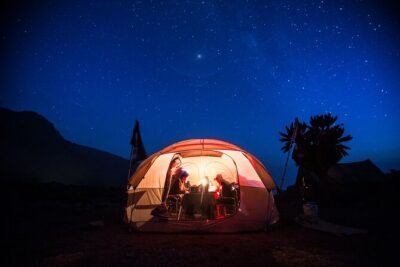
Shira Plateau night sky: Day 2 to Shira Cave Camp
Day 2 takes you higher and drier. You climb from roughly 2,835m to 3,850m over about 5 km, usually 4 to 6 hours. The key change is that you’re ascending out of the forest into moorland, then crossing streams and walking with big views, including Mount Meru and surrounding valleys.
You finish at Shira Cave Camp. This is where the feeling of the mountain shifts. Nights get colder, and you start paying closer attention to how much water you drink and how you feel while walking.
Why this day matters for success
This is not just a “more altitude” day. It’s part of the acclimatization rhythm. You get to climb steadily without rushing.
What to watch for
- Stream crossings and changing footing. Use trekking poles if you have them.
- If you start feeling headache, unusual fatigue, or nausea, speak up early. Altitude issues are easier to manage when they’re caught early.
Baranco Camp and the acclimatization lesson: Day 3
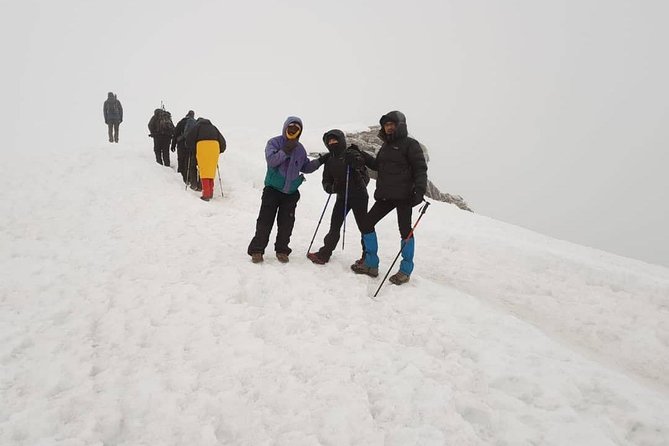
Day 3 takes you from about 3,850m to 4,000m over approximately 10 km (listed as 10 km or 6 miles), walking 5 to 6 hours.
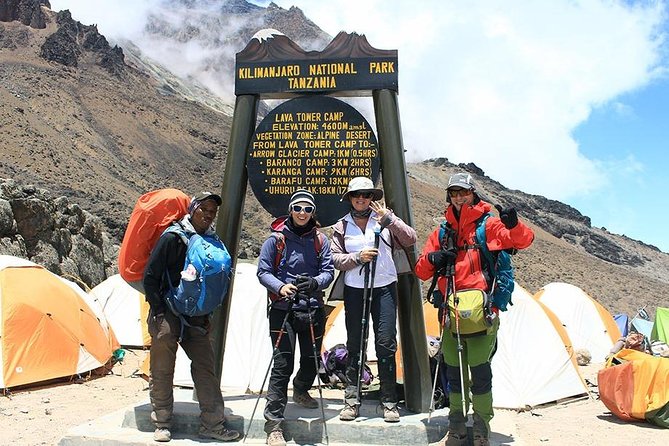
From Shira Plateau, you head east up a ridge, then your direction changes toward the Lava Tower, often nicknamed the Shark’s Tooth, at around 4,650m. After that, you continue toward the second junction leading to the Arrow Glacier area, then you descend to Barranco Camp.
That detail is important: yes, this day includes high points, but you end the day lower than your highest moments. That approach helps your body acclimatize.
Also, this day is described as very important for acclimatization because you help your body prepare for summit day. In plain terms, Day 3 is where you stop thinking of this as just hiking, and start treating it like altitude training.
What you’ll likely remember
- The ridge walking and the dramatic sense of altitude.
- The way your legs feel when you descend back to camp, because your body is still learning the altitude rules.
Barafu and the South Circuit vibes: Day 4
Day 4 is longer and tougher. You go from about 13,000 ft to 15,000 ft over 9 km, with a walking time listed at 7 to 9 hours. The habitat becomes alpine desert, and the air gets thinner.
You leave Barranco and go up past the Barranco Wall, then continue toward the Karanga Valley campsite. After that, you connect with the Mweka Trail junction and climb up to Barafu Hut.
This day is also called out as part of completing the South Circuit. The payoff is that you’ll have views of the summit from multiple angles, with Mawenzi and Kibo visible from this position.
Camp at Barafu means rest, dinner, and preparation for the big push. Even if your body feels tired, you’ll want to handle logistics carefully now: layers, water, headlamp, snacks, and a clear plan for what happens after midnight.
Key drawback to plan for
Day 4 fatigue can creep in. If you overpace, you’ll feel it on summit night. The smartest strategy is steady and controlled from the start, not a race.
Midnight to Uhuru Peak: Day 5, the make-or-break day
Day 5 is the one people remember. It’s also the one that demands respect.
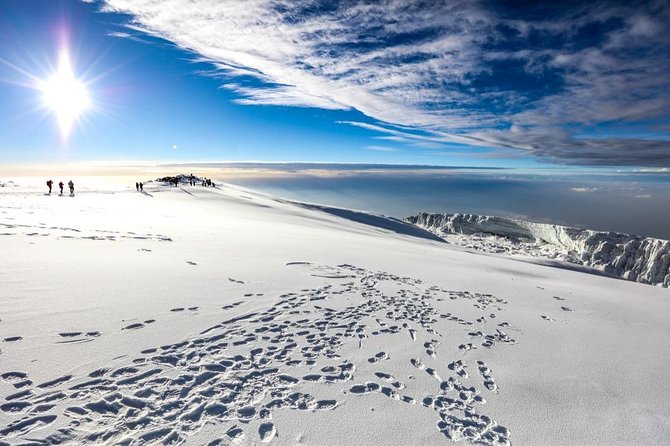
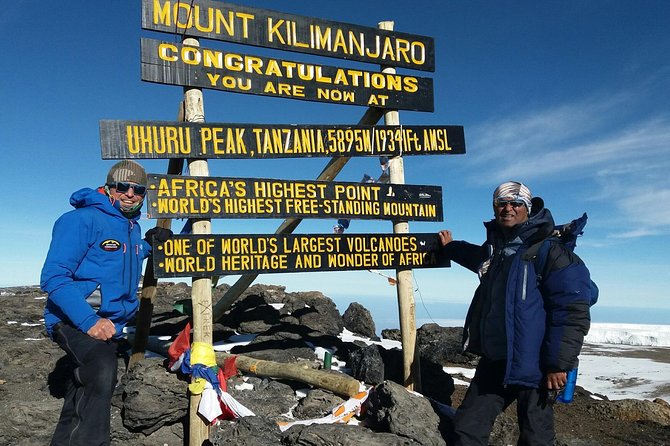
You start at midnight, hike to Stella Point at 5,756 meters, then continue to Uhuru Peak, the highest point in Africa. The walking distance is listed as 17 km with a hiking time of 11 to 14 hours. You then descend back to Mweka Camp for your last night on the mountain.
That early start matters for two reasons.
- The cold is intense, and early timing helps you avoid the worst conditions later.
- It also gives your group a better chance of staying on schedule, which helps with safety and logistics.
What “success” feels like here
Standing at Uhuru Peak is huge, no matter how you feel physically in the final hours. The moment tends to be emotional because you’ve been climbing day after day, and your body has earned it.
Practical reality you should know
This is long. Even if you feel strong, you’ll slow down at altitude. That’s normal. If you take it step by step, drink as you can, and keep moving, you give yourself a fair shot at summiting.
Descent to Mweka Gate: Day 6 and the muddy reality
Day 6 is about recovery. You descend from about 3,090m to 1,680m over roughly 10 km, usually 3 to 4 hours.
After breakfast, you continue down to the Mweka Park Gate to receive your summit certificates. Lower down, conditions can be wet and muddy, so this is where gaiters and trekking poles can really help. The trek suggests shorts and t-shirts usually work, but you should keep rain gear and warmer clothing handy because weather changes fast.
From the gate, it’s about another hour to Mweka Village. Then a vehicle meets you in Mweka village to drive you back to your hotel in Moshi for about 30 minutes.
This day is not glamorous, and that’s fine. It’s efficient. You’ll probably feel relief as your legs handle easier altitude.
Guides, hot water, and the small stuff that actually matters
The strongest recurring praise for this kind of Kilimanjaro operation usually isn’t about the view, because you already know you’ll get views. The praise is about the people doing the work around the hike.
In the feedback for this operator, Justin gets specifically mentioned for helping make the climb successful. I also see repeated appreciation for Frazier and the professional team, along with comments about great communication and responsibility. That matters because summit night is not the place to wonder if someone has your plan or your safety in order.
The other thing I really like is the “comfort support” element. Getting hot water for washing daily sounds minor until you’re several days in and cold. Fresh drinking water helps you avoid the silent mistake of under-drinking, which can make fatigue worse.
And yes, there’s camp logistics: tables, camp chairs, tents, and a sleeping mattress. When those are handled well, you sleep better, and better sleep means better decisions on the next hiking day.
Who this trek suits best, and who should think twice
This Machame route is a good match if you:
- Have moderate physical fitness
- Want an itinerary with acclimatization time
- Like a route with real altitude variety, from rainforest to high desert
- Are okay with the fact that summit day is long and starts at midnight
It might be a tough match if you:
- Want a short, relaxed trek
- Struggle with early mornings or long night hiking
- Prefer a fully guided walk with minimal effort on steep days
You don’t need to be a mountain athlete. You do need to respect pacing and altitude. Kilimanjaro rewards smart hikers, not just strong ones.
My booking call: should you book this Machame climb?
If you want a classic 6-day Machame plan where the schedule is built for altitude and the operator handles the core logistics, I’d say this is worth strong consideration. The big value signals for me are the included camp equipment, daily water arrangements, meals, emergency oxygen, and the fact you’re not left to coordinate the mountain by yourself.
Book it if your goal is Uhuru Peak and your plan is to take acclimatization seriously. Consider a different approach if you know you might struggle with a midnight summit push or if you’re hoping to avoid long hiking days.
If you’re ready for a real challenge with real payoff, this route can deliver the kind of “I can’t believe I did that” moment that sticks around long after you’re back in Moshi.
FAQ
Where does the trek start and end?
The experience starts at Moshi Urban, Tanzania and ends back at the meeting point.
How long is the Kilimanjaro Machame route trek?
It runs for 6 days (approx.).
Do I get pickup or transfers?
The tour notes pickup offered, and it also includes return transfers between Kilimanjaro airport and Moshi.
Is the summit attempt included?
Yes. The itinerary includes the summit sequence to Uhuru Peak on Day 5, with a push to Stella Point first.
Are park fees and permits included?
Yes. All fees and taxes are included, and admission ticket coverage is indicated throughout the days.
Is emergency oxygen provided?
Yes. Emergency oxygen is included for use in emergencies only, not as summit aid, along with a basic first aid kit.
What meals are included?
You receive 5 breakfasts, 6 lunches, and 5 dinners during the trek.
What hiking gear do I need, and is it included?
Personal hiking/trekking gear is not included, but you can rent gear from equipment stores in Tanzania.
Is a portable toilet provided?
A portable toilet is optional but highly recommended, and it is not listed as included.
What fitness level do I need?
You should have moderate physical fitness. This is also described as a private tour/activity, with only your group participating.
What’s the cancellation rule if I need to change plans?
You can cancel up to 3 days in advance for a full refund. If you cancel less than 3 full days before the experience’s start time, the amount paid is not refunded.
More Hiking & Trekking in Moshi
- Best Kilimanjaro Adventure 7 days Machame route Trekking
★ 5.0 · 42 reviews - Kilimanjaro 7 Day Private Trekking Experience
★ 5.0 · 40 reviews - 8 Days Kilimanjaro Hike via Lemosho Route
★ 5.0 · 39 reviews - 6 Days Machame Route Kilimanjaro Climbing Trekking Tour
★ 5.0 · 34 reviews
Just posted around Moshi
- machame route★ 5.0 · 16 reviews
- Kilimanjaro Climbing Umbwe Route★ 5.0 · 3 reviews
- Wildlife Extravaganza: Manyara, Tarangire & Ngorongoro in 3 Days★ 5.0 · 3 reviews
- Mt Kilimanjaro 6 days Marangu route hike★ 5.0 · 3 reviews
- 3 Days Private E-Bike Tour in West Kilimanjaro★ 5.0 · 3 reviews
- West Kilimanjaro cycling Adventures★ 4.5 · 8 reviews
- Kilimanjaro Climb • Marangu Route ~ 9 Day★ 5.0 · 4 reviews
- Private Cycle to Kilimanjaro Bike Park Safari★ 5.0 · 6 reviews
Kilimanjaro Climbs, compared.
8-Day Small-group Lemosho Kilimanjaro Summit Trekking
Read our review →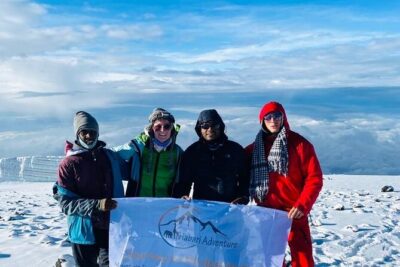
5 Days Best of Tanzania Luxury Safari Northern Circuit
Read our review →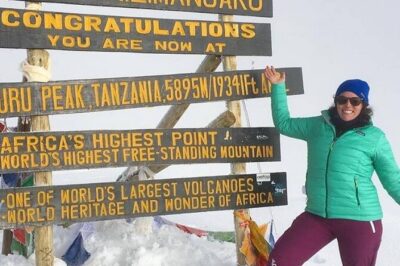
Climbing Kilimanjaro through 7 days Machame Route
Read our review →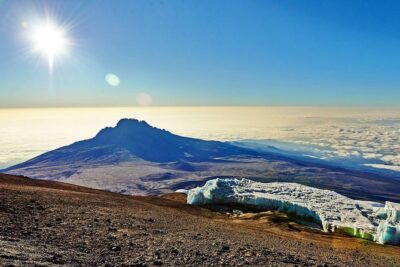
Browse the lists this tour appears in