
Reviewed · KILIMANJARO CLIMBS
5 Days Kilimanjaro Trekking – Marangu Route
Huts and a midnight summit push. This 5-day Kilimanjaro climb from Moshi uses the Marangu route, often nicknamed the Coca Cola route for its gentler, hut-based style, plus smooth pickup and drop-off to get you onto the mountain without hassle. You’re also moving through big altitude changes fast, from rain forest views to moorland air, with a real chance to see Mawenzi and Kibo as the air thins.
I really like how this trip is built around steady support. In the feedback I read, guides like Alex and Godfrey were praised for patient pacing and checking in on everyone’s condition, and the team effort extends to the chef and porters who keep the logistics running when you’re exhausted.
One thing to consider: the route can be “easier,” but the summit night is still steep and serious. You start the final push from midnight to 2am on heavy scree or possible snow, so you need moderate fitness and realistic expectations about altitude.
In This Review
- Key points to know before you go
- Starting in Moshi: pickup that saves real energy
- The Marangu route on Kilimanjaro, and why it’s often called Coca Cola
- Day 1 and Day 2: Mandara to Horombo, rain forest to moorland air
- Day 3 at Horombo: the acclimatization day that improves your odds
- Summit night to Uhuru Peak: Gilman’s Point and the cold, steep work
- Day 5 descent to Moshi: moorland to forest, mud to a hot meal
- What you’re really paying for: value of the $1,460 private package
- Packing and pace tips that keep the trek comfortable
- Who should book this Marangu 5-day climb, and who should pause
- Weather on Kilimanjaro: the plan runs, so you must dress for it
- Should you book this 5-day Marangu route with Afrishare?
- FAQ
- How long is the Kilimanjaro trek on the Marangu route?
- Where does the trek start?
- Is hotel pickup and drop-off included?
- What is included in the price?
- Is vegetarian food available?
- Does the trek run in bad weather?
- Can I cancel for a refund?
Key points to know before you go
- Marangu route, hut style: Sleep in huts at set camps, including Horombo, which keeps things more structured than tent camping routes.
- Best views in the right places: You get Mawenzi and Kibo moments on the way up, not just at the top.
- A real acclimatization day: Horombo Day 3 gives you the Zebra Rocks and Mawenzi Tarn option to help your body adjust.
- Midnight to Uhuru Peak: The schedule prioritizes an early start, with Gilman’s Point on the way to Uhuru Peak.
- Pickup from Moshi, plus hot lunch at the gate: You spend less time hunting for transport and more time focusing on the trek.
Starting in Moshi: pickup that saves real energy
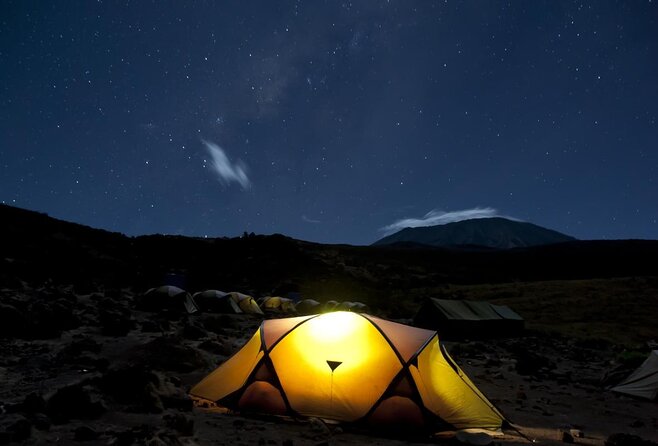
You base your trek in Moshi, and the day begins with either airport pickup or a pickup from your accommodation. That matters more than it sounds. When you’re gearing up for a summit attempt, you want your first decisions to be simple, like where to store your rain gear and what time to eat, not where to find a transfer to the mountain gate.
This is also set up as a private tour, meaning it’s only your group. That usually helps with pacing, since the guide can respond to the pace and comfort level of the people in your party instead of averaging everyone out.
One small operational detail that’s useful: the tour provider lists operating hours from 12:00 AM to 11:30 PM, every day. So if your flight lands late or your plans shift, you’re not likely stuck waiting around for a narrow window.
More Hiking Trips in Moshi
- Private Kilimanjaro Hike 7 Day Lemosho Route
★ 5.0 · 60 reviews - Best Kilimanjaro hiking day trip tour with Kilinge Adventures
★ 4.5 · 54 reviews - #1. Best Kilimanjaro Day hike Tour-Machame Route-ISMANI
★ 4.2 · 47 reviews
The Marangu route on Kilimanjaro, and why it’s often called Coca Cola
The Marangu route is one of the most popular ways to climb Kilimanjaro, and it has a reputation for being the more straightforward option among several routes. In practical terms, that’s because the plan uses huts and established camp points rather than a tent-based system. It’s still a mountain climb with real altitude risk, but your “camp night” experience tends to feel more organized.
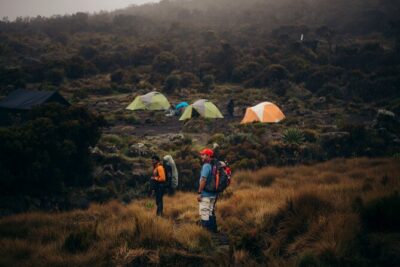
You’ll be climbing through three big volcanic centers in the Kilimanjaro story. The route focuses on reaching the snow-capped Kibo area and then the summit. Along the climb you’ll notice changes in the environment as you gain altitude. Early on, you leave rain forest glades and enter open moorlands. Later you transition toward darker, thinner air, where the same mountain can feel both close and impossibly far.
What I think is the key value of Marangu is predictability. You know where you’ll sleep and you know the general rhythm of the climb: walk, rest, acclimatize, then push for the summit during the coldest hours.
Day 1 and Day 2: Mandara to Horombo, rain forest to moorland air
Day 1 starts with getting from Moshi to the Marangu starting gate and then easing into the mountain climb toward the first major camp stop. The route is named for Marangu, and the first day sets the tone: you’re moving through the altitude before you ever see the summit line, so your body gets the message early.
Day 2 is the Mandara Hut to Horombo Hut leg, climbing to about 3,700 m. It’s listed as roughly 3 to 4 hours, and the terrain shifts in a way that helps you mentally plan. After about 15 minutes, you leave the glades of rain forest and follow an ascending path through open moorlands.
This is one of the best days for “mountain moments.” You get amazing views of Mawenzi and the summit of Kibo, and you also have a chance to spot giant senecio and lobelias. Those small details matter. When the air starts feeling thin, it helps to have things to focus on besides your breathing.
Possible drawback for Day 2: altitude effects can start to show up today. Even with a good pace, you might feel head pressure, sleep disruption, or breathlessness. This is why your guide’s pacing matters so much. The plan is meant to be manageable, but your body still calls the shots.
Day 3 at Horombo: the acclimatization day that improves your odds
Day 3 is basically the “keep your head above the air” day. It starts and ends at Horombo Hut, so you’re not forced into a long back-and-forth trek. The schedule treats this as optional, but it’s important because it gives your body time to adjust.
You can rest at camp, or do a day trek. If you’re up for it, you can walk to Zebra Rocks (around 4,200 m) and also reach Mawenzi Tarn Hut (around 4,300 m) depending on how you feel. This is one of those days where you can make smart choices based on your altitude symptoms.
I like this setup because it gives you a lever. If you feel strong, you can add altitude exposure in a controlled way. If you feel off, you can take the rest option without ruining the whole schedule.
One reality check: even if the climb is “easier” compared to other routes, an acclimatization day can still feel like work. It’s cold up there, and you’ll likely be more aware of every step. The payoff is that the climb to the summit night becomes less of a sudden shock.
More Kilimanjaro climbs:
- Kilimanjaro climb by Lemosho Route (7-day)
★ 5.0 · 651 reviews - Kilimanjaro climb, Machame Route (7-day)
★ 5.0 · 262 reviews - Kilimanjaro Climbing Lemosho Route 8 Days.
★ 5.0 · 186 reviews - Climbing Kilimanjaro – Machame Route
★ 5.0 · 170 reviews
Summit night to Uhuru Peak: Gilman’s Point and the cold, steep work
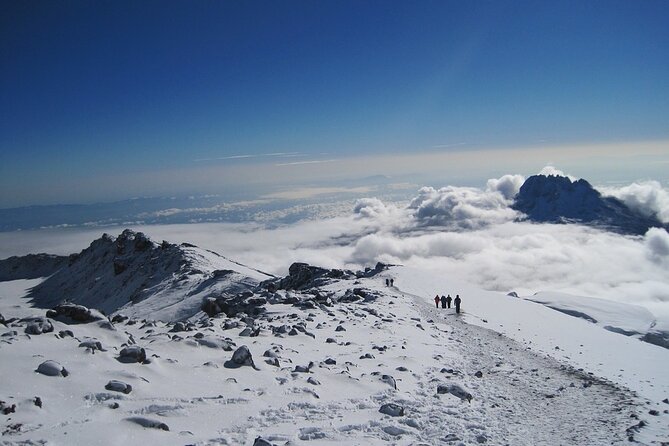
Day 4 is the heart of the whole trip. You begin the summit climb very early, from midnight to 2am. The terrain is described as steep with heavy scree or snow, which means your legs and balance do double duty. This isn’t the time to hope for a casual walk.
The plan first reaches Gilman’s Point at about 5,861 m (listed as 18,640 ft). From there, you continue to Uhuru Peak at 5,895 m (19,340 ft). The schedule gives you about 4 to 5 hours for the climb to Gilman’s Point, and then 1 to 2 hours more for Uhuru Peak, depending on your pace and conditions.
At the top, you get unbelievable views at every turn, plus the classic photo moment at the summit. After the peak, you descend. The plan stops for lunch and a rest at Kibo before continuing down to Horombo for dinner and overnight, with 3 to 4 hours of descent listed.
What you should take seriously here is fatigue management. The early start means you’ll be moving while tired, and the cold can make breathing feel harder. You’ll want to trust your guide’s pacing and your own body signals. A slightly slower, steady approach is often better than trying to “race” the group.
Day 5 descent to Moshi: moorland to forest, mud to a hot meal
After breakfast, you start the descent. The route goes from moorland down toward Mandara Hut at about 2,700 m, and the schedule notes the first stop is around there. Then you continue descending through lush forest toward the National Park gate at Marangu, around 1,830 m.
At lower elevations, the plan warns you might deal with wet and muddy sections. That’s where gaiters and trekking poles can make a real difference. Without them, your feet can get uncomfortable fast, and that can turn the final day into a slog.
Clothing advice is practical here. Shorts and t-shirts may be enough at lower elevations, but you should keep rain gear and warmer clothing handy. Kilimanjaro weather is famous for being unpredictable, and your body comfort changes a lot as you move down.
Then the best kind of end-of-trek payoff: a car is waiting at the gate. You get a hot lunch and then drive back toward Moshi or Arusha for your overnight, or airport drop-off if you’re flying out the same day.
What you’re really paying for: value of the $1,460 private package
At $1,460 per person, this isn’t a budget “walk-in” hike. So here’s how I’d judge value based on what’s included.
Included basics that matter:
- Private tour with a professional guide
- All fees and taxes
- 4 nights accommodation
- Lunch included
- Hotel pickup and drop-off
For a summit attempt, the cost is often driven less by the walking and more by the mountain system around the walk, like guide time, logistics, park-related fees, and camp support. “All fees and taxes” being included reduces the chance of surprise charges later, which I appreciate.
What’s not included:
- Alcoholic drinks
- Souvenir photos
A useful detail: the trip is often booked about 42 days in advance on average. That suggests you’re not the only person planning ahead, and it also hints these dates can fill up. If you’re targeting a specific month, start early.
Packing and pace tips that keep the trek comfortable
You’ll be moving through multiple climate zones in a short time. Even if your top goal is Uhuru Peak, your comfort on the way up affects how you climb.
From the plan, the most direct clothing guidance is:
- You may get by with shorts and t-shirts at lower elevations
- Still bring rain gear and warmer layers, especially for colder summit hours
- If conditions are wet or muddy, gaiters and trekking poles help
Pace is the other half of comfort. A calm guide-led pace is what lets your body handle altitude. In the feedback I read, guides like Alex and Godfrey were specifically noted for being patient and caring and for slowing down if the group needed it. That’s the kind of service you want on a climb where being “behind” can be safer than being “ahead.”
If you plan to do the optional acclimatization hike at Horombo, bring the same mindset. It’s not a race day. It’s a “test and adjust” day.
Who should book this Marangu 5-day climb, and who should pause
This trek suits you best if:
- You want the Marangu route style, with hut-based camps
- You’re aiming for the summit but you prefer a more structured climb plan
- You have moderate physical fitness
- You appreciate a private group and a professional guide
It may be a less ideal fit if:
- You expect a short, easy hike. The summit night starts early and involves steep, heavy scree or snow.
- You’re coming in with very low stamina. This is still Kilimanjaro, not a nature walk.
Family note from the tour details: there’s a child rate only when sharing with two paying adults, and children must be accompanied by an adult. If you’re traveling with teens or kids, you’ll want to make sure everyone understands the altitude challenge.
Also, the trip offers a vegetarian option if you ask ahead. That’s worth planning for early, so the kitchen can prep correctly.
Weather on Kilimanjaro: the plan runs, so you must dress for it
The tour operates in all weather conditions, so the climb plan does not stop just because the forecast looks messy. That’s normal on Kilimanjaro, but it changes how you prepare.
Bring rain protection even if the day starts sunny. Cold summit hours can bite even when the lower trails look mild. Keep layers accessible, because you’ll warm up while climbing and then cool down quickly when you pause.
The smarter approach is to plan your clothing system for temperature swings and wet conditions, not for comfort at just one elevation. This matters most on the summit night and early morning descent timing.
Should you book this 5-day Marangu route with Afrishare?
I’d book it if you want a classic Kilimanjaro route that feels organized, you like the hut-based rhythm, and you value a guide-led pace with real support from the whole team. The included package is also structured enough that you can focus on the mountain instead of chasing details.
I’d think twice if you’re looking for an effortless climb. The schedule includes a midnight to 2am summit attempt on steep, heavy scree or snow, so you need mental readiness as much as physical fitness. If you’re honest about your ability and you dress for changing weather, this plan can be a strong match.
One more practical note: Afrishare’s director Ibra is described as coordinating extra experiences in other contexts, which can be useful if you’re planning more than just Kilimanjaro in Tanzania. If you want one company to help connect dots, that’s a plus.
FAQ
How long is the Kilimanjaro trek on the Marangu route?
It’s listed as 5 days (approx.) with 4 nights accommodation.
Where does the trek start?
The experience is based in Moshi, Tanzania, and you’re driven to the Marangu starting gate (either from the airport or your accommodation).
Is hotel pickup and drop-off included?
Yes. Hotel pickup and drop-off are included.
What is included in the price?
The price includes 4 nights accommodation, all fees and taxes, lunch, a professional guide, hotel pickup and drop-off, and a private tour.
Is vegetarian food available?
Yes. A vegetarian option is available if you request it at the time of booking.
Does the trek run in bad weather?
Yes, it operates in all weather conditions, so you should dress appropriately.
Can I cancel for a refund?
You can cancel for a full refund if you cancel at least 24 hours in advance. Cancellation within 24 hours is not refunded.
More Hiking & Trekking in Moshi
- Best Kilimanjaro Adventure 7 days Machame route Trekking
★ 5.0 · 42 reviews - Kilimanjaro 7 Day Private Trekking Experience
★ 5.0 · 40 reviews - 8 Days Kilimanjaro Hike via Lemosho Route
★ 5.0 · 39 reviews - 6 Days Machame Route Kilimanjaro Climbing Trekking Tour
★ 5.0 · 34 reviews
Just posted around Moshi
- machame route★ 5.0 · 16 reviews
- Kilimanjaro Climbing Umbwe Route★ 5.0 · 3 reviews
- Wildlife Extravaganza: Manyara, Tarangire & Ngorongoro in 3 Days★ 5.0 · 3 reviews
- Mt Kilimanjaro 6 days Marangu route hike★ 5.0 · 3 reviews
- 3 Days Private E-Bike Tour in West Kilimanjaro★ 5.0 · 3 reviews
- West Kilimanjaro cycling Adventures★ 4.5 · 8 reviews
- Kilimanjaro Climb • Marangu Route ~ 9 Day★ 5.0 · 4 reviews
- Private Cycle to Kilimanjaro Bike Park Safari★ 5.0 · 6 reviews
Kilimanjaro Climbs, compared.
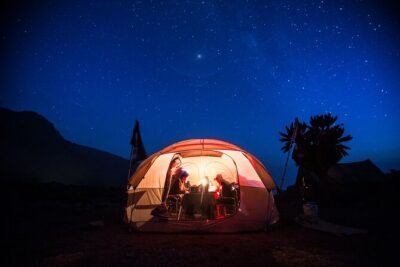
8-Day Small-group Lemosho Kilimanjaro Summit Trekking
Read our review →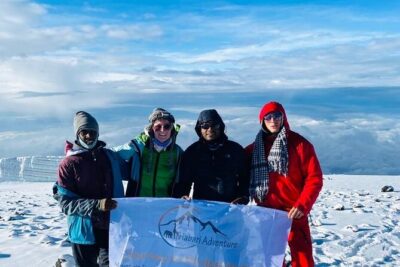
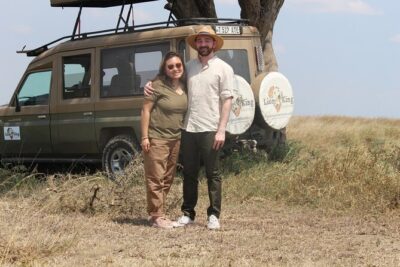
5 Days Best of Tanzania Luxury Safari Northern Circuit
Read our review →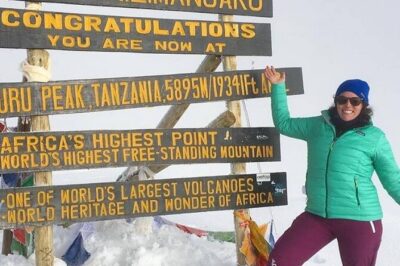
Climbing Kilimanjaro through 7 days Machame Route
Read our review →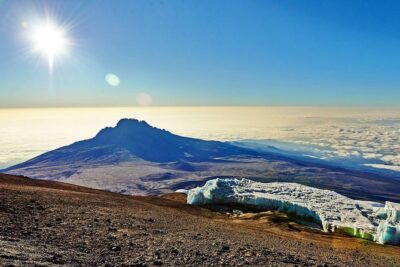
Browse the lists this tour appears in