
Reviewed · KILIMANJARO CLIMBS
Mt Kilimanjaro Trek, 6 Days – Umbwe Route
If you want a serious climb, Umbwe is your ticket. This 6-day Kilimanjaro trek from Moshi is known for a steep, low-crowd ascent that feels like a direct line to the top. I like that the package is tightly built around the mountain day by day, with hotel nights plus full board meals and the crew handling the logistics. The trade-off is clear: Umbwe gives you less time to acclimatize, so it is demanding and the success rate is very low compared with gentler routes.
What I like most is how the route uses the South Circuit approach and still gives you big-picture summit angles on the way up. I also appreciate the support layer here, including qualified guides, assistant guides, porters, and a cook, plus emergency oxygen for emergencies only. One possible drawback for many people is the lack of scenic variety, because the path up and down runs close to each other, so you should expect fewer visual surprises than routes that zigzag more.
In This Review
- Key Umbwe Route Highlights (What You’ll Feel Most)
- Umbwe Route, the quiet choice that punishes
- Price and value for a 6-day private climb from Moshi
- The logistics you’ll actually notice: transfers, camps, and group size
- Day-by-day on Umbwe: what each day is really like
- Day 1: Umbwe Gate to rain forest climb (1660m to 2850m)
- Day 2: Out of the forest to open moorland and Barranco Camp (2850m to 4000m)
- Day 3: The Barranco Wall up to Karanga Valley junction (4000m to 4050m)
- Day 4: Barafu Camp, your big pre-summit rest spot (4050m to 4700m)
- Day 5: Midnight-to-dawn summit bid via Stella Point (4700m up to 5895m)
- Day 6: Down the Mweka Trail to certificates (3090m to 1680m)
- Crew and care: guides, porters, cook, and small touches
- Gear and what to pack for Umbwe’s reality
- Who Umbwe fits best, and who should pick another route
- Should you book the 6-day Umbwe climb?
- FAQ
- How long is the Mt Kilimanjaro trek on the Umbwe Route?
- Where does the trek start and where does it end?
- What is included in the price besides the trek?
- Are meals included during the hike?
- What support do you get on the mountain?
- Is emergency oxygen included?
- Is water included?
- What should I bring for the descent?
- Can I rent trekking gear?
- What is the cancellation policy?
Key Umbwe Route Highlights (What You’ll Feel Most)
- Less crowded, more secluded hiking: you are on the least used route, so the vibe is calmer.
- A steep, constant climb: the schedule pushes you, and it rewards strong hikers who keep steady effort.
- Sunrise focus at Stella Point: the hardest chunk is also where the day turns into a memorable moment.
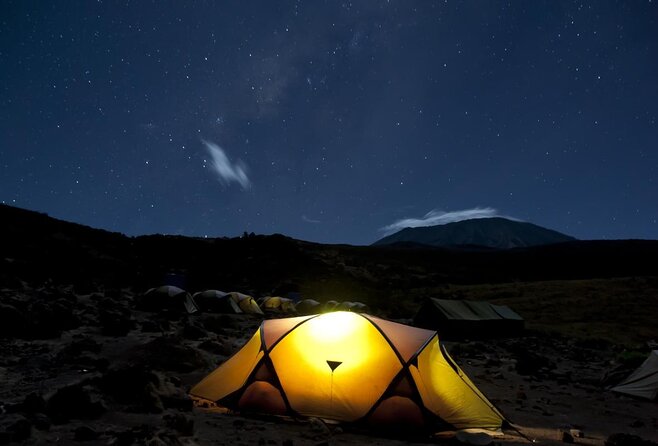
- South Circuit views from Barafu: you get summit angles from multiple angles before your summit push.
- Support that runs like a system: guides, porters, cook, tents, and daily water included.
- Practical descent help: lower sections can be wet and muddy, and you’ll use gaiters and trekking poles.
Umbwe Route, the quiet choice that punishes
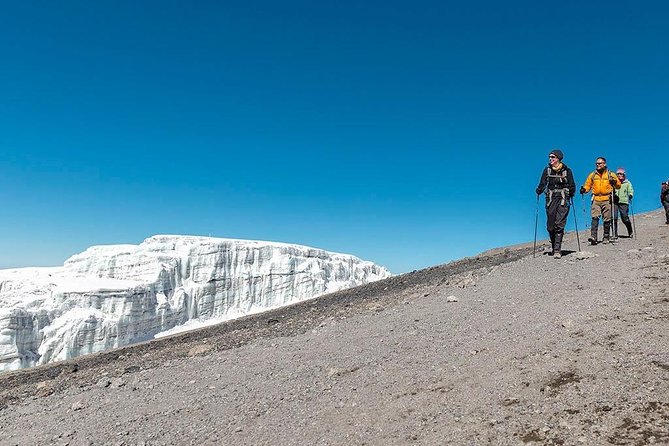
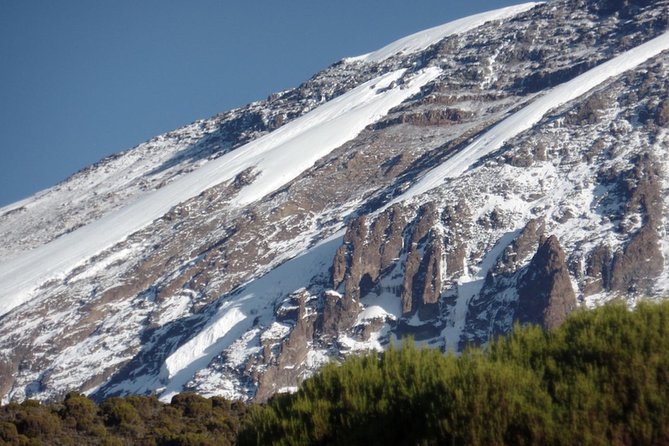
Umbwe is the least used Kilimanjaro route, which usually means fewer fellow hikers and a more solitary feel. If you want that kind of hike, you’ll like the focus Umbwe gives you. But this is not a route built for wandering or easing into altitude. It is steep, constant, and straight up, which is exactly why it is considered the most difficult path on the mountain.
The altitude angle matters here. Umbwe is avoided by many because the ascent profile does not give climbers much time to adjust. The route’s reputation is not subtle: the success rate is very low, and many people underestimate how fast they are asked to work. If you choose Umbwe, choose it because you are confident you can handle sustained steep trekking and you already have experience with altitude.
Also note the “scenery trade.” Umbwe is not as scenically varied as other popular routes because the up-and-down paths are near each other. You might still see plenty of mountain drama, but don’t bank on a different-looking trail every day.
More Hiking Trips in Moshi
- Private Kilimanjaro Hike 7 Day Lemosho Route
★ 5.0 · 60 reviews - Best Kilimanjaro hiking day trip tour with Kilinge Adventures
★ 4.5 · 54 reviews - #1. Best Kilimanjaro Day hike Tour-Machame Route-ISMANI
★ 4.2 · 47 reviews
Price and value for a 6-day private climb from Moshi
At $2,260 per person, this trek sits in the premium zone. The question is whether it is worth it for you, and in this case the package is doing a lot of the heavy lifting.
Here’s what drives value:
- You get hotel accommodation the night before and the night after the climb, with dinner and breakfast included.
- The mountain part is not bare-bones. You get camping equipment like tents and sleeping mattresses, plus camp setup support.
- Food is included daily for the trek, with breakfast 5, lunch 6, dinner 5.
- Transfers are covered, including return transfers between Kilimanjaro airport and Moshi, and Moshi to the airport.
- You are not trekking without backup. You get qualified guiding staff, porters, a cook, and emergency oxygen for emergencies only.
Where cost can feel heavier is if you need to rent gear, buy extra essentials, or plan for extra acclimatization days. The route is minimum 6 days, but 7 days is recommended. If you are wavering on whether 6 is realistic for your body, that extra day can matter more than savings.
The logistics you’ll actually notice: transfers, camps, and group size
This is a private tour/activity, meaning only your group participates. For many climbers, that matters because the pace, questions, and comfort choices can be more flexible than on a big mixed group. It also helps on a steep route like Umbwe, where small differences in pace can create big differences in energy.
You’ll also appreciate the simple rhythm of being picked up and dropped off. There’s transport between Moshi and Kilimanjaro airport built into the package, plus a hotel before and after so you’re not scrambling around paperwork or late arrivals.
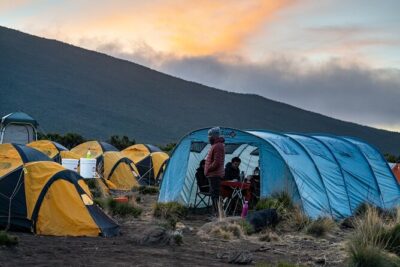
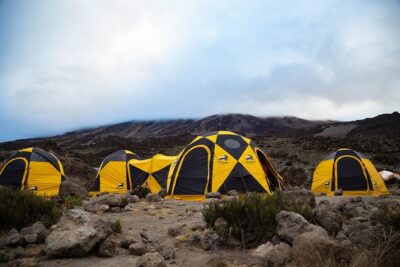
On the mountain, you’re not carrying camp setup. The crew brings and sets up camping equipment, and you’ll have daily water for drinking and washing up. The pace is still physical, but the logistics are designed to keep you focused on walking.
Day-by-day on Umbwe: what each day is really like
More Kilimanjaro climbs:
- Kilimanjaro climb by Lemosho Route (7-day)
★ 5.0 · 651 reviews - Kilimanjaro climb, Machame Route (7-day)
★ 5.0 · 262 reviews - Kilimanjaro Climbing Lemosho Route 8 Days.
★ 5.0 · 186 reviews - Climbing Kilimanjaro – Machame Route
★ 5.0 · 170 reviews
Day 1: Umbwe Gate to rain forest climb (1660m to 2850m)
You start by driving from Moshi to Umbwe Gate (about 1 hour). Then you begin in rain forest, working upward from about 1660m to 2850m over roughly 11 km and 5 to 6 hours. You’ll carry a packed lunch on the route.
This day is about finding your rhythm early. Umbwe starts with actual forest walking, which can feel cooler and more comfortable, but you’re still gaining altitude quickly. I’d treat this day like a pacing lesson, not a test. On a route like this, even good hikers can overcook day one.
Day 2: Out of the forest to open moorland and Barranco Camp (2850m to 4000m)
After breakfast, you leave the forest glades and enter open moorland. The hike runs about 6 km and 4 to 5 hours, pushing you from around 2850m to 4000m to reach Barranco Camp.
This is where Umbwe’s character shows. Once the vegetation thins out, you’ll see more sky, more exposure, and often less shelter. Expect the trail to feel more relentless because it is an ascending path that keeps you working.
If you’re sensitive to altitude, this is the kind of day where you should be honest with yourself about how your body reacts. You can’t outsmart the schedule.
Day 3: The Barranco Wall up to Karanga Valley junction (4000m to 4050m)
On day three, you gain only a little altitude, from 4000m to 4050m, but don’t let that fool you. The hike is short at about 5 km and 3 to 4 hours and includes a steep ridge up the Barranco Wall to the Karanga Valley. You also reach a junction that connects with the Mweka Trail.
This day is about effort, not height. Steep climbing can be harder on the legs than higher mileage because it asks for constant power. Mentally, you might feel like you are not “earning” much altitude, but physically you are building endurance.
Day 4: Barafu Camp, your big pre-summit rest spot (4050m to 4700m)
You continue up to Barafu Camp, climbing from about 4050m to 4700m over around 4 km and 3 to 4 hours. This is where you’ve completed the South Circuit, and you’ll get views of the summit from many angles.
Barafu is your staging area. You’ll camp, rest, enjoy dinner, and prepare for summit day. This is a day to keep your energy. On Umbwe, the schedule is punishing, so “rest” needs to be real rest, not rest plus overconfidence.
Day 5: Midnight-to-dawn summit bid via Stella Point (4700m up to 5895m)
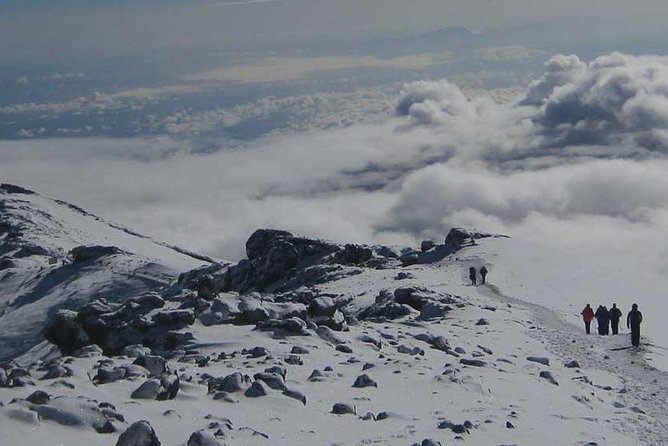
This is the marathon day. You head out very early, between midnight and 2 am, to climb toward the summit between the Rebmann and Ratzel glaciers. You move in a northwesterly direction, and the ascent includes heavy scree toward Stella Point on the crater rim.
This is described as the most mentally and physically challenging part. You’ll likely face snow at least at some stage, and the summit ascent after Stella Point is about 1 hour.
What you’re chasing is the sunrise. At Stella Point, you stop for a short rest and you are rewarded with what many people find to be the most impressive sunrise they will ever see. Faster hikers may view it from the summit itself.
If you are deciding whether you’re ready for Umbwe, this day is the answer. You need both stamina and calm under pressure. The whole trek sets you up for this, and then it asks you to execute.
Day 6: Down the Mweka Trail to certificates (3090m to 1680m)
You descend after breakfast down the Mweka Trail, from about 3090m to 1680m over roughly 10 km and 3 to 4 hours. You’ll reach Mweka Park Gate for summit certificates, then continue about another hour to Mweka Village. From there, a vehicle meets you and drives you back to your Moshi hotel in about 30 minutes.
The key practical note is the lower elevations can be wet and muddy. That means bring your gaiters and trekking poles. Even if your body feels okay on summit day, knees often feel the cost on descent day, so treat this day like careful work.
Crew and care: guides, porters, cook, and small touches
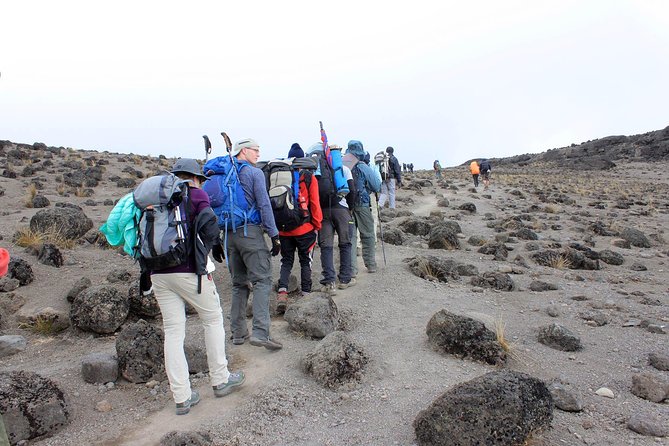
One of the strongest signals from past climbers is how well the team shows up for you. The guiding staff and support crew are there to keep you safe and moving, and the cook’s role matters more than you might think. On a long summit day, meals and rhythm can be the difference between steady progress and falling apart.
You’ll also have a human point of contact behind the scenes. The owner, Wence, is mentioned as tailoring the tour to preferences, which suggests the operation is not running like an anonymous conveyor belt.
It sounds small, but it matters: when the night food is planned and the team keeps you cared for, you spend less time worrying and more time managing altitude, fatigue, and pace.
Gear and what to pack for Umbwe’s reality
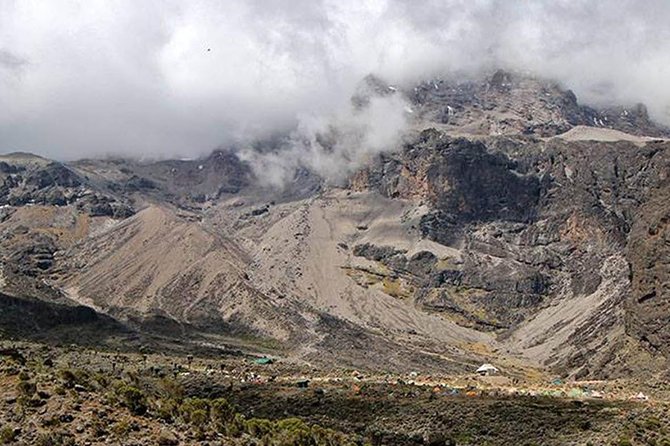
This trip includes camp setup and daily water, but you still need to show up with a sensible kit. The route is steep and the summit push is cold and windy in most conditions, even when the weather shifts.
From what’s specifically mentioned:
- Gaiters and trekking poles help on the descent, especially because lower parts can be wet and muddy.
- Shorts and t-shirts might be enough at lower levels, but keep rain gear and warmer clothing handy.
- Portable toilet is optional but highly recommended.
- You can rent some personal hiking gear from an equipment store in Tanzania.
Also plan on essentials that are not included: personal medicine, snacks, and water purifying tablets.
And one more Umbwe-specific thought. Because the route is demanding and acclimatization time is limited, any gear that reduces friction in your day helps. Comfortable boots and an approach you know you can repeat under stress are worth more than chasing a fancy list.
Who Umbwe fits best, and who should pick another route
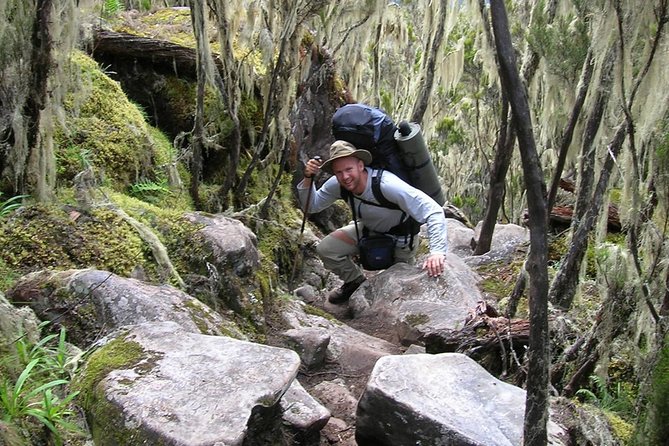
Umbwe is best for climbers who want a challenging climb and are confident trekking steep slopes over and over. It also fits people who are experienced with altitude, because the schedule is punishing and you need to trust your body’s ability to adjust, even if the route doesn’t give you much time.
It also suits you if you want a secluded hike. Fewer people can mean a calmer experience, less waiting at points, and a stronger sense of “it’s just you and the mountain.”
Umbwe might not be your best match if:
- You want more time to acclimatize.
- You are new to altitude or unsure how your body reacts.
- You want day-to-day scenery variety that comes from more diverse trail paths.
If your goal is purely the highest possible chance of success, consider whether a gentler route with a more forgiving profile makes more sense.
Should you book the 6-day Umbwe climb?
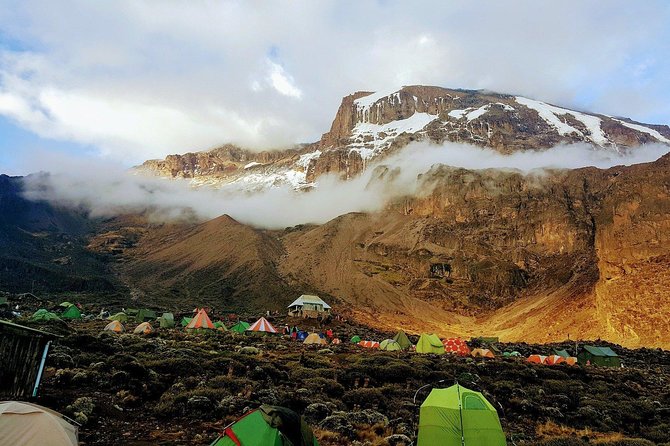
I’d book this only if you match Umbwe’s personality. If you are physically ready for steep, constant climbing, and you understand that the route gives limited time to adjust to altitude, Umbwe can be an unforgettable, focused trek. I also like that the operator includes a full support system: guides, porters, cook, camping gear, meals, oxygen for emergencies, and hotel nights plus transfers.
If you are on the fence, here’s the practical move: prioritize acclimatization. The trek runs on a minimum 6 days, but 7 days is recommended, and on Umbwe that extra time can be the difference between feeling prepared and feeling punished.
If you’re the kind of traveler who wants a quieter mountain experience and you’re trained for steep effort, Umbwe is a bold choice worth considering. If you want an easier ramp into altitude or lots of different-looking scenery, this may feel too direct, too fast, too hard.
FAQ
How long is the Mt Kilimanjaro trek on the Umbwe Route?
It is listed as 6 days (approximately), with the route taking six days minimum to complete. Seven days is recommended.
Where does the trek start and where does it end?
The trek starts at Umbwe Gate (R76H+2VW, Umbwe, Tanzania). It ends back at the meeting point in Umbwe, Tanzania.
What is included in the price besides the trek?
The package includes all fees and taxes, return transfers between the Kilimanjaro airport and Moshi (and Moshi to the airport), and hotel accommodation the night before and after the climb with dinner and breakfast.
Are meals included during the hike?
Yes. You get breakfast 5, lunch 6, and dinner 5. Snacks and drinks outside what is specified are not included.
What support do you get on the mountain?
You travel with a qualified mountain guide, assistant guides, porters, and a cook. Camping equipment is included too, including tents and sleeping mattresses.
Is emergency oxygen included?
Yes. Emergency oxygen is included and is for use in emergencies only, not as summit aid.
Is water included?
Yes. You get fresh water for drinking and washing up daily.
What should I bring for the descent?
The descent can be wet and muddy at lower elevations. You’ll benefit from gaiters and trekking poles, plus rain gear and warmer clothing. Shorts and t-shirts may be enough at lower elevations.
Can I rent trekking gear?
Yes. You can rent some of the gear from an equipment store in Tanzania, but personal gear is not automatically included.
What is the cancellation policy?
There is free cancellation. You can cancel up to 24 hours in advance for a full refund, based on the local start time.
More Hiking & Trekking in Moshi
- Best Kilimanjaro Adventure 7 days Machame route Trekking
★ 5.0 · 42 reviews - Kilimanjaro 7 Day Private Trekking Experience
★ 5.0 · 40 reviews - 8 Days Kilimanjaro Hike via Lemosho Route
★ 5.0 · 39 reviews - The Best & Unique Kilimanjaro Hiking tour 7 days Machame route
★ 5.0 · 34 reviews
Just posted around Moshi
- machame route★ 5.0 · 16 reviews
- Kilimanjaro Climbing Umbwe Route★ 5.0 · 3 reviews
- Wildlife Extravaganza: Manyara, Tarangire & Ngorongoro in 3 Days★ 5.0 · 3 reviews
- Mt Kilimanjaro 6 days Marangu route hike★ 5.0 · 3 reviews
- 3 Days Private E-Bike Tour in West Kilimanjaro★ 5.0 · 3 reviews
- West Kilimanjaro cycling Adventures★ 4.5 · 8 reviews
- Kilimanjaro Climb • Marangu Route ~ 9 Day★ 5.0 · 4 reviews
- Private Cycle to Kilimanjaro Bike Park Safari★ 5.0 · 6 reviews
Kilimanjaro Climbs, compared.
8-Day Small-group Lemosho Kilimanjaro Summit Trekking
Read our review →
5 Days Best of Tanzania Luxury Safari Northern Circuit
Read our review →
Climbing Kilimanjaro through 7 days Machame Route
Read our review →
Browse the lists this tour appears in