
Reviewed · KILIMANJARO CLIMBS
Hiking Mt Kilimanjaro 7 days scenic route & moderate challenge
Kilimanjaro makes you earn every view. This 7-day Machame route is one of the most scenic ways up, but it is also a fast climb that can feel steep and unforgiving if you are not ready. I like how the trek is built around real acclimatization rhythm, not just nonstop hiking. I also like the small-group setup, with a team that includes professional guides and porters focused on safety and comfort. One drawback to plan for is that bad luck with rain, wind, and cold can turn sections into a soggy, rocky slog.
What makes Machame especially interesting is how quickly you go from humid forest to exposed alpine terrain. You start near Machame Village and you are soon hiking in conditions that can change hour to hour, which keeps things moving and never boring. Just know the tradeoff: the route is popular for a reason, but it is considered difficult and mentally demanding, especially once you are pushing toward the summit night.
In This Review
- Key Highlights You’ll Feel on the Machame Route
- Why Machame (the Whiskey Route) Feels Scenic and Serious
- Day 1 from Arusha to Machame Village, Rain Forest Reality Check
- Day 2: Shira Plateau Basics, Moorland Breathing, and Cold Nights
- Day 3 to Lava Tower: The Hardest Climb So Far, Then the Relief Descent
- Day 4: Great Barranco Wall and Karanga Valley Acclimatization Boost
- Day 5: Barafu Hut, No Water at Camp, and Wind You Can Feel
- Day 6: The Midnight Push, Stella Point Sunrise, and Uhuru Peak Decisions
- Day 7: Celebration, Certificates, and the Descent to Mweka Gate
- Guides, Porters, Food, and Small-Group Value (Max 8)
- Price and Logistics: What $2,650 Really Buys on Kilimanjaro
- Training and Gear Mindset for a Moderate Challenge That Still Hits Hard
- Weather, Altitude, and How to Protect Your Summit Chances
- Should You Book This Machame 7-Day Climb?
- FAQ
- Where does the trip start?
- How long is the hike?
- What route is this on Kilimanjaro?
- How hard is it?
- What are the main high points during the trek?
- Is admission included?
- What is the group size?
- What is the cancellation policy?
- Is pickup included?
Key Highlights You’ll Feel on the Machame Route
- Scenic terrain shifts fast, from rain forest to moorland, then semi-desert around Lava Tower
- A true acclimatization day at the Great Barranco Wall, with views over the clouds
- Stella Point sunrise stakes: a long night hike with a crater rim payoff
- High-altitude pacing includes recovery time, like the descent from Lava Tower to Barranco
- Small group size up to 8 helps you move with less crowding on the trail
Why Machame (the Whiskey Route) Feels Scenic and Serious
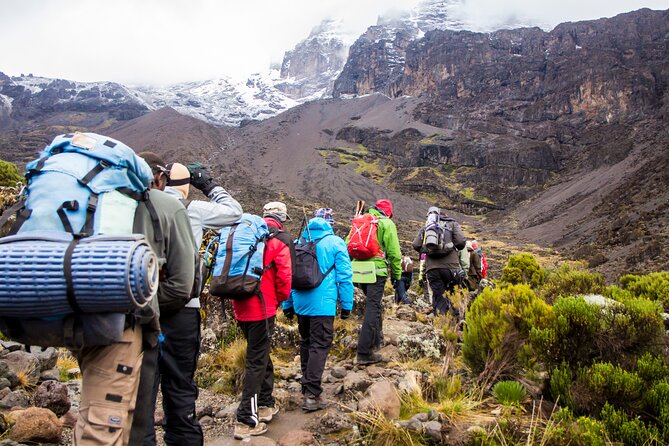
The Machame route, also called the Whiskey route, is popular because it looks and feels different every day. On Kilimanjaro, that matters. One hour you can be hiking under trees and wet air. The next you are above the clouds, where the wind cuts fast and everything feels sharper, from footing to breathing.
I like that the route is not just about reaching Uhuru Peak. It is about how you get there, day by day. You climb through moorland, then into a rocky semi-desert, then you get a strong acclimatization push before the summit attempt. That design helps you handle the altitude step-by-step.
That said, Machame is still hard. The shorter itinerary means you will feel the climb’s intensity, especially around the Lava Tower day and the summit night. If you show up with a relaxed hiking mindset, you will pay for it in sore lungs and stubborn legs.
More Hiking Trips in Moshi
- Private Kilimanjaro Hike 7 Day Lemosho Route
★ 5.0 · 60 reviews - Best Kilimanjaro hiking day trip tour with Kilinge Adventures
★ 4.5 · 54 reviews - #1. Best Kilimanjaro Day hike Tour-Machame Route-ISMANI
★ 4.2 · 47 reviews
Day 1 from Arusha to Machame Village, Rain Forest Reality Check
Your day starts with an early breakfast, then pickup from Arusha (about 1,400m) and a drive to Machame Village. Once you arrive, you can buy mineral water and you get a packed lunch. Then you head to the gate.
Here is the practical part: depending on road conditions, you might keep driving closer, or you might do a muddy walk from the village to the Machame gate. The walk is described as about 3 km and roughly an hour if conditions are bad. If you have ever had your shoes silently vote to retire, you know what I mean.
After registering at the gate office, the ascent begins and you enter the rain forest almost immediately. The weather can be wet, and it often is. Expect soggy, muddy, slippery trail conditions. This is not a day for fragile gear or optimistic thin socks. You will also have a welcome lunch stop about halfway through the day, then continue to camp for the night.
What I’d watch for: early on Kilimanjaro, you are still learning your pace. Start slower than your excitement level. The forest can make you feel warm, and then you stop and freeze later.
Day 2: Shira Plateau Basics, Moorland Breathing, and Cold Nights
Day 2 starts after you rise at Machame camp and get breakfast. You climb about an hour to get out of the forest zone, then you move through the moorland zone at a gentler gradient for around two hours. The terrain gives you a chance to find a rhythm, which is exactly what you want before higher altitude.
After a short lunch and rest, you hike onto a rocky ridge leading toward the Shira plateau. One of the nice moments on this day is the view direction: you can see the Western Breach with its glaciers to the east. You end the day at the Shira campsite around 3,840m.
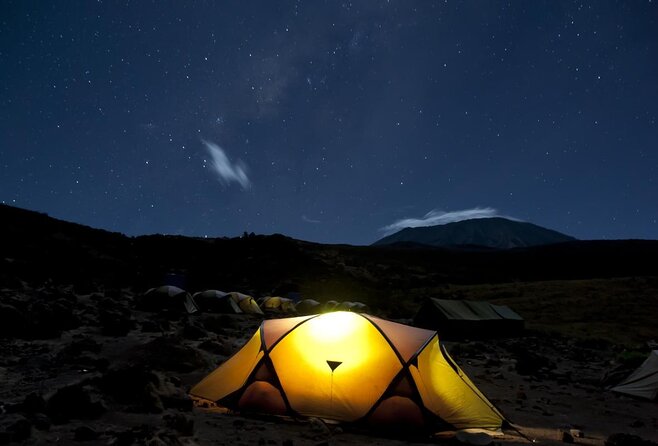
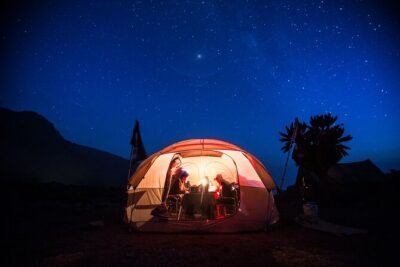
This is also where the temperature reality starts to feel real. The night at Shira is exposed and colder than the previous one, with temperatures dropping below freezing. Porters help by boiling drinking and washing water before dinner, but the air stays cold.
Consideration: plan to keep your core and hands warm even after hiking. Cold after effort can make you feel weaker than you actually are.
Day 3 to Lava Tower: The Hardest Climb So Far, Then the Relief Descent
Day 3 is the toughest day so far, and you should treat it that way. The route turns east into a semi-desert rocky area around Lava Tower. You reach about 4,630m after roughly a 5-hour walk, then you lunch in a designated area.
After lunch, you ascend the rocky scree path to Lava Tower at 4,630m. This section is mentally and physically demanding, and it is also the day when altitude symptoms can show up for some people. The signs listed include breathlessness, irritability, and headaches. If you have ever tried to talk when your head feels full of cotton, you know how that might feel.
Then comes a key part of Machame success: after Lava Tower, you descend about 680m back down to the Barranco camping area, reaching around 4,600m at Barranco camp. This descent is part of the acclimatization benefit of the day. Instead of stacking altitude gains without relief, you break the intensity with recovery time.
My advice: on this day, do not chase speed. Move steady. If you feel your breathing tighten, you slow down. The goal is to finish Day 3 feeling functional, not heroic.
More Kilimanjaro climbs:
- Kilimanjaro climb by Lemosho Route (7-day)
★ 5.0 · 651 reviews - Kilimanjaro climb, Machame Route (7-day)
★ 5.0 · 262 reviews - Kilimanjaro Climbing Lemosho Route 8 Days.
★ 5.0 · 186 reviews - Climbing Kilimanjaro – Machame Route
★ 5.0 · 170 reviews
Day 4: Great Barranco Wall and Karanga Valley Acclimatization Boost
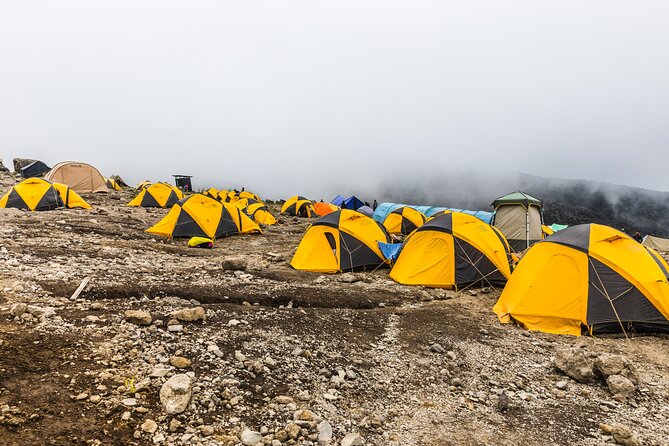
Day 4 is an acclimatization day that still gives you a thrill. After early breakfast, you tackle the Great Barranco Wall. It may look intimidating at first glance, but the hike is described as a Class 2 section and often easier than you expect.
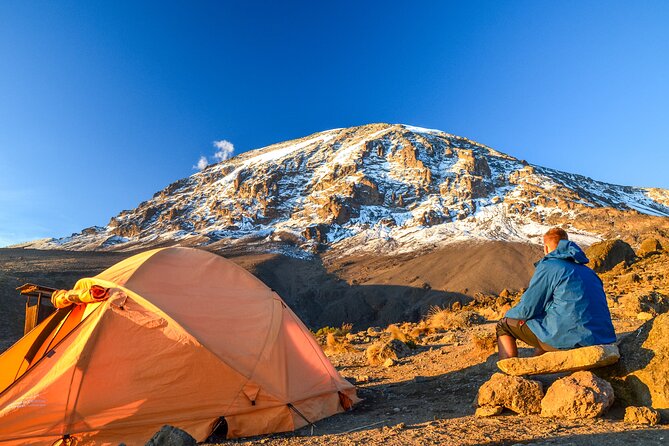
At the top, you get a view of the Heim Glacier, and you can be above the clouds. That is the kind of view that makes the grind feel justified, even if your calves disagree.
From there, the trail winds up and down in the Karanga Valley. Hiking in this stretch helps your body settle into altitude while still giving you a satisfying day out on the mountain.
Why it matters for your summit attempt: this is where you are building confidence, not just altitude. You learn how your legs move on uneven ground. You also learn how your breathing behaves when the air is thin but the pace is manageable.
Day 5: Barafu Hut, No Water at Camp, and Wind You Can Feel
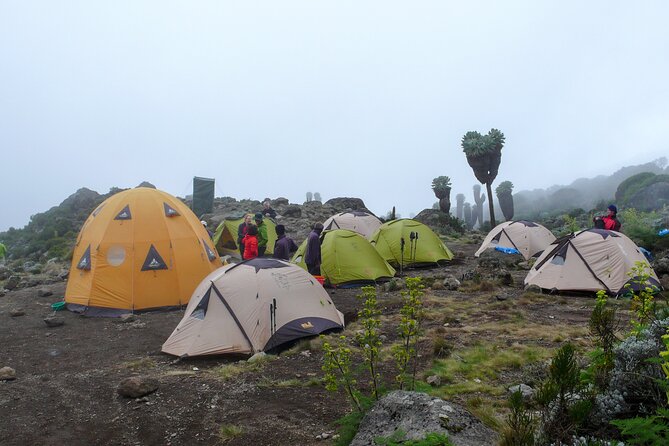
By Day 5, you leave Karanga Camp at about 3,959m. The route intersects with the Mweka Route, which is used for descent on the final two days. You hike for about an hour and reach Barafu Hut.
Then you head to Barafu Camp at around 4,550m. Here is a detail that matters: it is the last water stop for the porters because there is no accessible water at Barafu Camp. That means you need to manage your hydration early in the day, and you should trust the system your guides set.
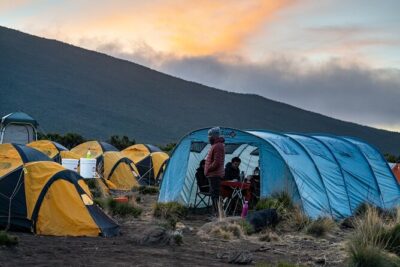
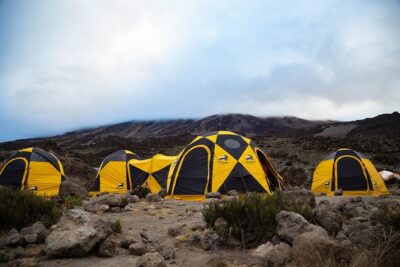
Barafu Camp sits on a rocky, exposed ridge. Tents are exposed to wind and rocks. Before dark, you want to familiarize yourself with where everything is around your camp area, because it gets harder to function once visibility drops and the wind ramps up.
Day 5 also includes an early dinner so you can rest and prepare for the next day’s midnight push. Think of this as the calm before you run your body on limited sleep and cold air.
Practical tip: double-check that your warm layers are easy to access in low light. When you are tired, having to dig in your pack is annoying at best and dangerous at worst.
Day 6: The Midnight Push, Stella Point Sunrise, and Uhuru Peak Decisions
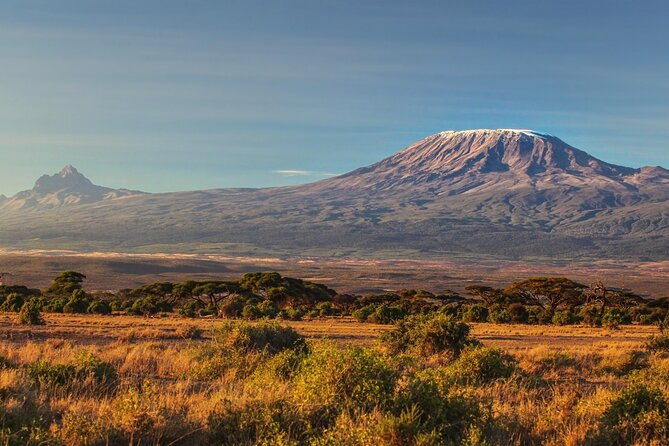
Day 6 starts around 23:30. You get tea and biscuits, then you shuffle off into the night. The hike heads in a north-westerly direction and ascends through heavy scree toward Stella Point on the crater rim.
This is described as the most challenging 6-hour stretch for many climbers, both mentally and physically. The ground is loose, and you are climbing while you are cold, tired, and breathing harder than your body wants.
At Stella Point (5,685m), you stop for rest. Then you might get the sunrise payoff, one of the best you can imagine on Kilimanjaro, assuming weather allows it. From Stella Point, the ascent continues for about 2 hours to Uhuru Peak at 5,895m. It is common to encounter snow all the way if conditions are cold enough.
Your time at the summit depends on the weather. That is normal on Kilimanjaro. You do not linger if visibility is poor or wind is strong.
What to take seriously: this day is about judgment. You do not win points for standing around. You move when you should, rest when you should, and you listen when your guides guide.
Day 7: Celebration, Certificates, and the Descent to Mweka Gate
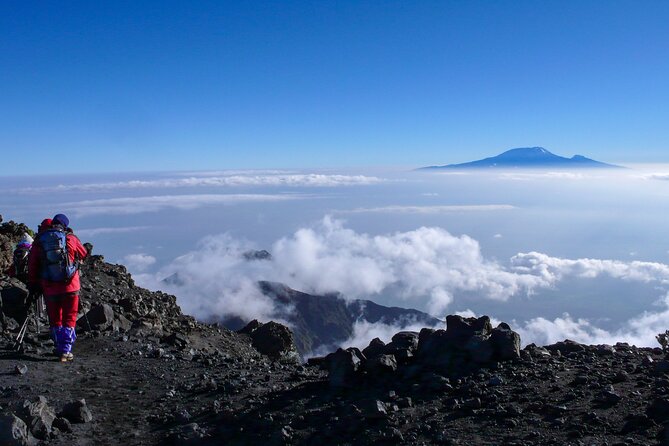
After breakfast, you get a celebration on the mountain with dancing and singing. This is also when you present your tips to the guide, assistant guides, chef(s), and porters. The day is built to acknowledge the team effort that makes Kilimanjaro possible.
Then you descend about 3 hours back to Mweka Gate. After that, you go down into Mweka village for about 1 hour, around 3 km. The park requires every hiker to sign their name to receive completion certificates.
Here is an important detail about recognition: reaching Stella Point (5,685m) earns a green certificate. Reaching Uhuru Peak (5,895m) earns a gold certificate. It is a nice system because it matches what you actually accomplished up there.
Guides, Porters, Food, and Small-Group Value (Max 8)
This experience is offered by safari soles tours, with a maximum of 8 travelers. That small group number matters in real life. You spend less time stuck behind a pile of people in narrow spots, and you are easier to manage when conditions turn rough.
I also pay attention to staffing details because they affect safety and comfort. One hiker praised an expert team with 2 guides, 7 porters, and a cook, plus strong English and close monitoring for altitude sickness signs. Another hiker highlighted guide support throughout the ascent and said food and shelter were excellent.
It is also worth noting that porters have specific jobs tied to daily comfort. On Day 2, they handle boiling water for drinking and washing before dinner. On Day 3 and Day 5, you see how water access changes, which means porter logistics are not an afterthought, they are part of the trek plan.
Finally, one review mentioned flexibility when a canceled flight forced the start to shift at the last minute. That is not something you can always count on, but if it happens and they handle it well, that protects your time and reduces stress before you even step onto the trail.
Price and Logistics: What $2,650 Really Buys on Kilimanjaro
$2,650.16 per person is not cheap. But Kilimanjaro is not a casual hike. You are paying for national park access, a guided multi-day climb, camp operations, and the staffing model that includes porters and a cook. You are also paying for the risk management of bringing people at altitude safely through a steep and cold itinerary.
This trek is listed as including admission tickets, with the final day marked free for admission. Pickup is also offered, and you get a mobile ticket. Group discounts are mentioned, and the cap of 8 travelers helps keep the experience more coordinated.
My value test for Kilimanjaro is simple: do you feel cared for while you are tired and cold? Based on the support described, including guide attention to altitude symptoms and practical camp details, this price looks aligned with the kind of team effort you need for Machame.
Training and Gear Mindset for a Moderate Challenge That Still Hits Hard
The route is described as difficult and steep, especially because the itinerary is shorter. At the same time, the fitness requirement is framed as moderate physical fitness level. That is not a contradiction, it means you do not need to be an elite climber, but you do need to be ready to hike uphill for hours while your breathing rate goes up fast.
Here is how I would translate that into preparation:
- Practice steady uphill hiking so you can keep a consistent pace
- Get comfortable with rocky footing, because Day 3 and the summit route include scree
- Plan for cold nights, because even mid-route camps can drop below freezing
- Bring gear you can handle when the trail is wet and slippery on Day 1
Your feet take a beating on wet days and loose rock days. Your hands do too if you stop moving and wind comes in. Your job is to stay warm enough and steady enough that you can keep walking.
Weather, Altitude, and How to Protect Your Summit Chances
Kilimanjaro’s biggest curveball is weather. Rain is a real possibility in the rain forest early on, and wind becomes a bigger factor on exposed ridges like Barafu Camp. On summit night, your sunrise and summit outcome depend heavily on conditions.
Altitude adds another layer. The itinerary includes days that help, including the tough Lava Tower day followed by a descent to Barranco for acclimatization benefit, plus the Great Barranco Wall as a controlled acclimatization day.
I like that the team is described as watching for early signs of altitude sickness. That mindset is crucial. If you ignore warning signs, you can lose momentum fast. If you respond early with a slower pace and smart decisions, you often protect the bigger goal.
Should You Book This Machame 7-Day Climb?
Book it if you want one of Kilimanjaro’s most scenic routes, and you are okay with real challenge and cold nights. If you like small-group guiding, want attentive support for altitude, and you are aiming for a summit attempt, Machame fits well.
Skip it or consider another plan if you hate steep rocky hiking, struggle with hiking in cold conditions, or you are not comfortable managing pace when breath feels limited. The route can be tough even when everything goes right, and weather can make it tougher.
If you book, go in with the right expectations: start slower than your ego, hydrate early on the days when water access is limited, and trust your guides on summit night. If you do that, the Machame route delivers what you came for, dramatic terrain changes, a real acclimatization rhythm, and a sunrise you will remember longer than your sore calves.
FAQ
Where does the trip start?
You are picked up from Arusha (about 1,400m) and driven to Machame Village.
How long is the hike?
The experience runs about 7 days.
What route is this on Kilimanjaro?
It follows the Machame route, also known as the Whiskey route.
How hard is it?
It is considered difficult and steep, especially given the shorter itinerary. It is recommended for people with moderate physical fitness and some high altitude hiking or backpacking experience.
What are the main high points during the trek?
You reach Shira campsite around 3,840m, Lava Tower around 4,630m, Stella Point around 5,685m, and Uhuru Peak at 5,895m.
Is admission included?
Admission tickets are included on the trek days, and Day 7 is marked as free for admission.
What is the group size?
The maximum group size is 8 travelers.
What is the cancellation policy?
There is free cancellation up to 24 hours in advance for a full refund.
Is pickup included?
Yes, pickup is offered.
More Hiking & Trekking in Moshi
- Best Kilimanjaro Adventure 7 days Machame route Trekking
★ 5.0 · 42 reviews - Kilimanjaro 7 Day Private Trekking Experience
★ 5.0 · 40 reviews - 8 Days Kilimanjaro Hike via Lemosho Route
★ 5.0 · 39 reviews - The Best & Unique Kilimanjaro Hiking tour 7 days Machame route
★ 5.0 · 34 reviews
Just posted around Moshi
- machame route★ 5.0 · 16 reviews
- Kilimanjaro Climbing Umbwe Route★ 5.0 · 3 reviews
- Wildlife Extravaganza: Manyara, Tarangire & Ngorongoro in 3 Days★ 5.0 · 3 reviews
- Mt Kilimanjaro 6 days Marangu route hike★ 5.0 · 3 reviews
- 3 Days Private E-Bike Tour in West Kilimanjaro★ 5.0 · 3 reviews
- West Kilimanjaro cycling Adventures★ 4.5 · 8 reviews
- Kilimanjaro Climb • Marangu Route ~ 9 Day★ 5.0 · 4 reviews
- Private Cycle to Kilimanjaro Bike Park Safari★ 5.0 · 6 reviews
Kilimanjaro Climbs, compared.
8-Day Small-group Lemosho Kilimanjaro Summit Trekking
Read our review →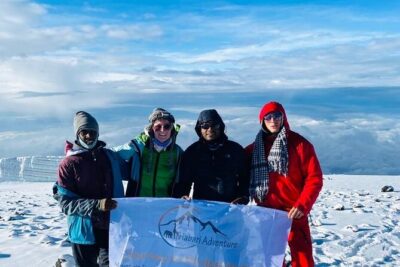
5 Days Best of Tanzania Luxury Safari Northern Circuit
Read our review →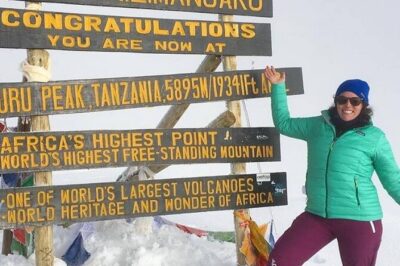
Climbing Kilimanjaro through 7 days Machame Route
Read our review →
Browse the lists this tour appears in