
Reviewed · KILIMANJARO CLIMBS
7 Day Trek To The Roof Of Africa Kilimanjaro via Machame Route
Kilimanjaro feels close and brutal. This Machame Route tour grabs you with serious day-to-day scenery, from rainforest hiking up toward moorlands and finally into high alpine desert, with enough time to acclimatize. I especially liked the safety-minded rhythm: oximeter-based health checks and an emergency oxygen canister in case someone starts slipping. The second big win for me was the variety on the trail, especially the acclimatization detour toward Lava Tower and the famous steps along Barranco. One possible drawback: it is demanding, and since personal gear like sleeping bags and hiking boots are not included, you’ll want to show up packed for cold, long days.
The practical stuff is handled well. You get airport pickup and drop-off in Moshi, a couple nights at Kili Wonders Hotel, and a small group size (max 15), so you are not stuck in a mega-conga line up the mountain. Add in the fact that park fees, rescue fees, and camping fees are included, and the $3,190 price starts to feel less like a mystery bill and more like a managed expedition.
In This Review
- Key highlights to know before you go
- Machame Route Kilimanjaro: why this climb hits so hard
- Moshi arrival and your first night: getting set before the climb
- Day 2 and Day 3: Machame Gate to Machame Camp, then Shira moorlands
- Day 4: Shira to Barranco, plus the Lava Tower acclimatization hike
- Day 5: Barranco Wall to Karanga Camp, built for strong views
- Day 6: Karanga to Barafu, the high alpine desert grind
- Day 7: Uhuru Peak at sunrise, then down to Mweka Camp
- Day 8 and Day 9: Mweka Gate exit, hotel time, and onward travel
- Camp comfort and crew support: the stuff that makes a difference
- Food on the mountain, and diet needs that are actually considered
- Price and value: what $3,190 covers, and what it does not
- What to pack: the key gear gap to plan for
- Who should pick this trek, and who might struggle
- Should you book this Machame 7-day Kilimanjaro trek?
- FAQ
- How many days is the Kilimanjaro trek?
- Where does the experience start?
- Is airport pickup and drop-off included?
- What kind of accommodation do you use on the mountain?
- Are meals included during the climb?
- Can the tour accommodate dietary restrictions?
- Is emergency oxygen provided?
- What medical monitoring happens during the trek?
- What is not included in the price?
- Can I cancel for a refund?
Key highlights to know before you go
- Medical support that is built into the schedule: daily health checks using an oximeter, plus an oxygen canister and medical kit.
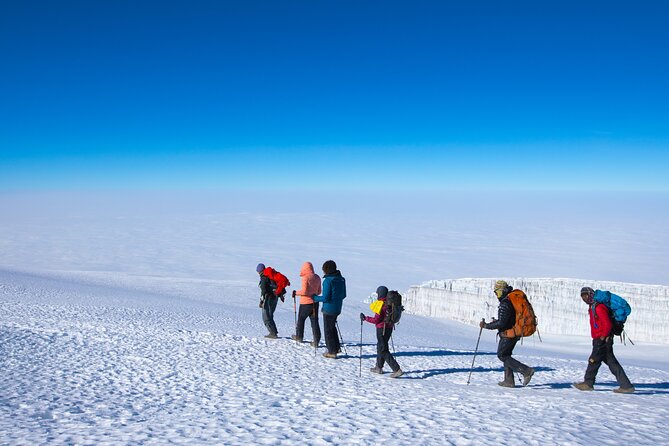
- A route that changes the whole mood every day: rainforest to heather and moorland, then alpine desert, then glaciers on summit morning.
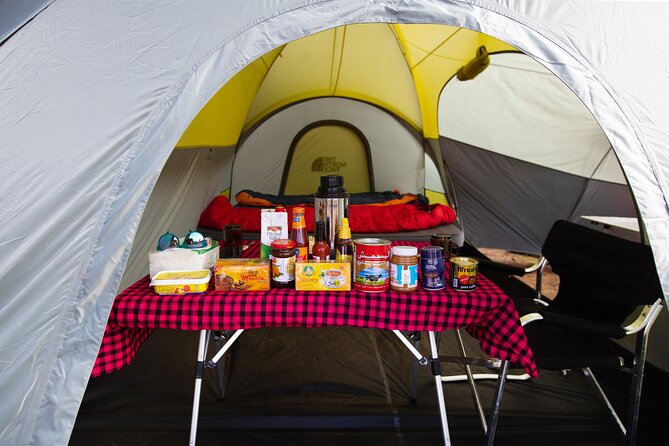
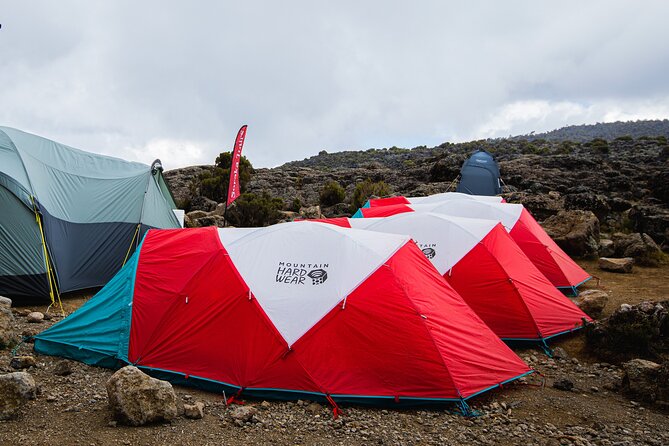
- Camp comfort for the altitude grind: 4-season Mountain Hardware tents, warm sleeping mats, and staffed dining tents.
- Famous day moments are baked in: Lava Tower viewpoints and Barranco Wall hiking.
- Food options are flexible: vegetarian, gluten free, halal, and kosher meal plans can be arranged.
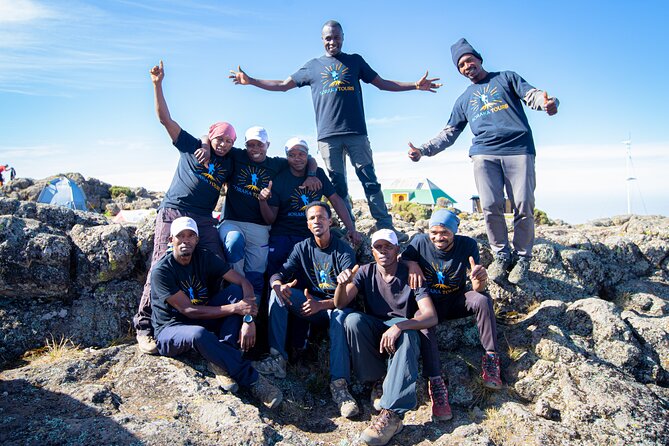
- A small group, real team energy: professional guides and crew, with fair wages for mountain staff.
Machame Route Kilimanjaro: why this climb hits so hard
The Machame Route is one of Kilimanjaro’s classic paths for a reason. It is not just a straight line upward. You get a slow build at first, then a series of altitude gains that feel physical and mental at the same time. That matters, because on Kilimanjaro your body needs time to adjust. You cannot power through altitude with willpower alone.
What I like about Machame, as a climbing experience for most people, is the way the trail keeps changing. Day after day you hike through different ecological zones. That helps for morale too. When the surroundings shift, your brain gets a little break from the monotony of “same trail, same slope.” The result is a route that feels like an expedition, not a single long hike.
More Hiking Trips in Moshi
- Private Kilimanjaro Hike 7 Day Lemosho Route
★ 5.0 · 60 reviews - Best Kilimanjaro hiking day trip tour with Kilinge Adventures
★ 4.5 · 54 reviews - #1. Best Kilimanjaro Day hike Tour-Machame Route-ISMANI
★ 4.2 · 47 reviews
Moshi arrival and your first night: getting set before the climb
Day 1 is all about landing and getting your bearings. You will arrive in Moshi, and the trip includes JRO airport pickup and drop-off. After that, you spend two nights at Kili Wonders Hotel (or similar), with breakfast included. This is a real advantage if you do not want to scramble for logistics in the middle of your trip.
You also get the benefit of a small group. With a max of 15 travelers, your guides can manage pacing and communication without losing you in a crowd. If you like structured days where you know what comes next, this is the right kind of start.
Day 2 and Day 3: Machame Gate to Machame Camp, then Shira moorlands
Day 2 takes you from Machame Gate (5,905 ft) to Machame Camp (9,875 ft). Expect rainforest hiking as you gradually gain altitude. Rainforest is often slippery and humid, and that means the climb can feel harder than the numbers suggest. The good part: you typically get time to settle into your rhythm instead of going full summit push right away.
On Day 3, you move from Machame Camp (9,875 ft) to Shira Camp (12,600 ft). You transition into heather and moorland zones. This is where the air starts to feel thinner. The scenery changes again, and you will likely feel the difference in every breath. This is also where your pacing matters most. If you go too fast early, altitude will collect its payment later.
Practical tip from how these climbs play out: on Days 2 and 3, focus on steady breathing over speed. If you can, keep your effort calm and even. You are saving energy for later, when the trail steepens and the air gets less forgiving.
Day 4: Shira to Barranco, plus the Lava Tower acclimatization hike
Day 4 goes from Shira Camp (12,600 ft) to Barranco Camp (12,960 ft), but with an important acclimatization hike to Lava Tower (15,190 ft). This is a smart design choice. You gain higher altitude to stimulate acclimatization, then you come back down to sleep at a slightly lower camp.
The benefit is psychological as well as physiological. You get a big “you are really on Kilimanjaro” moment, with views that include the Western Breach and the Southern Glacier area. That sort of visual payoff helps people keep going when the next day feels like work.
This is also a day where you will appreciate the expedition-style support. Your guides and crew are experienced, and the tour includes emergency oxygen and medical support tools, so you are not left to guess if someone is struggling.
More Kilimanjaro climbs:
- Kilimanjaro climb by Lemosho Route (7-day)
★ 5.0 · 651 reviews - Kilimanjaro climb, Machame Route (7-day)
★ 5.0 · 262 reviews - Kilimanjaro Climbing Lemosho Route 8 Days.
★ 5.0 · 186 reviews - Climbing Kilimanjaro – Machame Route
★ 5.0 · 170 reviews
Day 5: Barranco Wall to Karanga Camp, built for strong views
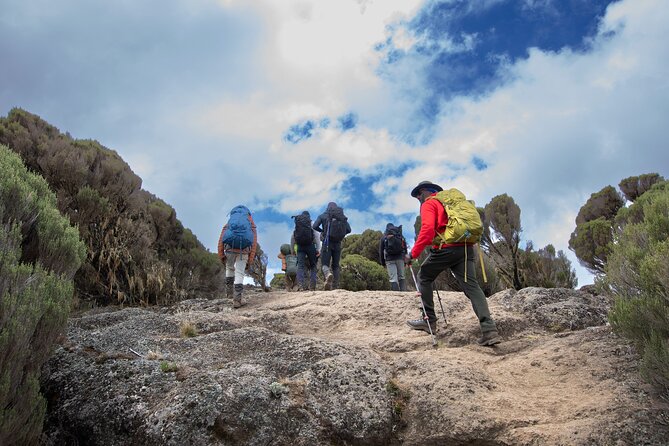
Day 5 is Barranco Camp (12,960 ft) to Karanga Camp (13,270 ft). The star is the Barranco Wall. This is one of Kilimanjaro’s more memorable hiking segments. Even when it is not technically hard, it feels steep, and it asks for careful foot placement.
What I like about Day 5 is that it is not just altitude grind. It is a trail moment with personality. You hike along that famous wall with a view from above, and you get to feel the satisfaction of moving through a “named” section of the mountain.
That satisfaction matters on summit day. People who feel confident on the intermediate days tend to manage the summit mindset better, because they trust their own ability to keep moving.
Day 6: Karanga to Barafu, the high alpine desert grind
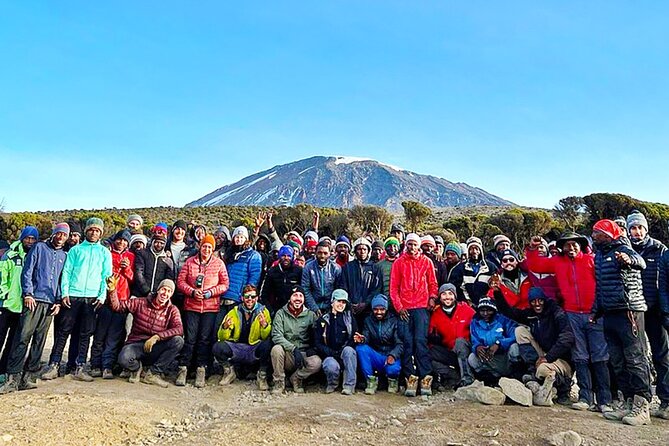
Day 6 takes you from Karanga Camp (13,270 ft) to Barafu Camp (15,190 ft). This part of the journey shifts into high alpine desert. That means less vegetation and a colder, harsher feel on the ground. The terrain can look stark, and the wind can be more of a factor.
The camp at Barafu is the final stop before the summit attempt. You are not there for relaxing. You are there for setup. Your body is tired, your legs are heavy, and your mind is starting to count down.
If you want an honest read: this is where good guides earn their keep. A strong team keeps you calm, tracks health changes, and manages pacing and rest. And since the tour includes daily health checks with an oximeter, the summit decision does not feel like guesswork. It feels like monitoring.
Day 7: Uhuru Peak at sunrise, then down to Mweka Camp
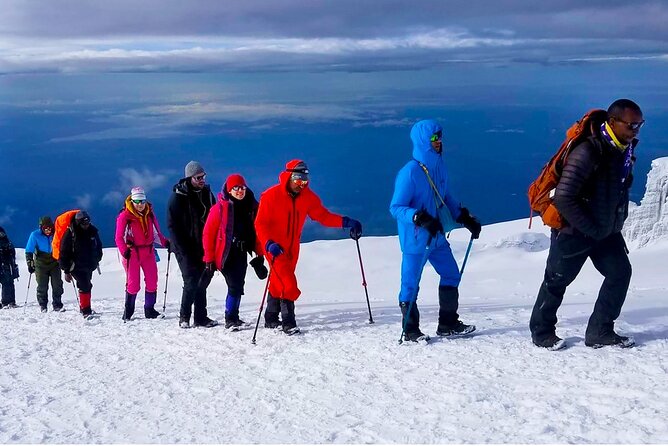
Day 7 is the big day. You go from Barafu Camp to Uhuru Peak (19,341 ft), then descend to Mweka Camp (10,170 ft). The sunrise summit moment is the payoff: you get glaciers and a huge sense of scale around you as the sun rises.
This day can be mentally intense. Even when you are moving well, altitude at that height demands a slow, controlled effort. The tour team is designed to help with that, including professional guides and a crew that handles camp logistics and support through the day.
After summiting, you descend to Mweka Camp. That descent is not just nice, it is necessary. It is part of how you recover and reset after the highest point of the trip. Many first-time summit climbers feel drained, and the ability to drop down to Mweka Camp is huge for comfort and recovery.
Day 8 and Day 9: Mweka Gate exit, hotel time, and onward travel
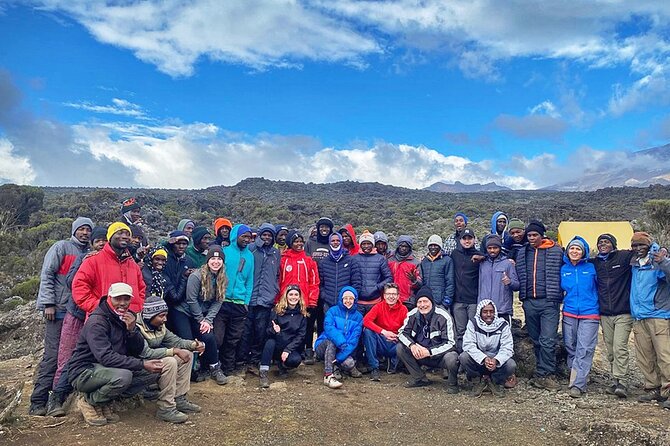
Day 8 brings you from Mweka Camp (10,170 ft) to Mweka Gate (5,380 ft), followed by hotel time in Moshi. Day 9 is transfer out, either to the airport or to safari plans.
This is the moment where Kilimanjaro stops feeling like “the mountain” and starts feeling like “a completed journey.” Your body will still be sore, but the logistics are straightforward: you get to exit, then you shift back into normal life mode.
If you are adding a safari afterward, you will appreciate having the tour built with that transfer day in place. It lets you plan your next chapter without rushing.
Camp comfort and crew support: the stuff that makes a difference
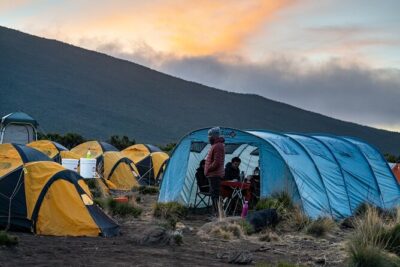
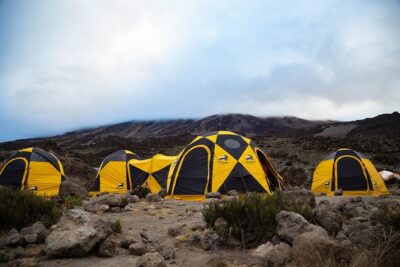
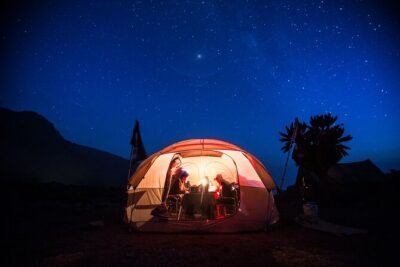
One of the most praised parts of this kind of climb is how well the mountain team keeps things running. On this trek, you sleep in 4-season Mountain Hardware tented accommodation, with two people per tent. You also get warm sleeping mats. Dinning tents and table setups are provided, along with cutlery and dining gear.
That matters more than it sounds. On Kilimanjaro, the work you do during the day is obvious. The work you do at camp is quiet but just as important: eating, resting, warming up, and staying hydrated. Having functional camp infrastructure reduces stress, and that is part of why people feel this climb is well organized.
You also get certified Wilderness First Responder guides, each with over 10 years of climbing experience. The tour includes emergency oxygen canister and a medical kit. On top of that, there are 2 daily health checks using an oximeter and targeted questions geared toward your health.
From the feedback I’ve seen connected to this operator, names like Baraka and Baltasari show up as guide voices that keep people moving with encouragement. That human factor is real. You want someone who can read the group and adjust the tone when it matters.
Food on the mountain, and diet needs that are actually considered
The tour includes 3 freshly prepared daily meals on the mountain. You can also accommodate vegetarian, gluten free, halal, and kosher meal plans.
Even if you have no special diet, food quality is a big deal on Kilimanjaro. When you are burning energy at altitude, meals are not just fuel. They are also morale. You want meals that are consistent enough to keep your stomach calm, and varied enough to keep you interested.
If you do have a dietary requirement, make sure you communicate it during booking so the kitchen can plan ahead.
Price and value: what $3,190 covers, and what it does not
At $3,190 per person, this is a real investment. But it is not priced like a basic hike. A lot of your costs are handled inside the tour fee.
Included items include:
- All fees collected by Kilimanjaro National Park, including rescue and camping fees
- 3 meals per day on the mountain
- Airport pickup and drop-off
- Ground transportation
- 2 nights hotel accommodation in Moshi with breakfast
- Tents, dining tent setup, warm sleeping mats
- Medical and emergency support elements (oximeter checks, emergency oxygen, medical kit)
- Certified guides and experienced climbing crew
Not included:
- Visa fee, airfare, and travel insurance
- Tips for the mountain staff
- Alcoholic beverages
- Lunch and dinner at the hotel
- Personal climbing equipment like sleeping bags and hiking boots
So, how do you judge value? Ask yourself whether you prefer paying upfront for a managed expedition, or piecing together costs and logistics yourself. If you want a plan with park fees, rescue coverage, and camp organization handled, the price starts to make sense. If you are the type who already owns the full gear kit and has a flexible travel setup, you might feel less of a need for bundled support.
What to pack: the key gear gap to plan for
The biggest stated gap is personal climbing equipment. That includes sleeping bags and hiking boots, which means you need to bring them yourself.
Because the route goes high enough to involve Uhuru Peak and glacier views, plan for cold nights and chilly mornings. You will get warm sleeping mats and 4-season tents, but a sleeping mat does not replace insulation. Your sleeping bag is the thing that keeps you safe and comfortable overnight.
Also bring your usual trekking basics for long days at altitude, like layers you can manage as temperature changes. The mountain will shift your body temperature constantly. Being able to regulate helps you keep moving without getting chilled.
Who should pick this trek, and who might struggle
This tour is described for travelers with moderate physical fitness. The Machame itinerary is challenging. If you can handle long uphill days, slow steady pacing, and occasional steep sections like Barranco Wall, you are in the right zone.
This trek also helps if you want:
- A structured, supported climb with daily monitoring
- A mix of scenery and memorable terrain features (Lava Tower and Barranco)
- A small group size so guidance feels personal
If you have health concerns about altitude and you have never hiked at similar elevations, be cautious. Use the health checks and guide assessments, but also talk to a medical professional before committing.
Should you book this Machame 7-day Kilimanjaro trek?
Book it if you want an expedition that feels organized, safety-focused, and rewarding at every step. The biggest reasons to choose it are the combination of Route variety and medical support built into the daily plan, plus the camp setup that keeps you functioning when you are exhausted.
Skip or reconsider if you are not ready for a serious physical challenge or you are not prepared to bring your own key cold-weather gear like a sleeping bag and hiking boots. This is not a casual walk. It is a goal-driven climb where good preparation matters as much as motivation.
If you want, tell me your current fitness level and whether you already own the gear (sleeping bag and boots). I can help you sanity-check whether Machame is the right match for your plan.
FAQ
How many days is the Kilimanjaro trek?
The trek is listed as 7 day trek to Kilimanjaro via Machame Route, with a total duration of about 9 days including airport transfers and hotel time.
Where does the experience start?
The start meeting point is Kilimanjaro Airport, and the trek operates in Kilimanjaro National Park, Tanzania.
Is airport pickup and drop-off included?
Yes. The tour includes JRO (Kilimanjaro International Airport) pick-up and drop-off service.
What kind of accommodation do you use on the mountain?
You use 4-season Mountain Hardware tented accommodation on the hike, with 2 people per tent. Warm sleeping mats are also provided.
Are meals included during the climb?
Yes. You get 3 freshly prepared daily meals on the mountain.
Can the tour accommodate dietary restrictions?
Yes. Vegetarian, gluten free, halal, and kosher meal plans can be accommodated.
Is emergency oxygen provided?
Yes. The tour includes an emergency oxygen canister and a medical kit.
What medical monitoring happens during the trek?
There are 2 daily health checks using an oximeter and specific questions geared toward your health.
What is not included in the price?
Visa fees, airfare, travel insurance, tips for the mountain staff, alcoholic beverages, lunch and dinner at the hotel, and personal climbing equipment (like sleeping bags and hiking boots) are not included.
Can I cancel for a refund?
Yes. You can cancel up to 24 hours in advance for a full refund. If you cancel less than 24 hours before the experience starts, the amount paid will not be refunded.
More Hiking & Trekking in Moshi
- Best Kilimanjaro Adventure 7 days Machame route Trekking
★ 5.0 · 42 reviews - Kilimanjaro 7 Day Private Trekking Experience
★ 5.0 · 40 reviews - 8 Days Kilimanjaro Hike via Lemosho Route
★ 5.0 · 39 reviews - The Best & Unique Kilimanjaro Hiking tour 7 days Machame route
★ 5.0 · 34 reviews
Just posted around Moshi
- machame route★ 5.0 · 16 reviews
- Kilimanjaro Climbing Umbwe Route★ 5.0 · 3 reviews
- Wildlife Extravaganza: Manyara, Tarangire & Ngorongoro in 3 Days★ 5.0 · 3 reviews
- Mt Kilimanjaro 6 days Marangu route hike★ 5.0 · 3 reviews
- 3 Days Private E-Bike Tour in West Kilimanjaro★ 5.0 · 3 reviews
- West Kilimanjaro cycling Adventures★ 4.5 · 8 reviews
- Kilimanjaro Climb • Marangu Route ~ 9 Day★ 5.0 · 4 reviews
- Private Cycle to Kilimanjaro Bike Park Safari★ 5.0 · 6 reviews
Kilimanjaro Climbs, compared.
8-Day Small-group Lemosho Kilimanjaro Summit Trekking
Read our review →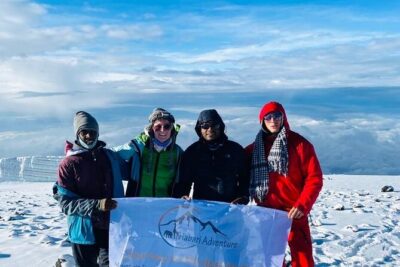
5 Days Best of Tanzania Luxury Safari Northern Circuit
Read our review →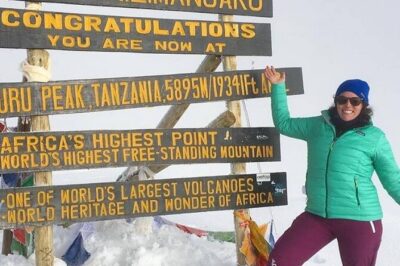
Climbing Kilimanjaro through 7 days Machame Route
Read our review →
Browse the lists this tour appears in