
Reviewed · KILIMANJARO CLIMBS
6-Day Rongai Route Trek in Mount Kilimanjaro
Kilimanjaro feels different from the north. The 6-day Rongai Route is a solid pick if you want a steadier ascent, fewer people on the trail, and early chances to spot wildlife near the Kenyan border. You also get the classic Kili rhythm of day hikes plus acclimatization, with a big summit push at night that targets Gilman’s Point and Uhuru Peak.
I love the way Rongai keeps the climb gradual and steady, so your body has time to adjust instead of feeling like it is being rushed. I also love that the early days can feel genuinely remote, with wilderness terrain and wide views over the Kenyan plains. One thing to consider is the summit day is long and demanding, with a midnight start and a major descent afterward, so you need to plan for fatigue as part of the experience.
In This Review
- Key Things I’d Remember Before You Go
- Why Rongai’s North Approach Changes the Whole Trek
- Day 1 From Moshi to Rongai Gate, Then Into Nale Moru’s Forest
- Day 2 Kikelelwa Caves, Second Cave Altitude, and Eastern Ice Views
- Day 3 Mawenzi Tarn Hut, Shorter Trek, Steeper Sections, and Acclimatization Walk
- Day 4 The Saddle Crossing, Lunar Desert Footsteps, and Kibo Hut
- Day 5 Midnight Summit Attempt, Sunrise at Gilman’s Point, Uhuru Peak, Then Horombo
- Day 6 Down to Marangu Park Gate and Back to Moshi or Arusha
- Price, Transfers, and What Makes This Deal Feel Fair
- What to Pack, What to Rent in Moshi, and How to Avoid Common Mistakes
- Who Rongai Suits Best, and Who Should Think Twice
- Should You Book This Rongai Route With Pinnacle?
- FAQ
- What city do you start from?
- How does getting to and from the mountain work?
- Is the Rongai trek private or group-based?
- What is included in the trek price?
- What gear do I need to bring?
- Do you provide emergency oxygen?
- What is the schedule for the summit attempt?
- What if I need to cancel?
Key Things I’d Remember Before You Go
- North-side access from Rongai Gate: You start near the Kenyan border, which shapes the scenery and crowd level.
- A steadier rhythm like Marangu, but quieter: Less foot traffic in the early days means a more wilderness feel.
- Wildlife potential early on: The first days pass through more natural, less-trafficked country where you might spot animals.
- Acclimatization built in: An afternoon walk around 4,500 m helps set you up for later altitudes.
- Summit timing and payoff: Midnight torchlight trekking to Gilman’s Point for sunrise over Mawenzi, then onward to Uhuru.
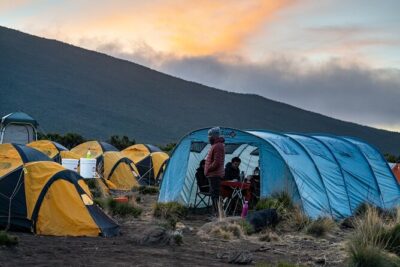
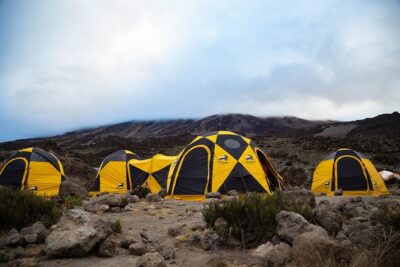
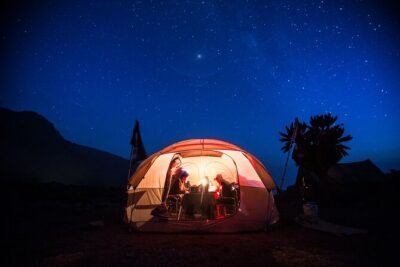
- Camping support included: Tents, camp seating, and mattresses are part of the package, so you travel lighter.
Why Rongai’s North Approach Changes the Whole Trek
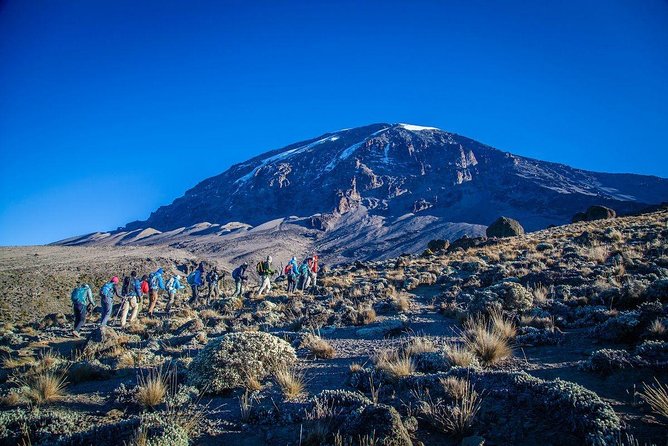
Most people think of Kilimanjaro as one familiar trail experience. Rongai breaks that assumption. Coming from the north near the Kenyan border means you experience different terrain earlier, and you usually see fewer trekkers than on the more famous approaches. That matters because the mountain feels less crowded, more like a real expedition, especially on the first days.
Rongai also shares the same overall ascent “temperament” as Marangu. It tends to be a gentler climb, with the day hikes arranged so you are not constantly sprinting uphill. If you like the idea of steady movement, good for pacing, rather than aggressive climbs from the start, Rongai fits that style well.
One more practical point I like: low crowds can mean a calmer atmosphere at camps and fewer delays. You still need to move at a mountain pace, but you often get a bit more quiet, a bit more time with your guide, and fewer distractions.
More Hiking Trips in Moshi
- Private Kilimanjaro Hike 7 Day Lemosho Route
★ 5.0 · 60 reviews - Best Kilimanjaro hiking day trip tour with Kilinge Adventures
★ 4.5 · 54 reviews - #1. Best Kilimanjaro Day hike Tour-Machame Route-ISMANI
★ 4.2 · 47 reviews
Day 1 From Moshi to Rongai Gate, Then Into Nale Moru’s Forest
You start with a pickup in Moshi, then travel by vehicle to Kilimanjaro National Park and Rongai Gate for registration. After that, you drive onto the village area of Nale Moru around 1,950 m, where the trek begins.
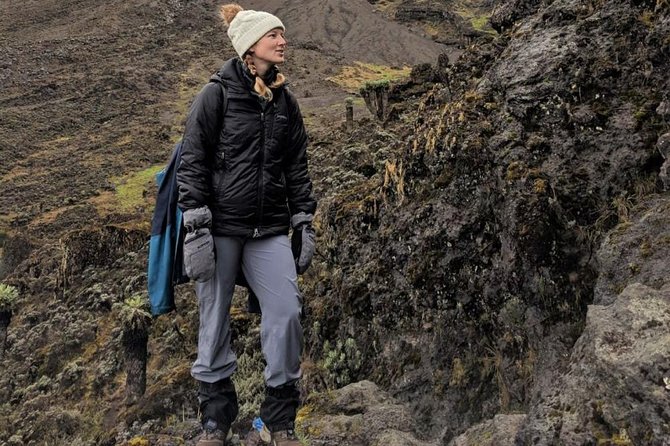
Today is about finding your footing and getting your body used to the walking tempo. The hike runs about 3 to 4 hours. You start on a small path that winds through fields of maize and potatoes. Then you enter pine forest and gradually ascend toward the moorland edge. The biggest reward is the view, especially if the weather clears, with wide sightlines over the Kenyan plains.
A realistic consideration: it can be wet in the rainforest. Even if you have dry weather earlier in the day, expect occasional drizzle or mist. Bring waterproofs and be ready for damp ground. Wet forest days can be comfortable if your layers stay functional, but miserable if your socks and shoes never dry.
Day 2 Kikelelwa Caves, Second Cave Altitude, and Eastern Ice Views
After breakfast at camp, you head toward the Kikelelwa Caves. This day runs about 5 to 6 hours, with a steady ascent. You climb up to Second Cave at around 3,450 m.
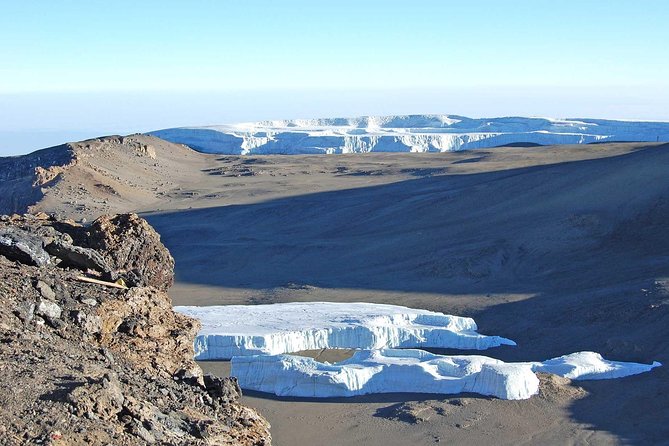
The highlight is not just the altitude. It is what you might see when conditions cooperate. From here, you can be rewarded with superb views of Kibo, plus the eastern ice fields visible from the crater rim area. It is the kind of moment where the mountain stops being just an effort and becomes a place you recognize.
Tonight you camp near Kikelelwa caves around 3,800 m and you follow a classic pattern: hike during the day, rest before the next altitude jump. The altitude gain today is about 950 m, so you should keep your pace slow and controlled, even if you feel tempted to speed up.
Day 3 Mawenzi Tarn Hut, Shorter Trek, Steeper Sections, and Acclimatization Walk
Day 3 is shorter on paper, about 3 to 4 hours, but it comes with steeper sections. You leave camp and climb grassy slopes, where the terrain changes faster than on Day 1 and Day 2. Once you push past these zones, you get a stronger sense of wilderness, and the views open up in an all-around way.
You finish at Mawenzi Tarn Hut around 4,330 m. Dinner and overnight come here, and the day is designed to help you adjust before the saddle crossing later.
The clever part is the afternoon acclimatization walk, around 4,500 m. Even though it is not a full extra trekking day, it is the kind of strategy that can make later steps feel less sudden. Your job is to treat this like training for breath control, not like a race.
More Kilimanjaro climbs:
- Kilimanjaro climb by Lemosho Route (7-day)
★ 5.0 · 651 reviews - Kilimanjaro climb, Machame Route (7-day)
★ 5.0 · 262 reviews - Kilimanjaro Climbing Lemosho Route 8 Days.
★ 5.0 · 186 reviews - Climbing Kilimanjaro – Machame Route
★ 5.0 · 170 reviews
Day 4 The Saddle Crossing, Lunar Desert Footsteps, and Kibo Hut
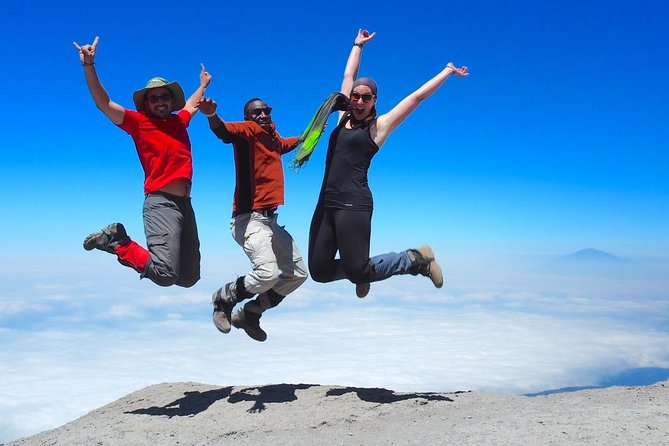
On Day 4 you cross the saddle between Mawenzi and Kibo. This is a key transition day because it changes the feel of the hike. You are walking for about 4 to 5 hours, and the terrain has that drier, more exposed quality trekkers describe as lunar desert.
You stop for an early dinner and overnight at Kibo Hut around 4,700 m. This altitude is where many people start to feel the thin air more clearly. Nothing is wrong if you feel it here. It is normal. Keep your breathing slow, keep your steps short, and let your guide set expectations for how you should move.
This is also a day where you want to pay attention to how your body responds: headaches, nausea, dizziness, or unusual fatigue should be taken seriously and reported immediately. A well-run team stays proactive about safety, and that is one reason you want a guide you trust.
Day 5 Midnight Summit Attempt, Sunrise at Gilman’s Point, Uhuru Peak, Then Horombo
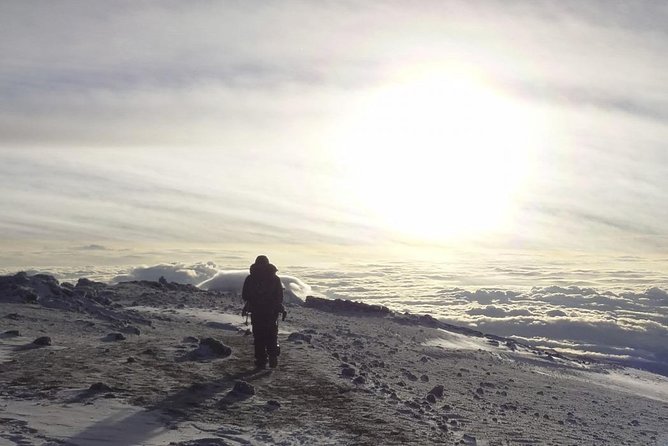
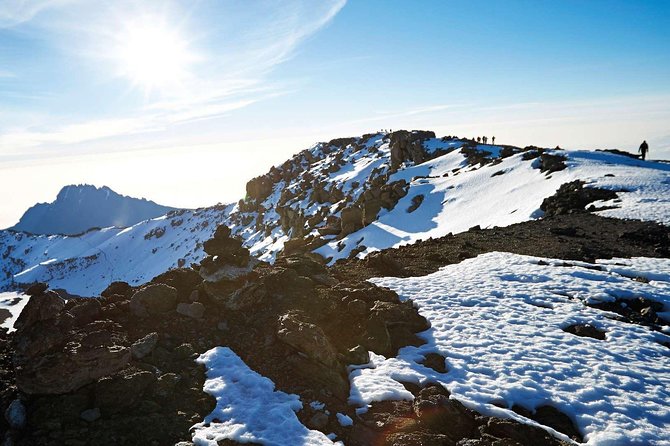
Day 5 is the big one. You wake up early, around midnight, with a hot drink and snack. Then you trek slowly by torchlight, climbing toward the crater rim at Gilman’s Point around 5,685 m.
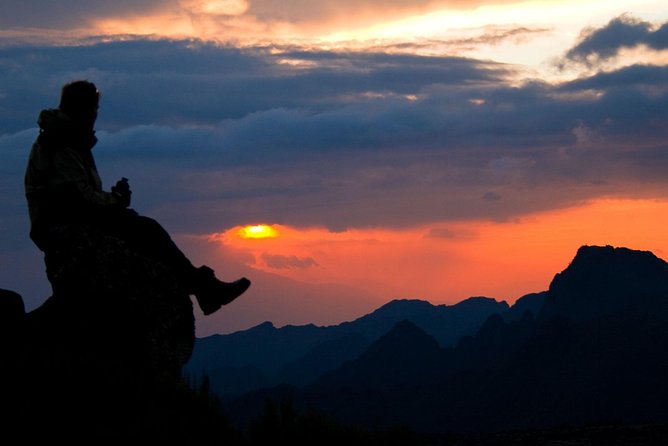
From there, if the weather allows, you get sunrise over Mawenzi peak. After that short break, you continue to Uhuru Peak around 5,895 m, often described as the roof of Africa.
Then comes the part people sometimes underestimate. Summit day is not just the climb up. You still have to descend to Kibo Hut around 4,700 m for brunch, then continue down to Horombo Hut around 3,720 m.
In terms of time and distance, the day can vary a lot. The overall schedule can feel like 10 to 16 hours on your feet, with a short ascent distance but a long, exhausting descent. Even if you reach the top, your legs will be the limiting factor afterward.
This is also where good guidance really matters. In Pinnacle’s team culture, guides like Tuma have been recognized for safety focus, and summit support has included motivation from guides such as Issa. The useful takeaway for you is simple: you want a crew that keeps the pace realistic and watches how you are doing, not one that pushes you beyond safe limits.
Day 6 Down to Marangu Park Gate and Back to Moshi or Arusha
The final day is your reward and your recovery. You descend for about 5 to 7 hours to Marangu Park Gate around 1,700 m, where you sign out of the mountain.
The good news is the trail shifts back to lush forest on good paths. That does not mean it is easy, but it is typically more walkable than the rocky higher sections. Expect a long downhill grind and plan to use your trekking poles, if you have them, to save your knees.
Once you finish, a driver meets you and transfers you to your hotel in Moshi or Arusha. This is where you start thinking about hot shower, real food, and sleep. You should also give yourself a day to rest after returning to town, especially if you are pairing the trek with other activities.
Price, Transfers, and What Makes This Deal Feel Fair
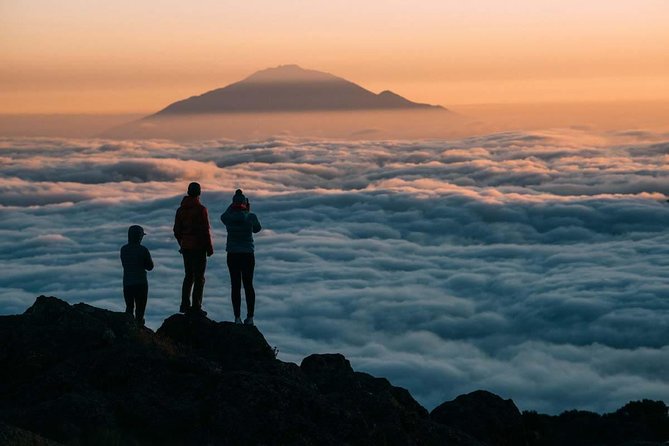
At $2,353 per person, this is not a bargain. But it is also not just a “walking package.” The value is in the support system:
- Return transfers from Kilimanjaro airport to Moshi, and Moshi back to the airport
- Qualified mountain guides, assistant guides, and porters, including wages
- Camping gear, including tents, camp chairs, tables, and sleeping mattresses
- Drinking water plus hot water for washing daily
- Emergency oxygen and basic first aid kit
- Meals included across multiple days: breakfast, lunch, and dinner as listed
For many people, the big cost pain on Kilimanjaro comes from buying or renting essentials and the time it takes to organize logistics. Here, the kit and crew are already baked in, which can make your trip smoother and less stressful.
Emergency oxygen is important, but it is also worth understanding its role. It is for emergencies only, not as summit aid. A good provider treats it as a safety tool, while your biggest determinants of summit success remain acclimatization, pacing, and how you listen to your body.
What to Pack, What to Rent in Moshi, and How to Avoid Common Mistakes
The trek package includes a lot, but it does not include personal trekking gear. The plan is usually to rent from equipment stores in Moshi if you do not have your own.
From a practical standpoint, you should plan for three different weather moods across the route: humid forest mist (Day 1), higher cold nights at camps, and summit-night chill (Day 5). Your exact needs depend on your personal tolerance, but your list should be built around layer control.
Also, consider the portable toilet. It is listed as optional but highly recommended. On a multi-day trek with high altitudes, comfort and sanitation matter more than people think, especially on the later days.
Water will be supplied as fresh drinking water, and you also get hot water for washing daily. Still, you may want to bring your own water purification tablets if that is part of your normal routine, since those are listed as not included.
Who Rongai Suits Best, and Who Should Think Twice
Rongai is a good fit if you want an easier-feeling ascent profile, especially compared to steeper routes. It is also a great match if you like the idea of a quieter mountain experience with low crowds and remote wilderness days.
It also works well for people who want wildlife potential early in the trek. That is tied to the fact that the route begins and travels through more natural areas near the Kenyan border, rather than the busiest trail corridors.
Who might think twice: anyone who is not prepared for a long summit day. Even though Rongai is gradual overall, the summit push still demands stamina and grit, and the day can stretch far beyond what you expect when you factor in the torchlit climb and long descent.
Fit matters too. The route says most people can participate, but the mountain still has its own rules. If you have medical concerns related to altitude, you should talk with a health professional before committing.
Should You Book This Rongai Route With Pinnacle?
I’d book this if you want a steadier Kilimanjaro pace, prefer fewer people on the trail, and you like the idea of real wilderness walking early on. The included support, from porters to camping gear to hot washing water, makes the trek feel organized and manageable. That kind of structure matters when you are dealing with thin air and a midnight wake-up.
I would pause if you know summit day is going to be a problem, not just mentally but physically. The itinerary shows a long, high-effort Day 5 with a major descent afterward, and that is the main reality check.
If you are excited by the combination of quieter routes and classic summit drama, Rongai is a strong bet, and this operator’s team reputation for safety and summit guidance is exactly the kind of thing you want when the mountain gets serious.
FAQ
What city do you start from?
The meeting point is Moshi Urban, Tanzania, and you’re picked up after breakfast at your hotel.
How does getting to and from the mountain work?
You get return transfers from Kilimanjaro airport to Moshi and from Moshi back to the airport. After the trek, you are transferred to your hotel in Moshi or Arusha.
Is the Rongai trek private or group-based?
It is listed as private, meaning only your group participates. It also notes group discounts, depending on how you book.
What is included in the trek price?
Included items cover guides and porters with wages, camping equipment (tents, chairs, tables, sleeping mattresses), drinking water and daily hot water for washing, emergency oxygen for emergencies only, and meals including breakfast, lunch, and dinner as listed.
What gear do I need to bring?
Personal hiking or trekking gear is not included, and you may opt to rent gear in Moshi. A portable toilet is optional but highly recommended.
Do you provide emergency oxygen?
Yes. Emergency oxygen and a basic first aid kit are included, but oxygen is for emergencies only, not for summit aid.
What is the schedule for the summit attempt?
You wake around midnight for a hot drink and snack, trek slowly by torchlight to Gilman’s Point at about 5,685 m for sunrise, then continue to Uhuru Peak at about 5,895 m.
What if I need to cancel?
You can cancel up to 3 days in advance for a full refund. If you cancel less than 3 full days before the start time, you will not be refunded.
More Hiking & Trekking in Moshi
- Best Kilimanjaro Adventure 7 days Machame route Trekking
★ 5.0 · 42 reviews - Kilimanjaro 7 Day Private Trekking Experience
★ 5.0 · 40 reviews - 8 Days Kilimanjaro Hike via Lemosho Route
★ 5.0 · 39 reviews - The Best & Unique Kilimanjaro Hiking tour 7 days Machame route
★ 5.0 · 34 reviews
Just posted around Moshi
- machame route★ 5.0 · 16 reviews
- Mt Kilimanjaro 6 days Marangu route hike★ 5.0 · 3 reviews
- Kilimanjaro Climbing Umbwe Route★ 5.0 · 3 reviews
- Wildlife Extravaganza: Manyara, Tarangire & Ngorongoro in 3 Days★ 5.0 · 3 reviews
- 3 Days Private E-Bike Tour in West Kilimanjaro★ 5.0 · 3 reviews
- West Kilimanjaro cycling Adventures★ 4.5 · 8 reviews
- Kilimanjaro Climb • Marangu Route ~ 9 Day★ 5.0 · 4 reviews
- Private Cycle to Kilimanjaro Bike Park Safari★ 5.0 · 6 reviews
Kilimanjaro Climbs, compared.
8-Day Small-group Lemosho Kilimanjaro Summit Trekking
Read our review →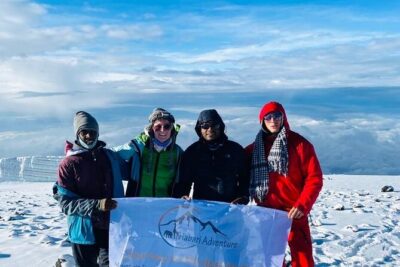
5 Days Best of Tanzania Luxury Safari Northern Circuit
Read our review →
Climbing Kilimanjaro through 7 days Machame Route
Read our review →
Browse the lists this tour appears in