
Reviewed · KILIMANJARO CLIMBS
#1. Kilimanjaro 5-days hiking Marangu joining tour
Five days on Kilimanjaro is a big, doable plan. The Marangu Route is built for this classic trip, with hut nights, rainforest to alpine desert scenery, and the key Horombo Hut stop for acclimatization. I love that you get a professional English-speaking guide and a whole support crew, not just a person with a map.
The main thing to budget for is that National Park fees are not included in the $675 price. One hiker even reported an extra charge of about $750 before hiking starts, so your real total may be higher than you expect.
In This Review
- Key Highlights You’ll Actually Feel on This Trek
- Why the Marangu Route Makes Sense for a 5-Day Kilimanjaro Climb
- Price and Logistics: What the $675 Covers, and What It Might Not
- The Team Behind the Trek: Guides, Porters, and Support That Matters
- Day 1: Marangu Gate to Mandara Hut, Rainforest Walking With Real Life Around You
- Day 2: Mandara Hut to Horombo Hut, Moorland Views and Waterfall Moments
- Day 3: Horombo Hut to Kibo Hut, Alpine Desert and the Last Water Point
- Day 4: Midnight Summit to Uhuru Peak, Sunrise at Gilman’s Point
- Day 5: Horombo Hut Back to Marangu Gate, Summit Certificate in Hand
- What to Bring: Your Cold, Dark, and Long-Hour Checklist
- Is This Tour Good Value for $675 Plus Park Fees?
- Who This Trek Fits Best, and Who Should Reconsider
- Should You Book Kilinge-Adventures for the 5-Day Marangu?
- FAQ
- Is the $675 price the full cost of the climb?
- What accommodation do you use on this Marangu 5-day hike?
- What meals are included?
- Do I need to bring a sleeping bag?
- What guide language is provided?
- How does the summit day work?
- What transfers are included?
- Is travel insurance included in the price?
- What should I pack for the hike?
Key Highlights You’ll Actually Feel on This Trek
- Hut nights on the Marangu Route, plus a sleeping mattress, so you’re not roughing it from the start
- Acclimatization at Horombo Hut, timed to help your body handle altitude
- Day 4 midnight summit push, with sunrise at Gilman’s Point and then Uhuru Peak
- Rainforest to alpine desert variety, including heather/moorland zones and the alpine desert crossing
- Real team support from guides and staff, including help with food and gear if someone feels sick
Why the Marangu Route Makes Sense for a 5-Day Kilimanjaro Climb
If you’re looking at Kilimanjaro options, Marangu is the one people often choose when they want a classic route that fits a compact schedule. This 5-day plan concentrates on getting you to altitude in a way that’s steady, not chaotic, with a clear rhythm of hiking time, rest, and big altitude moments.
What you’ll feel most is the variety. Day 1 starts in the rainforest with a temperature and humidity shift that makes the hike feel different almost immediately. Day 2 moves into heather and moorland, then Day 3 pushes into the alpine desert, where the air gets thinner and your pace changes. Day 4 flips the mood entirely, starting in the dark and turning into sunrise and a crater-rim walk.
The value here is not just the view checklists. It’s the structure. You get time at Mandara Hut and especially at Horombo Hut, which matters because altitude is the real opponent. The route’s “classic” nature also tends to mean you’re walking on well-established ground, with staff and logistics tuned for this exact itinerary.
More Hiking Trips in Moshi
- Private Kilimanjaro Hike 7 Day Lemosho Route
★ 5.0 · 60 reviews - Best Kilimanjaro hiking day trip tour with Kilinge Adventures
★ 4.5 · 54 reviews - #1. Best Kilimanjaro Day hike Tour-Machame Route-ISMANI
★ 4.2 · 47 reviews
Price and Logistics: What the $675 Covers, and What It Might Not
The listed price is $675 per person, and it covers a lot of the heavy lifting for you. Included items on this tour include hut accommodation, professional English-speaking guiding, transfers from Moshi to the gate, transportation, meals as indicated in the itinerary, drinking water, and camping equipment plus a sleeping mattress.
That’s the baseline value: you’re paying for coordination, guides, and the gear that keeps the trek from turning into a camping project.
But you need to treat this as a two-part budget. National Park fees are not included. Based on one hiker’s experience, you may be asked to pay around $750 extra before you start hiking. Even if your exact figure differs, you should plan for a separate bill once you arrive.
Also note what is not included: travel insurance and alcoholic beverages. If you drink alcohol on a trip like this, you’ll want to bring your plans in line with reality, since you’re climbing at altitude and your schedule is intense.
My practical advice: before you go, ask the provider what the park fee will be for your date. You don’t want a surprise when you’re standing at the gate with your legs already tired.
The Team Behind the Trek: Guides, Porters, and Support That Matters
This tour is run by KILINGE-ADVENTURES, and the best part is the way the staff show up as a team, not just a single guide leading the line. You’ll have an English-speaking guide, plus other staff who handle cooking and day-to-day support.
One of the clearest strengths from the experience details is how they support people who get altitude trouble. If you start feeling sick high up, the support system can swing into action fast, including helping manage luggage and getting food to you when your appetite is off. One hiker also received advice related to medicine, which is exactly the kind of practical help you hope to have before the situation gets worse.
Guide quality can make or break a summit attempt, and the information you have here includes the guide name Shedrack. When a guide knows the route, keeps your pace realistic, and handles timing, you feel it most during Day 3 and Day 4, when the altitude starts to take control.
One more plus: support is not limited to the mountain. There are notes about help even around airport arrival and round-the-clock assistance from the team. That matters if you’re arriving in Tanzania and want your trek to feel like a smooth transition, not a scavenger hunt.
Day 1: Marangu Gate to Mandara Hut, Rainforest Walking With Real Life Around You
Day 1 starts with the drive to Marangu Gate, plus registration. The hike begins at an elevation around 1,870m to 2,720m (6,135 ft to 8,923 ft), and it’s about 8 km with 4 to 5 hours of hiking.
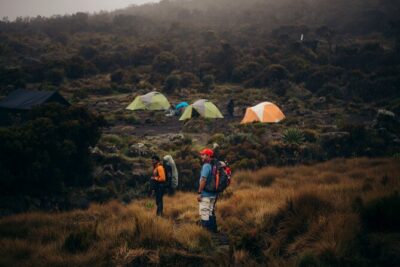
This is the “wake up your legs” day. The real magic is that you start in the rainforest, where the air feels warmer and wetter, and plants and animals show up while you’re still fresh. You might spot monkeys, and even if you don’t, the forest itself changes your pace. It’s not just scenic, it’s practical. Your senses are busy, and that helps on Day 1, when you’re still figuring out your rhythm.
When you arrive at Mandara Hut, you get that first real stop, a calmer moment with time to settle in. There’s an optional short hike to Maundi Crater if you want extra views.
Drawback to consider: rainforest days can feel slippery underfoot and humid, even if the elevation isn’t extreme yet. Pack like you’ll be dealing with wet ground. Your hiking shoes and a jacket are not optional here.
More Kilimanjaro climbs:
- Kilimanjaro climb by Lemosho Route (7-day)
★ 5.0 · 651 reviews - Kilimanjaro climb, Machame Route (7-day)
★ 5.0 · 262 reviews - Kilimanjaro Climbing Lemosho Route 8 Days.
★ 5.0 · 186 reviews - Climbing Kilimanjaro – Machame Route
★ 5.0 · 170 reviews
Day 2: Mandara Hut to Horombo Hut, Moorland Views and Waterfall Moments
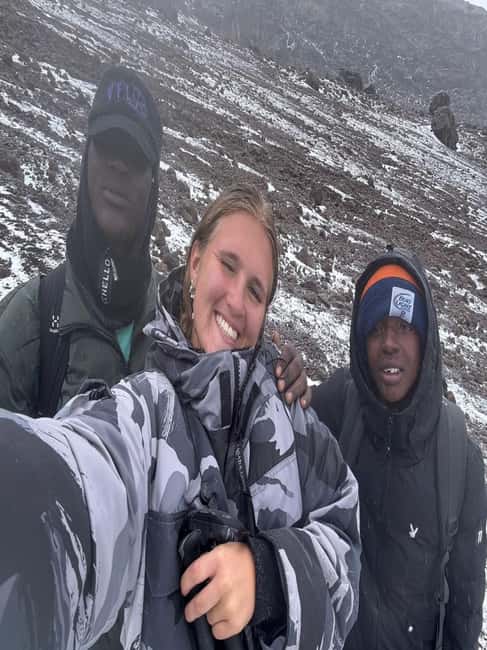
Day 2 pushes you from about 2,720m to 3,720m (8,923 ft to 12,205 ft). It’s 12 km and typically 6 to 7 hours of hiking.
You leave the rainforest behind. The trail moves into moorland, and the big reward is the shift in what you can see. This is where panoramic views often start to feel real, including sight lines toward Kibo and Mawenzi peaks. It’s also a day where the route can include striking waterfall scenery as you travel toward Horombo.
When you reach Horombo Hut, this is more than just a stop. This is your acclimatization anchor. The itinerary specifically builds in time here so your body has a chance to adjust before you go higher.
One more thing I like about Horombo Hut is the social element. The hut can feel lively because you’re not alone. You’ll often hear other hikers’ stories, and that can be motivating on a day where you’re tired but not yet at the hard altitude.
Practical note: moorland walking can feel exposed, cooler, and windier. I’d focus on layers you can adjust without slowing down.
Day 3: Horombo Hut to Kibo Hut, Alpine Desert and the Last Water Point
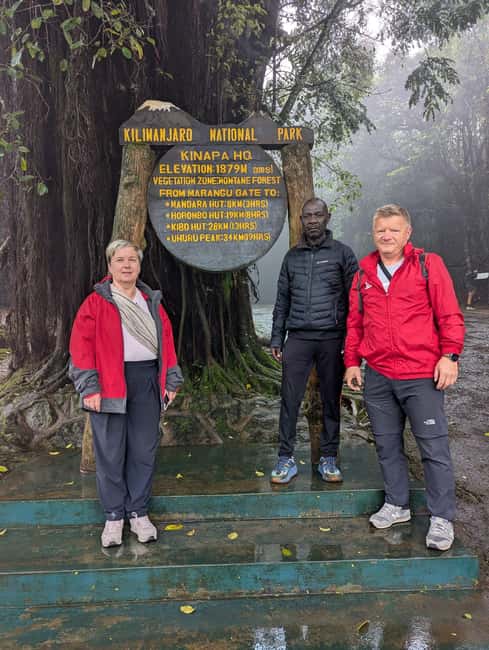
Day 3 is where Kilimanjaro starts to feel serious. You climb from around 3,720m to 4,703m (12,205 ft to 15,430 ft) over about 10 km and 6 to 7 hours of hiking.
The habitat changes to alpine desert. This isn’t lush or green. It’s barren, stark, and it makes a psychological difference. In the rainforest, you can distract yourself with sights and sounds. In the desert zone, you spend more time tracking your breathing, your footsteps, and your pace.
A key detail is the Last Water Point. Knowing that this is part of your day helps you plan mentally. It also reinforces something important: pace management is how you protect your summit chances.
When you arrive at Kibo Hut, your goal is recovery. The plan is to rest early and prepare for the midnight summit attempt. You’re not just resting your body. You’re also resetting your mind for a long night.
This is where a strong guide earns their keep. You’ll want someone who helps you keep a steady, not-too-fast pace. If you go out too hard on Day 3, Day 4 can punish you.
Day 4: Midnight Summit to Uhuru Peak, Sunrise at Gilman’s Point
Day 4 is the headline day, and it is long. The route starts from Kibo Hut around 4,703m, climbs to Uhuru Peak at 5,895m, then you descend all the way back to about 3,720m at Horombo Hut.
Total distance is 22 km and the hiking time is 11 to 15 hours. This is not a “stretch goals only” day. This is a full effort day, starting at midnight under starlight.
Here’s how the plan unfolds:
- You start in the dark at midnight.
- You reach Gilman’s Point (5,681m) at sunrise.
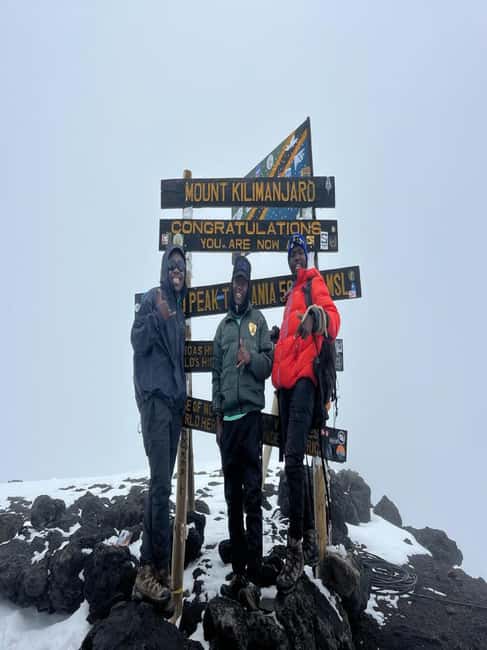
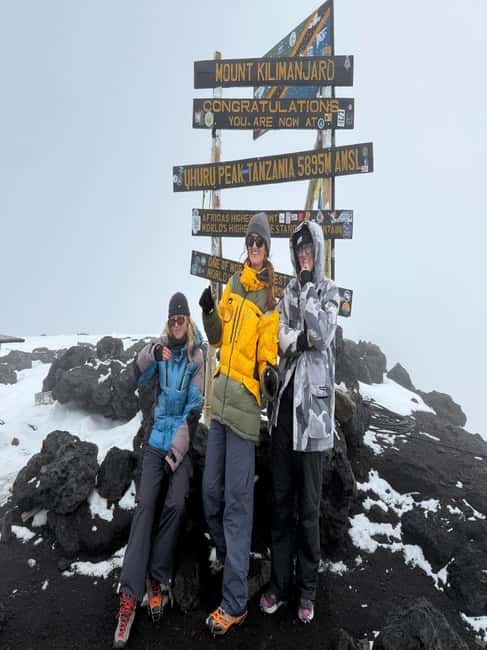
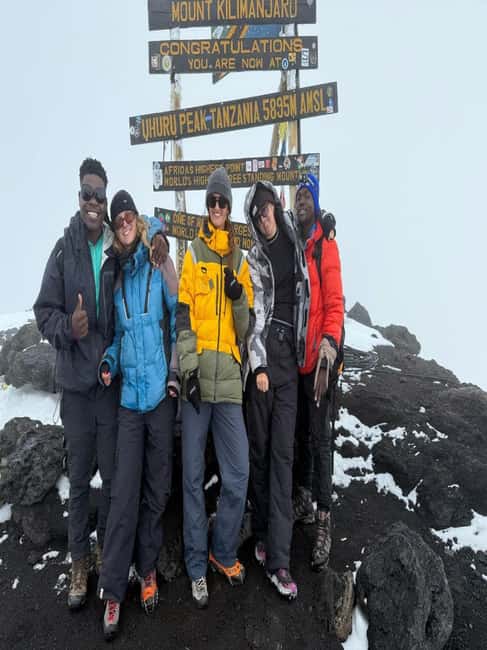
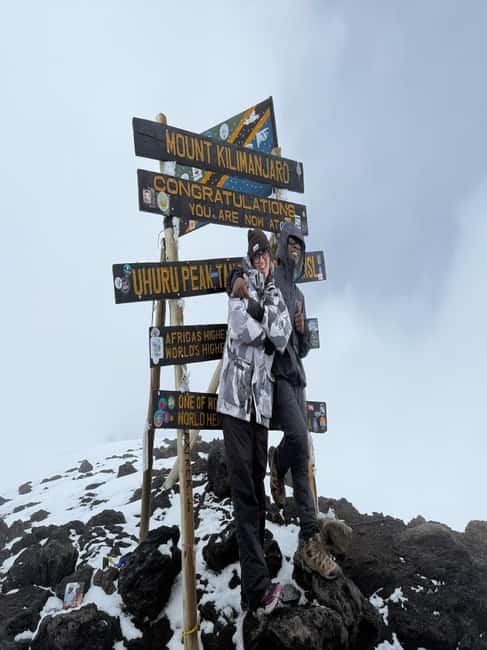
- You continue along the crater rim to Uhuru Peak, the highest point in Africa.
- After celebrating, you descend to Kibo Hut for lunch and rest.
- Then you go down to Horombo Hut for your final night.
What you’ll feel most during this day is the altitude, not the distance. Your step size may shrink. Your breathing may get louder. And you’ll probably get cold at times, especially when the temperature drops after midnight walking.
That’s why the packing list matters. You need a jacket, gloves, a flashlight, and a good approach to layers. And you also need your headspace sorted. Midnight starts can be mentally tough, even if you’re physically ready.
The upside is the payoff. Sunrise at a high point changes everything. The crater rim walk puts you close to the mountain’s raw drama, and you end with Uhuru Peak at the top.
If anything goes wrong, this is also where your support system can matter. The itinerary is intense, so you want staff who can respond quickly if someone is struggling.
Day 5: Horombo Hut Back to Marangu Gate, Summit Certificate in Hand
Day 5 brings the relief of descent. You start around 3,720m and go down to about 1,870m (12,205 ft to 6,135 ft). It’s 20 km with 5 to 7 hours of hiking.
You descend through heathland back into rainforest, and the mood usually shifts fast. After a summit day, even a steady downhill feels like you’re moving through a different planet.
When you reach Marangu Gate, you get your summit certificate, then you drive back to Moshi or Arusha.
That certificate matters more than you might think. It’s not just paper. It marks that you finished the climb that many people try and fewer actually complete. It’s also your proof point for your personal timeline back home.
Practical drawback: downhill is tough on your knees and feet. Even though you’re going lower, don’t underestimate it. Good shoes and careful footwork are your best friends.
What to Bring: Your Cold, Dark, and Long-Hour Checklist
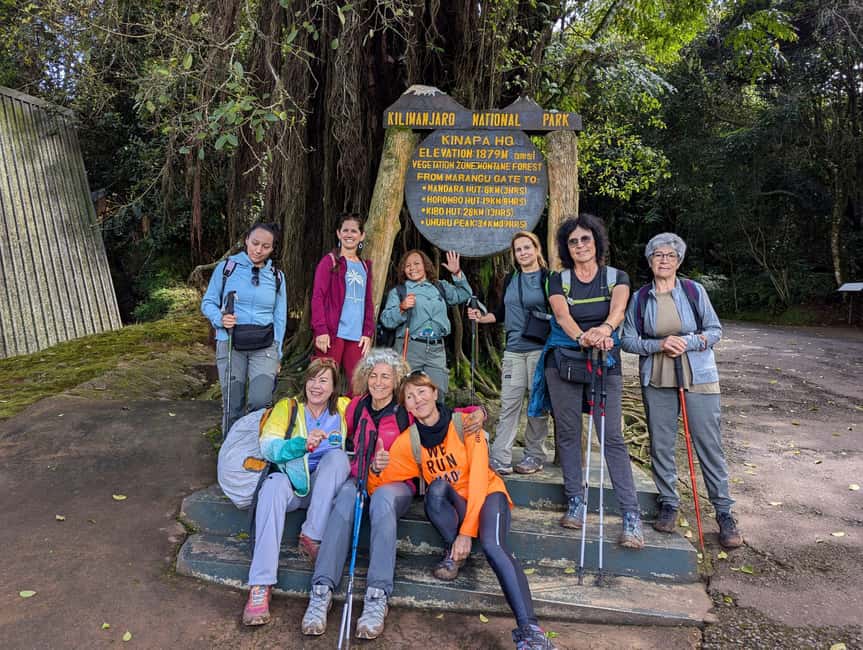
This tour includes camping equipment and a sleeping mattress, so you’re not on your own for everything. But you still need your personal gear, and the altitude climate means small choices matter.
Bring:
- Hiking shoes
- Jacket
- Gloves
- Sleeping bag
- Flashlight
- Daypack
- Trekking gear
- Power bank
A quick thought on the sleeping bag: many people focus on the summit day and forget that nights at 4,000m-plus can still feel cold. If your bag is not rated for cold weather, you’ll pay for it.
Also, bring a daypack that’s comfortable and won’t bounce. On summit night you’ll be moving in the dark, and anything bulky or awkward gets annoying fast.
Finally, bring your power bank. You may want your phone for photos, but also for keeping yourself oriented and communicating with your team during the day.
Is This Tour Good Value for $675 Plus Park Fees?
For a 5-day Kilimanjaro experience, $675 is a reasonable base price, especially because it includes hut accommodation, guided support in English, transportation to the gate, meals as indicated, drinking water, and the key sleep gear like a sleeping mattress.
But you should treat the price as the start of your budget. The big variable is the National Park fees. If the park fees you pay end up close to what one hiker reported, then your total cost becomes noticeably higher.
So is it still good value? I think it can be, if you care about:
- Having a professional English-speaking guide
- Staying in huts rather than carrying camp setup
- Getting a well-paced plan with the acclimatization stop at Horombo
- Relying on staff support, including help if altitude sickness hits
If you already have your own guide strategy, your own gear, and you don’t want anyone coordinating meals and logistics, you might explore alternatives. But if you want your energy to go into walking and adapting to altitude, this setup is designed for that.
Who This Trek Fits Best, and Who Should Reconsider
This 5-day Marangu join tour is a strong match if:
- You want a classic route with a clear structure
- You prefer hut-based trekking
- You want guided help from start to finish, including transfers
- You like the idea of resting at Horombo Hut for acclimatization
It may be less ideal if:
- You hate long hiking days, especially Day 4’s midnight push and the 11 to 15 hour window
- You’re very sensitive to cold nights and dark starts and don’t have the right gear
- You’re not comfortable with altitude, and you’re not ready to take pace seriously
Also, if you’re counting every dollar, you need to factor the park fees early in your planning.
Should You Book Kilinge-Adventures for the 5-Day Marangu?
I’d book this kind of tour if you want a guided Kilimanjaro attempt that focuses on the essentials: huts, acclimatization timing, and a summit plan that’s organized for midnight walking and sunrise at high altitude.
The reason I’d lean toward it is the human side described in the experience details. The staff sound like they handle real problems, not just sightseeing. A guide like Shedrack, plus help from staff who can manage food and luggage support if altitude sickness shows up, is the kind of confidence you can bring into the hardest hours.
My call: if your budget can handle the separate National Park fees, and you’re willing to prepare for long cold days, this is a solid, sensible way to tackle Kilimanjaro’s Marangu Route.
FAQ
Is the $675 price the full cost of the climb?
No. The price listed is $675, and National Park fees are not included. You may have to pay park fees separately before starting the hiking.
What accommodation do you use on this Marangu 5-day hike?
You stay in huts as part of the route plan. The tour also includes a sleeping mattress, and it provides camping equipment.
What meals are included?
The tour includes meals as indicated in the itinerary and provides drinking water.
Do I need to bring a sleeping bag?
Yes. In the what-to-bring list, you’re advised to bring a sleeping bag.
What guide language is provided?
The tour includes a professional English-speaking guide.
How does the summit day work?
You start the summit attempt at midnight, reach Gilman’s Point at sunrise, continue along the crater rim to Uhuru Peak, then descend, with lunch back at Kibo Hut before heading down again.
What transfers are included?
The tour includes transfer from your hotel in Moshi to the gate, and you also get transportation at the start and end of the trek.
Is travel insurance included in the price?
No. Travel insurance is not included.
What should I pack for the hike?
You’re advised to bring hiking shoes, a jacket, gloves, a sleeping bag, a flashlight, a daypack, trekking gear, and a power bank.
More Hiking & Trekking in Moshi
- Best Kilimanjaro Adventure 7 days Machame route Trekking
★ 5.0 · 42 reviews - Kilimanjaro 7 Day Private Trekking Experience
★ 5.0 · 40 reviews - 8 Days Kilimanjaro Hike via Lemosho Route
★ 5.0 · 39 reviews - The Best & Unique Kilimanjaro Hiking tour 7 days Machame route
★ 5.0 · 34 reviews
Just posted around Moshi
- machame route★ 5.0 · 16 reviews
- Mt Kilimanjaro 6 days Marangu route hike★ 5.0 · 3 reviews
- Kilimanjaro Climbing Umbwe Route★ 5.0 · 3 reviews
- Wildlife Extravaganza: Manyara, Tarangire & Ngorongoro in 3 Days★ 5.0 · 3 reviews
- 3 Days Private E-Bike Tour in West Kilimanjaro★ 5.0 · 3 reviews
- West Kilimanjaro cycling Adventures★ 4.5 · 8 reviews
- Kilimanjaro Climb • Marangu Route ~ 9 Day★ 5.0 · 4 reviews
- Private Cycle to Kilimanjaro Bike Park Safari★ 5.0 · 6 reviews
Kilimanjaro Climbs, compared.
8-Day Small-group Lemosho Kilimanjaro Summit Trekking
Read our review →
5 Days Best of Tanzania Luxury Safari Northern Circuit
Read our review →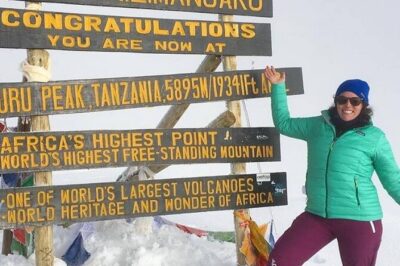
Climbing Kilimanjaro through 7 days Machame Route
Read our review →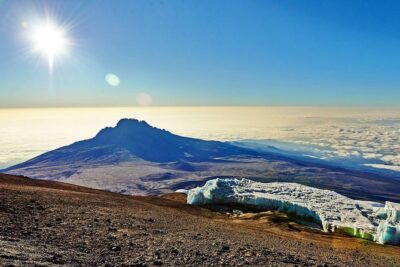
Browse the lists this tour appears in