
Reviewed · KILIMANJARO CLIMBS
#1. Best 7 days kilimanjaro trek Machame route join group
Machame climbs feel like a living atlas. On this 7-day trek up Kilimanjaro, you move from rainforest to alpine desert, with big summit energy as the goal line keeps shifting higher. The Machame route also gives you a very classic “feel it in your legs” mix of steep days, smart rest stops, and high views of Kibo along the way.
I love that you sleep in huts instead of spending nights in tents, which makes mornings more realistic when you are tired. I also love the acclimatization rhythm, especially the way stops like Lava Tower set you up for the harder sections later.
One drawback to plan for is cost transparency, since national park fees are not included in the listed price, and you should expect additional entrance costs and tips.
In This Review
- Key Things You’ll Really Feel on This Machame Trek
- Machame Route in 7 Days: Why This Climb Gets So Much Love
- Hut Camps on Kilimanjaro: A Comfort Upgrade You Will Appreciate
- Day-by-Day: Your 7 Days on the Machame Route
- Day 1: Machame Gate to Machame Camp (Rainforest Start)
- Day 2: Machame Camp to Shira Camp (Into Moorland)
- Day 3: Shira Camp to Barranco Camp via Lava Tower (Acclimatize Hard)
- Day 4: Barranco Camp to Karanga Camp (Barranco Wall Day)
- Day 5: Karanga Camp to Barafu Camp (Summit Base Day)
- Day 6: Barafu Camp to Uhuru Peak to Mweka Camp (The Midnight Summit)
- Day 7: Mweka Camp to Mweka Gate, Then Back to Moshi or Arusha
- What the Wildlife and Terrain Choices Mean for You
- Guides, Group Trekking, and the Human Side of Success
- Price and Value: What You Pay, What You Must Still Budget
- What to Bring for a Hut Trek and a Midnight Summit
- Who This 7-Day Machame Group Trek Fits Best
- Should You Book the Best 7-Day Machame Route with Kilinge Adventures?
- FAQ
- How many days is the Kilimanjaro Machame route trek?
- Do you stay in huts or tents?
- Where does the trek start and where does it end?
- When does the summit attempt happen and what peaks are involved?
- What is the highest elevation reached on this itinerary?
- Is the listed price fully inclusive of fees?
- What language is support provided in, and what should I bring?
Key Things You’ll Really Feel on This Machame Trek
- Hut accommodations help you recover better between altitude days
- Rainforest wildlife on Day 1, including colobus monkeys and colorful birds
- Lava Tower high point for acclimatization before the long descent to Barranco
- Barranco Wall scramble for a fun but serious challenge on Day 4
- Midnight summit push from Barafu to Stella Point and Uhuru Peak
- Budget for extras like park fees, additional entrance costs, and tips
Machame Route in 7 Days: Why This Climb Gets So Much Love
The Machame route is popular for a reason: it feels varied from start to finish. You do not just walk upward. You travel through distinct altitude zones, and the trail changes character as the air gets thinner. One day you are in humid forest, the next you are on open moorland, then you hit rocky alpine ground where the horizon feels huge.
I also like how this route keeps you busy without wasting time. The daily hiking times are long enough to feel like you are making progress, but the plan includes rest and acclimatization moments that matter at altitude. That means less guesswork and more structure, which helps when you are moving by headlamp at night.
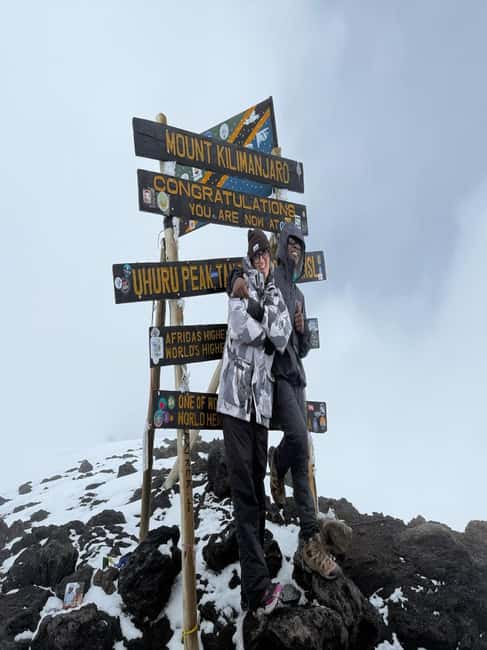
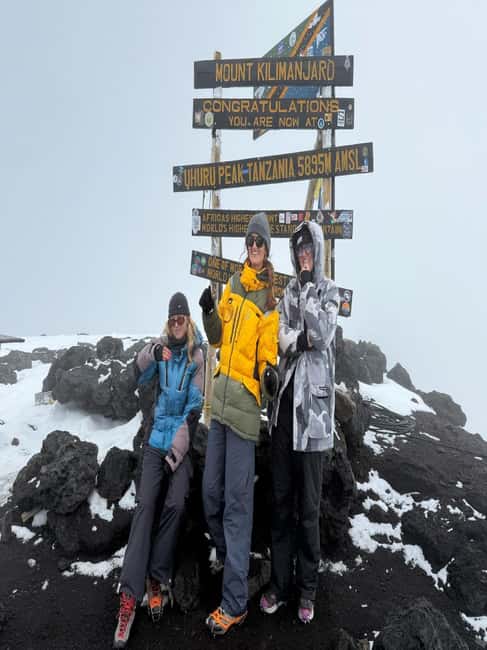
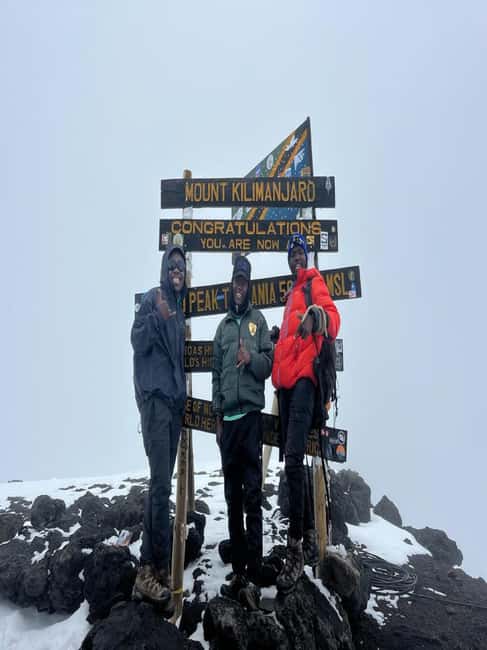
Finally, the Machame climb has a strong payoff: reaching Uhuru Peak, the top of Africa’s highest mountain at 5,895 m (19,341 ft). You also get the extra checkpoint of Stella Point on the way, so you understand what success looks like before you commit to the last stretch.
More Hiking Trips in Moshi
- Private Kilimanjaro Hike 7 Day Lemosho Route
★ 5.0 · 60 reviews - Best Kilimanjaro hiking day trip tour with Kilinge Adventures
★ 4.5 · 54 reviews - #1. Best Kilimanjaro Day hike Tour-Machame Route-ISMANI
★ 4.2 · 47 reviews
Hut Camps on Kilimanjaro: A Comfort Upgrade You Will Appreciate
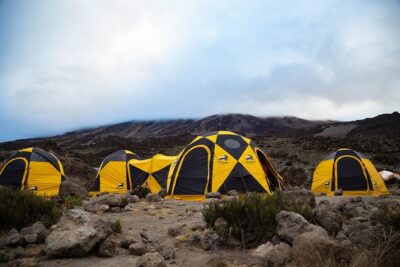
Kilimanjaro routes often boil down to a big question: do you sleep in a real hut, or are you living in tents and sleeping bags in cold wind? This Machame trek uses hut accommodations, which can change your whole experience.
Practically, huts mean:
- You can dry out a bit between days if your gear gets damp.
- You can sleep more comfortably than exposed camping setups.
- Your mornings tend to feel less punishing, because you are not fighting a tent setup while half asleep.
You still need to be prepared for cold air at altitude, especially as you get closer to the summit. The package includes a sleeping mattress and other camping equipment, but you still need to bring your own sleeping bag. That is the right tradeoff. You get better shelter, but you still bring the insulation that works for you.
This is the kind of detail that sounds small until you are on Day 5 or Day 6 and everything feels heavier. Hut nights reduce one of those stress points.
Day-by-Day: Your 7 Days on the Machame Route
Below is how your trek lays out, with what each day offers and what to watch for. The best part is that every stop is chosen for altitude logic, not just convenience.
Day 1: Machame Gate to Machame Camp (Rainforest Start)
You begin at Machame Gate after registration, then hike into montane rainforest. The plan lists a short distance on paper, but the hike time is still around 5-7 hours, so plan your pacing accordingly.
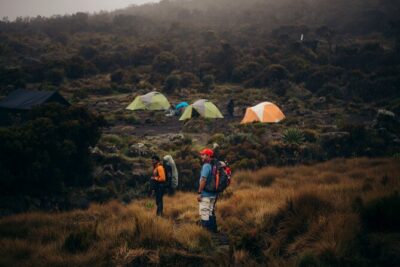
What you will likely love here is the living trail. This is the zone where you can spot colobus monkeys and colorful birds as you hike. Even if you are tired, the forest keeps things interesting, and it helps you ease into the rhythm instead of starting immediately on steep, exposed ground.
The main consideration is getting your breathing settled early. Day 1 altitude is only the beginning, but you still feel the workload. Take it slow and keep your steps steady.
More Kilimanjaro climbs:
- Kilimanjaro climb by Lemosho Route (7-day)
★ 5.0 · 651 reviews - Kilimanjaro climb, Machame Route (7-day)
★ 5.0 · 262 reviews - Kilimanjaro Climbing Lemosho Route 8 Days.
★ 5.0 · 186 reviews - Climbing Kilimanjaro – Machame Route
★ 5.0 · 170 reviews
Day 2: Machame Camp to Shira Camp (Into Moorland)
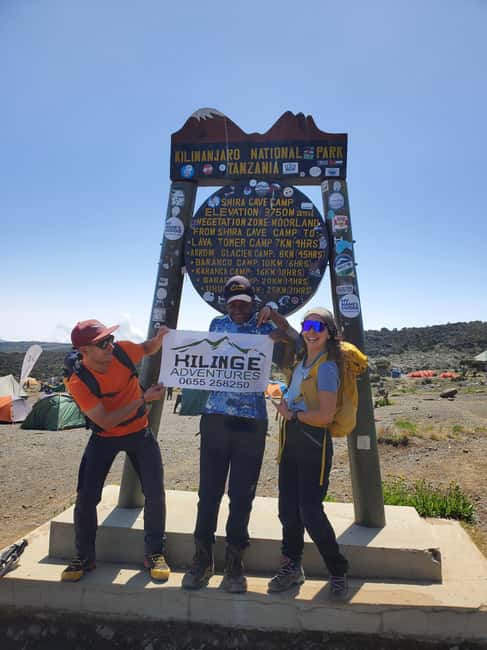
Day 2 climbs from about 2,835 m to 3,750 m, moving from rainforest into moorland. The hiking time is roughly 4-6 hours.
This is a key transition day because the terrain becomes less shaded and more open. You will start noticing rockier footing and steeper segments, and the views start to show more of the upper mountain complex, including Kibo in the distance when conditions cooperate.
The drawback to expect is the reality of thinner air. Your body works harder even when the time on the trail looks manageable.
Day 3: Shira Camp to Barranco Camp via Lava Tower (Acclimatize Hard)
This is a big day. You hike about 10 km over 7-8 hours, and your plan includes a high point at Lava Tower around 4,600 m. You are trekking through alpine desert conditions.
The reason this day matters is acclimatization. Lava Tower gives your body a taste of higher elevation while you still have energy and guidance with you. Then you descend to Barranco Camp, which keeps the plan balanced instead of turning Day 3 into a full summit-style punishment.
This day also gives you rewarding scenery without needing a technical climb. You will break, then descend, and later you get classic Barranco views that connect the route’s most memorable sights.
Day 4: Barranco Camp to Karanga Camp (Barranco Wall Day)
Day 4 includes one of Kilimanjaro’s most famous features: the Barranco Wall. This segment is shorter, about 5 km and 4-5 hours, but it is not a casual walk.
You start around 3,900 m and reach about 4,035 m at Karanga Camp, staying in an alpine desert habitat. The trail is more exposed, and that scrambling feel on the Wall can surprise people who thought this would be only gentle walking.
The benefit is that the day is designed to help you acclimatize while still challenging you. You are not pushing to a summit goal, so it feels like training you can handle. The consideration is simple: keep your grip, slow down on steep bits, and do not chase speed.
Day 5: Karanga Camp to Barafu Camp (Summit Base Day)
Day 5 is about getting ready. You hike roughly 4 km in 4-5 hours, rising from about 4,035 m to 4,640 m at Barafu Camp.
This is the staging day for the summit push. Even if the distance is short, you are already high, so you should feel the altitude in your breathing. This is also when you want your gear ready and your mind calm. Hydration and steady calories matter more now, because the next day starts at midnight.
If you get cold easily, treat this day seriously. It is hard to feel motivated when your body is uncomfortable for long hours.
Day 6: Barafu Camp to Uhuru Peak to Mweka Camp (The Midnight Summit)
This is the longest day on the trek. You start around 4,640 m at Barafu, and the plan shows a hike time of 10-14 hours for the full arc to the summit and onward.
You begin the summit attempt at midnight, moving from Barafu toward Stella Point, then continuing to Uhuru Peak at 5,895 m (19,341 ft). The plan calls the habitat at the summit arctic, so your clothing and gloves are not optional thinking.
After you reach the top, you descend all the way to Mweka Camp, dropping to about 3,110 m. That descent is where your legs will feel it, even though it is easier on your heart than the climb up.
The main drawback is exhaustion plus cold. The solution is preparation and discipline: keep moving in a steady rhythm, follow your guide’s pace, and do not overdo early on the ascent.
Day 7: Mweka Camp to Mweka Gate, Then Back to Moshi or Arusha
Final day is a descent into rainforest. You hike about 10 km in 3-4 hours, dropping from 3,110 m to about 1,640 m at Mweka Gate.
Once you arrive, you get your certificate of achievement, which is a nice closing moment after days of weather and altitude decisions. After that, you transfer back to Moshi or Arusha for relaxation or onward travel.
This day feels good because you regain normal footing and air. It still counts as real hiking, so keep your boots and water situation handled.
What the Wildlife and Terrain Choices Mean for You
This Machame route is not just a line on a map. It is a sequence of ecosystems that changes what your body feels each day.
- In the rainforest zone, you get shade and a more humid feel, plus the chance to spot wildlife like colobus monkeys and colorful birds.
- In moorland, the trail starts to feel more open and exposed, which can make sun and wind more noticeable.
- In alpine desert, you walk over rockier ground where footing demands attention and the air can feel thin fast.
You also get special features that make the trek more memorable than a uniform slog. The Lava Tower stop is built for acclimatization. The Barranco Wall section is built for challenge plus payoff. And the summit day is built for the highest point, with Stella Point as a major milestone.
Guides, Group Trekking, and the Human Side of Success
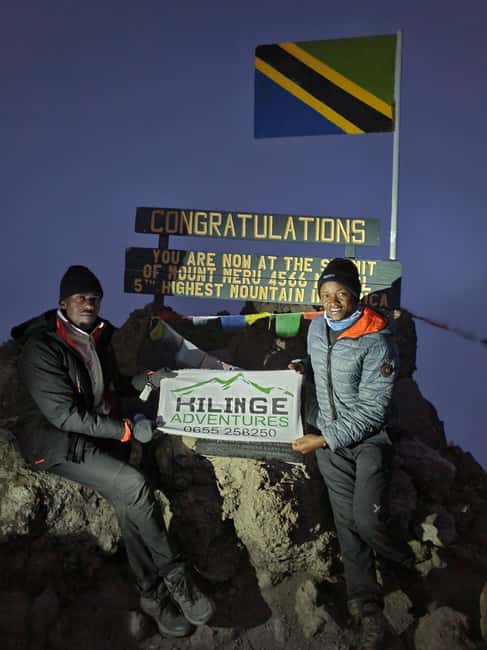
This package is built around a guided experience with professional support. In the inclusions you are covered with professional guidance and a team approach, and the language is English.
The group format can be a plus if you like structure and shared pacing. It also means you are less likely to feel stranded if you are trying to manage altitude stress or questions about the trail.
At the same time, altitude is individual. You might feel fine one morning and struggle the next. A good guide helps you translate that into pace changes, water habits, and smart resting. That is the real value of guided trekking, not just “someone knows the trail.”
Price and Value: What You Pay, What You Must Still Budget
The headline price you may see is around $900 per person for this 7-day Machame route. For that, the inclusions list:
- Hut accommodations
- Meals
- Drinking water
- Transfer from your hotel in Moshi to the gate
- Transportation
- Camping equipment and a sleeping mattress
That is good value if you compare it to the costs of doing a fully independent climb in Tanzania with support staff. You are paying for logistics, meals, water, and the team needed to get you safely toward the summit.
But here is the part that can surprise people: national park fees are not included.
And you should also ask for a full breakdown of any entrance fees tied to porters and the guide. One clear example calculation put the additional total for 7 days around $950, and then estimated tips around $50 per accompanying person. With about 7 guides, tips could be around $350. That same calculation put the overall total near $2,150 after adding those extras.
I recommend you treat the advertised number as a starting point, not a finish line. When you message the provider, ask for:
- What exactly the $900 covers
- Which park or gate fees are excluded
- Any other entrance charges related to staff
- A clear guide and porter tipping expectation for your group
If you get that clarity up front, the trip becomes much easier to budget.
What to Bring for a Hut Trek and a Midnight Summit
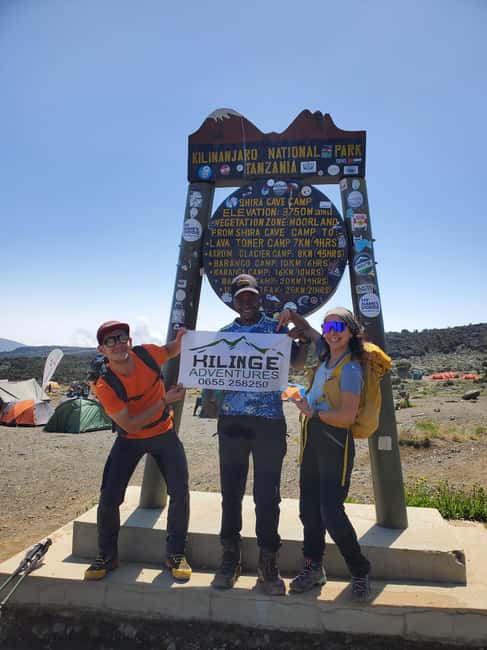
You will be hiking in multiple zones, and summit night is colder than most people expect. Pack for your comfort, not just the hike.
From the provided packing list, bring:
- Sleeping bag
- Jacket and gloves
- Socks and hiking pants
- Daypack
- Trekking gear and climbing gear
- Flashlight (headlamp style is usually easiest)
- Power bank
- Snacks
Two practical tips:
- Bring gloves you can actually use with cold fingers, because the midnight portion can feel icy even when the rest of the trek seems manageable.
- Pack a small snack strategy. You will walk for hours, and you will want quick energy without digging through your pack constantly.
Also remember: you do get drinking water included, but you still want to manage hydration across the day. At altitude, you cannot wait until you feel thirsty.
Who This 7-Day Machame Group Trek Fits Best
I think this trek is a strong match if:
- You want a classic route up Kilimanjaro with a clear plan and pacing
- You prefer huts over tent camping for sleep
- You like structure, guidance, and a group setting
- You are serious about the summit goal, including a midnight start and a long summit day
It might be a tougher fit if:
- You are only comfortable with short hikes and you dislike long walking days
- You hate cold conditions and are not willing to pack for summit night
- You cannot budget for excluded fees and tipping expectations
If you fall in the middle, do not panic. The itinerary itself is designed to help you acclimatize. Just be honest about your fitness and your ability to walk for long stretches at altitude.
Should You Book the Best 7-Day Machame Route with Kilinge Adventures?
If you want a well-structured Kilimanjaro plan, with hut nights, wildlife early on, a proper acclimatization sequence, and a summit push to Uhuru Peak, this Machame route makes a lot of sense. The itinerary also balances effort and recovery, which is what helps most people turn a dream into a real finish.
Before you book, do one homework step: get a clear, written breakdown of all costs beyond the base price. National park fees are not included, and you may also face additional entrance costs and tip expectations. Once you have that, the value becomes easier to judge, and you can focus on the climb.
FAQ
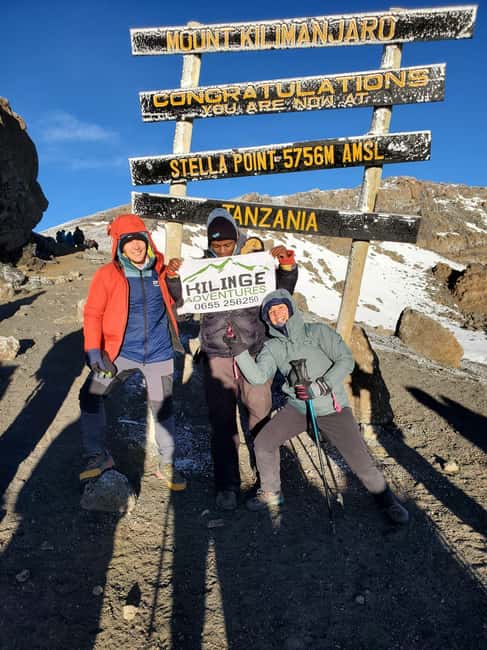
How many days is the Kilimanjaro Machame route trek?
It is a 7-day trek on the Machame route, hiking from Machame Gate up to the summit and then descending to Mweka Gate.
Do you stay in huts or tents?
You stay in hut accommodations on this trek. You also receive a sleeping mattress and camping equipment, but you still need to bring a sleeping bag.
Where does the trek start and where does it end?
Day 1 starts at Machame Gate after registration. The trek ends at Mweka Gate on Day 7, followed by transfers to Moshi or Arusha.
When does the summit attempt happen and what peaks are involved?
The summit attempt begins at midnight from Barafu Camp. The route targets Stella Point and then Uhuru Peak, followed by descent to Mweka Camp.
What is the highest elevation reached on this itinerary?
The summit high point is Uhuru Peak at 5,895 m (19,341 ft).
Is the listed price fully inclusive of fees?
No. National Park fees are not included in the price. You should also confirm whether any additional entrance fees for staff and your own participation costs apply, and plan for tips.
What language is support provided in, and what should I bring?
The trek support is listed in English. You should bring items like snacks, a jacket, gloves, a sleeping bag, climbing gear, socks, a flashlight, a daypack, hiking pants, trekking gear, and a power bank.
More Hiking & Trekking in Moshi
- Best Kilimanjaro Adventure 7 days Machame route Trekking
★ 5.0 · 42 reviews - Kilimanjaro 7 Day Private Trekking Experience
★ 5.0 · 40 reviews - 8 Days Kilimanjaro Hike via Lemosho Route
★ 5.0 · 39 reviews - The Best & Unique Kilimanjaro Hiking tour 7 days Machame route
★ 5.0 · 34 reviews
Just posted around Moshi
- machame route★ 5.0 · 16 reviews
- Wildlife Extravaganza: Manyara, Tarangire & Ngorongoro in 3 Days★ 5.0 · 3 reviews
- Mt Kilimanjaro 6 days Marangu route hike★ 5.0 · 3 reviews
- Kilimanjaro Climbing Umbwe Route★ 5.0 · 3 reviews
- 3 Days Private E-Bike Tour in West Kilimanjaro★ 5.0 · 3 reviews
- West Kilimanjaro cycling Adventures★ 4.5 · 8 reviews
- Kilimanjaro Climb • Marangu Route ~ 9 Day★ 5.0 · 4 reviews
- Private Cycle to Kilimanjaro Bike Park Safari★ 5.0 · 6 reviews
Kilimanjaro Climbs, compared.
8-Day Small-group Lemosho Kilimanjaro Summit Trekking
Read our review →
5 Days Best of Tanzania Luxury Safari Northern Circuit
Read our review →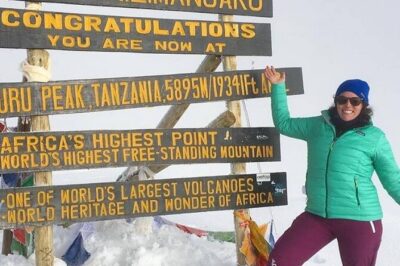
Climbing Kilimanjaro through 7 days Machame Route
Read our review →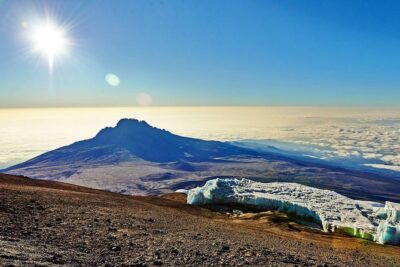
Browse the lists this tour appears in