Reviewed · KILIMANJARO CLIMBS
Small-group 7-day Lemosho Route Kilimanjaro Climb from Arusha
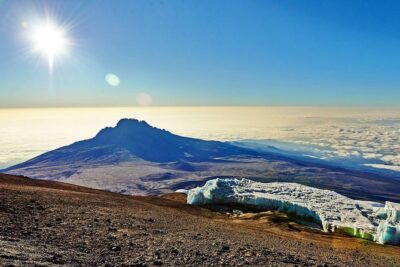
A week on Kilimanjaro can feel like a movie set, and this route is the real deal. The 7-day Lemosho route starts on the western side, then shifts from rainforest to cooler heath and moorland before lining up with the classic summit push.
What I like most is how the schedule builds acclimatization without wasting every day in steep effort. You also get a small group (up to 6) and a dedicated team, including head guide Kenedy and second guide Julius, plus cooks and porters.
One thing to consider: this is a more challenging version of Lemosho compared with routes like Marangu and Rongai, with steep, muddy sections early and scree on summit night.
In This Review
- Key highlights to know before you go
- The Lemosho approach from Arusha, and why the start matters
- Small-group climbing with Kenedy and Julius, plus crew on your side
- Day 1 to Day 2: rain forest traction, mud, and stepping into the park
- Day 3: acclimatization on the ridge, Lava Tower, and the way to Barranco Camp
- Day 4: Barranco Wall and Karanga Valley, the day that feels athletic
- Day 5: Barafu Camp and finishing the South Circuit before summit night
- Day 6 summit night: Stella Point, sunrise, and Uhuru Peak
- Day 7: Mweka Park Gate descent, mud risk, and a return to Moshi
- What you get for $2,400, and where the value shows up
- Pace, altitude, and why steep days are not the enemy
- Packing for rainforest mud, cold ridges, and scree
- Who should choose this Lemosho climb from Arusha
- Final verdict: should you book this Lemosho route?
- FAQ
- What time does the climb start?
- How long is the Lemosho climb from Arusha?
- What group size should I expect?
- Is pickup included?
- Are park fees and admission tickets included?
- What is included in the price?
- What is not included?
- Do I need trekking poles and gaiters?
- What safety equipment is used?
- What happens if weather is bad or I cancel?
Key highlights to know before you go
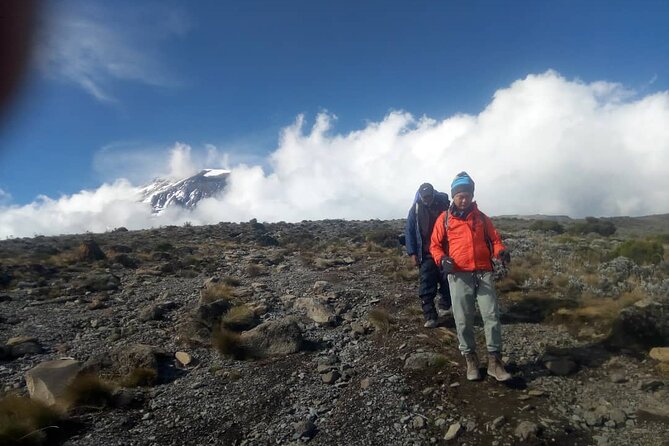
- Western-side scenery shifts fast, from thick rainforest to moorland with ferns and ericas.
- Acclimatization day is built in, with a key sidestep around Lava Tower and a slow descent to Barranco Camp.
- Barranco Wall day is tough but memorable, and it often looks easier from the inside than it did on the map.
- Small group size (max 6) means you are not disappearing into a crowd for crucial moments.
- Safety gear is used appropriately, including oxygen and pulse oximeters.
- South Circuit setup by Day 5 helps you arrive at summit night calm, rested, and ready.
The Lemosho approach from Arusha, and why the start matters
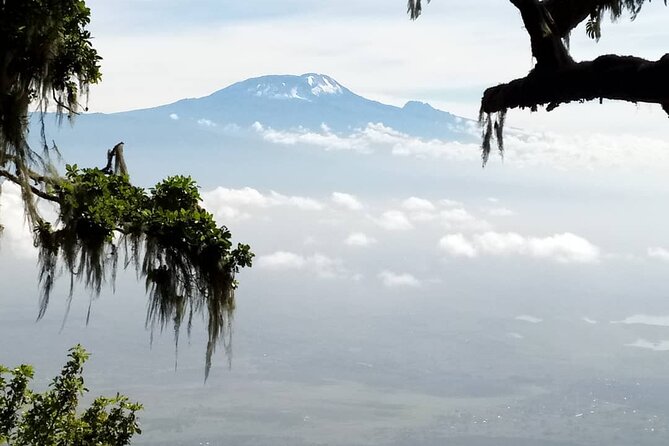
If you want Kilimanjaro, but you also care about variety, the Lemosho route is a smart pick. The trail begins on the mountain’s western side, where you start inside a dense rainforest world, then the air cools and the vegetation changes as you gain altitude.
Practically, this means you are not just climbing. You are moving through different “climates” of the mountain over the week. That matters because it changes how you feel on the trail, how your body reacts, and even how your clothing choices make sense from day to day.
The route is also described as more challenging than the Marangu and Rongai routes. Translation: expect steeper patches, and plan to move patiently rather than hero-walk the whole thing.
More Kilimanjaro climbs:
- 8-Day Small-group Lemosho Kilimanjaro Summit Trekking
★ 5.0 · 186 reviews - 5 Days Best of Tanzania Luxury Safari Northern Circuit
★ 5.0 · 174 reviews - 7-Day Machame Kilimanjaro Summit Tour from Arusha
★ 5.0 · 125 reviews
Small-group climbing with Kenedy and Julius, plus crew on your side
This is a small-group trek with a maximum of 6 travelers, which changes the experience right away. You tend to get more attention, clearer pacing, and easier logistics around meals, hydration, and gear checks.
The guide team is specifically called out by name in feedback: head guide Kenedy and second guide Julius. That is useful for you, because it signals continuity of leadership, not a rotating shuffle.
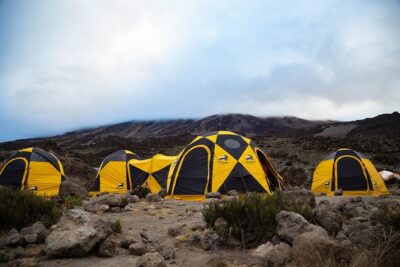
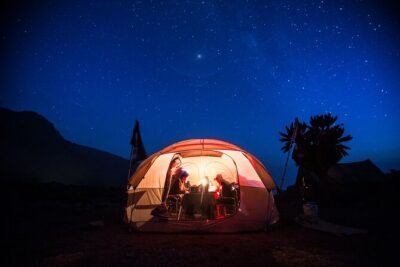
You also have a mountain crew working with you, including cooks and porters, and the package includes camping support like tents and sleeping mats. In real terms, you are spending your energy climbing, not solving the camp logistics puzzle.
Day 1 to Day 2: rain forest traction, mud, and stepping into the park
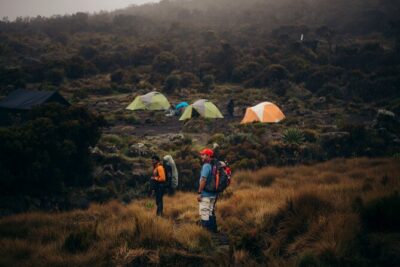
Day 1 climbs from about 2389 m to 2785 m (roughly 396 m gained). You depart, drive through mountainside villages, and reach the Kilimanjaro National Park Gate. After permits are issued, you start into rainforest scenery with a guide focused on local flora and fauna.
This first day is where you learn the trail conditions. At lower elevations, the path can be muddy and slippery, which is why gaiters and trekking poles are strongly recommended here. If you skip this gear, your legs may still finish the climb, but your ankles might not be happy with you.
Day 2 is a bigger effort: about 2785 m to 3895 m (around 1110 m gained). You emerge from the rainforest and climb steadily toward the Shira Plateau rim, with temperatures dropping as you go.
That shift in environment is the point. The goal is to put altitude on board while keeping the rhythm steady. The wide views also act like a built-in distraction, even when your legs are doing honest work.
Day 3: acclimatization on the ridge, Lava Tower, and the way to Barranco Camp
On Day 3, you gain only a small amount on paper, from about 3895 m to 3986 m (about 91 m gained). That looks easy compared with Day 2, but it is actually the most important kind of day.
You continue from the Shira Plateau area up a ridge, then pass a junction toward Kibo peak. You head southeast toward Lava Tower, a landmark described as the “Shark’s Tooth,” around 4650 m. Shortly after, you reach a second junction that leads toward Arrow Glacier, then you descend to overnight at Barranco Camp.
The value here is acclimatization without wrecking your body. You get high points and cold air exposure, then you come down enough to rest and recover for what comes next.
Also, this is the day the route joins sections associated with the Machame route. You may see a change in trail traffic or markings, but your experience stays focused on your own pacing and your own group.
If you tend to rush when the trail looks straightforward, this is where slowing down pays off. Moving too fast on acclimatization days is a common way people feel rough later.
A few more Arusha trips to compare
- Balloon Safari & Bush Breakfast in Serengeti – Miracle Experience
★ 5.0 · 1,646 reviews - Tanzania Classic – 7 Days
★ 5.0 · 1,151 reviews - 4 Days Group Camping Safari
★ 5.0 · 1,101 reviews - 5 Days Group Camping Safari
★ 5.0 · 730 reviews
Day 4: Barranco Wall and Karanga Valley, the day that feels athletic
Day 4 is short in hours, but it is not a casual day. You start around 3986 m and climb to about 4034 m (roughly 48 m gained), then push up to the Barranco Wall.
The Barranco Wall is described as an adventurous climb, and it is also one of the crew moments where you see how strong and agile your porters and guides can be. Watching them glide across a section that looks intimidating from below is also oddly motivating.
After that, you move into the Karanga Valley and reach the junction that connects with the Mweka Trail. You overnight at Karanga Camp.
The drawback you should plan for: short days like this can tempt people to push. Do not do that. The altitude is still real, and effort spikes can make later nights feel harder.
Day 5: Barafu Camp and finishing the South Circuit before summit night
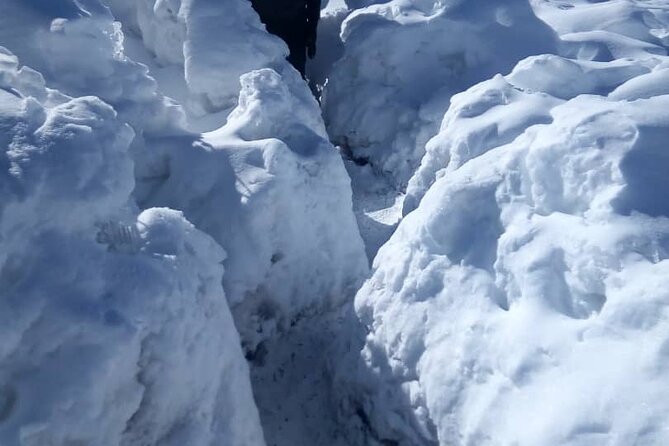
On Day 5, you climb from about 4034 m to 4662 m (around 628 m gained) and head toward Barafu Camp. This is the day described as completing the South Circuit, and it is one of the reasons Lemosho is such a strong option if you want variety in the summit views.
Once you reach Barafu, you get an early dinner and rest to prepare for summit night. That meal-and-recovery window matters more than people think. Your body needs fuel and calm, not extra excitement.
Also, Barafu is high enough that cold can creep in fast. Even if you feel okay when you arrive, you will likely feel colder during rest. Keeping your layers accessible and using the right gloves or warm headwear can make the waiting time much more manageable.
Day 6 summit night: Stella Point, sunrise, and Uhuru Peak
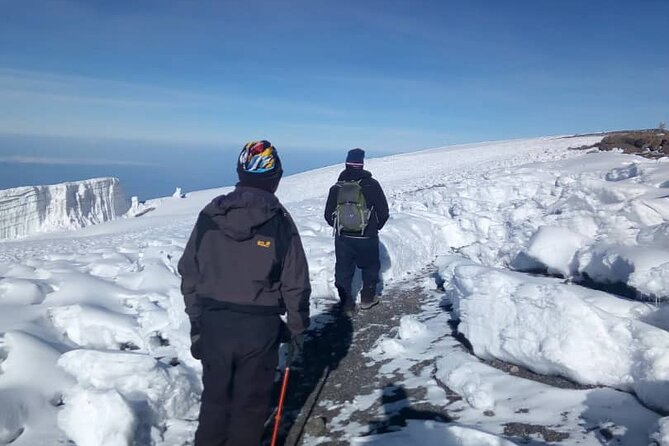
This is the day everyone books for, and it is also where the route description gets very specific. You climb toward the summit between the Rebmann and Ratzel glaciers, then you ascend with switchbacks through heavy scree toward Stella Point on the crater rim.
You are likely to feel warmth and cold swing as the sun changes. The short rest at Stella Point is rewarded with a magnificent sunrise. The description also notes that faster hikers may reach the sunrise from the summit, but the main point is the view.
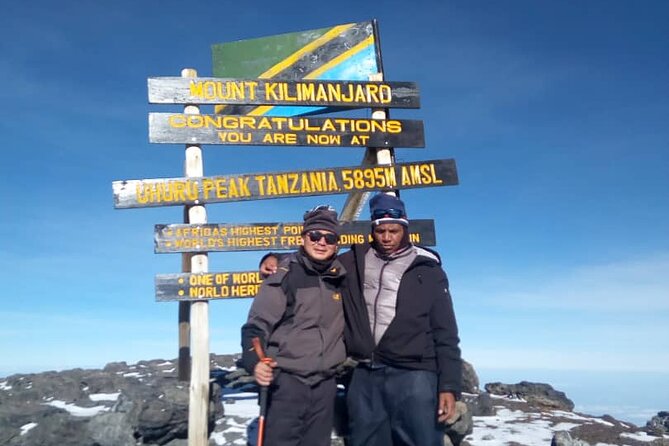
From Stella Point, it is about an hour to Uhuru Peak. The itinerary notes you may encounter snow along this final stretch, so expect cold surfaces and traction challenges even when you feel your body speed up.
After you reach Uhuru Peak, you take photos and celebrate. Then you begin the descent back down. Summit day is not about endurance only. It is also about staying focused one step at a time, even after adrenaline kicks in.
A balanced expectation helps here: reaching the top is the win, but getting down safely is the real finish line.
Day 7: Mweka Park Gate descent, mud risk, and a return to Moshi
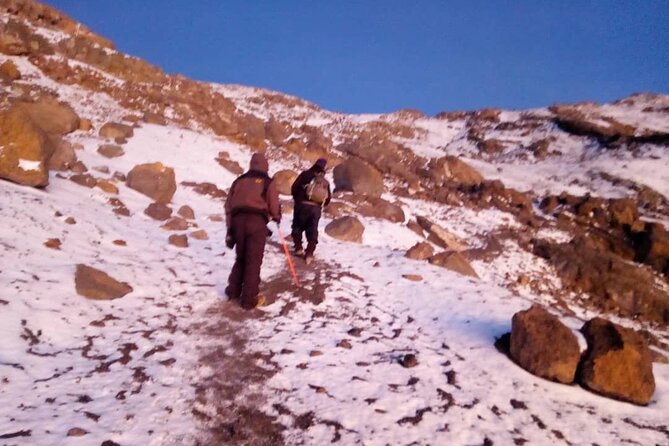
Day 7 is about dropping altitude and getting your legs back under you. You start at roughly 3106 m down to 1633 m (about 1473 m lost) on the descent to Mweka Park Gate.
After breakfast, the program includes a heartfelt ceremony focused on appreciation and team bonding with your crew. Then it is straight into the descent, which will feel dramatically warmer, with terrain that can be wet, muddy, and steep.
This is another day where gaiters and trekking poles matter. If you did not fully trust them earlier, Day 7 is where they turn from gear to confidence.
From the gate, a vehicle meets you at Mweka village for the drive back to your hotel in Moshi, about 30 minutes. That hot shower moment is not a luxury, it is recovery. Dinner and celebrations typically follow, because you earned it.
What you get for $2,400, and where the value shows up
At $2,400 per person for a 7-day small-group Lemosho climb, you are paying for more than a trail. You are paying for a system: permits and fees, trained leadership, and the behind-the-scenes crew work that keeps the trek running.
Here is where the value becomes tangible:
- All fees and taxes and an admission ticket included in the itinerary days.
- Professional English-speaking guide plus mountain crew including cook and porters.
- Overnight stays in hotels and mountain tents.
- Camping equipment such as tents, sleeping mats, and chairs and tables.
- Meals built into the schedule, including 8 breakfasts, 8 lunches, and 7 dinners, plus clean drinking water and bottled water.
- Coffee and/or tea included.
- Transfers included, plus pickup offered.
- Mobile ticket provided.
In short, you get a guided, supported climb with food, shelter, and logistics handled. You also avoid the classic “surprise costs” of piecing things together yourself.
What can change your personal value calculation is what you bring to the climb. If your training is limited, you might struggle and feel forced into a slower pace, which affects how much you enjoy the scenery. If you prepare well, the support system feels exactly right.
And one more practical note from feedback: safety procedures were highlighted, including oxygen and pulse oximeters being present and used appropriately. That signals an operations focus, not just a route focus.
Pace, altitude, and why steep days are not the enemy
Lemosho’s challenge is described as higher than some common alternatives, and the itinerary reflects that in how it moves. Day 2 has a big altitude push. Day 3 adds high points for acclimatization and then descends to Barranco. Day 4 adds a technical wall. Day 5 climbs again to Barafu.
So the enemy is not effort. The enemy is spending your oxygen budget too fast.
Here is the pacing philosophy this route supports:
- Let the first days set your rhythm, especially in muddy rainforest conditions.
- Treat acclimatization as a gift day, not a sprint.
- Respect summit night structure. Early dinner and rest are part of the plan for a reason.
If you know you tend to race ahead of the group when you feel good, you should practice restraint. The later parts of the climb will reward steady pacing more than bursts of speed.
Packing for rainforest mud, cold ridges, and scree
The itinerary explicitly recommends gaiters and trekking poles on the early slippery sections. It repeats the advice on Day 7 when the terrain is wet, muddy, and steep after the summit.
So plan your kit around traction and stability:
- Gaiters for mud and wet trail protection.
- Trekking poles for balance on steep descents and technical sections like Barranco Wall.
- Warm layers for temperature drops after rainforest and on summit night.
The itinerary also mentions snow possible on the final ascent and cold conditions around summit points like Stella Point. Even if you are prepared for cold in theory, the key is being prepared for it consistently, not just at the moment you reach higher ground.
Because the climb includes tents and sleeping mats, you mainly need to focus on clothing you can adapt quickly. That is where most comfort gains come from.
Who should choose this Lemosho climb from Arusha
This climb suits you if:
- You want a 7-day Kilimanjaro plan with built-in acclimatization.
- You like route variety, not a one-note climb.
- You are comfortable with steeper passages and wet trail conditions.
- You prefer a small group experience with a stable guide team.
It might not suit you as well if you need a very gentle route or you struggle with technical footing. The route is described as more challenging than Marangu and Rongai, and the itinerary includes technical and slippery days.
Also, summit night is long and physically intense. So if you have health limits or you know you get altitude sick easily, you should assess that with your doctor before you commit.
Final verdict: should you book this Lemosho route?
My take is yes, if you want the Lemosho experience the way it was meant to be done, western-side entry, rainforest to moorland transitions, strong acclimatization choices, and a summit day that feels earned.
Book this if you value:
- a maximum of 6 in the group,
- a guide team named in feedback (Kenedy and Julius),
- organized camping support,
- and the practical details that reduce chaos on the ground.
Hold off if you are not ready for steep, muddy, and technical terrain, or if you want a calmer route style than Lemosho typically provides.
FAQ
What time does the climb start?
The start time is 8:30 am.
How long is the Lemosho climb from Arusha?
It is listed as 7 days, approximately.
What group size should I expect?
The tour has a maximum of 6 travelers.
Is pickup included?
Pickup is offered, and transfers are included in the package.
Are park fees and admission tickets included?
Yes. All fees and taxes are included, and admission tickets are listed as included in the itinerary days.
What is included in the price?
The price includes a professional English-speaking guide, mountain crew (cook and porters), hotel and mountain tent overnights, camping equipment, meals (8 breakfasts, 8 lunches, 7 dinners), clean drinking water, bottled water, coffee or tea, and included transfers. A mobile ticket is also mentioned.
What is not included?
Visa fees, tips, alcoholic and soft drinks, and personal spending money for souvenirs are not included.
Do I need trekking poles and gaiters?
Gaiters and trekking poles are highly recommended, especially on slippery, muddy sections early and again on the wet, muddy descent near the end.
What safety equipment is used?
The feedback mentions oxygen and pulse oximeters being present and used appropriately.
What happens if weather is bad or I cancel?
Free cancellation is available up to 24 hours in advance for a full refund. The experience requires good weather, and if canceled due to poor weather you will be offered a different date or a full refund.
Just posted around Arusha
- 8 Days Serengeti Migration safari★ 5.0 · 11 reviews
- tarangire & ngorongoro 2 days tour★ 5.0 · 14 reviews
- serengeti, ngorongoro & tarangire 4 days private tour★ 5.0 · 18 reviews
- tarangire, ngorongoro & lake manyara park 3 days private tour★ 5.0 · 11 reviews
- climb the KILIMANJARO via Lemosho route★ 5.0 · 4 reviews
- Mt. Kilimanjaro: Shira plateau to Cathedral point 3872m Day hike★ 5.0 · 7 reviews
- serengeti & ngorongoro 3 days private tour★ 5.0 · 15 reviews
- Kilimanjaro Waterfalls Hike & Moshi Hot Springs Day Trip Tour★ 5.0 · 4 reviews
Kilimanjaro Climbs, compared.
8-Day Small-group Lemosho Kilimanjaro Summit Trekking
Read our review →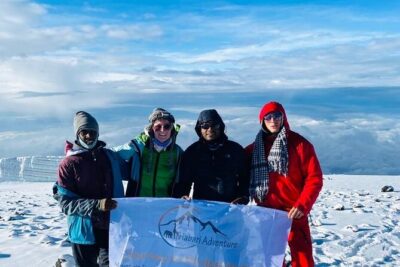
5 Days Best of Tanzania Luxury Safari Northern Circuit
Read our review →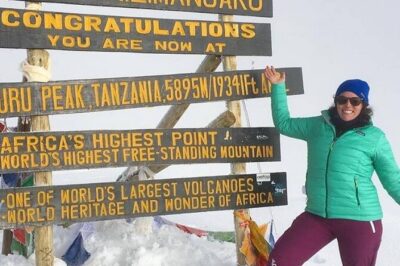
Climbing Kilimanjaro through 7 days Machame Route
Read our review →